ADVERTISEMENT
Introduction
Your living room walls are more than just structural boundaries; they are the expansive canvases of your home’s personality. While paint establishes the mood, it is the decor that adds depth, narrative, and soul. Staring at a blank wall can feel daunting, but it presents a unique opportunity to curate an environment that reflects your taste while enhancing the architectural flow of the space. Whether you crave the curated chaos of a gallery or the serenity of a single statement piece, the key lies in intentionality and balance.
Layout and Positioning
Before hammering a single nail, visualize the wall as a grid. The most common mistake is hanging art too high; keep the center of your arrangement at eye level, roughly 57 to 60 inches from the floor. For a cohesive look, treat multiple smaller pieces as one large unit.
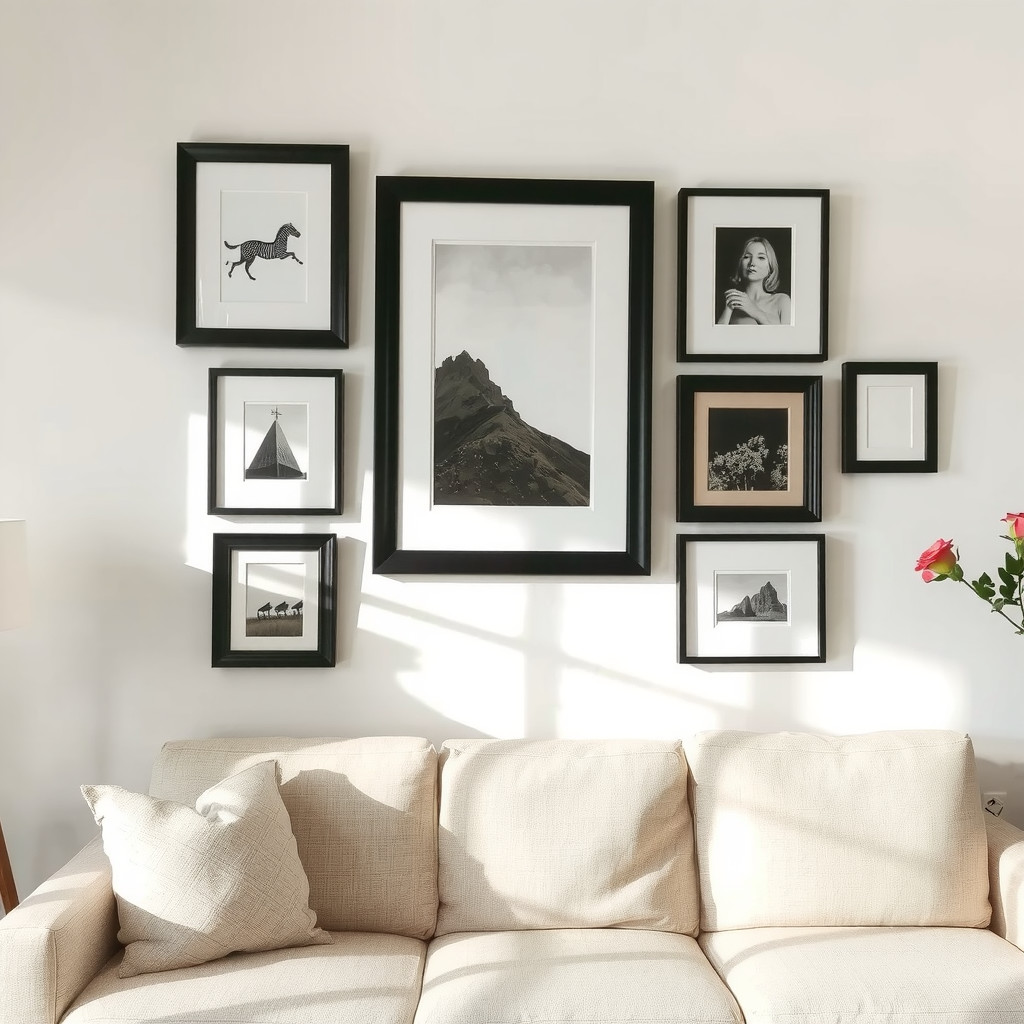
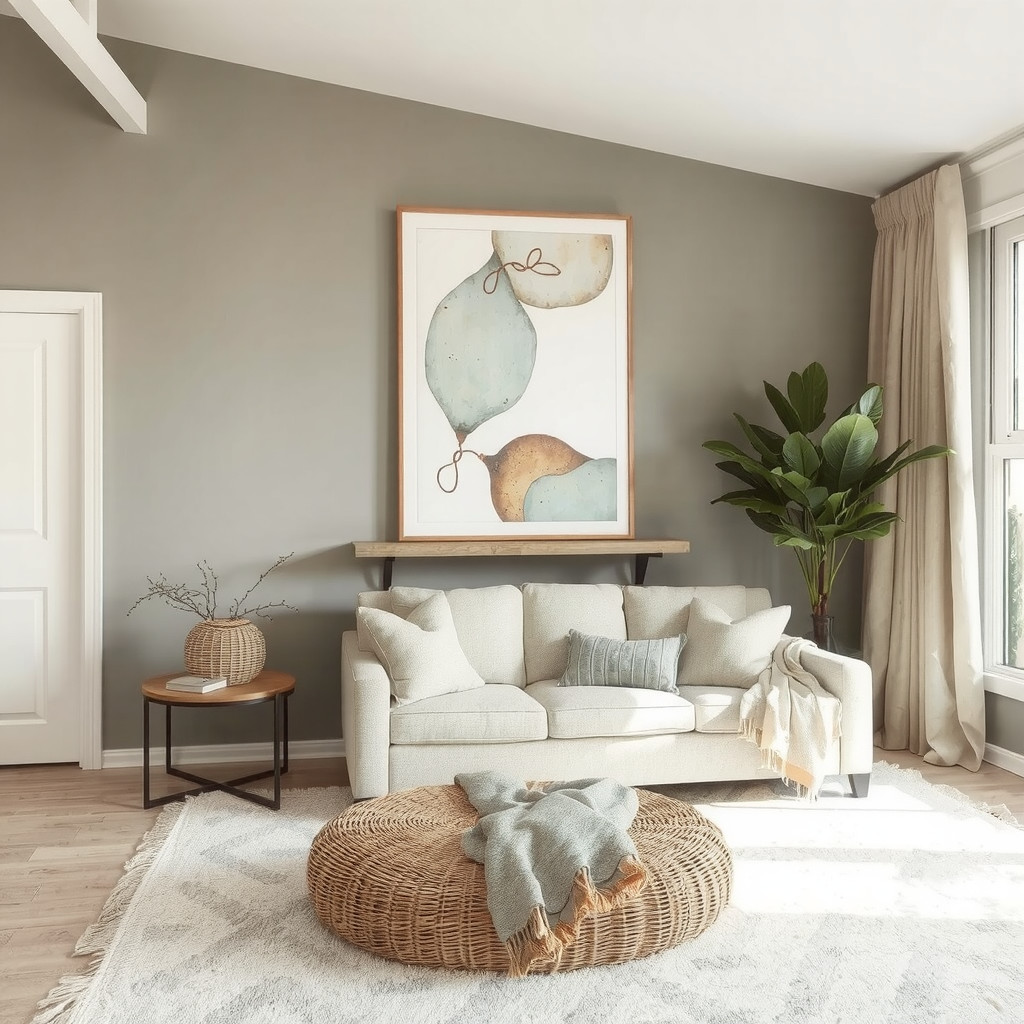
When planning a layout above furniture, such as a sofa or console, ensure the artwork spans about two-thirds of the width of the furniture piece to anchor it visually. Allow for breathing room between frames—usually two to three inches—to prevent the arrangement from feeling cluttered. Symmetry offers a formal, calming effect, while asymmetry introduces energy and modern dynamism to the living area.
Materials and Textiles
Wall decor transcends framed prints and canvases. Introducing texture breaks the monotony of flat surfaces and adds acoustic softness to the room. Consider large-scale fiber art, woven tapestries, or macramé hangings to infuse warmth and tactile interest.
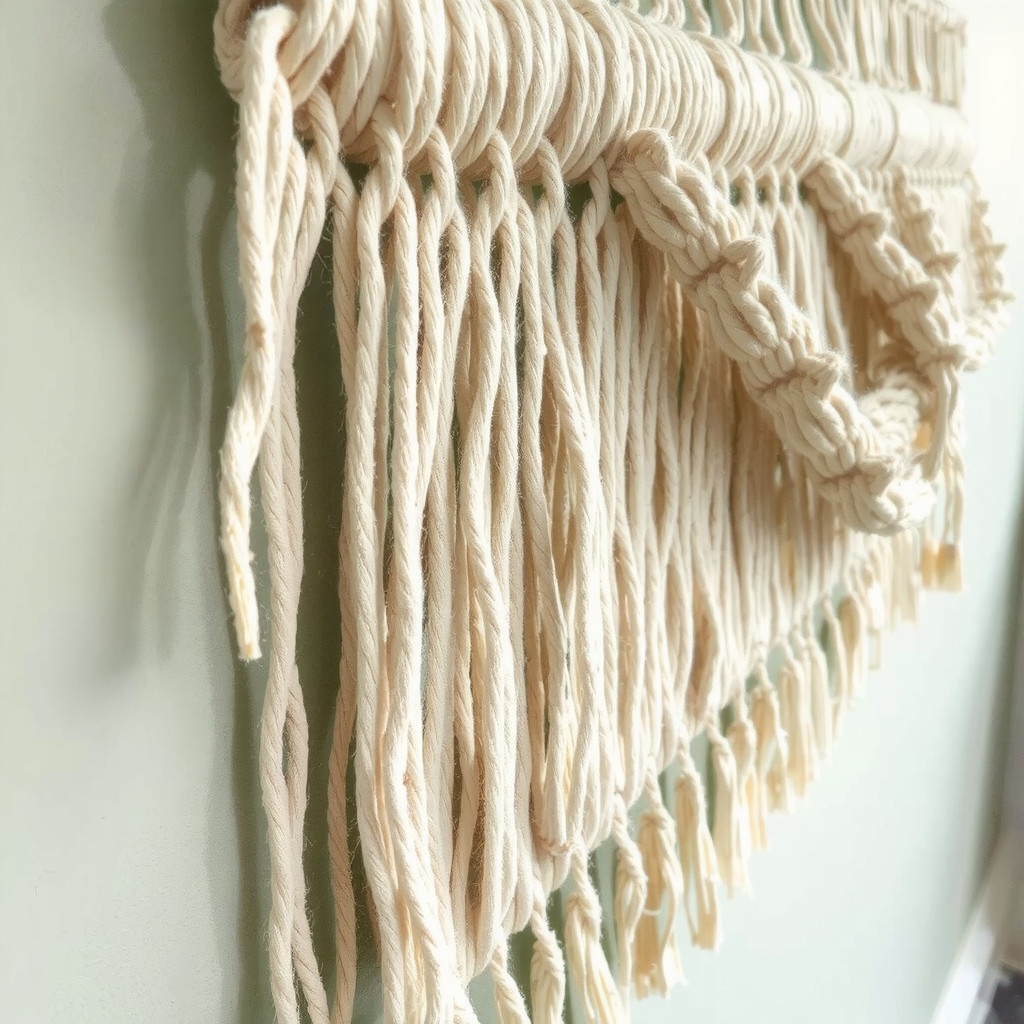
Wood brings an organic element that grounds the space. Architectural moldings, slat wood panels, or even oversized antique wooden trays can serve as sculptural elements. Mixing materials—glass, wood, fabric, and metal—creates a layered aesthetic that feels collected rather than purchased in a single trip. A metal wire sculpture or a ceramic relief can catch the light differently than paper, adding a dynamic quality to the room throughout the day.
Focal Points
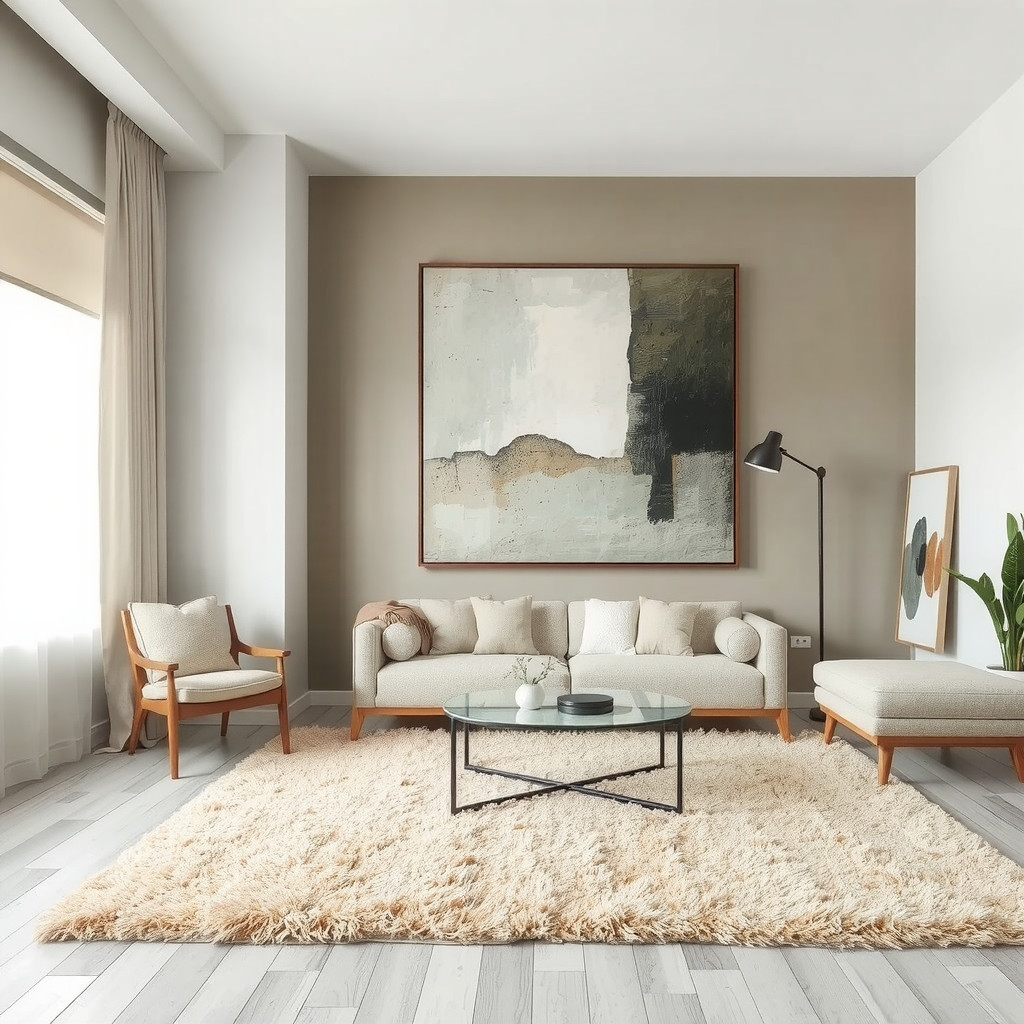
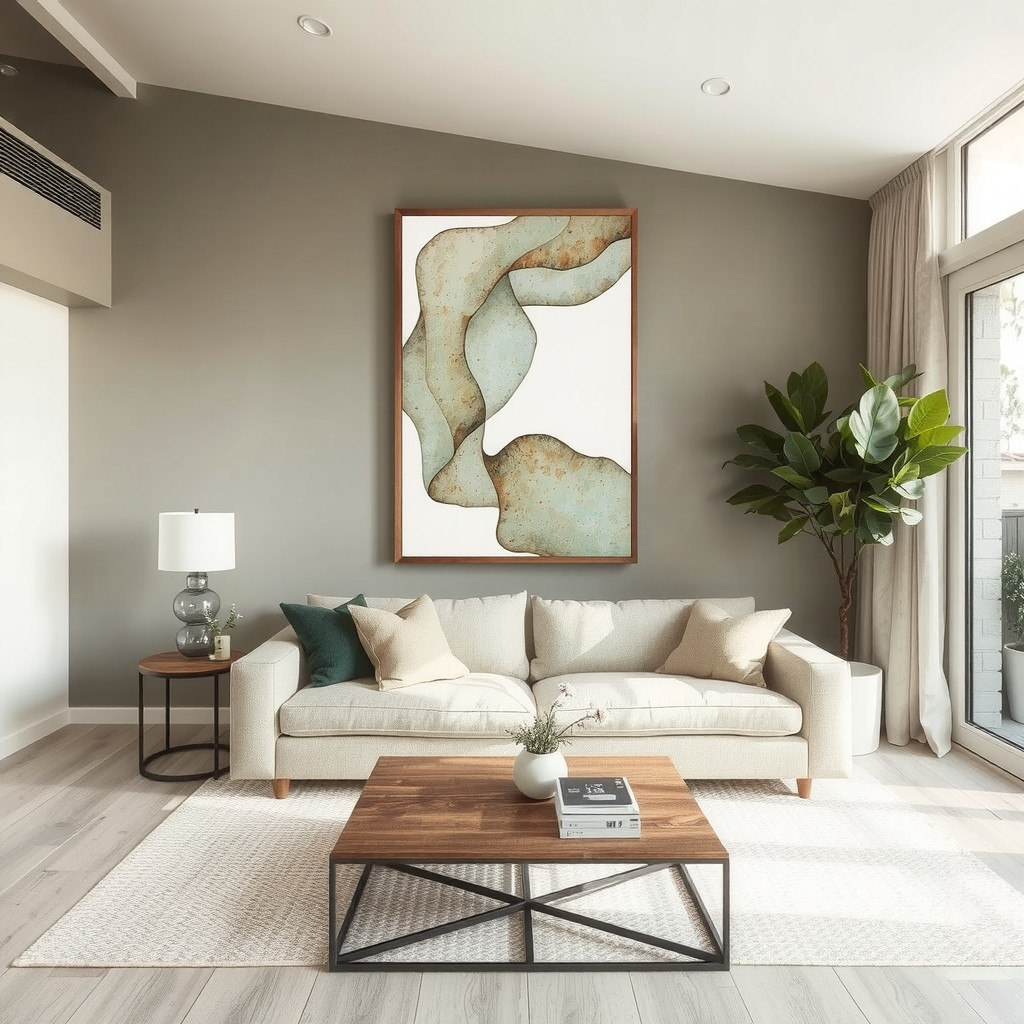
Every living room needs a hero moment, and your wall decor is the perfect candidate. A focal point dictates where the eye lands first. This could be an oversized piece of abstract art that commands attention through scale and color, or an intricate mirror that reflects light and expands the perceived space.
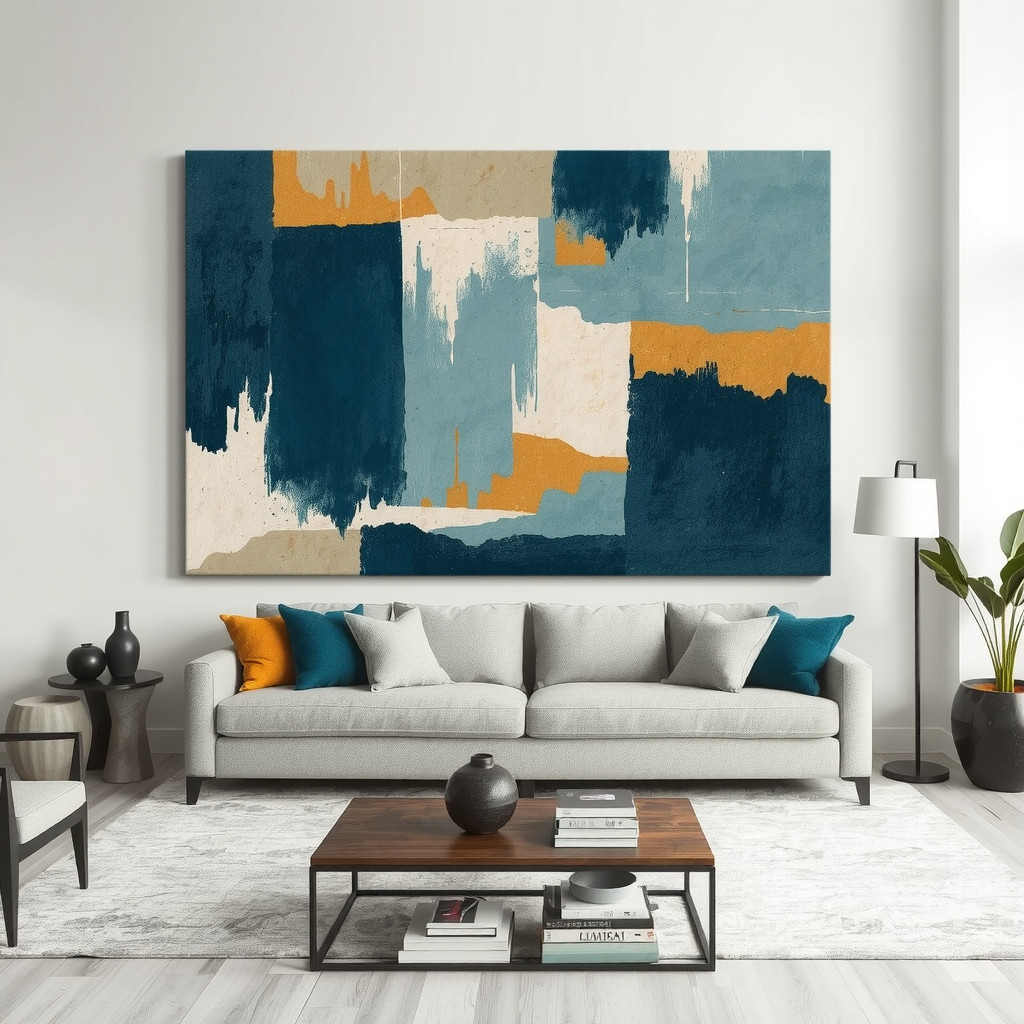
If you opt for a large-scale artwork, keep the surrounding walls relatively quiet to avoid visual competition. The goal is to create a hierarchy where one element leads and others support. A bold, singular focus often feels more sophisticated and intentional than a scattering of smaller, unrelated items.
Lighting
Decor looks only as good as the light that hits it. Wall decor requires specific illumination to truly shine. Sconces are not just fixtures; they are jewelry for your walls that frame your art or mirrors. Installing a picture light above a key painting elevates it instantly to gallery status.
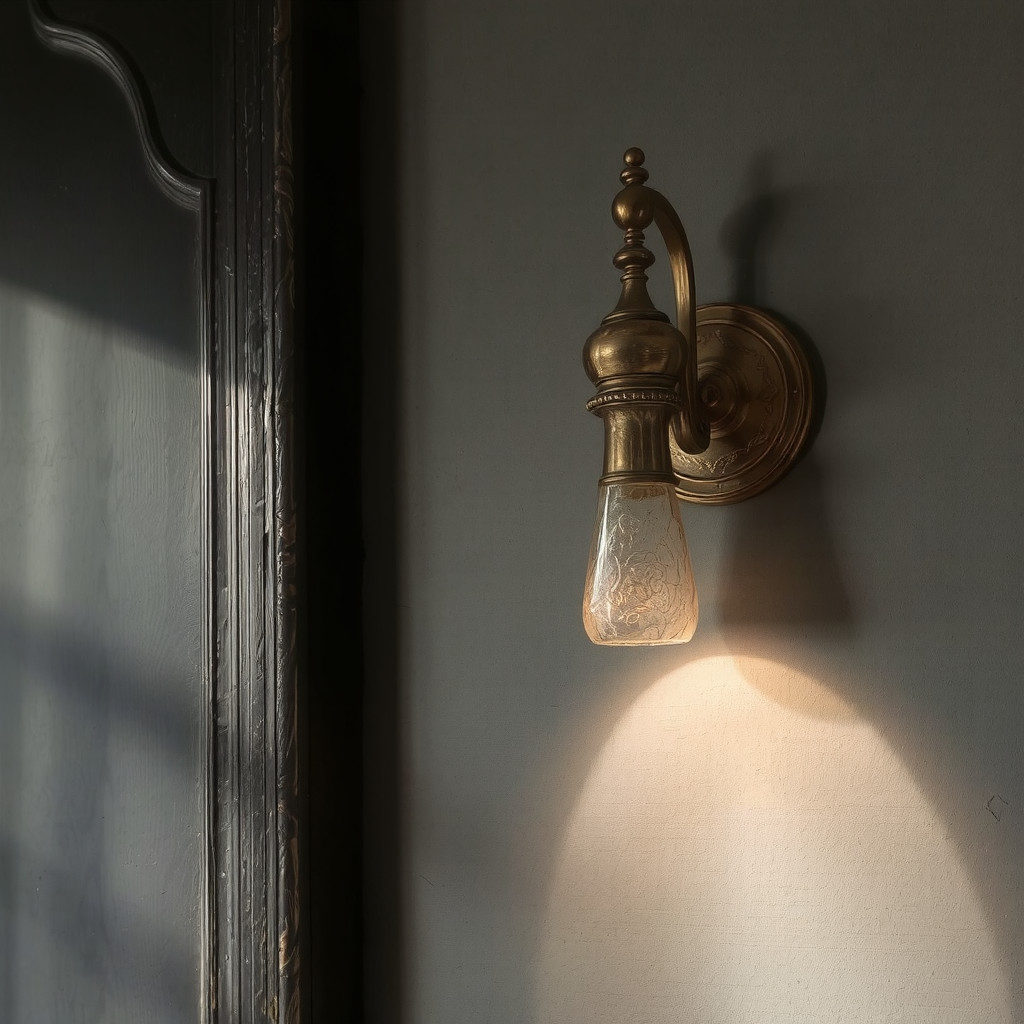
Consider the interplay of shadows. A textured wall hanging or relief sculpture will change appearance as the light shifts from morning sun to evening ambiance. directional lighting, like track heads or adjustable sconces, allows you to wash the wall with light, enhancing textures and creating a moody, intimate atmosphere in the evening.
Greenery
Bringing life to your vertical surfaces blurs the line between indoors and out. Wall-mounted planters or floating shelves adorned with trailing vines draw the eye upward and add vibrant organic color.
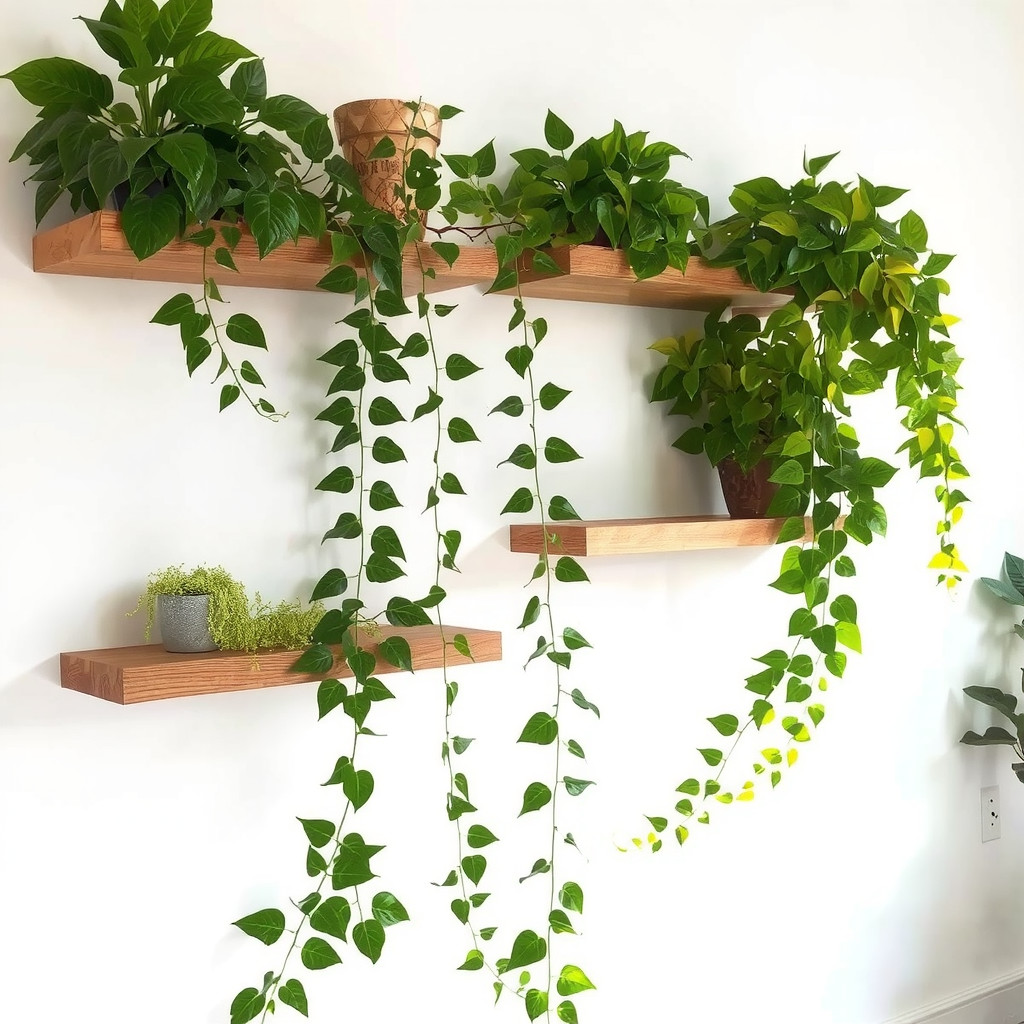
Vertical gardens or “living walls” are ambitious but rewarding, turning a static surface into a breathing ecosystem. For a lower-maintenance approach, air plants mounted on driftwood or framed preserved moss art provide that biophilic connection without the need for complex irrigation. Greenery softens the hard lines of frames and furniture, introducing a fluid, natural shape to your wall composition.
Tips
- Test Before You Drill: Cut craft paper to the size of your frames and tape them to the wall to visualize the layout before making holes.
- Mix Orientations: Combine landscape and portrait orientations in gallery walls to keep the eye moving.
- Frame Consistency: If your art is eclectic, matching frames can unify the collection; if the art is uniform, varied frames add character.
- Anchor the Bottom: Heavier or larger pieces usually look best near the bottom or center of an arrangement to provide visual weight.
- Use Mirrors Wisely: Place mirrors opposite windows to bounce natural light deep into the room.
ADVERTISEMENT