ADVERTISEMENT
Introduction
Your bedroom serves as the ultimate sanctuary, a place where the chaos of the day dissolves into the restorative quiet of the night. Integrating greenery into this space does more than simply enhance the aesthetic; it fosters a biological connection that can significantly improve your sleep quality. Certain plants actively purify the air and release oxygen even after the sun goes down, creating a cleaner, fresher environment for rest. By curating a selection of easy-to-grow botanicals, you invite a sense of calm and vitality into your personal retreat.
Layout and Positioning
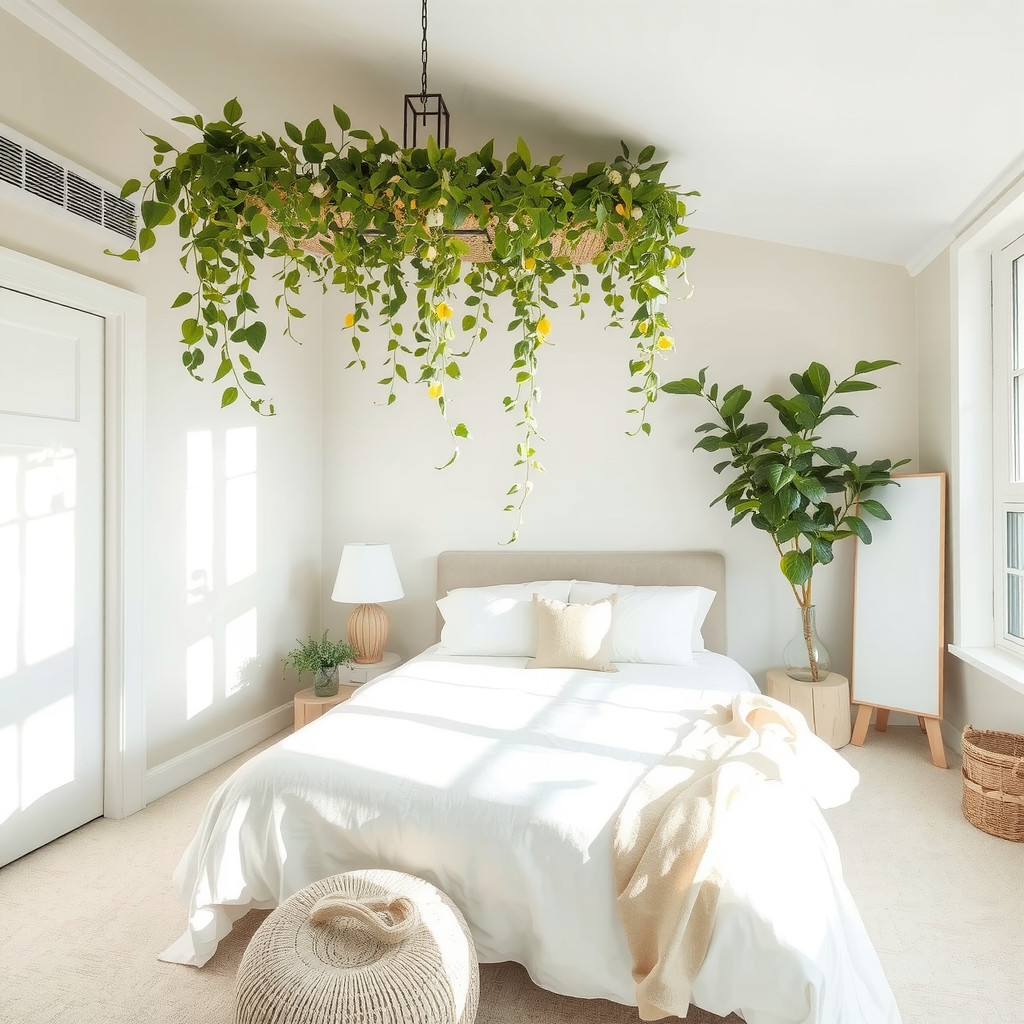
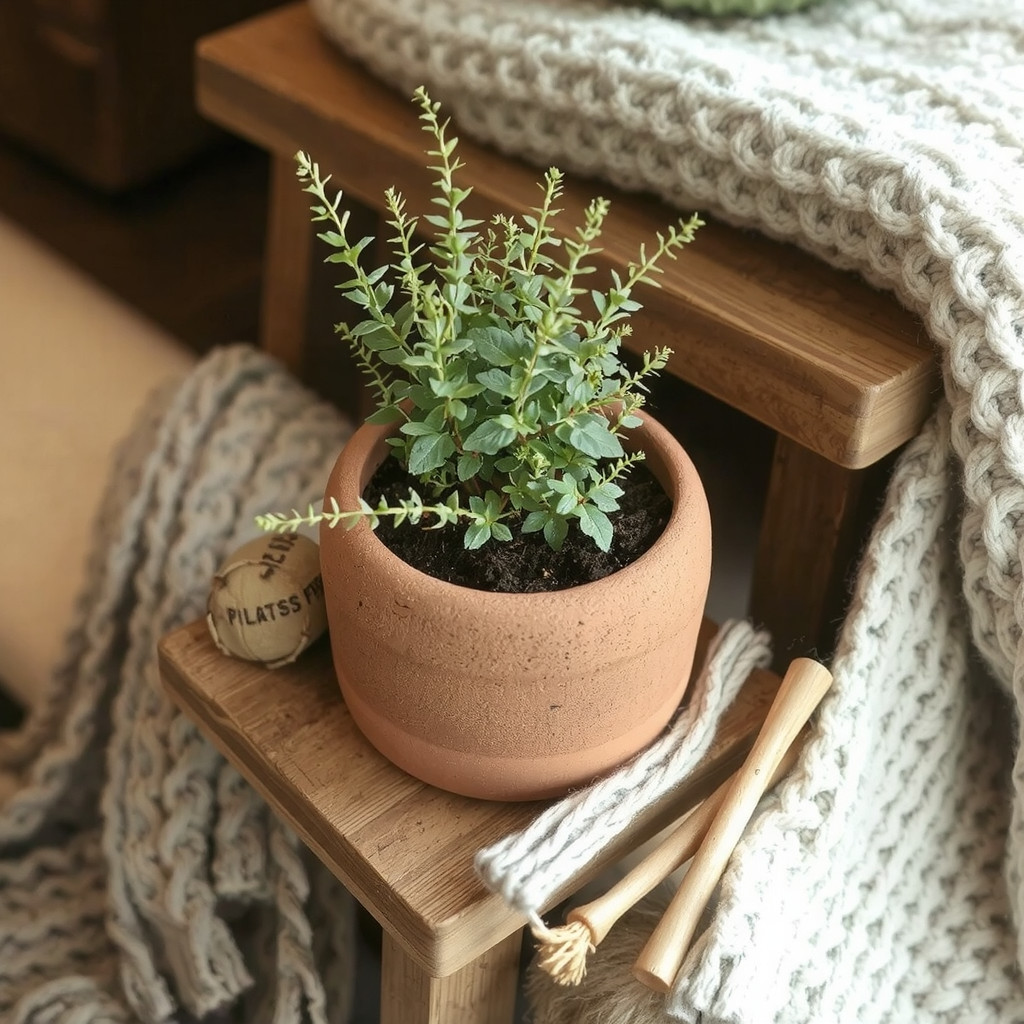
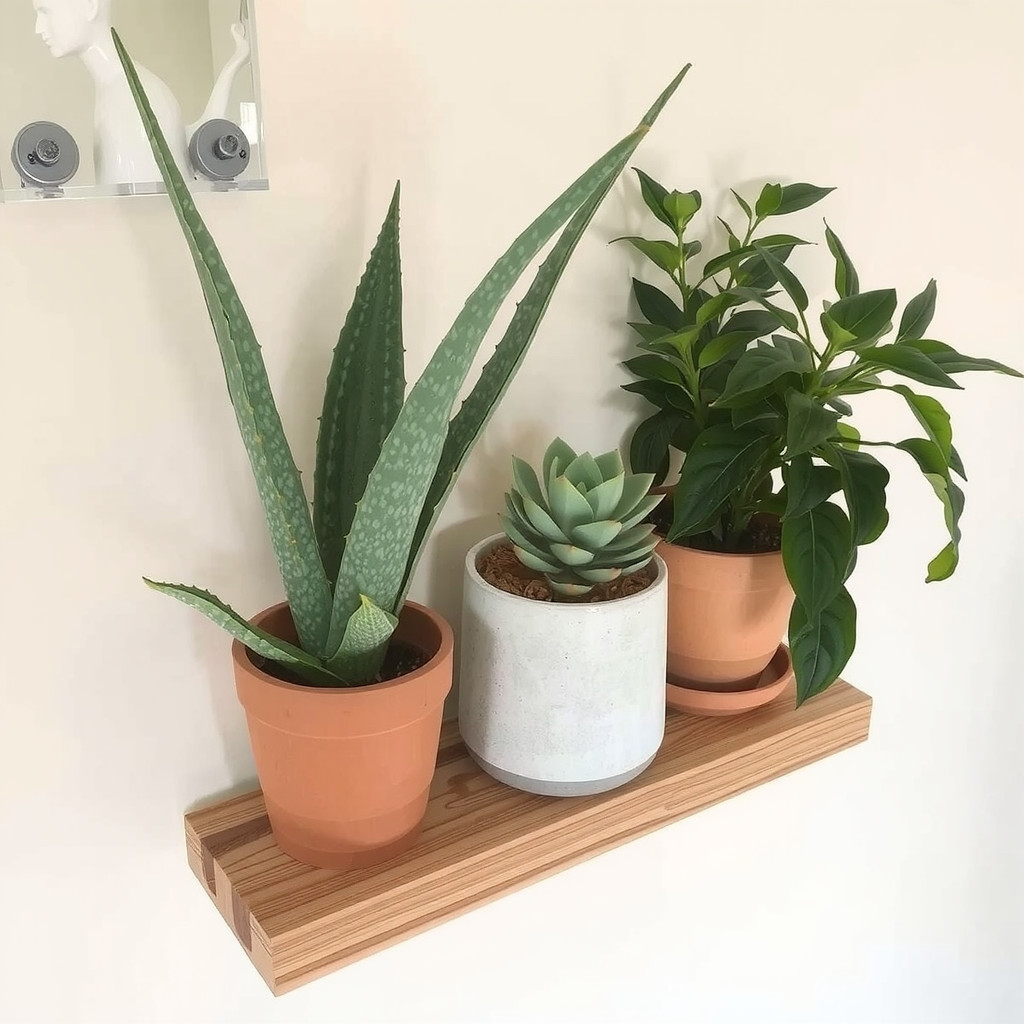
When introducing plants to your sleeping quarters, strategic placement is key to maintaining a clutter-free and serene atmosphere. You want to avoid overcrowding your nightstand, which should remain a functional space for your evening essentials. Instead, look to the vertical spaces. A trailing Golden Pothos or Philodendron placed on a high shelf or in a macramé hanger draws the eye upward, adding depth without consuming floor space. For smaller specimens, a dedicated plant stand near the window allows them to thrive in natural light while keeping surfaces clear.
Materials and Textiles
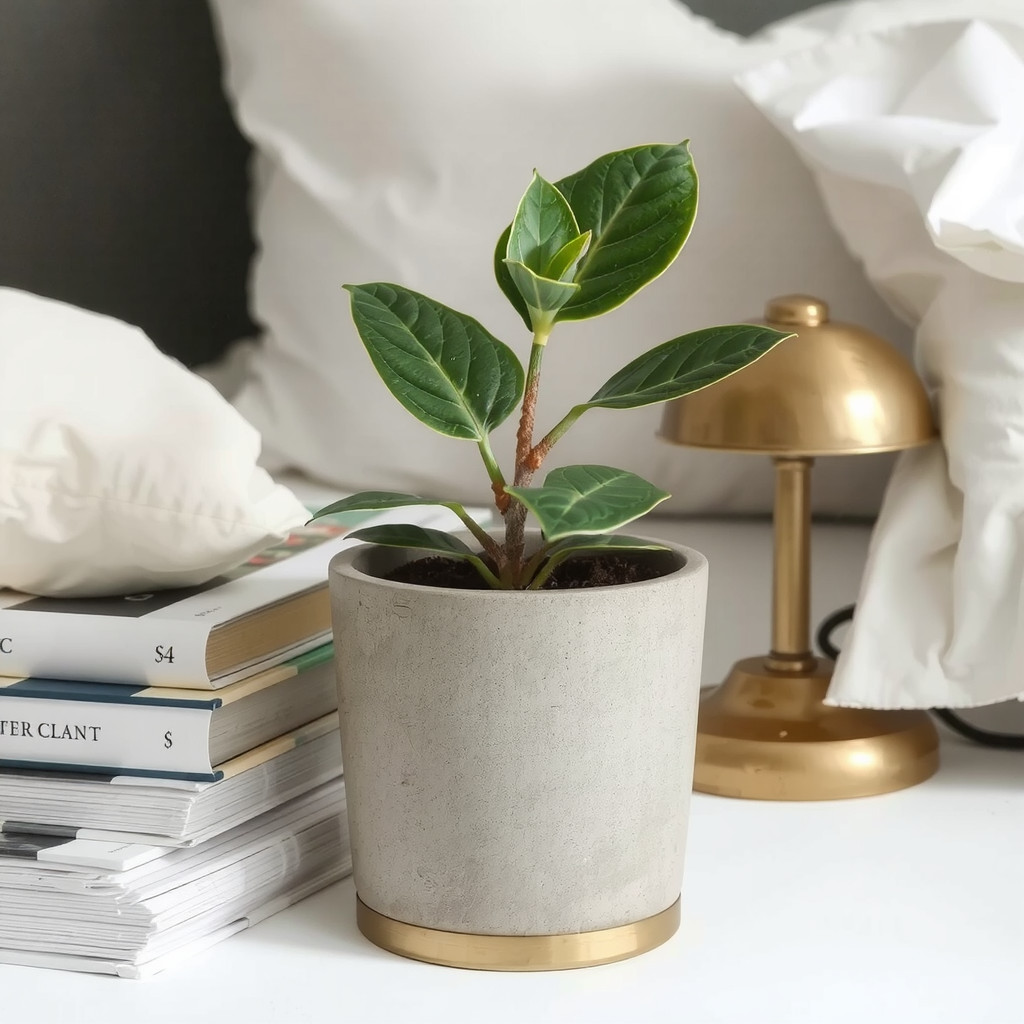
The vessels housing your plants contribute as much to the room’s vibe as the foliage itself. To cultivate a grounded, organic feel, opt for pots made from natural materials like unglazed terracotta, stoneware, or woven seagrass. These textures harmonize beautifully with soft bedroom textiles. Imagine the rough, warm surface of a clay pot contrasting against the crisp coolness of white linen sheets or the cozy weight of a chunky wool throw. This interplay of hard and soft elements creates a tactile richness that feels sophisticated yet lived-in.
Focal Points
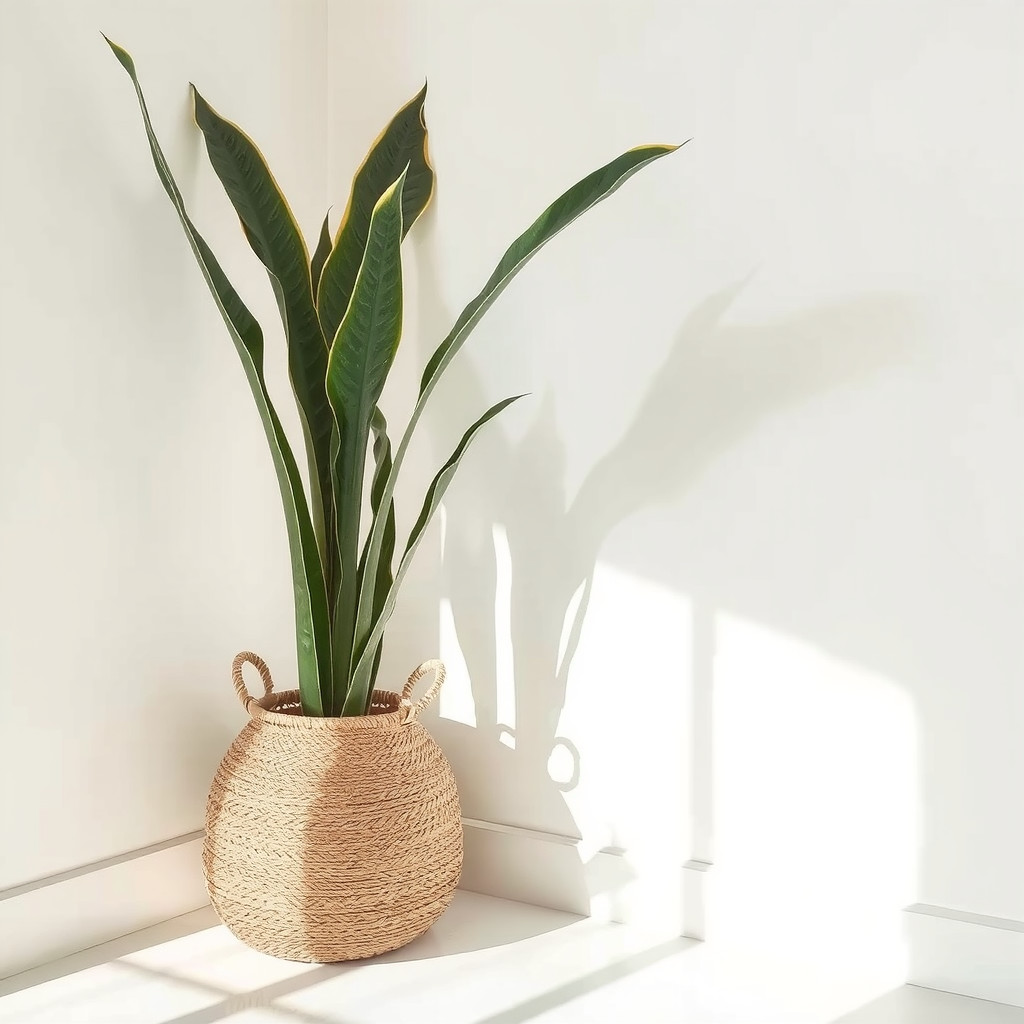
Every room needs a hero, and in a botanical bedroom, a large floor plant serves as a stunning anchor. The Sansevieria, commonly known as the Snake Plant, is an exceptional choice for this role. Not only is it architecturally striking with its upright, sword-like leaves, but it is also one of the few plants that converts carbon dioxide into oxygen at night. Placing a tall Snake Plant in an empty corner adds vertical interest and fills the visual void with organic structure, instantly making the room feel more finished and deliberate.
Lighting
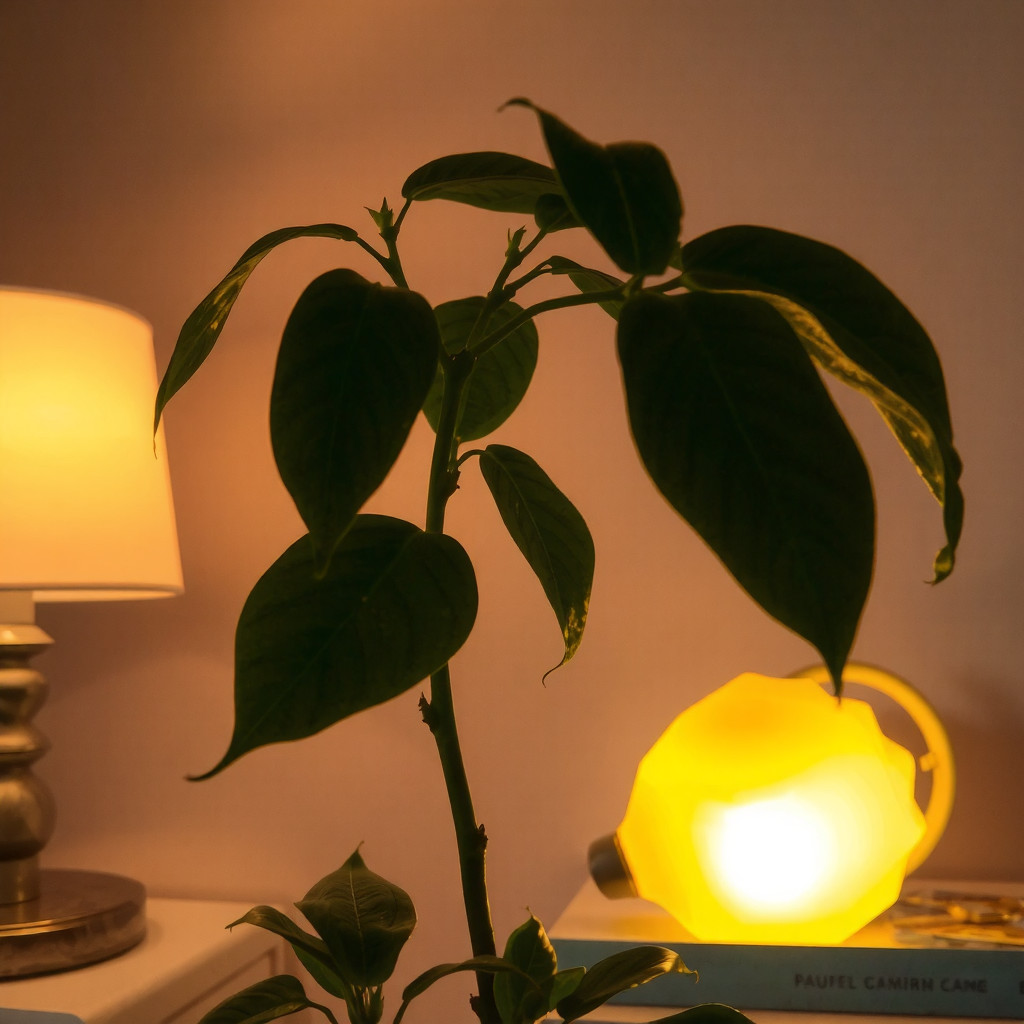
Lighting in a bedroom must transition from bright and functional during the day to soft and mood-inducing at night. Your plants play a role in this interplay of light and shadow. Positioning a plant near a window ensures it receives the daylight it craves, but consider how it looks after dark. A warm, low-lumen table lamp placed near a leafy plant can cast gentle, organic shadows against the wall, adding a layer of visual tranquility. Avoid harsh overhead lighting; instead, use directed ambient light to highlight the rich greens of your foliage, turning them into living sculptures.
Greenery
Selecting the right species is crucial for a low-maintenance, high-reward experience. Since the bedroom is a place for relaxation, you do not want to be burdened with complex care routines.
- Aloe Vera: Known for its healing gel, this succulent releases oxygen at night and requires minimal watering.
- ZZ Plant: Incredibly hardy, it tolerates low light and neglect, making it perfect for darker corners.
- Peace Lily: While it requires slightly more water, it is a powerhouse for filtering indoor air pollutants and increasing humidity, which can be beneficial for breathing during sleep.
Tips
- Dust Regularly: wiped leaves absorb more light and keep the air cleaner.
- Check Soil Moisture: Most bedroom plants prefer to dry out between waterings; stick your finger an inch into the soil to check.
- Rotate Pots: Turn your plants a quarter turn every week to ensure even growth towards the light source.
- Mind the Temperature: Keep plants away from direct drafts of air conditioners or heaters to prevent stress.
- Group for Humidity: Placing plants together creates a microclimate with higher humidity, which many tropical varieties love.
ADVERTISEMENT