ADVERTISEMENT
Introduction
Your bedroom should be the ultimate sanctuary, a place where the noise of the day dissolves into silence and comfort. Introducing living greenery into this intimate space does more than just enhance aesthetics; it actively improves air quality and creates a psychological sense of calm. You do not need a complex irrigation system or a horticulture degree to achieve this lush look. By selecting hardy, low-maintenance varieties, you can cultivate a thriving indoor garden that respects your need for rest and relaxation.
Layout and Positioning
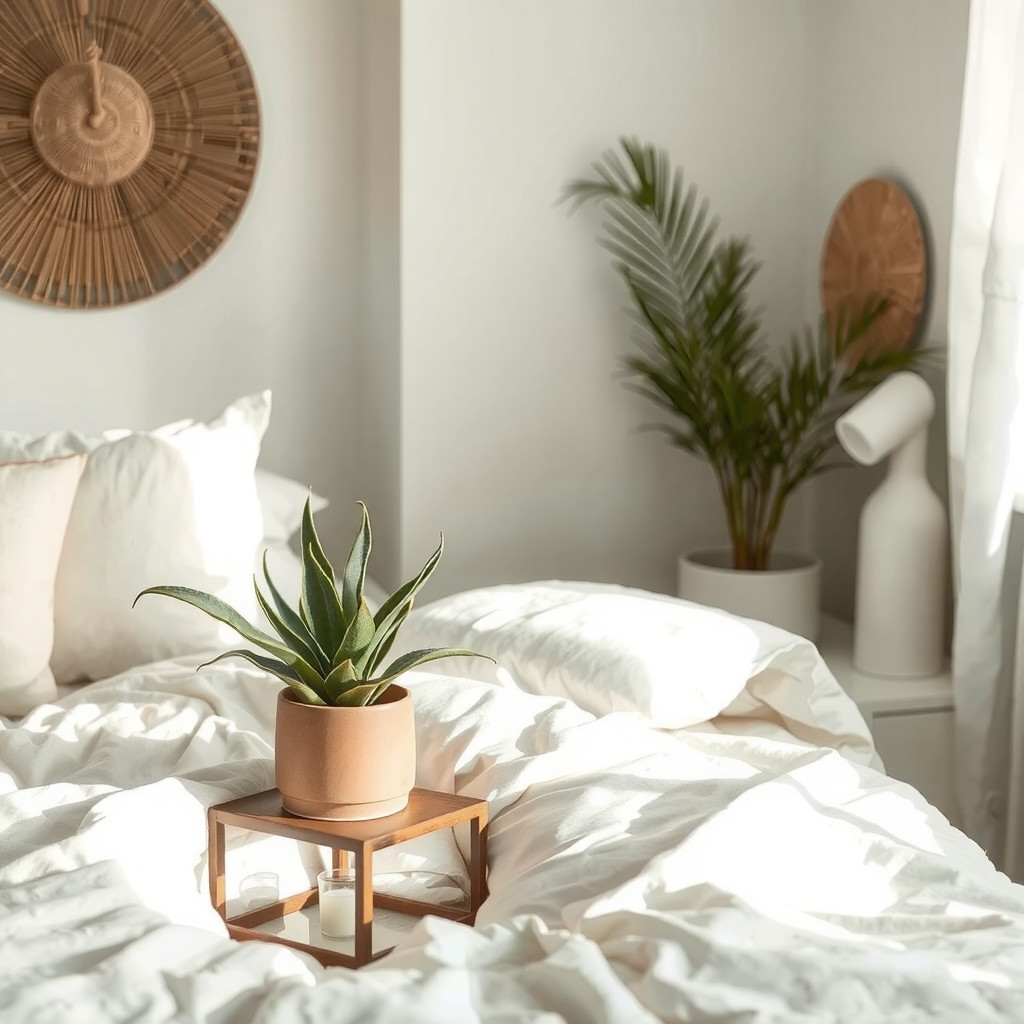
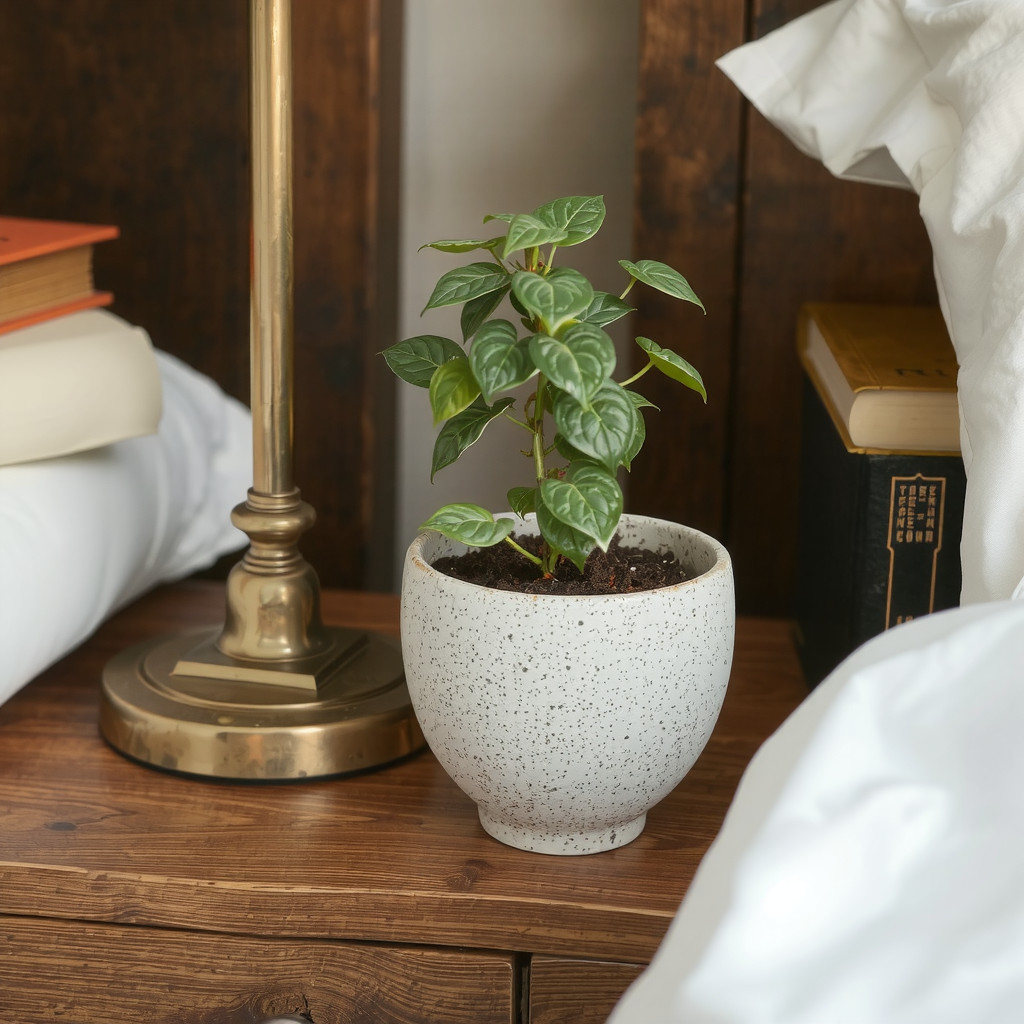
Strategic placement is essential to maintain the serenity of your sleeping area. You want to avoid cluttering walkways or bedside surfaces, which can subconsciously create anxiety. Instead, focus on creating purposeful vignettes. A small, trailing plant on a nightstand adds a touch of organic softness without overwhelming the space required for your evening essentials.
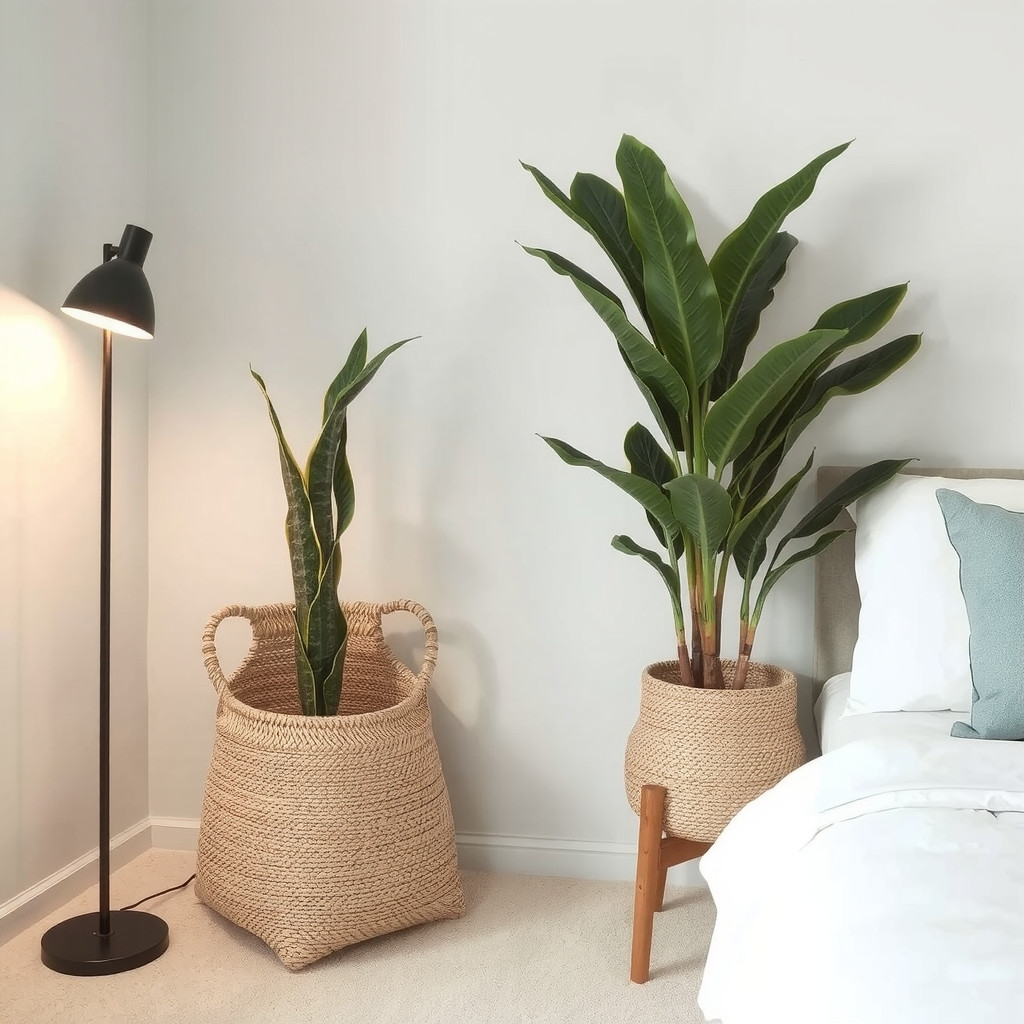
Consider the empty corners of your room as prime real estate for vertical growth. A floor plant can soften the hard lines of cabinetry or wardrobes, bridging the gap between furniture and architecture. Ensure that your placement allows for easy movement; the flow of the room should feel unobstructed and airy, allowing the energy of the space to circulate freely.
Materials and Textiles
The vessel is just as important as the plant itself when curating a bedroom aesthetic. You should aim for planters that complement the tactile nature of your bedding and rugs. Earthenware, such as terracotta or glazed ceramics, introduces a grounding element that contrasts beautifully with crisp percale sheets or chunky knit throws.
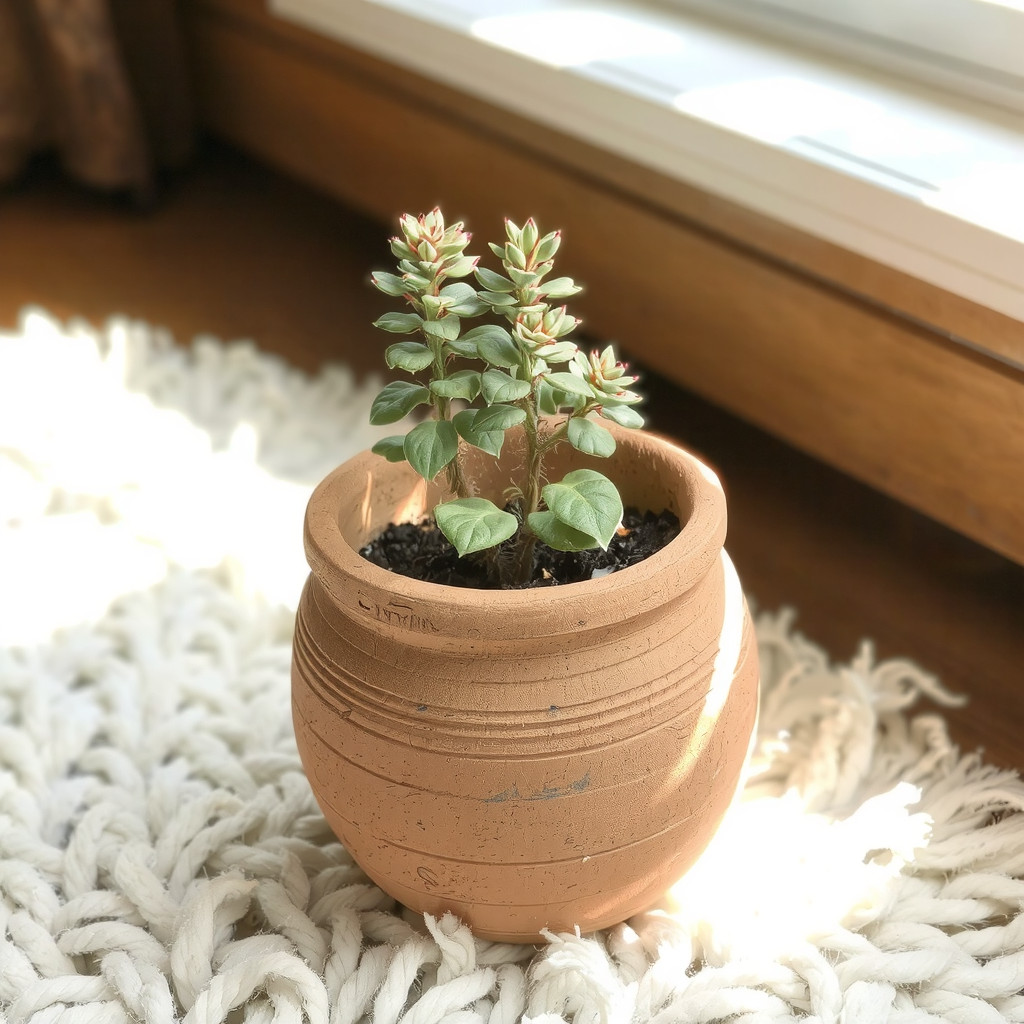
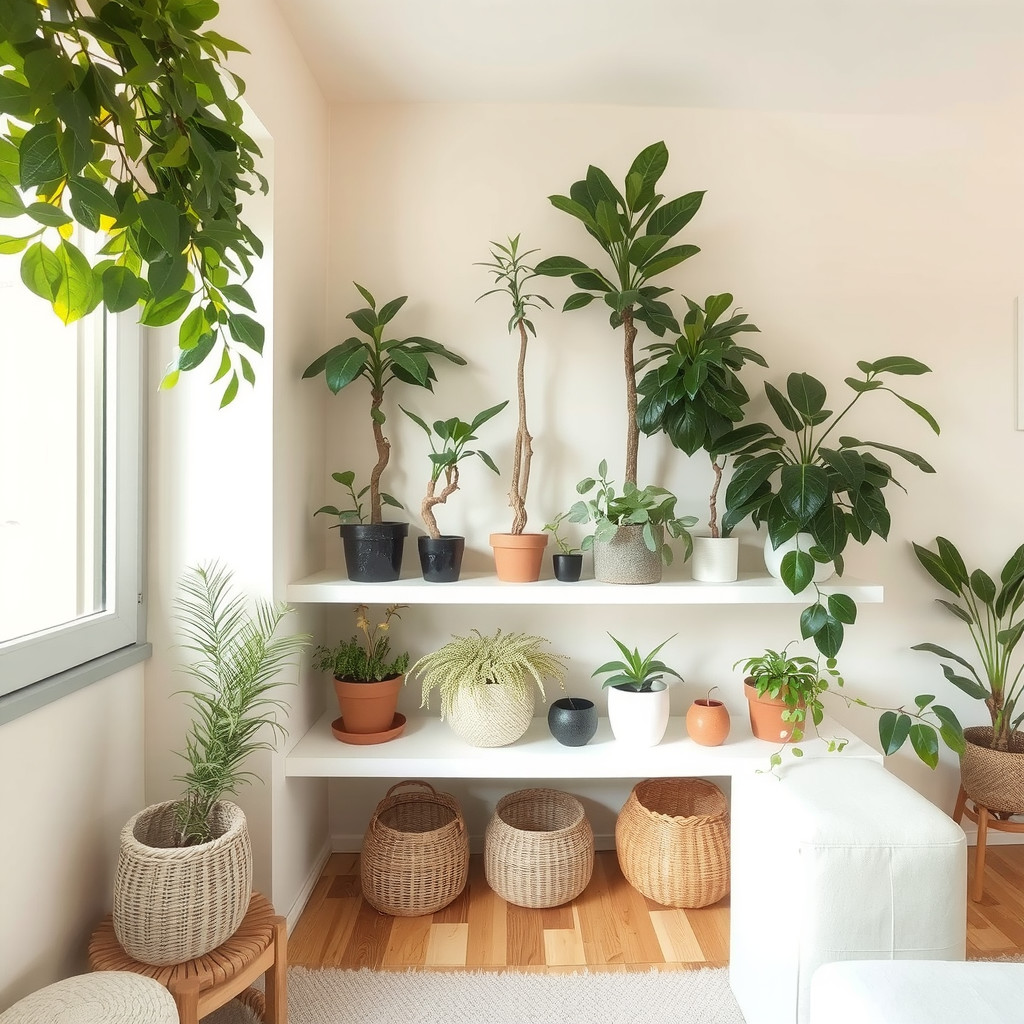
Woven baskets made from seagrass or jute can hide plastic nursery pots while adding warmth and texture. These natural fibers harmonize with wooden furniture and help to absorb sound, contributing to the overall quietude of the room.
Focal Points
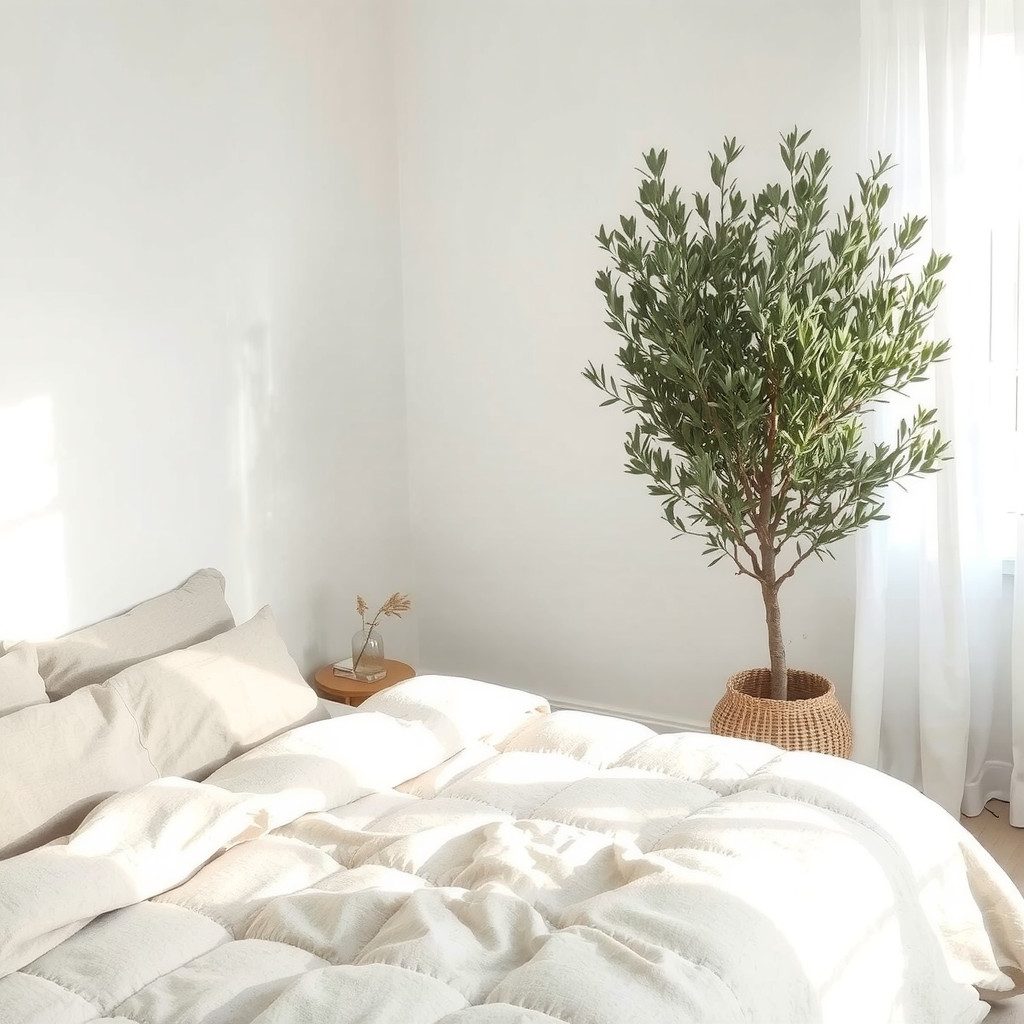
Sometimes, a single bold gesture is more effective than a collection of smaller items. Use a large, structural plant to anchor the room visually. A tall specimen with architectural leaves can serve as a living sculpture, drawing the eye upward and making low ceilings feel higher.
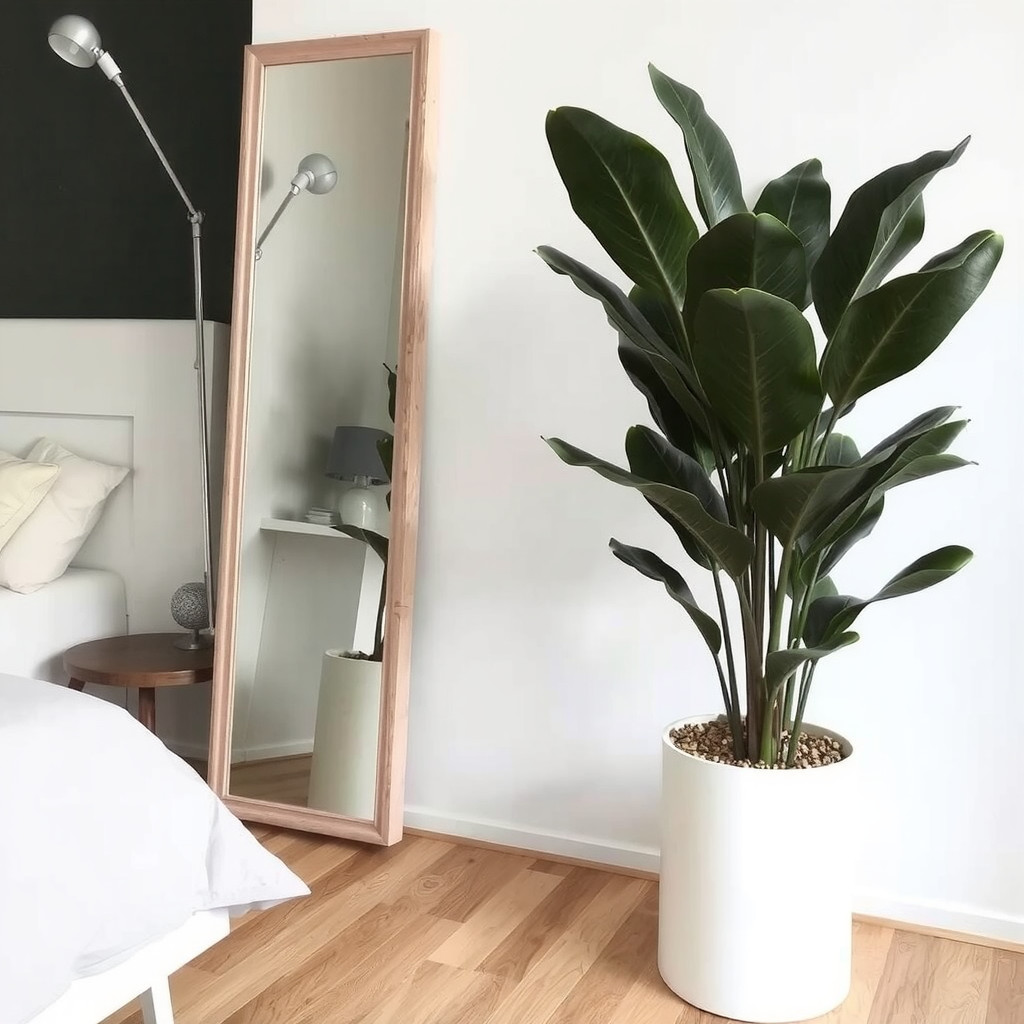
Position this focal point where it can be admired from the bed, creating a soothing view to wake up to. The silhouette of the leaves against a neutral wall creates a dynamic yet peaceful form of art that changes slowly over time, grounding the room with a sense of permanence and life.
Lighting
Before purchasing any greenery, you must honestly assess the light in your bedroom. Most bedrooms are kept dimmer to promote sleep, often relying on curtains or blinds. Fortunately, many resilient plants thrive in indirect or low-light conditions. Watch how the sun moves across your room throughout the day; soft, filtered light is often the sweet spot for these species.
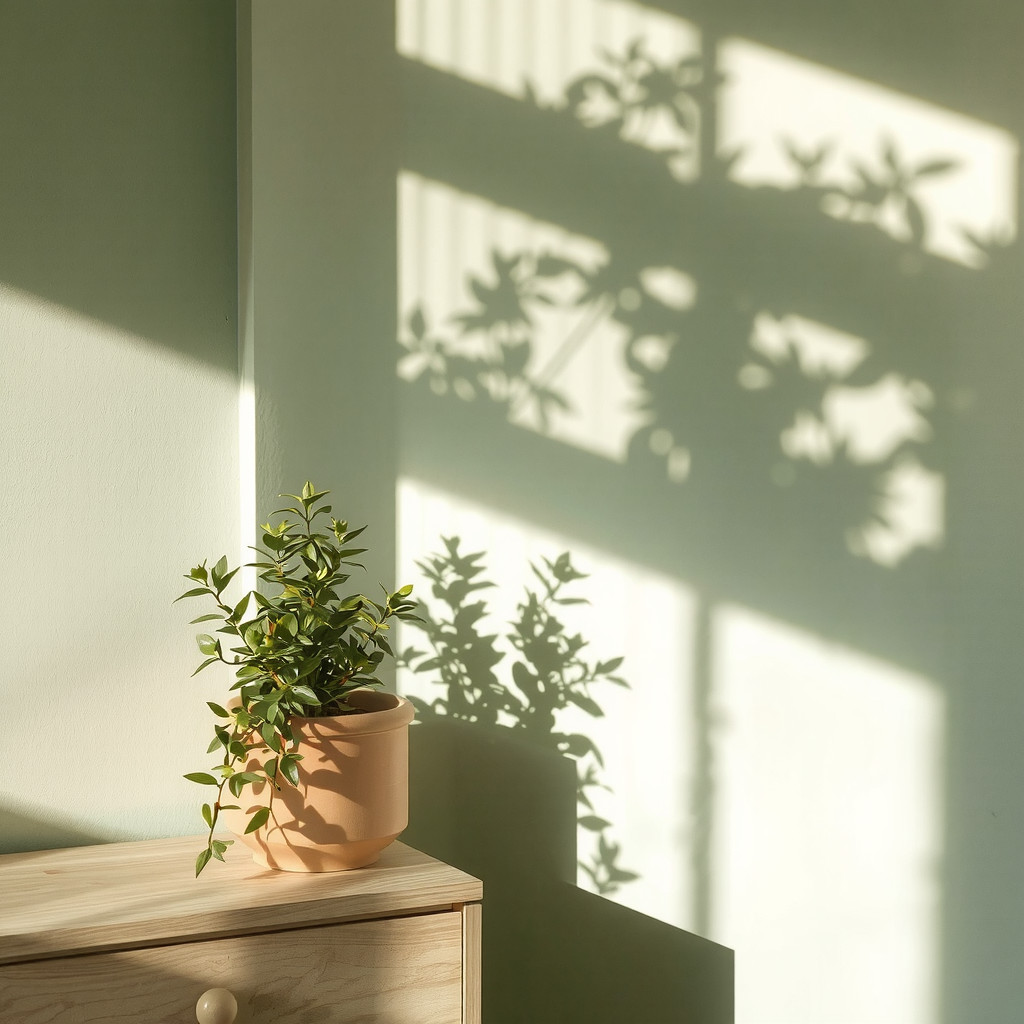
Avoid placing plants directly in front of south-facing windows if they are sensitive to scorching. Instead, set them back a few feet or place them near east-facing windows where the morning sun is gentle and invigorating.
Greenery
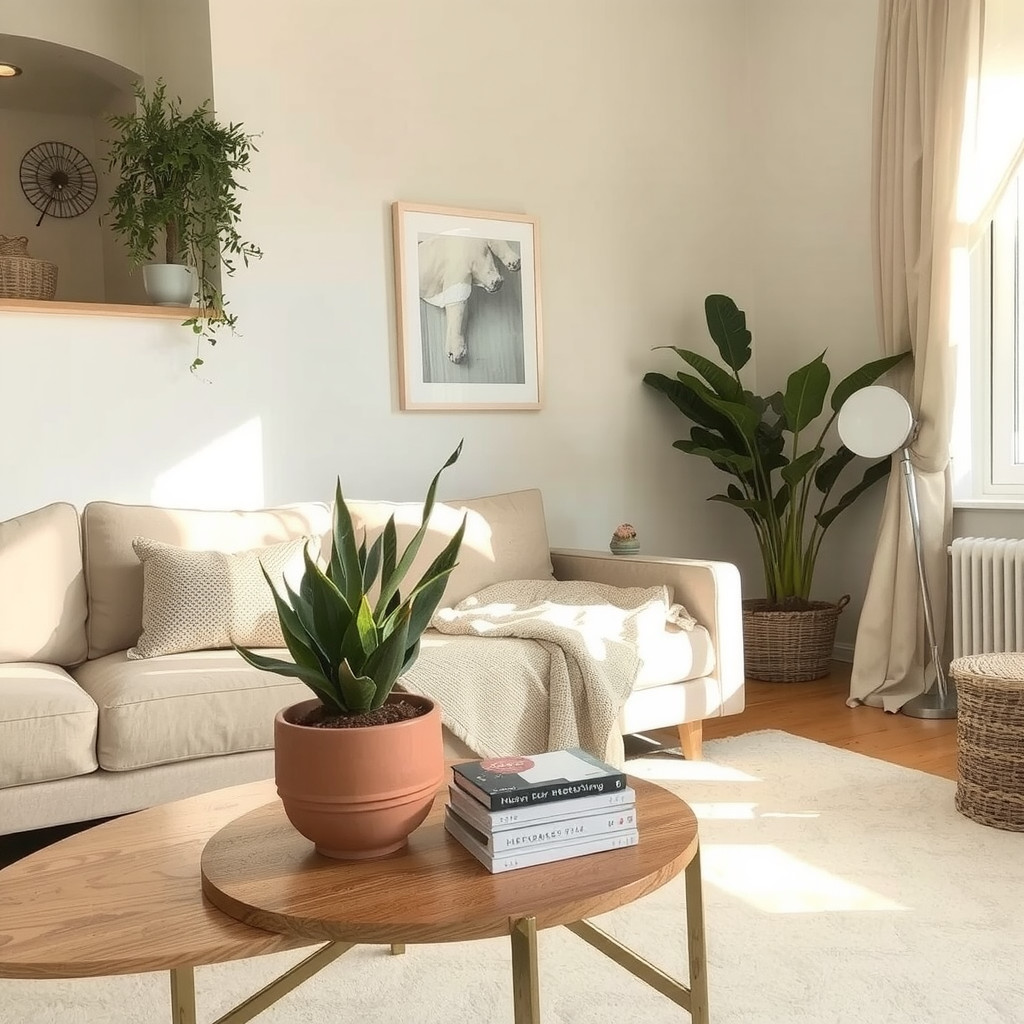
Selecting the right species is the secret to low-maintenance success. You want plants that are forgiving of irregular watering and lower light levels. The Snake Plant (Sansevieria) is a top contender, known for its verticality and air-purifying qualities at night. The ZZ plant is another indestructible option, boasting glossy, wax-like leaves that reflect light beautifully.
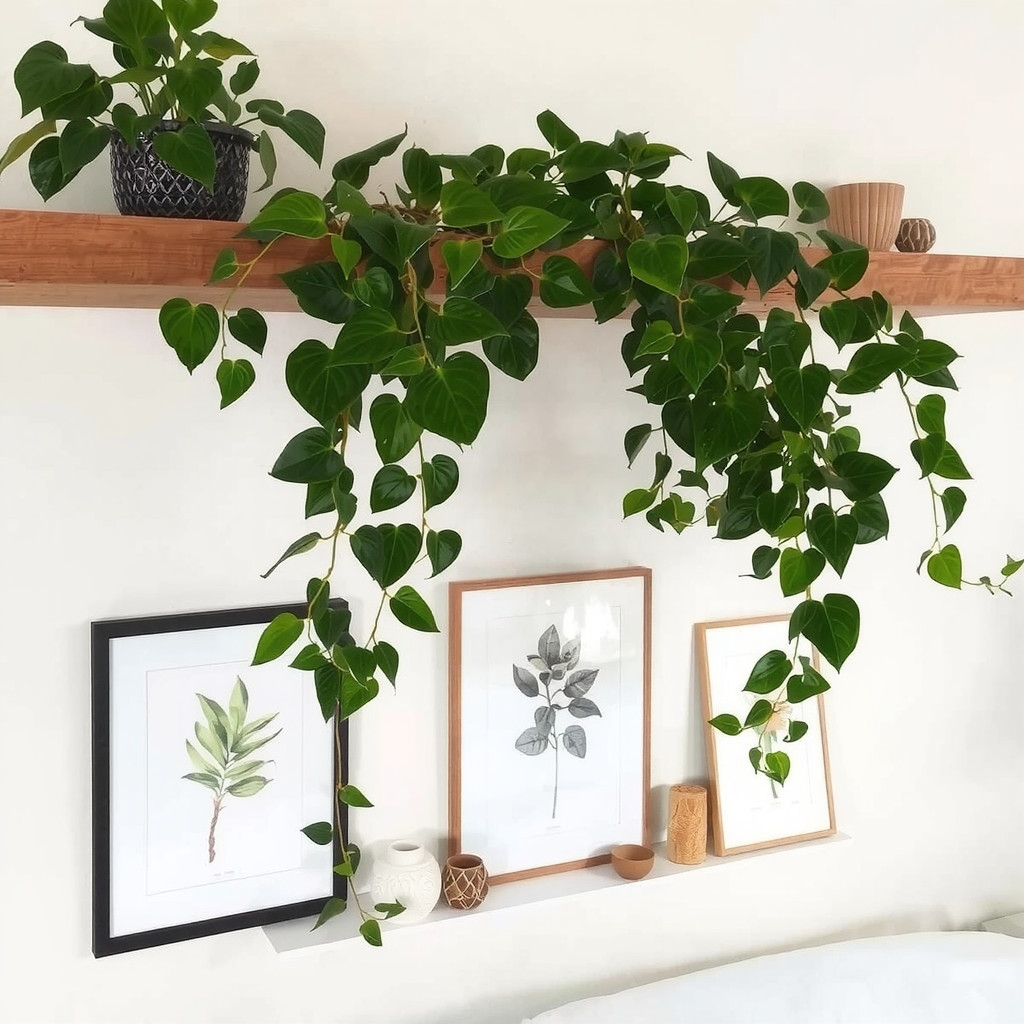
For shelves or hanging planters, the Golden Pothos or Heartleaf Philodendron offer cascading vines that can be trained to frame mirrors or headboards. These plants “talk” to you; their leaves droop slightly when thirsty and perk up immediately after water, making them excellent companions for the novice gardener.
Tips
- Check the Soil: Before watering, always insert your finger an inch into the soil to ensure it is dry; overwatering is the most common mistake.
- Dust Regularly: Bedroom plants can accumulate dust from linens; wipe leaves gently with a damp cloth to keep them breathing and looking fresh.
- Rotate Pots: Give your plants a quarter turn every time you water them to ensure even growth and prevent them from leaning toward the light source.
- Choose Drainage: Always ensure your decorative pots have drainage holes or use a nursery pot inside a decorative cachepot to prevent root rot.
ADVERTISEMENT