ADVERTISEMENT
Introduction
Your living room walls offer more than just structural support; they are a blank canvas waiting to narrate your home’s story. Instead of rushing to fill every void with generic prints, consider the vertical plane as an opportunity to layer personality and architectural interest. True elevation in design comes from moving past simple decoration into the realm of curation, where every hung object interacts with the space around it. Whether you crave the order of symmetry or the eclectic energy of mixed media, the way you dress your walls defines the atmosphere of your sanctuary.
Layout and Positioning
Before a single nail meets the drywall, visualization is key. Achieving a sophisticated look requires understanding the balance between negative space and visual weight. If you are leaning towards a gallery wall, avoid the chaos of clutter by anchoring the arrangement with a central piece and spiraling outwards. Alternatively, a linear shelf display can offer flexibility, allowing you to rotate artifacts as the seasons change.
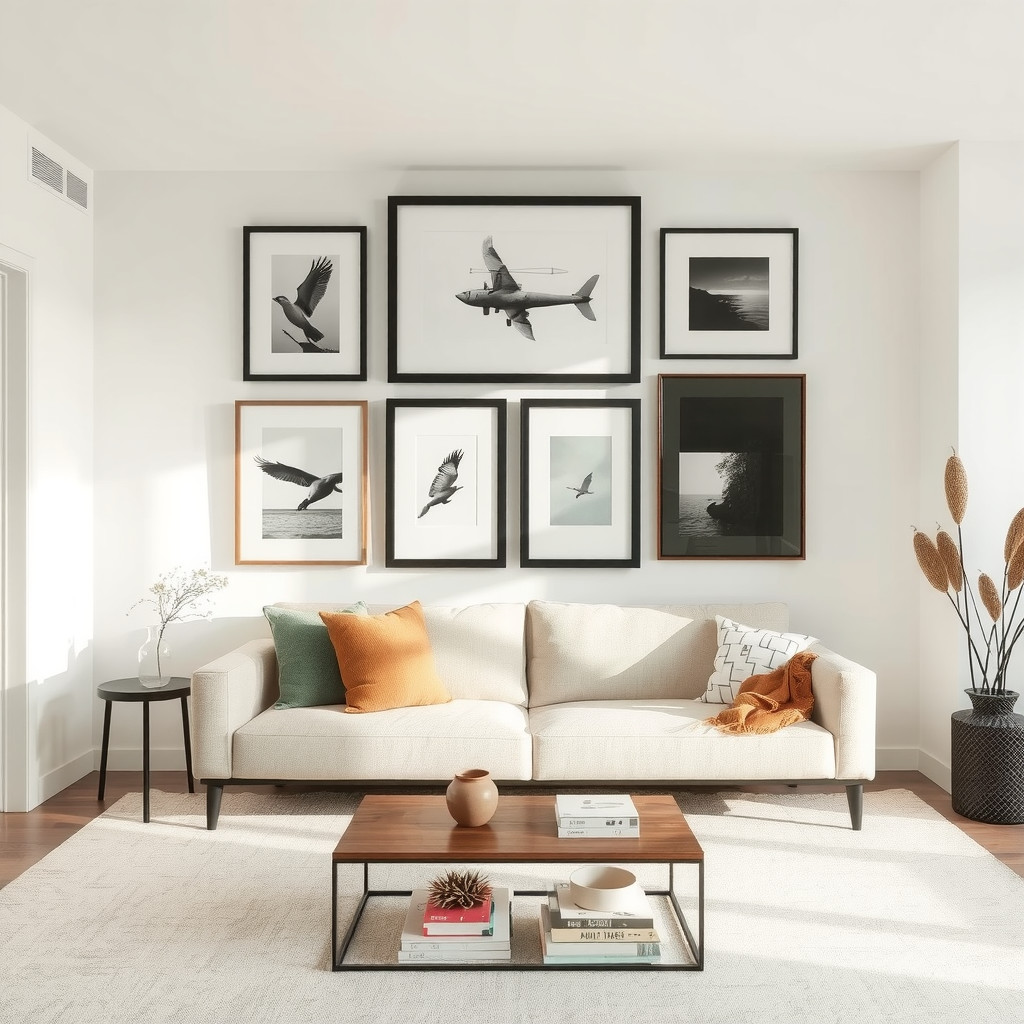
Remember to hang artwork at eye level—specifically, the center of the piece should be approximately 57 to 60 inches from the floor. When positioning art above furniture, like a sofa or console, ensure it spans roughly two-thirds the width of the furniture piece to maintain proportion and harmony.
Materials and Textiles
Paint and paper are classic choices, but three-dimensional elements introduce necessary tactile warmth. Move beyond framed paper and explore the richness of textiles. A large-scale woven tapestry or a macramé installation can soften the hard lines of modern architecture, absorbing sound and adding coziness to the acoustic environment.
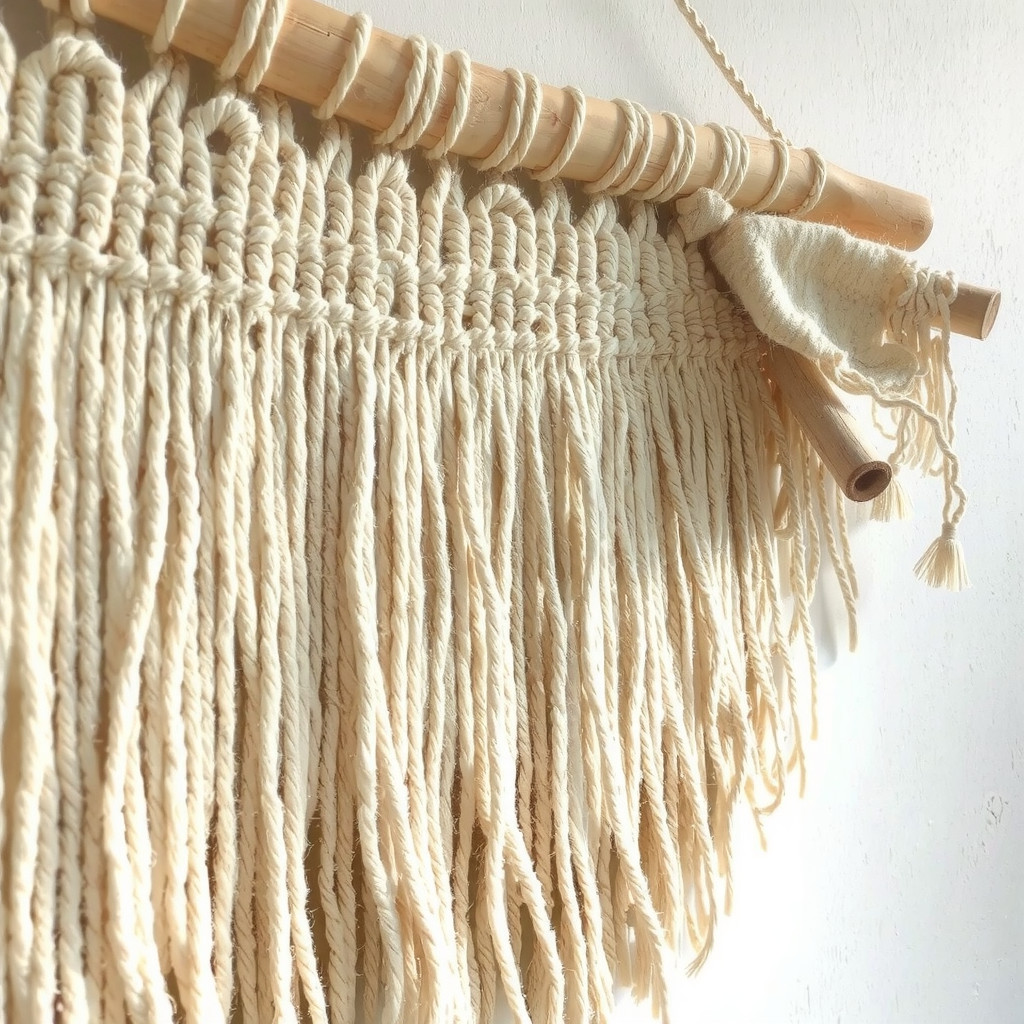
Consider sculptural elements like hammered metal discs or carved wood panels. These materials catch the light differently than glass-fronted frames, creating a dynamic interplay of shadow and sheen that shifts throughout the day. Mixing these mediums prevents the room from feeling flat or purely two-dimensional.
Focal Points
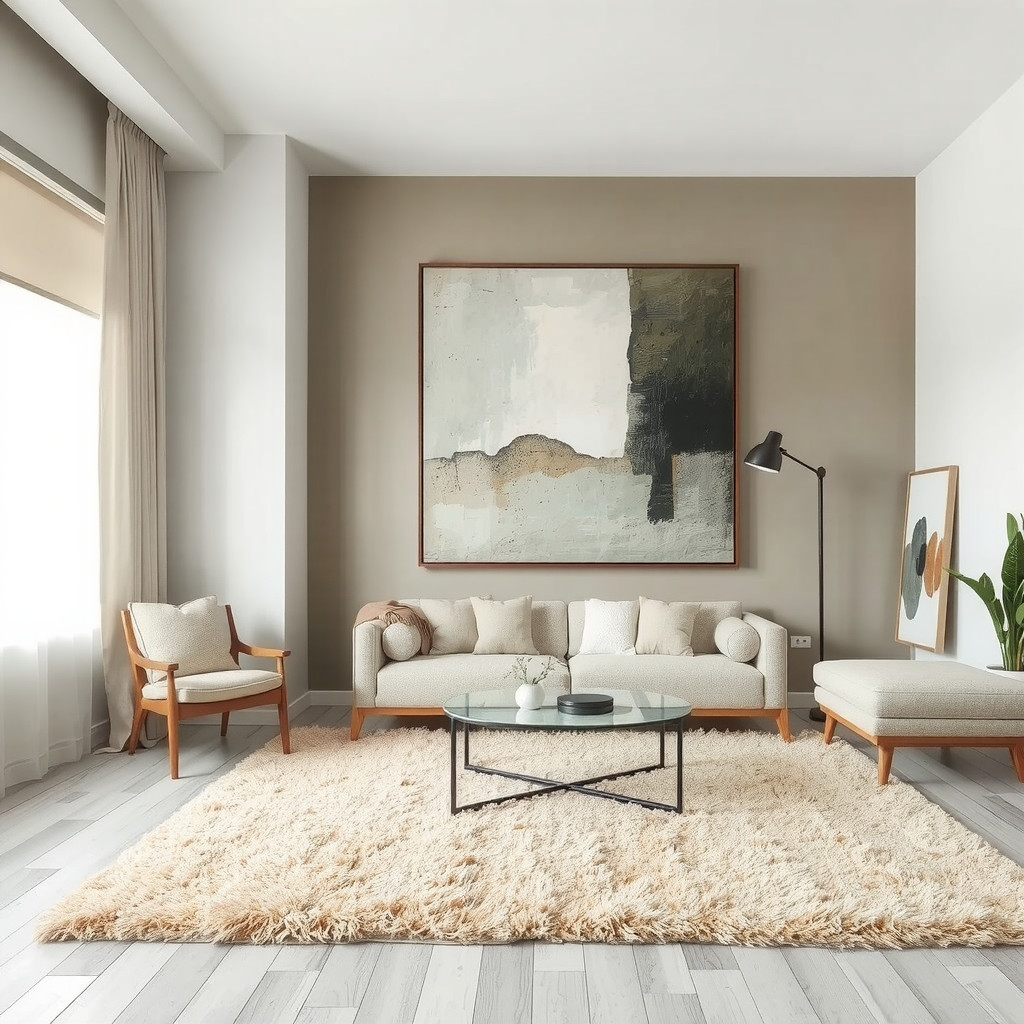
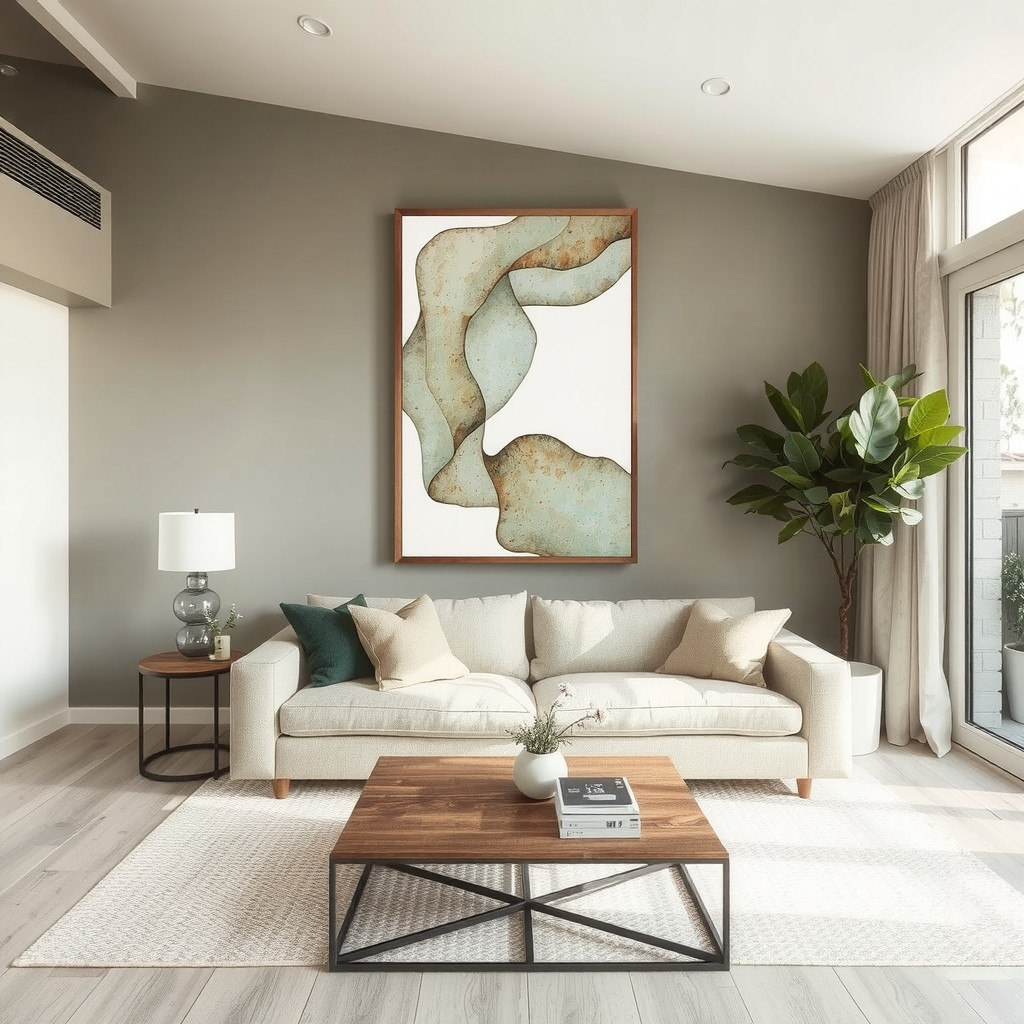
Every room needs an anchor, and your wall decor can serve as the primary focal point. In a living room, the space above the fireplace or the primary seating area usually commands the most attention. Here, a singular, oversized piece of abstract art often makes a stronger statement than a collection of smaller items.
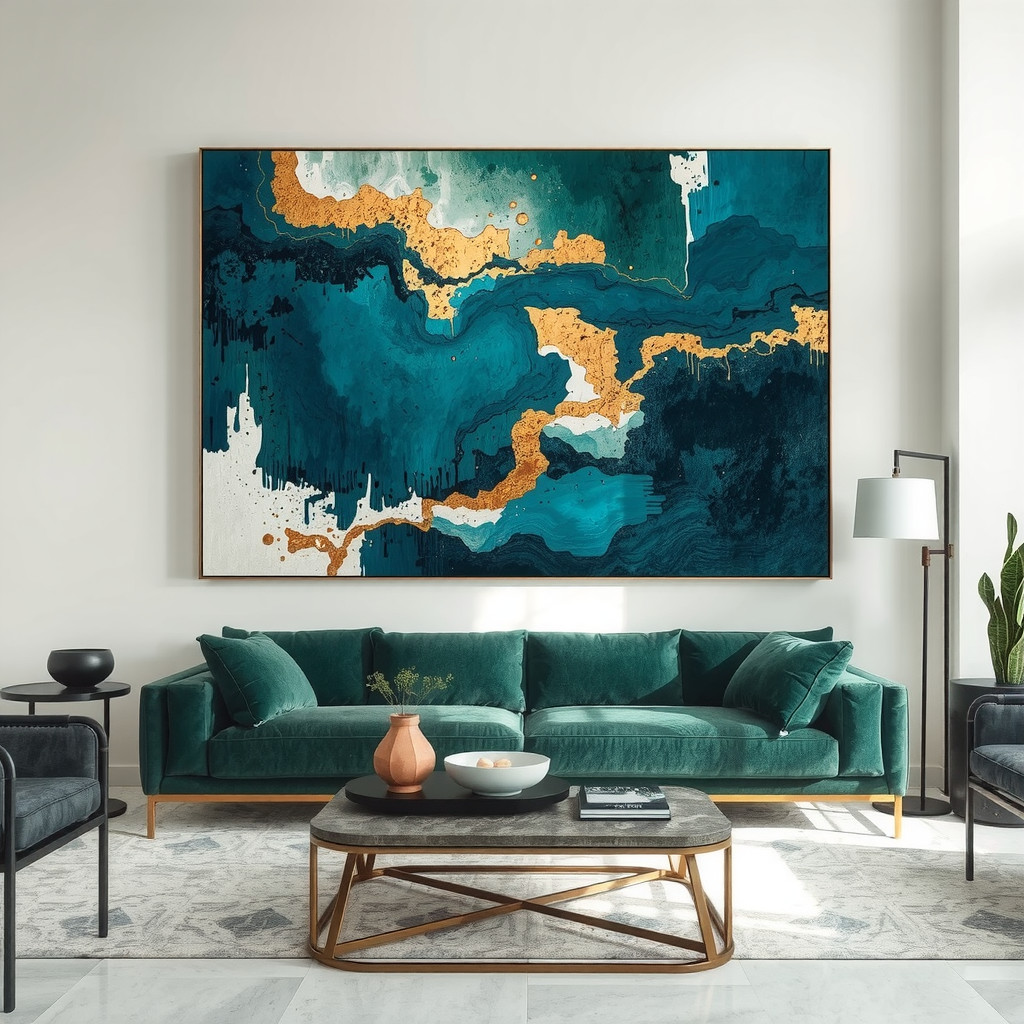
This approach simplifies the visual noise, drawing the eye immediately to one destination. Ensure the scale is bold enough to hold the wall; a small piece in a vast space will feel lost and disconnected, diminishing the impact of your investment.
Lighting
Decor is only as good as the light that reveals it. Relying solely on overhead ambient lighting often leaves wall art in the shadows. Install specific accent lighting to elevate your pieces from background filler to gallery-worthy displays. Brass picture lights mounted directly above frames add a layer of classic sophistication.
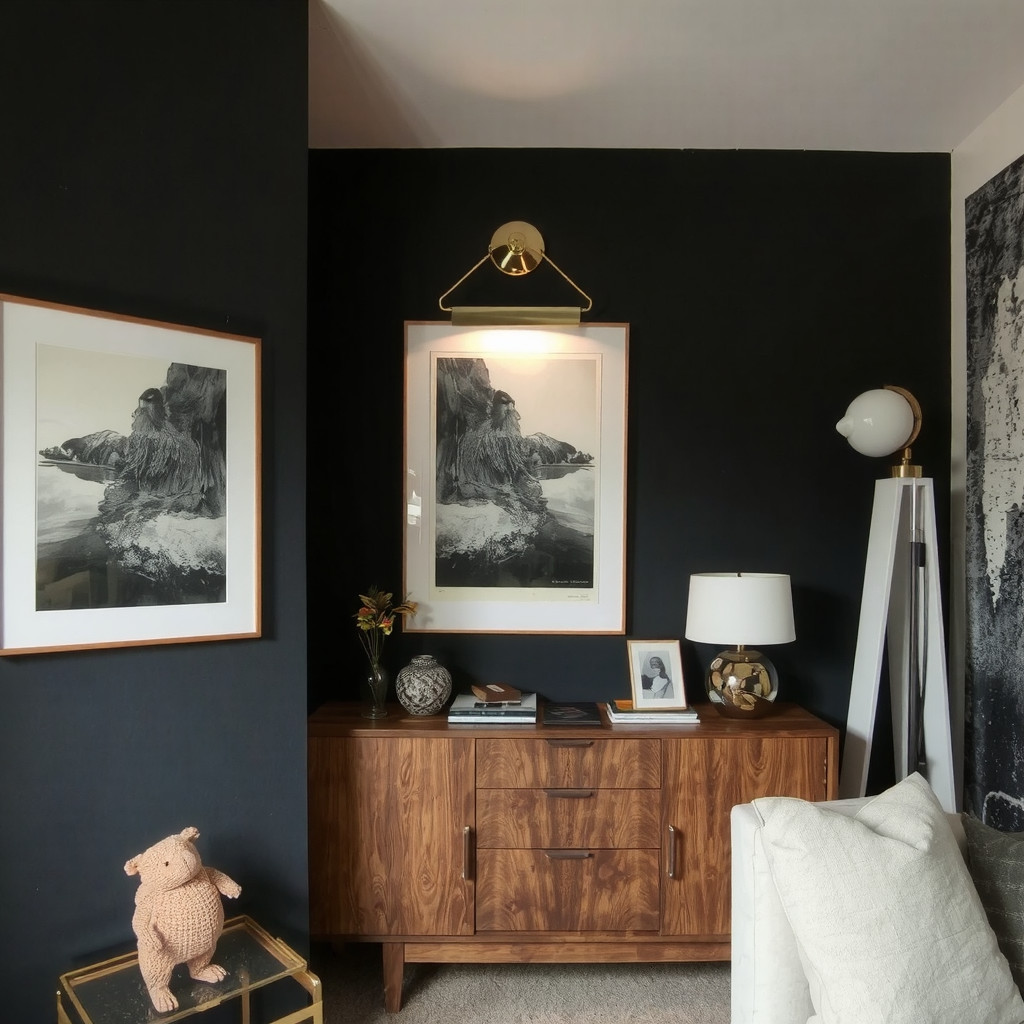
Alternatively, adjustable track lighting or directional sconces can wash a textured wall or sculpture with light, enhancing surface details and creating dramatic depth during the evening hours. This intentional illumination creates a mood that shifts the room from functional to atmospheric.
Greenery
Bringing nature vertically onto your walls breathes life into the static environment of a living room. Wall-mounted planters or modular living wall systems transform a sterile partition into a lush, breathing feature. This does not have to be a complex irrigation system; simple floating shelves adorned with trailing vines like pothos or ivy can achieve the effect.
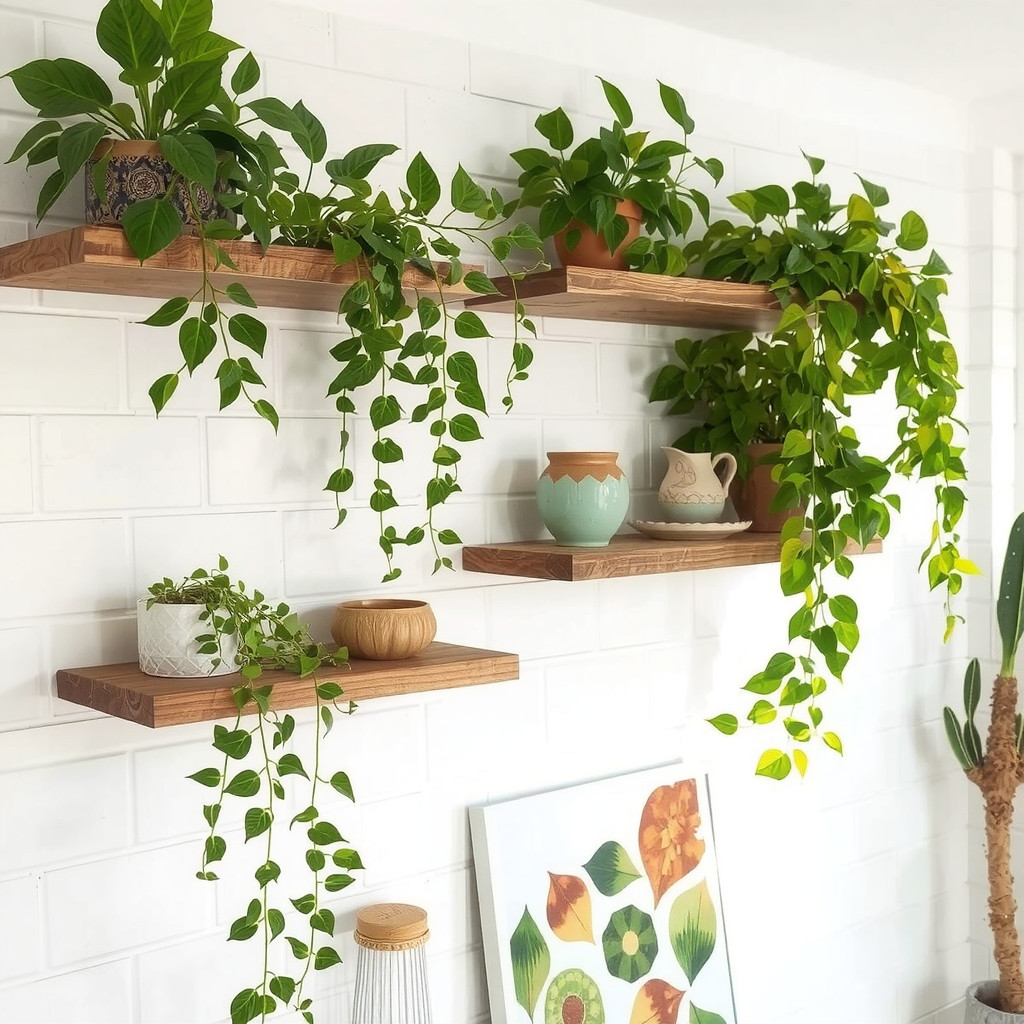
The organic shapes of leaves provide a perfect counterpoint to the geometric rigidity of frames and furniture, softening the overall aesthetic while purifying the air. It introduces a living element that evolves over time, ensuring your decor never feels stagnant.
Tips
- Mock It Up: Cut craft paper to the size of your frames and tape them to the wall to test layouts before drilling holes.
- Consistency is Key: If mixing frame styles, keep the spacing between them consistent (usually 2 to 3 inches) to maintain cohesion.
- Palette Control: Ensure the colors in your wall art reference at least one other element in the room, such as a rug or throw pillow.
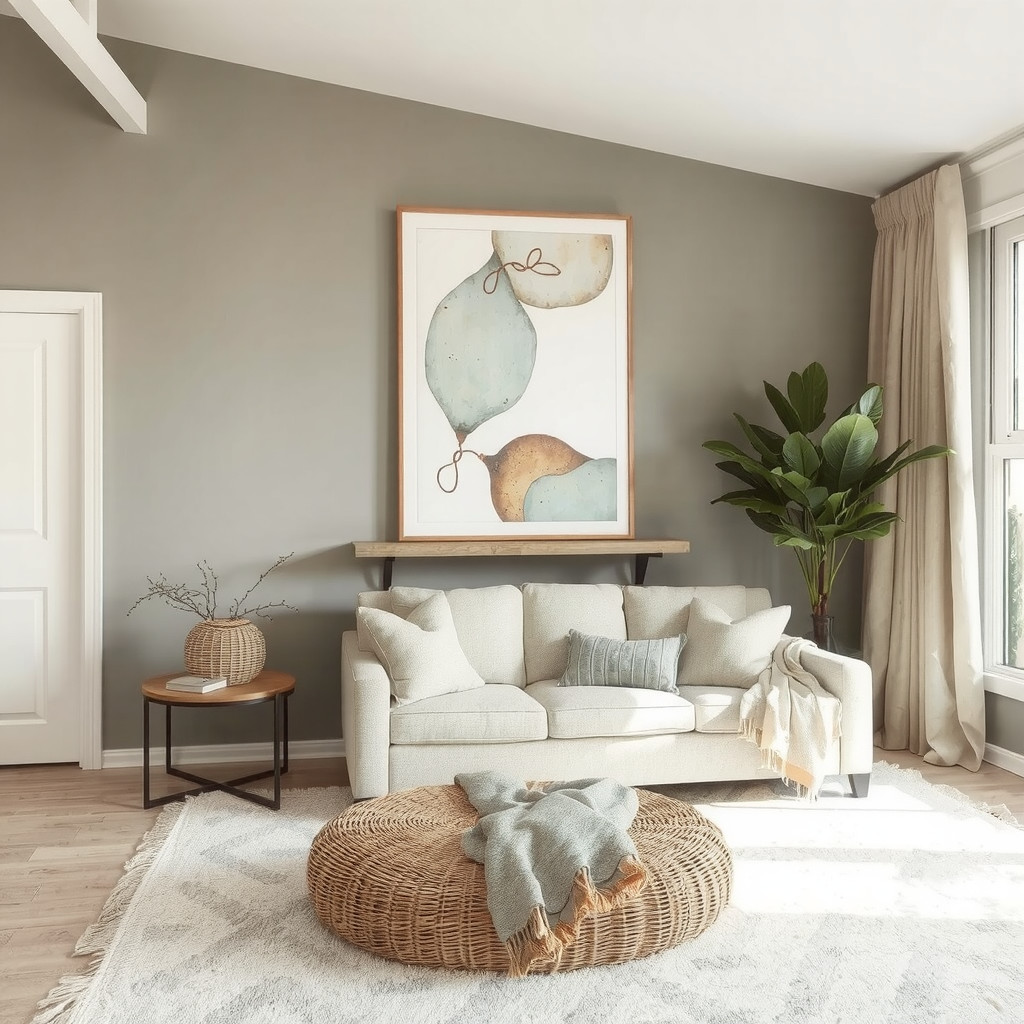
- Break the Rules: Don’t be afraid to lean art against the wall on a low console for a relaxed, atelier vibe.
ADVERTISEMENT