ADVERTISEMENT
Introduction
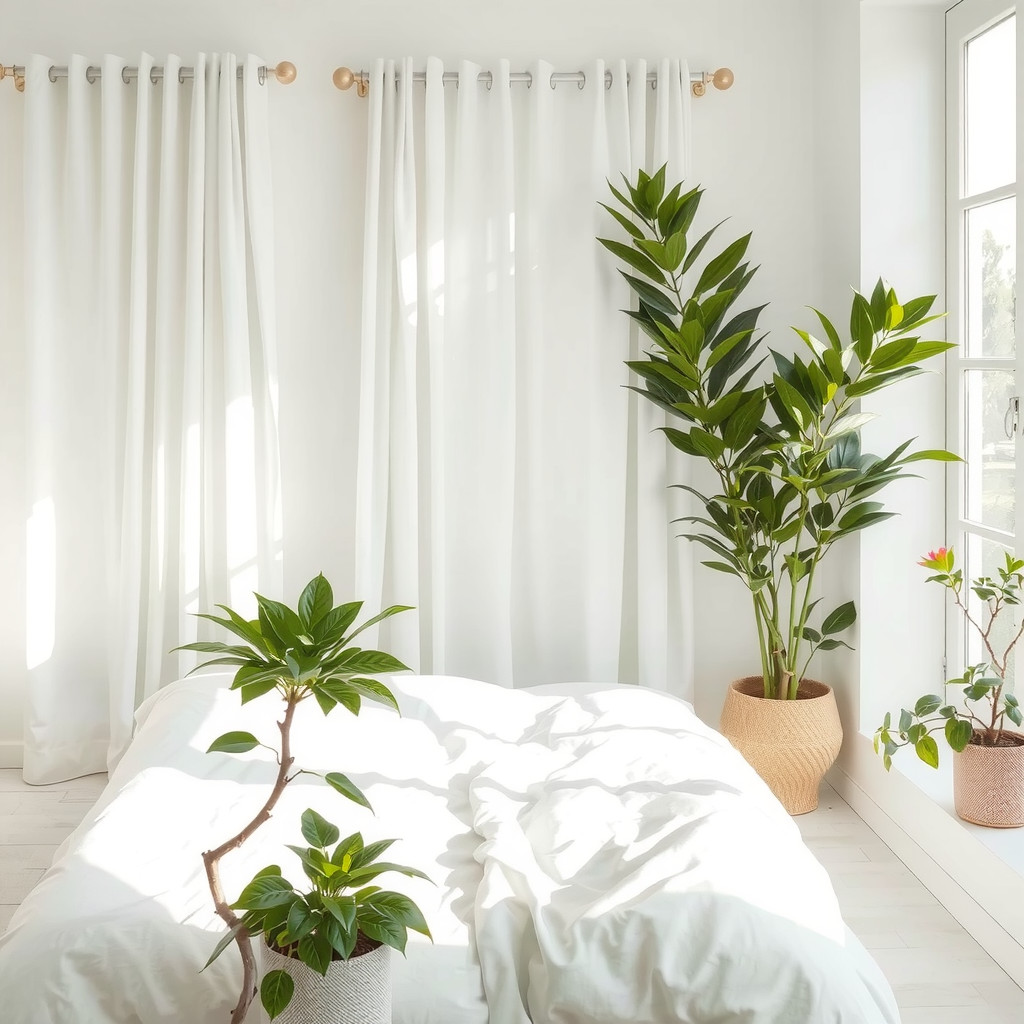
Your bedroom should be the ultimate sanctuary, a distinct retreat where the chaos of the day dissolves into stillness. Integrating nature into this private space is not merely an aesthetic choice; it is a commitment to your well-being. Plants act as living sculptures that soften the architectural lines of a room while silently working to purify the air and regulate humidity. By curating a selection of easy-to-grow varieties, you invite a sense of calm that prepares your mind for rest. Imagine waking up to the gentle sight of verdant leaves filtering the morning light, establishing a serene tone before your feet even touch the floor.
Layout and Positioning
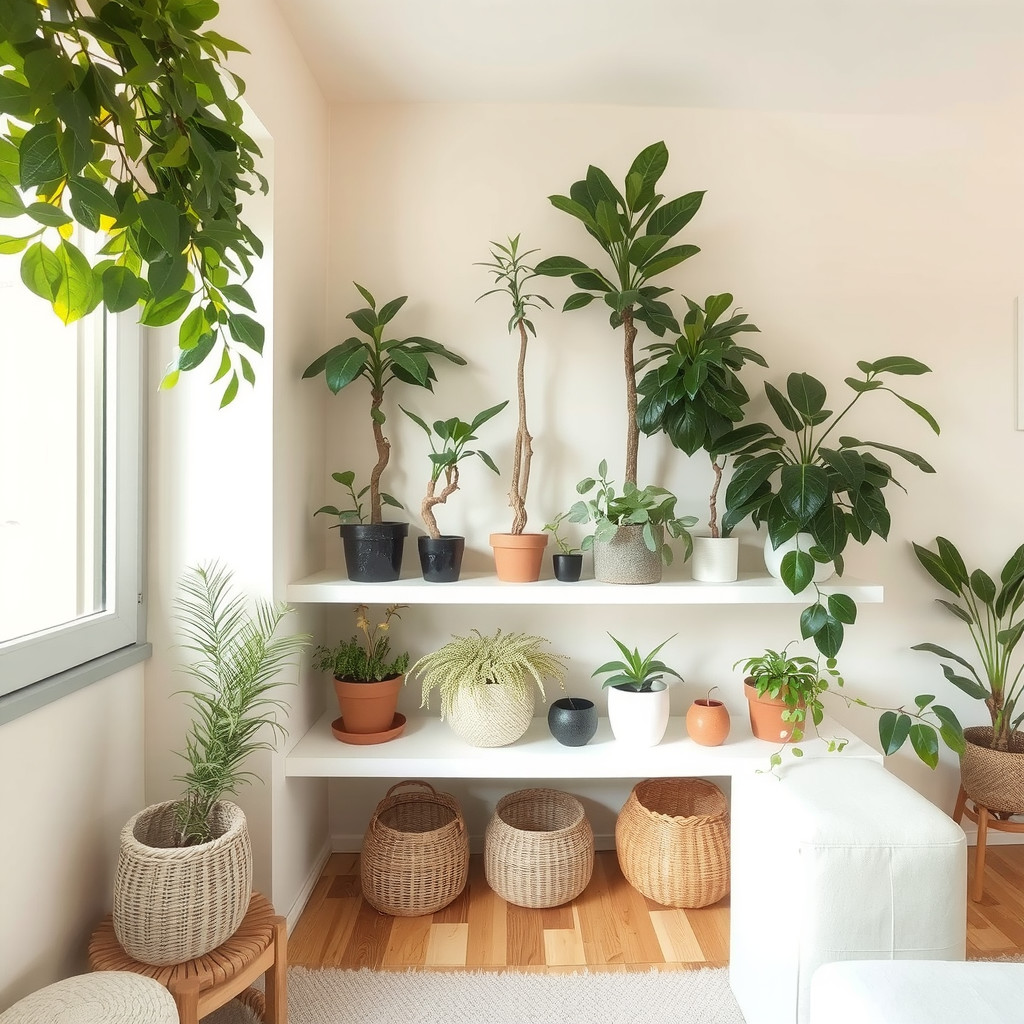
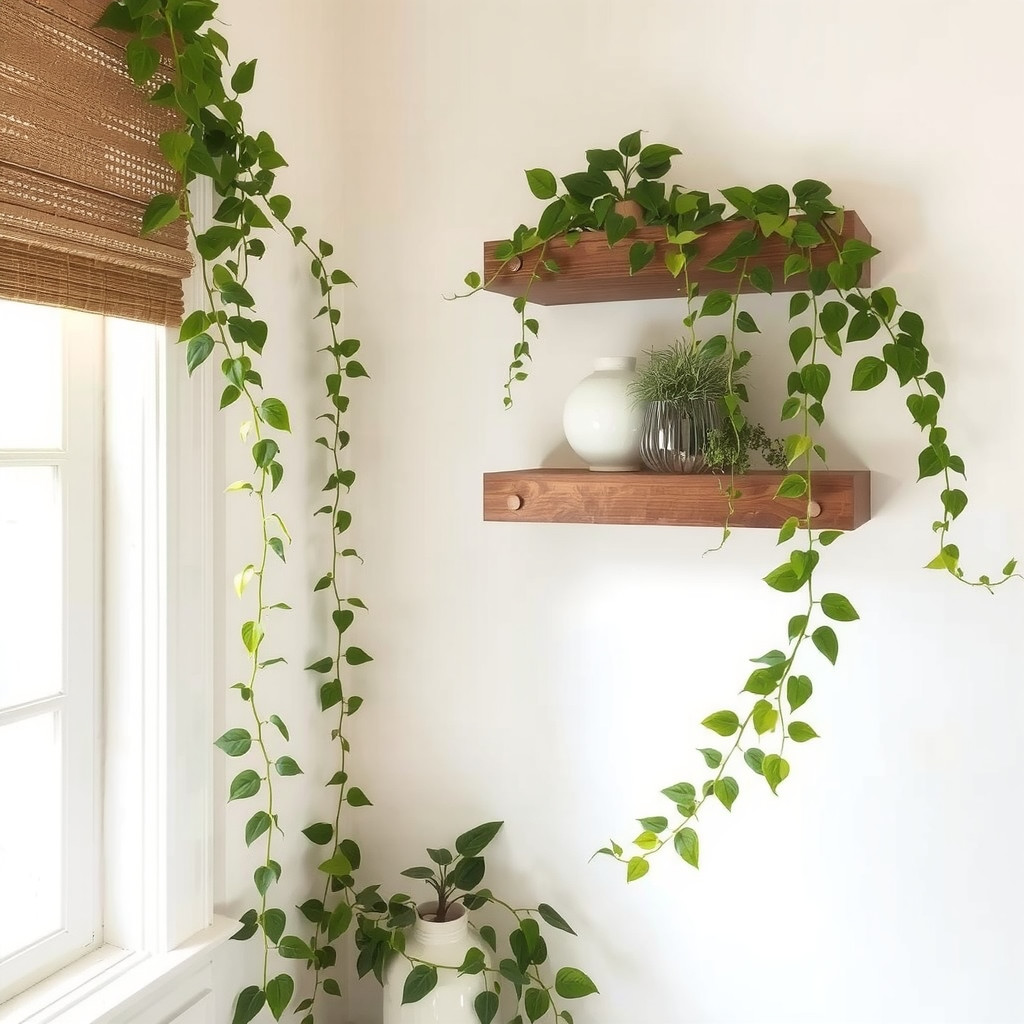
The placement of your botanical companions defines the flow of energy in the room. Avoid overcrowding your nightstands, as clutter can subconsciously impede relaxation. Instead, utilize vertical space to draw the eye upward, creating a sense of airiness. Floating shelves above a dresser or a dedicated plant stand in an underutilized corner can host trailing varieties without sacrificing surface area. Ensure that plants are not obstructing pathways; you want to move freely through your sanctuary. Consider the view from your pillow—positioning greenery where it greets your waking eyes can provide an immediate psychological boost.
Materials and Textiles
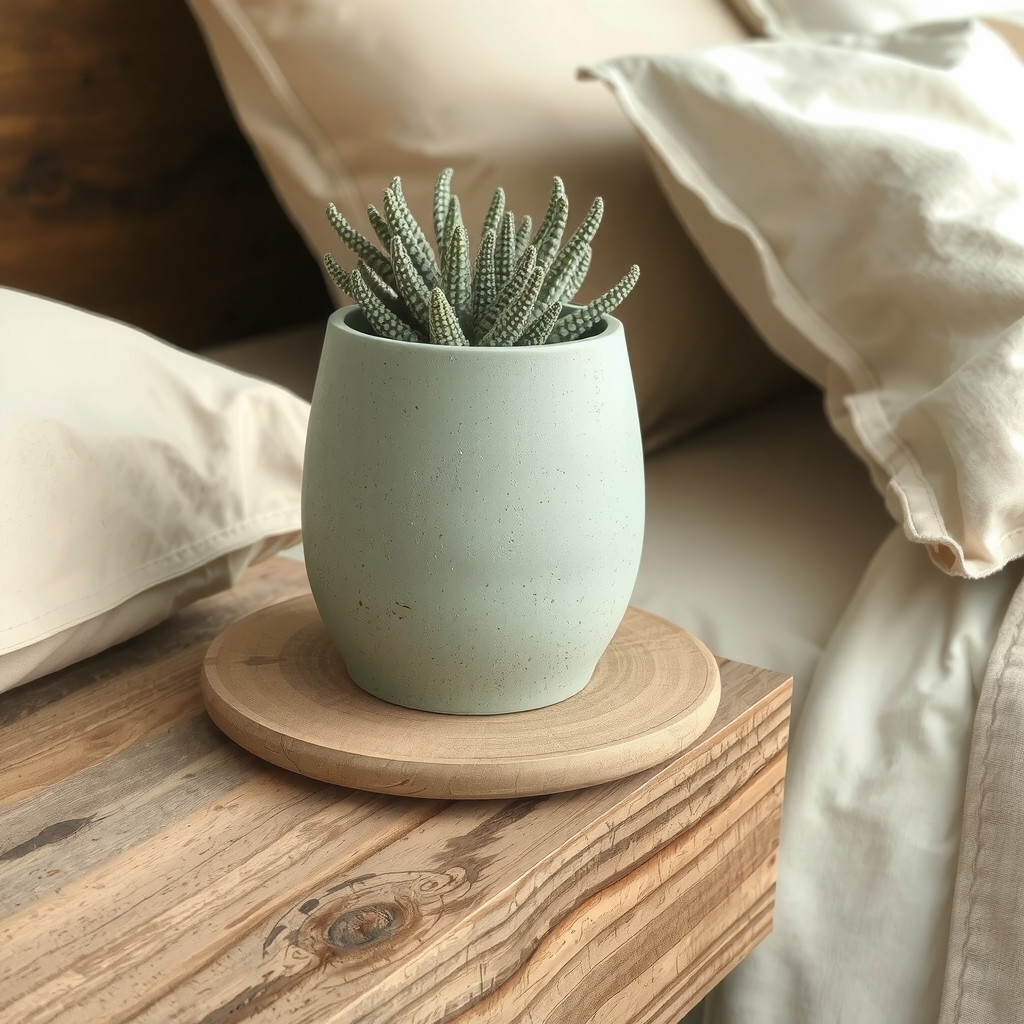
To maintain a cohesive and restful atmosphere, the containers housing your plants must harmonize with your bedroom’s textile story. If your bedding features organic linen and chunky wool throws, pair them with planters made of raw terra cotta, woven seagrass, or matte ceramic in earthen tones. The interplay of textures—the gloss of a leaf against the roughness of a wicker basket or the smoothness of a stone pot—adds depth to the decor. This tactile richness grounds the space, making it feel warm and lived-in rather than sterile.
Focal Points
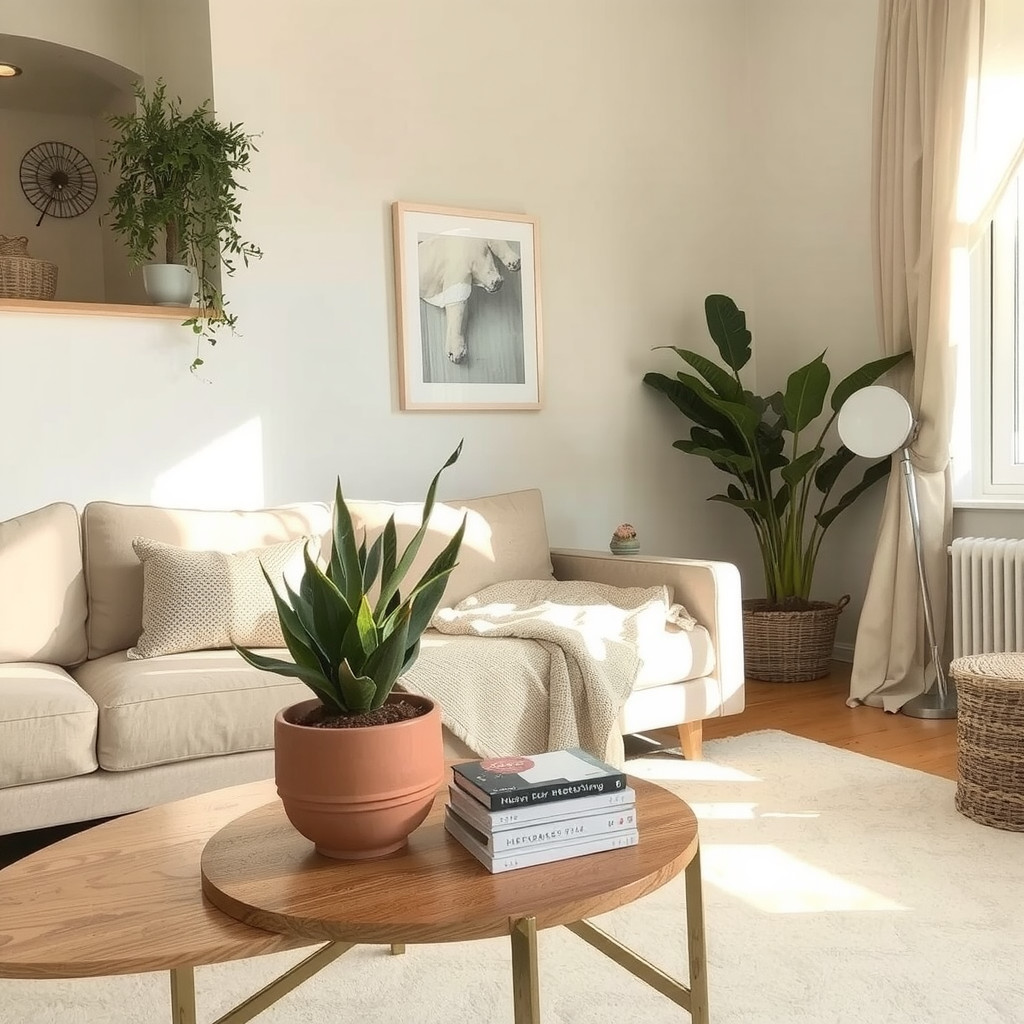
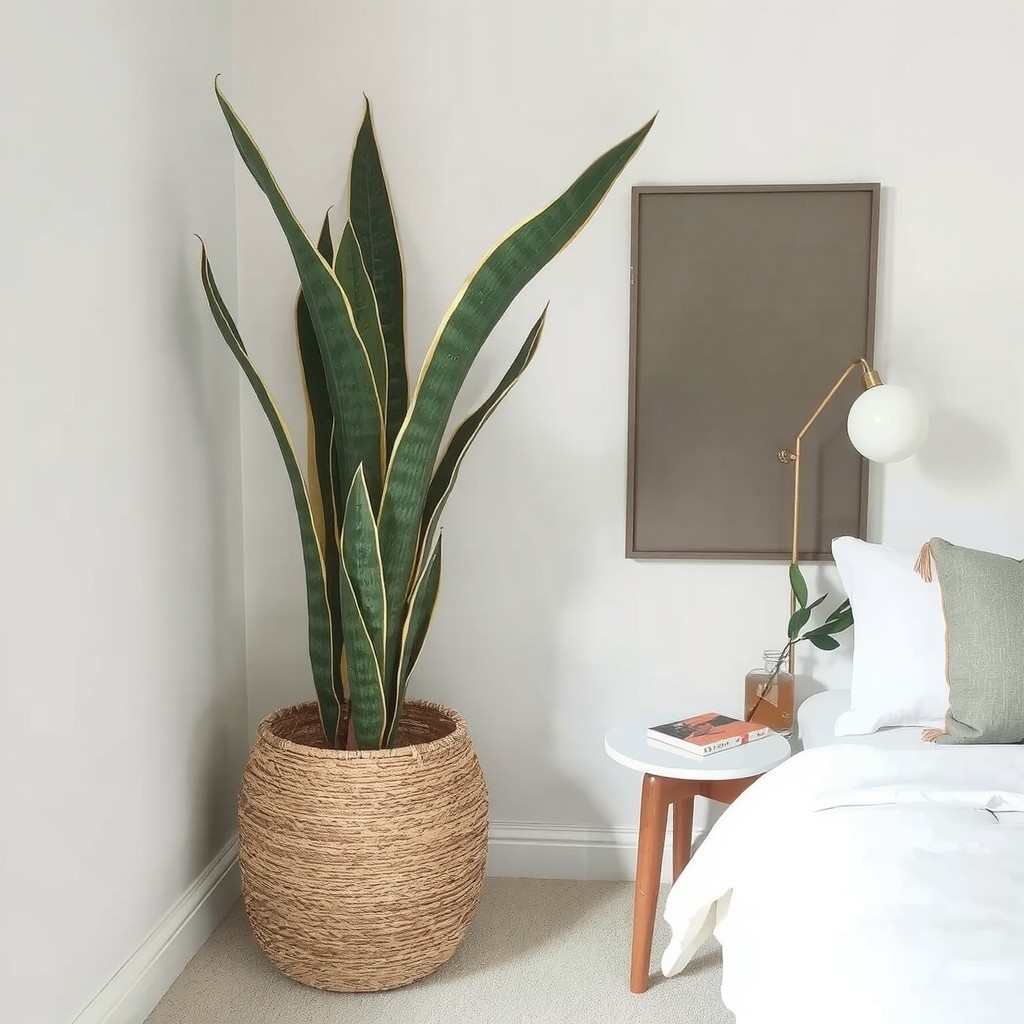
While a jungle vibe is appealing, a singular, striking focal point often creates a more restful visual anchor in a bedroom. A large floor plant, such as a tall Snake Plant or a Fiddle Leaf Fig (if light permits), creates a dramatic statement that fills empty vertical space elegantly. This approach prevents visual noise and allows the eye to rest on one majestic element. Position this anchor piece near a window or beside a reading chair to define a specific zone for relaxation and contemplation.
Lighting
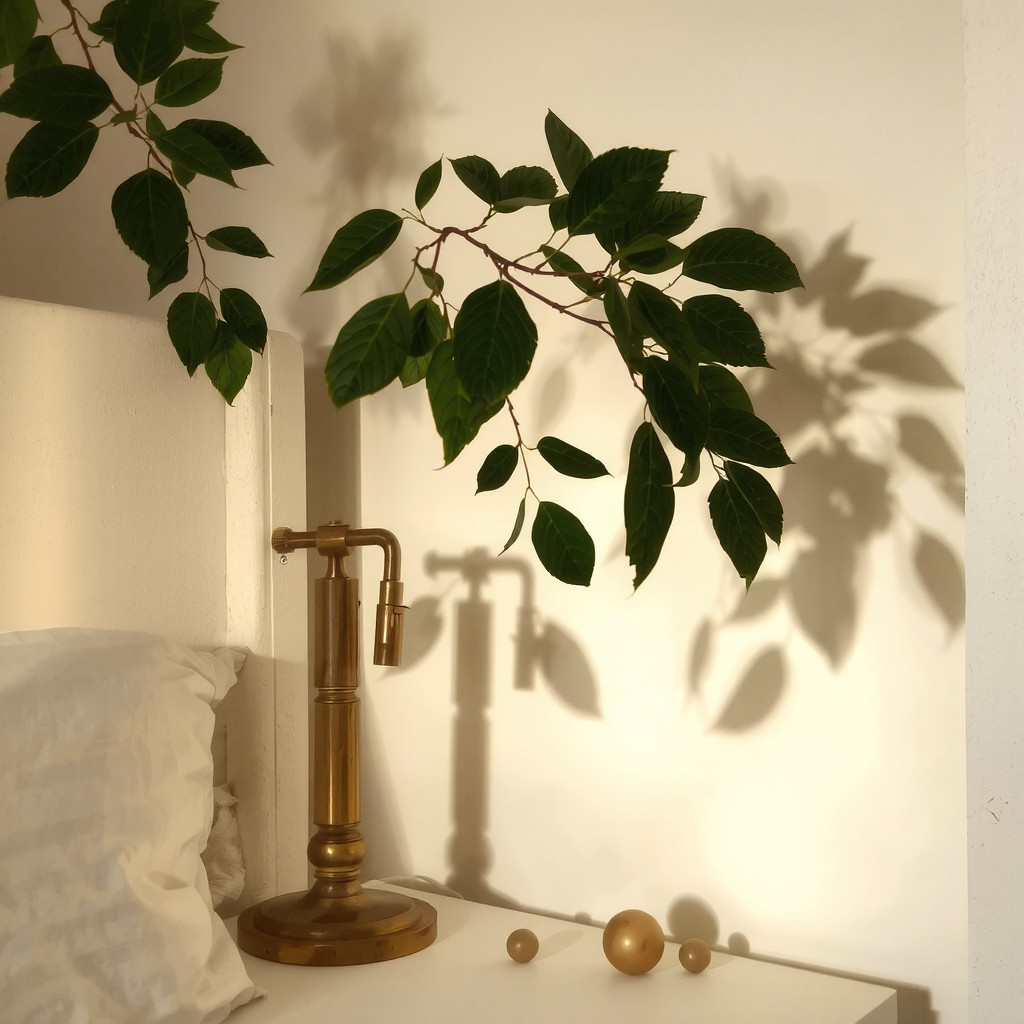
Lighting in the bedroom is often kept soft and ambient, which dictates your plant choices. Fortunately, many air-purifying plants thrive in indirect or low-light conditions, mirroring the restful environment you crave. Observe how natural light enters the room throughout the day; east-facing windows offer gentle morning sun perfect for most foliage. In the evening, warm lamp light casting shadows through the leaves can create a magical, soothing pattern on your walls, further enhancing the cozy atmosphere.
Greenery
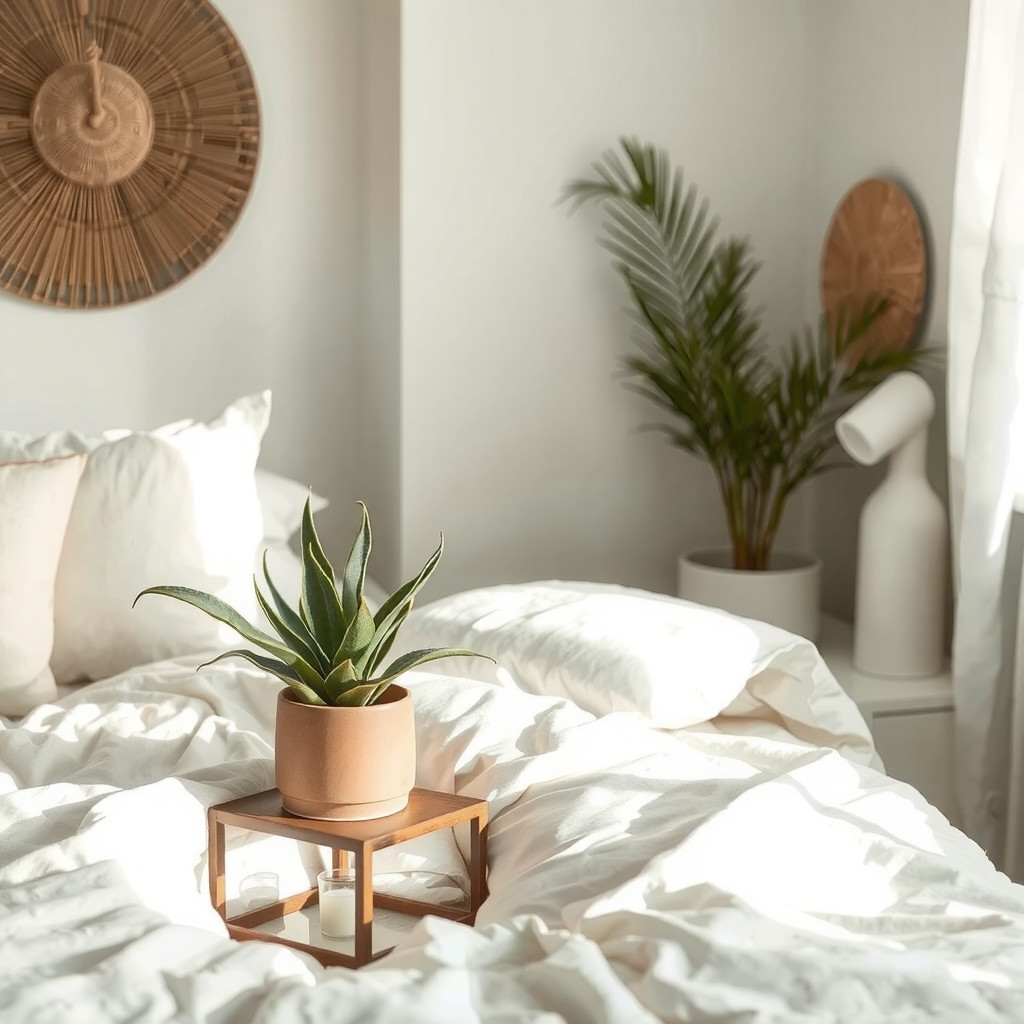
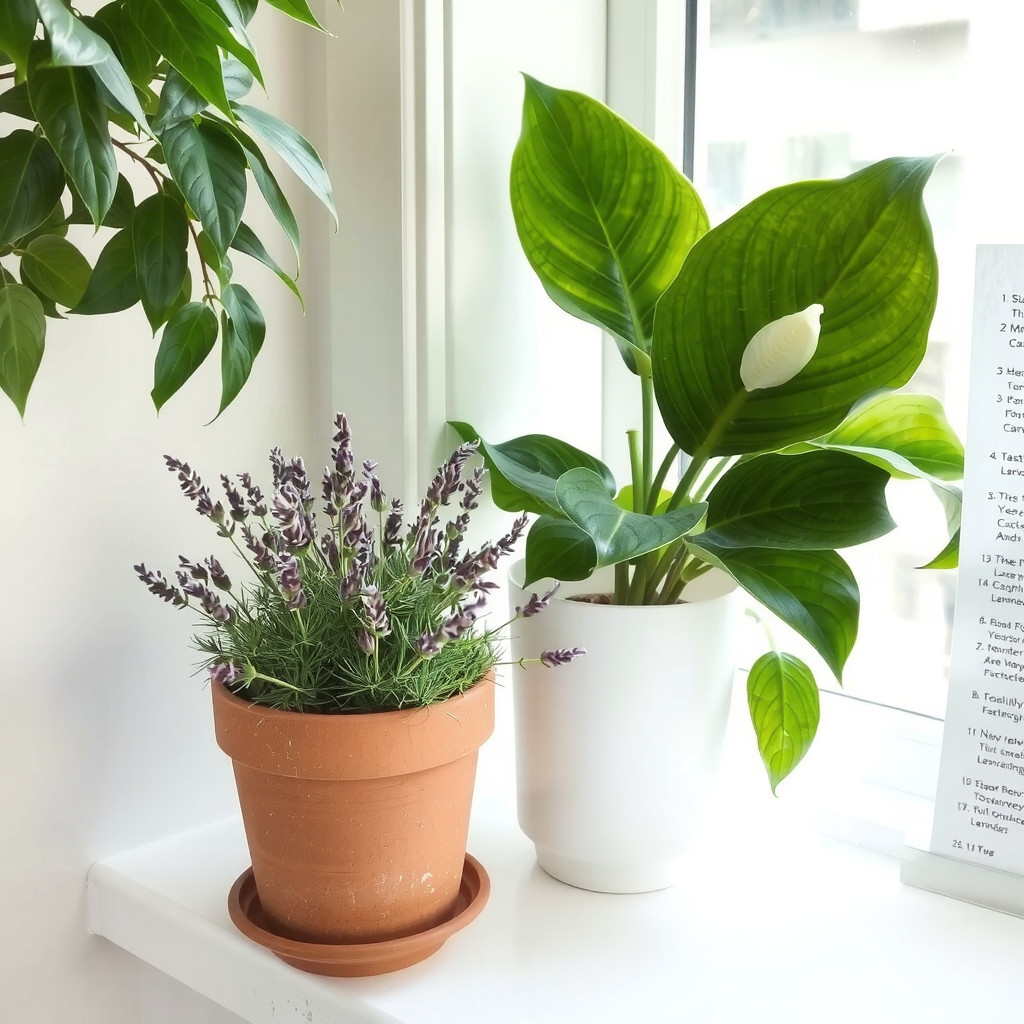
Selecting the right species is crucial for a sleep-centric design. You want plants that are hardy and offer specific benefits. The Snake Plant is a top contender, known for converting carbon dioxide into oxygen at night, unlike most plants that do so during the day. Lavender, though requiring more light, brings a natural aromatherapy element that is proven to lower heart rate and blood pressure. Golden Pothos is nearly indestructible and excellent for filtering indoor pollutants, making the air you breathe cleaner and fresher while you sleep.
Tips
- Dust Regularly: Leaves covered in dust cannot photosynthesize efficiently; wipe them gently with a damp cloth bi-weekly to keep them glossy and healthy.
- Monitor Moisture: Bedrooms can be cooler than other rooms; always check the soil moisture with your finger before watering to prevent root rot.
- Rotate Often: Give your pots a quarter turn every time you water them to ensure even growth and prevent the plant from leaning toward the light source.
- Pest Check: Inspect the undersides of leaves occasionally to catch any unwanted guests early, keeping your sanctuary pristine.
ADVERTISEMENT