ADVERTISEMENT
Introduction
Transforming your home into a verdant retreat is more than just placing a pot on a shelf; it is about cultivating a relationship with nature within your four walls. Biophilic design connects you to the natural world, reducing stress and enhancing creativity. By intentionally layering greenery, you create a living ecosystem that evolves with the seasons, bringing a sense of calm and vitality to your daily routine.
Layout and Positioning
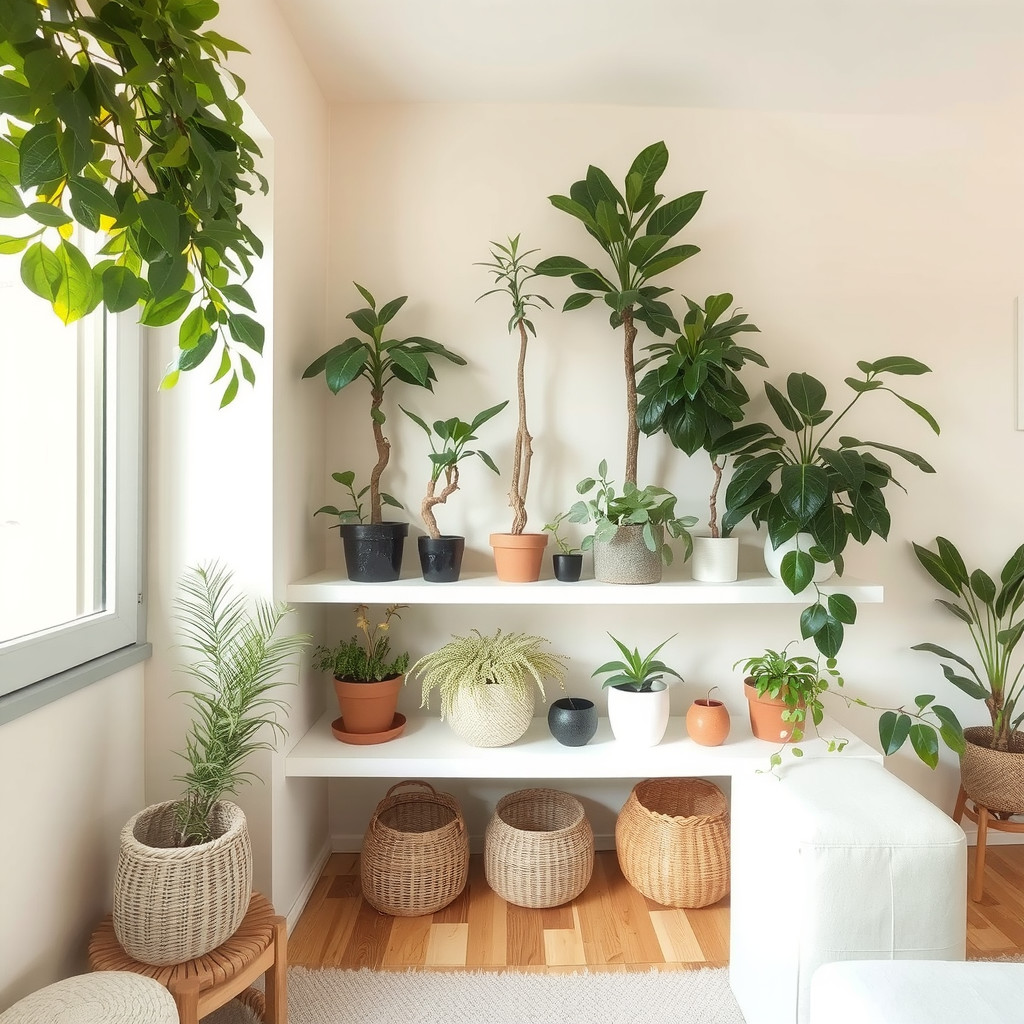
Consider the flow of your space before purchasing your first plant. Avoid cluttering walkways; instead, group plants in clusters to create microclimates that increase local humidity, which is beneficial for tropical varieties. Strategic placement guides the eye through the room, creating natural partitions without blocking light.
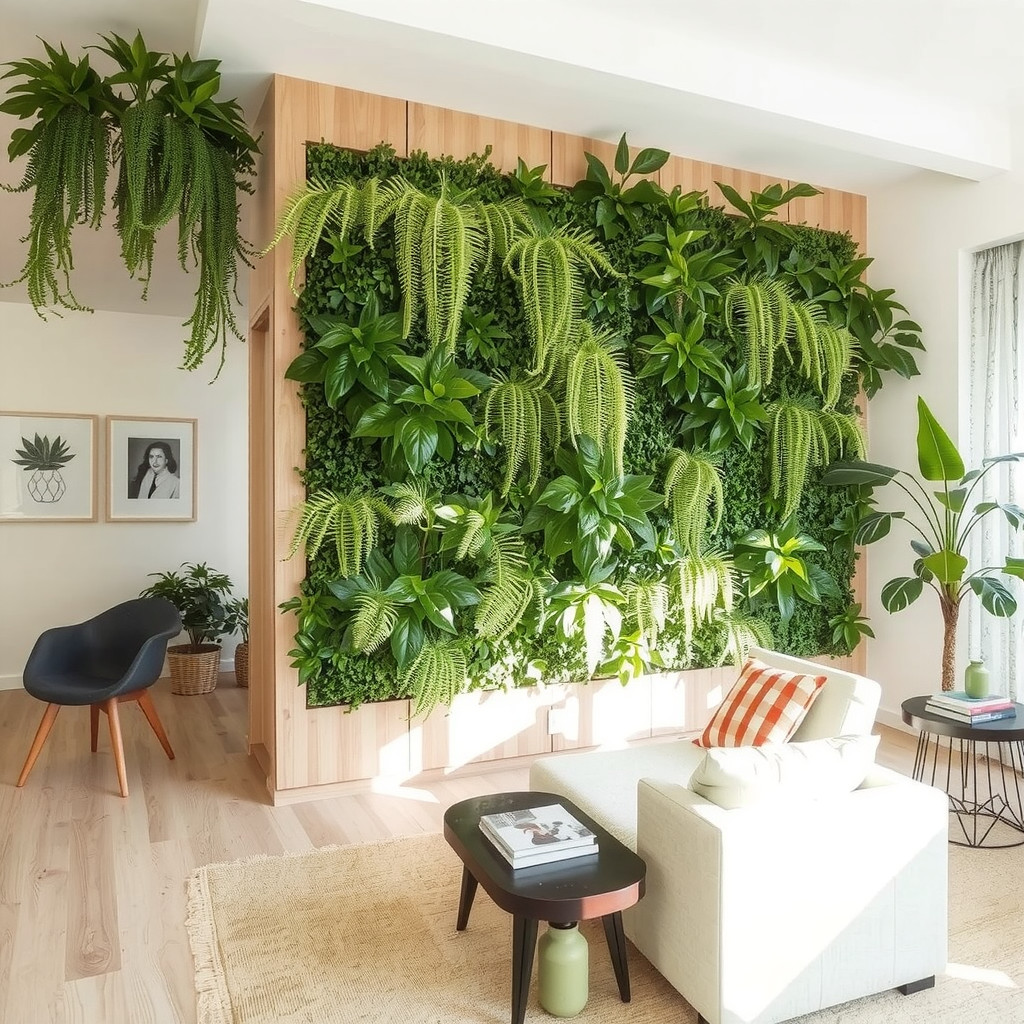
Use vertical height to your advantage. Hanging planters or tall shelving units draw the eye upward, making small rooms feel larger while purifying the air at different levels. Utilizing corners effectively transforms dead space into lush vignettes, turning a blank area into a vibrant feature.
Materials and Textiles
Your choice of planters is as crucial as the plants themselves. Opt for porous materials like terracotta or unglazed ceramic which allow roots to breathe and prevent root rot, blending functionality with aesthetic appeal.
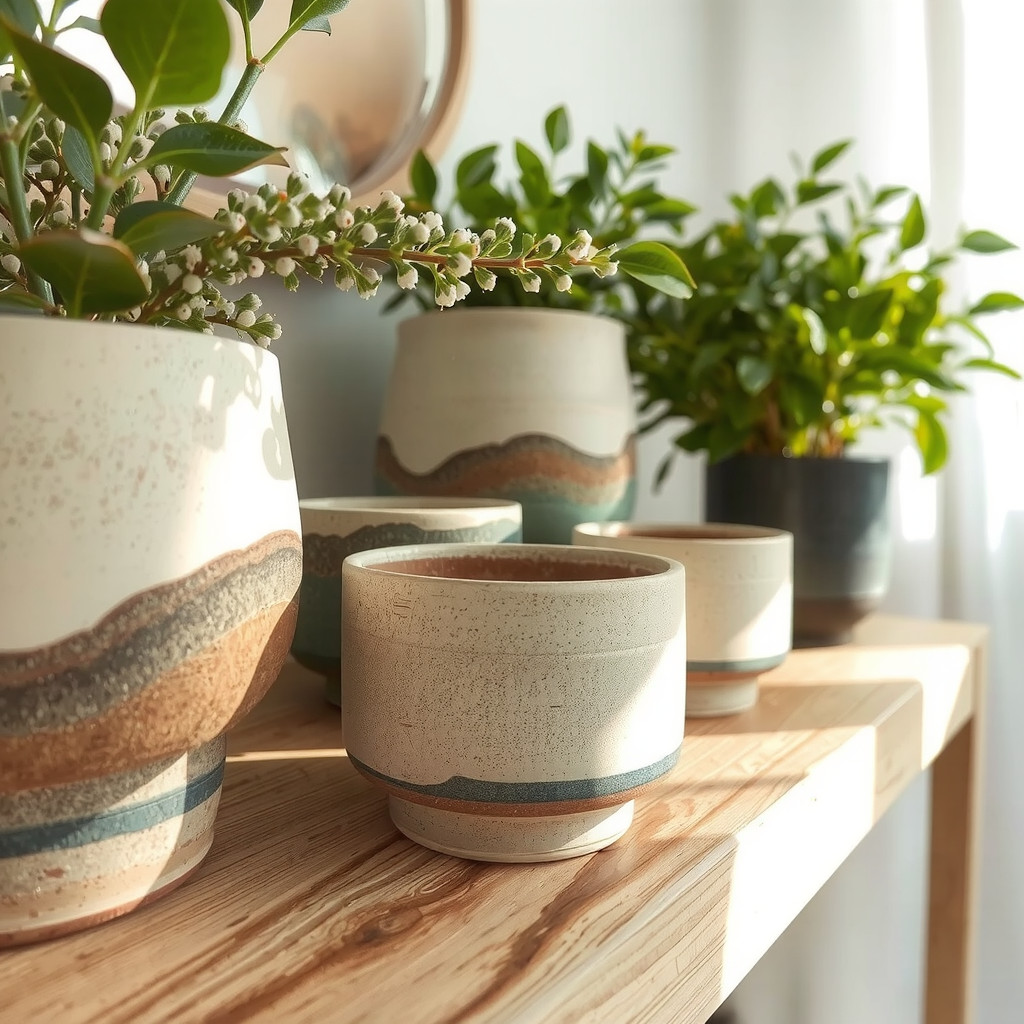
Pair these earthy vessels with soft textiles like wool throws, linen curtains, or jute rugs. The contrast between the rigid structure of a pot, the organic flow of foliage, and the softness of surrounding fabrics adds depth and tactile interest to your decor. Woven seagrass baskets can also hide plastic nursery pots, adding a layer of rustic warmth.
Focal Points
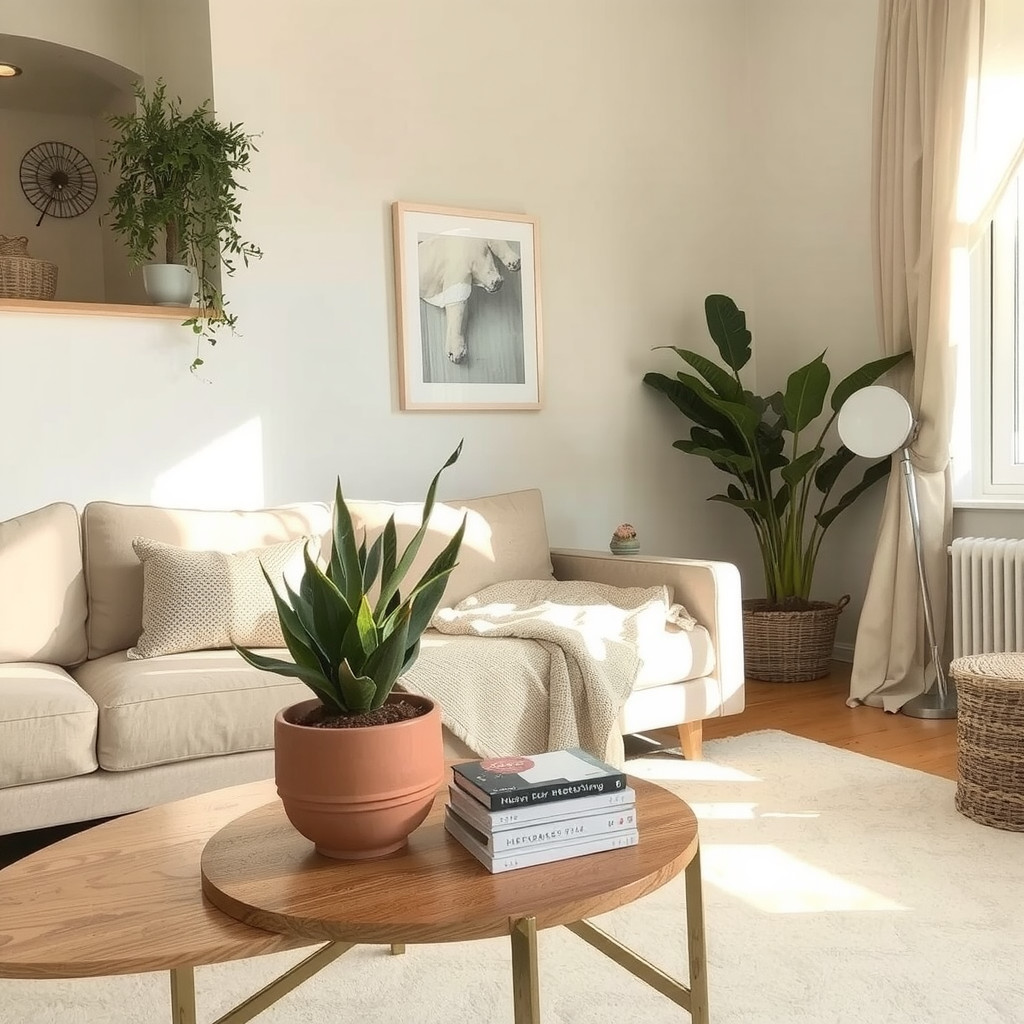
Every room needs a hero. A large, architectural plant can anchor a space much like a piece of statement furniture. This “living sculpture” defines the scale of the room and brings an immediate sense of maturity to the design.
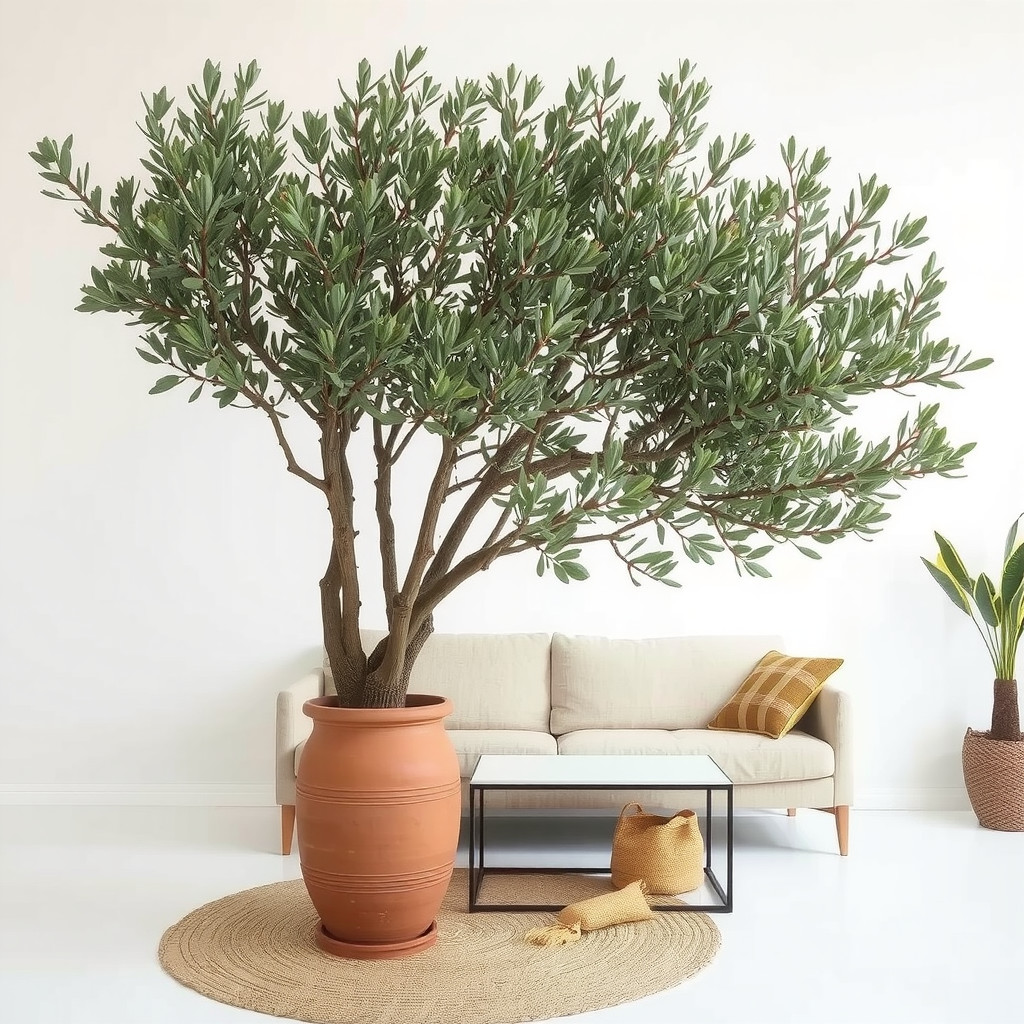
Place a substantial specimen, such as a Ficus or Monstera, in an empty corner or beside a sofa to soften sharp architectural lines. Ensure this focal point has room to grow, commanding attention without overwhelming the spatial balance.
Lighting
Light is the nutrient that fuels your indoor garden, but it also defines the mood. Observe how sunlight travels through your home throughout the day and position your plants accordingly to maximize their health and visual impact.
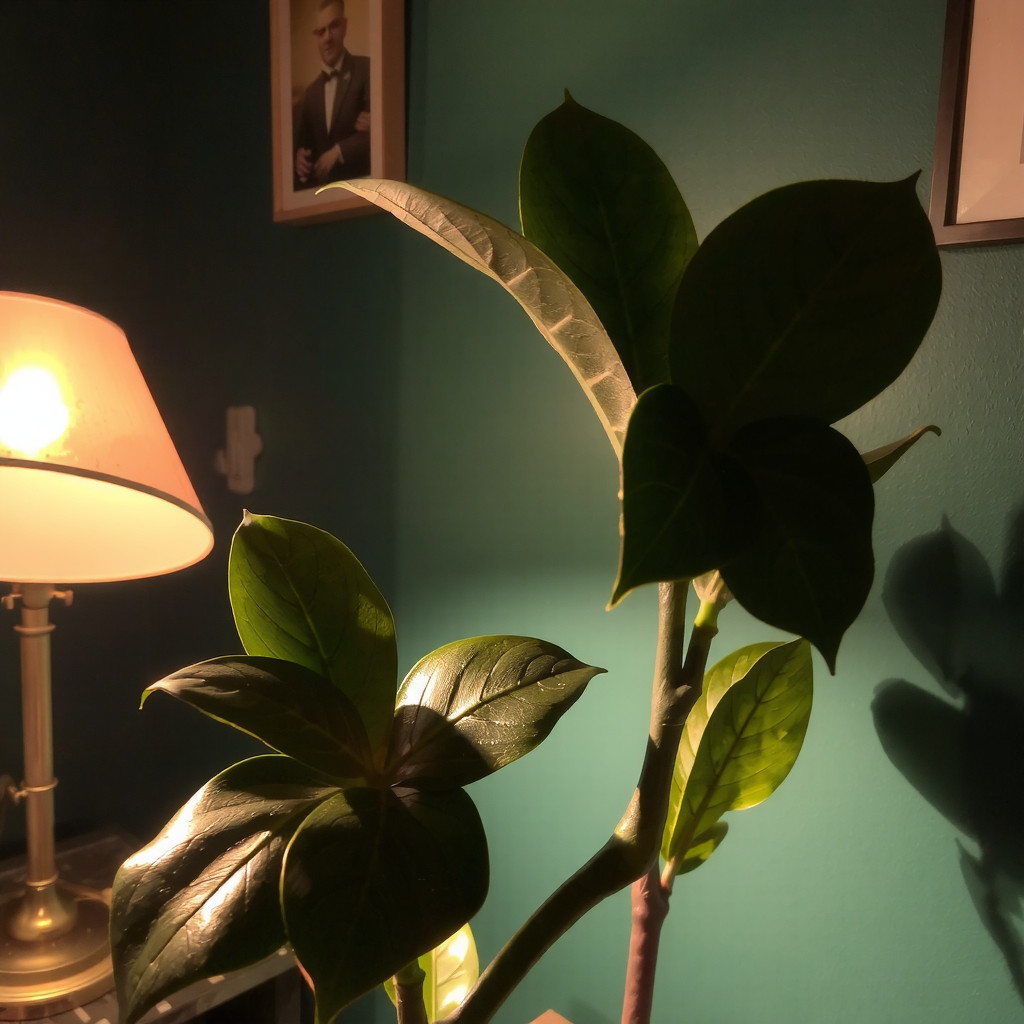
In the evening, use warm accent lighting to uphold the drama. Uplighting a large plant can cast intricate shadows on walls, adding a dynamic artistic element that changes as the plant grows and moves. This interplay of light and shadow creates a cozy, sophisticated atmosphere.
Greenery
Diversity is key to a vibrant indoor landscape. Mix leaf shapes and textures—pair the sword-like leaves of a Snake Plant with the cascading vines of a Pothos or the delicate fronds of a Fern to create visual rhythm.
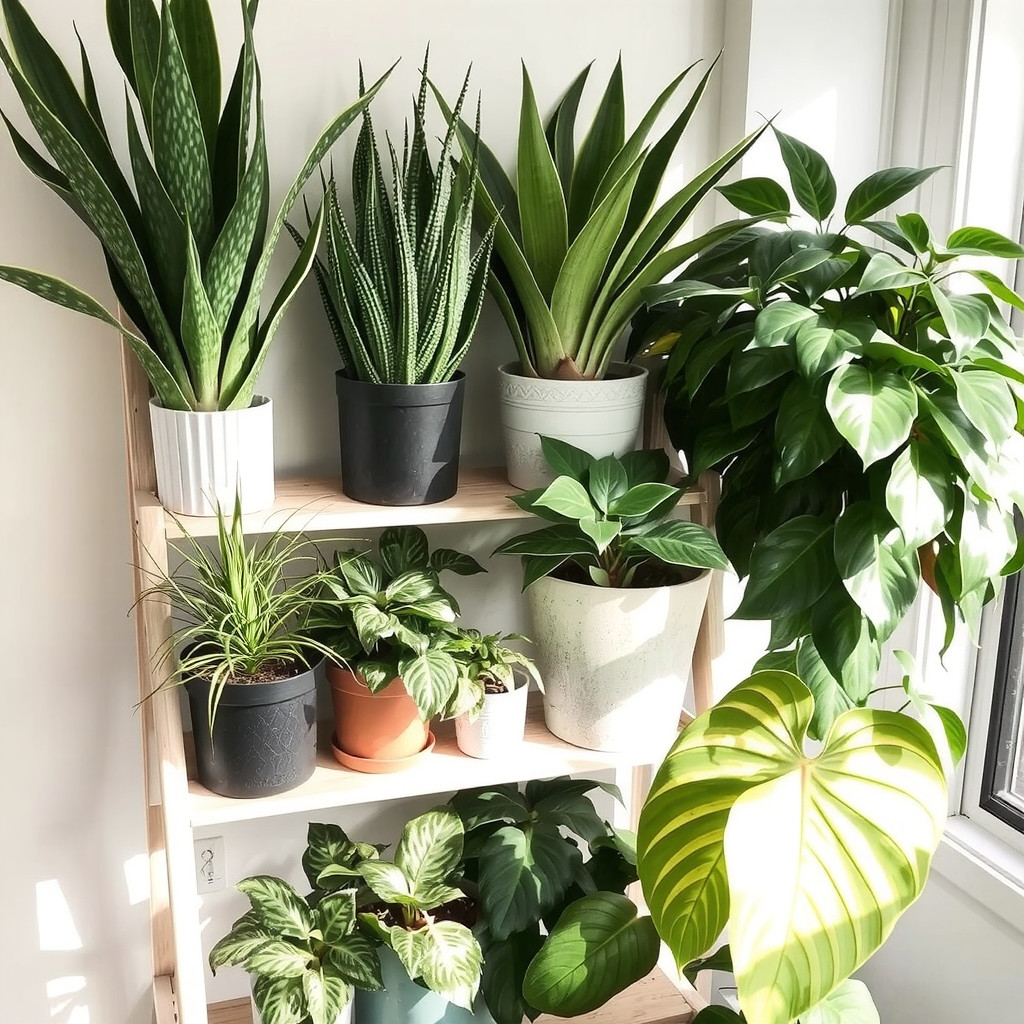
Variegated leaves bring splashes of white, cream, or pink, breaking up the monotony of green and acting as natural art pieces. By curating a variety of species, you not only enhance the visual complexity of your home but also ensure a healthier environment with diverse air-purifying qualities.
Tips
- Rotate your plants every few weeks to ensure even growth on all sides and prevent leaning.
- Dust leaves regularly with a damp cloth to maximize photosynthesis and keep them looking glossy.
- Group plants with similar water and light needs together to simplify your care routine.
- Use a moisture meter to prevent overwatering, which is the most common cause of houseplant issues.
- Acclimatize new plants by keeping them separate for a week to check for pests before joining the rest of your collection.
ADVERTISEMENT