ADVERTISEMENT
Breathing Life into Spaces: The Art of Botanical Styling
Bringing nature indoors is more than just a trend; it is a commitment to creating a living, breathing sanctuary within your home. When you introduce greenery into your personal space, you do not just add decor—you invite vitality, cleaner air, and a profound sense of calm. The connection between humans and nature, often called biophilic design, suggests that being surrounded by organic elements can significantly reduce stress and improve creativity.

Whether you inhabit a sprawling house or a compact apartment, the integration of plant life requires a thoughtful approach. It is not merely about placing a pot in a corner; it is about curating an ecosystem that complements your lifestyle and aesthetic.
Layout and Positioning
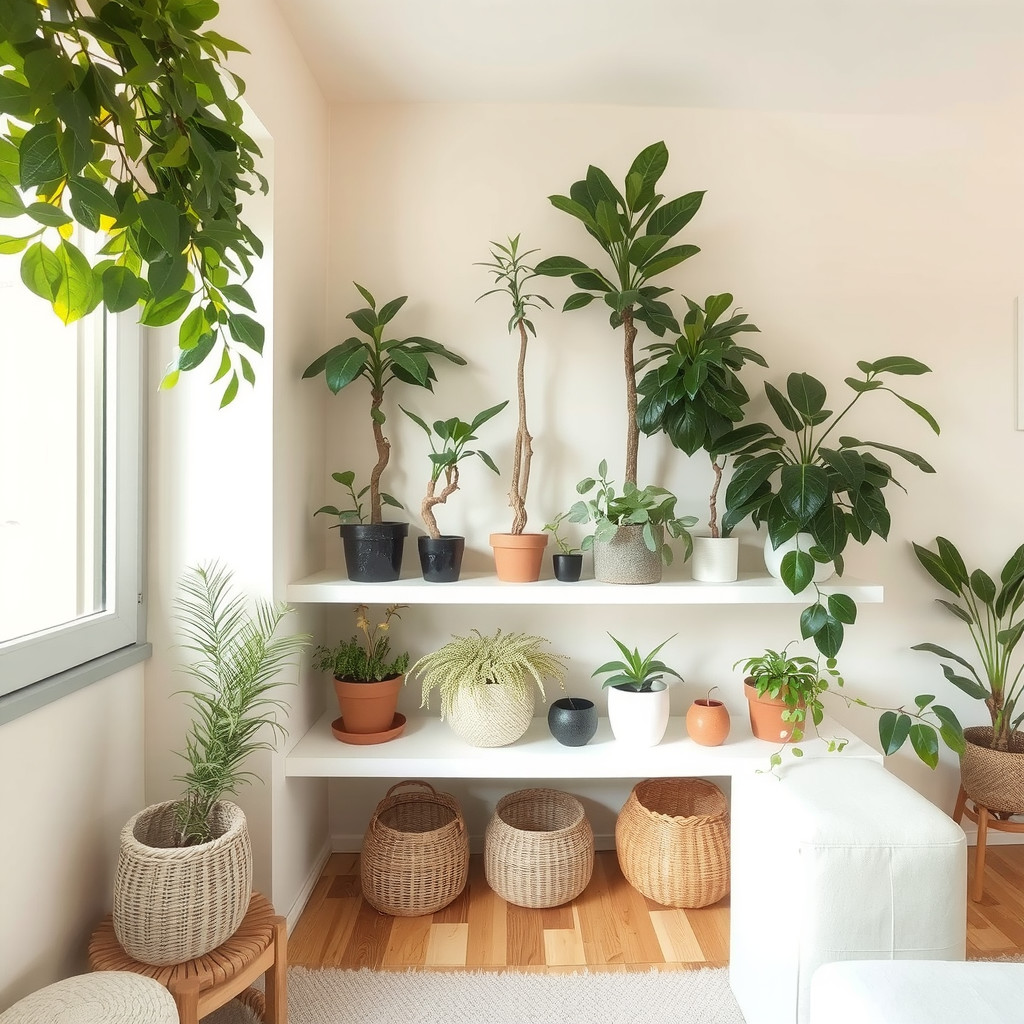
The way you arrange your plants dictates the flow and energy of the room. Avoid scattering small pots aimlessly, which can create visual clutter. Instead, think in clusters. Grouping plants together not only creates a lush, micro-climate that helps them thrive but also makes a stronger visual impact.
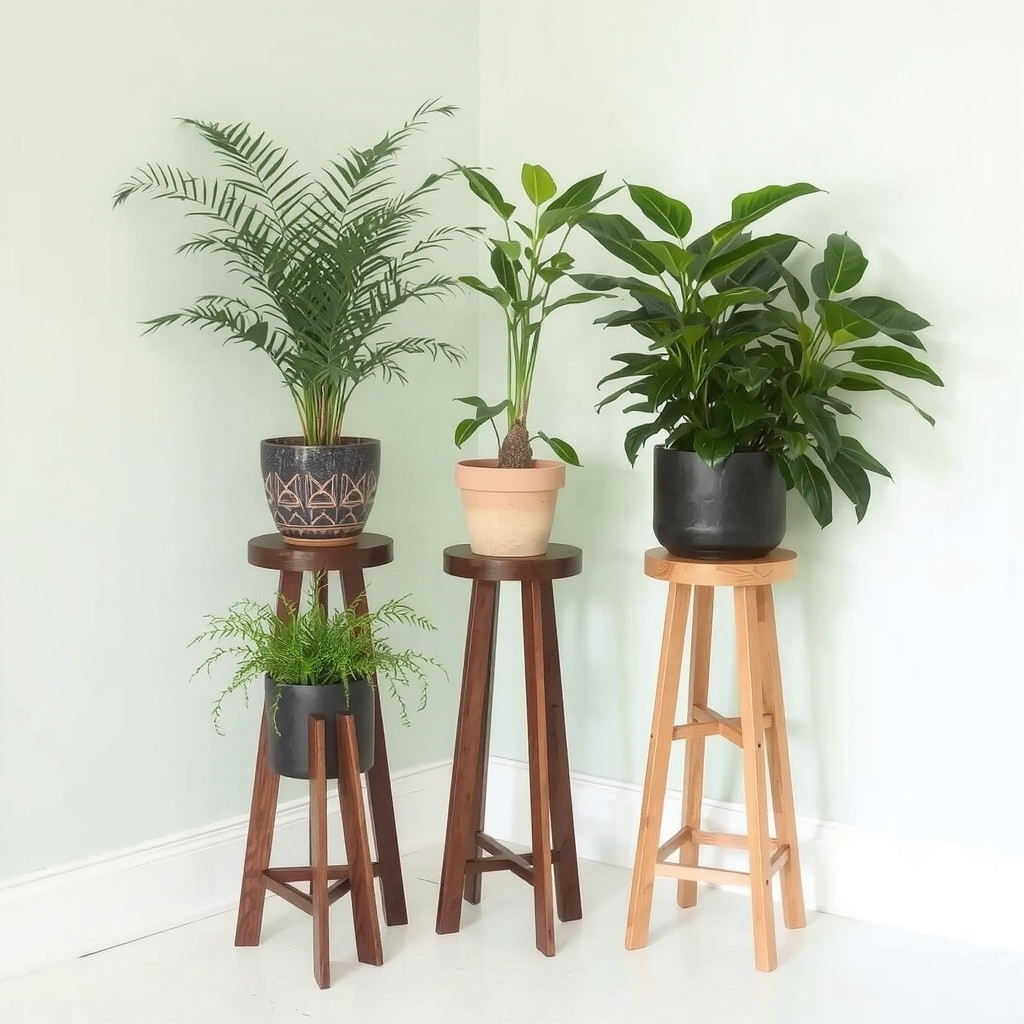
Utilize vertical space to draw the eye upward. Place trailing plants on high shelves or hang them from the ceiling to soften hard architectural lines. Consider the “rule of threes” when grouping floor plants: combine a tall tree, a medium-sized bushy plant, and a smaller ground-level pot to create depth and dimension. This tiered approach mimics the layers found in nature, making the arrangement feel organic and grounded.
Materials and Textiles
Your choice of vessels is just as important as the plants themselves. The pots you choose should dialogue with the existing textiles and materials in your room. If your space features sleek, modern lines and cool metals, consider warming it up with unglazed terracotta or hand-thrown ceramics. Conversely, in a rustic setting, a smooth, matte white planter can provide a sophisticated contrast.
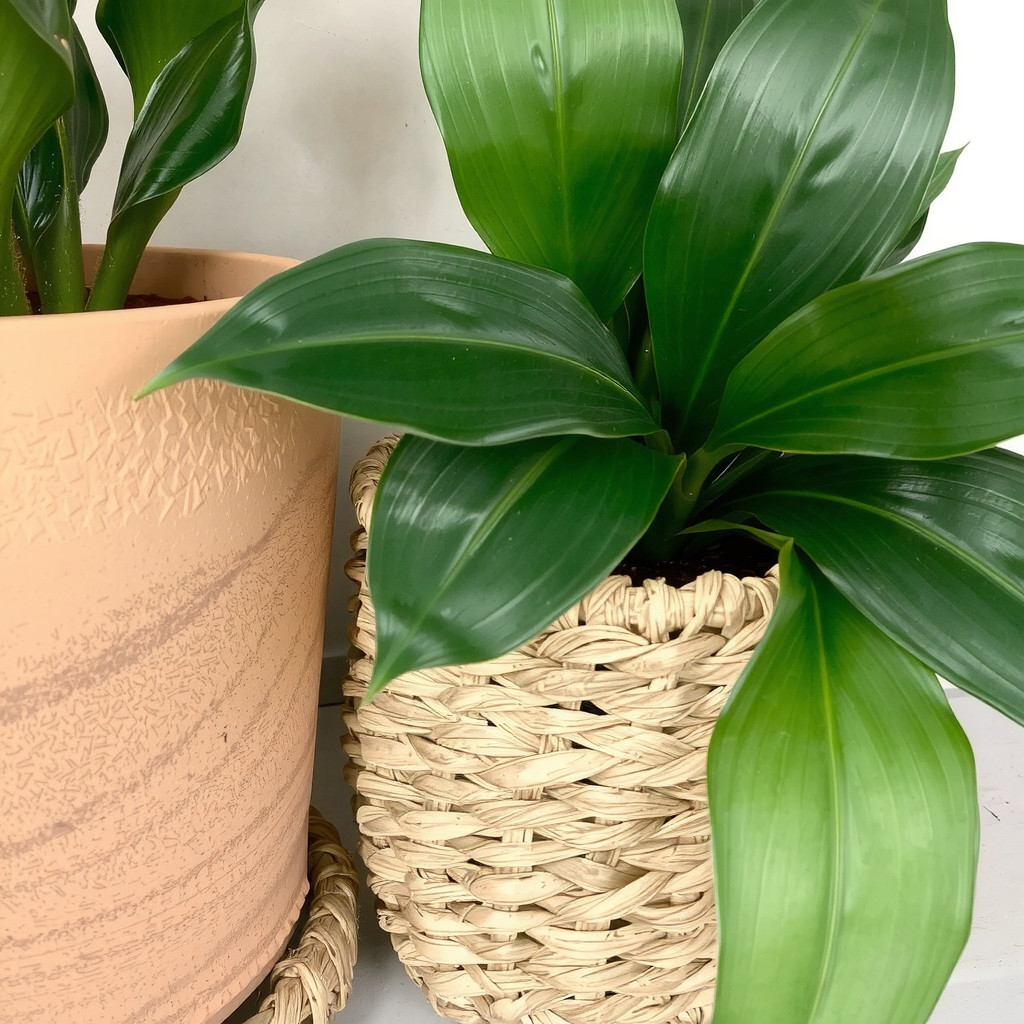
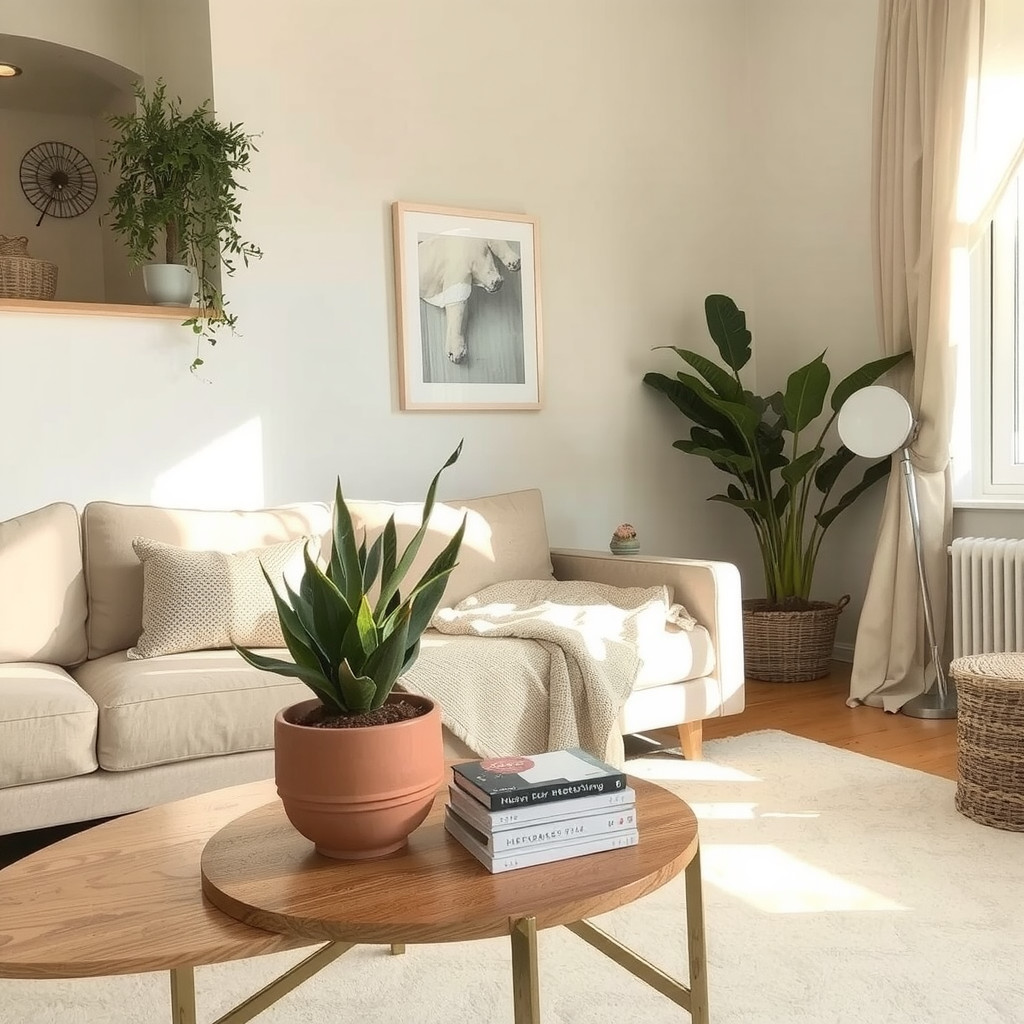
Pay attention to the interplay between foliage and fabric. The glossy, waxy leaves of a Rubber Plant look stunning against the matte texture of a linen sofa or a wool rug. Delicate ferns pair beautifully with heavy velvet or rough-hewn wood. These textural contrasts enrich the sensory experience of the room, making it feel curated and intentional.
Focal Points
Every room needs an anchor, and a large statement plant can serve as a stunning focal point, rivaling any piece of sculpture or furniture. A grand Fiddle Leaf Fig, a tall Bird of Paradise, or a sculptural Dracaena can fill empty corners and bring life to dead space.
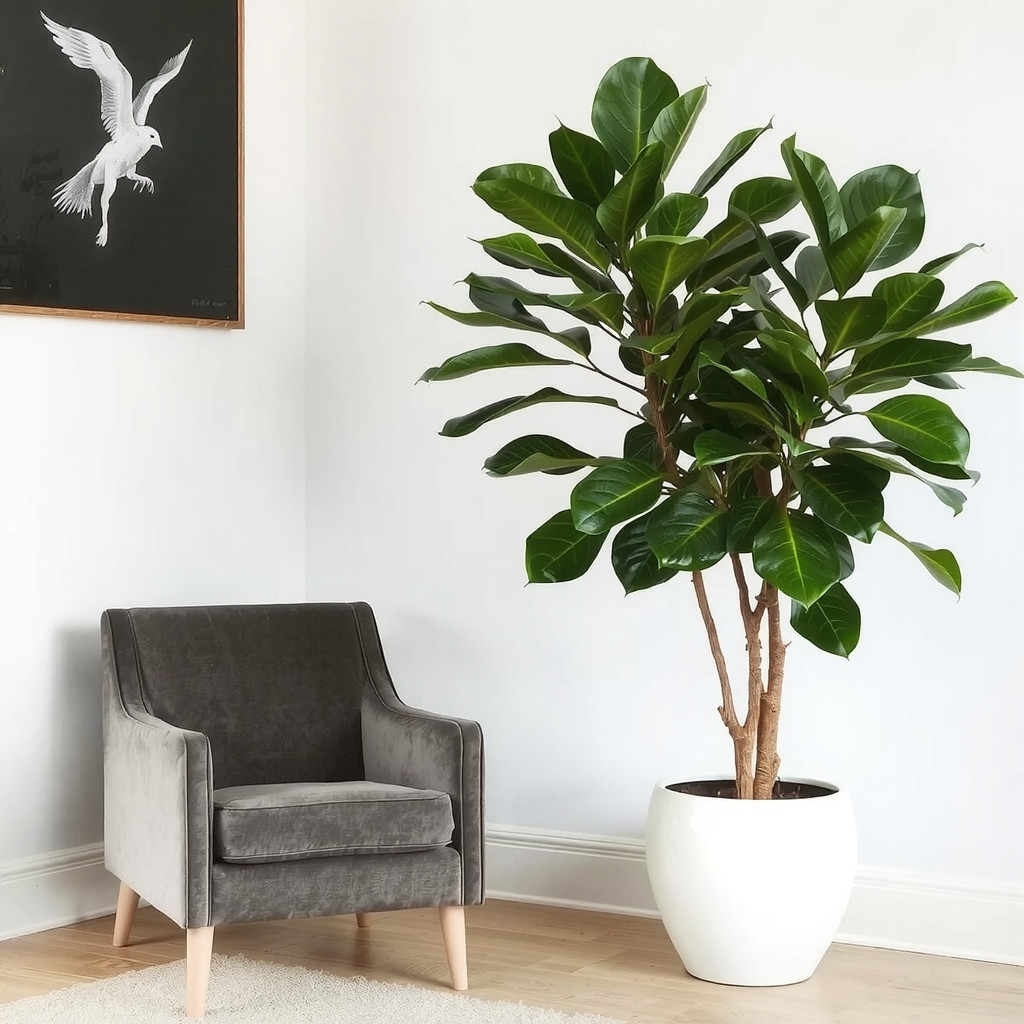
When positioning a statement plant, ensure it has enough breathing room. It should not feel squeezed behind a sofa or jammed into a walkway. Give it pride of place where its silhouette can be admired. Use uplighting to cast dramatic shadows on the wall at night, turning your botanical giant into a piece of living art.
Lighting
Light is the lifeblood of your indoor garden, but it is also a key design element. Observe how sunlight moves through your home throughout the day. South-facing windows offer intense, direct light perfect for cacti and succulents, while east-facing windows provide the gentle morning sun that tropical foliage loves.
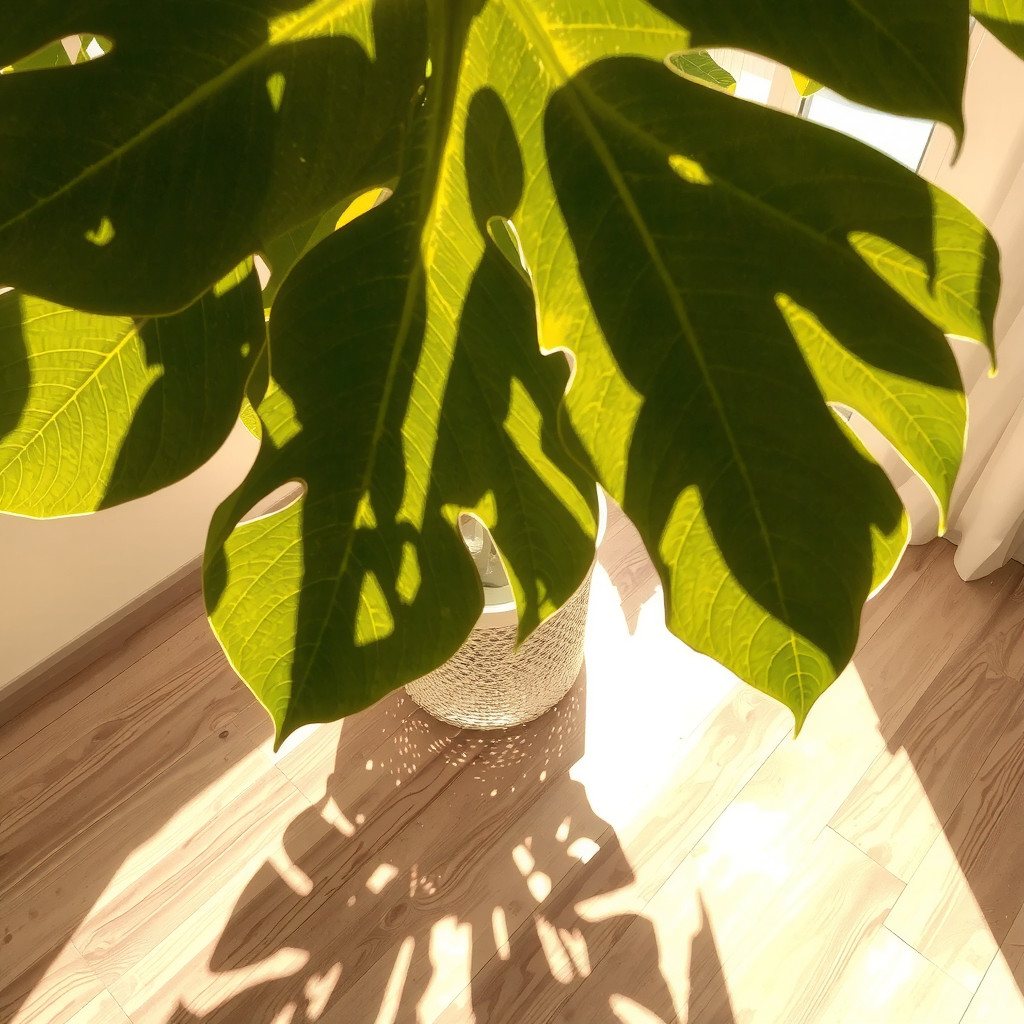
Don’t despair if you lack natural light; you can use grow lights that blend seamlessly with your decor. Many modern bulbs screw into standard fixtures, allowing you to spotlight your greenery without sacrificing style. The way light filters through leaves—dappled and green-tinted—adds a magical, ethereal quality to your afternoons.
Greenery
Diversity in foliage shape and color prevents your indoor jungle from looking monotonous. Mix the architectural spikes of a Snake Plant with the soft, cascading vines of a Pothos. Combine the deep purples of a Tradescantia with the variegated whites and greens of a Spider Plant.
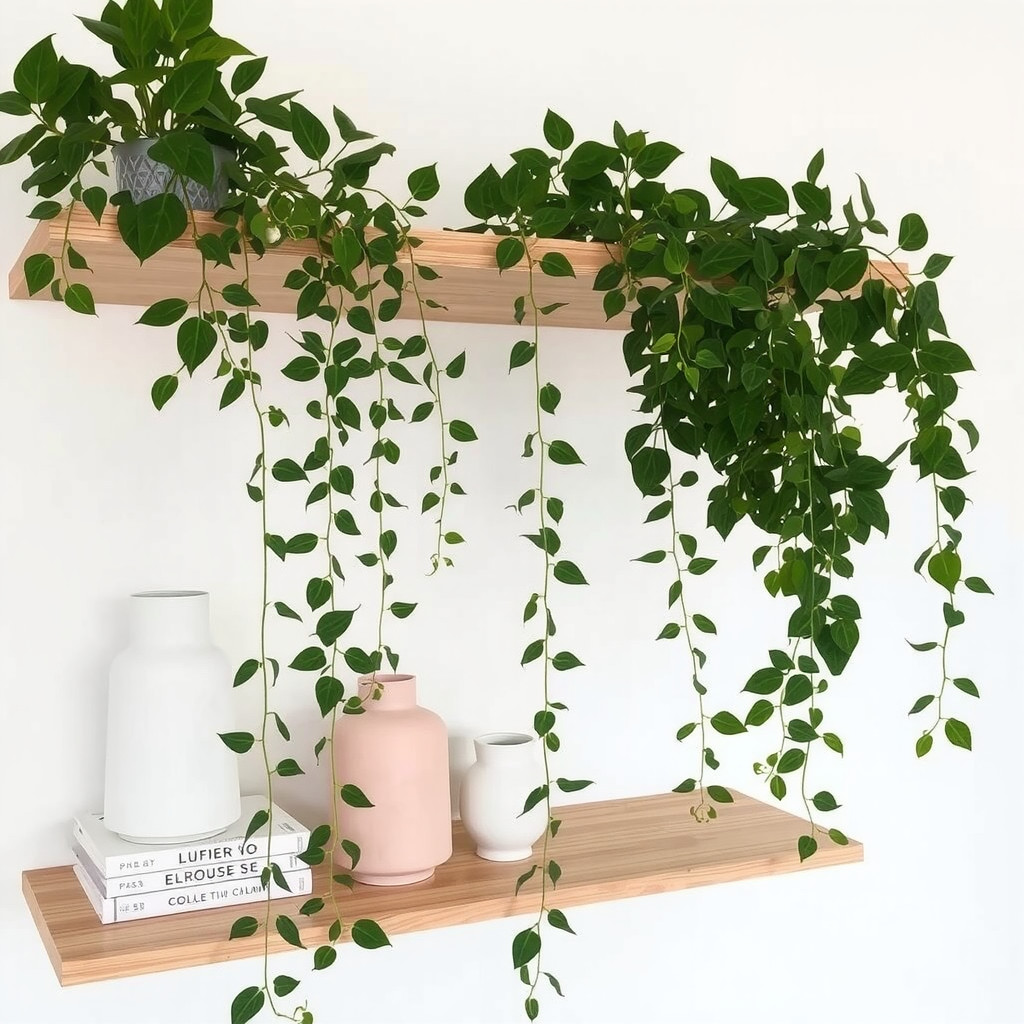
By varyifying leaf shapes—round, sword-like, heart-shaped, or feathery—you create a rich tapestry of textures. This variety keeps the eye moving and ensures that each plant stands out as an individual character within the collective narrative of your home.
Tips
- Rotate Regularly: Turn your plants a quarter turn every time you water them to ensure even growth and prevent them from leaning toward the light source.
- Dust the Leaves: Accumulation of dust blocks sunlight and inhibits photosynthesis. Wipe leaves gently with a damp cloth to keep them glossy and healthy.
- Group for Humidity: Most tropical plants crave moisture. Grouping them creates a humid microclimate that benefits everyone in the cluster.
- Check Drainage: Ensure every decorative pot has a drainage hole or uses a nursery pot inside to prevent root rot, the number one killer of indoor plants.
- Prune for Shape: Don’t be afraid to trim leggy vines or brown tips. Pruning encourages new growth and keeps your plants looking tidy and vibrant.
ADVERTISEMENT