ADVERTISEMENT
Breathing Life Into Your Space: A Guide to Biophilic Interiors
Transforming your home into a verdant sanctuary is about more than just buying a few potted greens; it is about cultivating a relationship with nature within your walls. When you invite the outdoors in, you alter the energy of your rooms, softening architectural lines and introducing a living, breathing rhythm to your daily life.
Layout and Positioning
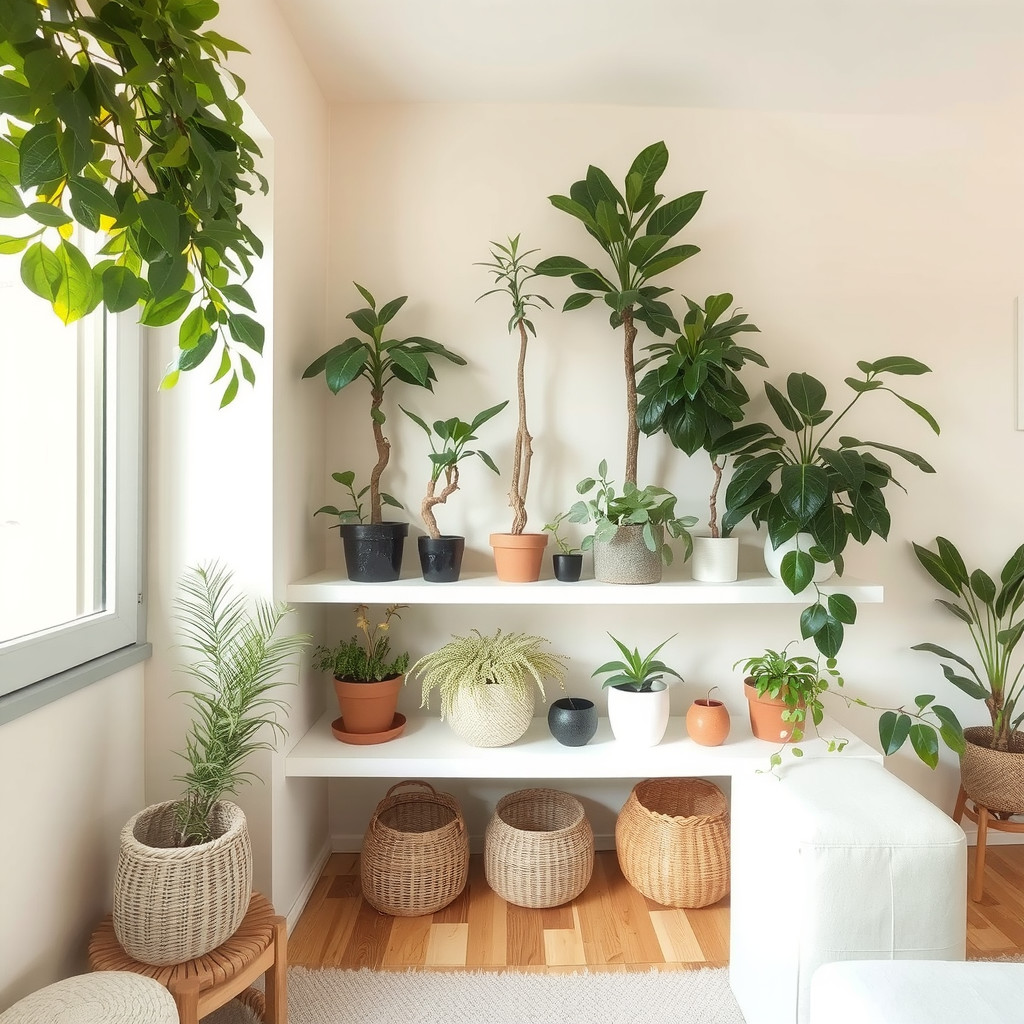
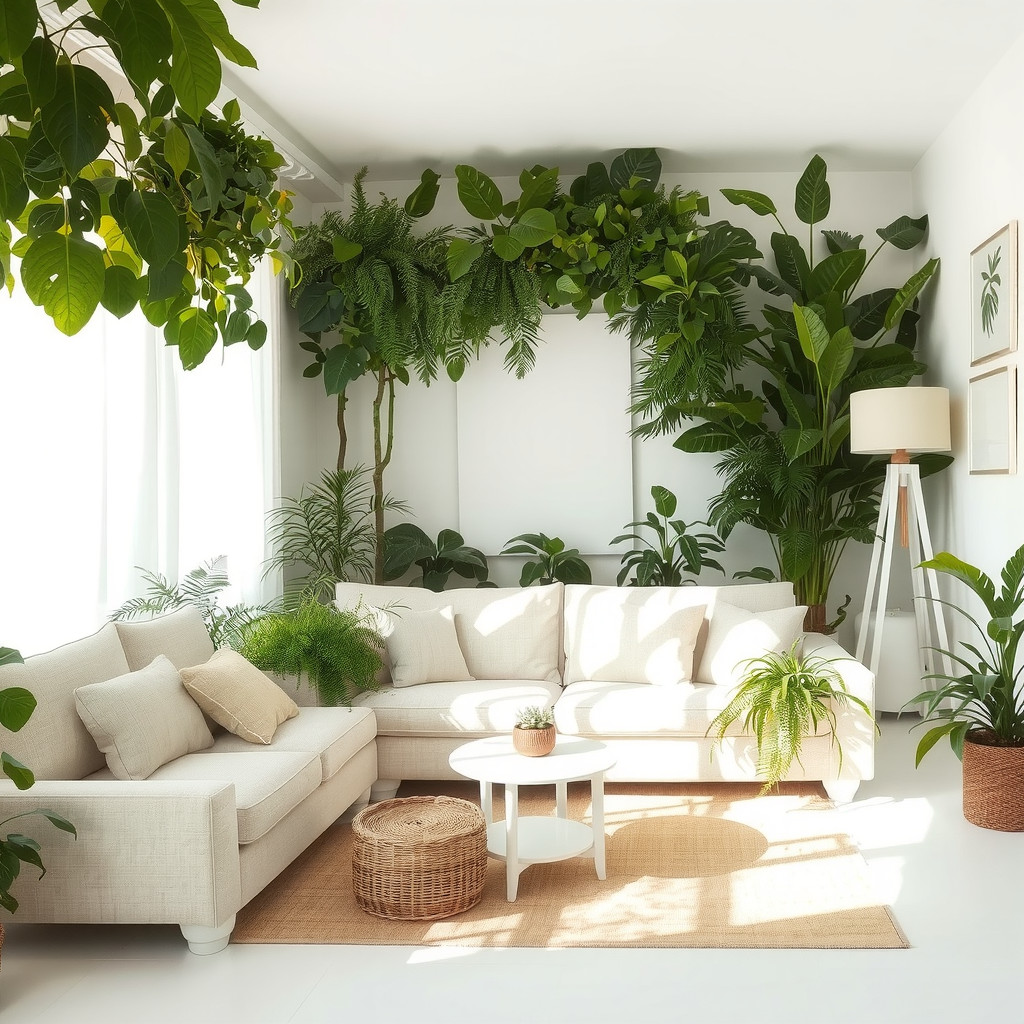
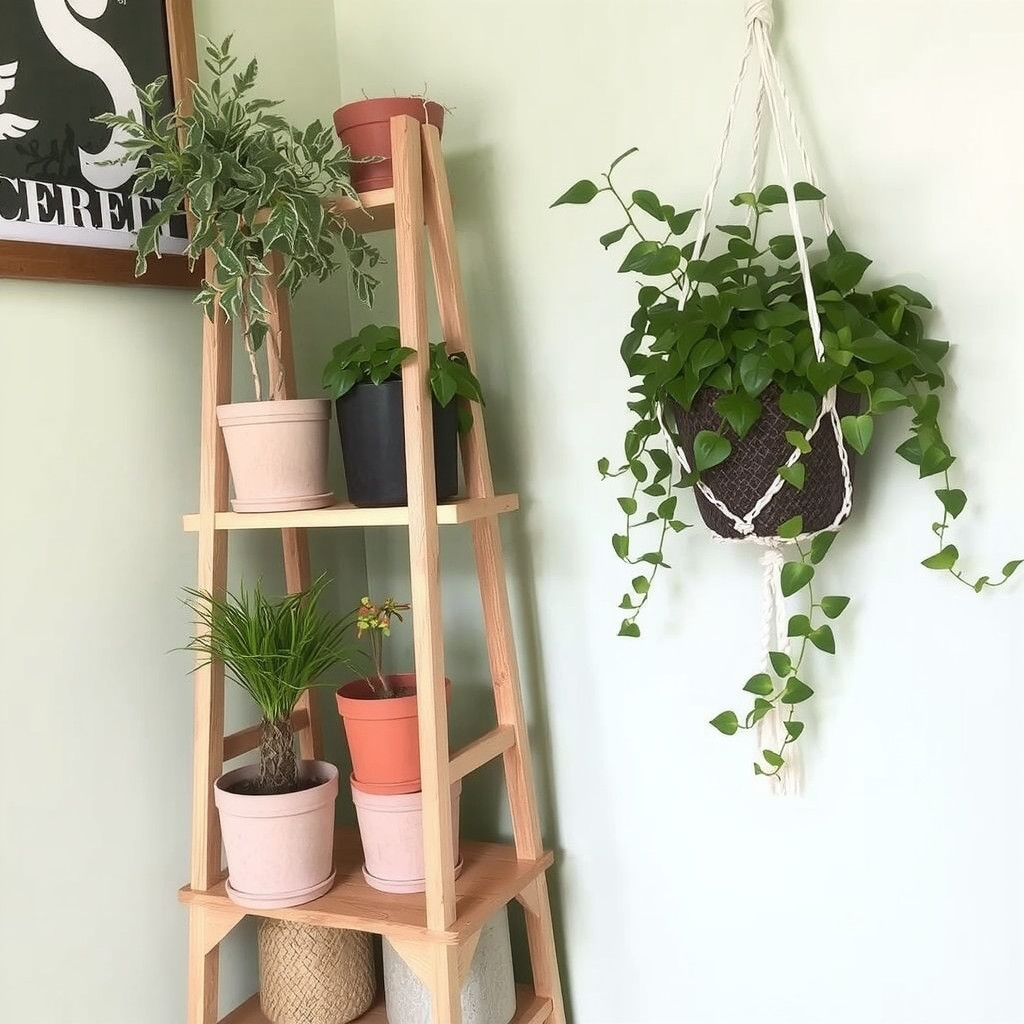
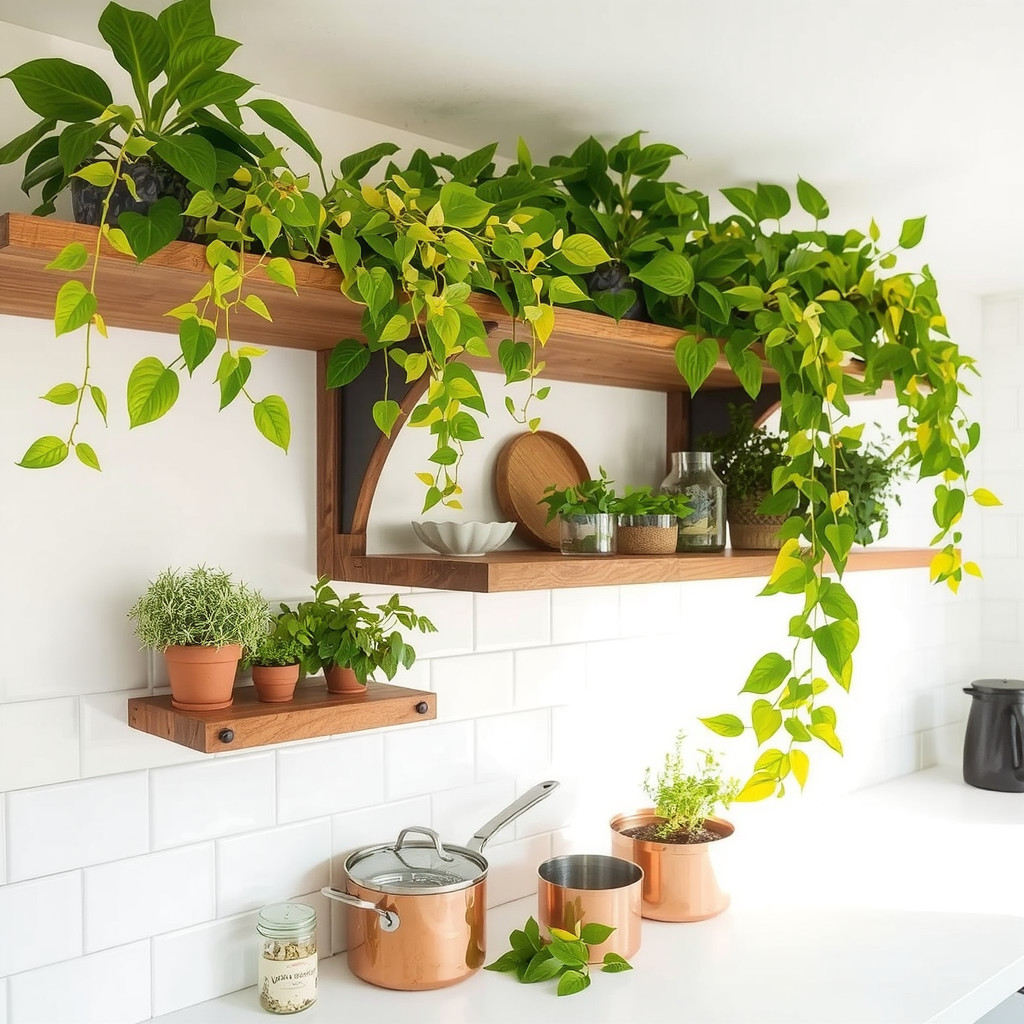
The way you arrange your botanical elements defines the flow of the room. Avoid the temptation to line every pot along a windowsill. Instead, think of your plants as sculptural objects that guide the eye. Use verticality to your advantage by placing trailing varieties on high shelves or in hanging planters to draw the gaze upward, creating an illusion of height in smaller spaces.
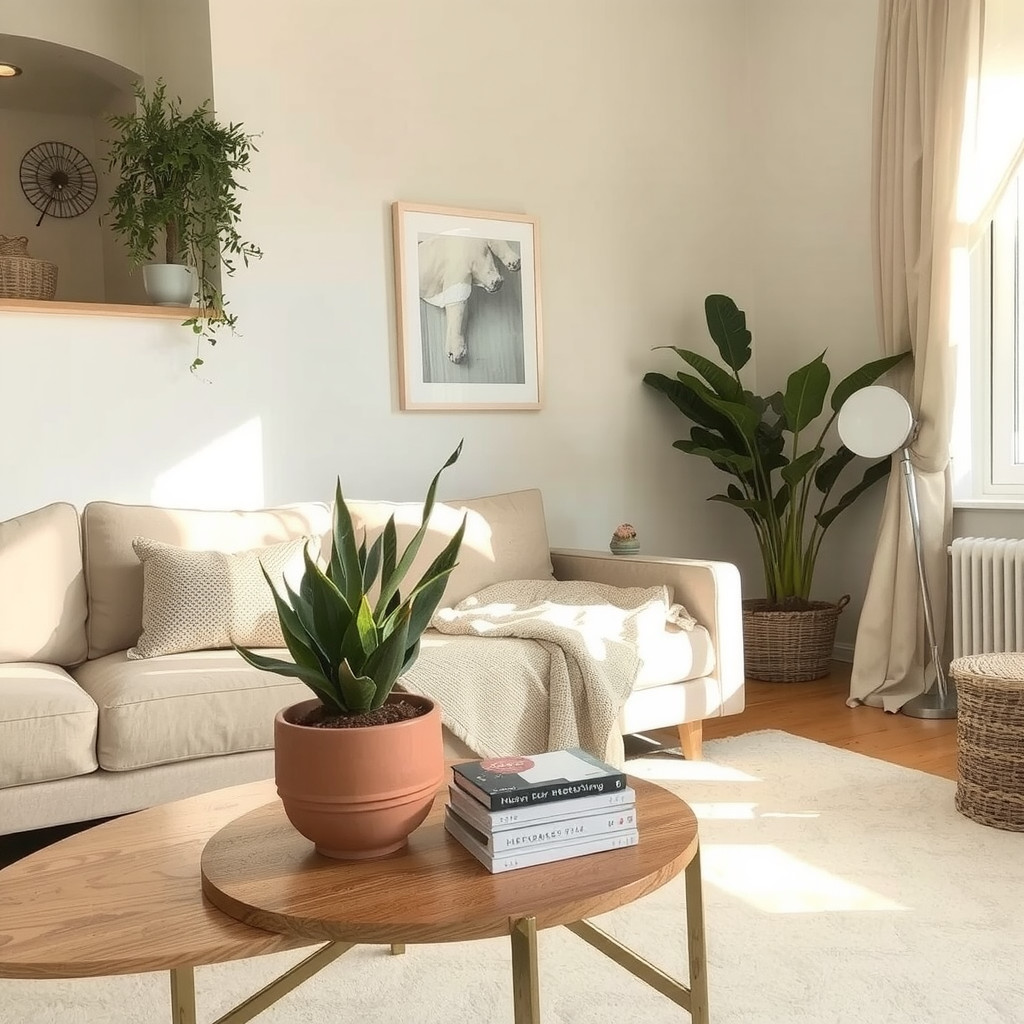
Cluster plants in odd numbers to create a mini-ecosystem that feels organic rather than curated. Vary the heights using plant stands or stacked books. A low, wide fern on a coffee table grounds the seating area, while a tall, slender palm in the corner softens the rigid angles of the room.
Materials and Textiles
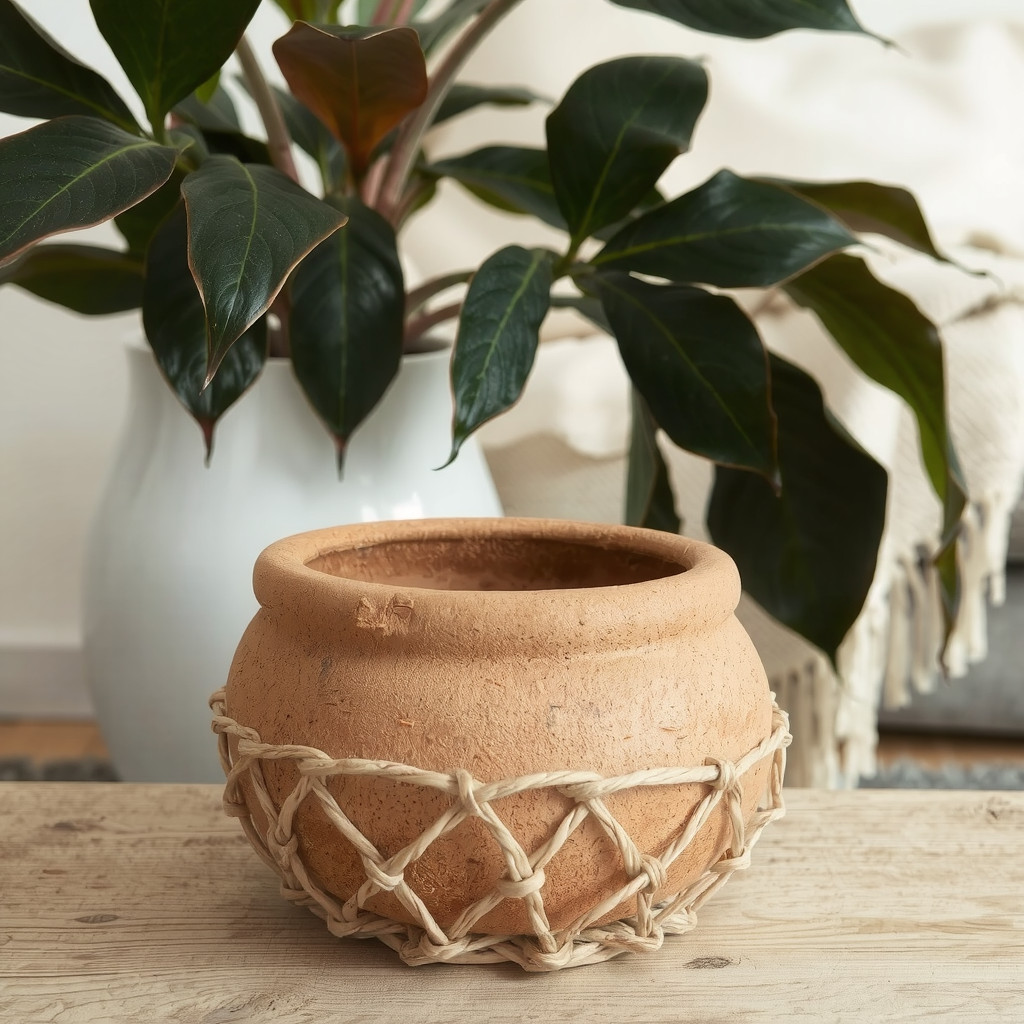
The vessels you choose are just as important as the plants themselves. To enhance the organic feel, pair your greenery with raw, tactile materials. Unglazed terracotta, hand-thrown ceramics, and woven seagrass baskets complement the glossy texture of leaves. These earthy containers ground the vibrant greens and prevent the space from feeling cluttered.
Consider the textiles nearby. The rough weave of a jute rug or the softness of washed linen drapes provides a beautiful contrast to the structural integrity of a snake plant or the delicate fronds of a maidenhair fern. This interplay of textures adds depth and warmth, making the space feel lived-in and layered.
Focal Points
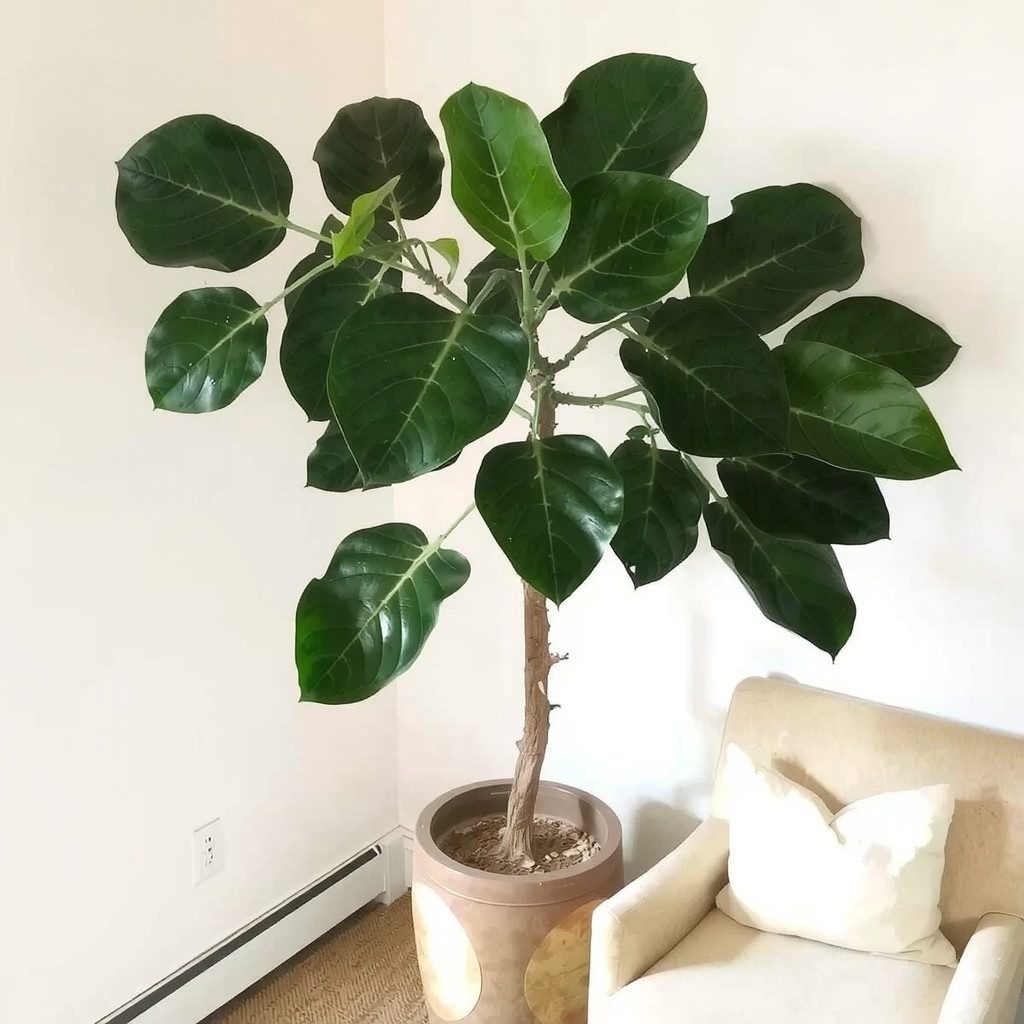
Every room needs a hero, and a statement plant can serve as a stunning architectural anchor. A mature Fiddle Leaf Fig or a sweeping Bird of Paradise commands attention and can replace the need for large furniture pieces or heavy art. Position these giants where they have room to spread their canopy without obstruction.
When selecting a focal point, consider the leaf shape. Large, broad leaves create a tropical, relaxing vibe, while spiky, architectural plants like Dracaena introduce energy and dynamism. Give this “hero” plant breathing room so its silhouette can be fully appreciated.
Lighting
Light is the nutrient that fuels your indoor garden, but it is also a powerful design tool. Observe how the light travels through your home during the day. Place translucent leaves where they can catch the backlit glow of the afternoon sun, turning them into glowing green jewels.
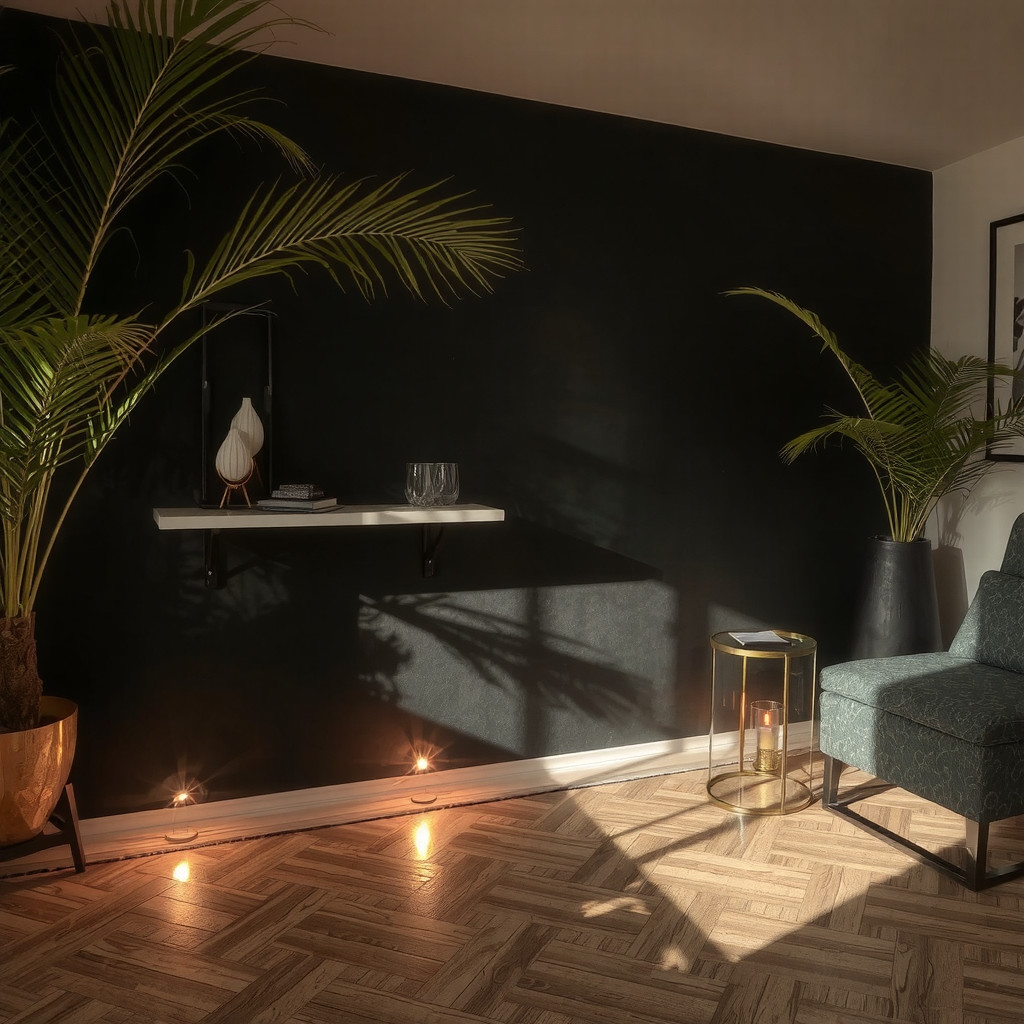
In the evening, lighting changes the drama. Use uplighting to cast dramatic shadows of palm fronds against a wall, turning your plants into living art installations. A well-placed warm lamp near a dense cluster of plants creates cozy pockets of shadow and light, enhancing the sanctuary feel.
Greenery
While the vessel and placement matter, the specific variety of flora sets the mood. For a bathroom, high-humidity lovers like Boston Ferns or Calatheas thrive in the steam and add a spa-like tranquility. In a bright, arid kitchen, succulents and herbs offer functionality and resilience against the heat.
Don’t be afraid to mix shades of green. The silvery hue of Eucalyptus, the deep emerald of a Rubber Plant, and the variegated whites of a Pothos create a rich tapestry of color that prevents the look from becoming monotonous.
Tips
- Rotation is Key: Rotate your plants a quarter turn every time you water them to ensure even growth and prevent them from leaning desperately toward the light.
- Dust the Leaves: Plants breathe through their leaves. Wipe them down gently with a damp cloth to keep them healthy and glossy.
- Check Drainage: Always ensure your decorative pots have drainage holes or use a nursery pot inside to prevent root rot.
- Acclimatize: When bringing a new plant home, give it a few weeks in one spot to adjust before moving it again.
- Group for Humidity: Grouping tropical plants together creates a microclimate with higher humidity, which helps them thrive in dry indoor air.
ADVERTISEMENT