ADVERTISEMENT
Introduction
You step into your home, and the first thing you notice is the absence of a touch of nature. Indoor plants are an excellent way to bring life to your space, purifying the air and uplifting your mood. As you consider adding some greenery to your home, you might wonder where to start. 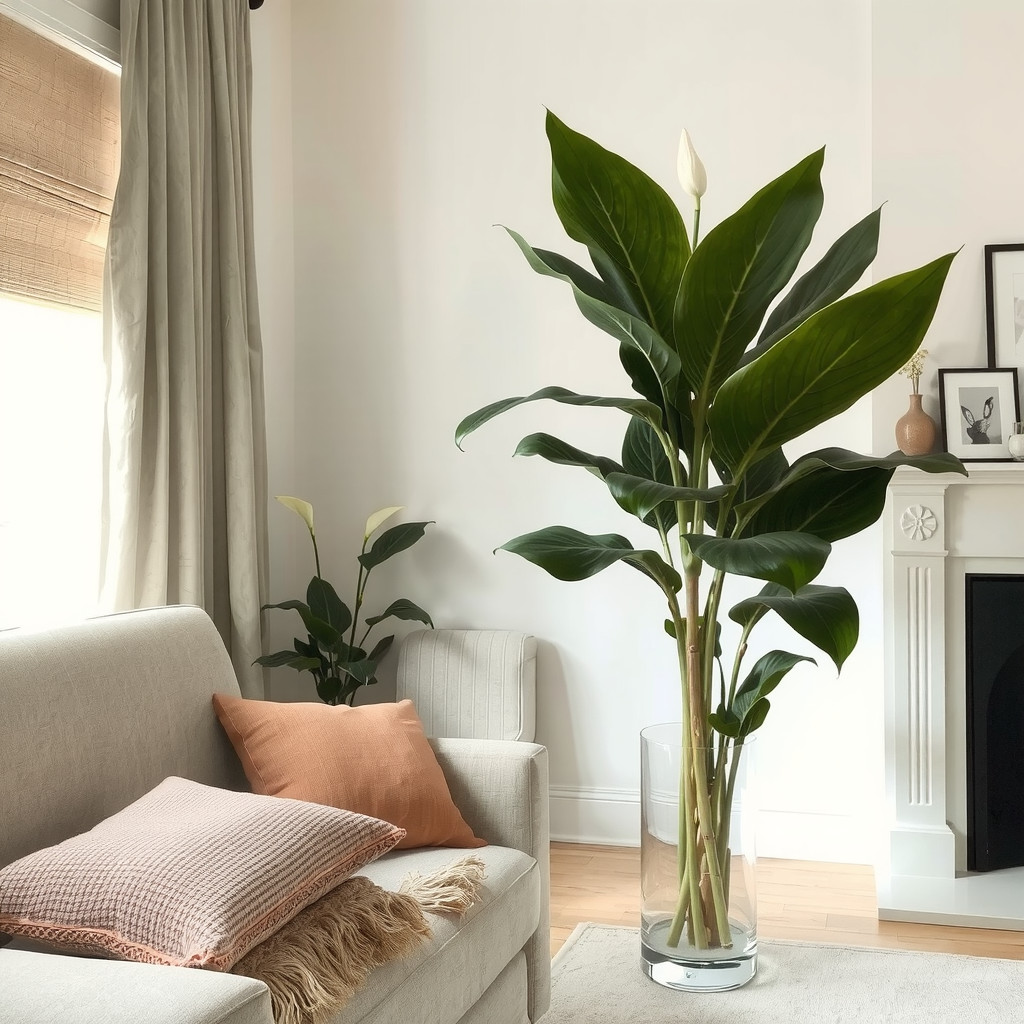
Layout and Positioning
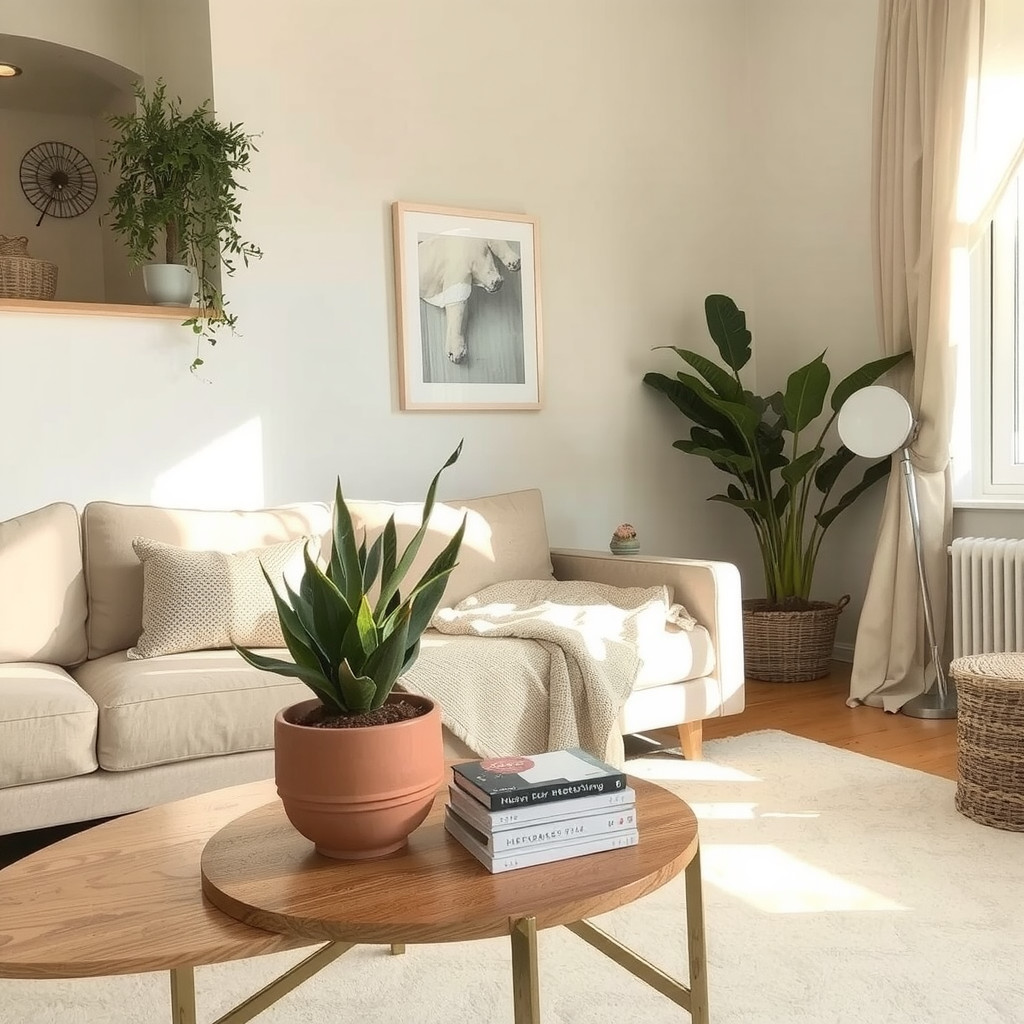
When deciding on the layout of your indoor plants, consider the natural light each room receives. Place plants that thrive in low light, such as Chinese Evergreen or Pothos, in areas with limited sunlight. Conversely, plants like Succulents and Cacti love basking in the sun, making them perfect for sunny windowsills. 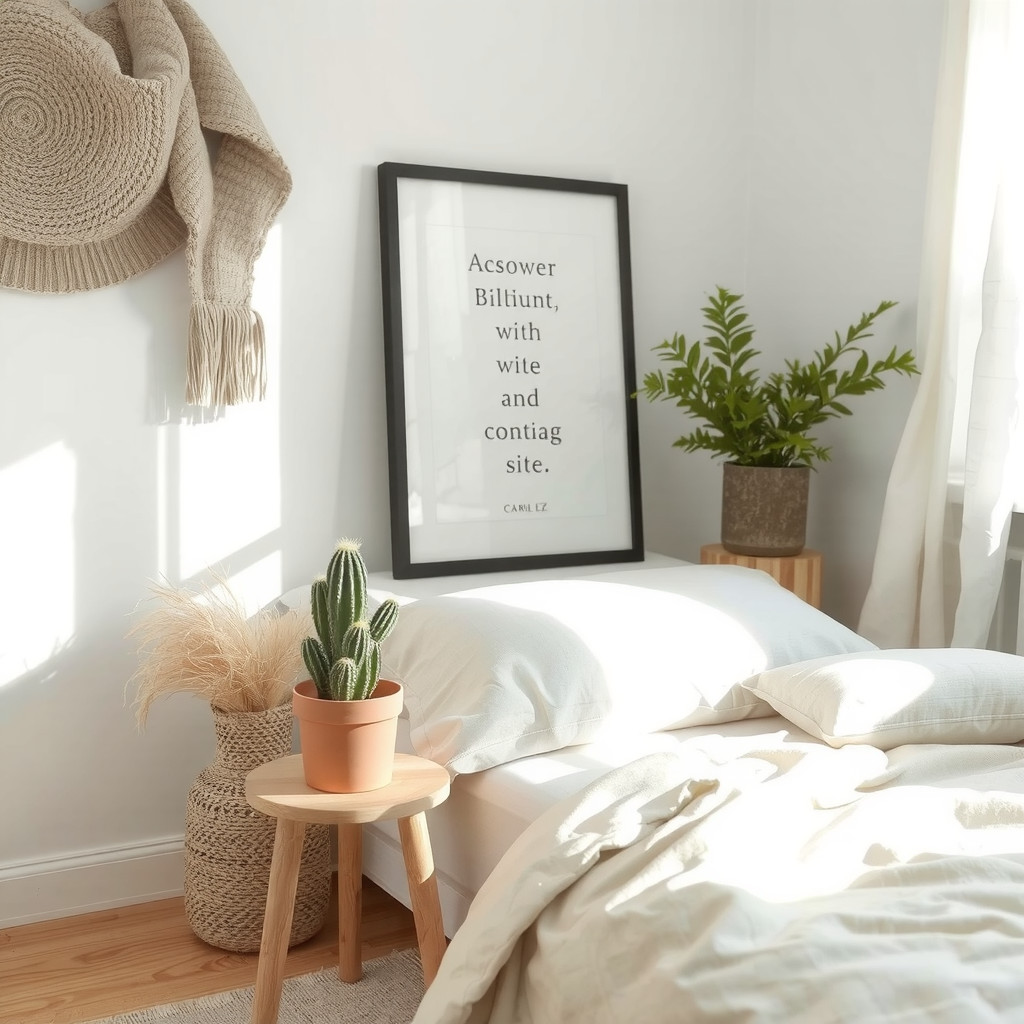
Materials and Textiles
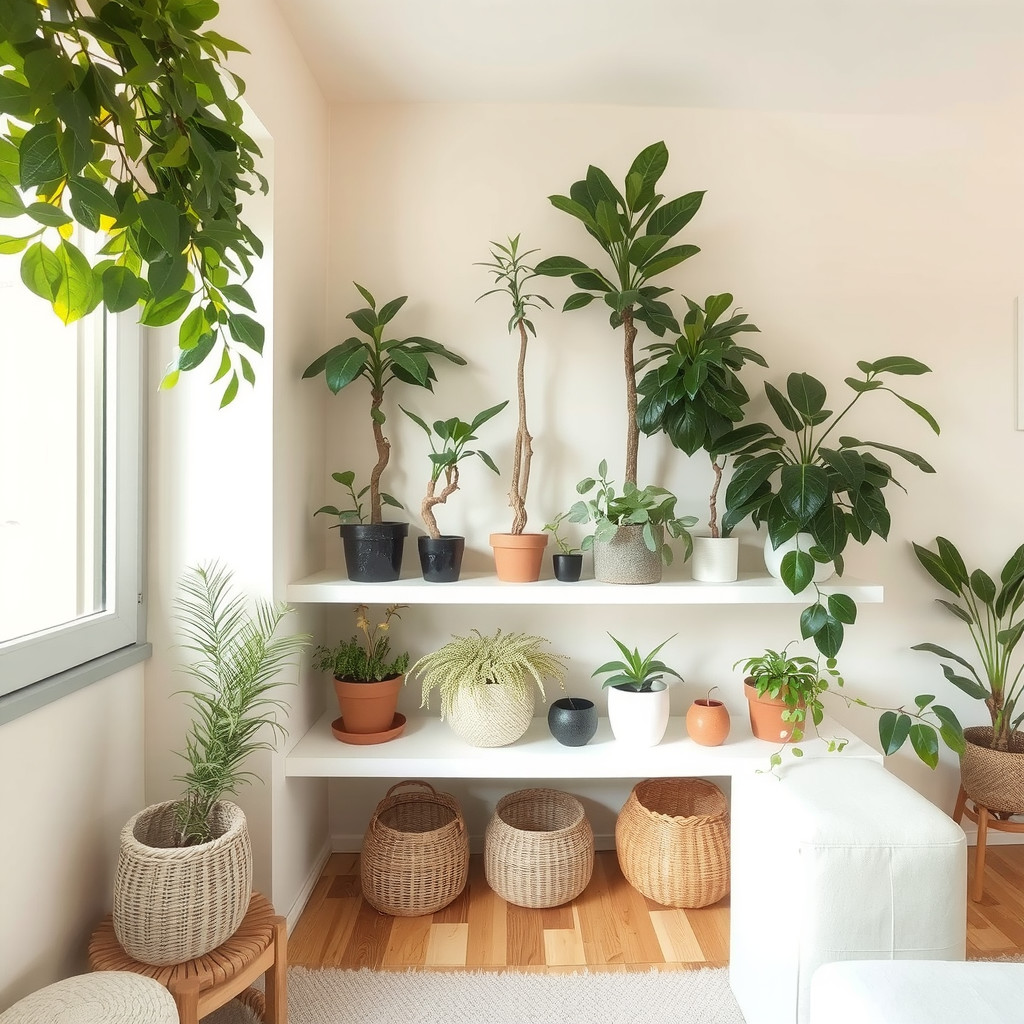
The pots and planters you choose can greatly impact the aesthetic of your space. Earthy terracotta pots complement a rustic or bohemian decor, while sleek glass or ceramic planters fit seamlessly into a modern or minimalist setting. Consider the textures as well; woven baskets or planters with natural fibers can add warmth to your space. 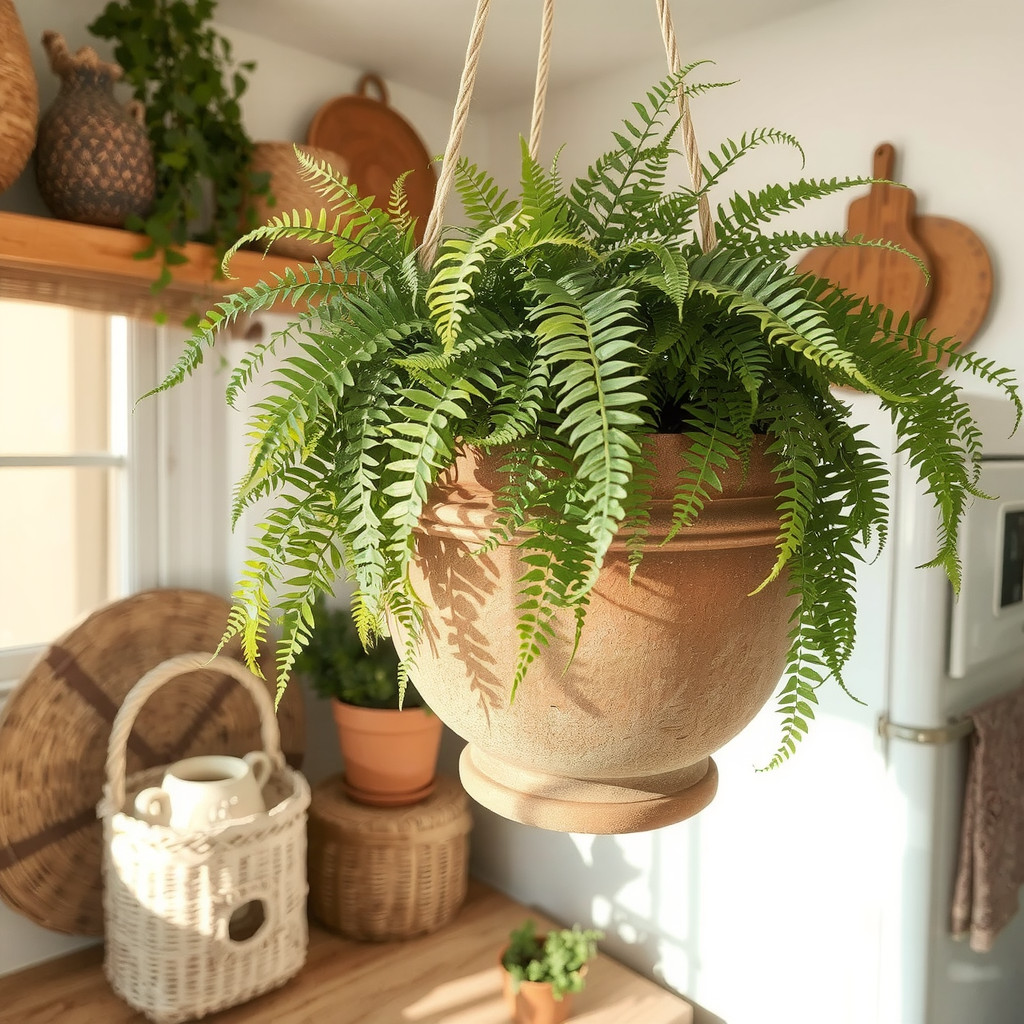
Focal Points
Indoor plants can serve as stunning focal points in any room. A statement piece like a tall Dracaena or a showy Peace Lily can draw the eye and create visual interest. Grouping smaller plants together can also create a beautiful focal point, especially when varied textures and heights are incorporated. 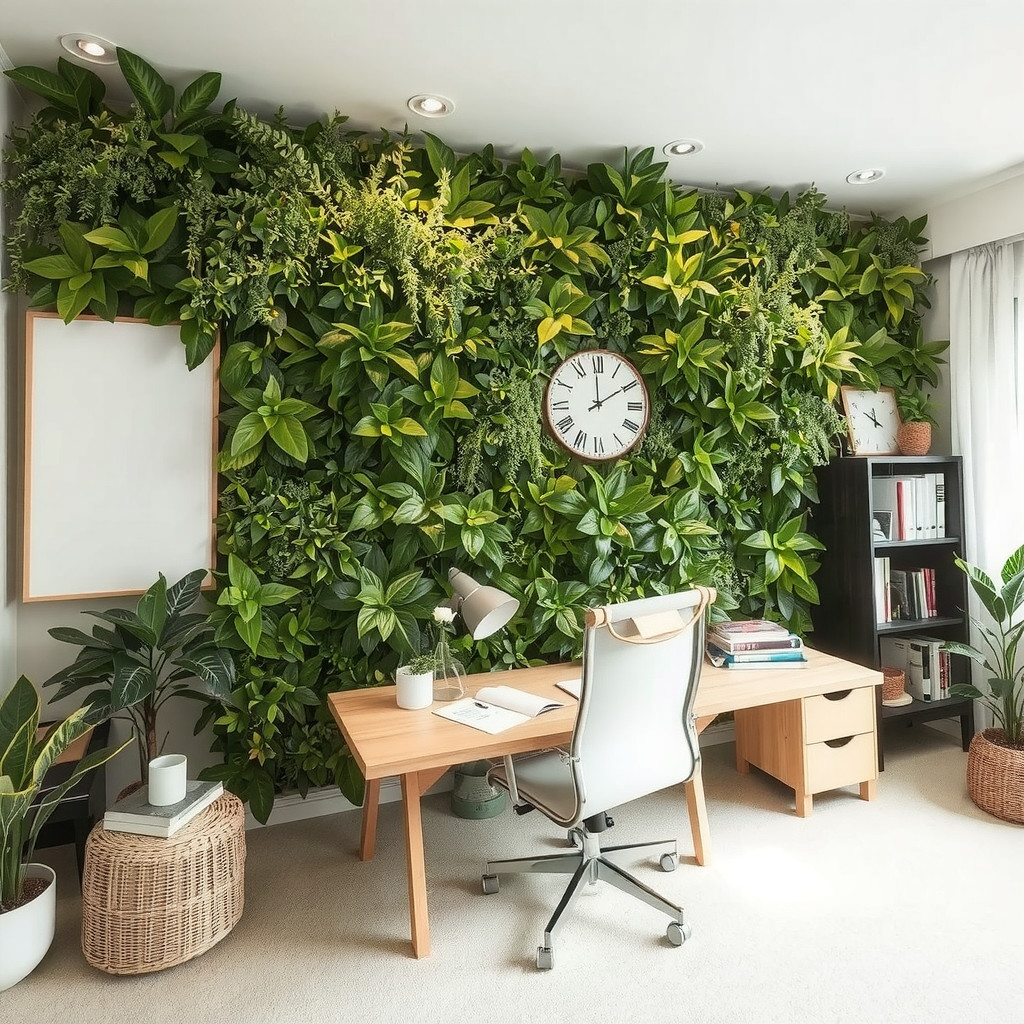
Lighting
Lighting is crucial for the health and appearance of your plants. While natural light is ideal, not all spaces receive ample sunlight. Invest in high-quality grow lights to supplement the natural light, especially during the winter months or for plants that require a lot of light. 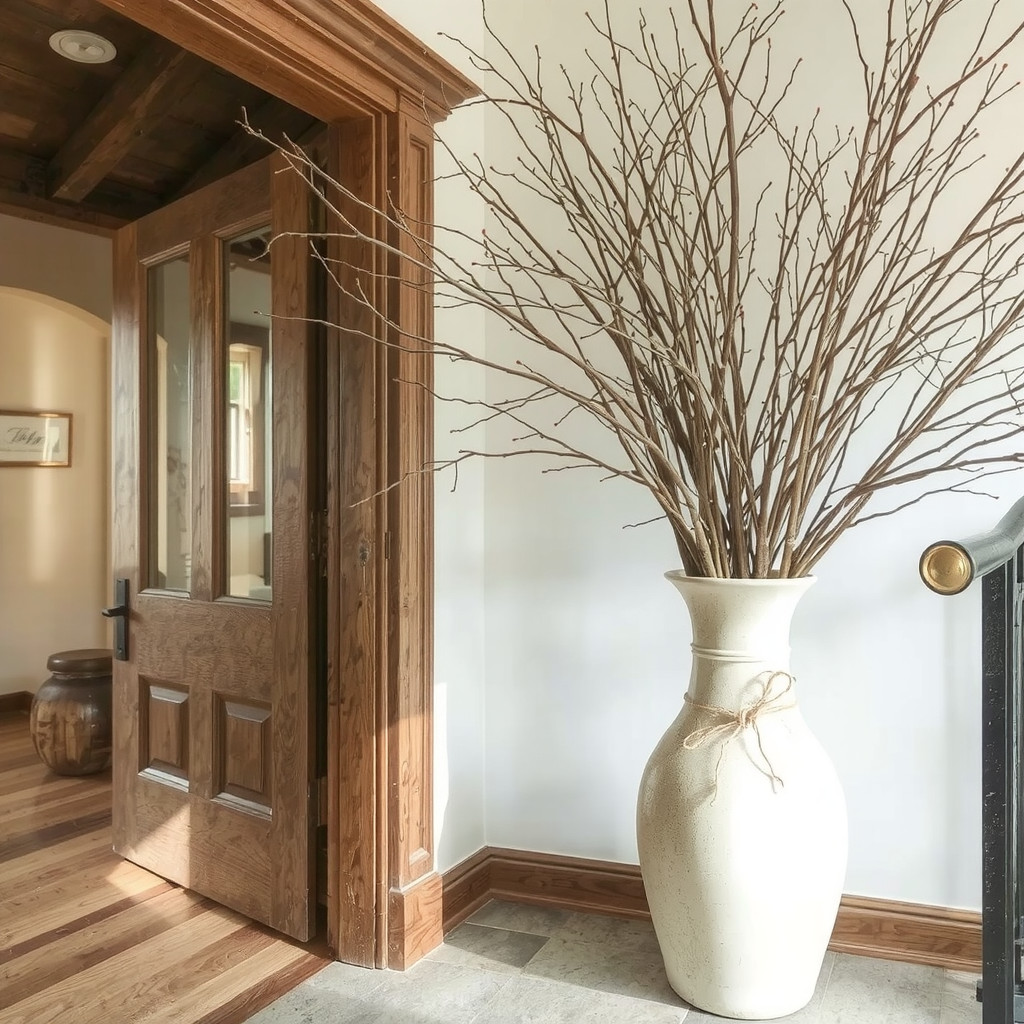
Greenery
Beyond traditional potted plants, consider incorporating other forms of greenery into your decor. Living walls, vertical gardens, or even a simple vase with fresh branches can add a touch of elegance and freshness to your space. 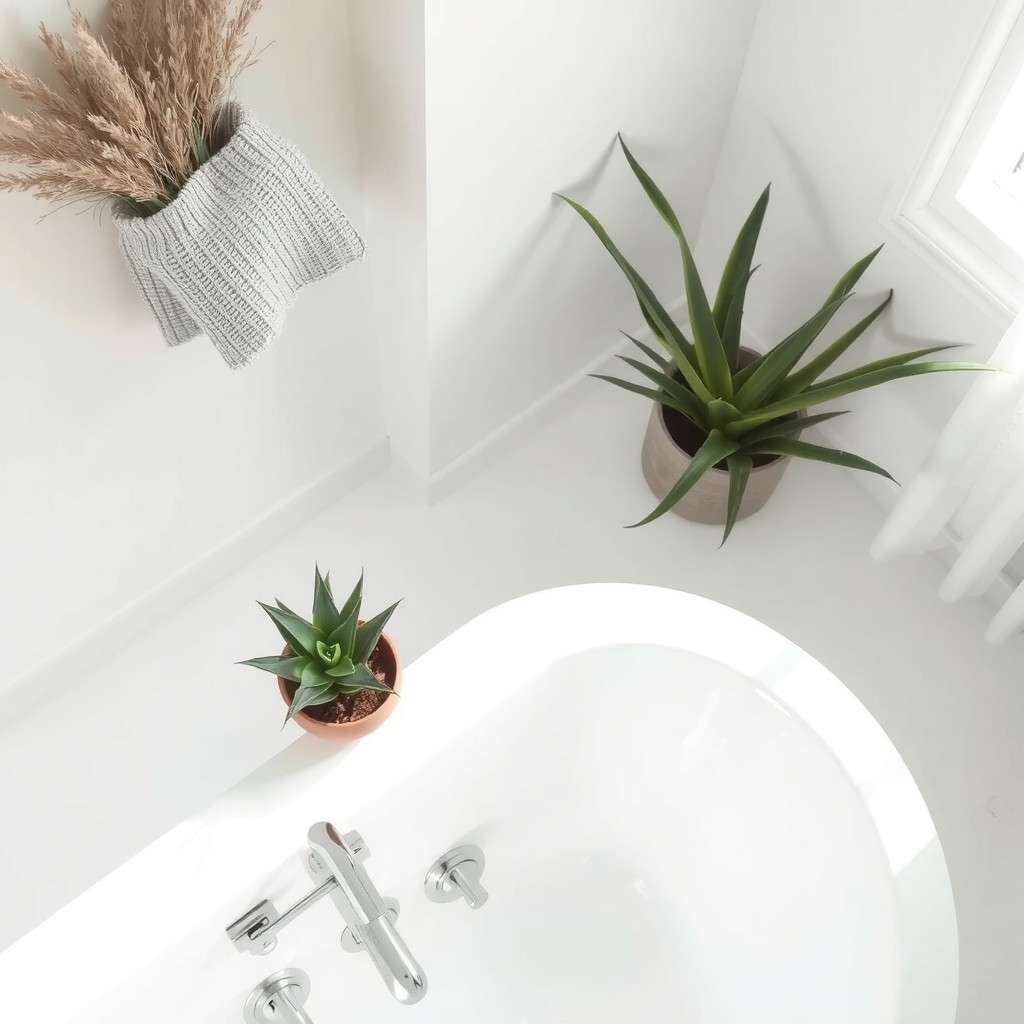
Tips
- Choose low-maintenance plants if you’re new to plant parenthood.
- Water plants according to their specific needs, as overwatering is a common mistake.
- Fertilize your plants regularly for optimal health and growth.
- Prune or repot plants as necessary to maintain their shape and size.
ADVERTISEMENT