ADVERTISEMENT
Introduction
You step into your home, and the first thing you notice is the air. It feels stale, and the atmosphere is dry. This is where indoor plants come in, transforming your space into a lush oasis that not only purifies the air but also uplifts your mood. Indoor plants ideas for home can range from the simple addition of a few pots on a shelf to a full-blown indoor garden. As you embark on this journey, remember, the key is to have fun and experiment with different types and arrangements to find what works best for you.
Layout and Positioning
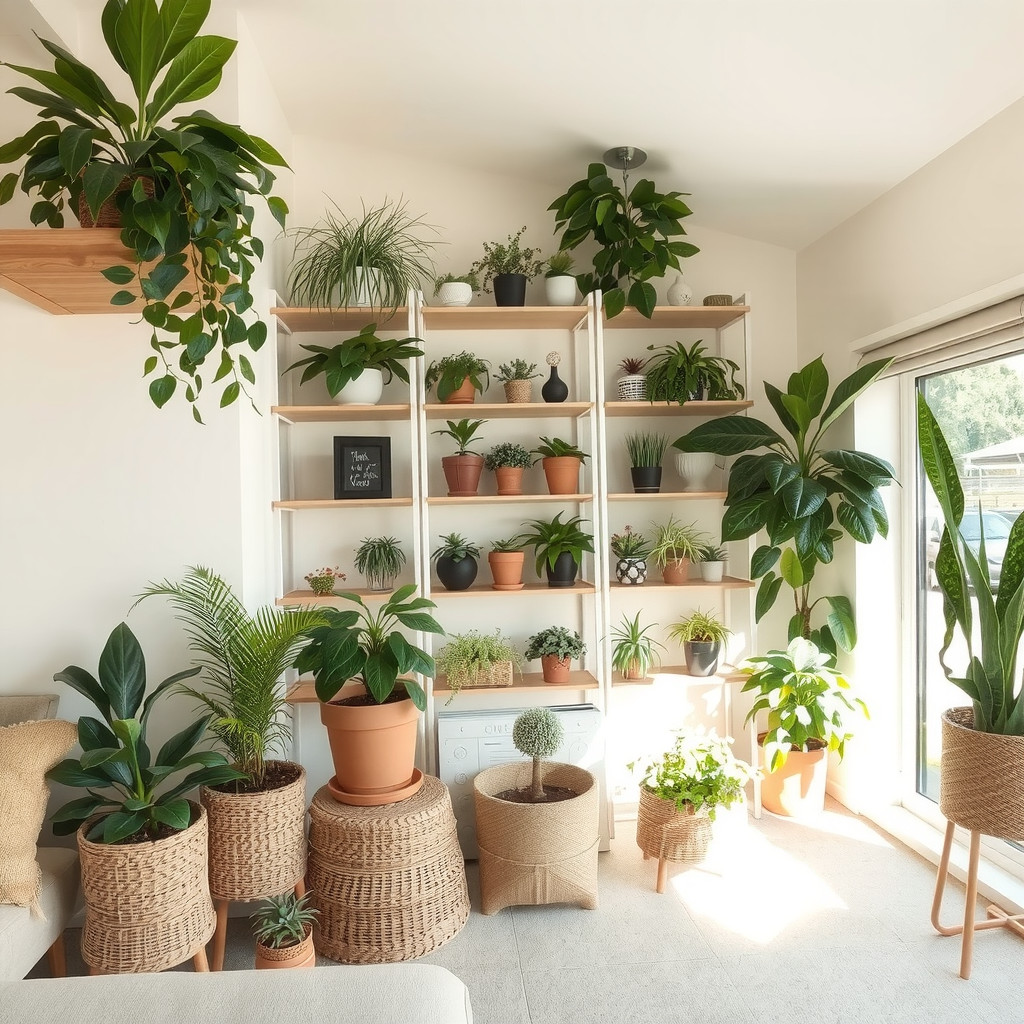
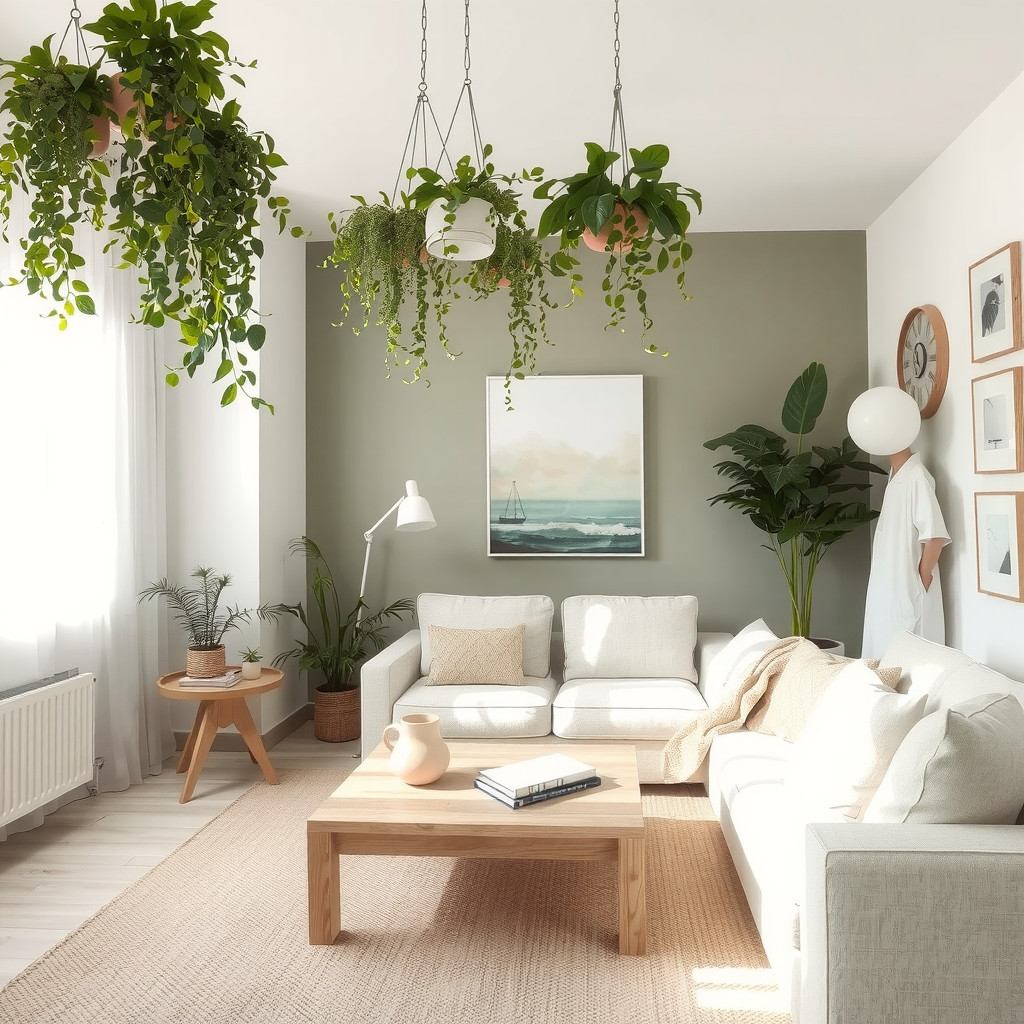
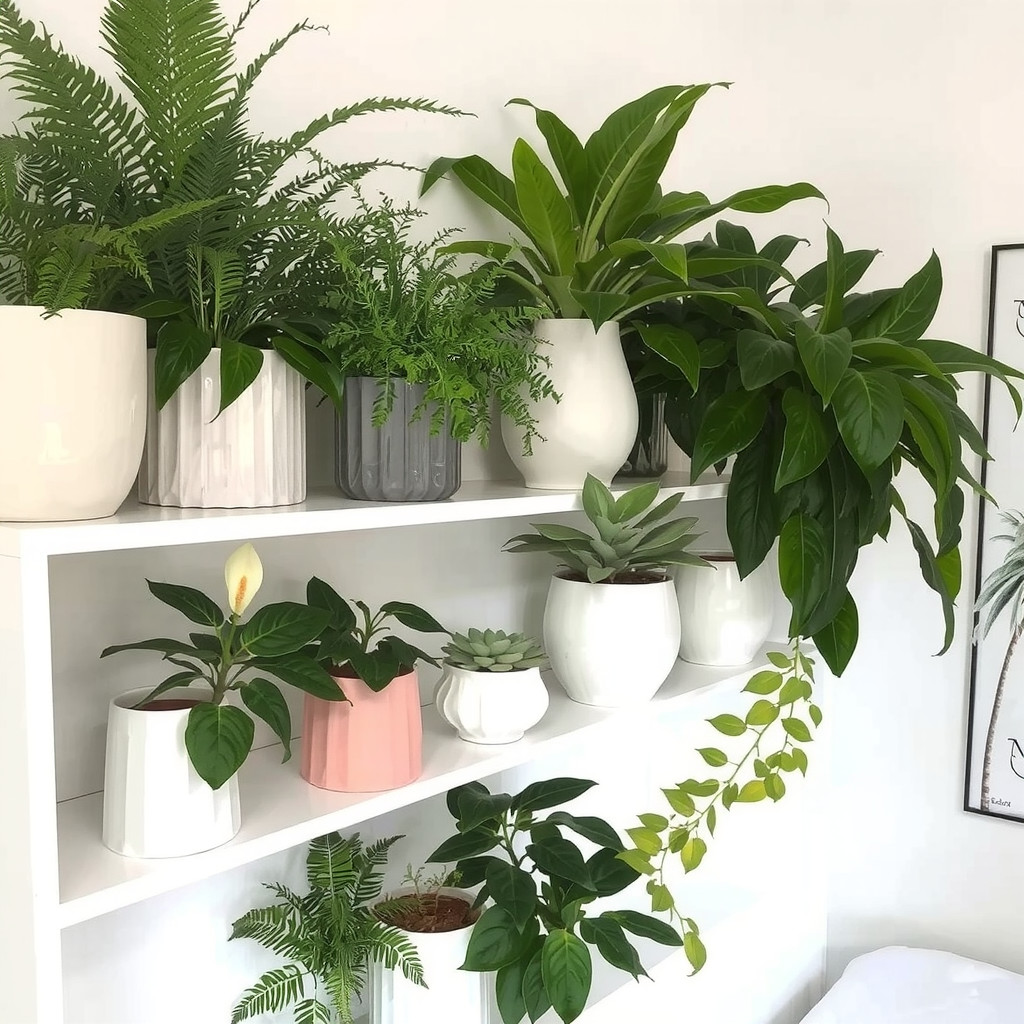
When considering indoor plants ideas for home, the layout and positioning are crucial. You want to place your plants in areas where they can thrive, receiving the right amount of light and space to grow. For low-light areas, consider plants like Chinese Evergreen or Pothos, while sunny spots are perfect for flowering plants like African Violets or Geraniums. The placement can also affect the aesthetic of your home, adding a touch of green to corners, shelves, or even hanging from the ceiling.
Materials and Textiles
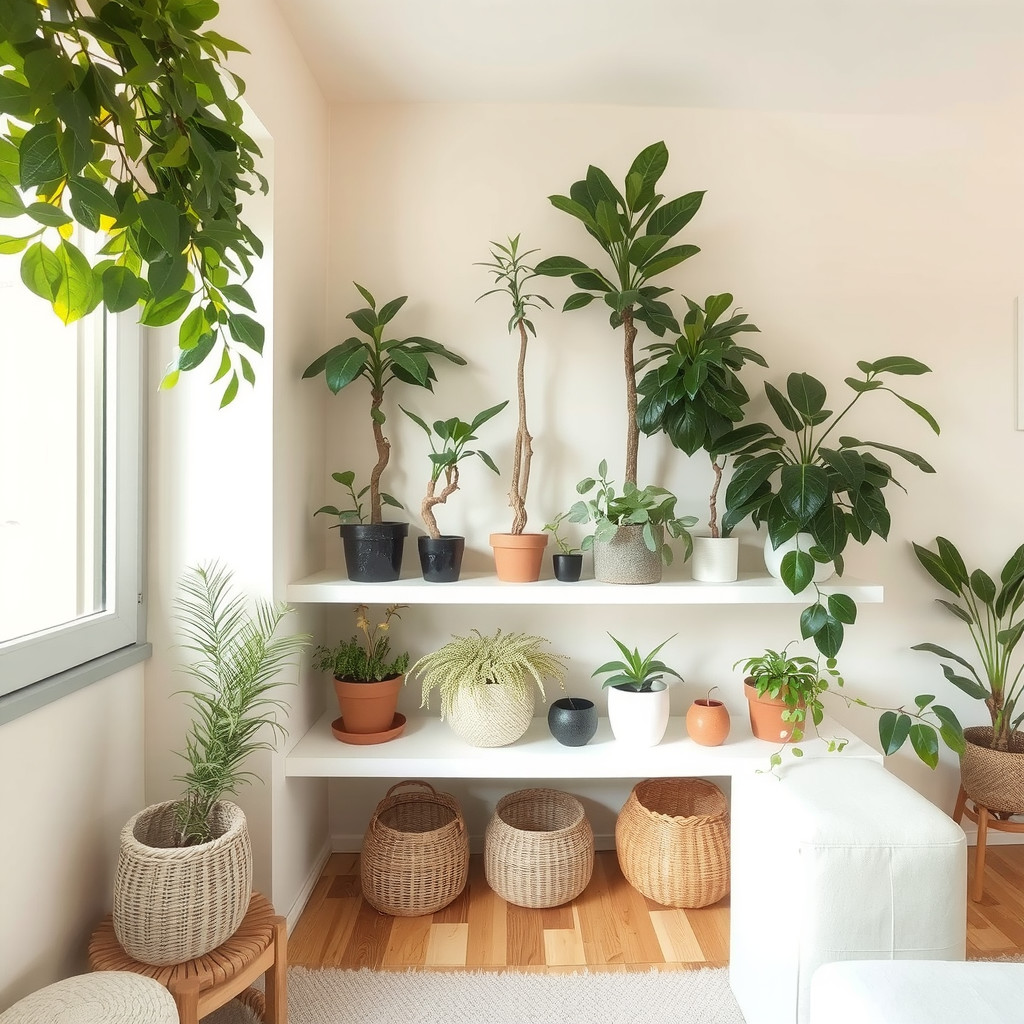
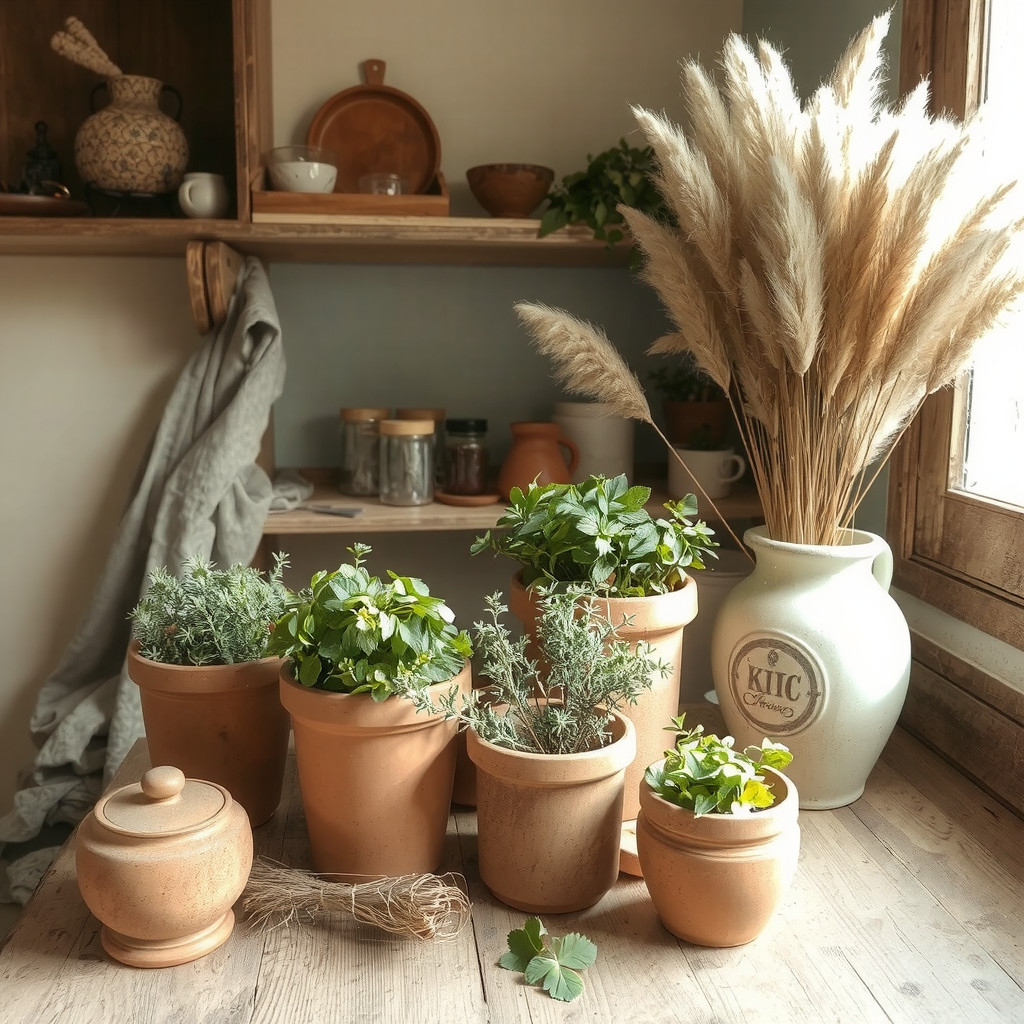
The pots and planters you choose can significantly impact the overall look of your indoor garden. From modern ceramic pots to vintage wooden planters, the material and texture can add depth and character to your space. Consider the style of your home and the plants you are using when selecting your planters. For a rustic look, terracotta pots filled with herbs or succulents can add a charming touch, while sleek glass planters can complement a more contemporary setting.
Focal Points
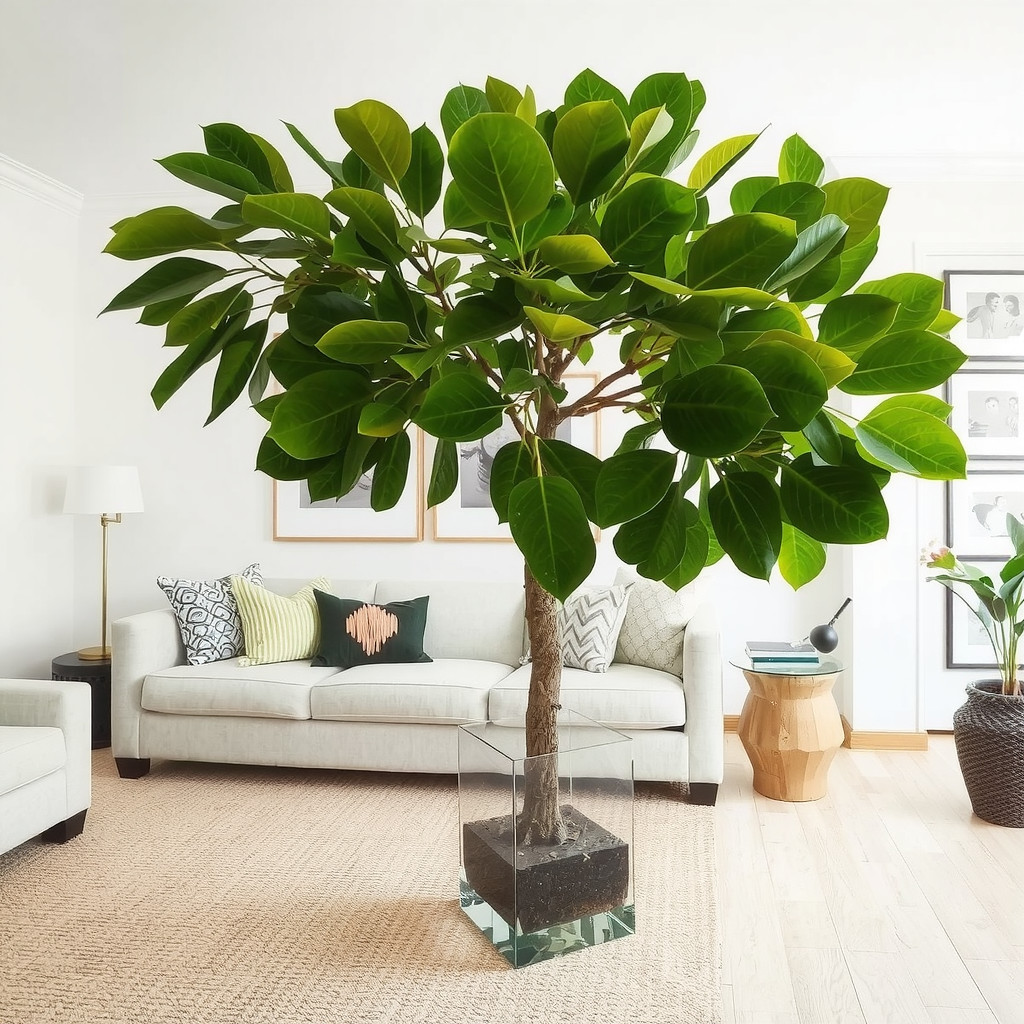
Creating focal points with your indoor plants can draw the eye to specific areas of the room, adding visual interest. A large, statement piece like a fiddle leaf fig tree can be the centerpiece of a room, while smaller plants can be grouped together to create a lush display. Don’t forget about the power of vertical gardening, where plants can be trained to climb up walls or trellises, making the most of your space.
Lighting
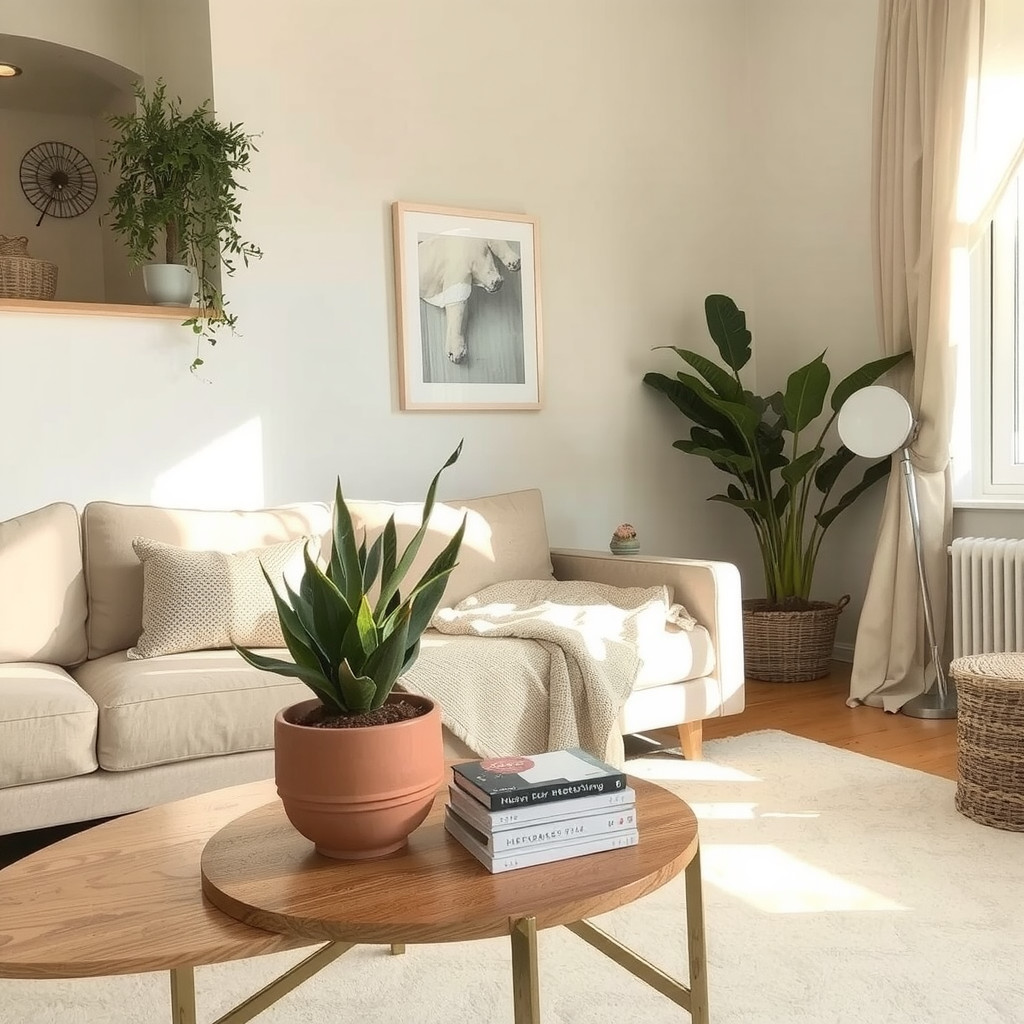
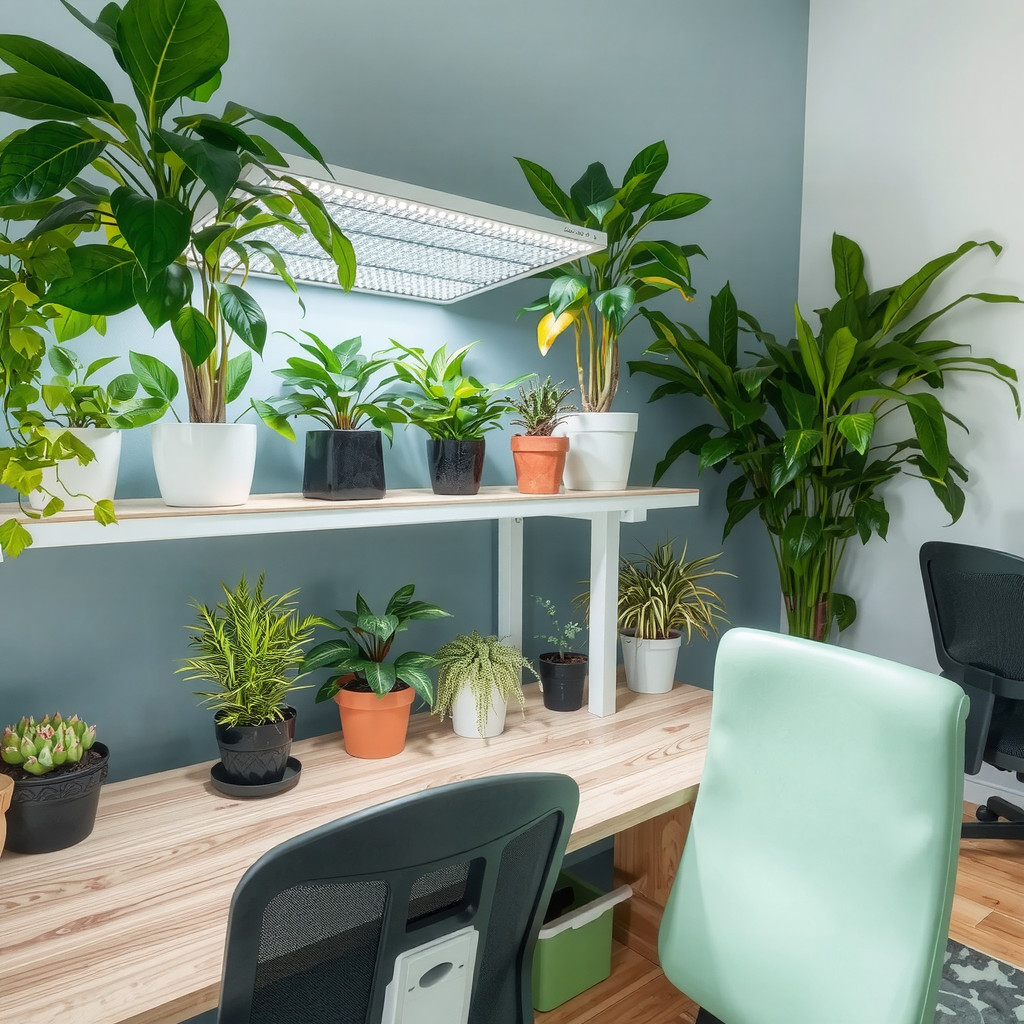
Lighting plays a critical role in the health and appearance of your indoor plants. Most houseplants prefer bright, indirect light but can suffer if exposed to direct sunlight for too long. Consider using sheer curtains or blinds to filter the light, especially for plants placed near windows. For areas with limited natural light, grow lights can be a useful alternative, providing your plants with the light spectrum they need to thrive.
Greenery
Incorporating a variety of greenery into your indoor plant collection can add texture and visual interest. From the soft, delicate leaves of ferns to the sturdy, architectural leaves of succulents, each type of plant brings its unique character to your space. Mixing different types of plants can create a dynamic and engaging display, but remember to group plants with similar needs together to simplify care.
Tips
- Choose plants that fit your lifestyle and the conditions of your home.
- Water plants according to their needs; overwatering is a common mistake.
- Fertilize your plants regularly to promote healthy growth.
- Prune or repot plants as necessary to maintain their shape and size.
ADVERTISEMENT