ADVERTISEMENT
Bringing the Outdoors In: A Guide to Biophilic Interiors
Creating a home that breathes means more than just placing a pot on a windowsill. It involves cultivating a living relationship between your interior architecture and the natural world. By embracing biophilic design, you transform your living space into a sanctuary that nurtures both your aesthetic senses and your well-being. This approach requires a thoughtful eye for balance, ensuring that your greenery complements rather than overcrowds your sanctuary.
Layout and Positioning
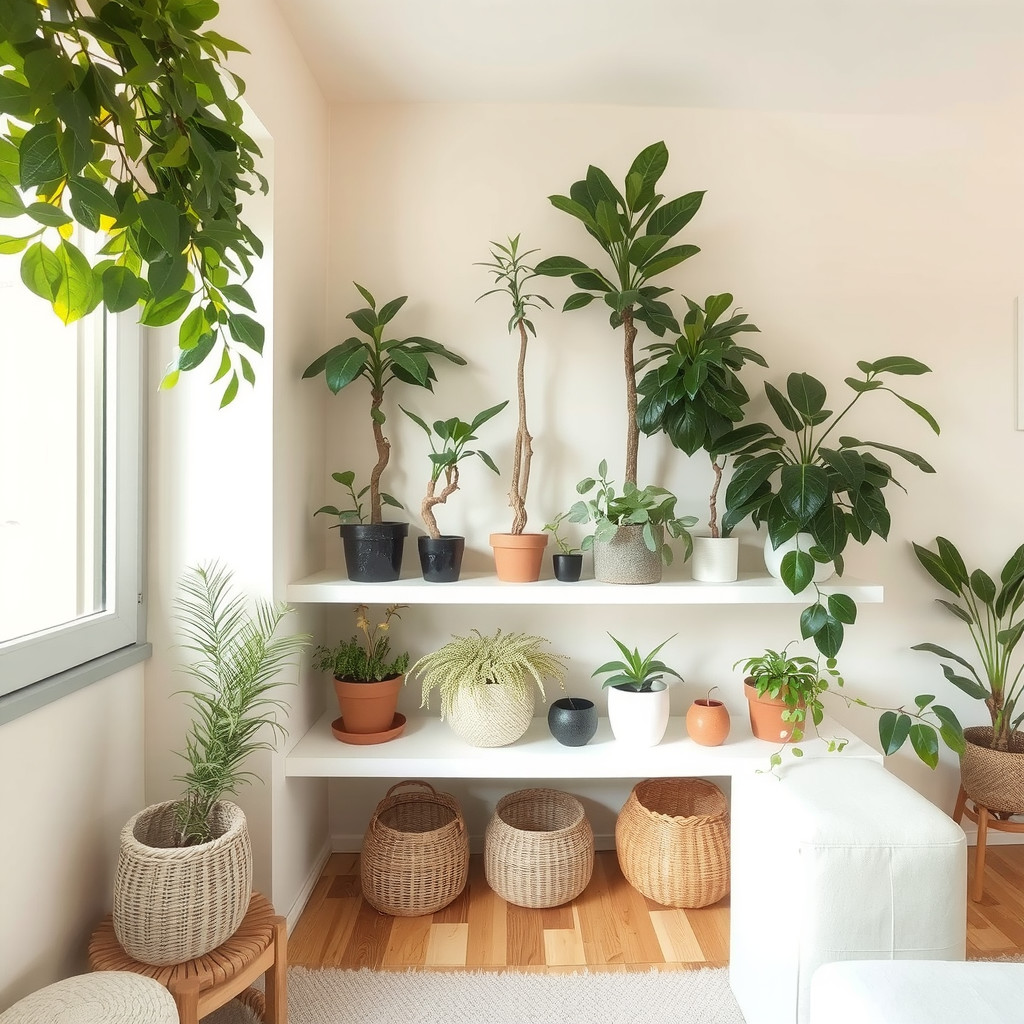
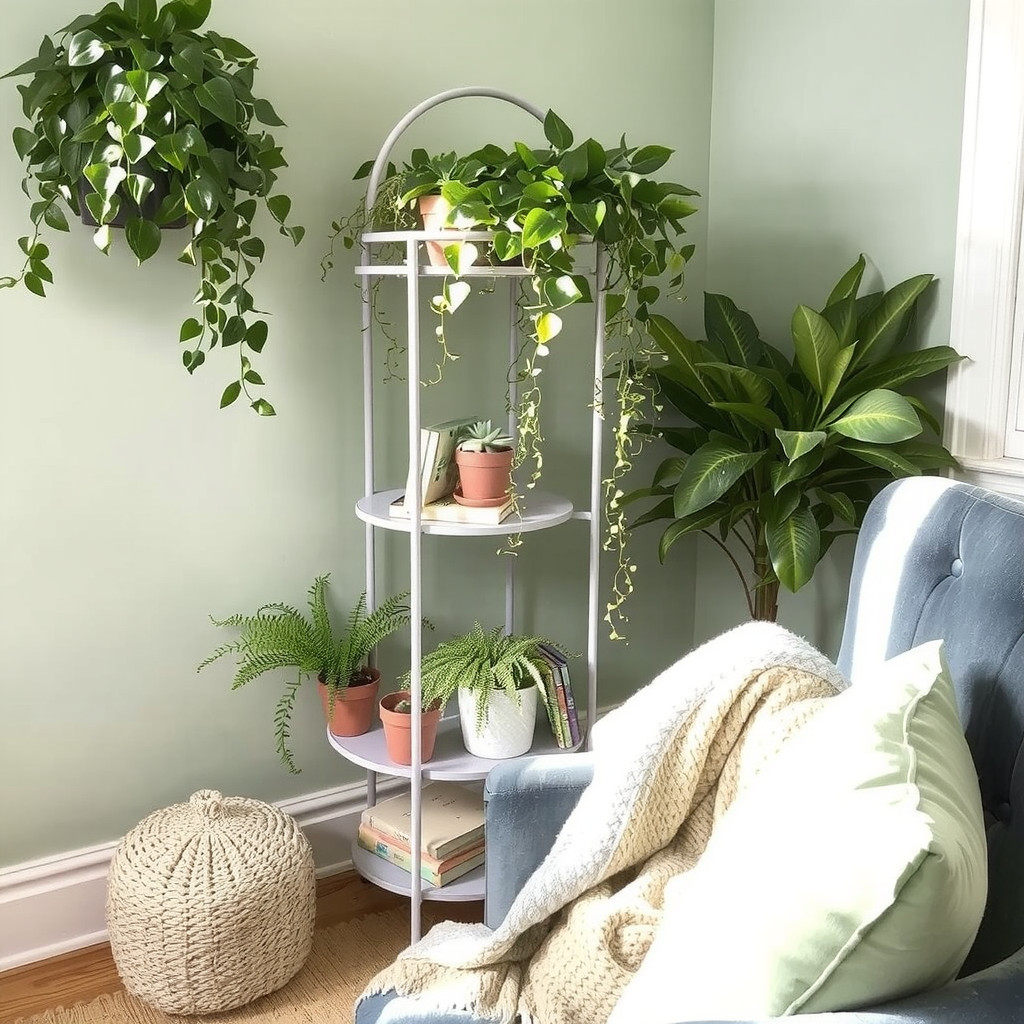
The arrangement of your botanical collection defines the flow of energy in a room. Instead of scattering small pots aimlessly, consider grouping them to create lush vignettes. Use the rule of three to cluster plants of varying heights and leaf shapes, establishing a visual hierarchy that draws the eye upward and around the space.
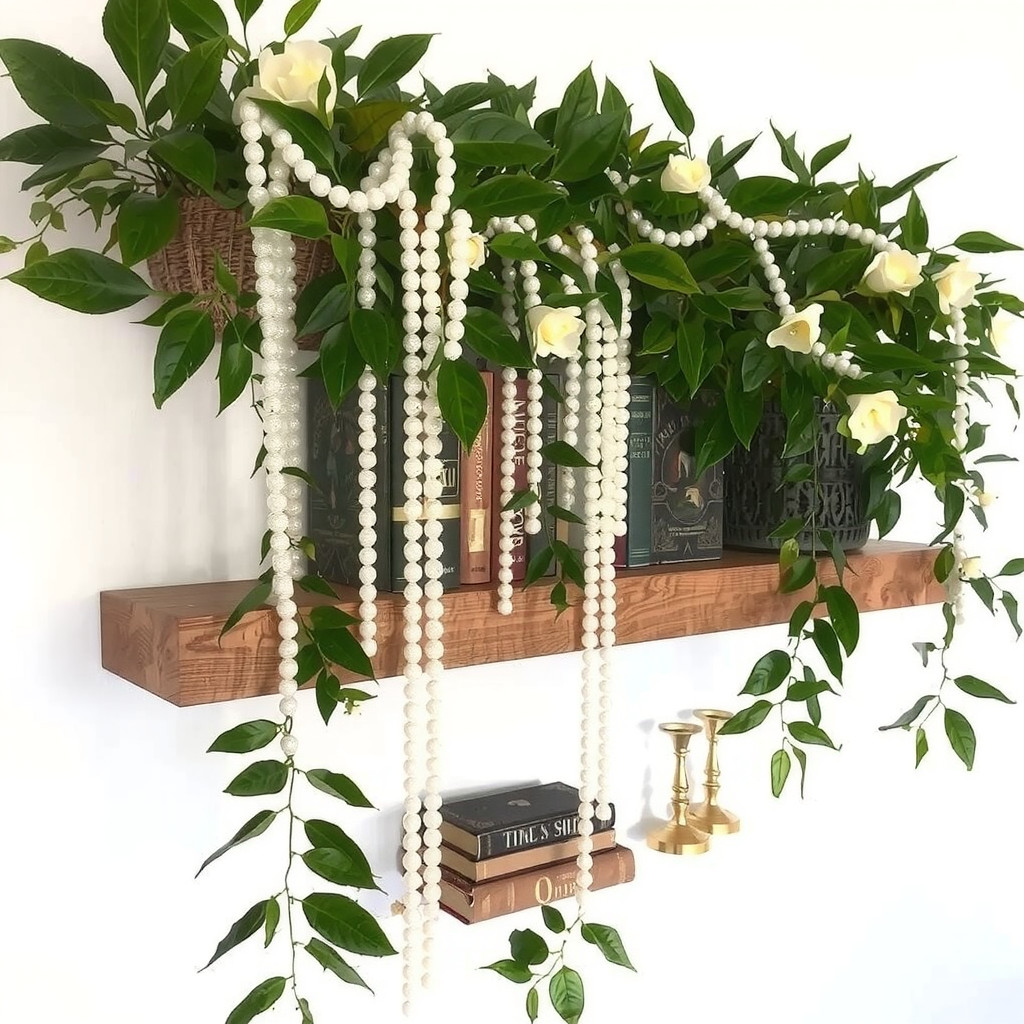
Utilize vertical space to maximize impact without sacrificing floor area. Tall shelving units or hanging macramé planters can turn a blank wall into a cascading vertical garden. Position larger, floor-dwelling plants to soften sharp corners or frame architectural features like doorways and fireplaces, effectively blurring the lines between structure and nature.
Materials and Textiles
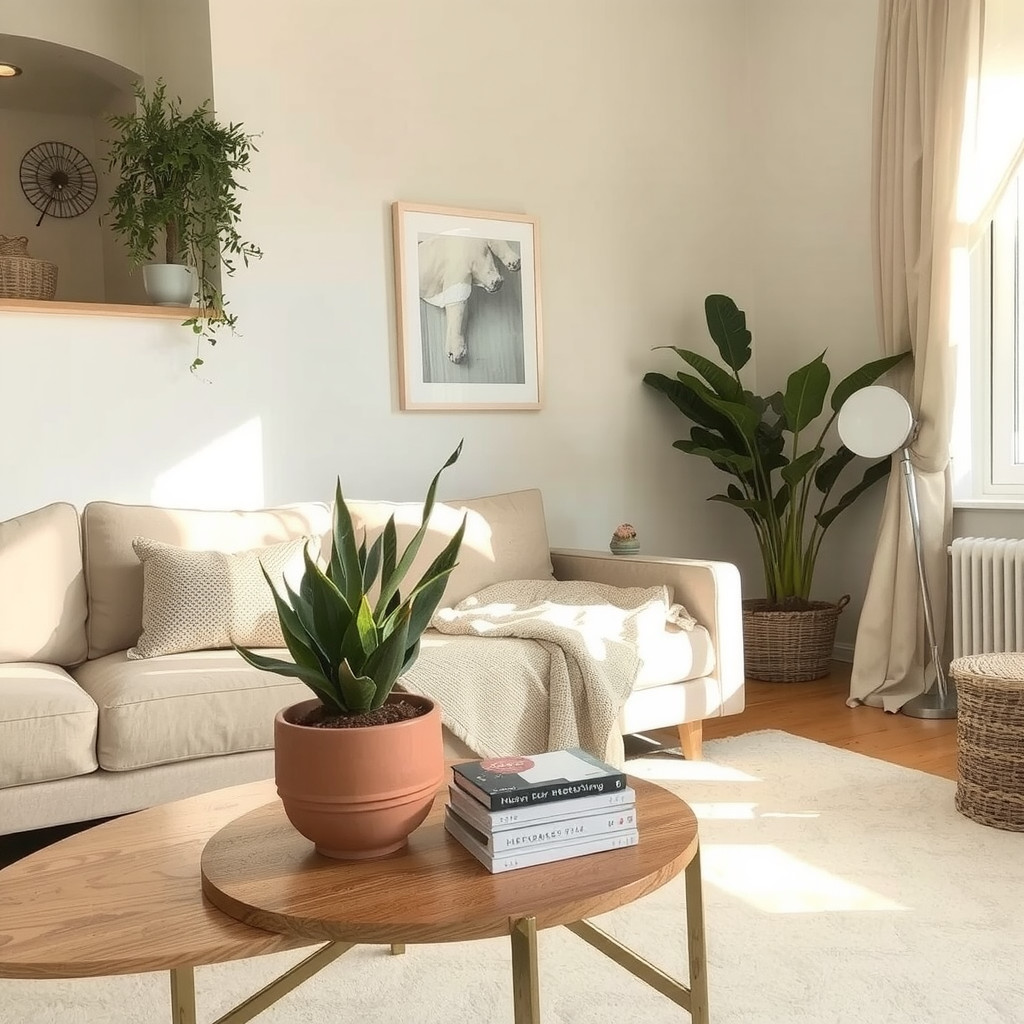
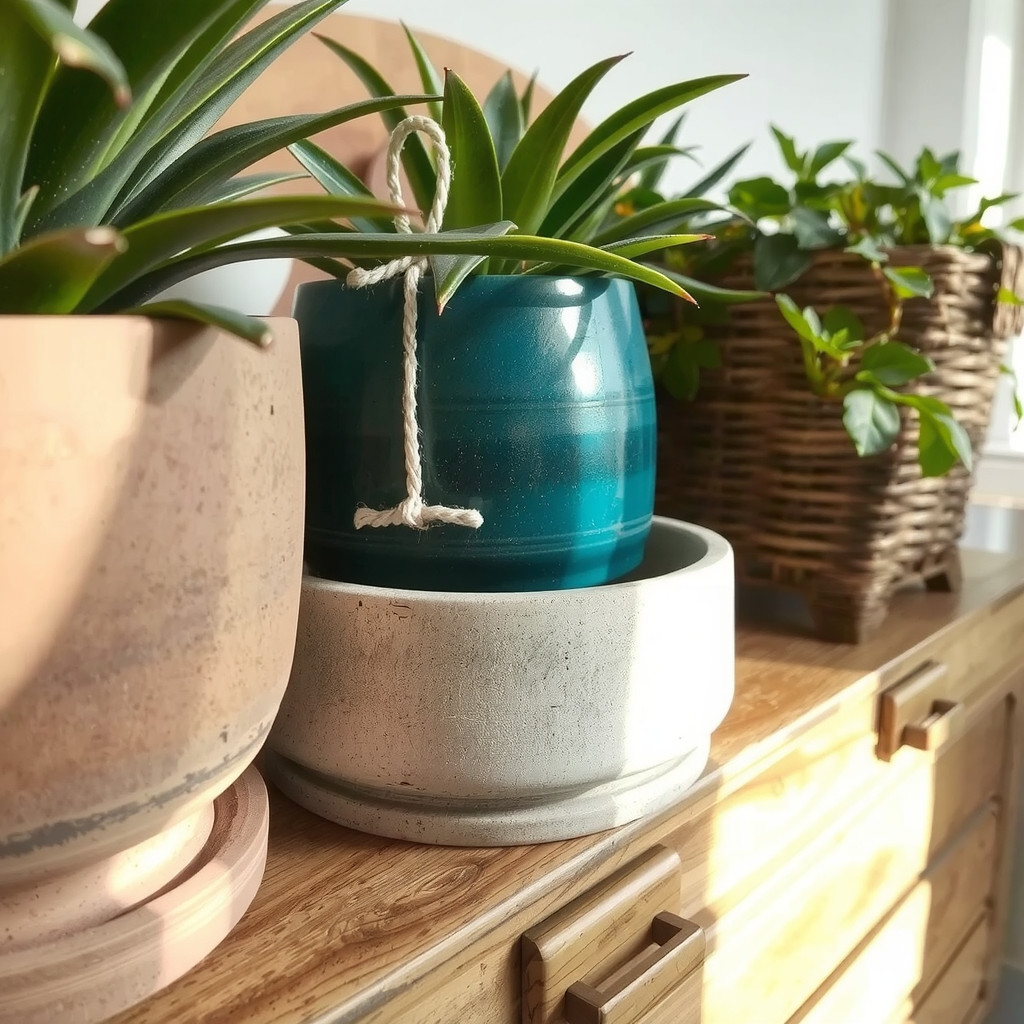
The vessels you choose for your plants are just as important as the foliage itself. To ground your greenery, opt for natural materials that echo the earthiness of the soil. Unglazed terracotta, textural concrete, and woven rattan baskets introduce organic warmth and contrast beautifully against glossy green leaves.
Layering textiles nearby enhances this organic connection. Think of chunky wool throws, linen curtains, or jute rugs. These elements soften the acoustics of the room and provide a tactile counterpoint to the sleekness of ceramic pots and waxy leaves. The goal is to create a cohesive palette where the planters feel like an extension of your furniture.
Focal Points
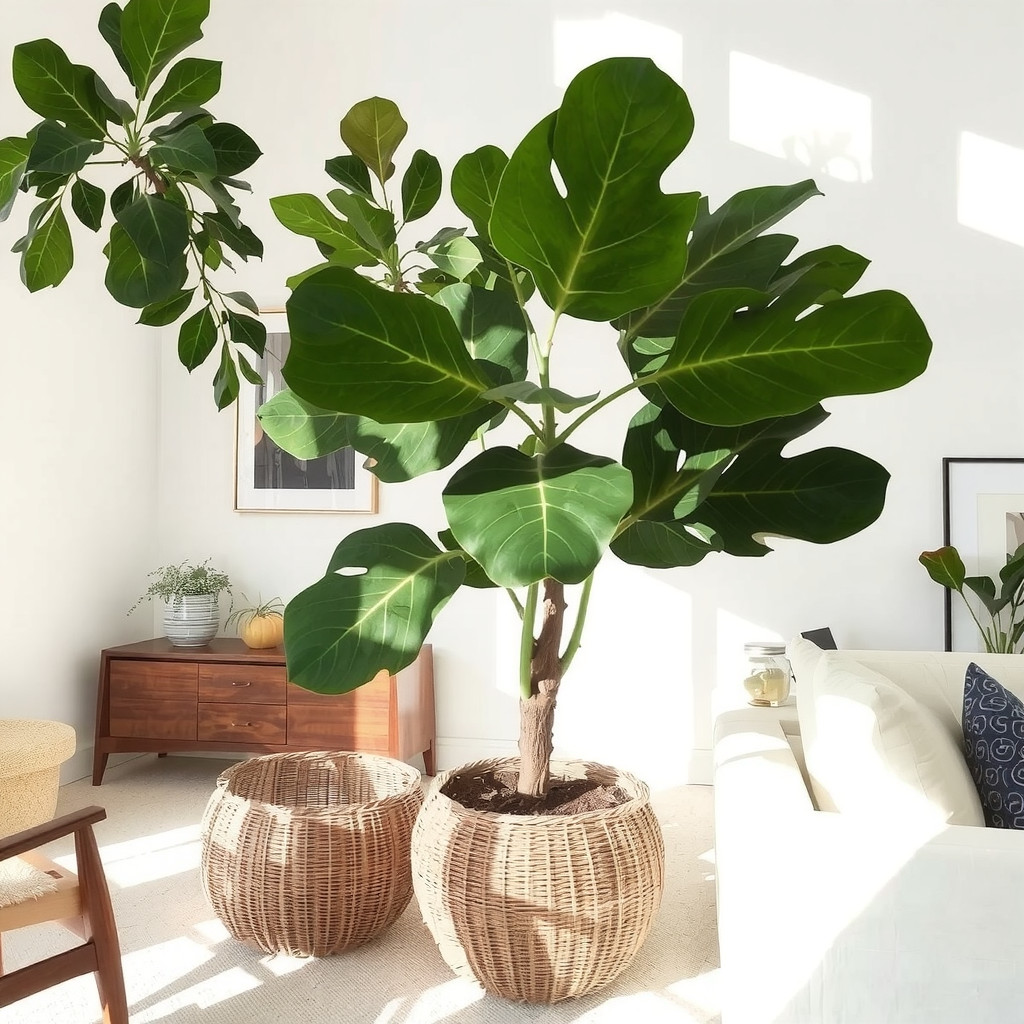
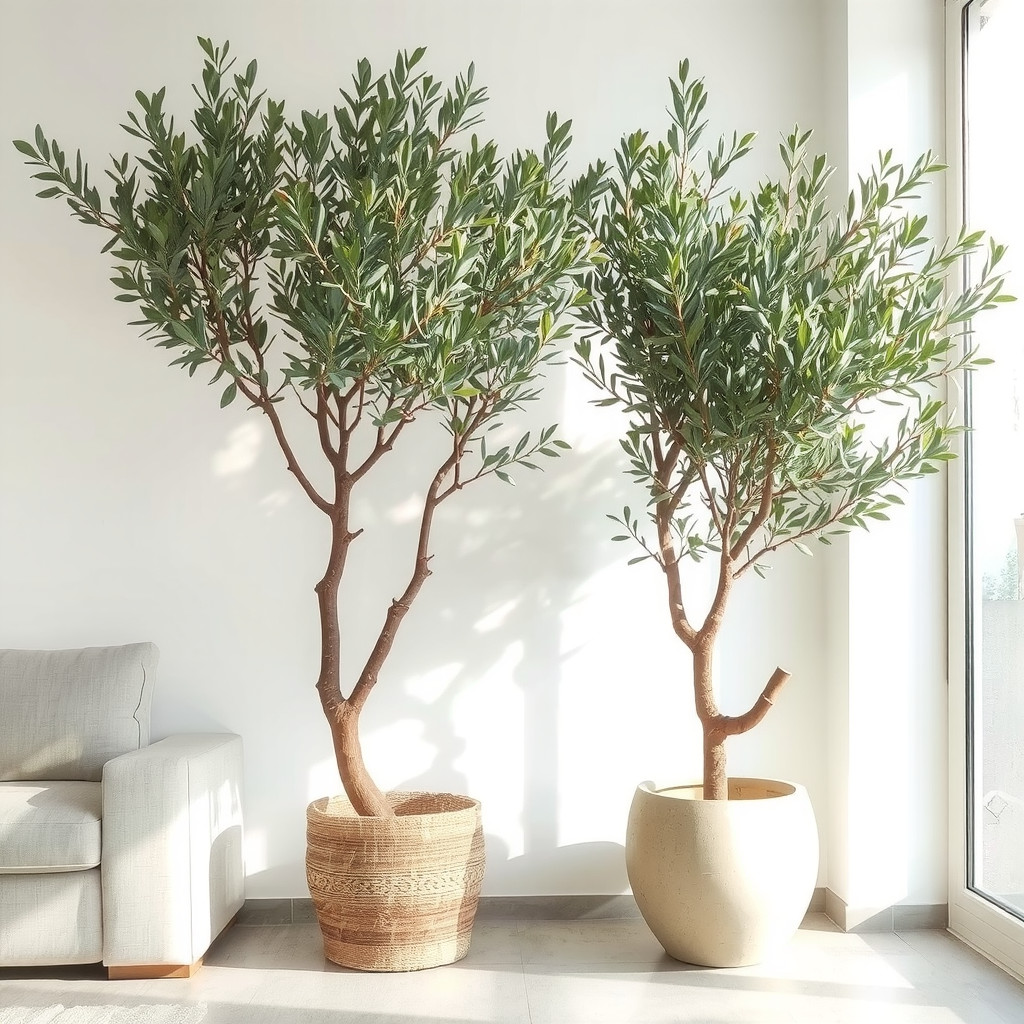
Every room needs a statement piece, and a majestic plant can often serve this purpose better than a sculpture. A mature Ficus Lyrata (Fiddle Leaf Fig) or a graceful indoor Olive tree acts as a living sculpture, anchoring the room with its substantial presence.
Place your statement plant where it commands attention but doesn’t obstruct traffic. A spot beside a lounge chair or flanking a media console works well. Ensure the scale of the plant matches the scale of the room; high ceilings beg for tall, tree-like varieties that draw the eye up, emphasizing the volume of the space.
Lighting
Light is the lifeblood of your indoor garden, but it is also a powerful design tool. Observe how sunlight travels through your home throughout the day. Place plants with translucent leaves, like Calatheas or Ferns, in front of light sources to create a stained-glass effect, where the sun illuminates the intricate veins and vibrant greens.
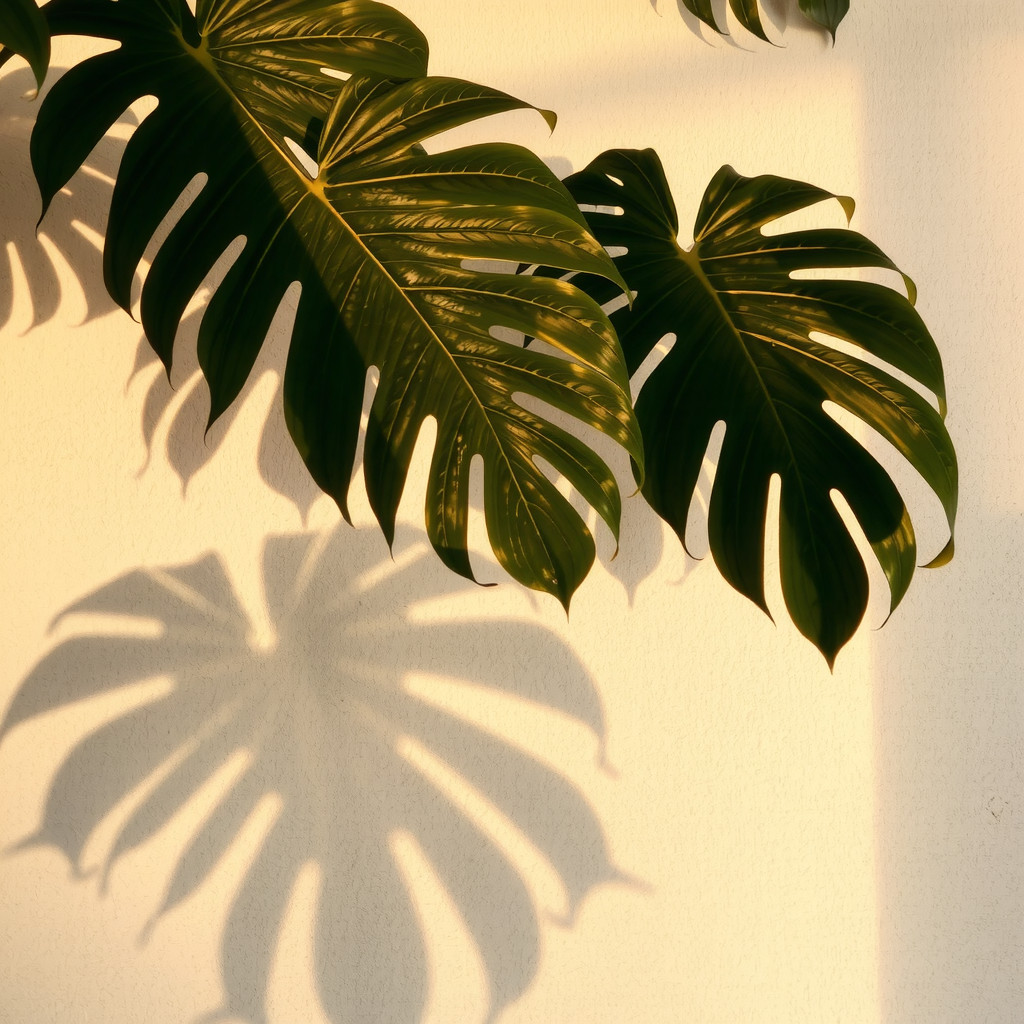
Don’t ignore the shadows. In the late afternoon, the interplay of light and foliage can cast dramatic, dancing shadows on your walls, adding a dynamic, ephemeral layer of pattern to your decor.
Greenery
Diversity in foliage texture and color prevents your indoor jungle from looking monotonous. Mix the architectural, sword-like leaves of a Snake Plant with the soft, trailing tendrils of a Pothos or String of Pearls. Introduce variety through variegation; plants with splashes of white, pink, or silver break up the sea of green and add visual intrigue.
Consider the “personality” of the plant. Some are upright and rigid, offering structure, while others are wild and sprawling, adding a touch of whimsy. balancing these opposing forces creates a curated yet natural aesthetic that feels effortless.
Tips
- Rotate Regularly: Turn your plants a quarter turn every week to ensure even growth and prevent them from leaning heavily toward the light source.
- Dust the Leaves: clean leaves not only look better but also photosynthesize more efficiently; wipe them gently with a damp microfiber cloth.
- Group by Humidity: Cluster tropical plants together to create a microclimate that retains moisture, beneficial for ferns and prayer plants.
- Check Drainage: Always ensure your decorative pots have drainage holes or use a nursery pot inside to prevent root rot.
- Acclimatize: When moving a plant to a new spot, monitor it closely for signs of stress as it adjusts to the new light and temperature conditions.
ADVERTISEMENT