ADVERTISEMENT
Introduction
Your bedroom serves as the ultimate retreat, a sanctuary where the noise of the outside world fades into the background. While plush pillows and high-thread-count sheets contribute to comfort, true serenity often stems from a deeper connection to nature. Introducing living greenery into your sleeping quarters does more than just purify the air; it shifts the energy of the room, grounding you in the present moment. By carefully curating a selection of botanical companions, you can transform a sterile space into a breathing, restorative haven that promotes deep rest and rejuvenation.
Layout and Positioning
The arrangement of your botanical elements is just as critical as the plants themselves. You want to avoid cluttering your walkways or overcrowding your nightstand, which can create subconscious anxiety. Instead, look for underutilized vertical spaces or empty corners that crave softness. A trailing plant placed on a high shelf draws the eye upward, making the room feel more spacious, while a floor plant can soften the hard angles of a wardrobe or dresser.
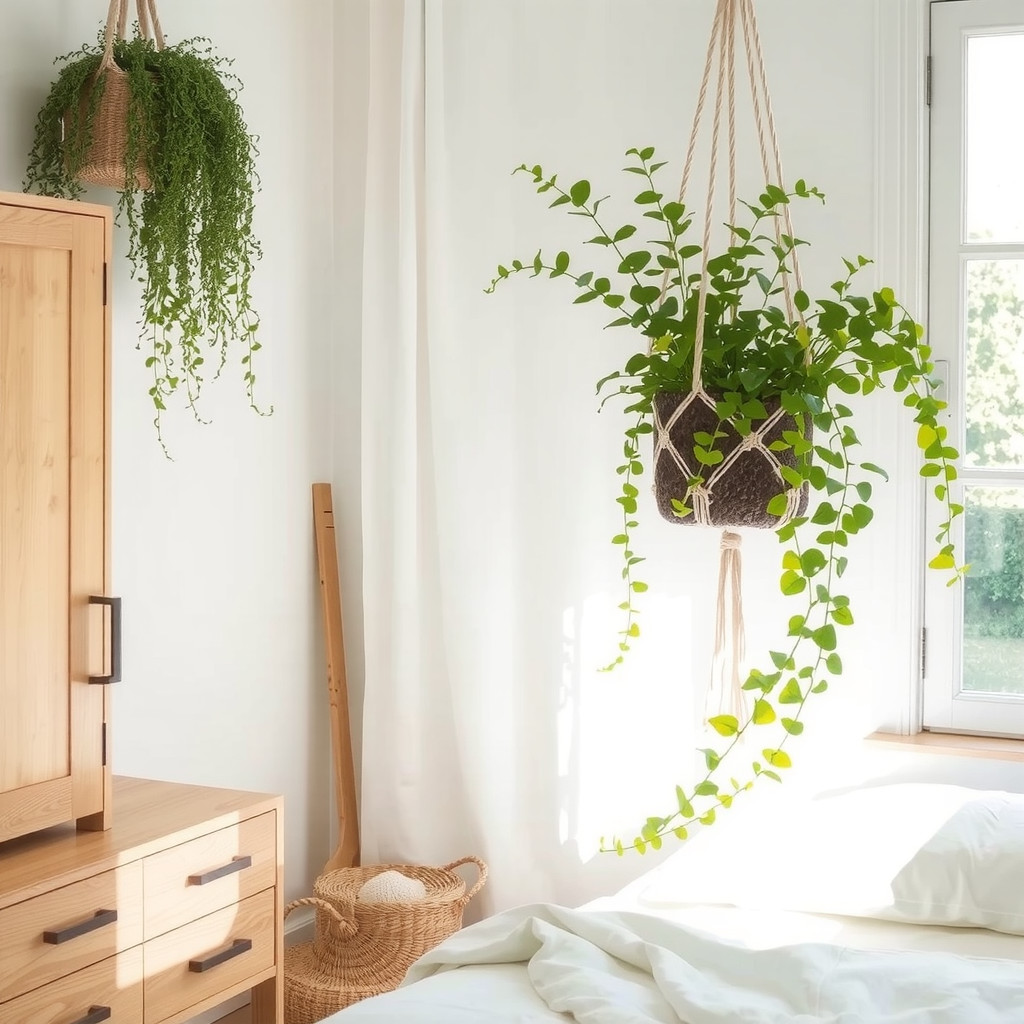
Consider the flow of movement around your bed. Plants should frame the sleeping area rather than encroach upon it. Placing greenery near the window connects the interior with the outdoors, creating a seamless transition that feels expansive and airy.
Materials and Textiles
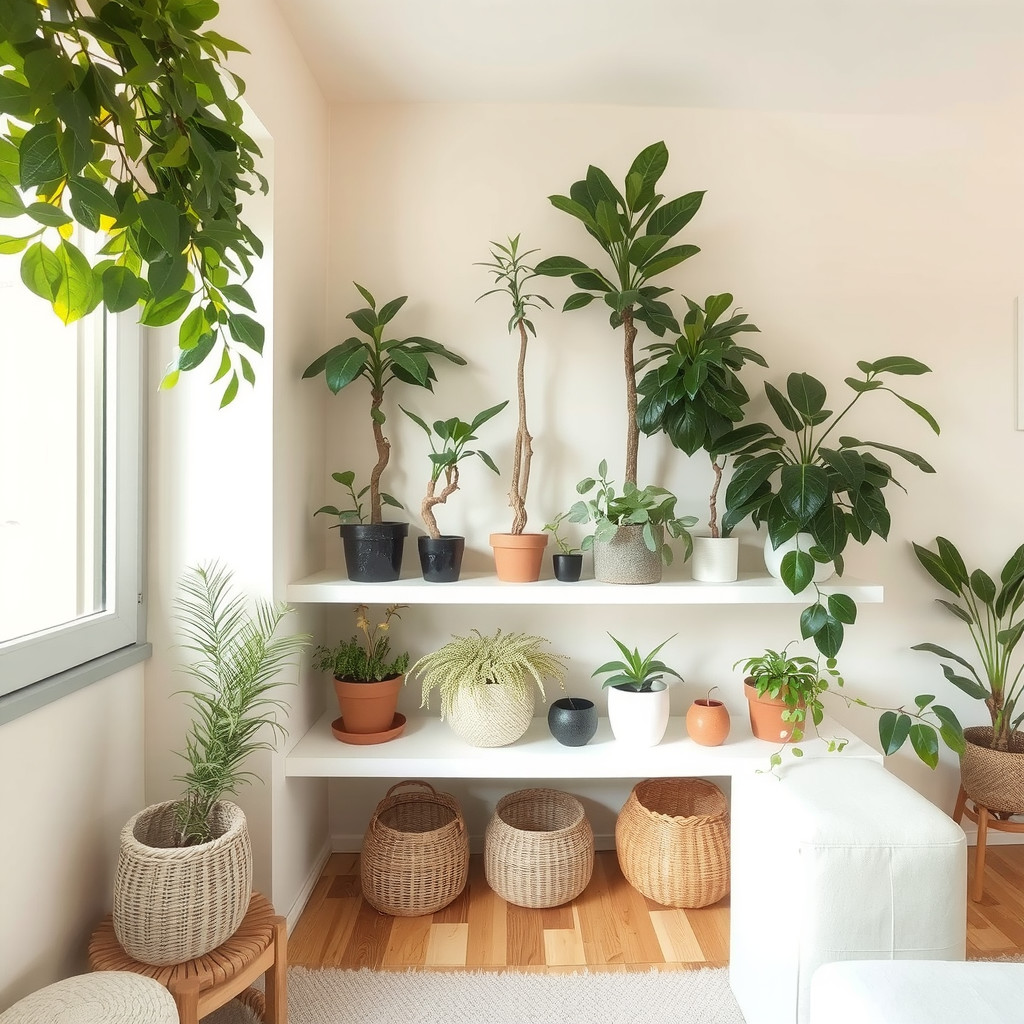
To truly achieve a serene ambiance, the vessels housing your plants must harmonize with your bedroom’s existing decor. Avoid plastic pots that can look temporary or cheap. Instead, opt for materials that invite touch and add warmth. Porous terracotta, glazed ceramics, and woven seagrass baskets introduce natural textures that complement soft bedding and rugs.
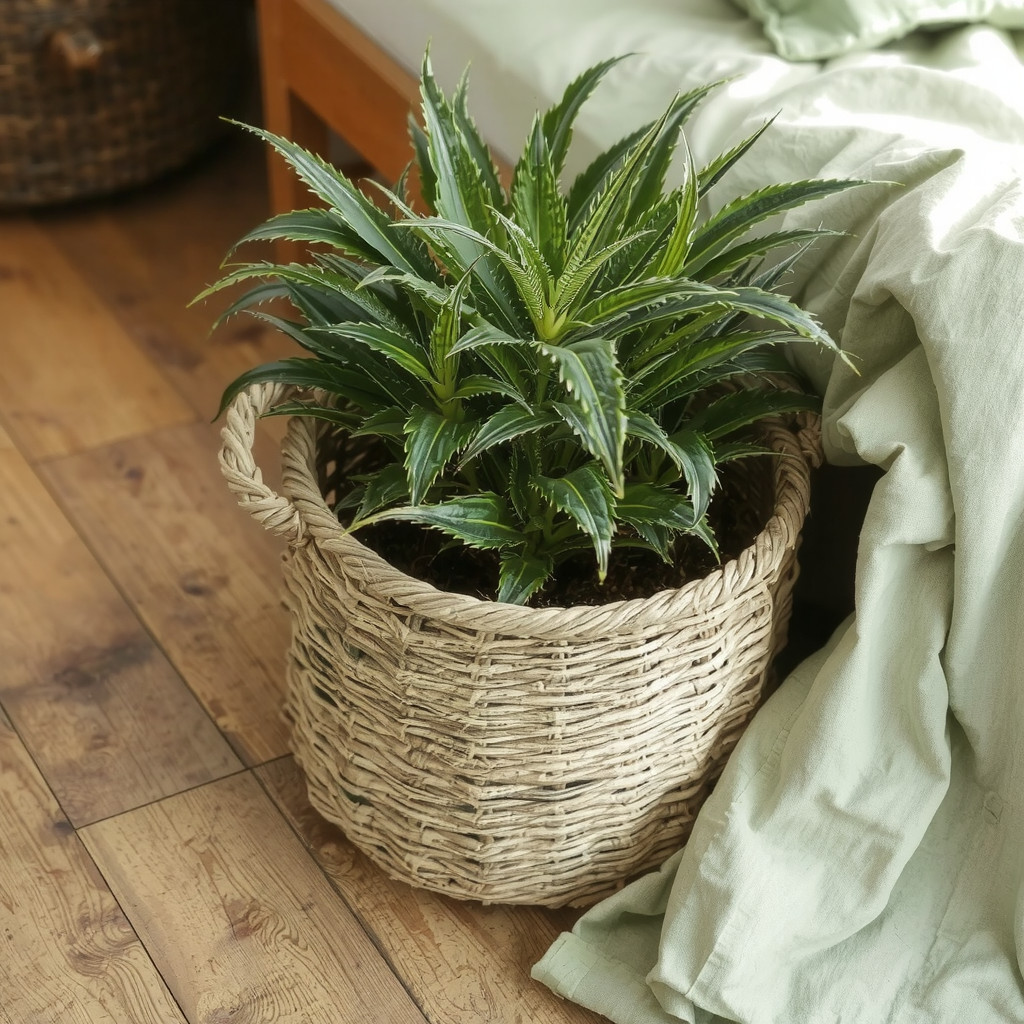
Pairing the glossy green leaves of a plant with the matte finish of a ceramic pot or the rough texture of a wicker stand creates a visual richness. These organic contrasts prevent the room from feeling flat and enhance the cozy, lived-in atmosphere essential for relaxation.
Focal Points
Every well-designed room needs an anchor, a visual resting place that grounds the design. In a bedroom, a substantial, structural plant can serve as a stunning focal point, rivalling a piece of art or a statement headboard. A tall, architectural specimen draws attention and adds a sense of permanence and stability to the space.
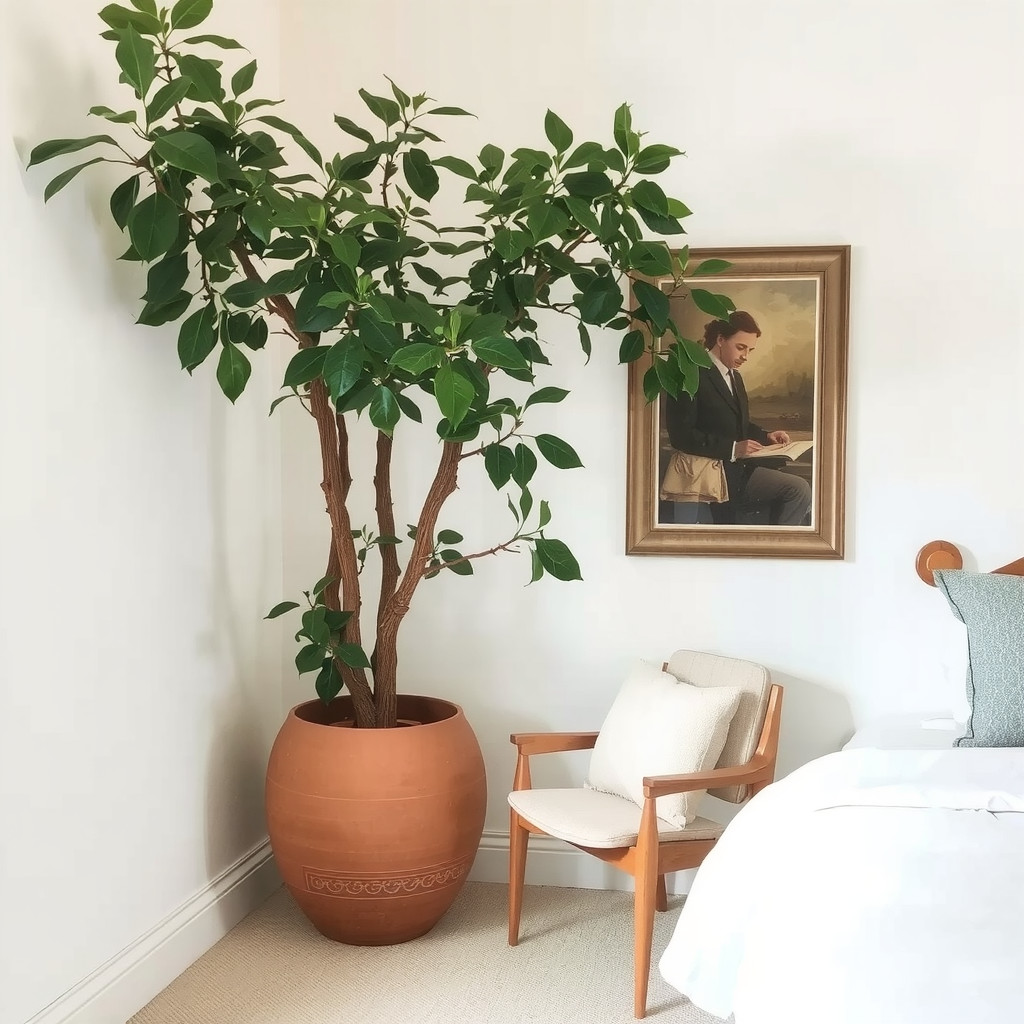
When selecting a statement plant, consider the scale of your furniture. A large plant should balance the mass of a bed or a wardrobe, standing tall enough to hold its own without overwhelming the room. This balance creates a sense of harmony and intentionality in your design.
Lighting
Light is the lifeblood of your plants, but in a bedroom, control over illumination is key for sleep hygiene. You need to balance the plants’ photosynthesis needs with your need for darkness at night. Sheer curtains are your best friend here; they diffuse harsh sunlight during the day, protecting delicate leaves from scorching while creating a soft, dreamlike glow in the room.
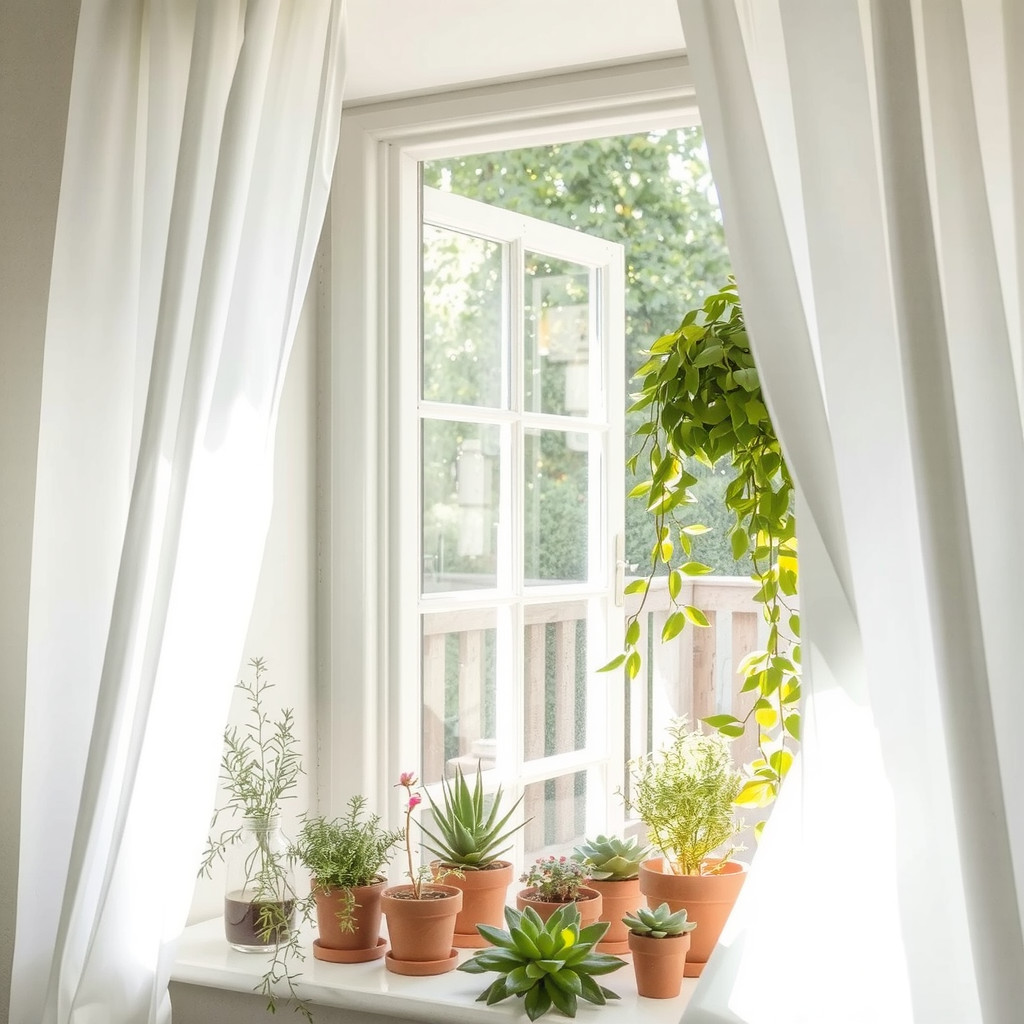
Observe how the light moves across your room throughout the day. East-facing windows offer gentle morning light perfect for most foliage, while south-facing spots might require hardier species. If your room is low-light, don’t despair—strategic placement of mirrors can bounce available light into darker corners, keeping your greenery happy.
Greenery
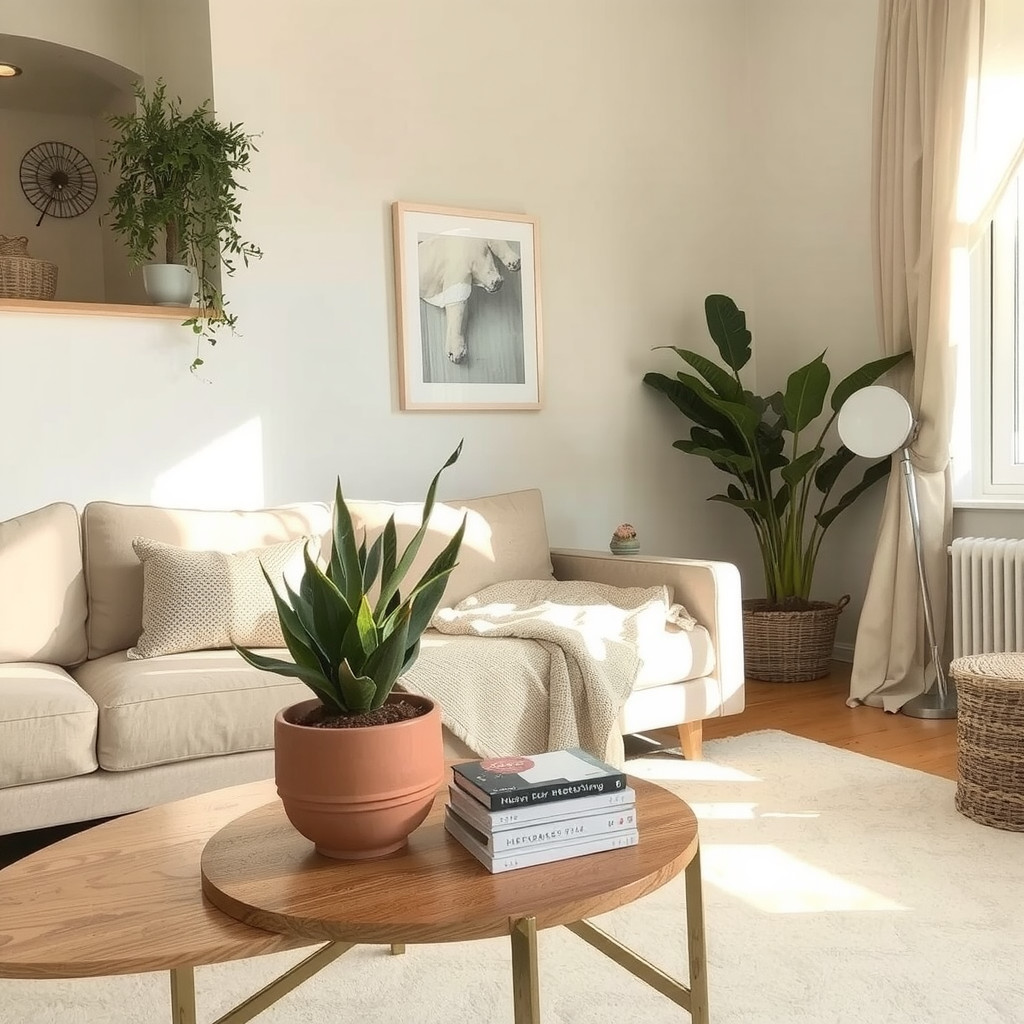
Selecting the right species is the final step in crafting your green sanctuary. For a bedroom, you want plants that are low-maintenance and improve air quality. The Snake Plant (Sansevieria) is a top contender, known for releasing oxygen at night rather than during the day. The Golden Pothos offers lush, cascading vines that tolerate lower light, while the Peace Lily brings a touch of elegance with its white blooms and ability to increase humidity.
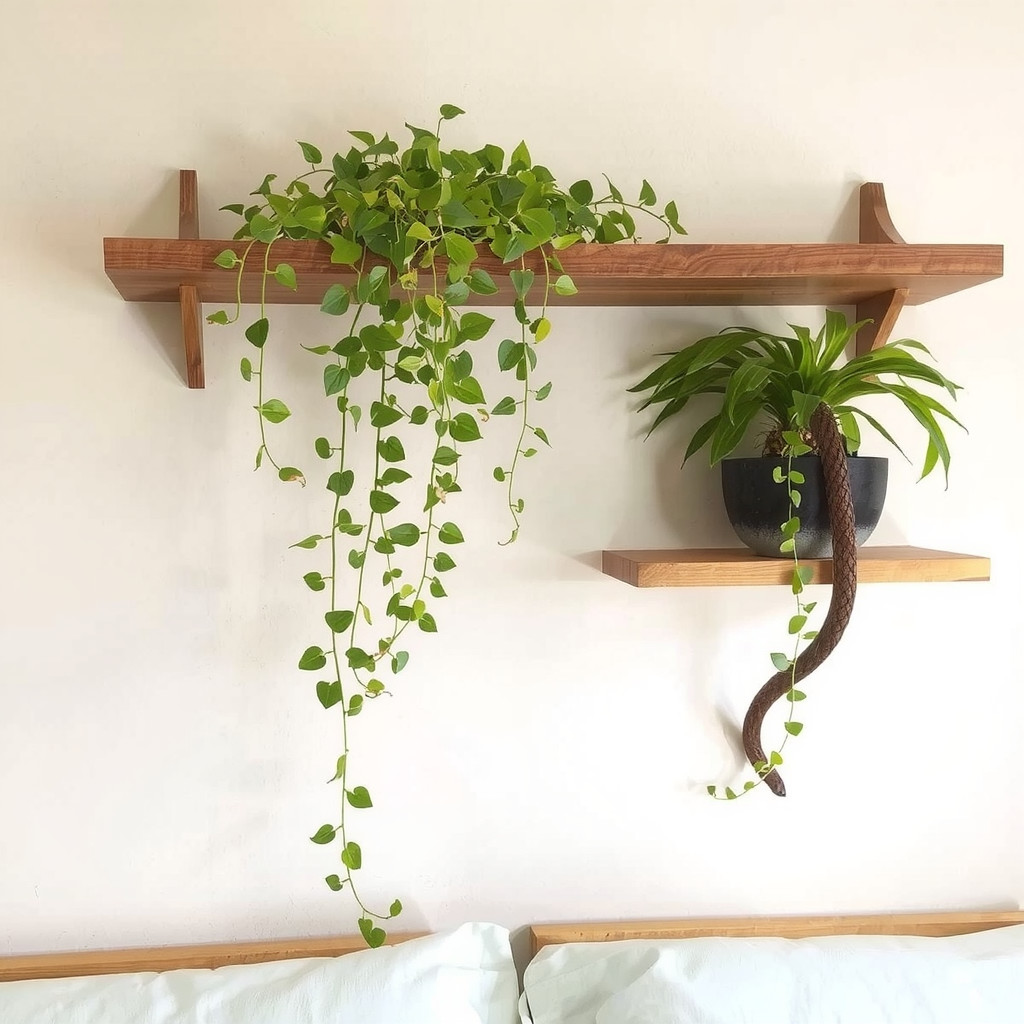
Avoid plants with overpowering scents that might disturb your sleep or those that drop excessive pollen. The goal is to create a backdrop of calm, lush greens that soothe the eyes and the mind as you drift off.
Tips
- Dust Regularly: accumulated dust blocks sunlight and reduces the plant’s air-purifying efficiency; wipe leaves gently with a damp cloth.
- Check Humidity: Bedrooms with AC or heating can get dry; mist your tropical plants occasionally or use a pebble tray.
- Water Wise: Overwatering is the most common killer; ensure your pots have drainage and check the soil moisture before adding water.
- Rotate Frequently: Turn your plants every few weeks to ensure even growth and prevent them from leaning too heavily toward the light source.
ADVERTISEMENT