ADVERTISEMENT
Cultivating a Botanical Sanctuary: Indoor Plant Styling
Bringing the outdoors in is more than just a design trend; it is a way to breathe life, texture, and tranquility into your daily environment. Transforming your home into a botanical sanctuary requires a thoughtful approach that goes beyond simply placing a pot on a windowsill. It is about curating a living ecosystem that complements your interior architecture while purifying the air and calming the mind. By treating plants as sculptural elements, you can create a space that feels organic, grounded, and deeply restorative.
Layout and Positioning
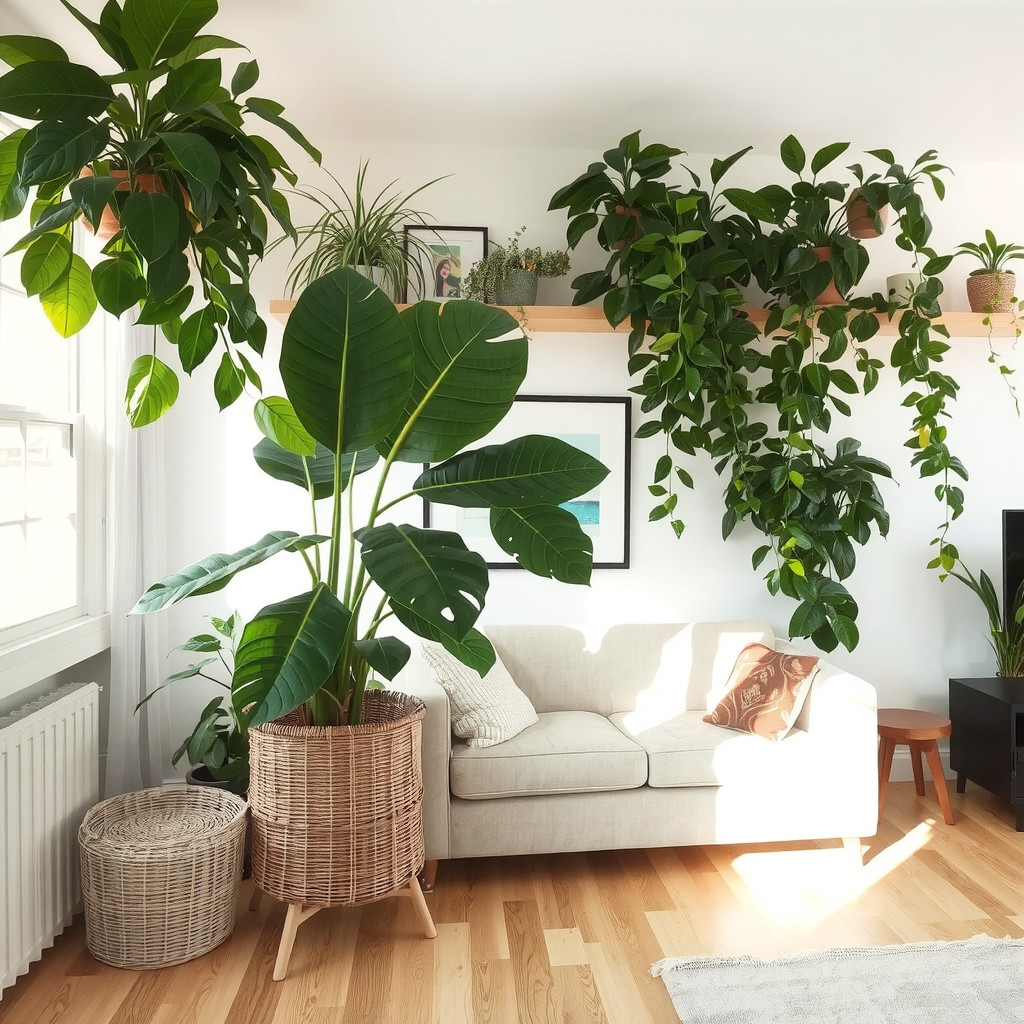
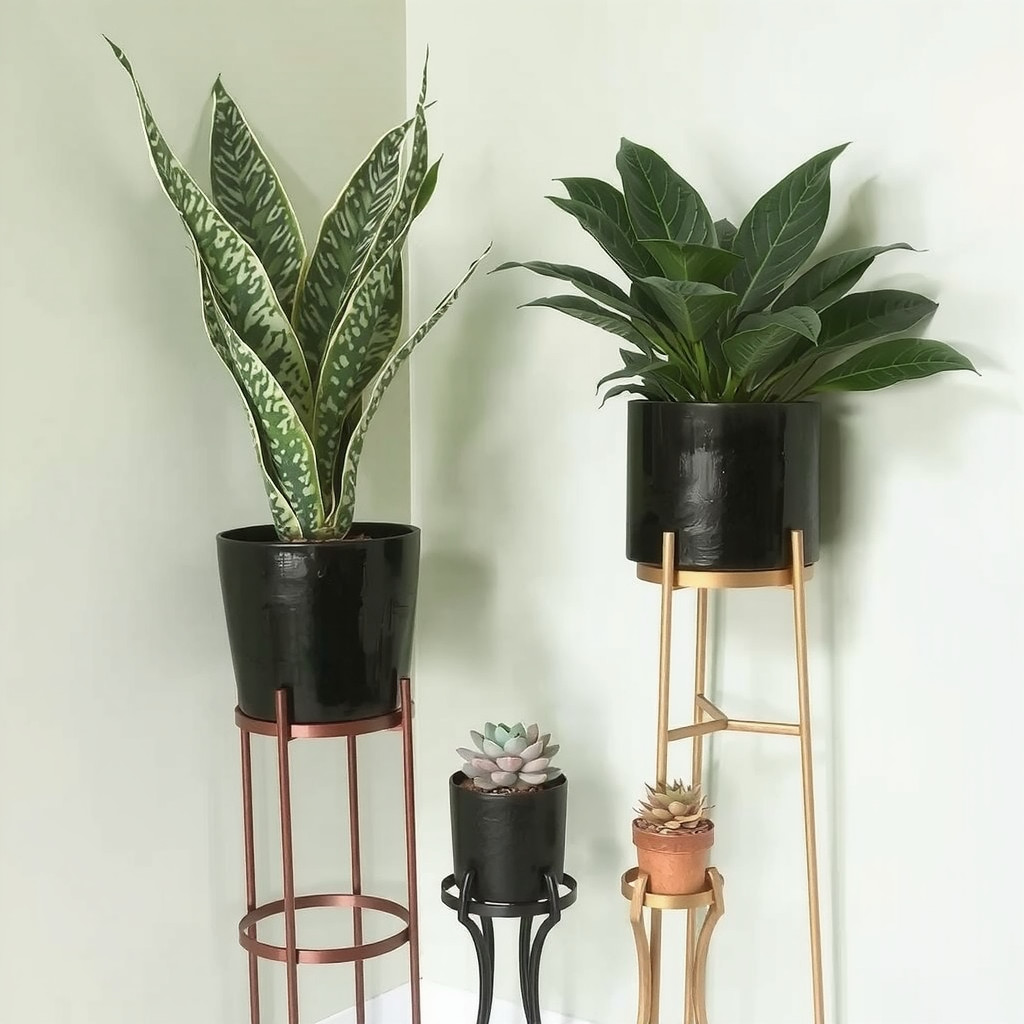
The way you arrange your plants determines the flow and energy of the room. Avoid the temptation to scatter individual pots aimlessly; instead, cluster them to create lush vignettes that draw the eye. Use the rule of three to group plants of varying heights and leaf shapes, establishing a visual hierarchy that feels natural rather than chaotic.
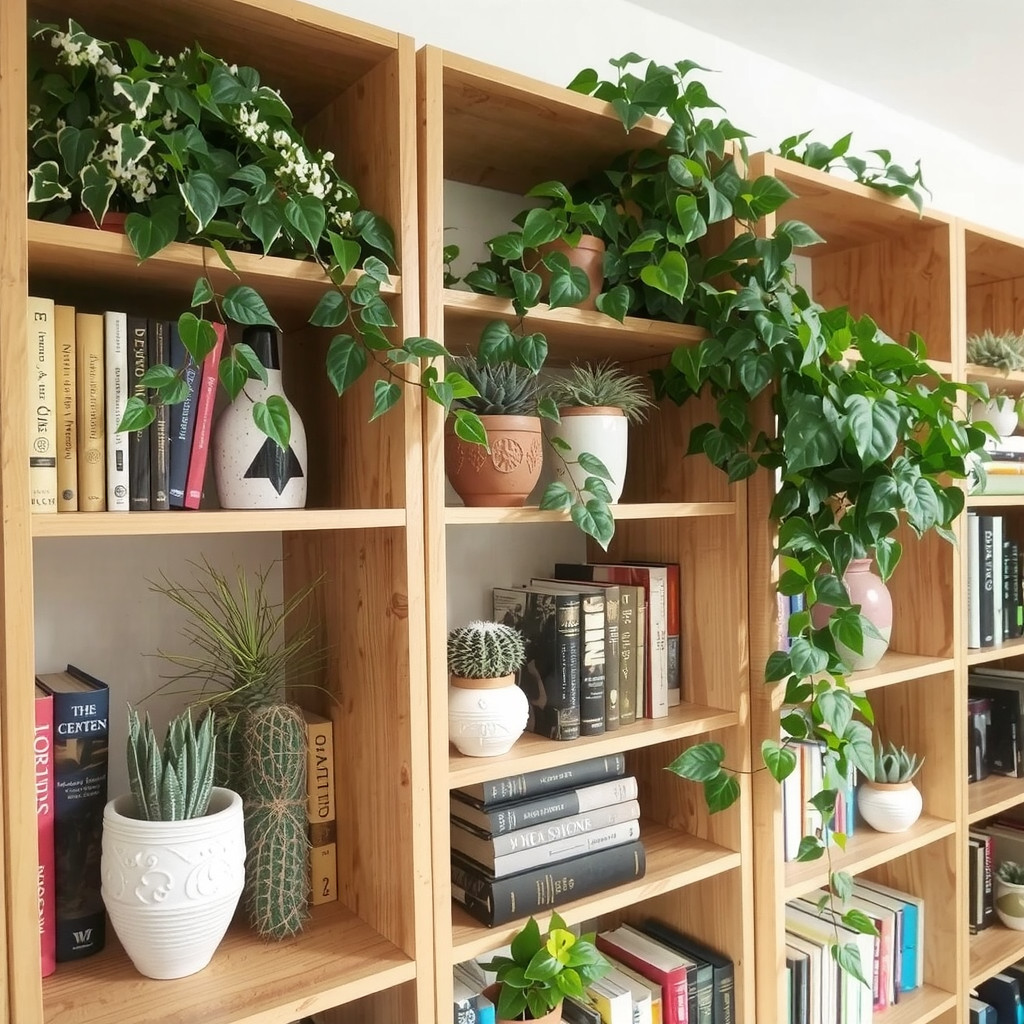
Consider the vertical space as valuable real estate. Utilize hanging planters to draw the eye upward or install floating shelves to cascade trailing vines down walls. This layering technique adds depth and dimension, turning a flat wall into a living tapestry. Placing larger plants in corners softens sharp architectural lines, making the room feel cozier and more enveloping.
Materials and Textiles
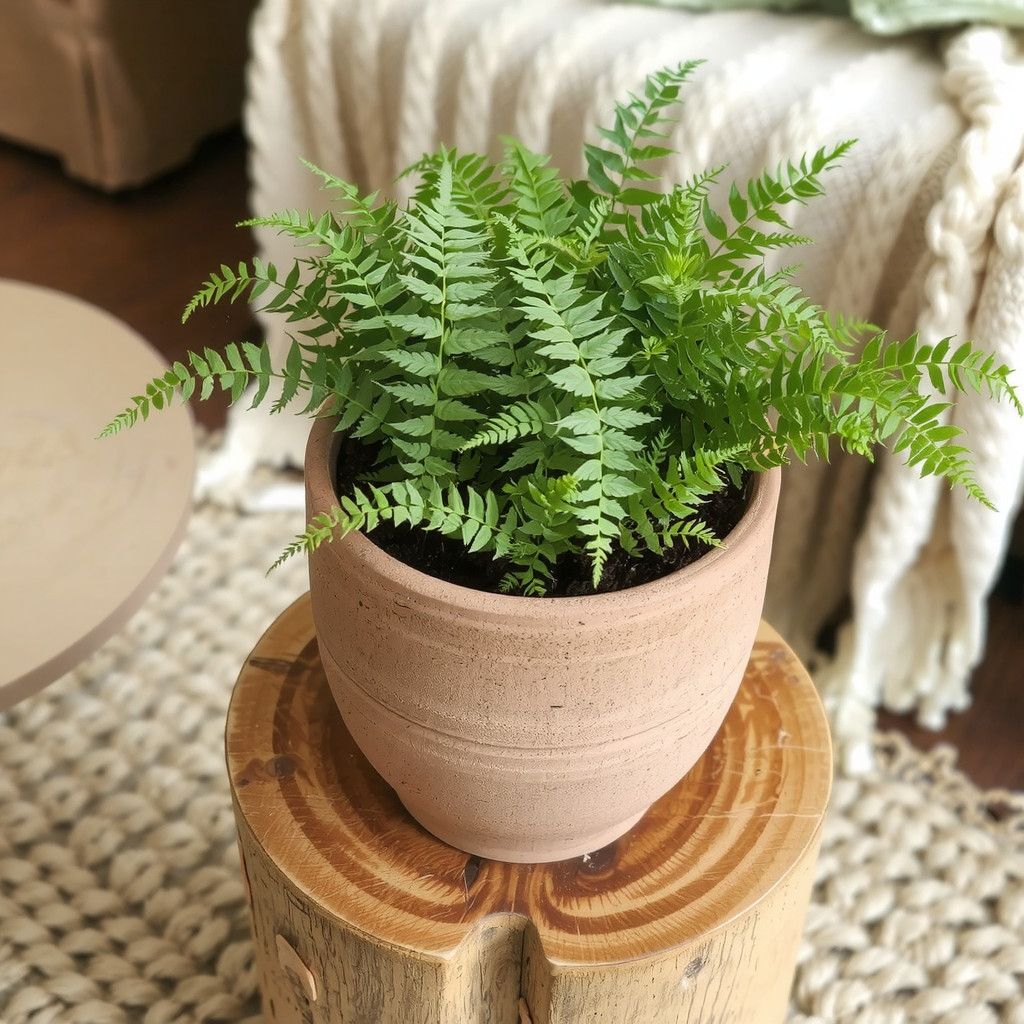
The vessels you choose for your greenery are just as important as the plants themselves. To maintain a cohesive aesthetic, select planters that harmonize with your existing decor while adding tactile interest. Earthy materials like unglazed terracotta, woven seagrass, and matte ceramics ground the space and emphasize the connection to nature.
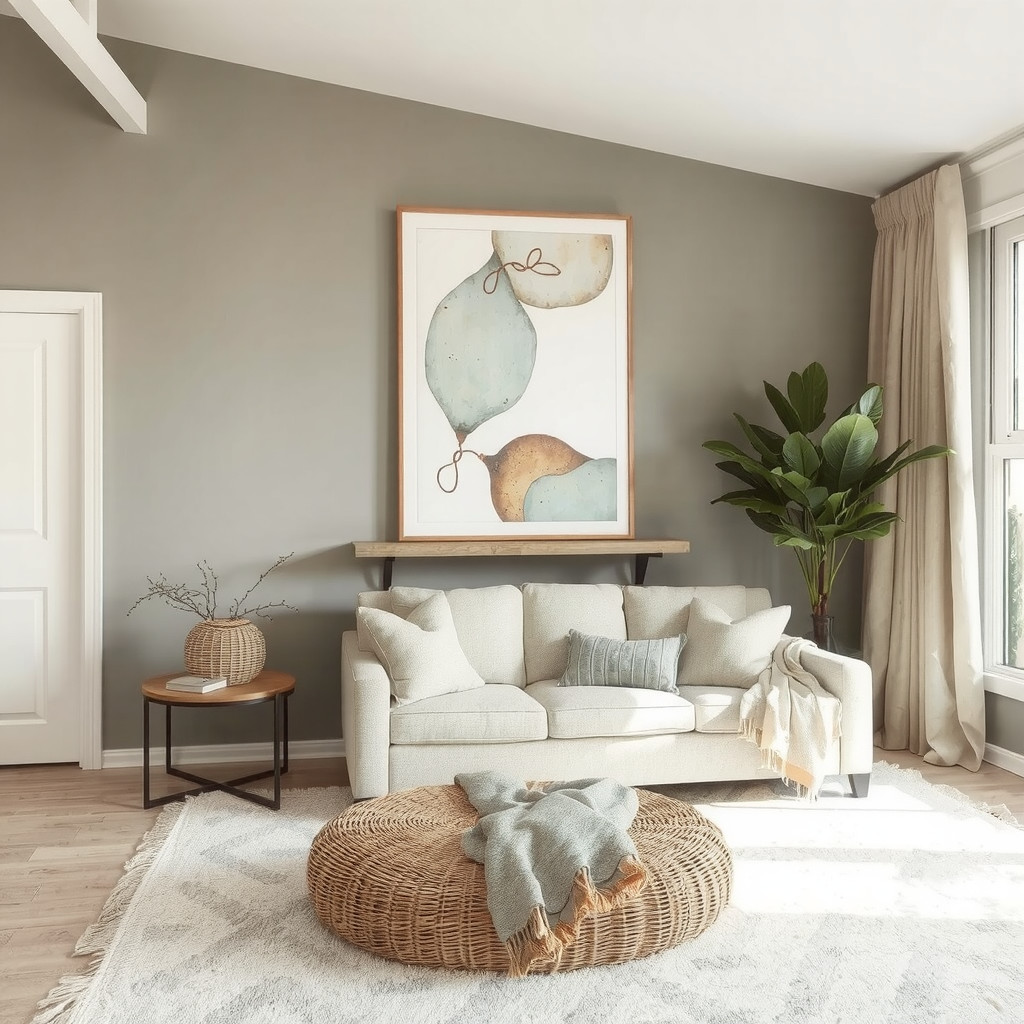
Pairing lush foliage with soft textiles creates a sensory balance. Imagine the contrast of glossy green leaves against a chunky knit throw or a rough jute rug. These natural textures work together to soften the visual impact of the greenery, ensuring your indoor garden feels warm and inviting rather than overgrown or messy.
Focal Points
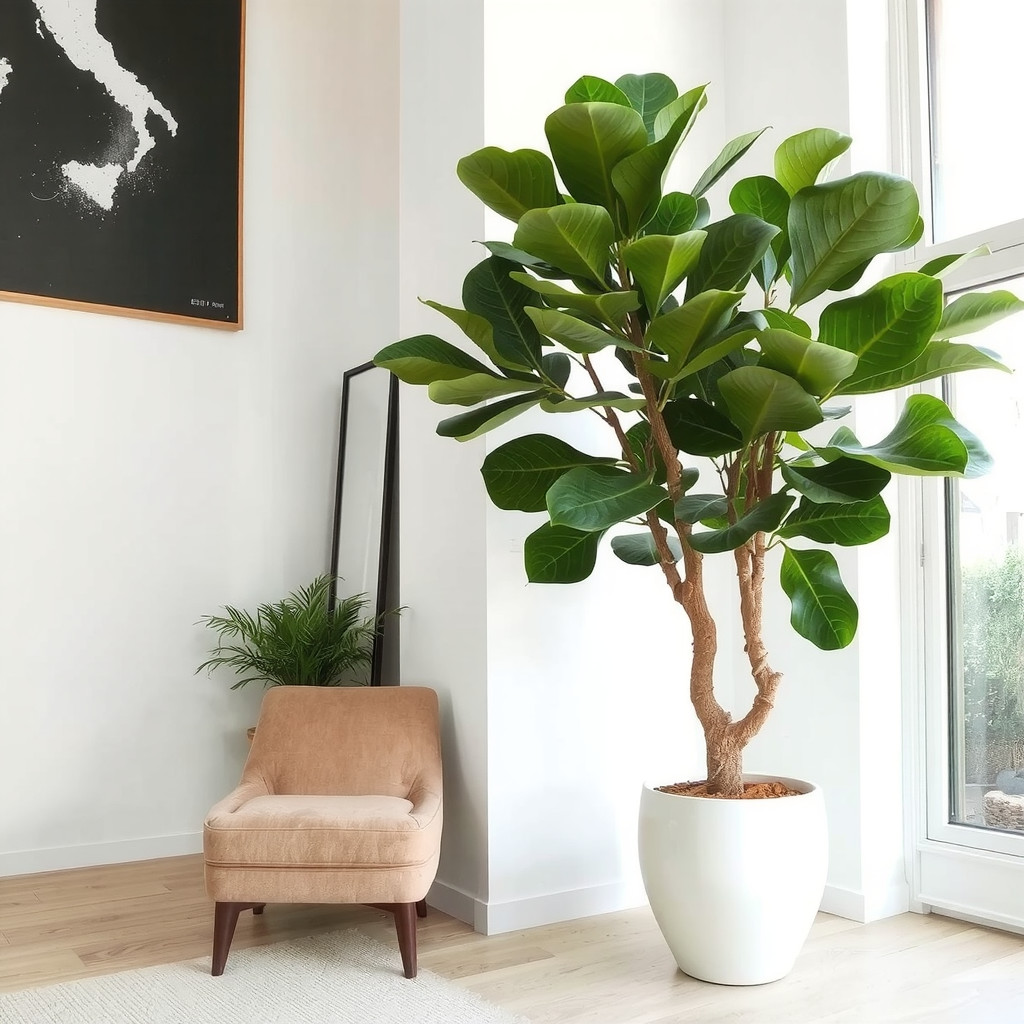
Every room needs a hero piece, and a substantial indoor tree can serve as a stunning architectural anchor. A statement plant, such as a Fiddle Leaf Fig or a Bird of Paradise, commands attention and instantly elevates the scale of the room. Position your statement piece where it can be admired without obstructing pathways—perhaps beside a reading chair or flanking a large window.
Treat these large plants as living sculptures. Give them breathing room so their unique shapes and branching structures can be fully appreciated. A singular, magnificent plant often makes a stronger impact than a cluttered collection of smaller ones, providing a clear focal point that anchors your design scheme.
Lighting
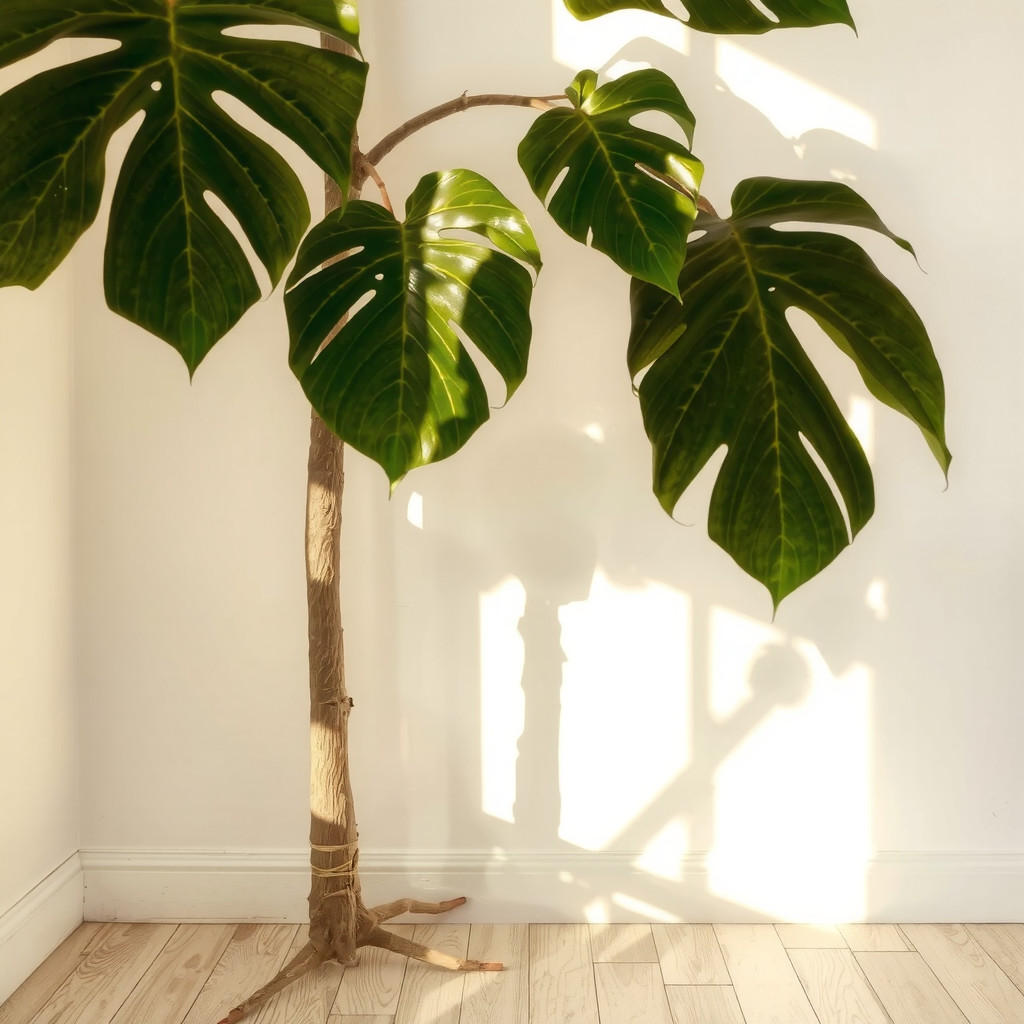
Light is the lifeblood of your plants, but it is also a powerful tool for setting the mood. Observe how natural light travels through your home throughout the day and position your greenery to capitalize on these shifts. Backlighting a plant with large, fenestrated leaves can create dramatic silhouettes and intricate shadow plays on your walls, adding a dynamic, artistic element to the room.
In the evening, consider uplighting a large floor plant to cast dramatic shadows upward, or use warm grow lights tucked into shelves to illuminate your collection. This not only supports plant health during darker months but also adds a soft, ambient glow that enhances the cozy atmosphere of your sanctuary.
Greenery
The true magic lies in the diversity of the foliage itself. To create a visually rich environment, mix and match leaf textures and colors. Contrast the architectural rigidity of a Snake Plant with the soft, cascading tendrils of a Pothos. Incorporate variegated leaves with splashes of white or pink to break up the sea of green and add a painterly touch.
Don’t forget about the subtle beauty of air plants or the structural intrigue of cacti for smaller spaces. By curating a variety of species, you mimic the complexity of nature, ensuring that every glance reveals a new detail or texture.
Tips
- Rotation is Key: Rotate your plants a quarter turn every time you water them to ensure even growth and prevent them from leaning toward the light source.
- Dust the Leaves: clean leaves allow plants to photosynthesize efficiently; wipe them gently with a damp cloth to keep them glossy and healthy.
- Check Humidity: Many tropical plants crave moisture; group them together to create a microclimate or use a pebble tray with water to increase ambient humidity.
- Drainage Matters: Always ensure your decorative pots have drainage holes or use a nursery pot inside the decorative vessel to prevent root rot.
ADVERTISEMENT