ADVERTISEMENT
Cultivating Calm: A Guide to Styling Resilient Bedroom Flora
Your bedroom should be a sanctuary—a place where the noise of the outside world fades away, replaced by tranquility and rest. Integrating greenery into your personal space is one of the most effective ways to foster this sense of calm. However, the fear of complex care routines often deters people from embracing biophilic design. Fortunately, you can achieve a lush, restorative atmosphere with low-maintenance plants that thrive on neglect while purifying your air.
Layout and Positioning
When introducing flora to your bedroom, consider the flow of movement and the visual weight of each piece. You want to enhance the room’s serenity, not clutter it. Avoid placing large pots in narrow walkways where you might stumble in the dark. Instead, utilize dead space to create vertical interest.
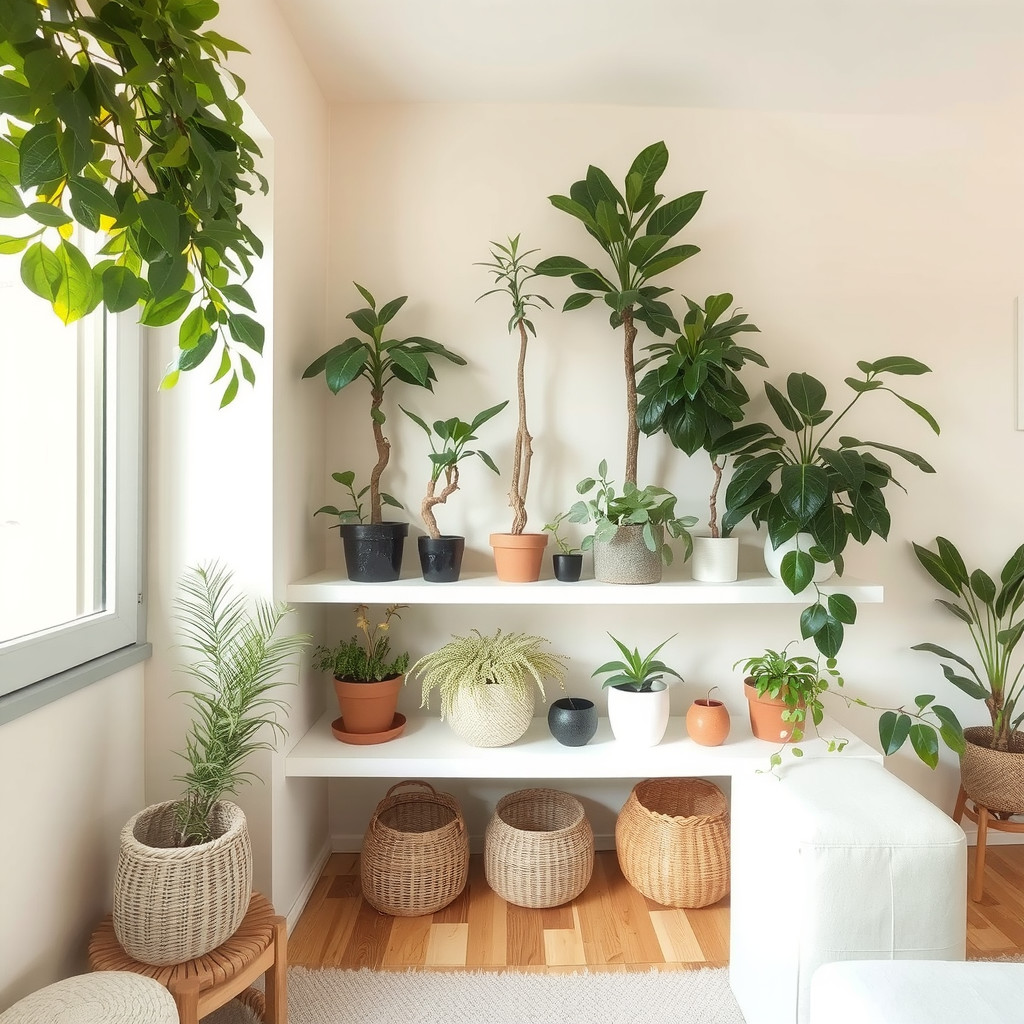
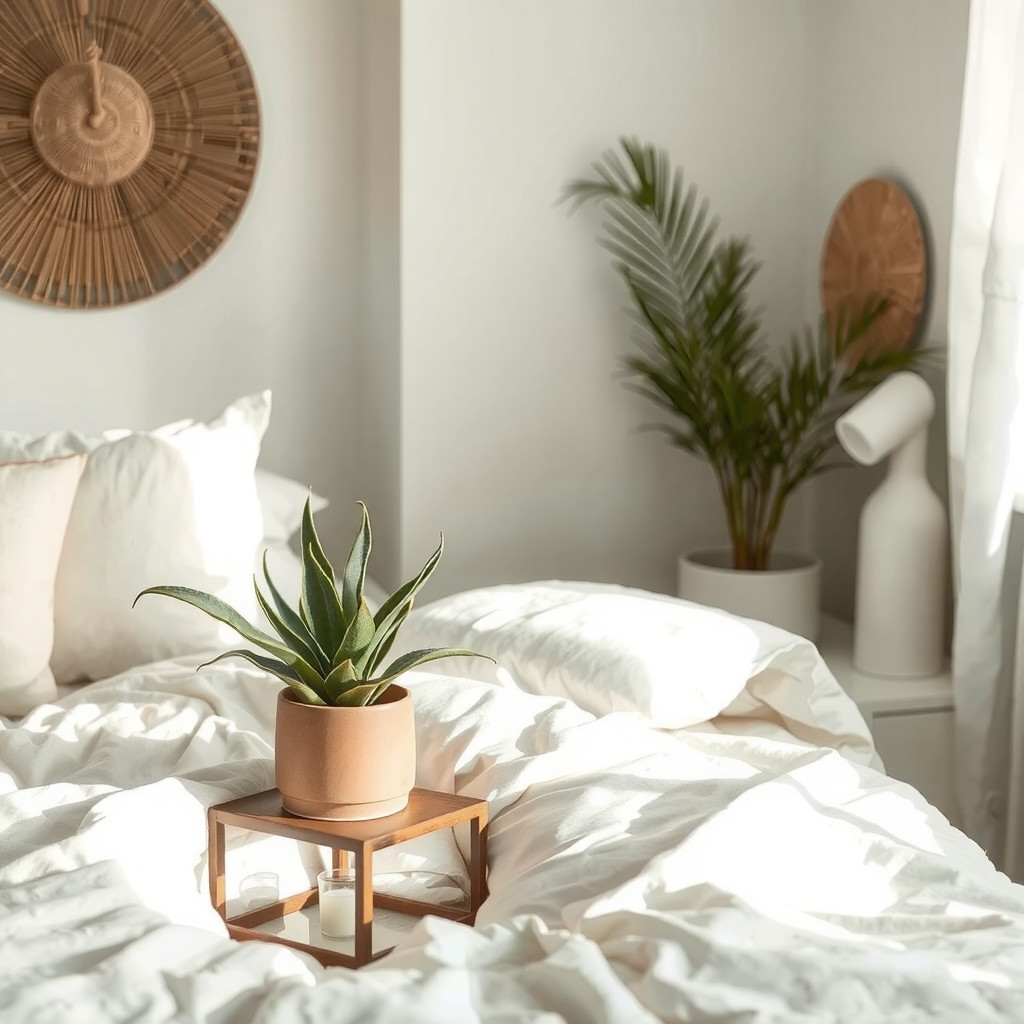
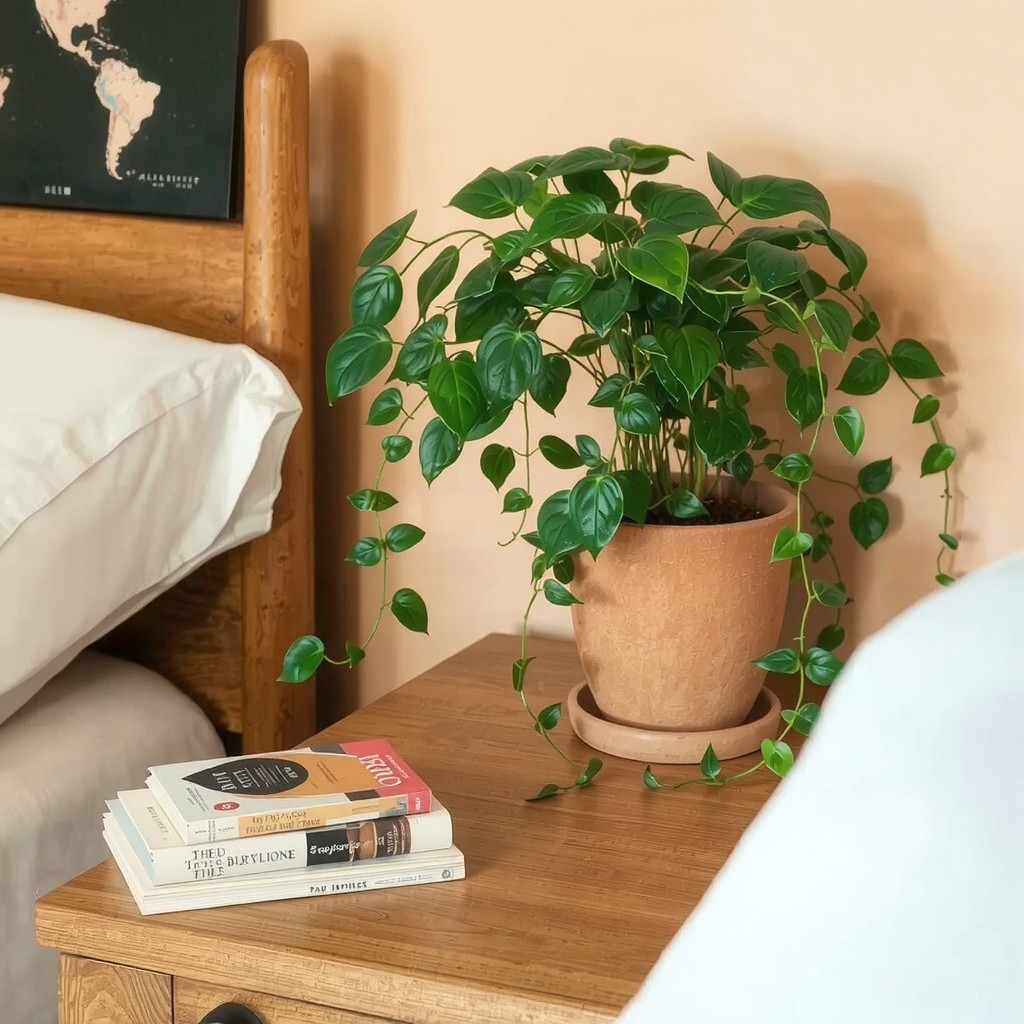
A trailing plant placed on a high floating shelf draws the eye upward, making the room feel more spacious. For bedside tables, choose compact varieties that leave ample room for your evening essentials—a book, a glass of water, and a lamp. The goal is to integrate nature seamlessly into your existing layout, allowing the greenery to frame your furniture rather than compete with it.
Materials and Textiles
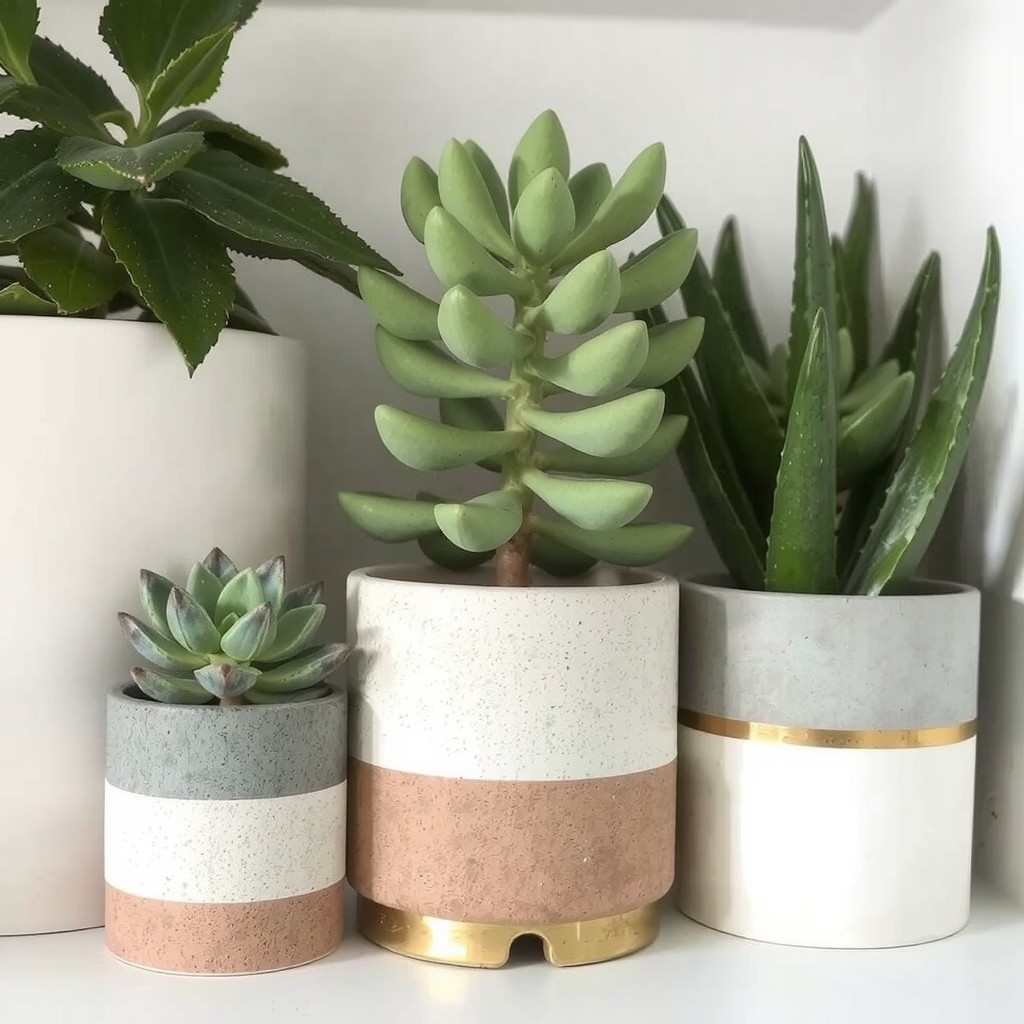
The vessels you choose for your plants are just as important as the foliage itself. To maintain a soothing aesthetic, opt for planters made from natural materials that complement your bedroom’s textile palette. Earthenware, unglazed terracotta, and matte ceramics ground the space and add warmth.
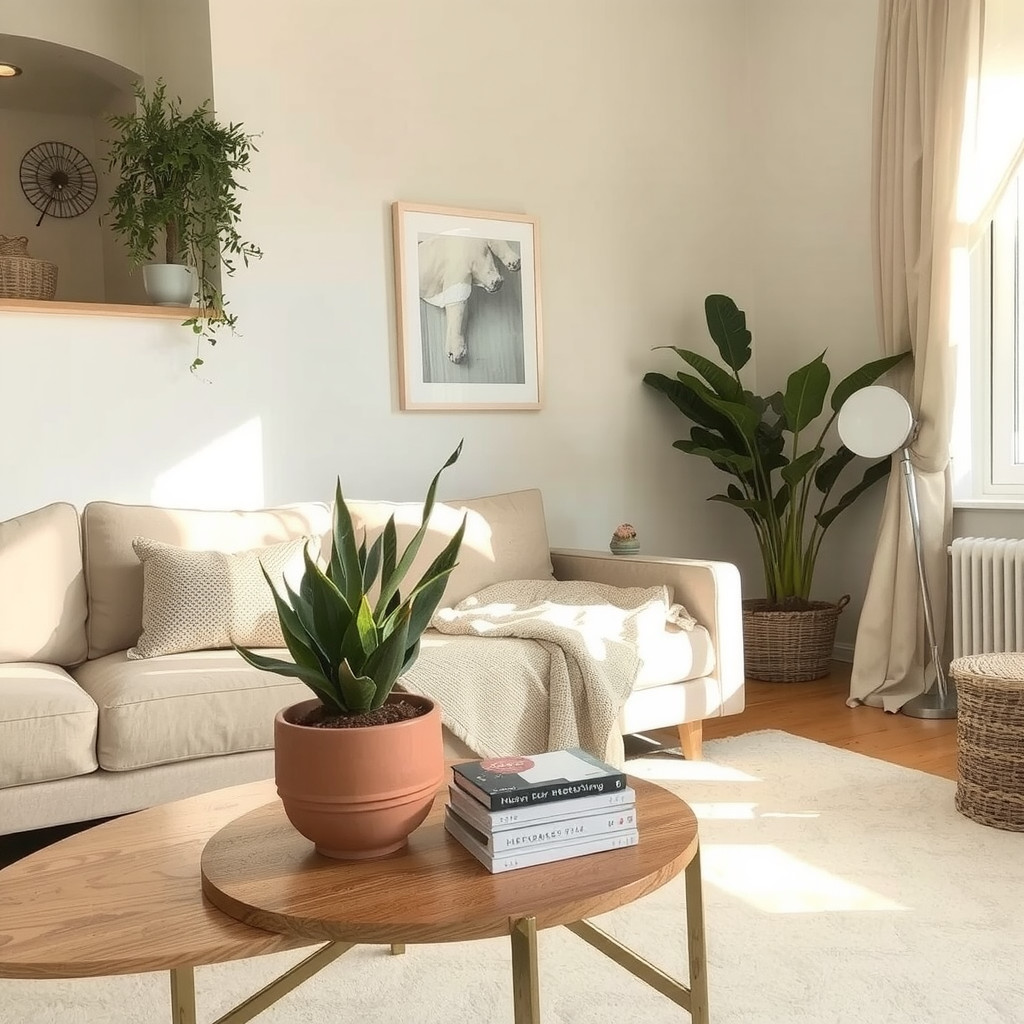
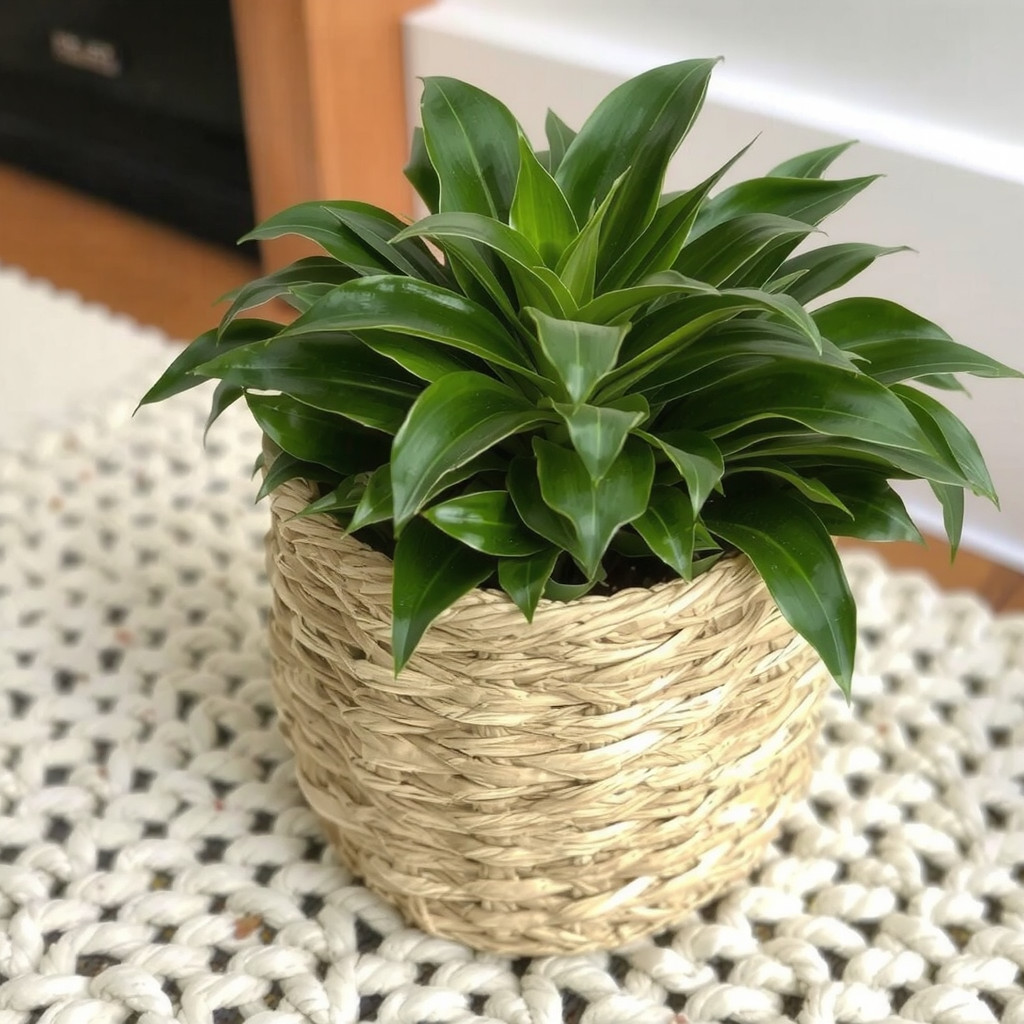
Consider the interplay of textures. The glossy, waxy leaves of hardy indoor plants contrast beautifully against soft, organic fabrics. Imagine a rough woven seagrass basket housing a structural plant sitting atop a plush wool rug or next to washed linen bedding. This layering of botanical and woven textures creates a rich, sensory experience that invites touch and relaxation.
Focal Points
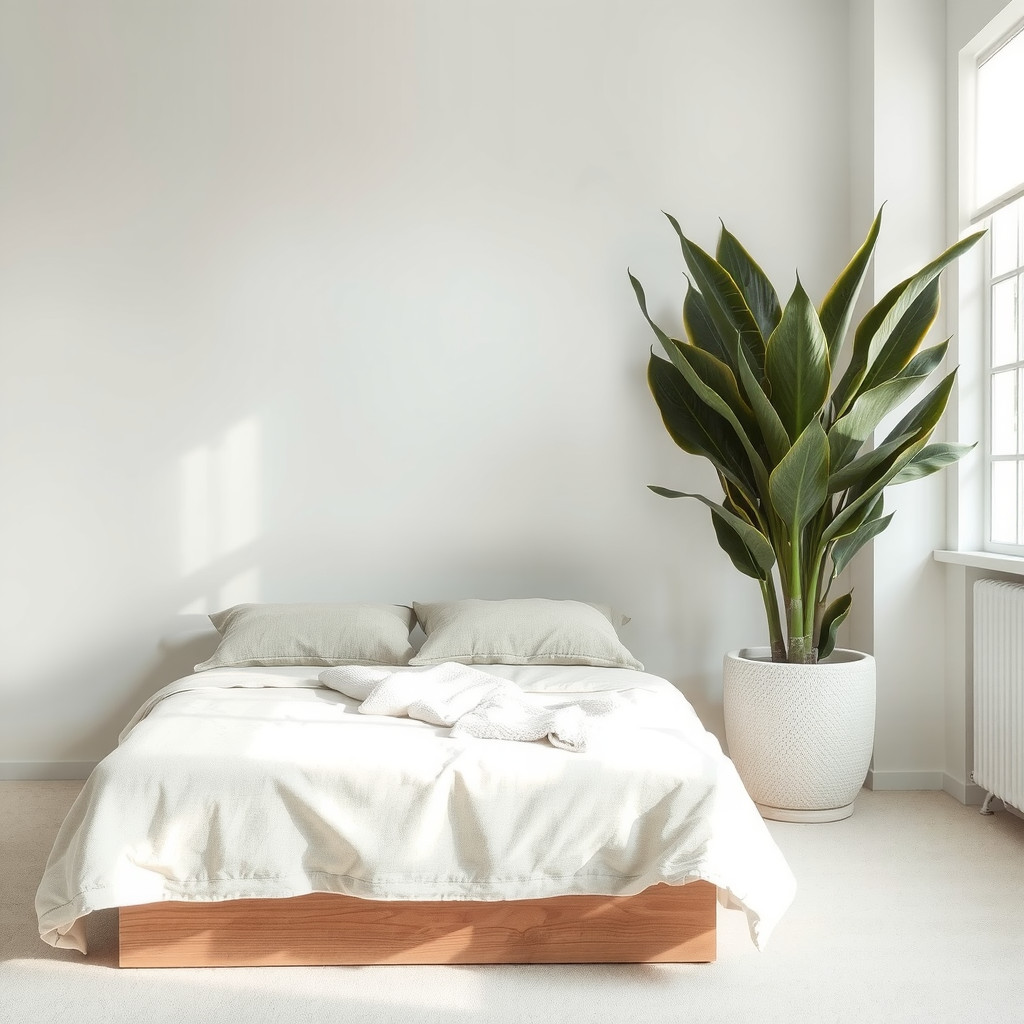
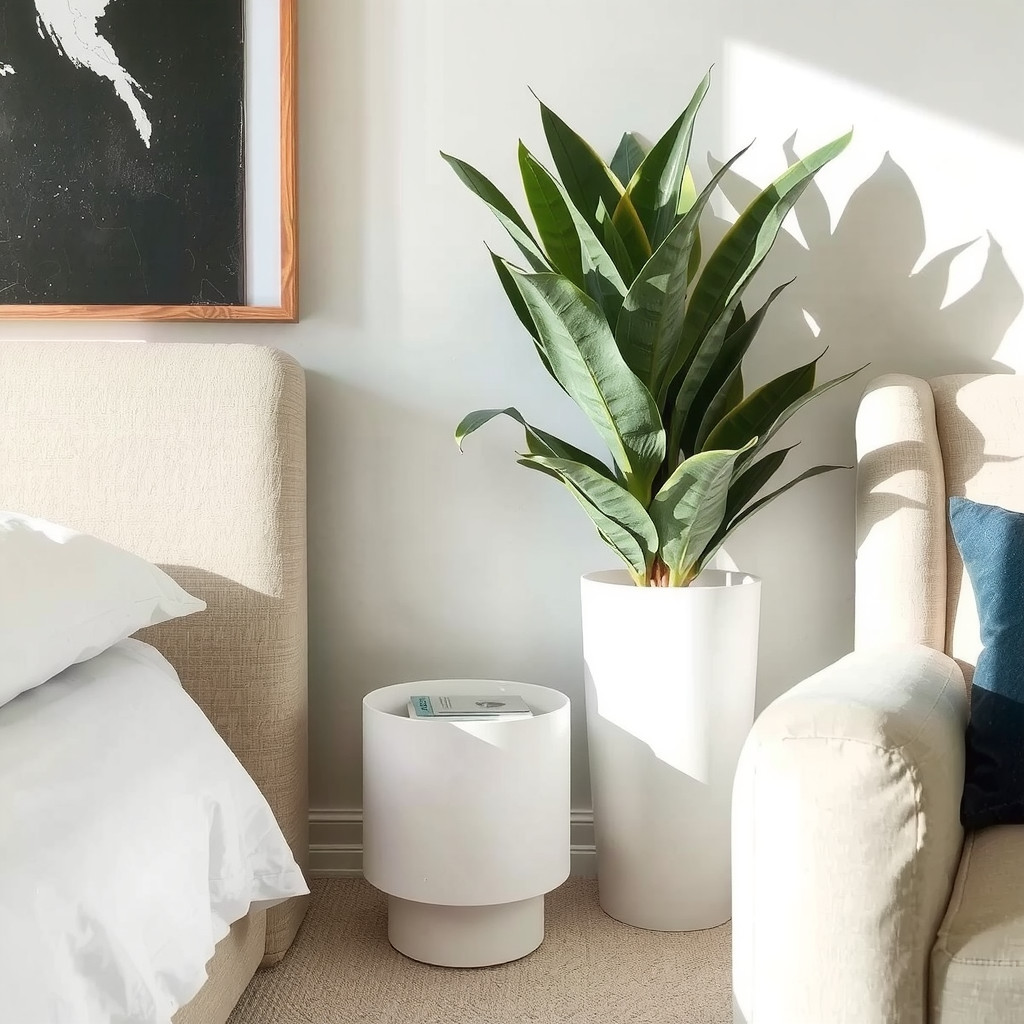
In a bedroom, less is often more. Rather than scattering many small pots across every surface, which can look chaotic, establish a singular, strong focal point. A substantial floor plant can act as a living sculpture, anchoring an empty corner or softening the hard lines of a wardrobe or dresser.
Select a plant with an architectural shape to serve as this visual anchor. The height and structure provide a sense of stability and permanence. If you prefer smaller plants, group them in odd numbers on a dresser or windowsill to create a curated vignette that reads as a single cohesive unit rather than scattered clutter.
Lighting
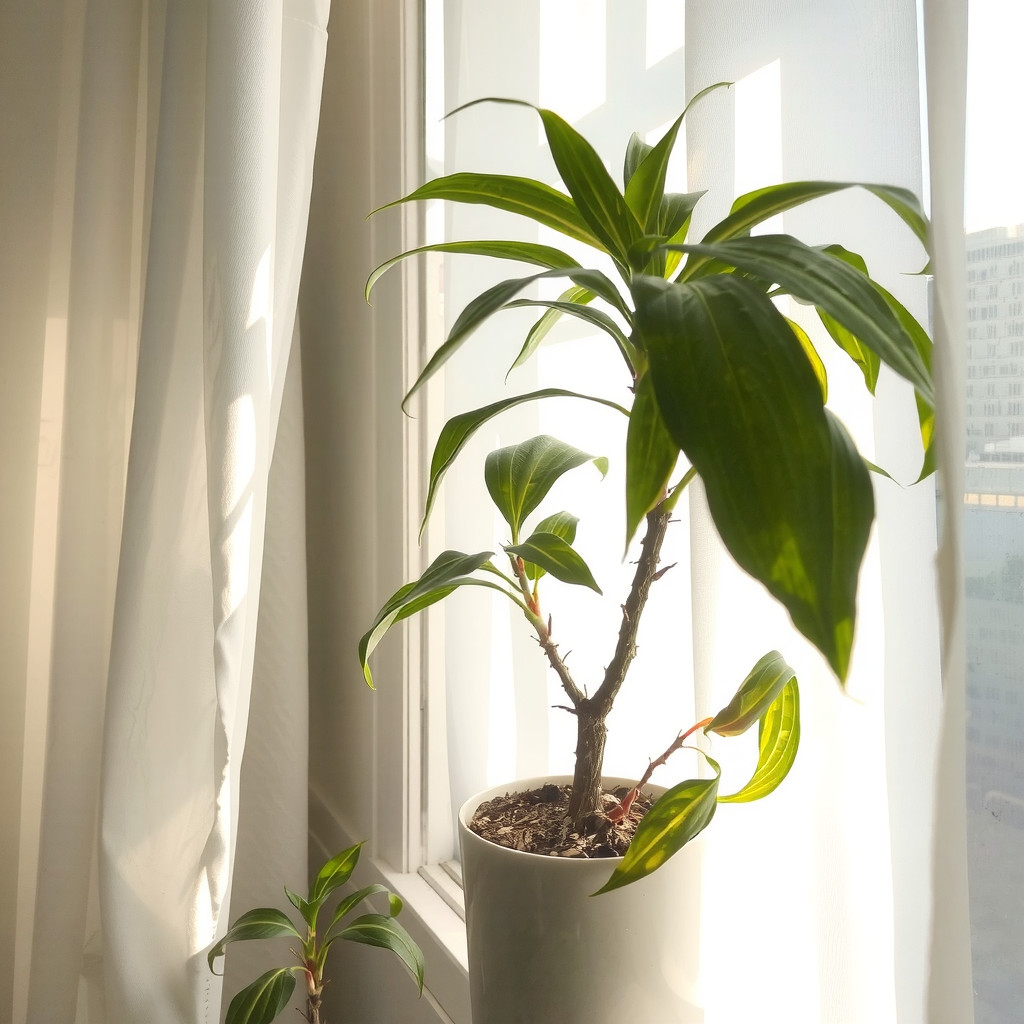
Lighting in a bedroom is typically softer and moodier than in other parts of the home, which pairs perfectly with shade-tolerant varieties. Observe how natural light enters your room throughout the day. Most low-maintenance choices prefer indirect light, meaning they will flourish near a north or east-facing window without requiring direct sunbeams.
Use the interplay of light and leaves to your advantage. Placing a plant near a window with sheer curtains creates dynamic shadow play on your walls as the sun moves, adding a living, breathing art element to the room. In the evenings, warm lamp light reflecting off green leaves creates a cozy, enveloping atmosphere conducive to sleep.
Greenery
Selecting the right species is the key to a low-stress botanical bedroom. You need plants that forgive irregular watering and tolerate lower light levels.
The Snake Plant (Sansevieria) is the gold standard for bedrooms; it is architectural, virtually indestructible, and converts CO2 to oxygen at night. The ZZ Plant is another stalwart, boasting shiny, dark green leaves that reflect light and require very little water. For softer textures, the Golden Pothos offers trailing vines that can be draped over headboards or shelves, adding a romantic, overgrown feel. These varieties ensure your sanctuary remains green without becoming a source of chores.
Tips
- Dust Regularly: Indoor plants can accumulate dust on their leaves, which blocks sunlight. Wipe them gently with a damp cloth to keep them glossy and healthy.
- Water Sparingly: Overwatering is the most common killer of bedroom plants. Always check that the top inch of soil is dry before adding water.
- Rotate Often: To ensure even growth, rotate your pots every few weeks so all sides of the plant get equal exposure to the light source.
- Check Drainage: Ensure every pot has drainage holes or a nursery pot inside the decorative planter to prevent root rot.
ADVERTISEMENT