ADVERTISEMENT
Cultivating Calm: The Art of Botanical Bedroom Design
Creating a sanctuary for rest goes beyond selecting a comfortable mattress or blackout curtains. The integration of nature into your sleeping space connects you to the outdoors, reducing stress and purifying the air you breathe. By treating plants not just as accessories but as core architectural elements, you transform your bedroom into a living, breathing retreat that restores your energy overnight.
Layout and Positioning
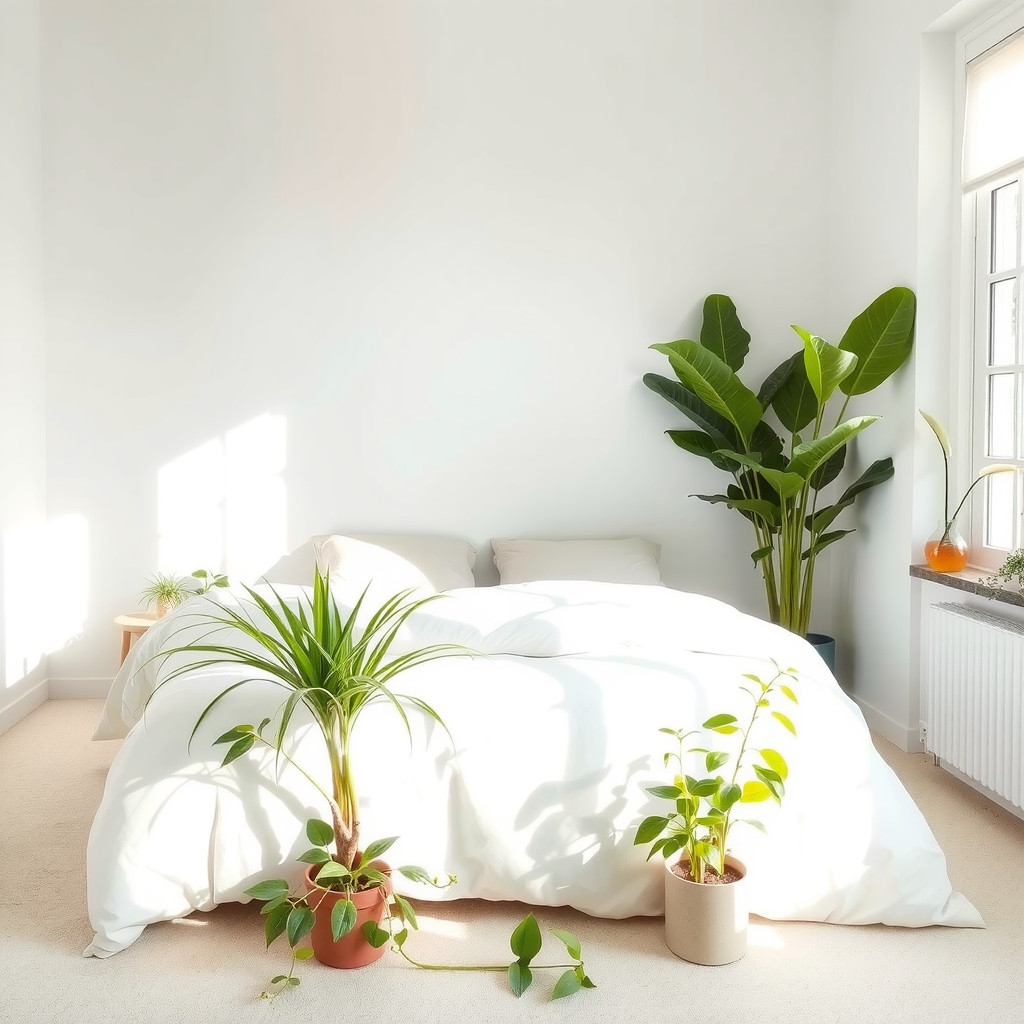
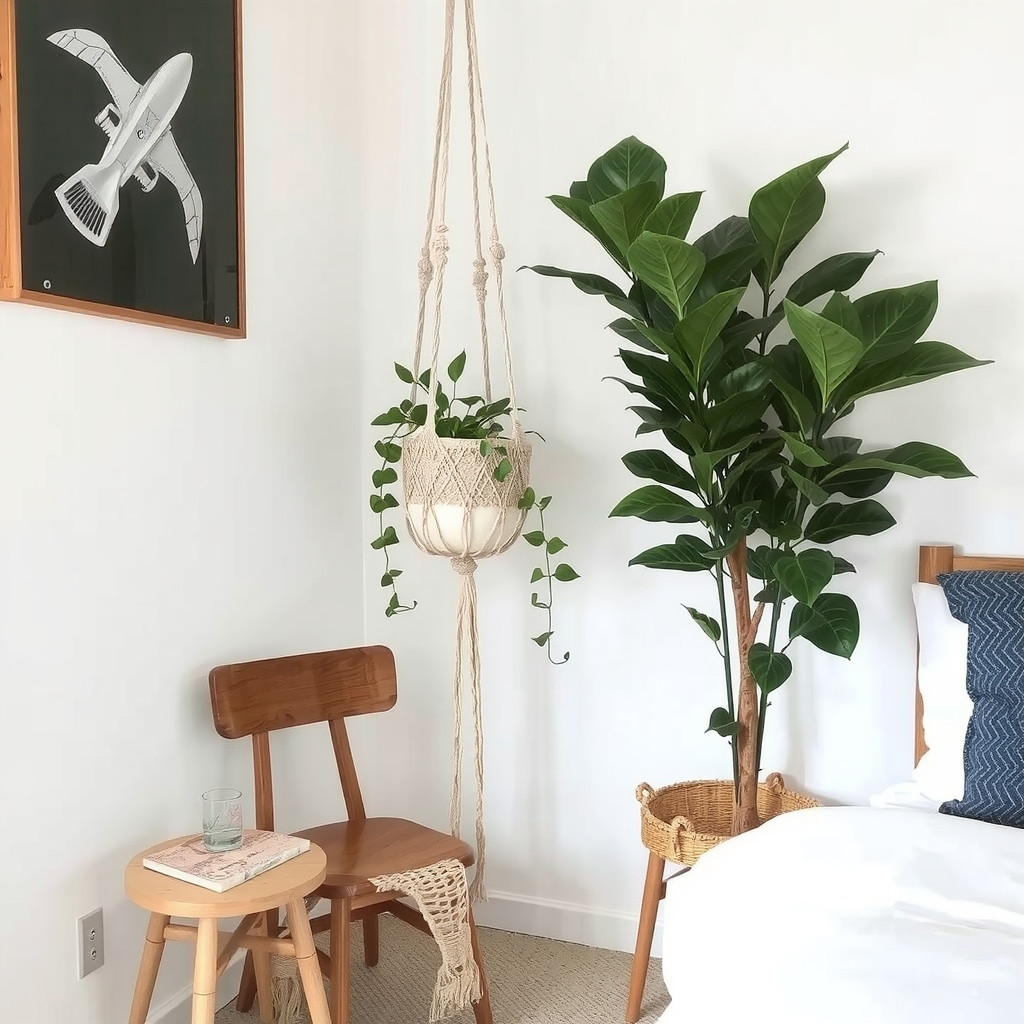
The placement of your botanical companions dictates the flow and energy of the room. Avoid cluttering your bedside table with too many small pots, which can create visual chaos right where you need mental clarity. Instead, assess the underutilized areas of your room. Corners often become dead space, making them ideal locations for taller floor plants that draw the eye upward and expand the perceived height of the ceiling.
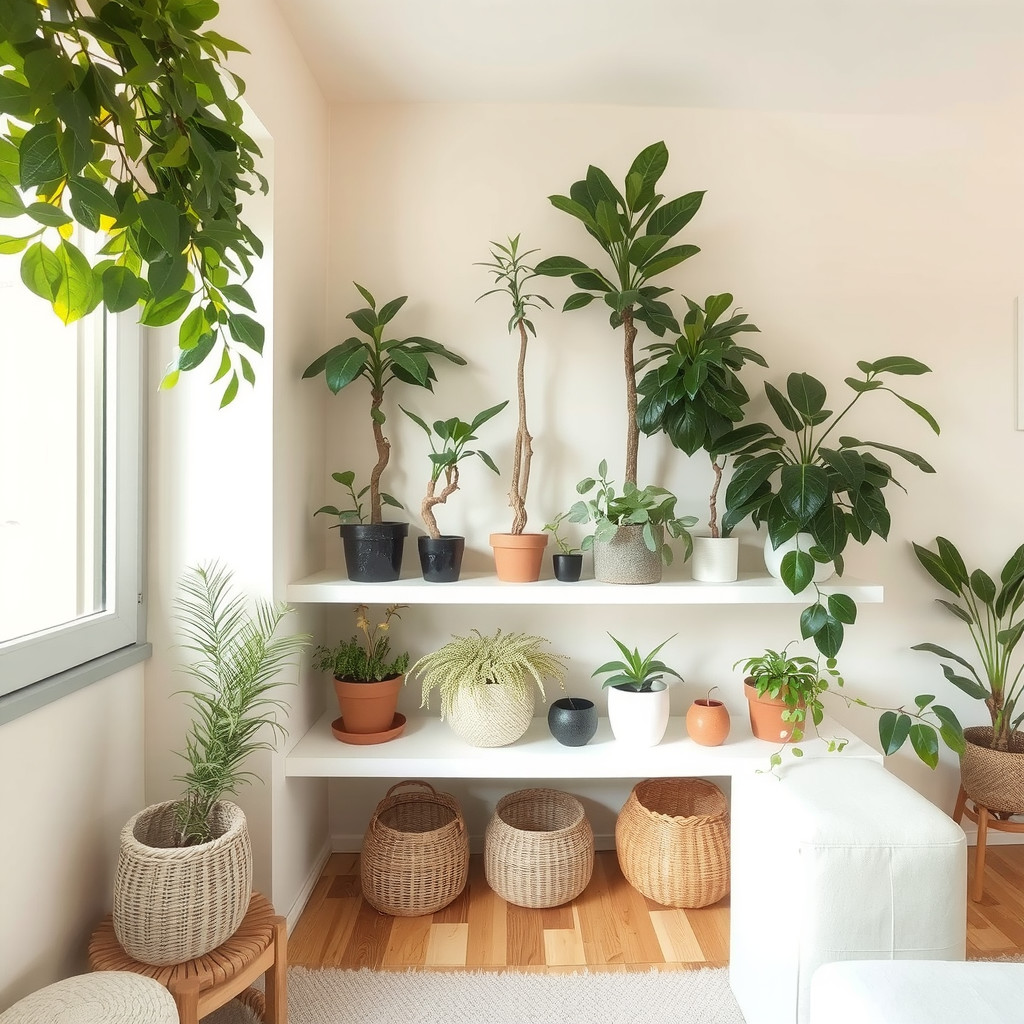
Consider the vertical dimension as well. Hanging planters near a window can frame the view without taking up precious floor space, adding layers of depth. If you have wide windowsills, arrange plants of varying heights to create a dynamic living screen that filters light and provides privacy.
Materials and Textiles
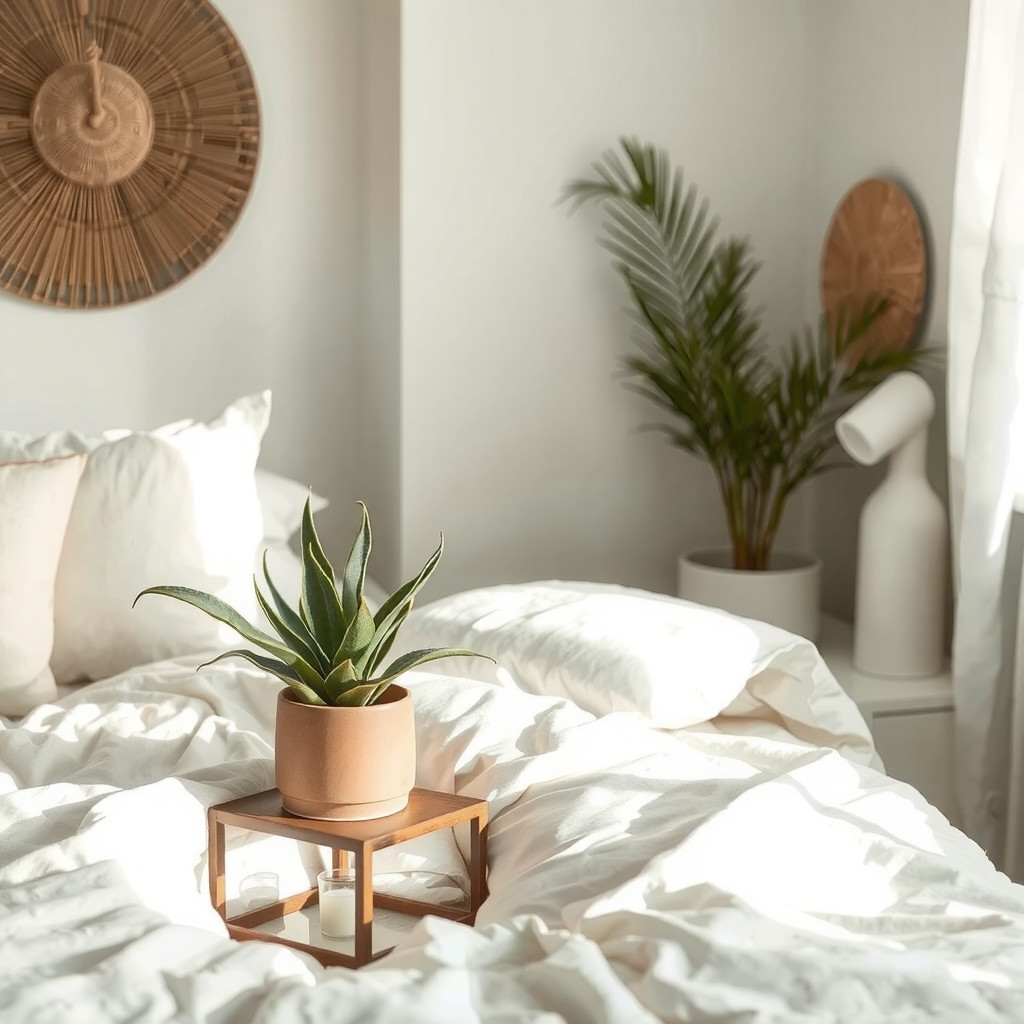
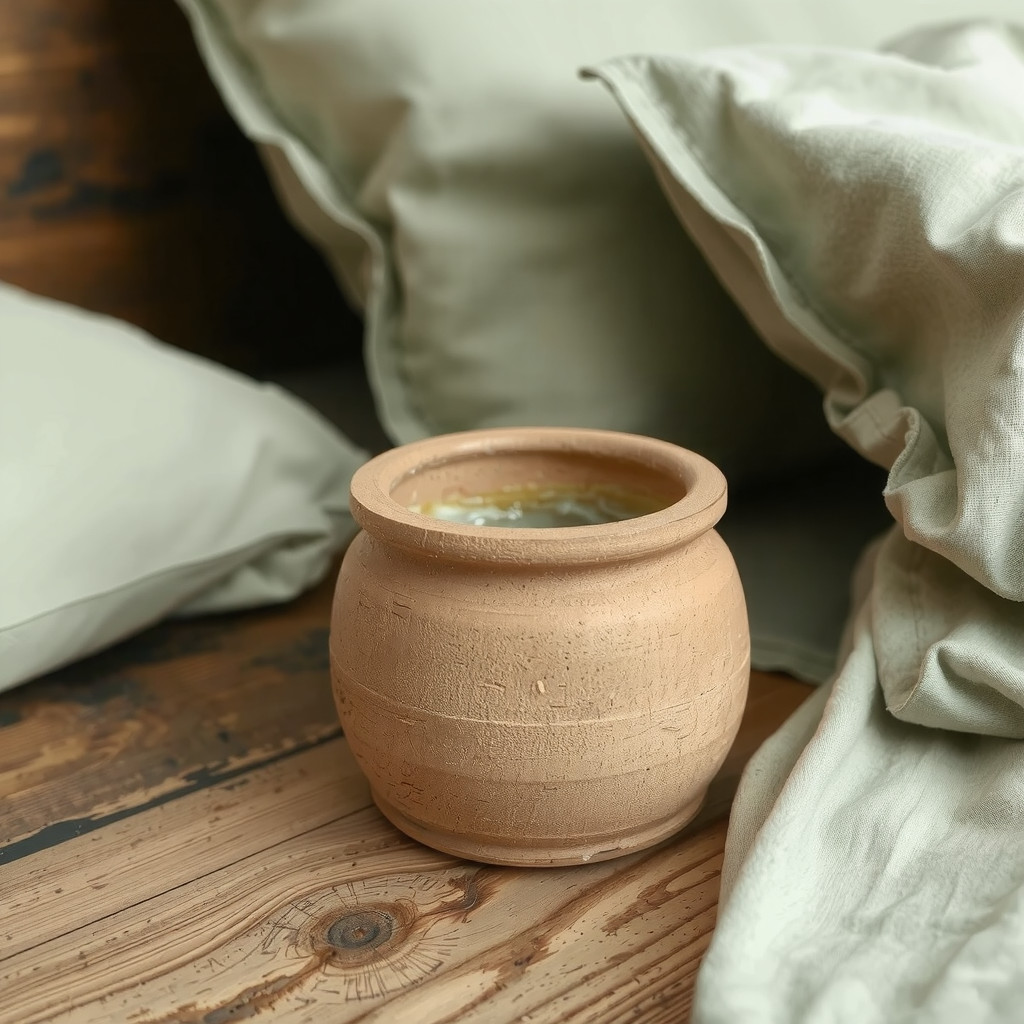
The vessels housing your greenery are just as important as the plants themselves. To maintain a serene ambiance, choose planters that complement the tactile experience of your bedding and furniture. Earthenware, unglazed terracotta, and woven seagrass baskets introduce raw, grounding textures that harmonize beautifully with soft bedroom fabrics.
Contrast is key here. If your bedding is smooth, cool cotton, a rough stone planter adds necessary warmth. If you favor heavy wool throws or velvet cushions, sleek ceramic pots can provide a modern, clean counterpoint. Ensure color palettes remain cohesive; earthy tones like terracotta, beige, and slate gray allow the vibrant green of the leaves to pop without overwhelming the senses.
Focal Points
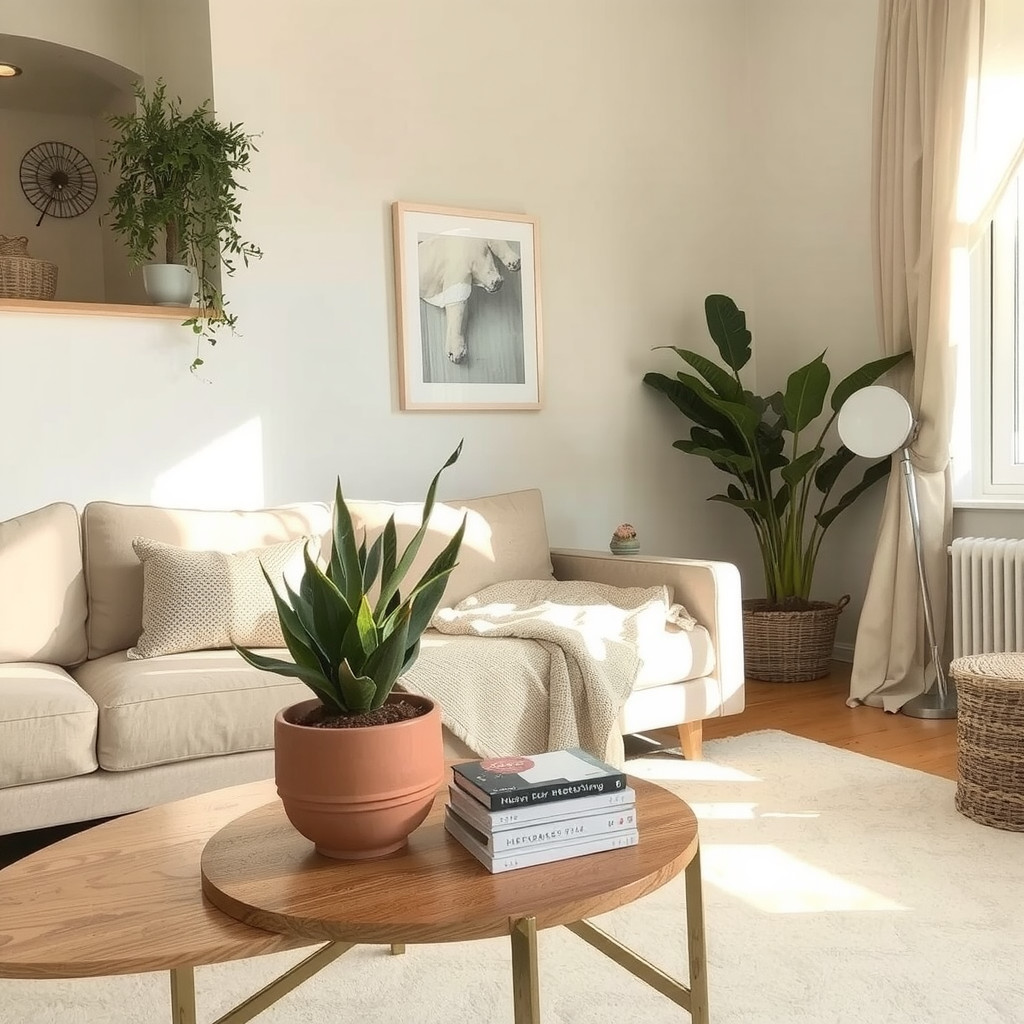
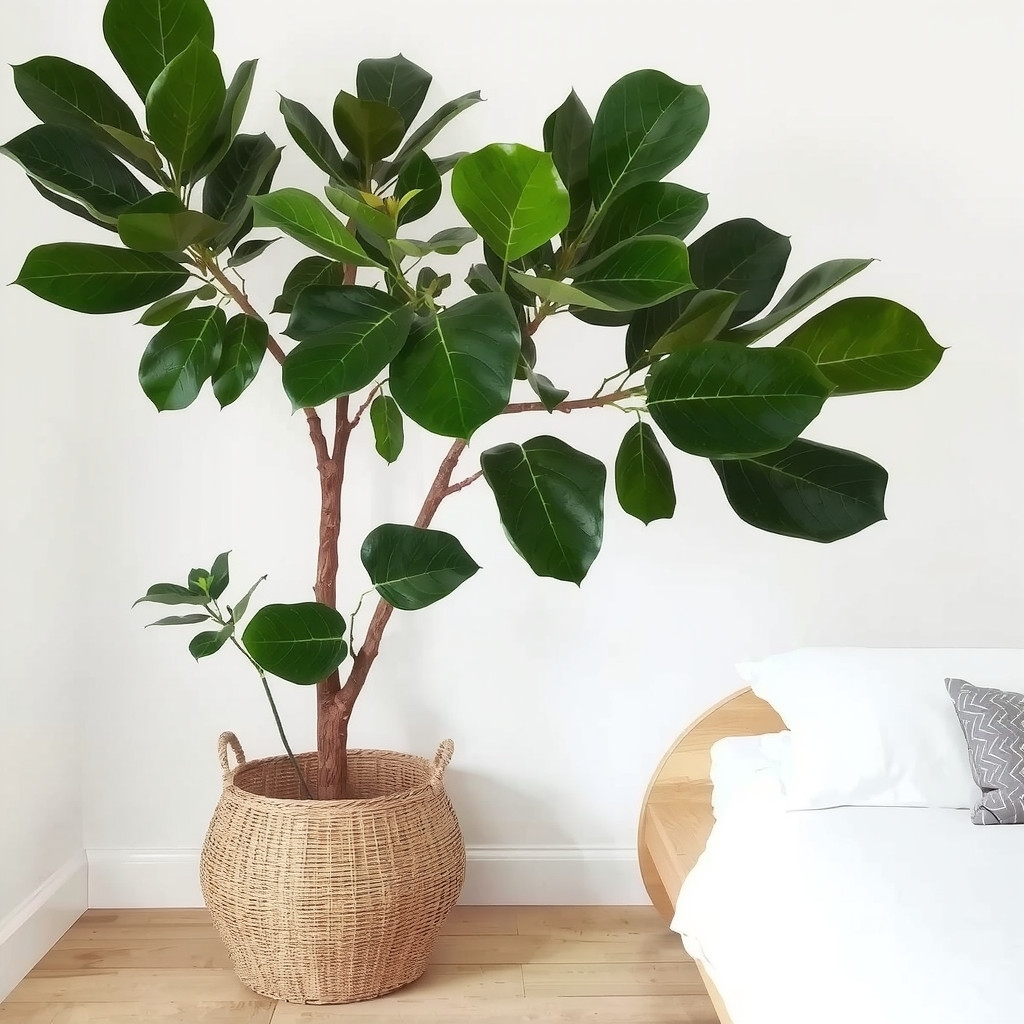
While a collection of small succulents has its charm, a single, structural statement plant often creates a more profound sense of calm. A large-leafed plant acts as a living sculpture, anchoring the room and providing a visual resting point. This approach aligns with minimalist principles, where fewer, higher-quality items create a more luxurious atmosphere than a multitude of smaller distractions.
Position a substantial plant, such as a Ficus or a Monstera, adjacent to a lounge chair or beside a tall dresser. This draws attention away from technology or clutter and redirects it toward organic forms. The silhouette of the leaves against a blank wall can turn a simple corner into an artistic feature.
Lighting
Plants rely on light to survive, but your bedroom requires darkness for sleep. Balancing these needs is crucial. Observe how natural light moves through your room throughout the day and place your sun-loving varieties in direct paths of light, while relegating low-light tolerant species to darker nooks.
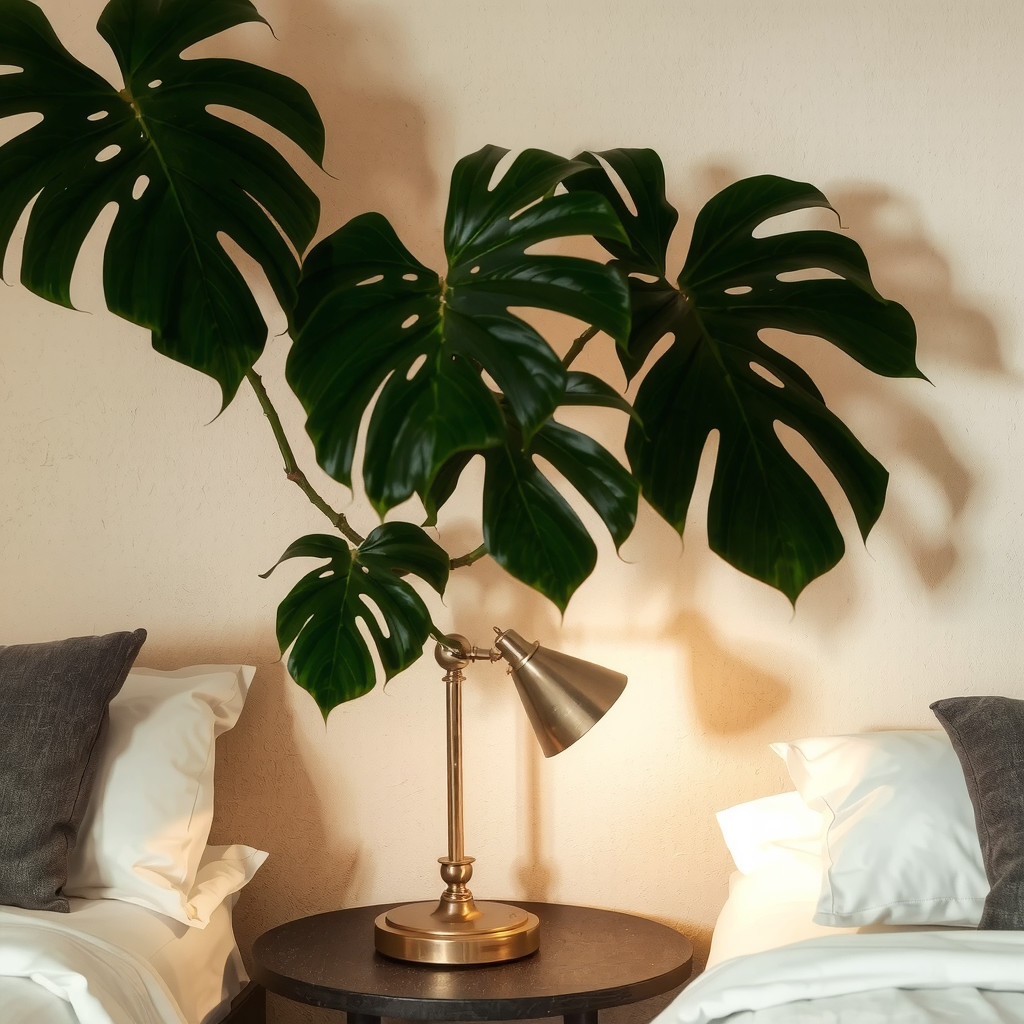
In the evening, artificial lighting can transform your greenery into dramatic installations. Using a warm, low-wattage uplight at the base of a large plant can cast intricate shadows on the walls and ceiling, adding a layer of visual interest that replaces the need for busy artwork. This soft, indirect illumination contributes to a cozy, drowsy atmosphere perfect for winding down.
Greenery
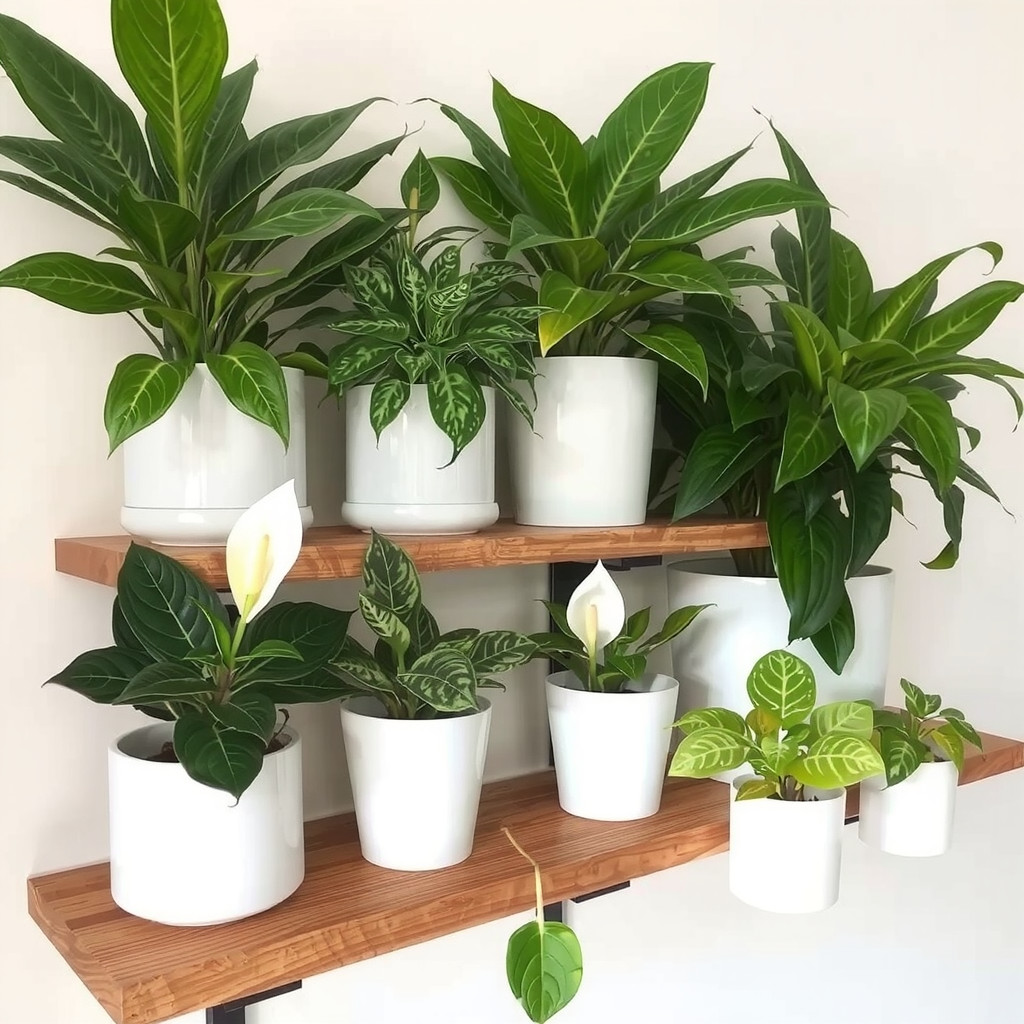
Selecting the right species is vital for a low-maintenance, high-reward experience. Focus on plants known for their air-purifying qualities and ability to thrive in typical indoor conditions. The Snake Plant (Sansevieria) is a top contender, known for releasing oxygen at night rather than during the day. Similarly, the Peace Lily helps remove toxins and increases humidity, which can be beneficial for breathing during sleep.
Pothos and Heartleaf Philodendrons are excellent for trailing from high shelves, while ZZ plants are nearly indestructible and tolerate low light perfectly. By curating a mix of leaf shapes—structural, trailing, and bushy—you create a rich, diverse texture that feels like a personal indoor garden.
Tips
- Dust Regularly: Leaves accumulate dust, which blocks light and reduces their air-purifying efficiency; wipe them gently with a damp cloth.
- Rotation is Key: Turn your plants a quarter inch every week to ensure even growth and prevent them from leaning desperately toward the window.
- Mind the Humidity: Bedrooms can be dry; consider misting tropical plants or placing them on a pebble tray with water to boost local humidity.
- Check for Pests: Inspect the undersides of leaves when you water to catch any unwanted guests before they spread to other plants.
- Water Wisely: Overwatering is the most common killer; ensure your pots have drainage holes and check soil moisture before adding water.
ADVERTISEMENT