ADVERTISEMENT
Cultivating Calm: The Art of Living with Indoor Plants
Transforming your living room into a verdant sanctuary is about more than just placing a pot in the corner. It is an intentional design choice that bridges the gap between the structured indoors and the organic outdoors. By integrating plant life into your daily environment, you invite a sense of rhythm and restoration into your home. This approach to decor treats greenery as living sculpture, capable of softening architectural lines and purifying the air you breathe.
Layout and Positioning
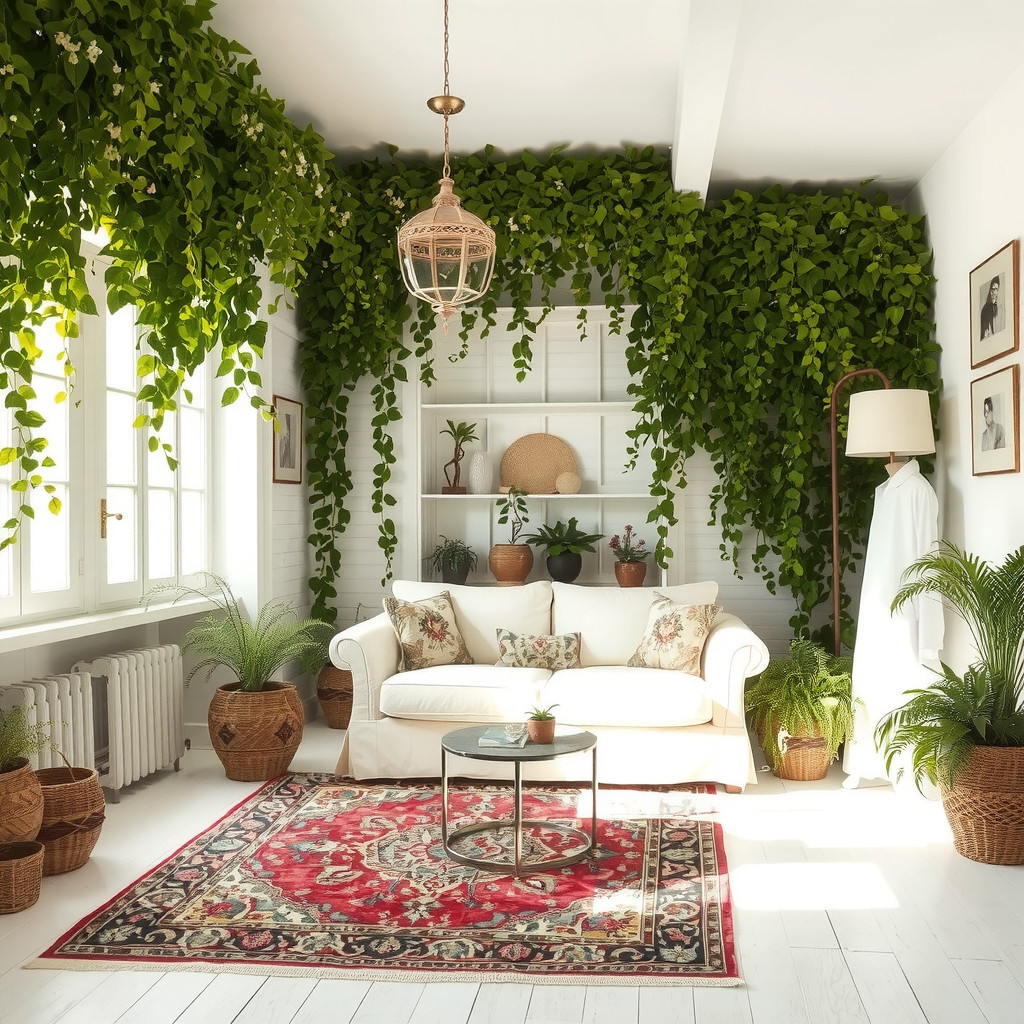
Before purchasing your botanical companions, consider the flow of your room. You want to guide the eye through the space using plants as visual anchors. Avoid clustering everything in one spot, which can look cluttered. Instead, use the concept of triangulation: place plants at three distinct points in the room to create a balanced, encompassing feel.
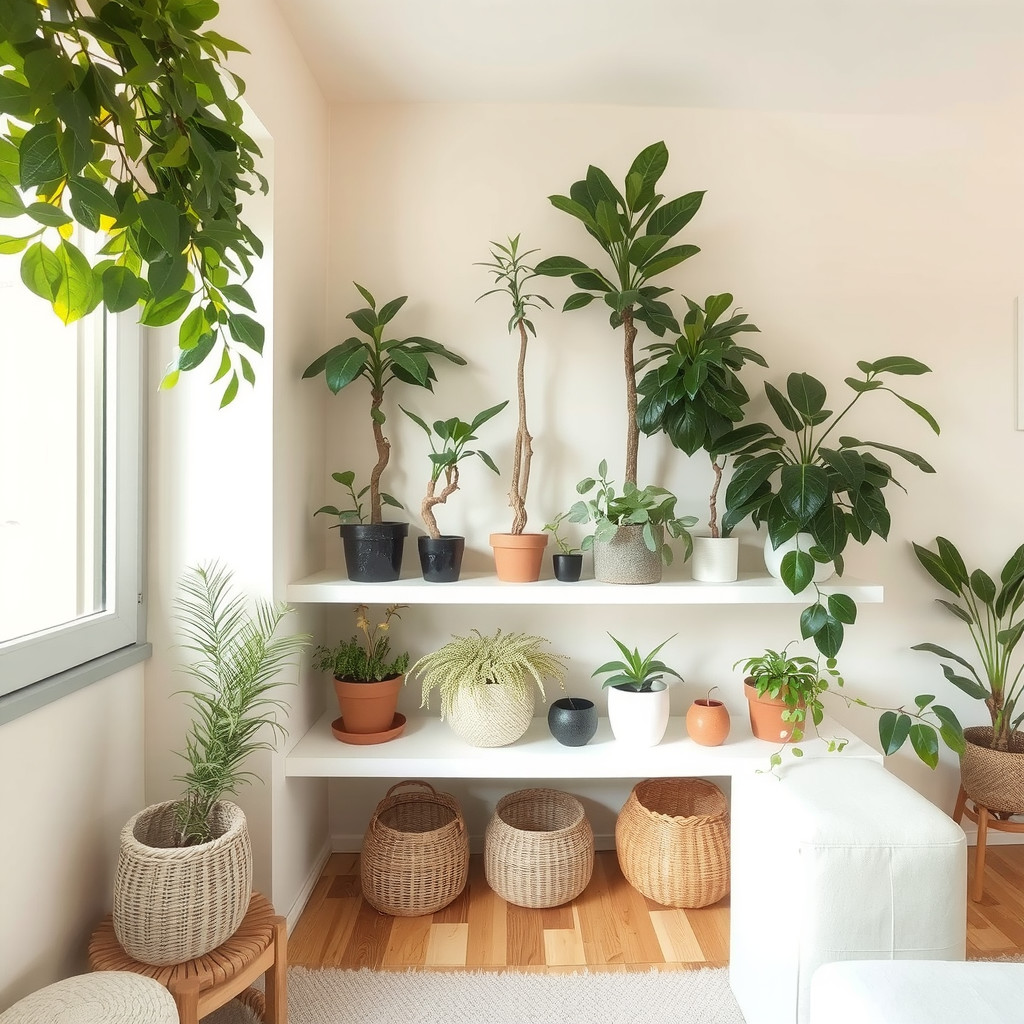
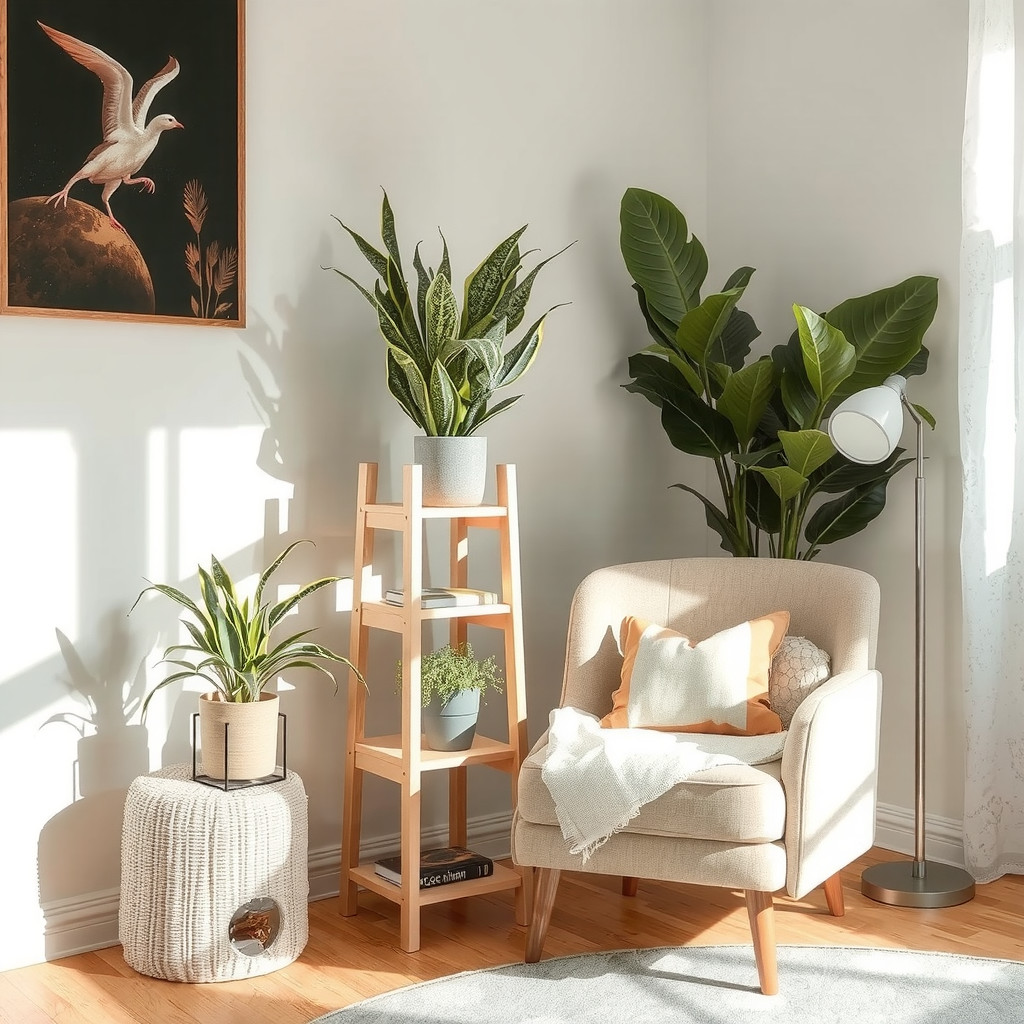
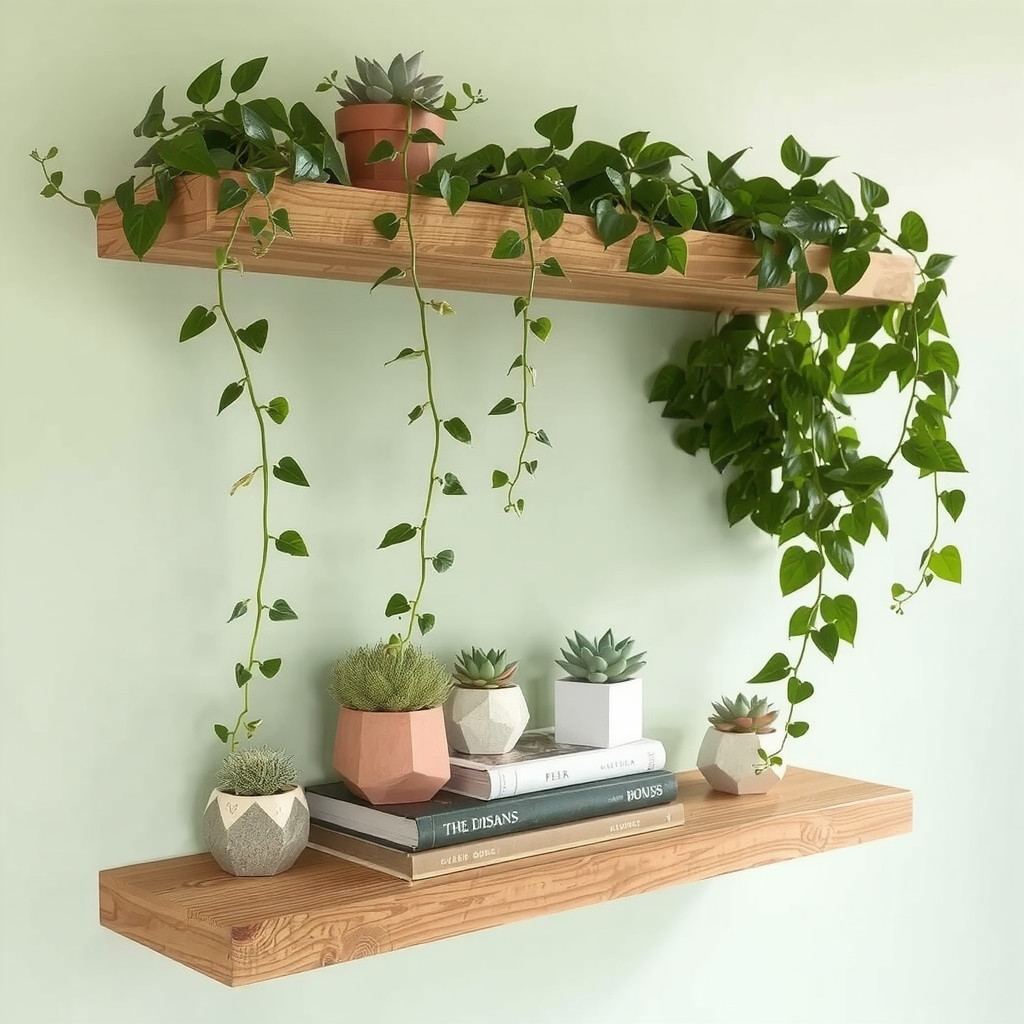
Utilize vertical space to draw the eye upward. Tall floor plants work wonders in empty corners, while trailing varieties can soften the edges of high bookshelves. Placing a plant stand near a seating area creates an intimate vignette, making the space feel inhabited and cozy.
Materials and Textiles
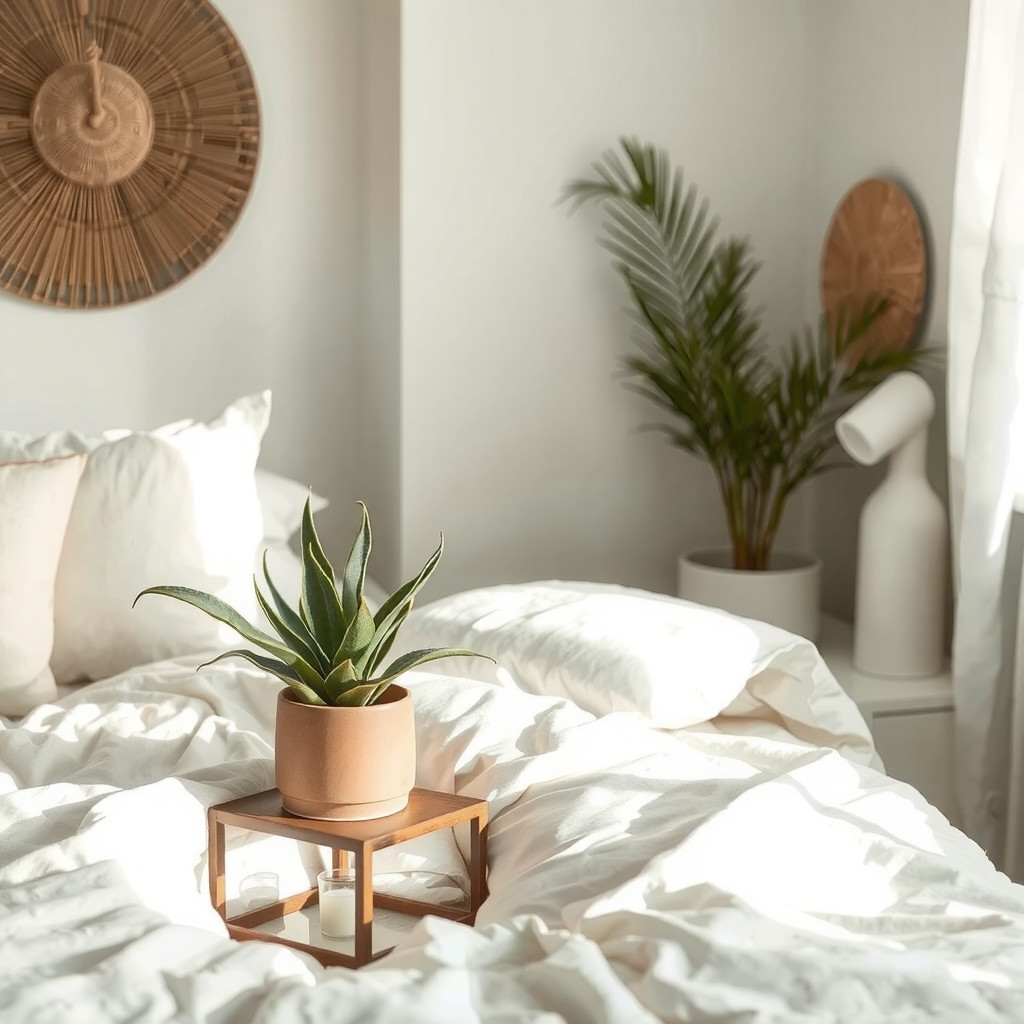
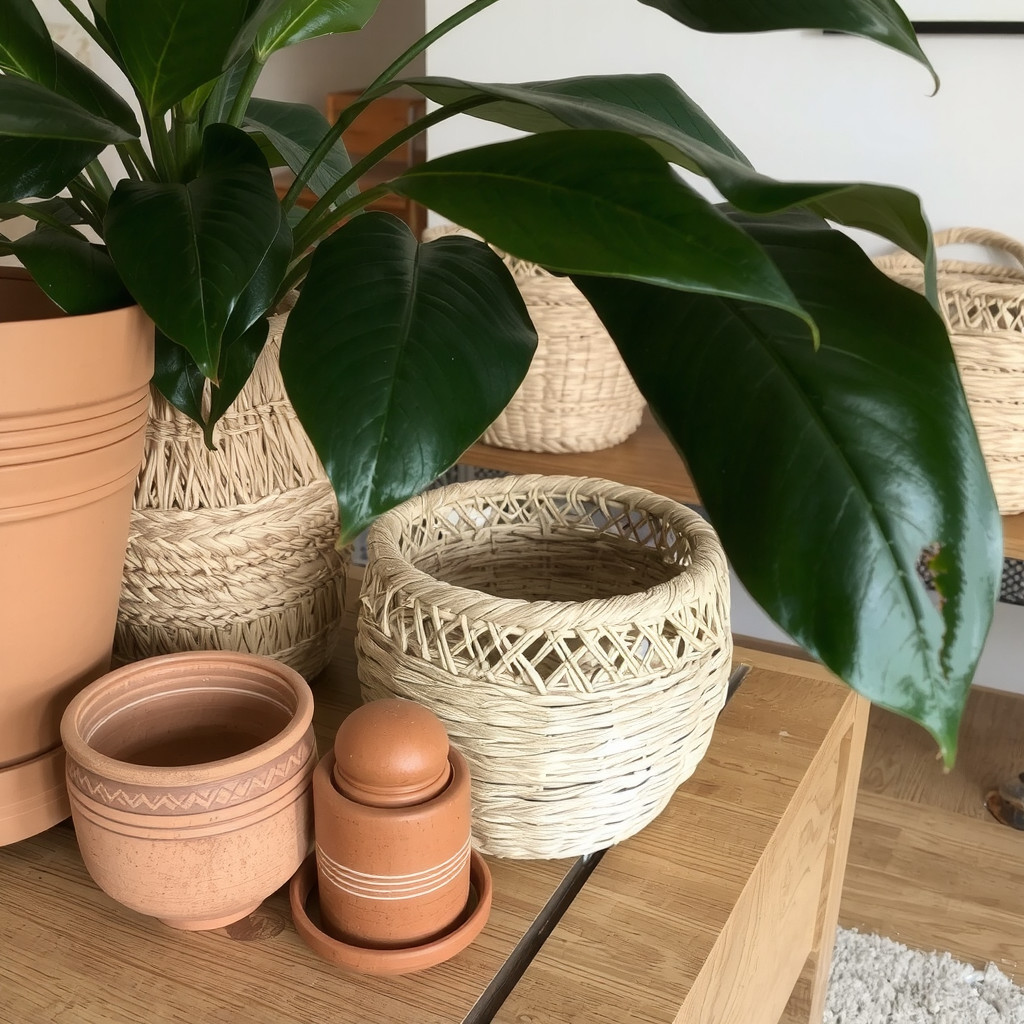
The vessels you choose for your plants are just as important as the foliage itself. Your choice of planters should complement the existing textures in your living room. If your space features sleek modern lines, balance them with organic, imperfect materials like hand-thrown terracotta, glazed ceramic, or woven seagrass baskets.
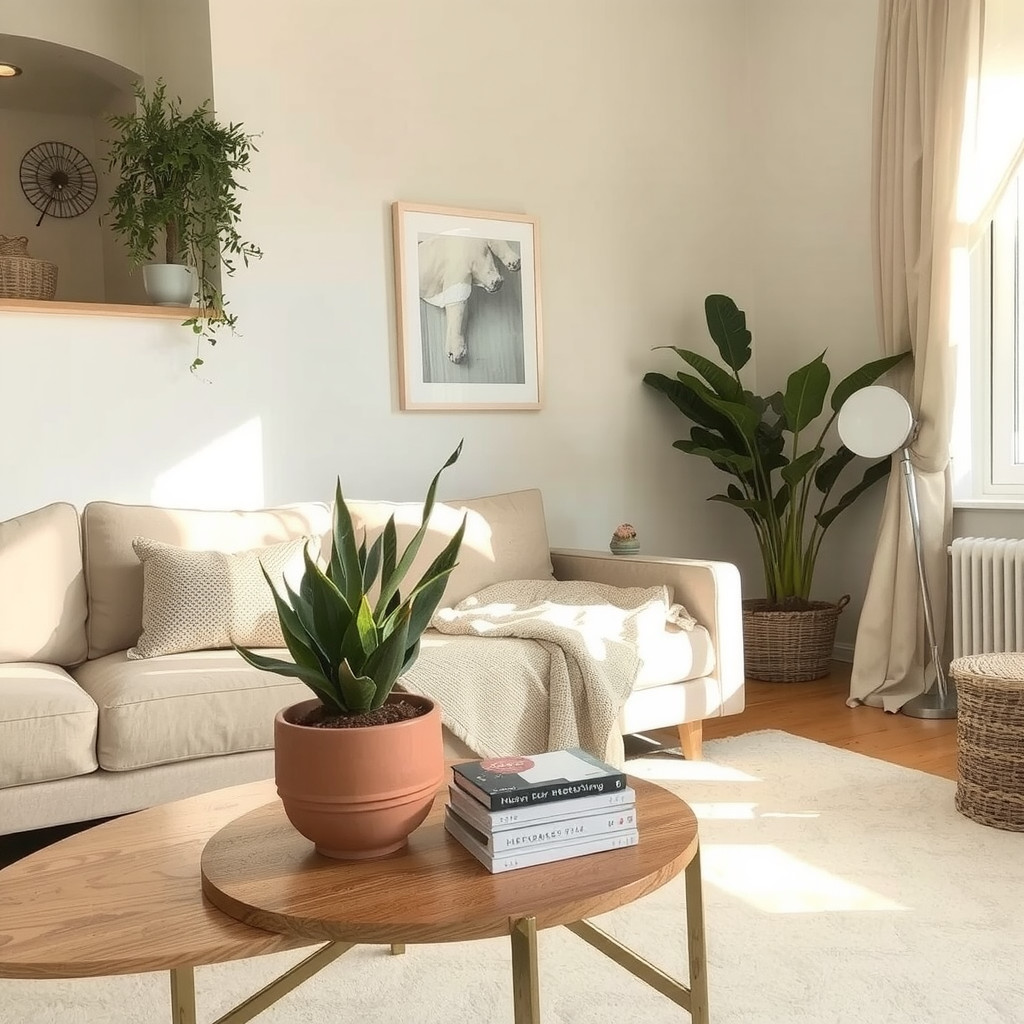
Consider the interplay between the plant’s texture and the fabrics in the room. The glossy, structured leaves of a Rubber Plant look stunning against the matte finish of a linen sofa or a wool boucle armchair. Conversely, the delicate, feathery fronds of a fern can add softness to a room dominated by leather and wood.
Focal Points
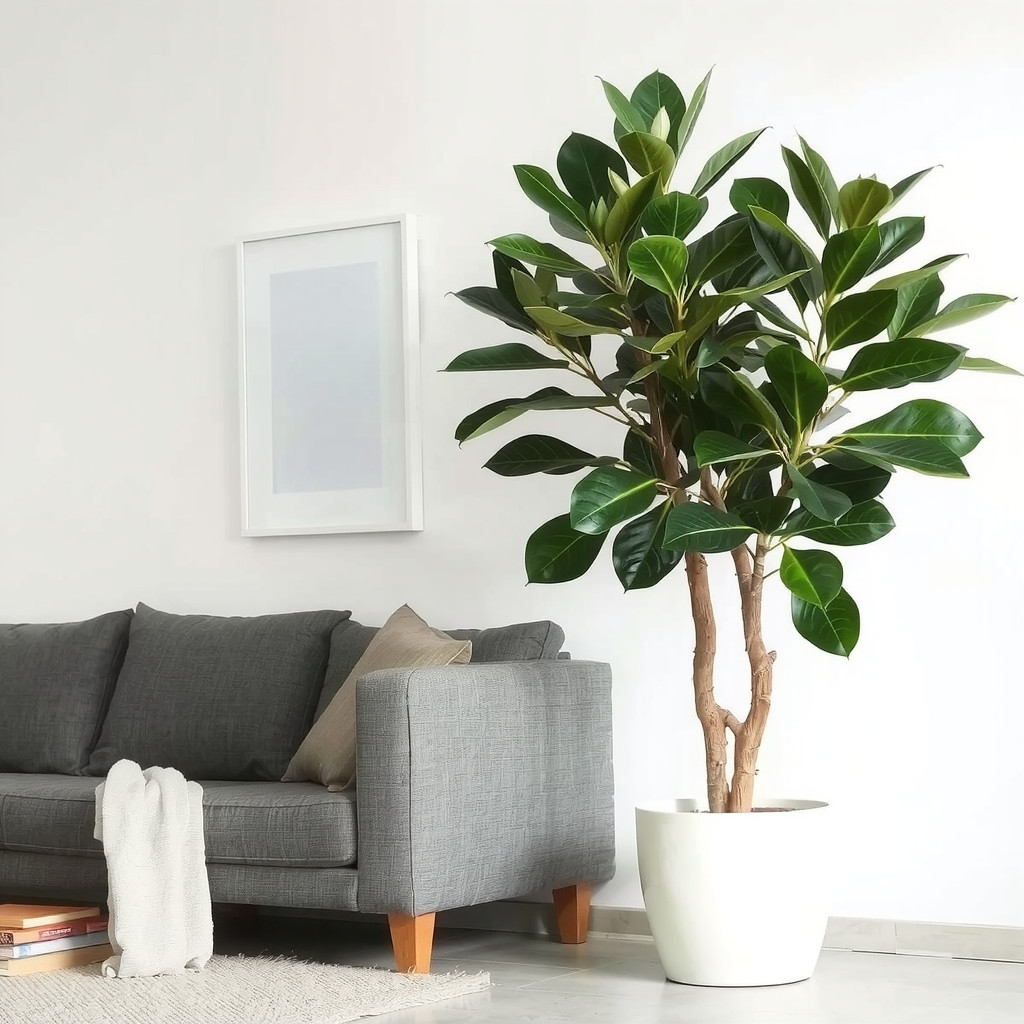
Every room needs a centerpiece, and a magnificent plant can rival any piece of art. A statement tree, such as a Fiddle Leaf Fig or a large Monstera Deliciosa, commands attention and instantly elevates the perceived ceiling height.
Position your statement plant where it can be admired but won’t obstruct pathways or conversation. Placing it beside a large window or flanking a fireplace allows it to frame the architectural features of the room. This living focal point adds drama and life, serving as a conversation starter and a grounding element for the rest of your decor.
Lighting
Light is the lifeblood of your indoor garden, but it also plays a crucial role in the room’s ambiance. Assess the natural light available throughout the day. South-facing windows offer intense sun perfect for cacti, while east-facing spots provide the gentle morning rays that most tropical plants adore.
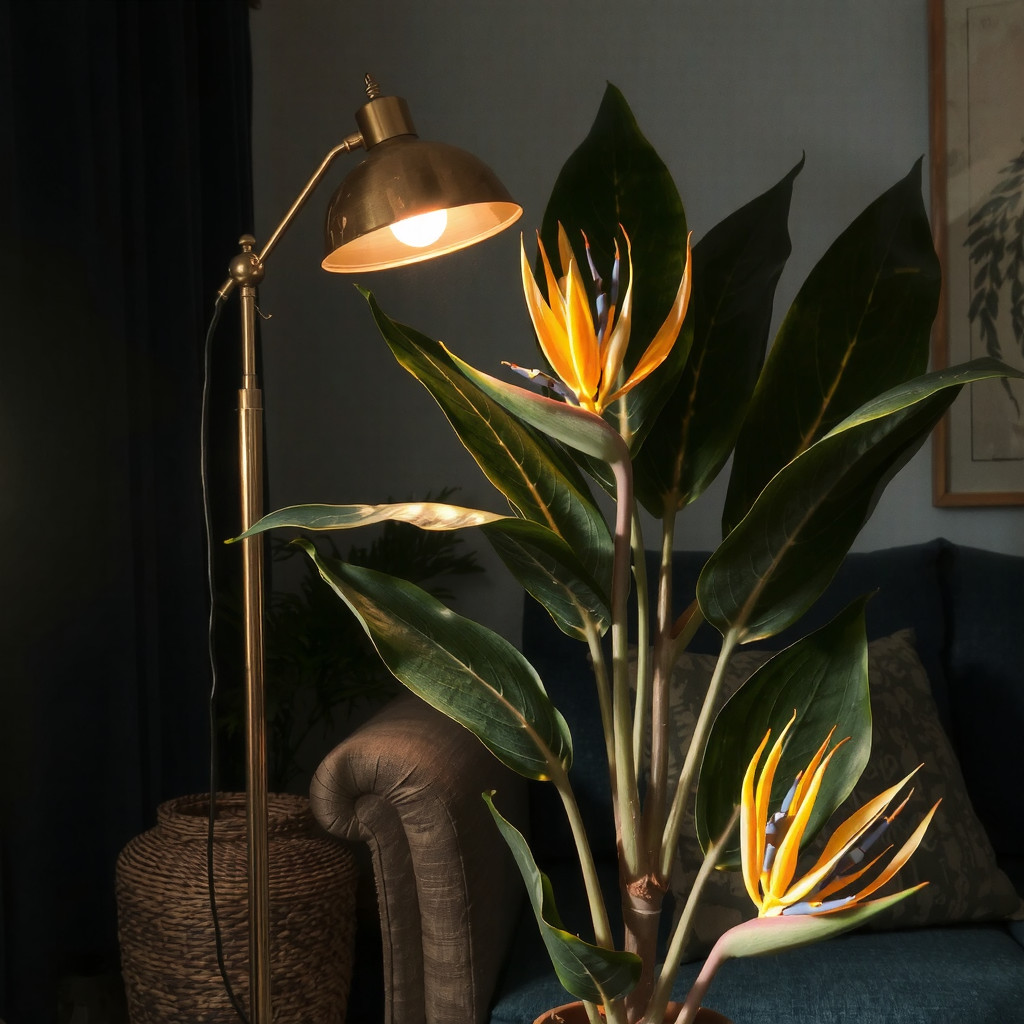
In the evening, don’t let your greenery fade into the shadows. Use floor lamps or uplighting to cast dramatic shadows through the foliage, turning your plants into evening art installations. This layering of light adds depth and mystery to the room after sunset.
Greenery
Selecting the right plant varieties is the final step in curating your living room. Aim for a mix of leaf shapes and shades of green to create visual interest. Combine the architectural uprightness of a Snake Plant with the cascading vines of a Pothos or Philodendron.
Don’t be afraid to mix faux plants with real ones if you have dark corners where nothing survives. High-quality artificial plants can blend seamlessly when placed on high shelves, while your live plants take center stage at eye level where their vitality can be appreciated.
Tips
- Group for Humidity: distinct plants grouped together create their own microclimate, retaining moisture better than solitary pots.
- Rotation is Key: Turn your plants a quarter inch every week to ensure even growth and prevent them from leaning desperately toward the light.
- Leaf Maintenance: Dust settles on leaves just like furniture; wipe them gently with a damp cloth to keep them breathing and looking glossy.
- Drainage Check: Always ensure decorative pots have drainage holes or use a nursery pot inside to prevent root rot.
- Color Echoing: Choose pot colors that pick up on accent colors in your throw pillows or rugs for a cohesive look.
ADVERTISEMENT