ADVERTISEMENT
Cultivating Calm: The Best Bedroom Plants for Restful Sleep
Introduction
Your bedroom should be a sanctuary of silence and rejuvenation, a retreat where the noise of the outside world fades into the background. Integrating living elements into your sleeping quarters does more than just beautify the space; it fosters a profound connection to the natural rhythms of life. Plants do more than purify the air—they introduce a living, breathing calmness that synthetic decor simply cannot replicate. By curating a selection of greenery, you are not just decorating; you are cultivating an ecosystem of tranquility designed to support deep, restorative sleep.
Layout and Positioning
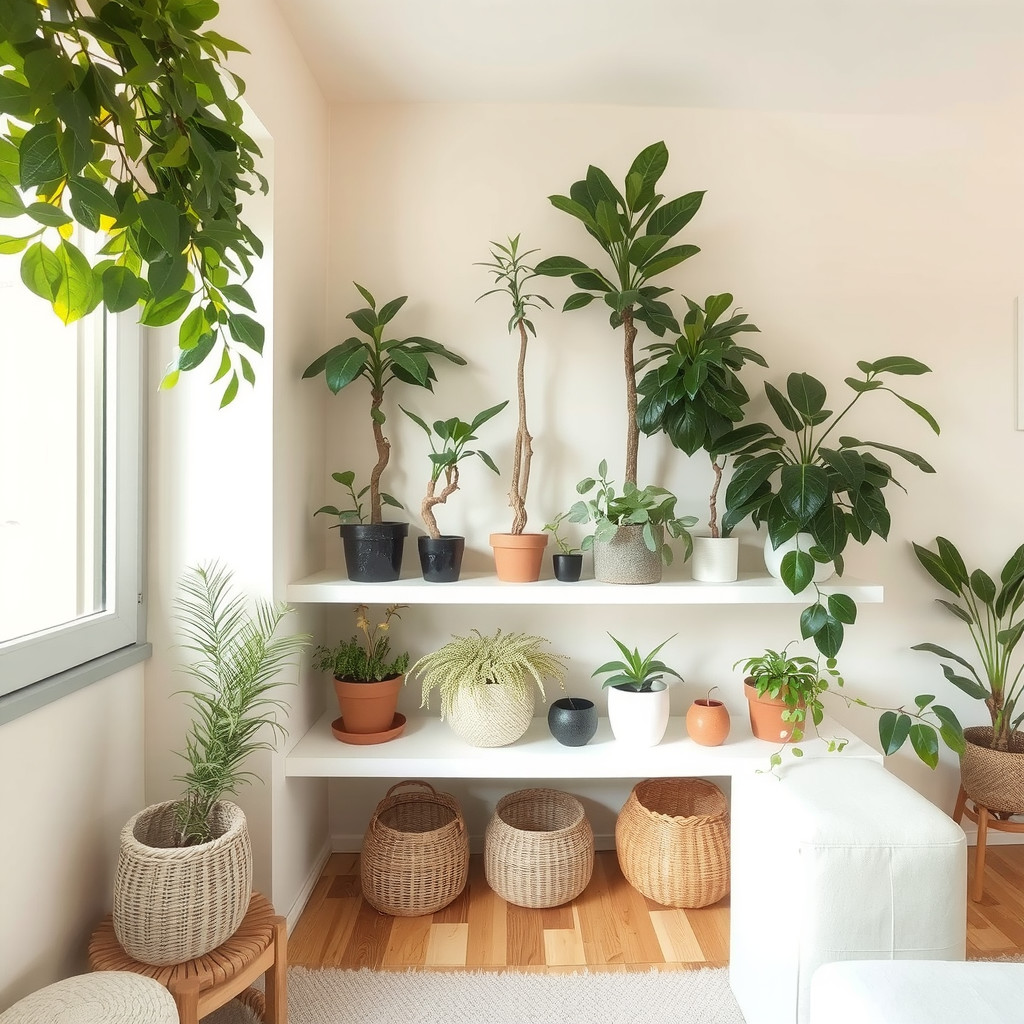
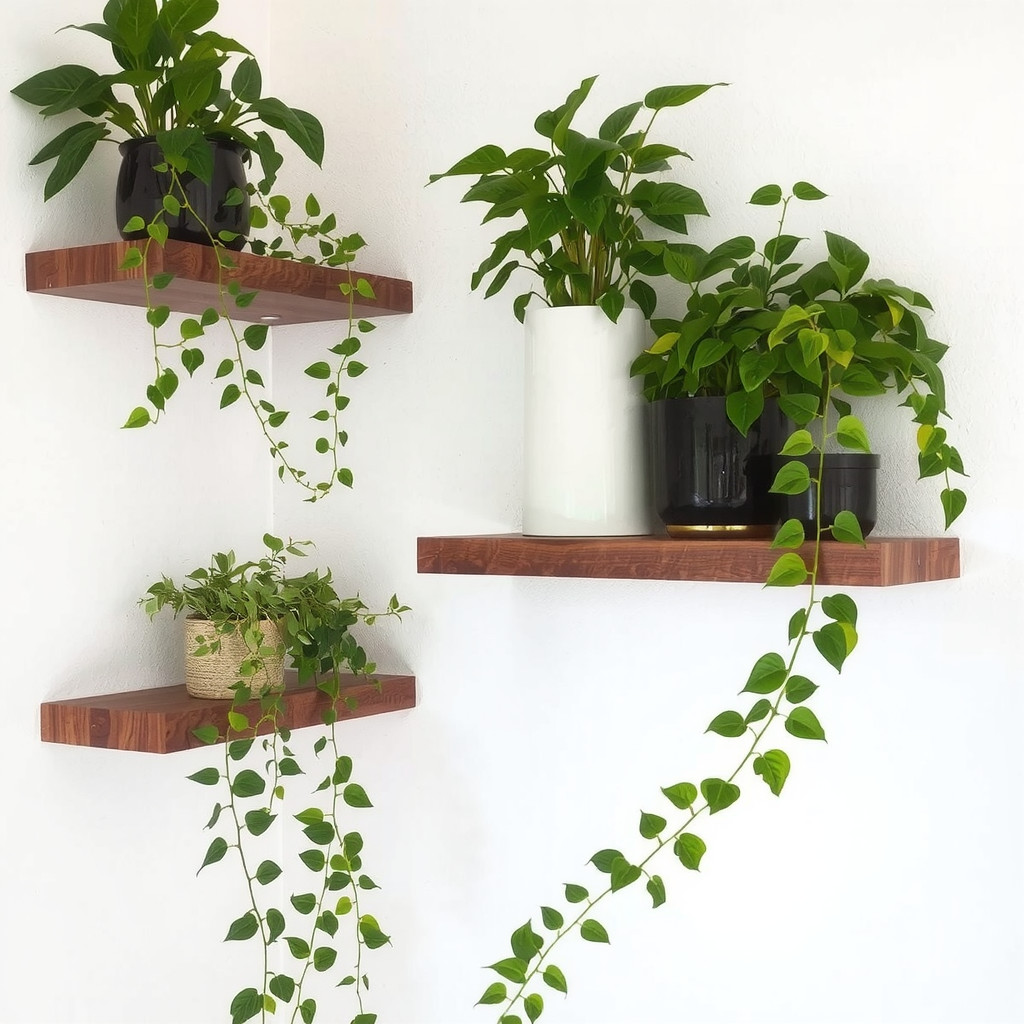
Strategic placement is essential to maintaining a clutter-free environment conducive to rest. A chaotic room often leads to a chaotic mind, so purposeful positioning is key. Avoid overcrowding your bedside table, which can lead to visual stress right before you close your eyes. Instead, look to the periphery of the room. Utilize vertical space with macramé hanging planters or mount minimal floating shelves to display trailing varieties like Pothos or English Ivy. This approach draws the eye upward, making the room feel more spacious and airy while keeping surfaces clear for your essentials.
Materials and Textiles
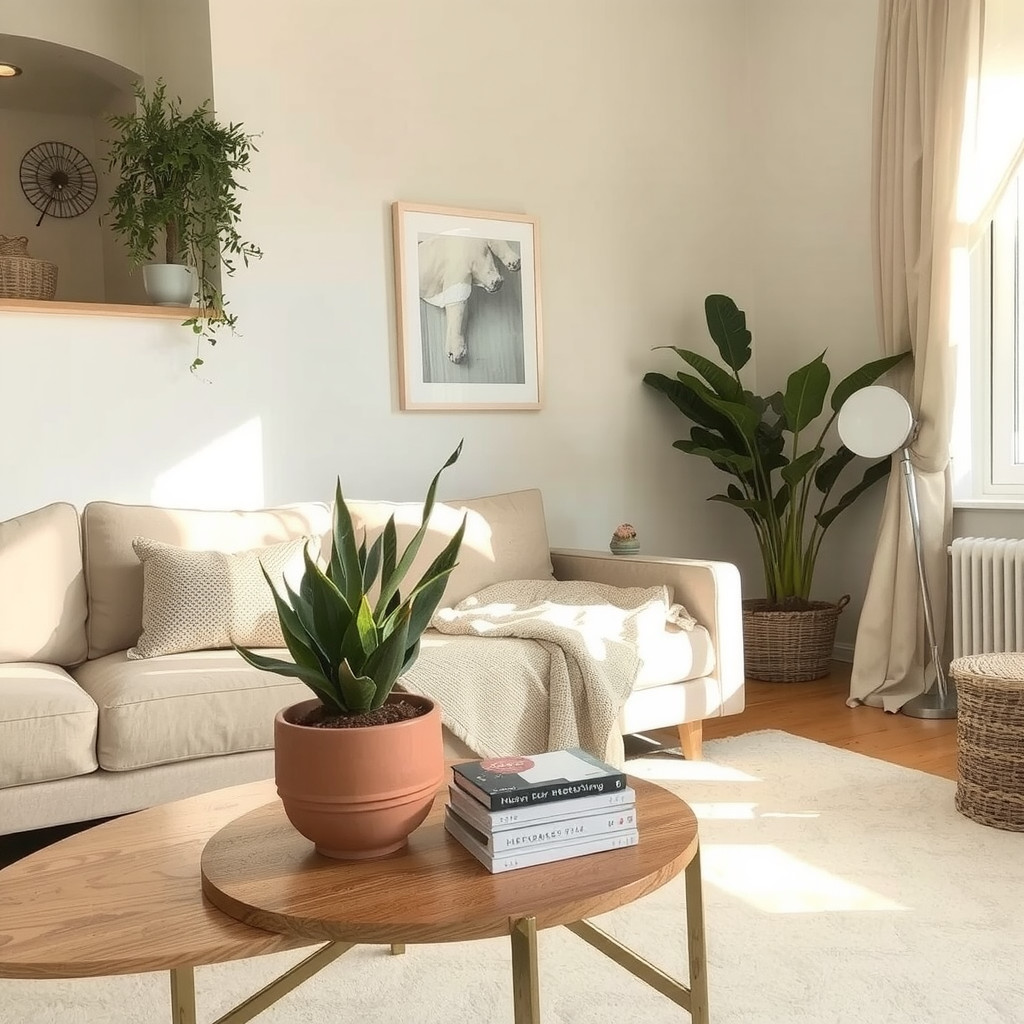
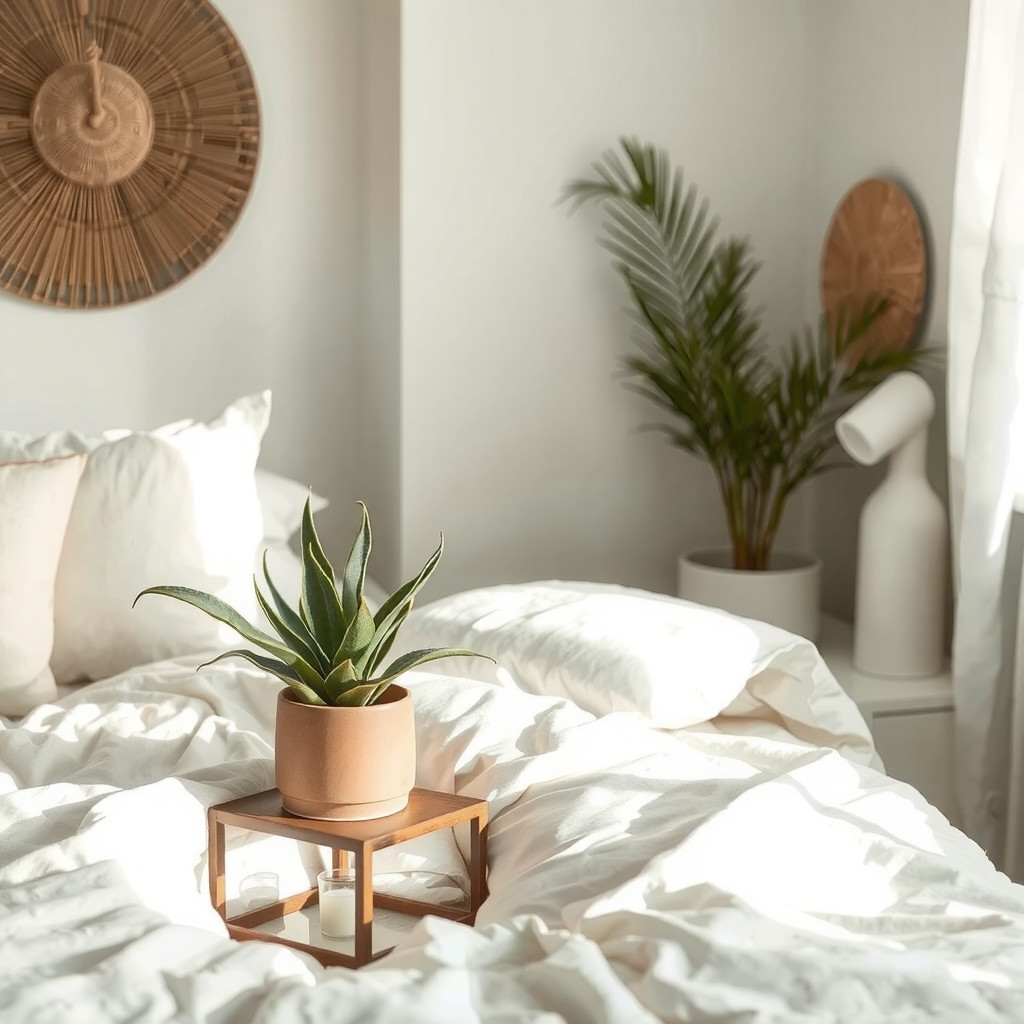
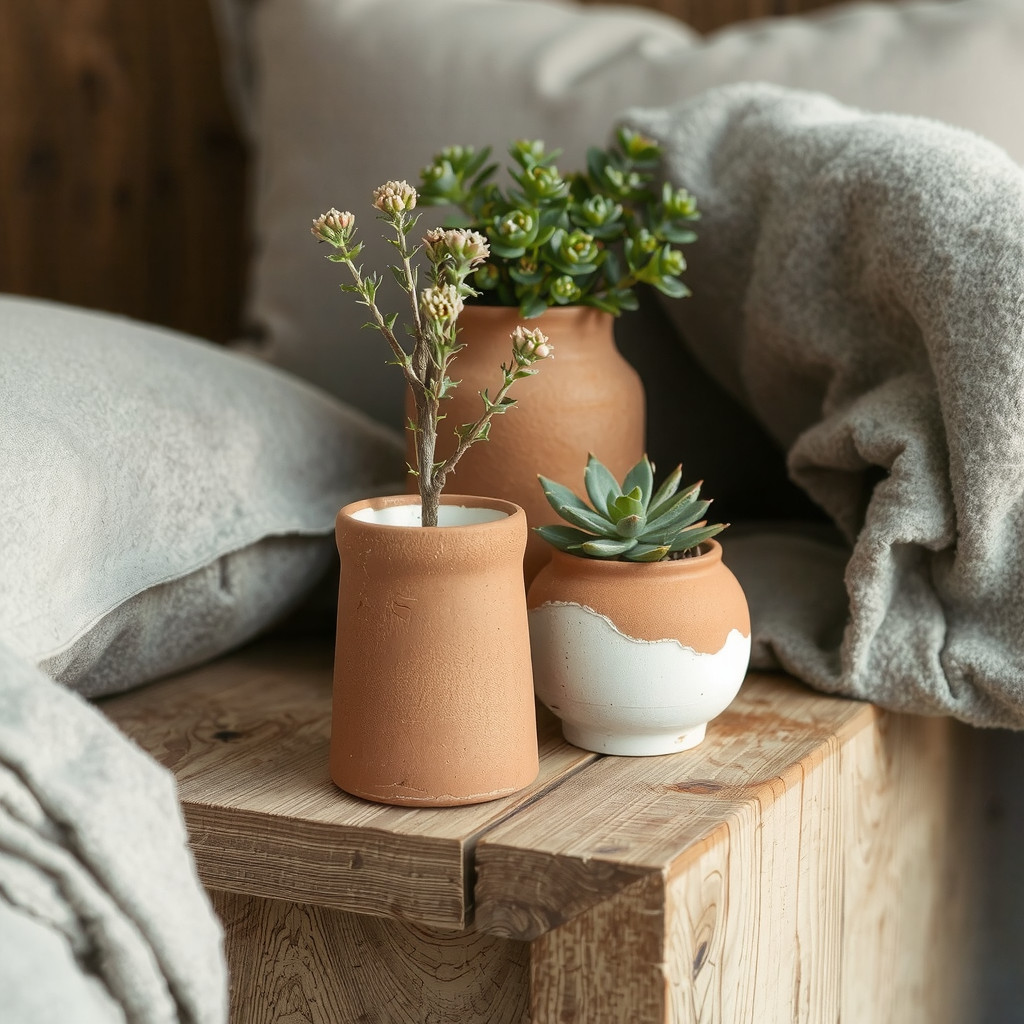
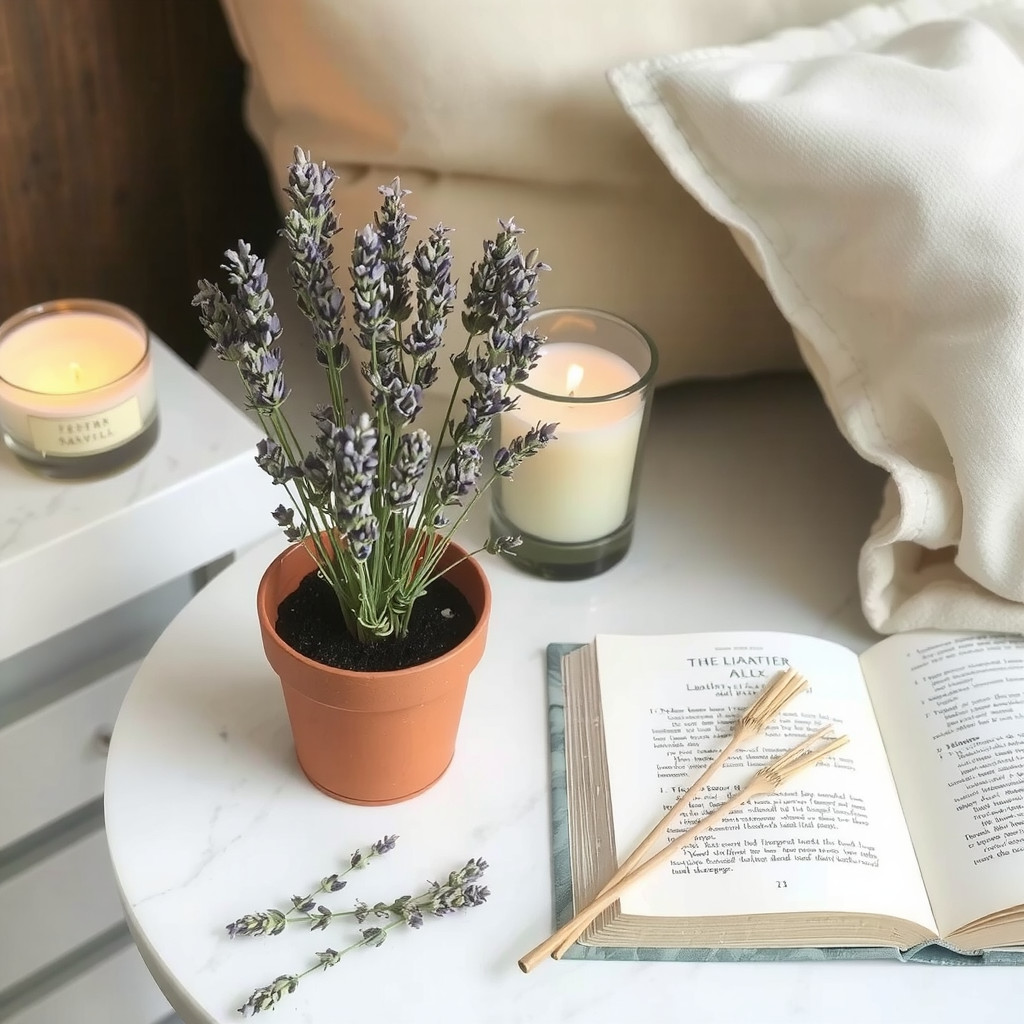
The vessels housing your greenery are just as important as the plants themselves. They should harmonize with the tactile experience of your bedroom’s interior. Choose planters that complement the soft furnishings of your space. Porous terracotta pots or woven seagrass baskets bring an earthy, grounded feel that pairs beautifully with washed linen sheets and chunky wool throws. For a more modern, sleek look, matte ceramic pots in soothing tones of blush, sage, or charcoal can echo the color palette of your bedding, creating a seamless visual flow.
Focal Points
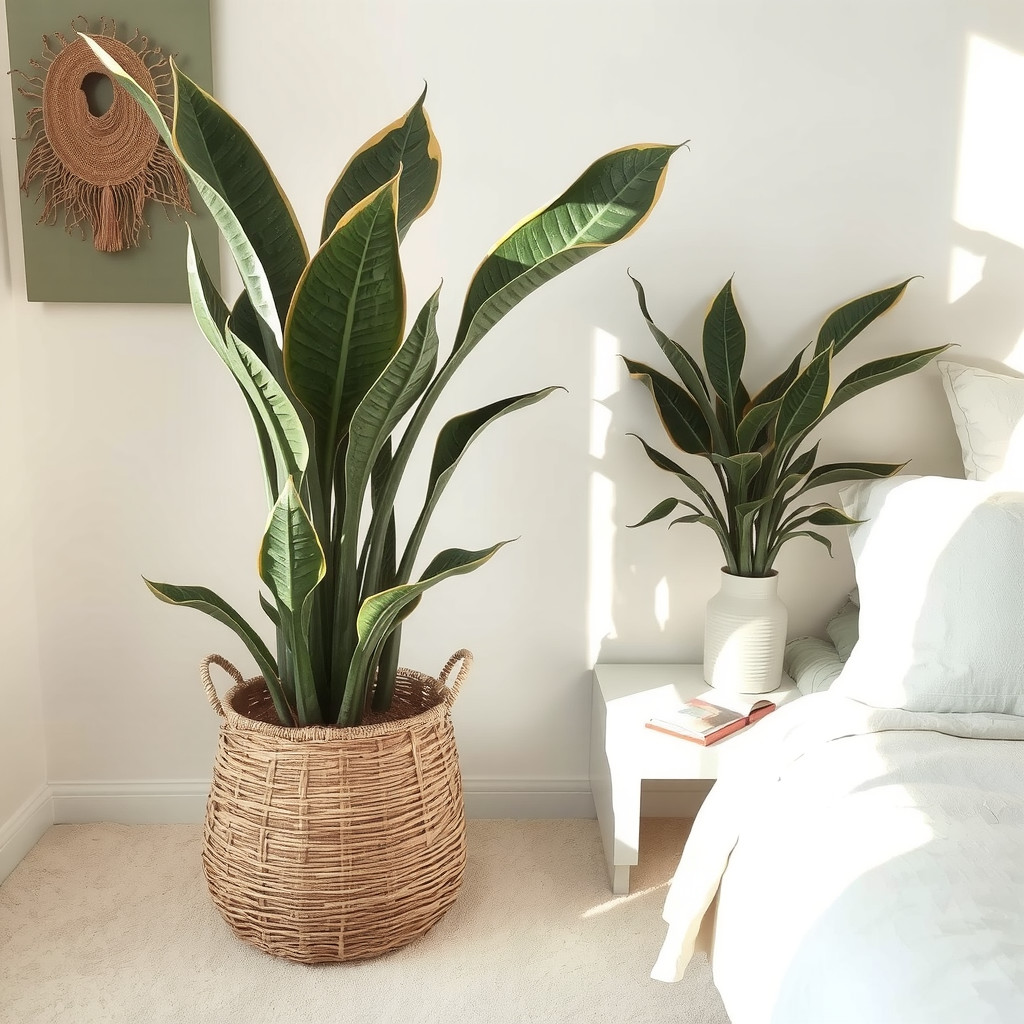
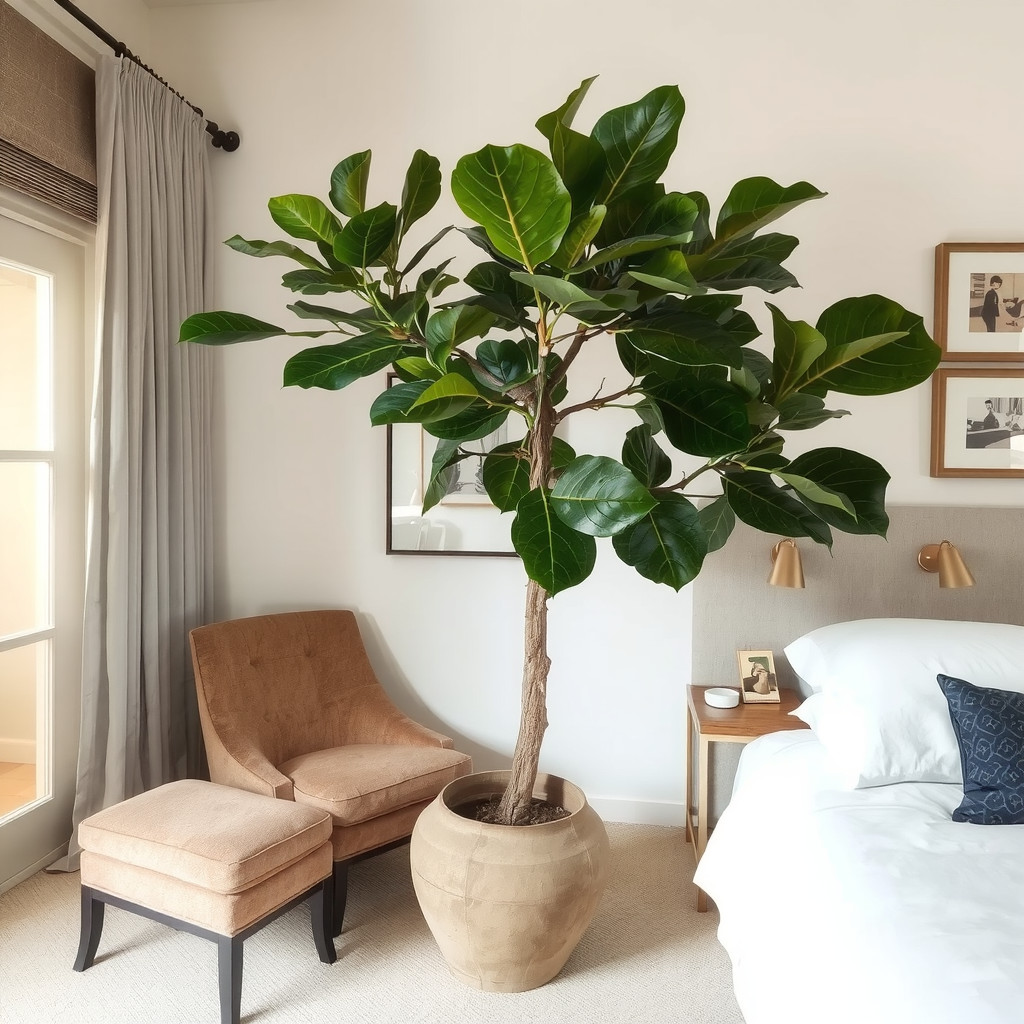
While small succulents are charming, a singular, architectural plant can serve as a stunning focal point that anchors the room. A tall Snake Plant (Sansevieria) or a structural Rubber Plant placed in an empty corner adds verticality and drama without overwhelming the senses. This living sculpture creates a sense of stability and permanence in your personal retreat. Placing a larger plant near a reading chair or a vanity creates a dedicated “living corner,” inviting you to pause and breathe deeply before stepping into bed.
Lighting
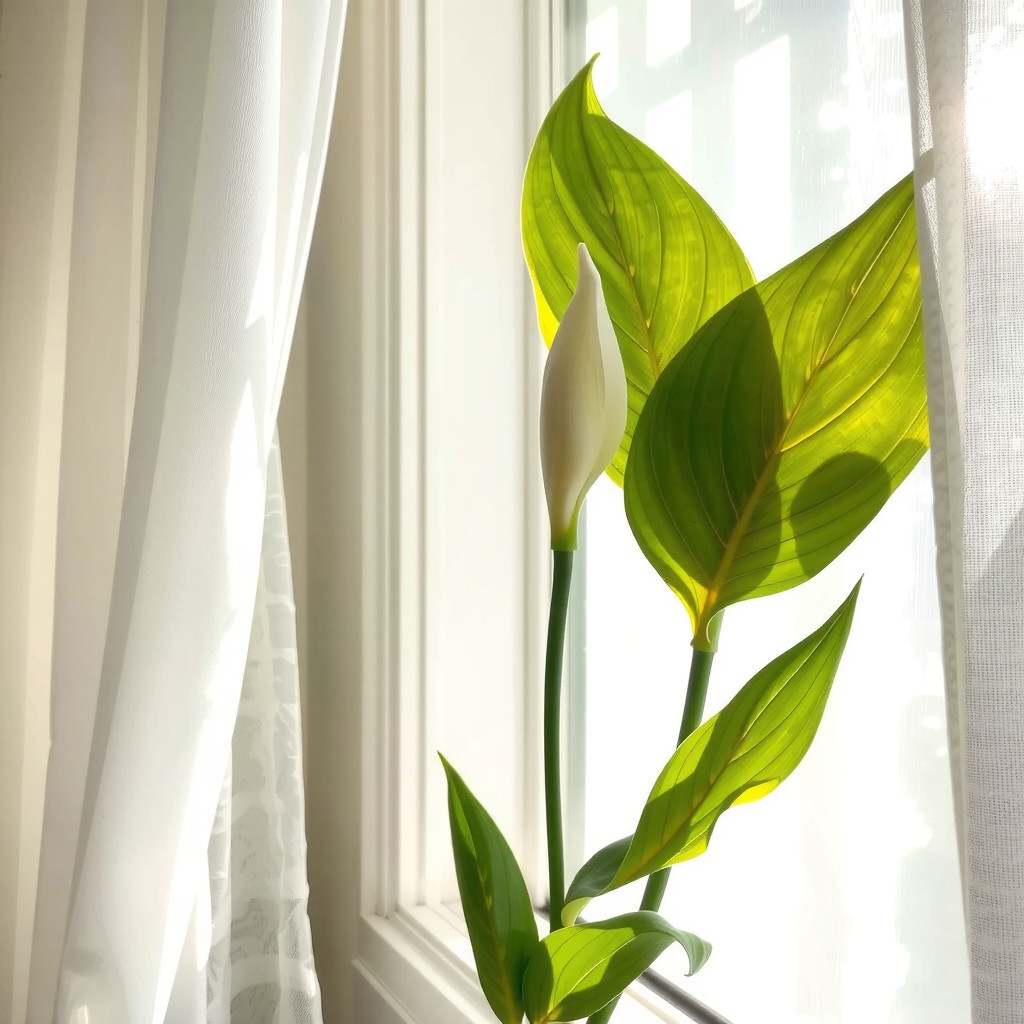
Balancing plant health with sleep hygiene requires careful attention to light sources. Most sleep-friendly plants thrive in indirect sunlight, which aligns perfectly with a relaxing bedroom ambiance. Position your greenery near windows but behind sheer curtains to diffuse harsh rays, creating a soft, glowing effect during the day. In darker corners, consider a plant that tolerates low light, such as a ZZ plant, ensuring your room remains a dim, cozy cocoon for sleep while still supporting vibrant life.
Greenery
Select species renowned not just for their beauty, but for their air-purifying and sedative properties. The Snake Plant is unique as it continues to release oxygen at night, unlike most plants, making it a top contender for improving air quality while you dream. Lavender, with its delicate purple blooms and silvery foliage, offers a gentle aroma proven to lower heart rate and blood pressure. The Peace Lily is another excellent choice; it filters airborne toxins and increases humidity, which can alleviate dry sinuses for a better night’s rest.
Tips
- Dust Regularly: Gently wipe leaves with a damp microfiber cloth to maximize photosynthesis and keep the air in your room fresh and dust-free.
- Water Wisely: Overwatering leads to root rot and mold; check soil moisture weekly to prevent damp smells that could disturb your sleep environment.
- Rotate Frequently: Turn your pots every few weeks to ensure even growth on all sides, preventing plants from leaning too heavily toward the light source.
- Check Toxicity: Always verify that your chosen plants are safe for any cats or dogs that share your sleeping space to ensure a worry-free sanctuary.
ADVERTISEMENT