ADVERTISEMENT
Effortless Elegance: Mastering Budget-Friendly Minimalism
Introduction Creating a home that feels curated and luxurious does not require a sprawling budget or designer labels. True elegance often stems from simplicity and the intentional arrangement of what you already own. When you strip away the excess, you allow the architecture and the essential character of a room to breathe. By focusing on balance, light, and texture, you can transform a chaotic space into a serene sanctuary. This approach invites you to see potential in the ordinary, turning constraints into creative opportunities for a sophisticated aesthetic.
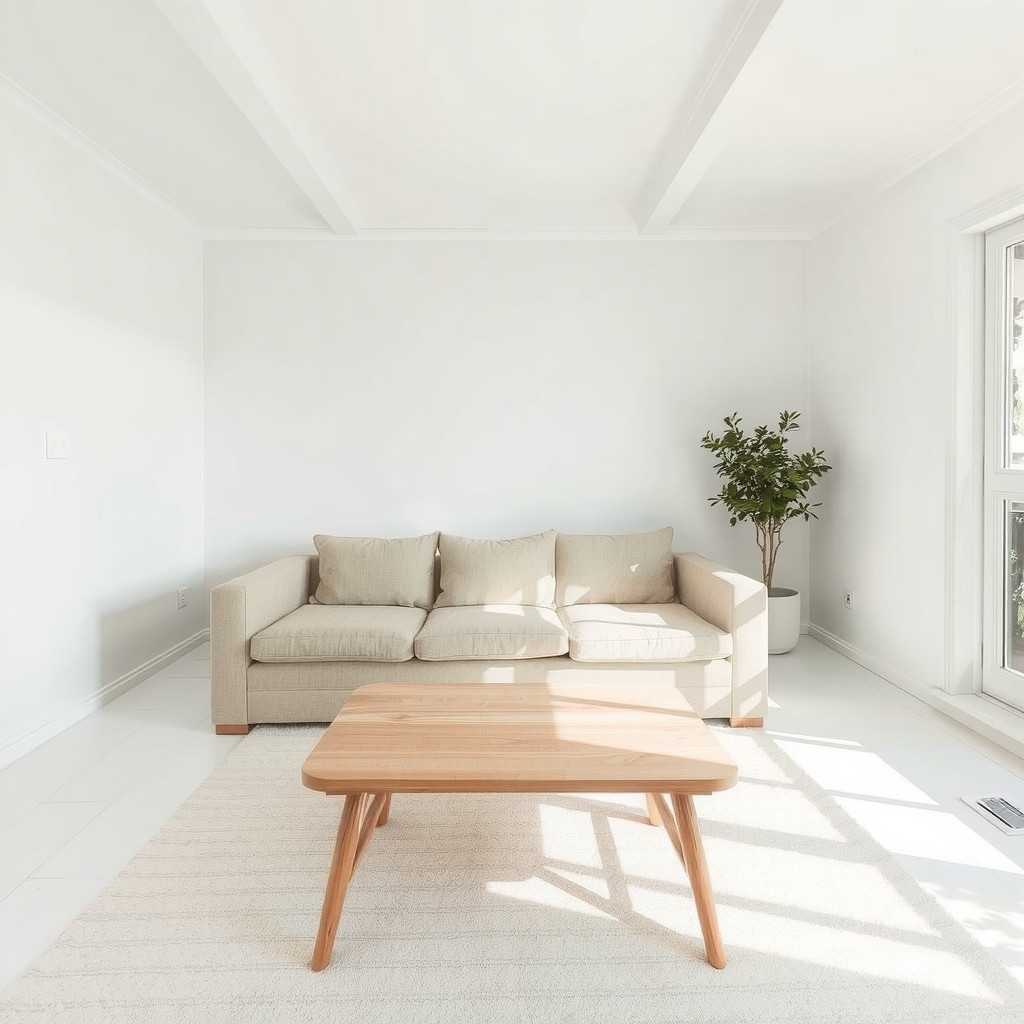
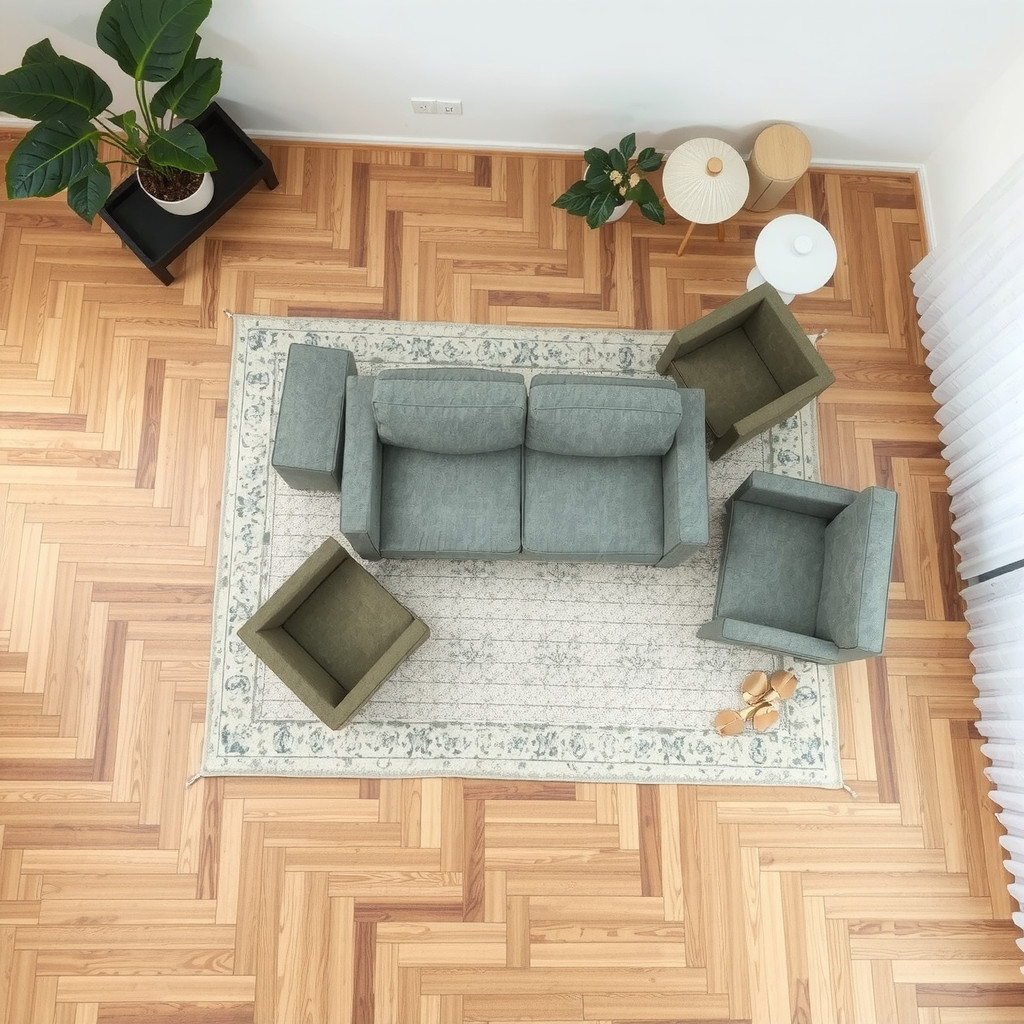
Layout and Positioning The most powerful tool in your design arsenal is completely free: negative space. Instead of pushing furniture against the walls, which can make a room feel static and boxy, try floating your sofa or armchairs in the center of the room to create intimate conversation zones. This simple shift improves traffic flow and adds an air of spaciousness. Ensure there is a clear path between zones, allowing energy to move freely. By decluttering surfaces and leaving some corners empty, you give the eye a place to rest, making the room feel larger and more purposeful.
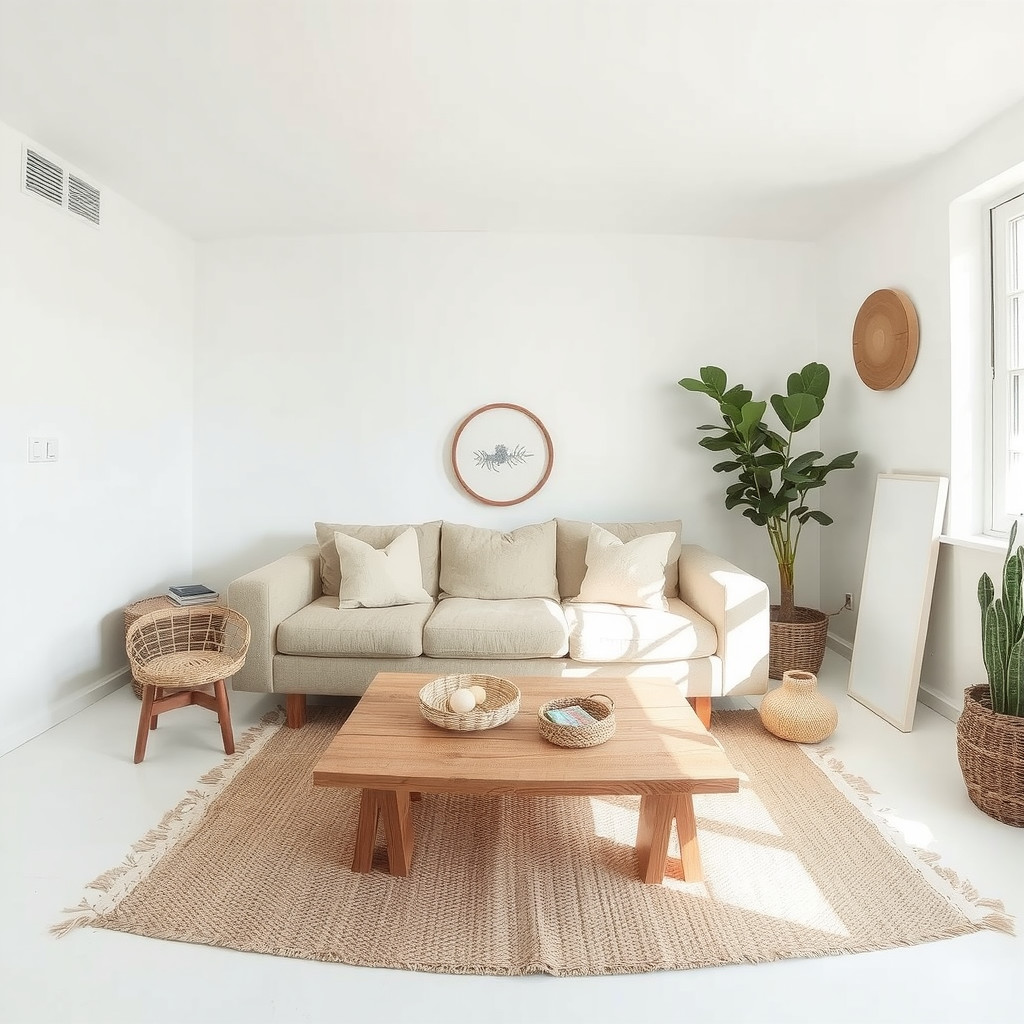
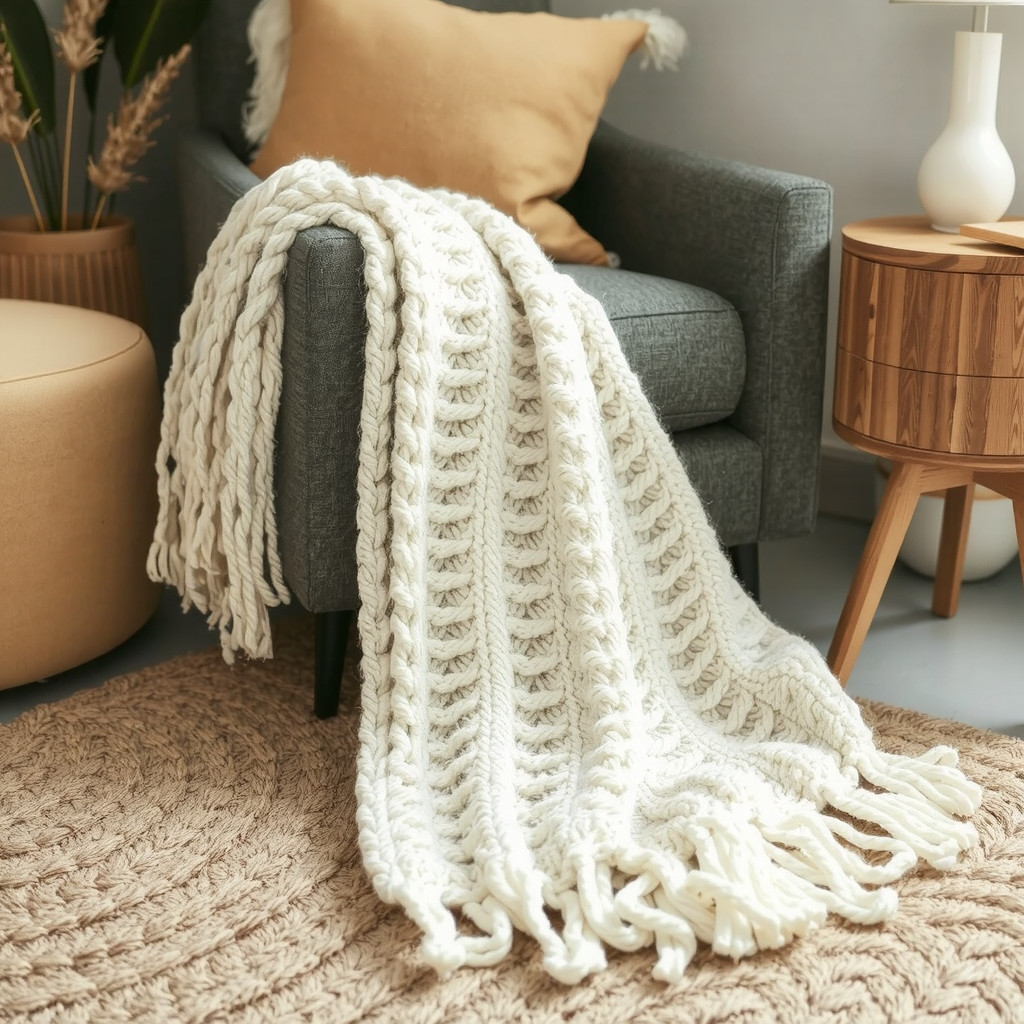
Materials and Textiles Affordable design relies heavily on texture to add depth and interest without the high cost of expensive finishes. Layering is key here. Combine a flat-weave jute rug with a soft, high-pile throw to create a tactile landscape that feels rich and inviting. Look for natural materials like unbleached cotton, linen, or bamboo, which age beautifully and add an organic warmth. Even simple canvas drop cloths can be repurposed into chic curtains or slipcovers. The interplay of rough and smooth surfaces elevates the sensory experience of the room, making it feel finished and thoughtful.
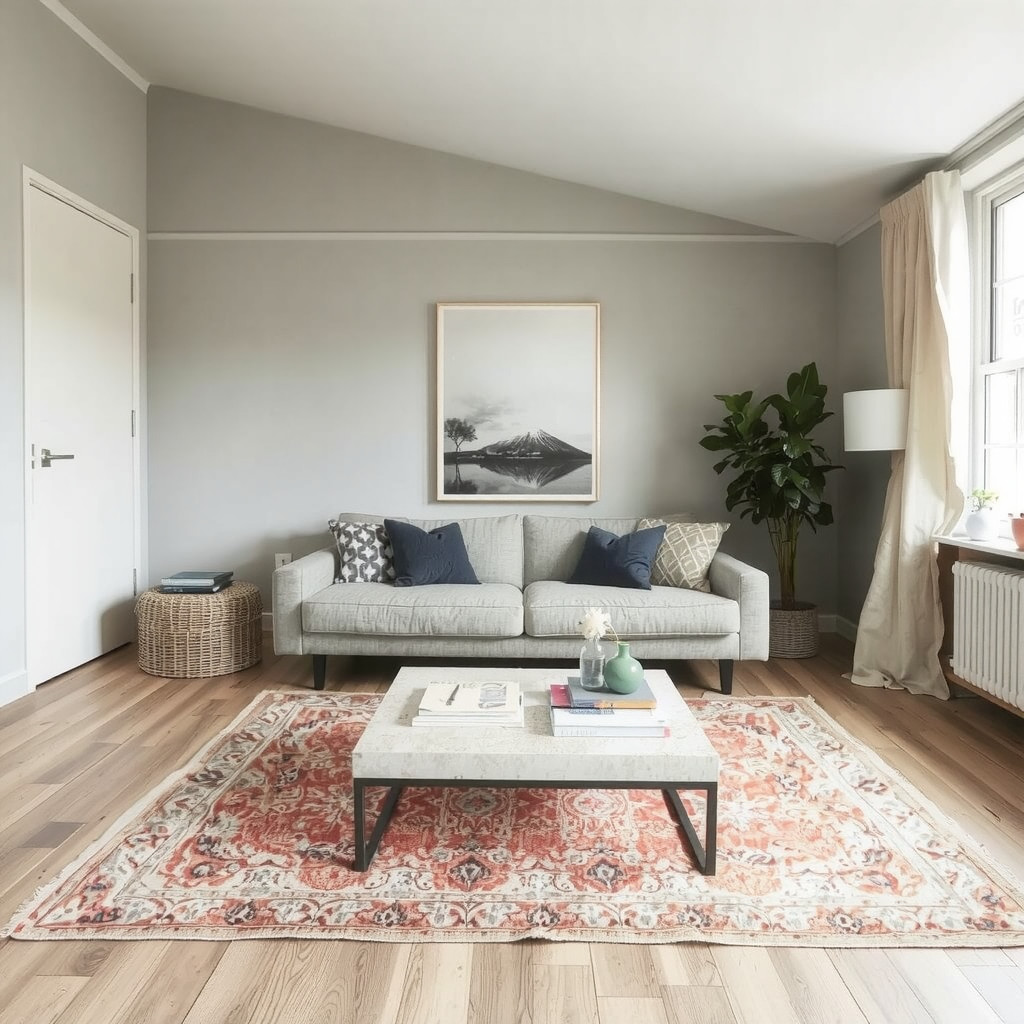
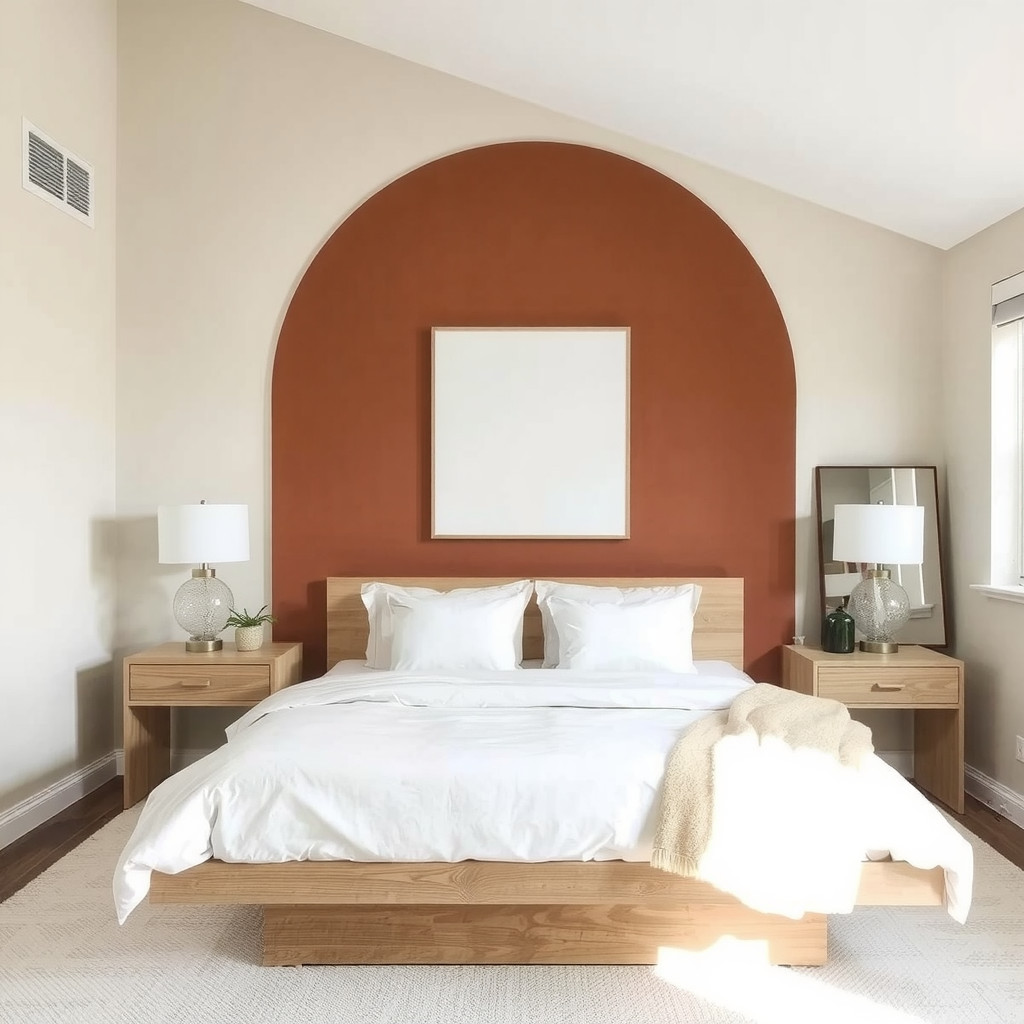
Focal Points Every room needs an anchor to ground the design and provide visual weight. On a budget, this doesn’t have to be a grand fireplace or an expensive piece of art. You can create a stunning focal point with a can of paint by creating a color-block feature wall or a painted arch behind a bed or console table. Alternatively, group a collection of smaller, thrifty frames into a cohesive gallery wall. The goal is to direct attention to one specific area, establishing a hierarchy that organizes the rest of the space.
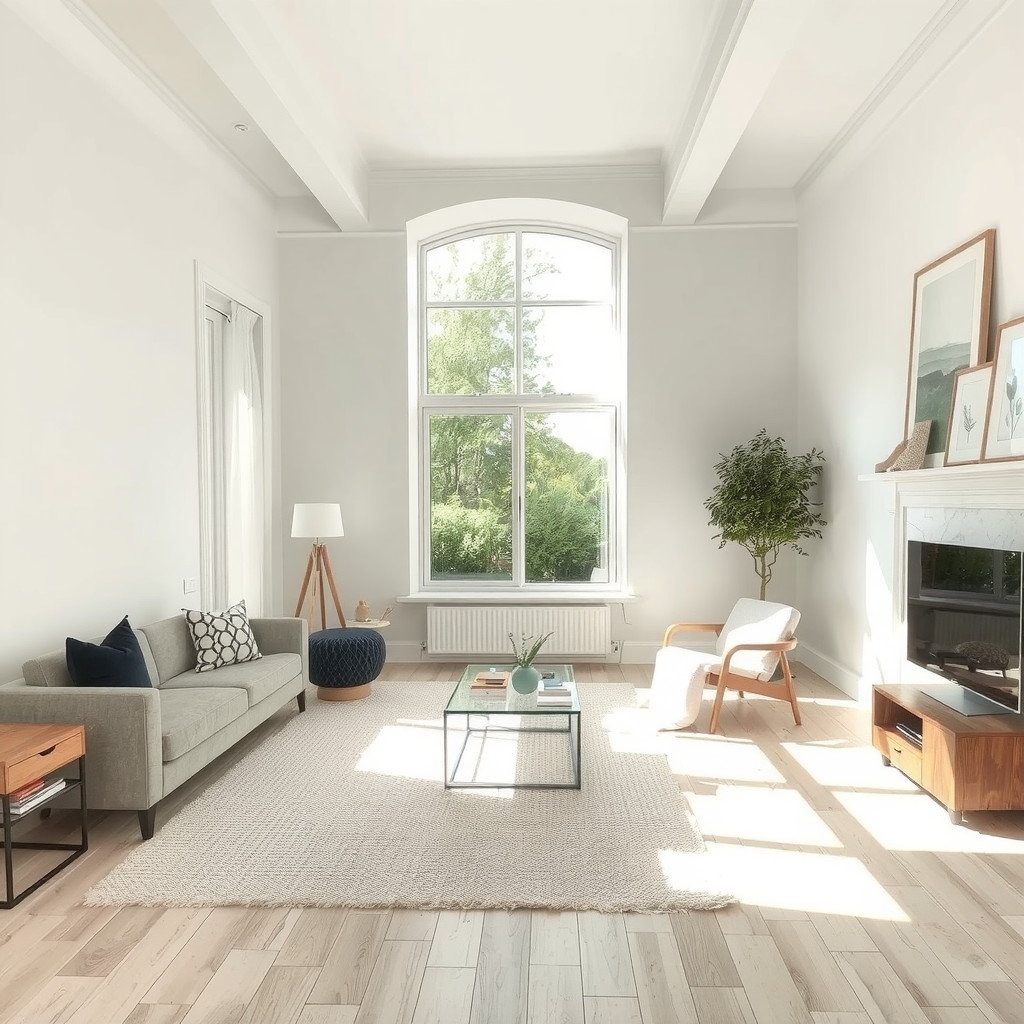
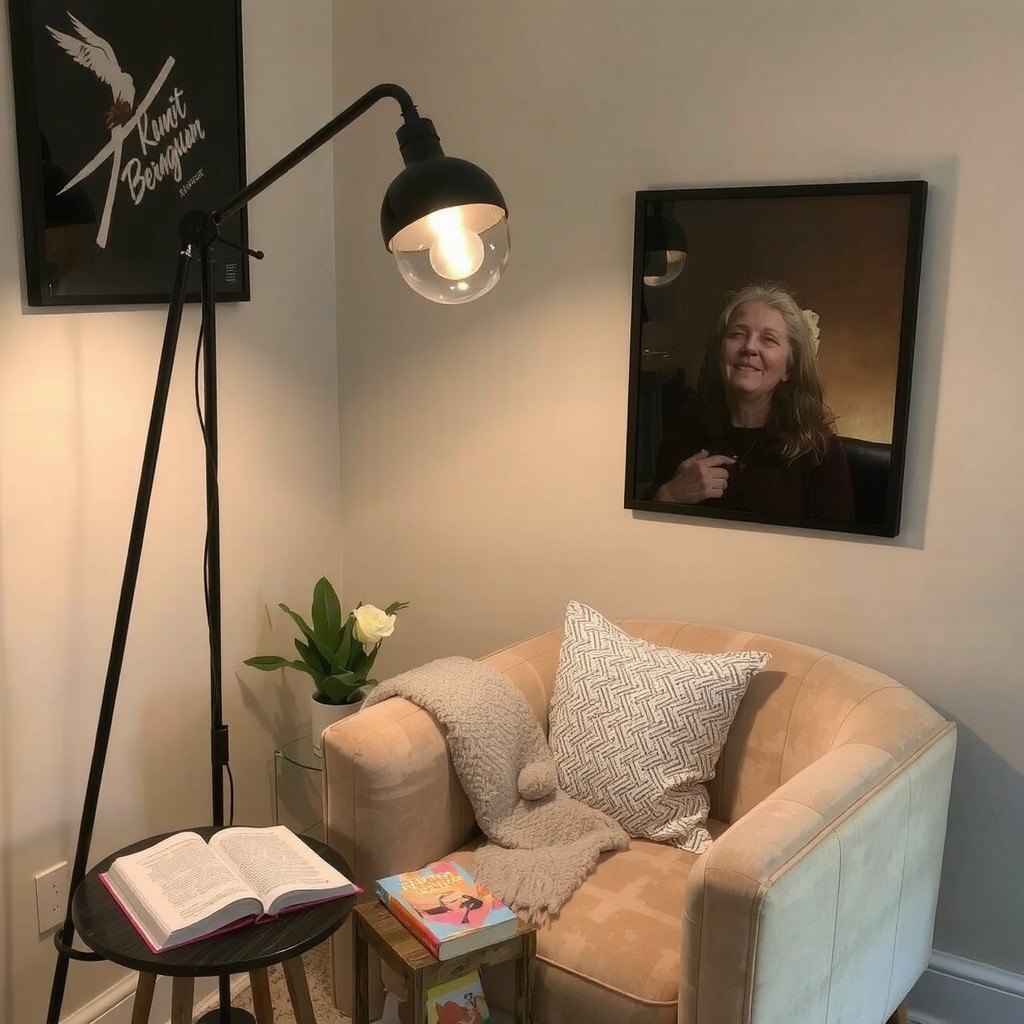
Lighting Lighting defines the mood more than any piece of furniture. Avoid relying solely on the harsh, overhead light that comes standard in most rooms. Instead, build layers of illumination using table lamps, floor lamps, and candles to create pools of warm light. Swapping out cool-toned bulbs for warm white LEDs is an inexpensive upgrade that instantly softens the atmosphere. Position a lamp near a mirror to reflect light and double the brightness, making the space feel airy and open during the day and cozy at night.
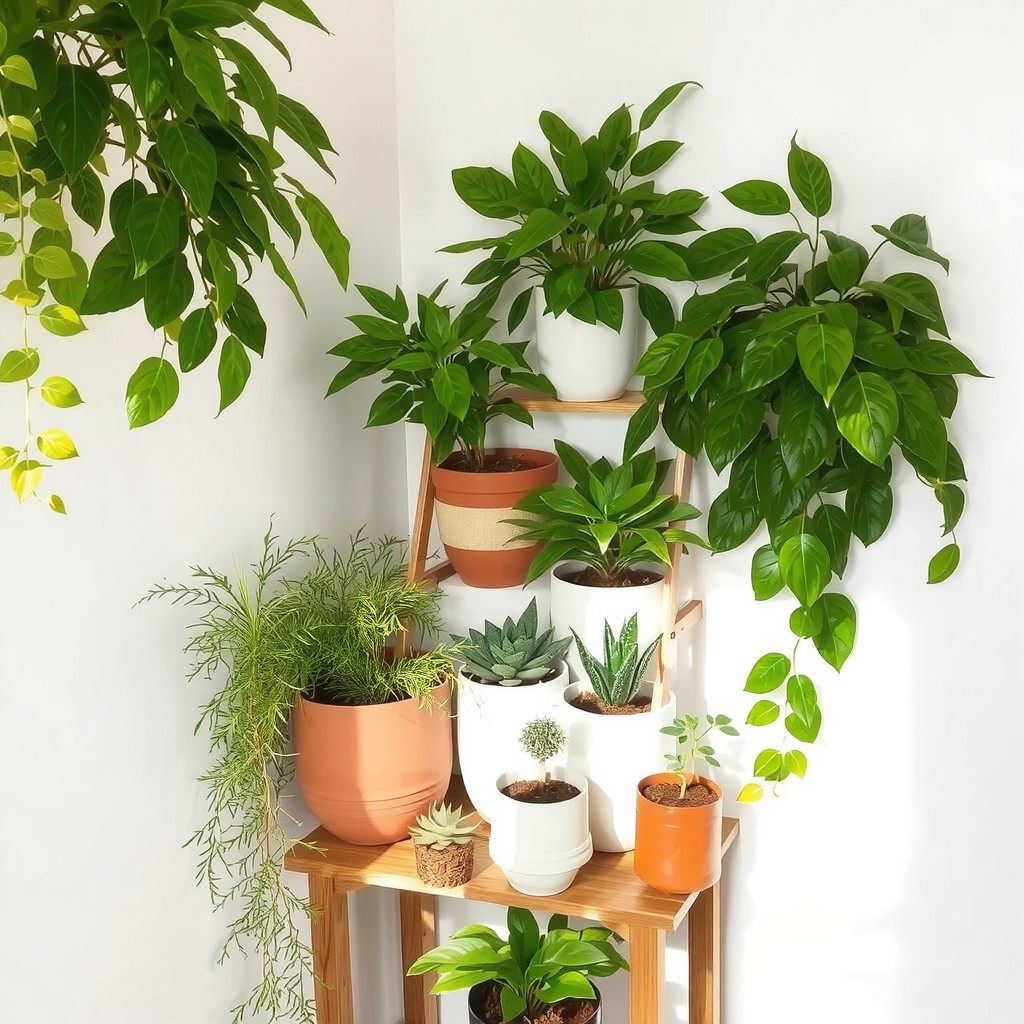
Greenery Plants are the ultimate budget-friendly decor element, bringing vibrancy and sculptural shape to any interior. A large leafy plant, such as a Monstera or a Fiddle Leaf Fig, can fill an empty corner effectively, acting as living sculpture. Smaller succulents or trailing vines add life to bookshelves and windowsills. The organic green tones contrast beautifully with neutral palettes, purifying the air and blurring the lines between indoors and out. Choose simple terracotta or woven baskets for planters to maintain that earthy, grounded aesthetic.
Tips
- Shop Your Home: Before buying new, rotate items between rooms to give them a fresh context.
- The Power of Paint: A fresh coat of white or a moody accent color is the cheapest way to dramatically change a room’s vibe.
- Thrift and Upcycle: Look for solid wood furniture at second-hand stores that can be sanded and refinished.
- Hardware Swap: Changing cabinet knobs and drawer pulls can modernize a dresser or kitchen instantly.
- Edit Ruthlessly: Remove one item from the room every day until only the beautiful or functional remains.
ADVERTISEMENT