ADVERTISEMENT
Introduction
Bringing nature indoors transforms a sterile space into a living sanctuary. You might worry about keeping plants alive, but styling with resilient varieties is easier than you think. This guide focuses on integrating hardy greenery into your decor without the stress of complex care routines. Instead of cluttering your space with difficult species, you can curate a lush environment using forgiving favorites.
Layout and Positioning
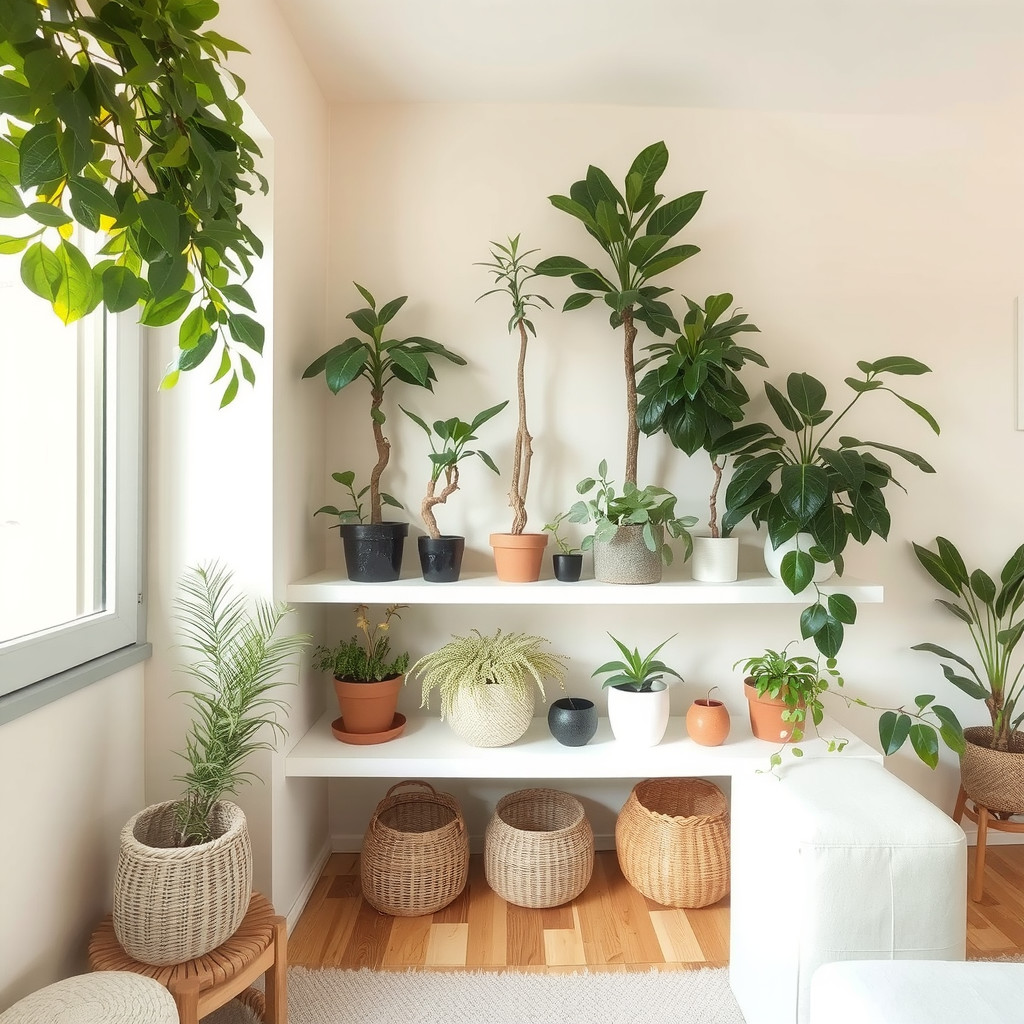
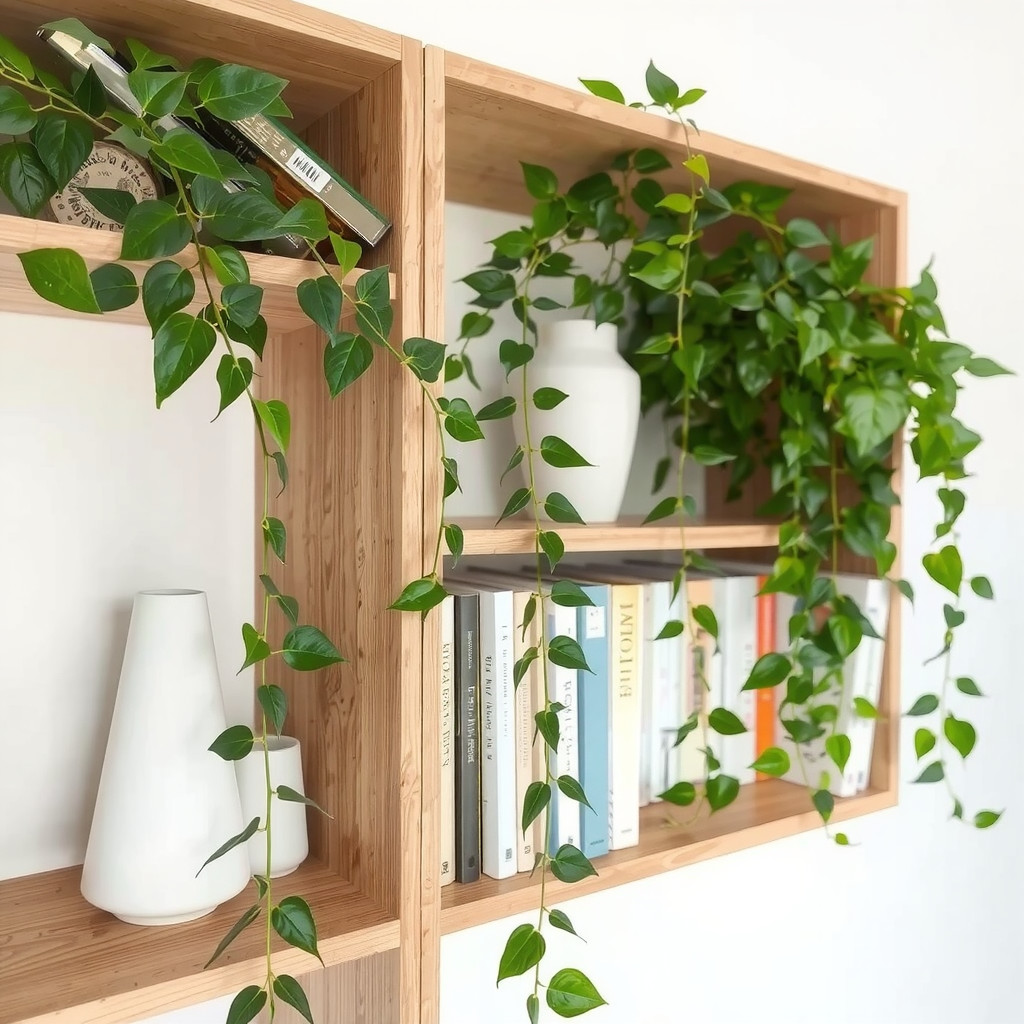
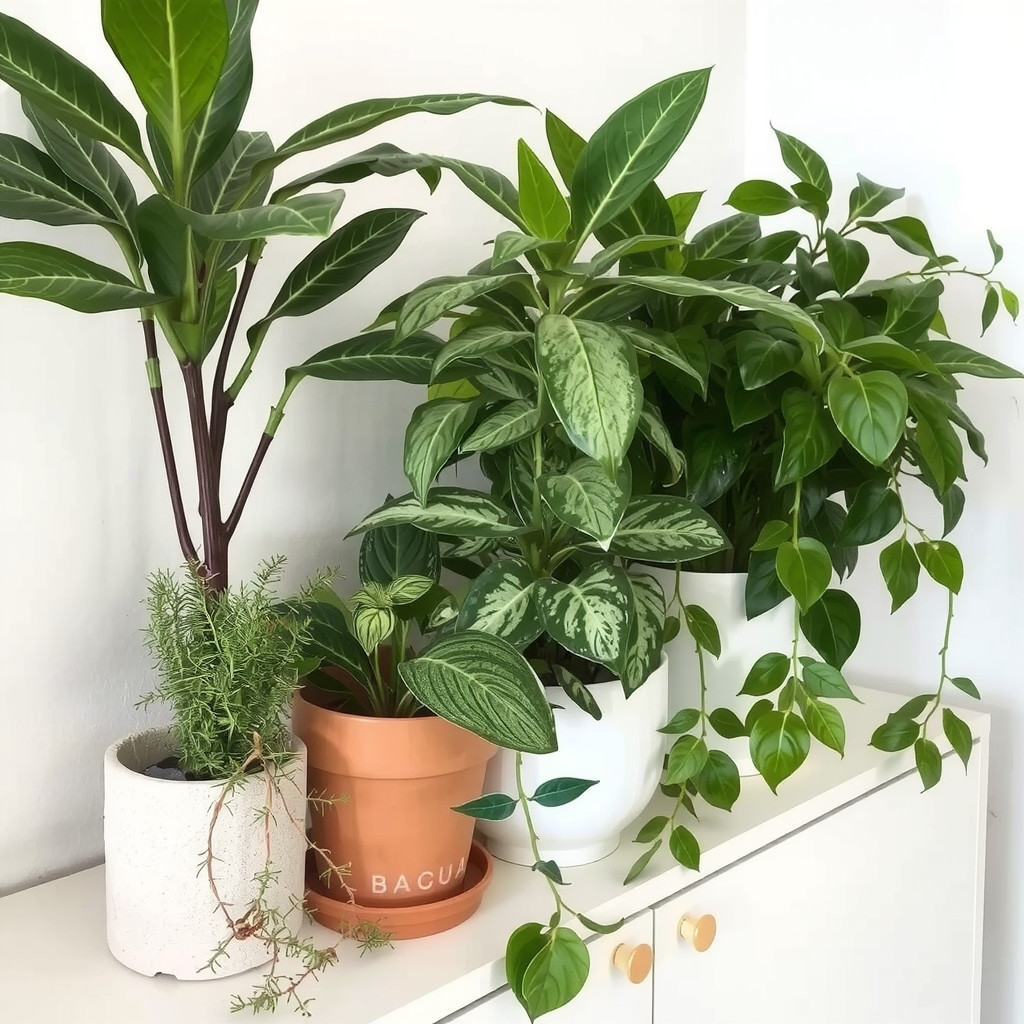
Start by assessing your available floor and surface space. You don’t need a greenhouse to make an impact; strategic placement is key. Use trailing plants like Pothos on high shelves or bookcases to draw the eye upward, creating a sense of height. For floor space, group plants in odd numbers—threes or fives—to create a casual, organic look rather than a rigid lineup. Consider using plant stands of varying heights to add depth and dimension to empty corners.
Materials and Textiles
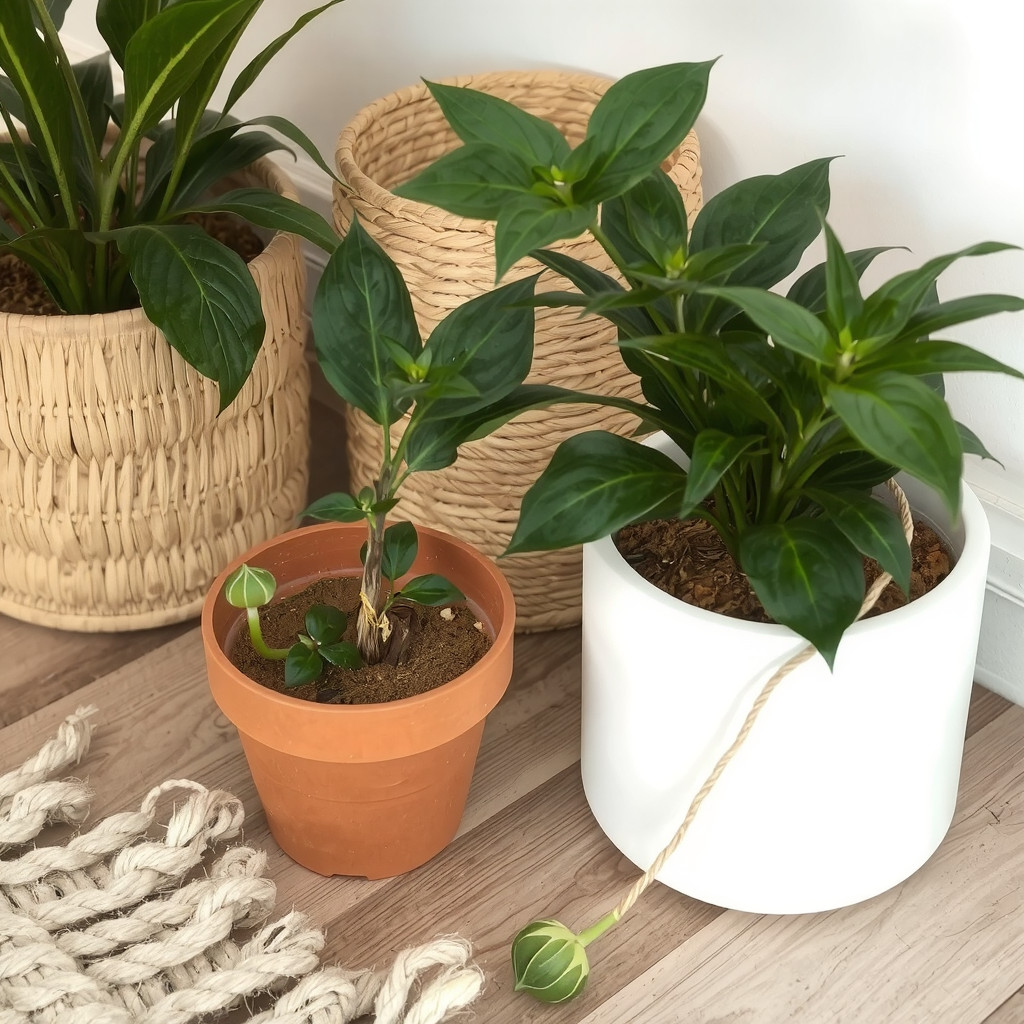
The vessels you choose are just as important as the plants themselves. Earthy materials like unglazed terracotta, glazed ceramics, and woven seagrass baskets complement the natural vibrant green of the leaves. Texture plays a massive role here; pair smooth ceramic pots with nubby wool rugs or linen curtains to soften the look. Macrame plant hangers can add a bohemian touch and softness to hard architectural lines, effectively warming up the room.
Focal Points
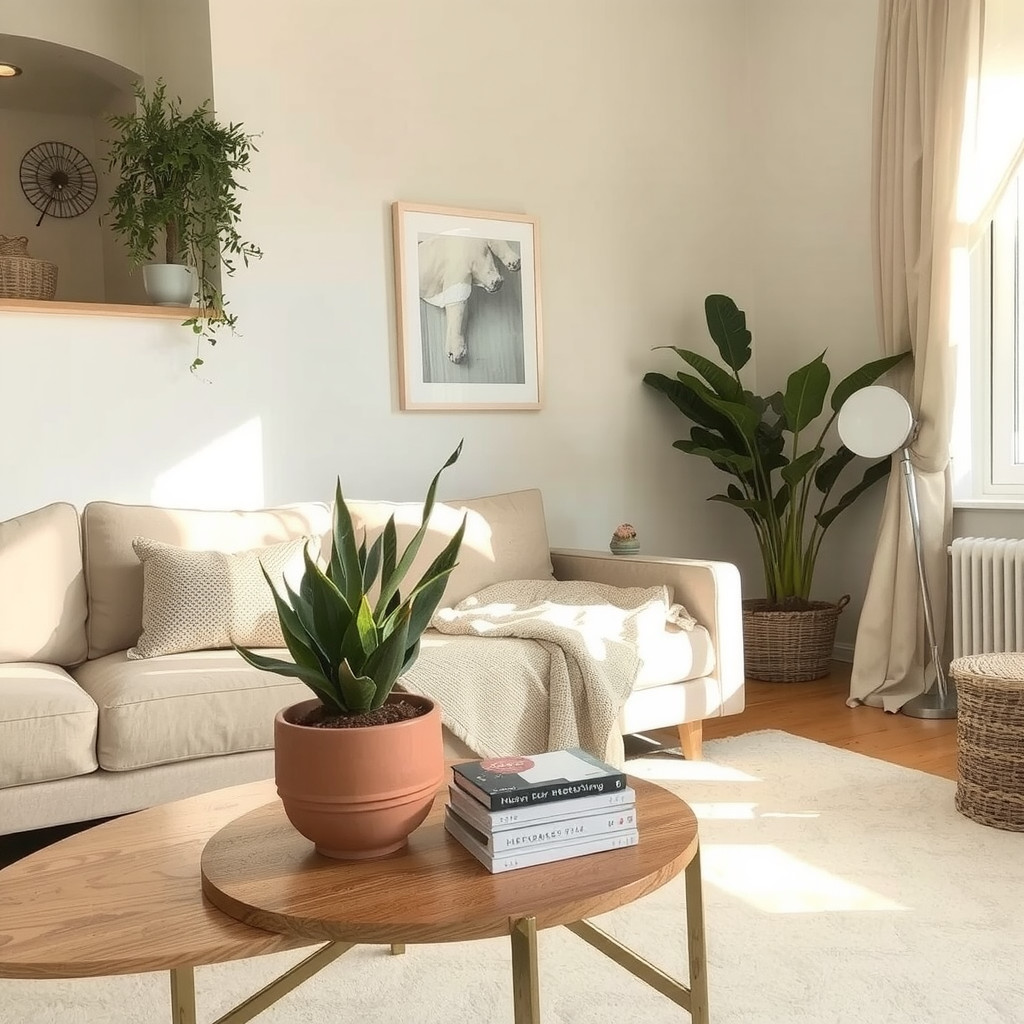
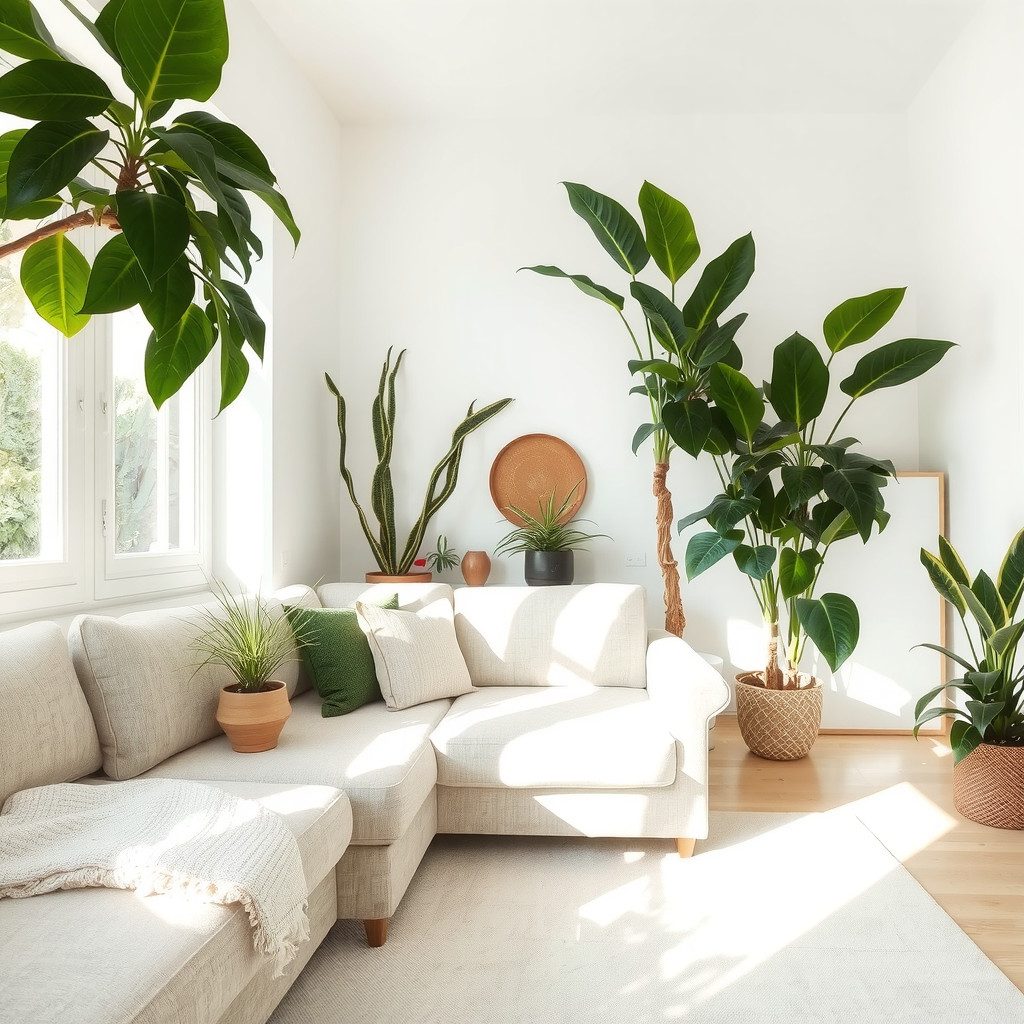
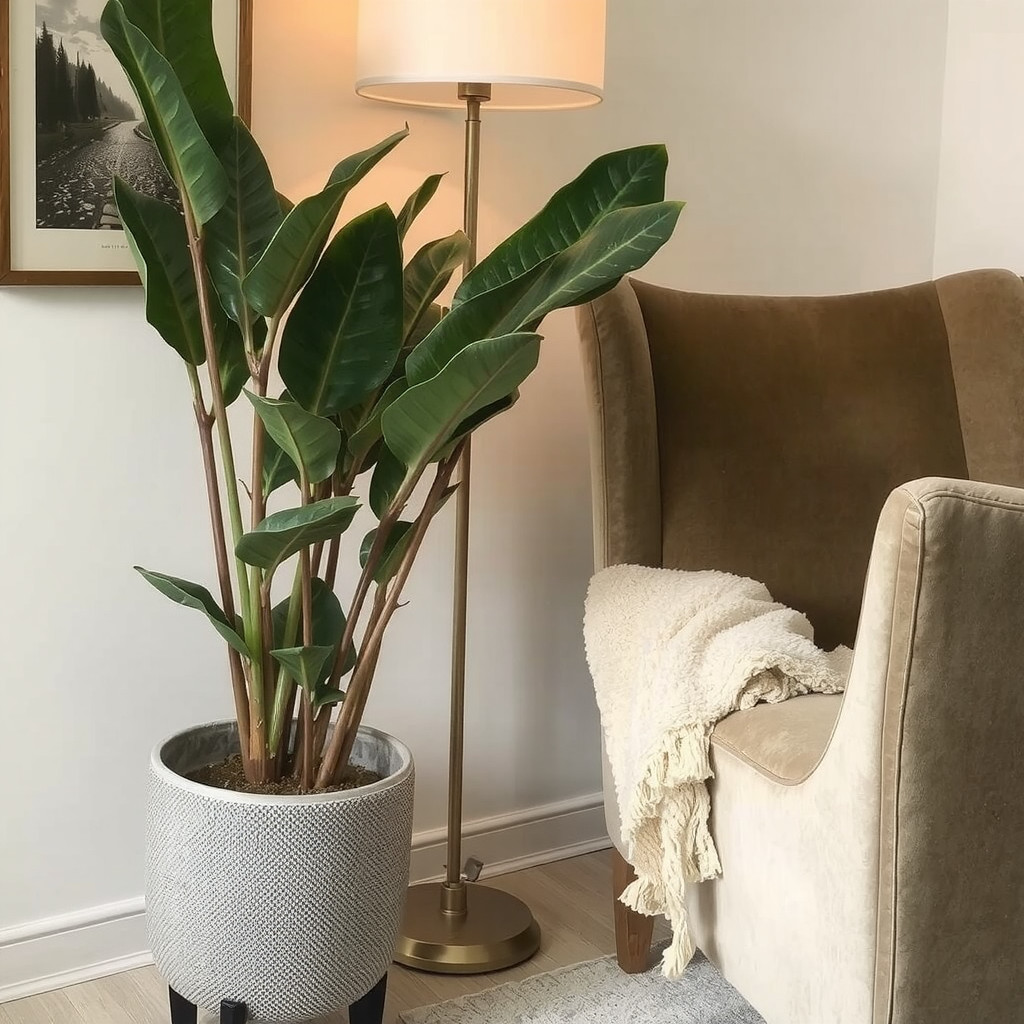
Every room needs an anchor, and a large, structural plant serves this purpose beautifully. A Snake Plant or a Rubber Tree offers vertical interest and acts as a living sculpture. Place a tall, architectural plant next to a sofa or armchair to bridge the gap between furniture and the ceiling. This draws attention immediately and grounds the space, making it feel settled and intentional.
Lighting
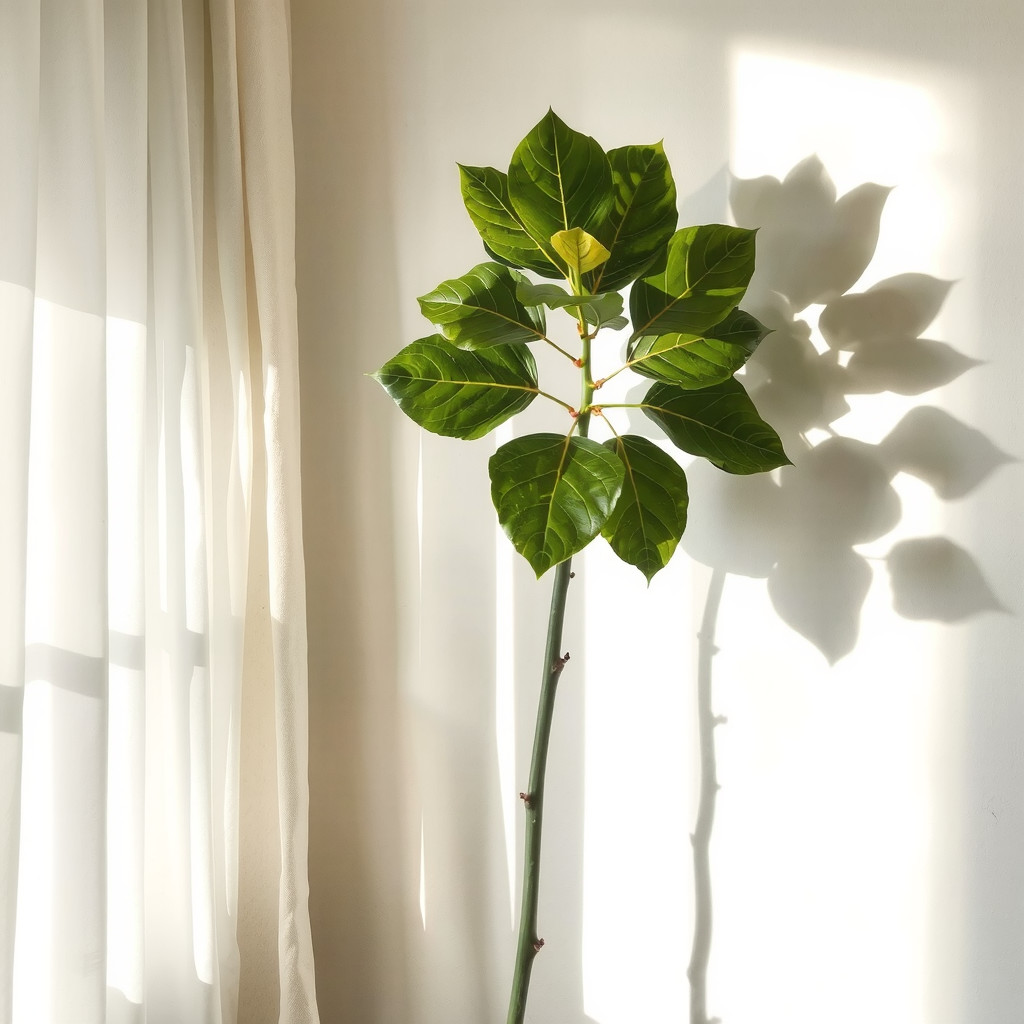
Understanding light is crucial for both plant health and aesthetic appeal. Most beginner-friendly plants thrive in bright, indirect light. Position your greenery near east or west-facing windows where the light is abundant but soft. Observe how the shadows fall during the day; the interplay of light and leaves creates dynamic patterns on your walls, adding a layer of visual interest that changes with the sun.
Greenery
Focus on the “indestructible” varieties to build your confidence. The ZZ plant is tolerant of low light and neglect, making it perfect for darker corners. Pothos and Philodendrons are communicative; they droop slightly when thirsty and perk up immediately after watering. Dracaenas offer diverse foliage colors and shapes. Mixing these leaf textures—waxy, matte, variegated, and solid—creates a rich, curated botanical gallery.
Tips
- Check the soil moisture with your finger before watering to prevent root rot.
- Rotate your plants every few weeks to ensure even growth on all sides.
- Dust leaves regularly with a damp cloth to maximize photosynthesis and shine.
- Group plants with similar humidity needs together to create a microclimate.
- Choose pots with drainage holes or use a nursery pot inside a decorative planter.
ADVERTISEMENT