ADVERTISEMENT
Introduction
Designing a small living room isn’t about compromising on style; it is about embracing intentionality. When you have limited square footage, every object must earn its place, blending functionality with aesthetic appeal. The goal is to create a sanctuary that feels open and inviting rather than cluttered or confined. By focusing on light, scale, and flow, you can trick the eye into perceiving more space than truly exists.
Layout and Positioning
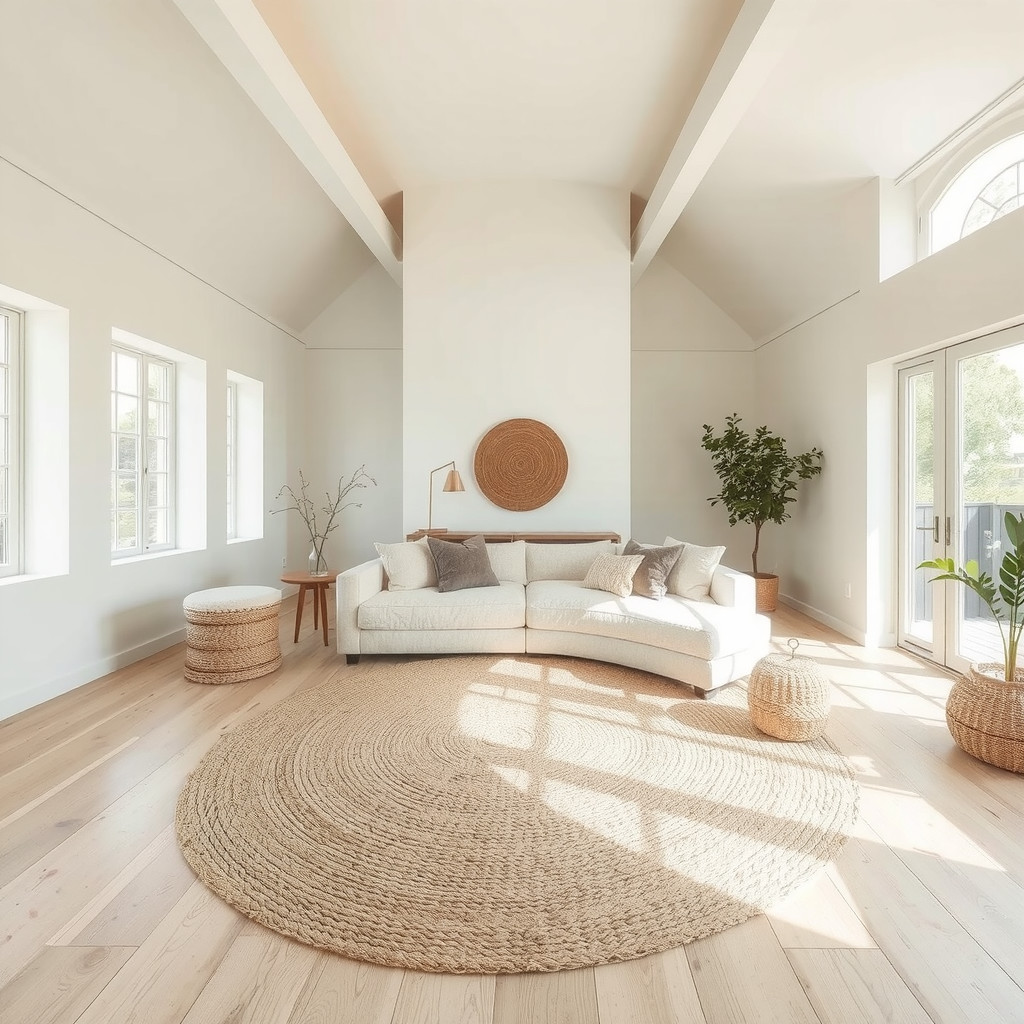
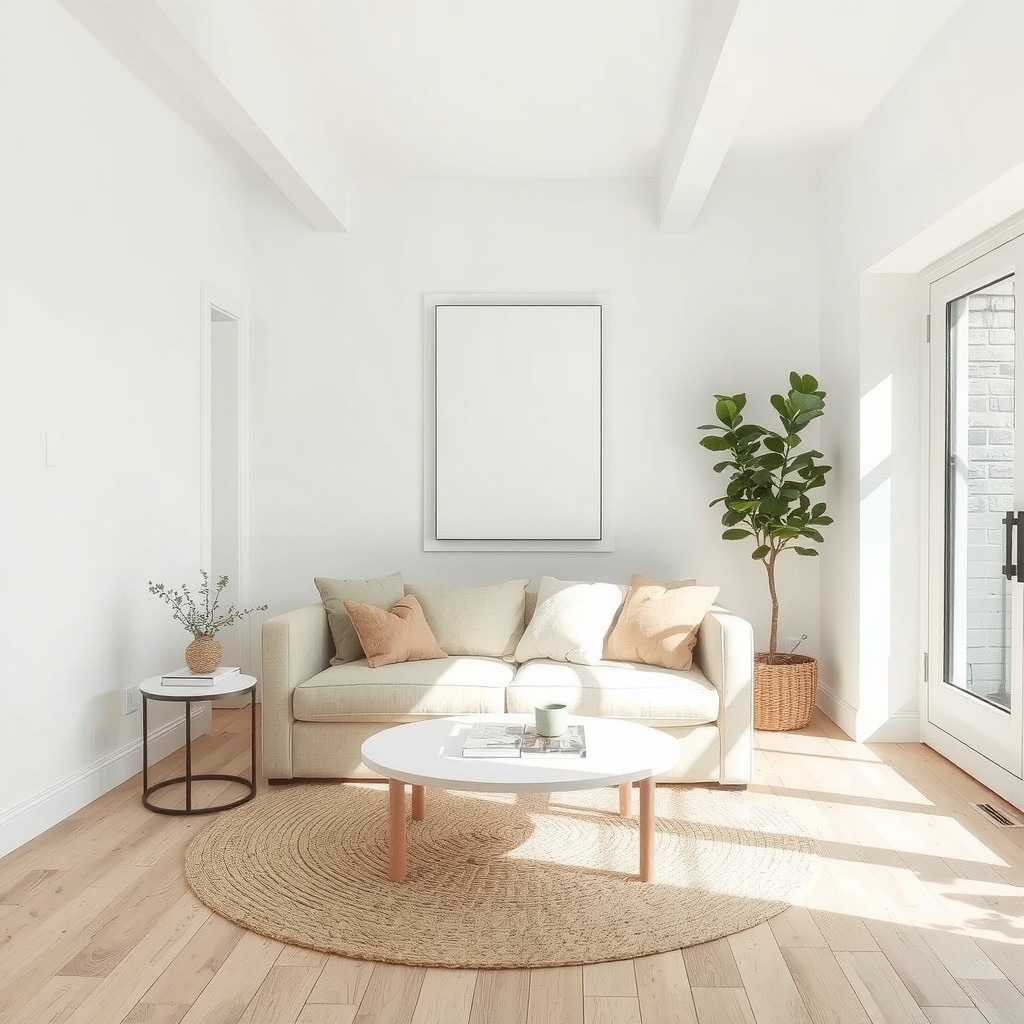
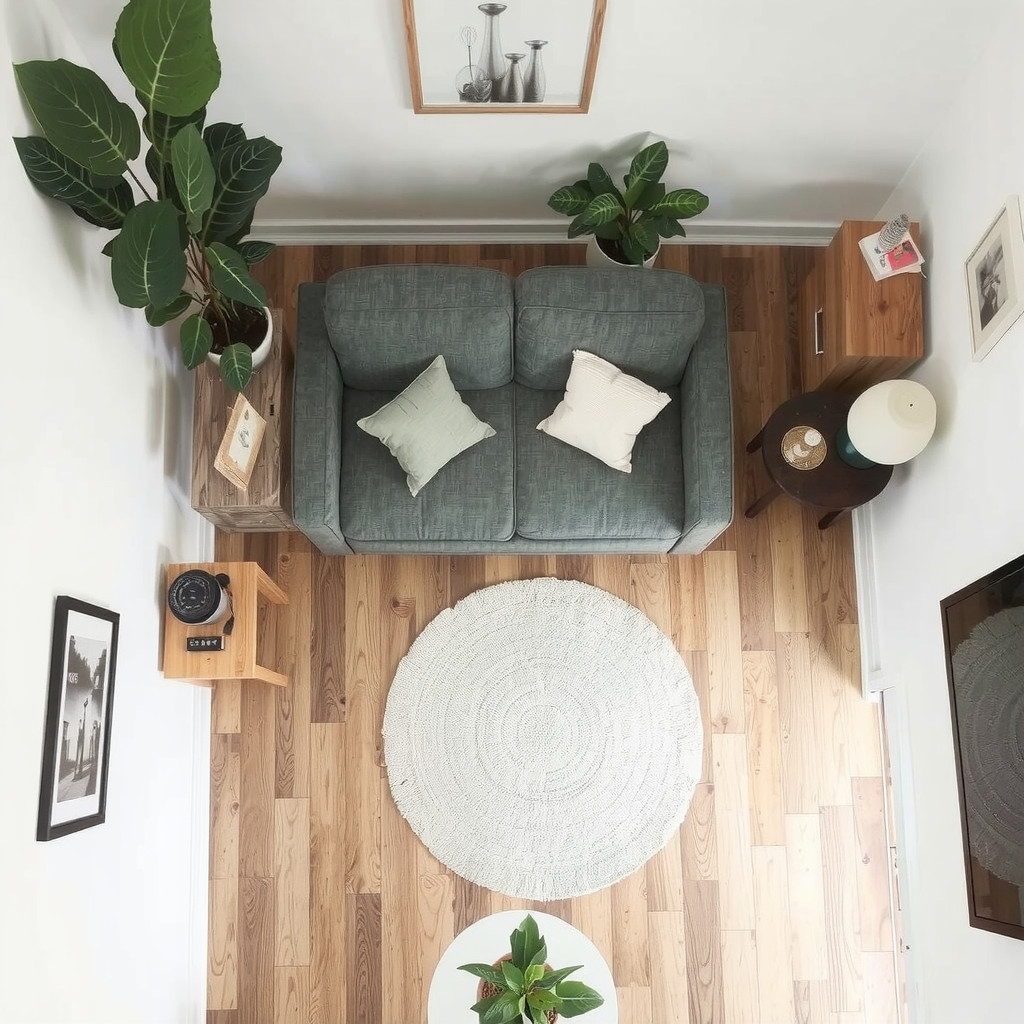
Your first instinct might be to push every piece of furniture against the walls to maximize floor space, but this often creates a “bowling alley” effect that emphasizes the room’s limits. Instead, try “floating” your main seating arrangement. Pull your sofa a few inches—or even a foot—away from the wall. This creates a shadow line that suggests depth and airiness.
Define this zone with a rug that is large enough to sit under the front legs of your furniture. This visually pushes the boundaries of the room outwards, making the seating area feel distinct and generous.
Materials and Textiles
In a compact room, visual weight is just as important as physical size. Heavy woods and dark, opaque fabrics can absorb light and make the walls feel like they are closing in. Opt for materials that allow light to travel through or bounce around the room.
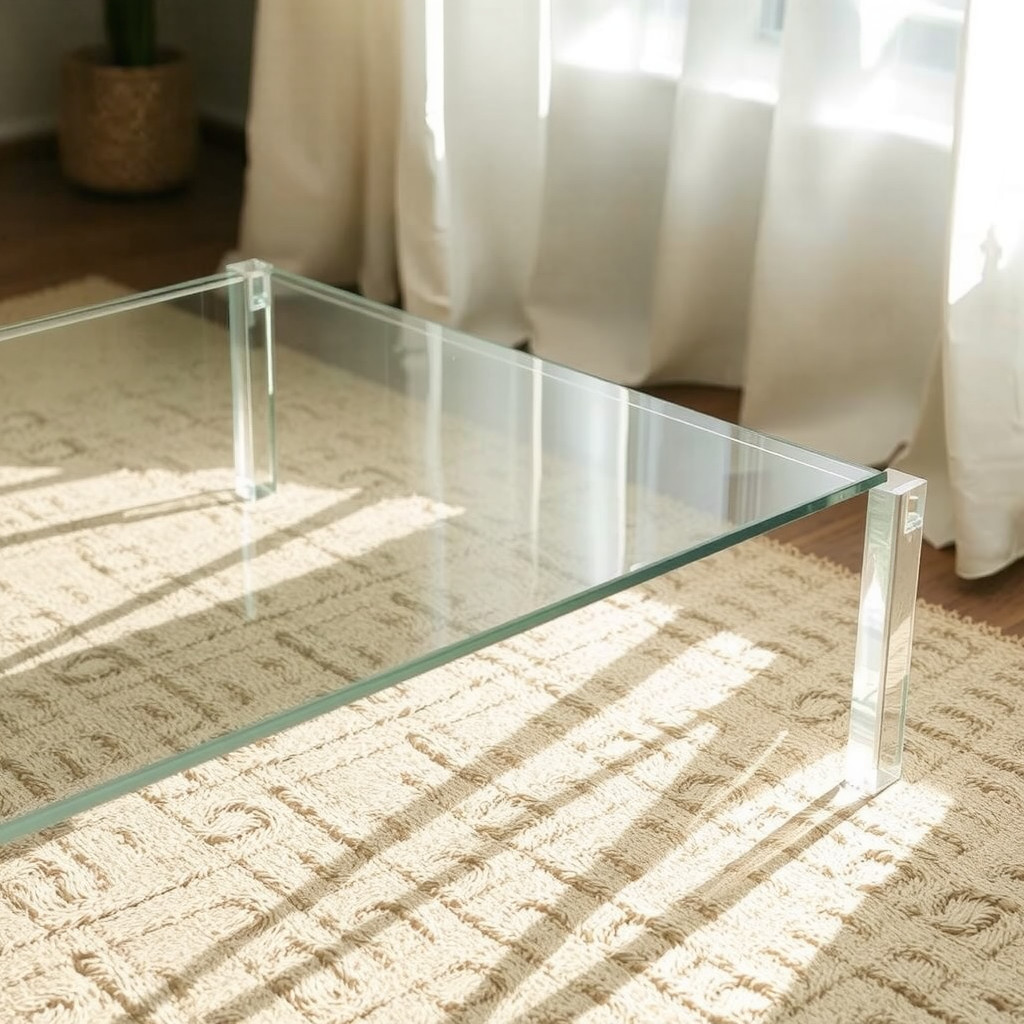
Acrylic or glass coffee tables are excellent choices because they disappear visually, allowing the eye to travel all the way to the floor. Pair these with lightweight textiles like linen or cotton for your curtains. Hanging curtains high and wide—well above the window frame—will also draw the eye upward, enhancing the sense of vertical space.
Focal Points
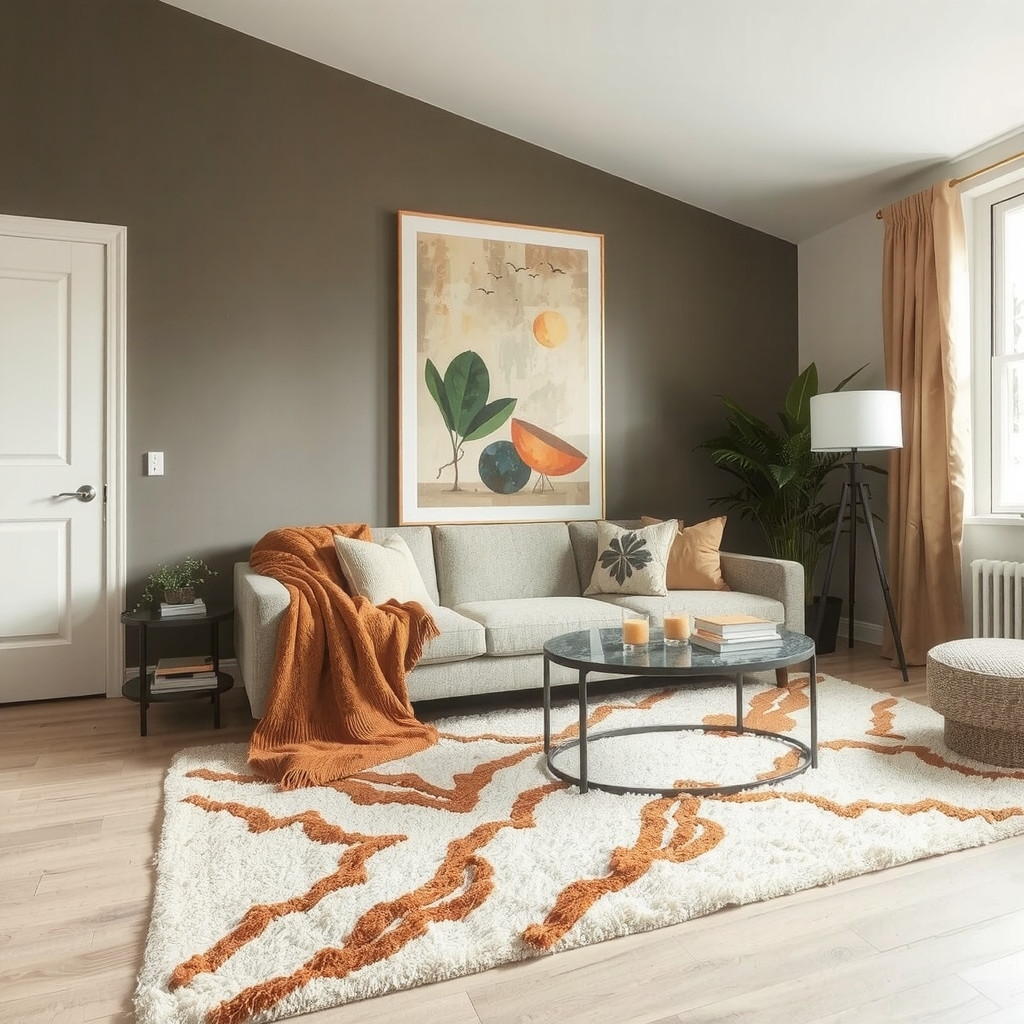
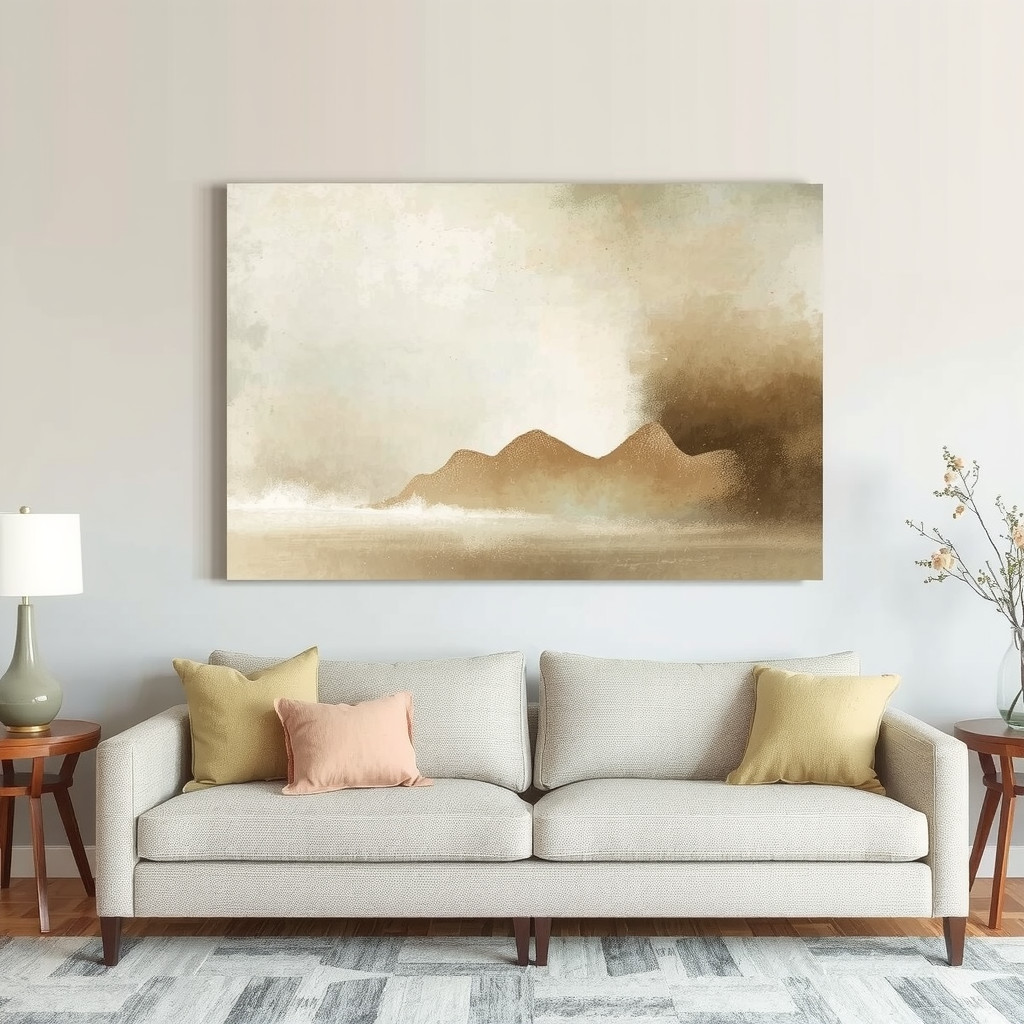
Clutter is the enemy of small spaces. Rather than filling every shelf with knick-knacks or covering a wall with a gallery of tiny frames, choose one dramatic focal point. A single large piece of art above the sofa anchors the room and provides a place for the eye to rest.
This singular statement prevents the visual fragmentation that happens when there are too many small items competing for attention. It establishes a hierarchy in the design, making the room feel organized and calm.
Lighting
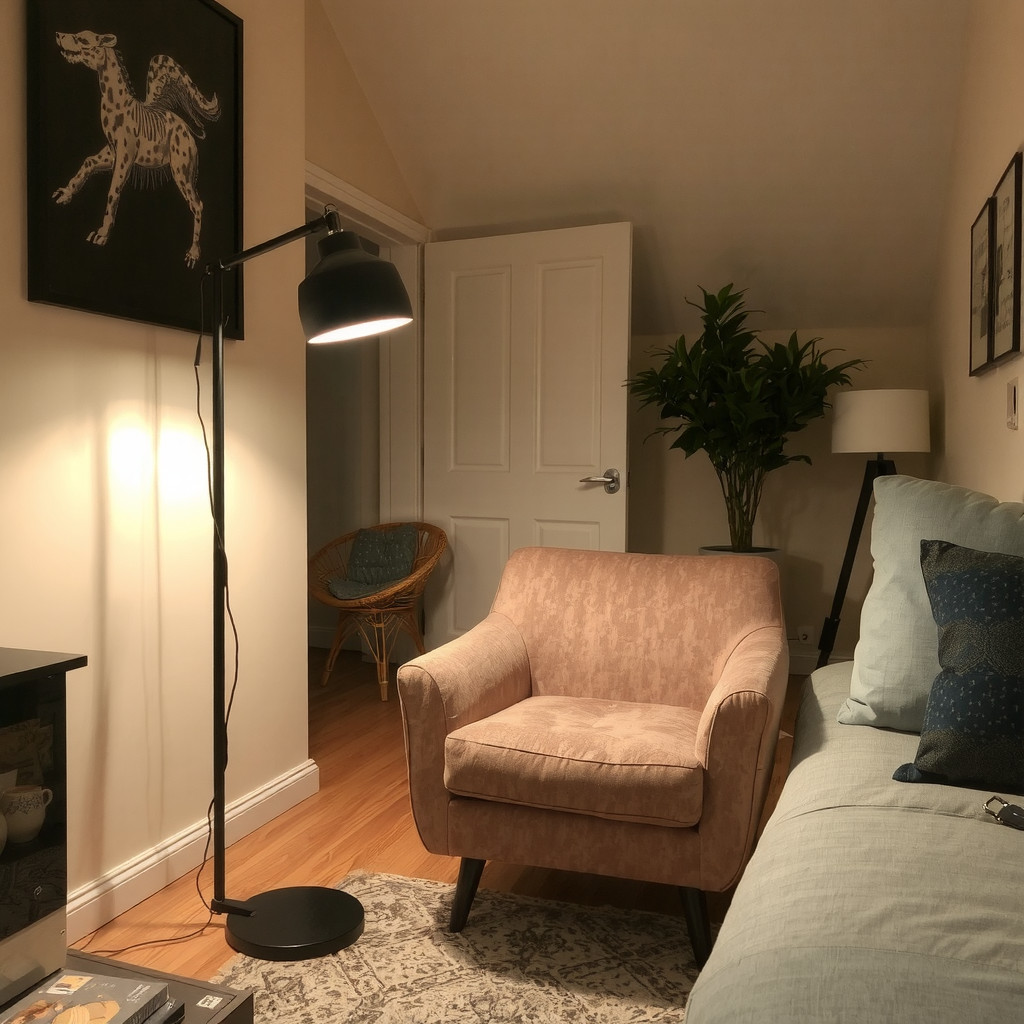
Lighting in a small room should never be one-dimensional. Relying solely on a central overhead fixture creates harsh shadows and shrinks the room’s corners. Instead, layer your lighting to push back the boundaries of the space.
Use floor lamps or wall sconces to illuminate dark corners, adding depth and warmth. Wall-mounted swing-arm lamps are particularly effective as they free up precious surface area on side tables. Soft, warm light at different heights creates a cozy atmosphere that feels expansive rather than restrictive.
Greenery
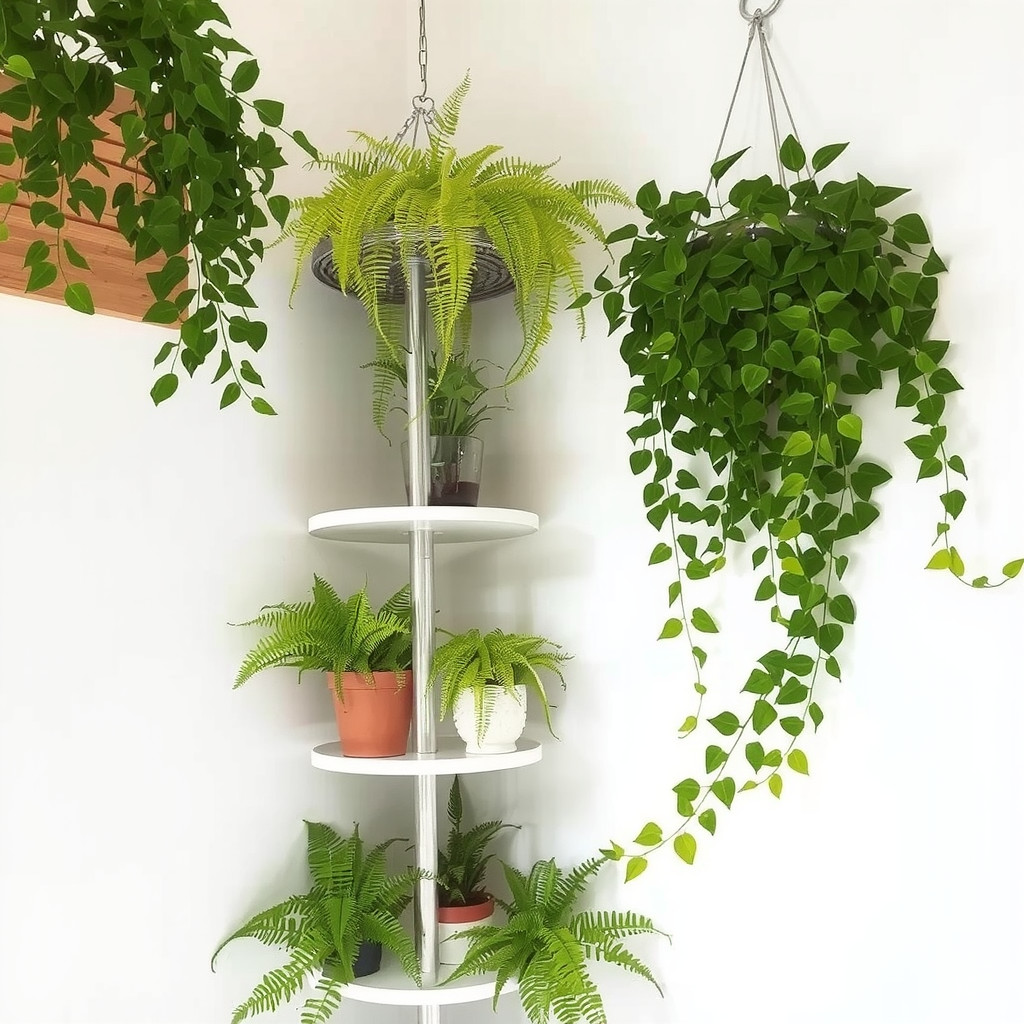
Bringing nature inside adds vitality and softens the architectural lines of a boxy room, but you must be strategic to save floor space. Avoid large, heavy pots that block traffic flow.
Look to the vertical plane. Hanging planters, wall-mounted vessels, or a tall, slender snake plant in a corner can draw the eye up and add a splash of organic color. This connection to nature makes the room feel fresher and more open without sacrificing valuable square footage.
Tips
- Declutter Ruthlessly: Keep surfaces clear to maintain a sense of calm and order.
- Multi-functional Furniture: Choose ottomans with storage or nesting tables to maximize utility.
- Mirrors: Place a large mirror opposite a window to double the natural light and bounce it around the room.
- Color Palette: Stick to a cohesive, light color palette to unify the space and blur boundaries.
- Scale: Don’t be afraid of standard-sized furniture; a few normal pieces often look better than many tiny ones.
ADVERTISEMENT