ADVERTISEMENT
Introduction
Your living room walls are more than just structural boundaries; they are expansive canvases waiting to reflect your personality and style. While leaving them bare creates a sense of unfinished business, overcrowding them can lead to visual chaos. The secret lies in curation—selecting pieces that speak to you and arranging them with intention. Whether you prefer a minimalist approach or a maximalist gallery, the right wall decor transforms a house into a home.
Layout and Positioning
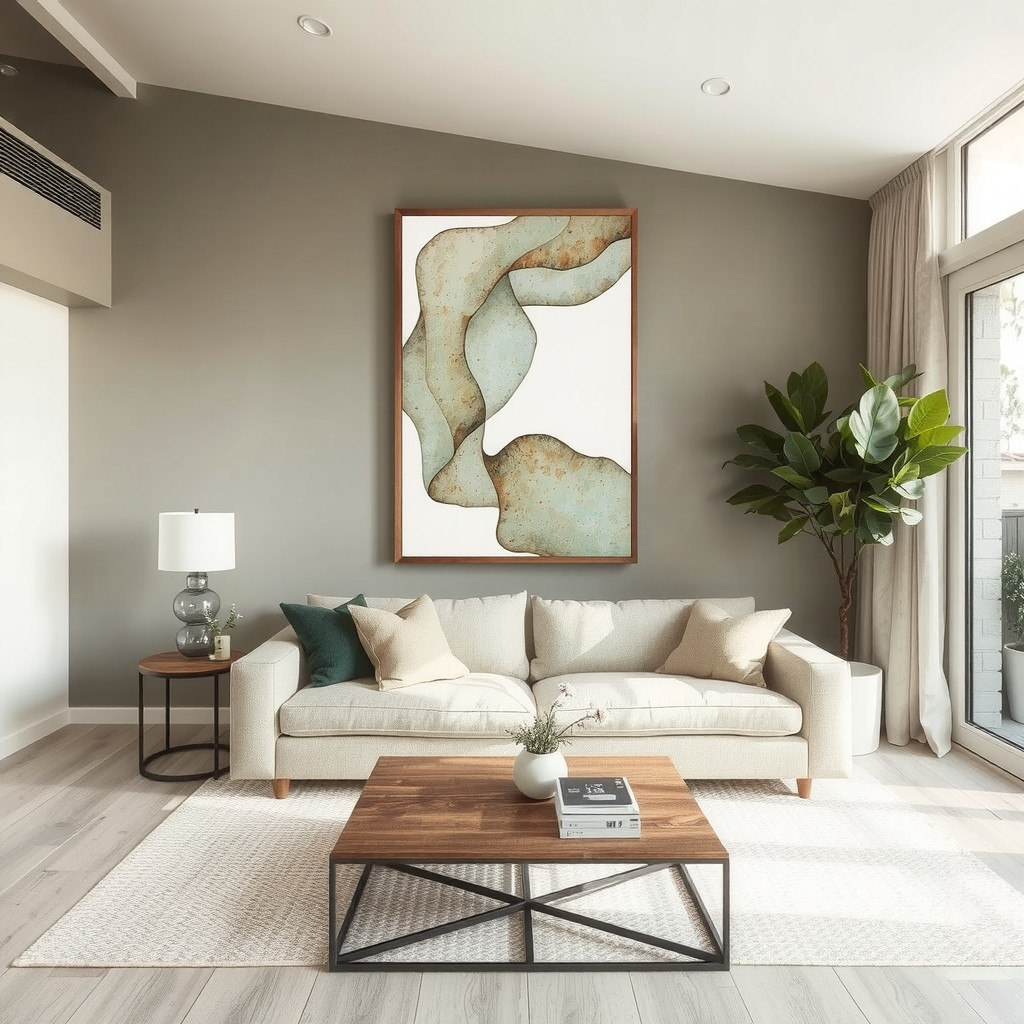
Before hammering a single nail, visualize the balance of the room. A common mistake is hanging art too high; aim for eye level, where the center of the piece sits roughly 57 to 60 inches from the floor. For a gallery wall, treat the entire collection as one single unit. Start with the largest piece in the center or slightly off-center to anchor the arrangement, then spiral smaller frames outwards.
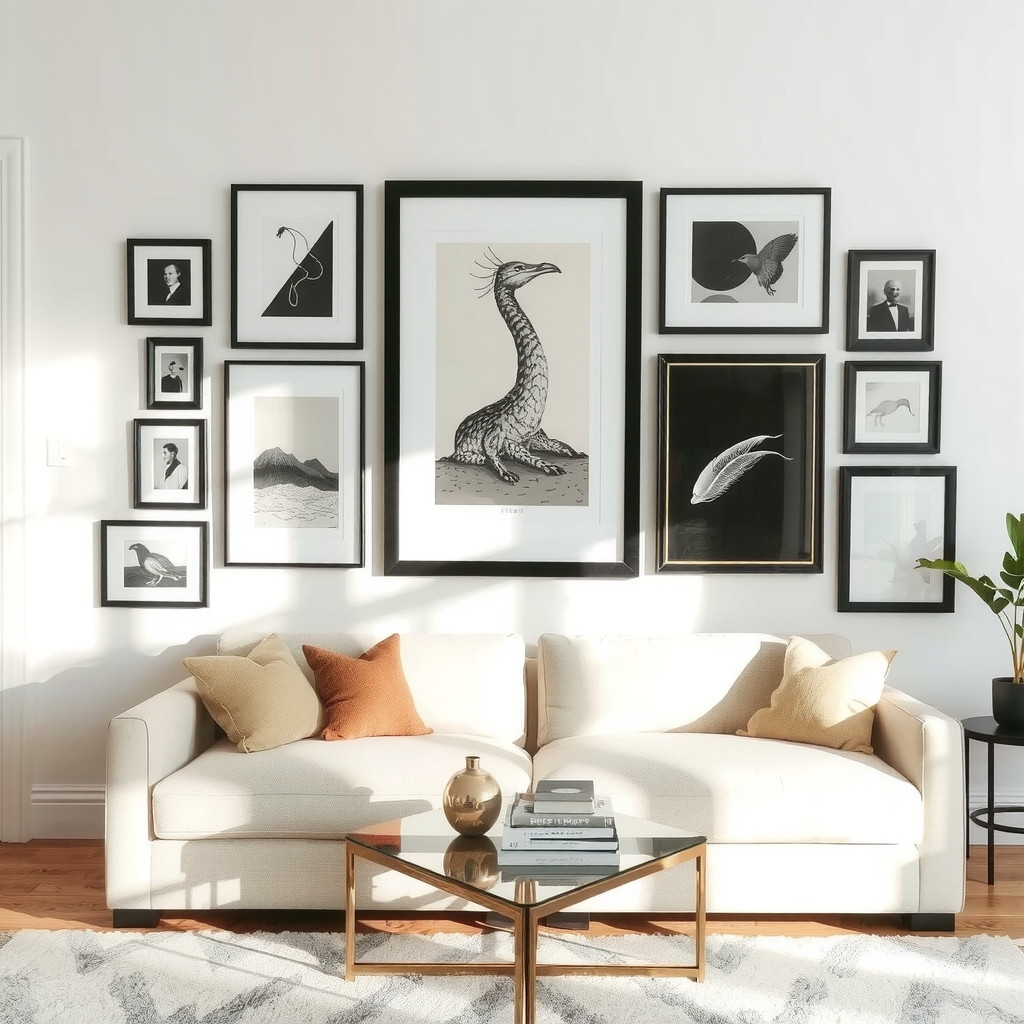
Consider the furniture below. Your wall art should span about two-thirds to three-quarters of the width of the sofa or console table it hangs above. This proportion ensures the art feels connected to the furniture rather than floating aimlessly in space.
Materials and Textiles
Move beyond the standard paper print behind glass. Texture adds depth and warmth that flat images simply cannot achieve. Consider incorporating woven wall hangings, macramé, or tapestries to introduce softness and acoustic benefits to the room. These textile elements contrast beautifully with sleek furniture lines.
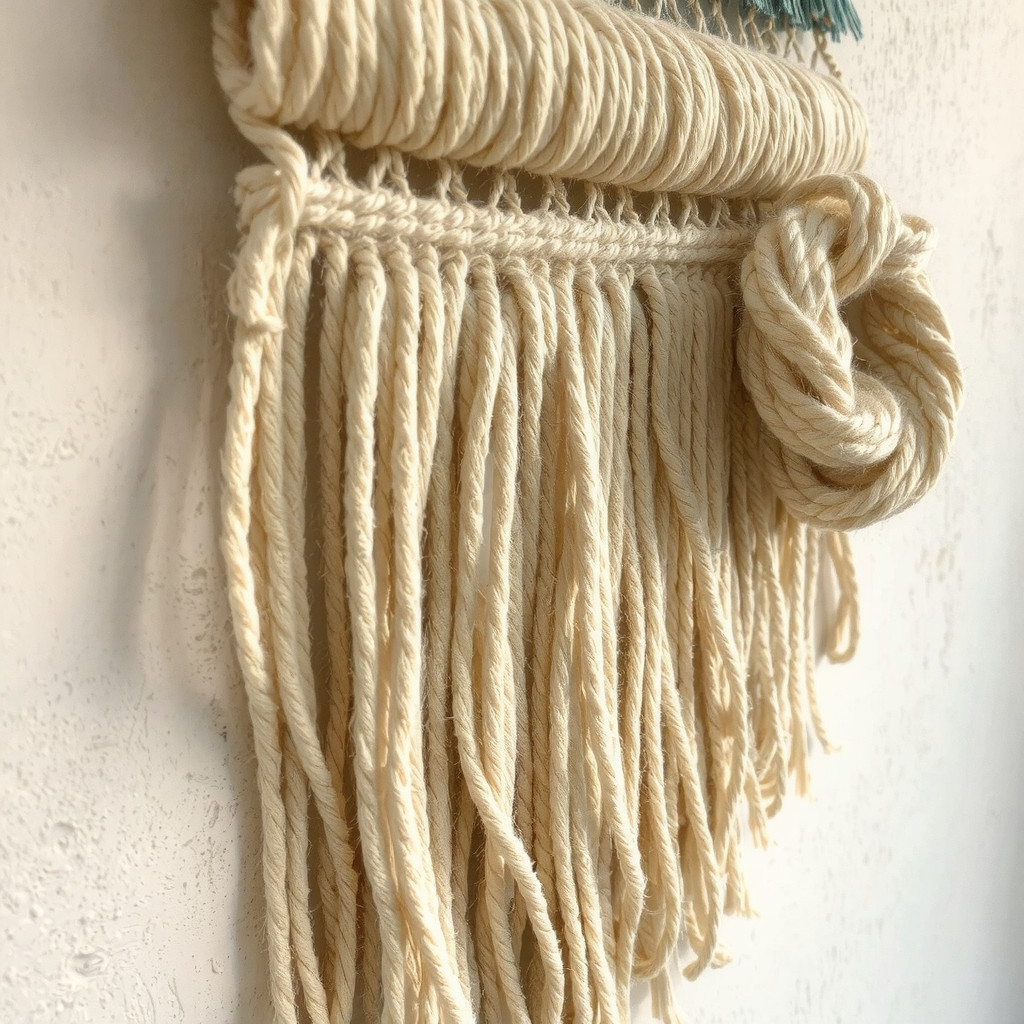
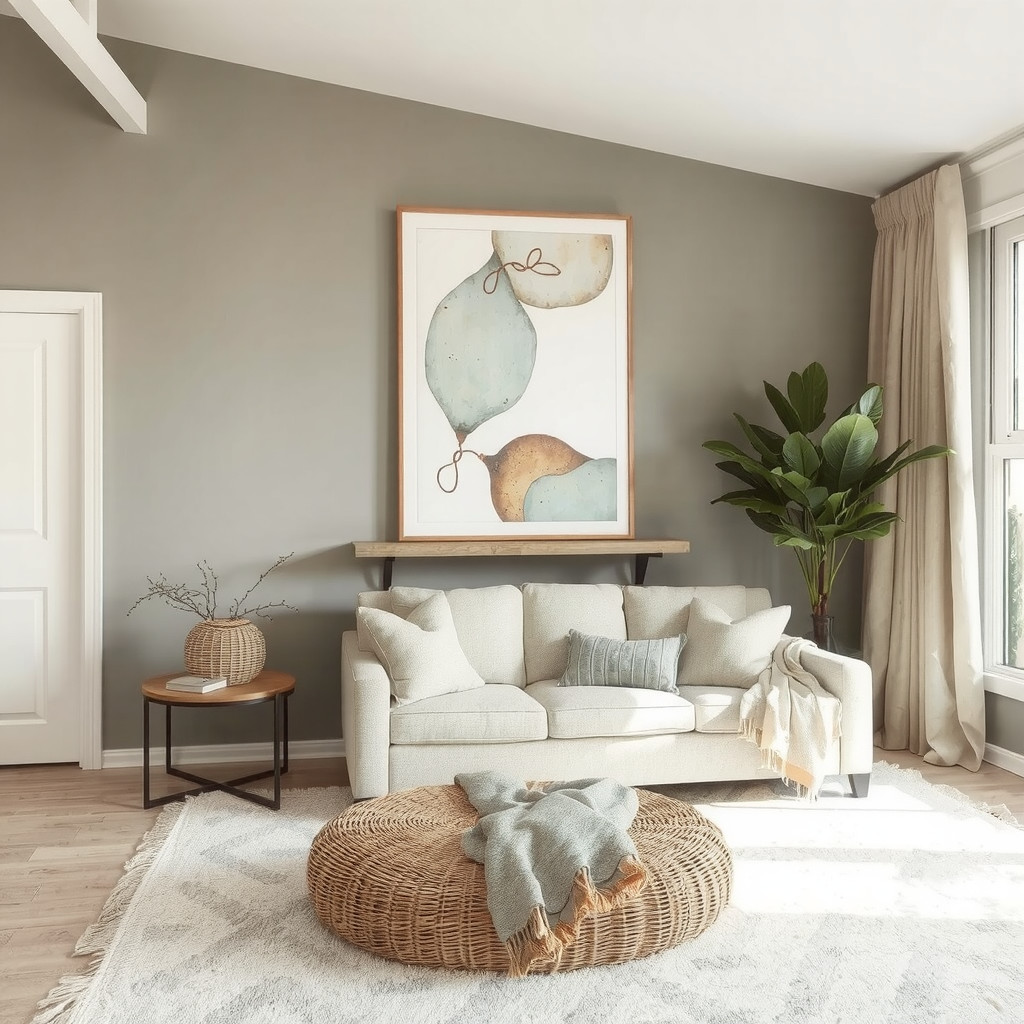
Mix materials to keep the eye interested. A metal sculptural piece or a carved wood panel can break up the monotony of rectangular frames. If you are renting or prefer flexibility, use floating shelves to layer frames, ceramics, and objects, allowing you to swap materials seasonally without damaging the paint.
Focal Points
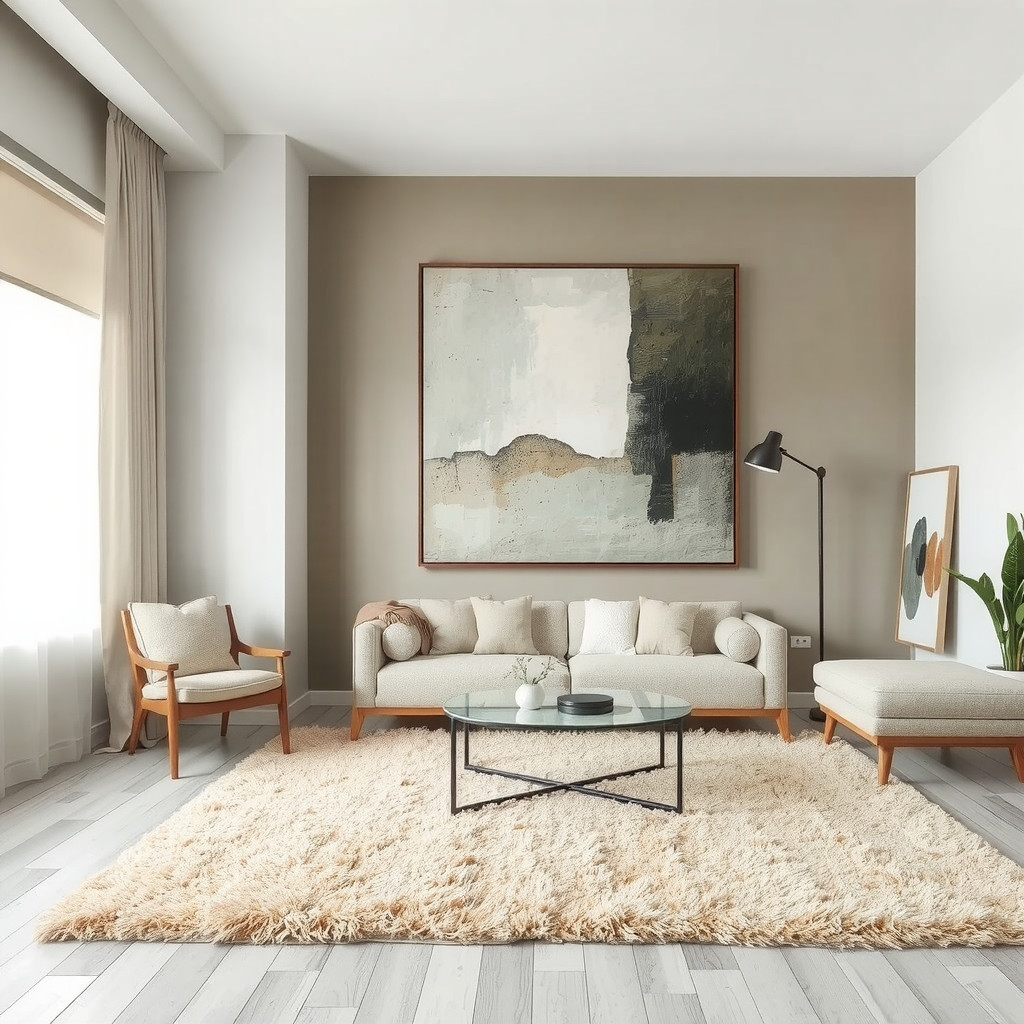
Every room needs a hero, and your wall decor can serve that purpose. A large-scale statement piece commands attention and sets the tone for the entire living area. This could be an oversized abstract painting, a vintage map, or an impressive mirror that reflects light and expands the perceived space.
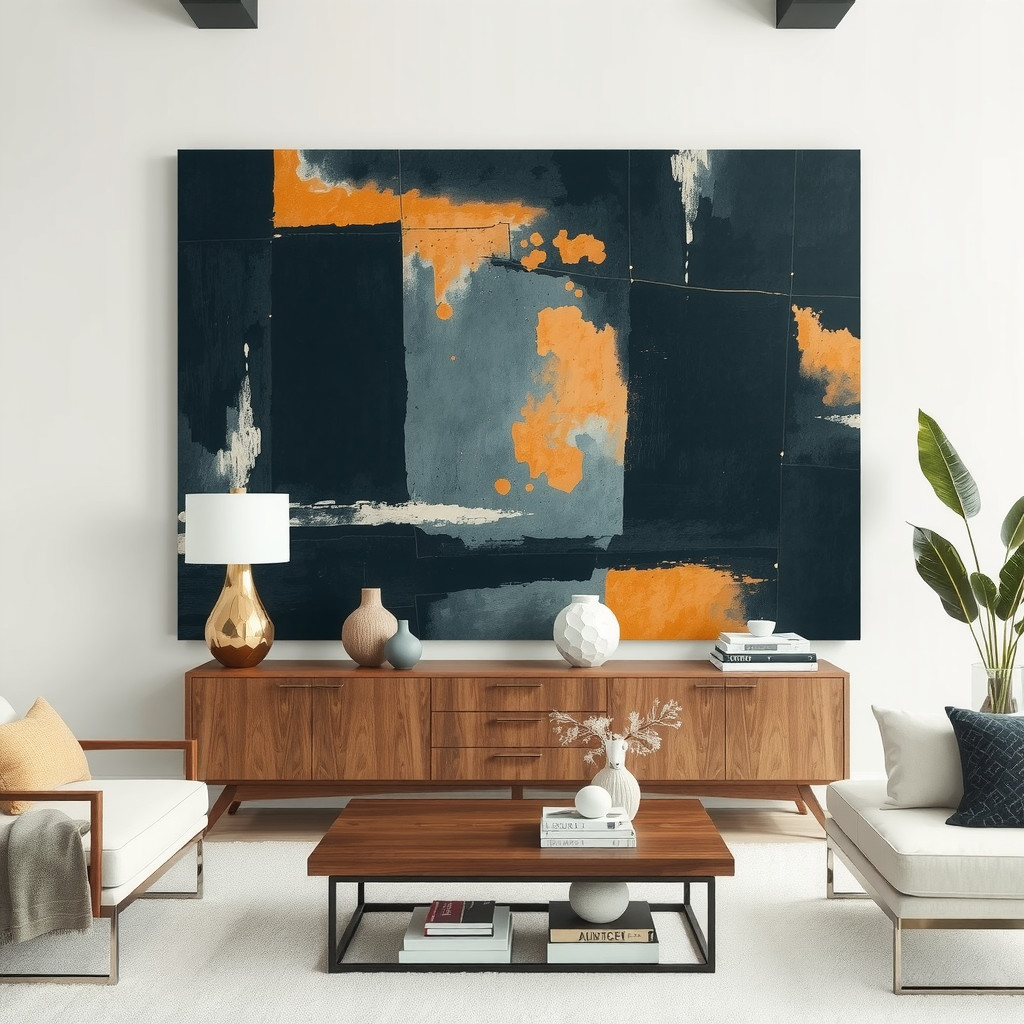
When establishing a focal point, ensure the surrounding walls are relatively quiet to avoid competition. Let the statement piece breathe. If you have a fireplace, the space directly above the mantel is a natural stage for your primary focal element, drawing the eye upward and centering the room’s energy.
Lighting
Even the most stunning art falls flat in poor lighting. Illuminating your wall decor elevates it from background noise to a featured exhibit. Picture lights mounted above frames add a classic, museum-quality sophisticated touch. Alternatively, adjustable track lighting or directional recessed cans can wash the wall with light, highlighting textures and colors.
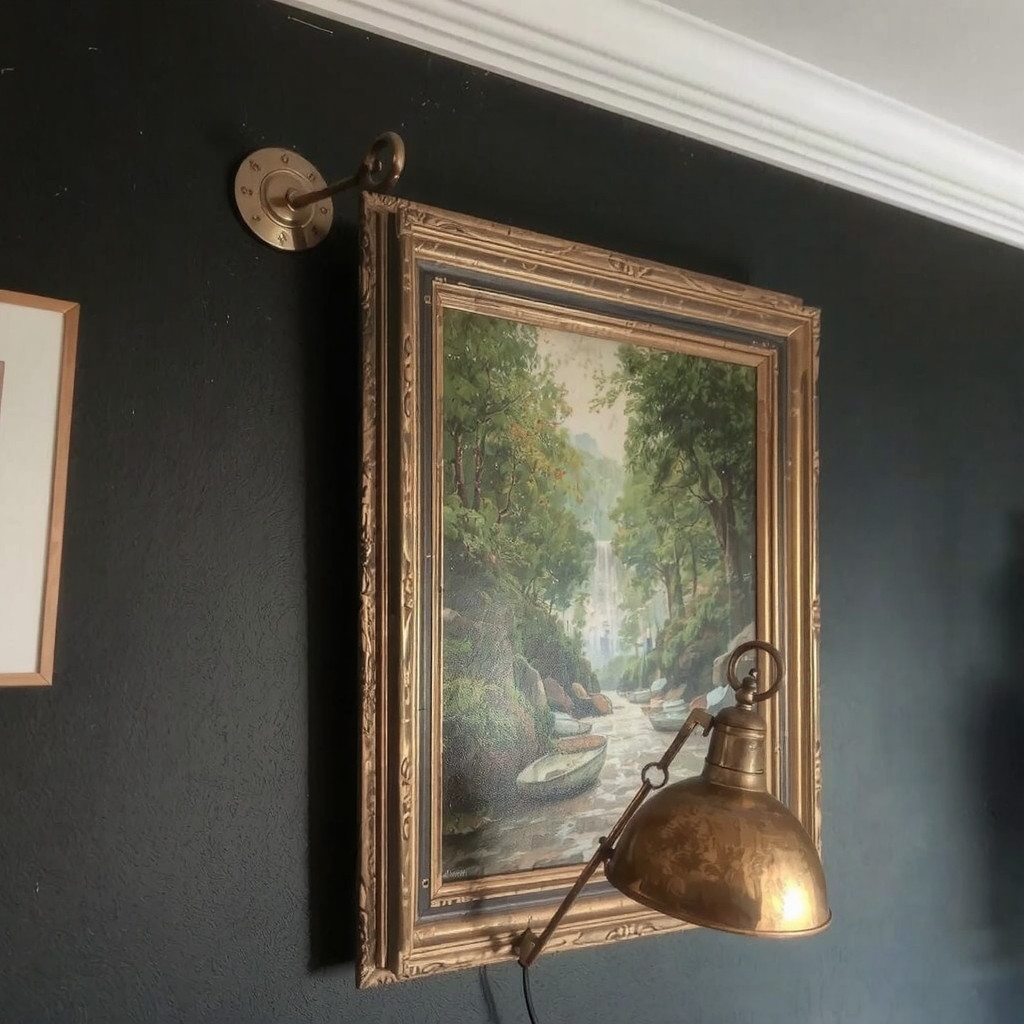
Don’t overlook the power of sconces. Wall sconces serve as decor in themselves while providing functional ambient light. Positioning them on either side of a large artwork or mirror creates symmetry and a warm, inviting glow that softens the room’s atmosphere in the evening.
Greenery
Integrating nature onto your walls brings vibrancy and life that static objects lack. Vertical gardens, wall-mounted planters, or simply a high shelf with trailing vines can soften hard architectural edges. The organic shapes of leaves provide a dynamic contrast to the rigid lines of frames and furniture.
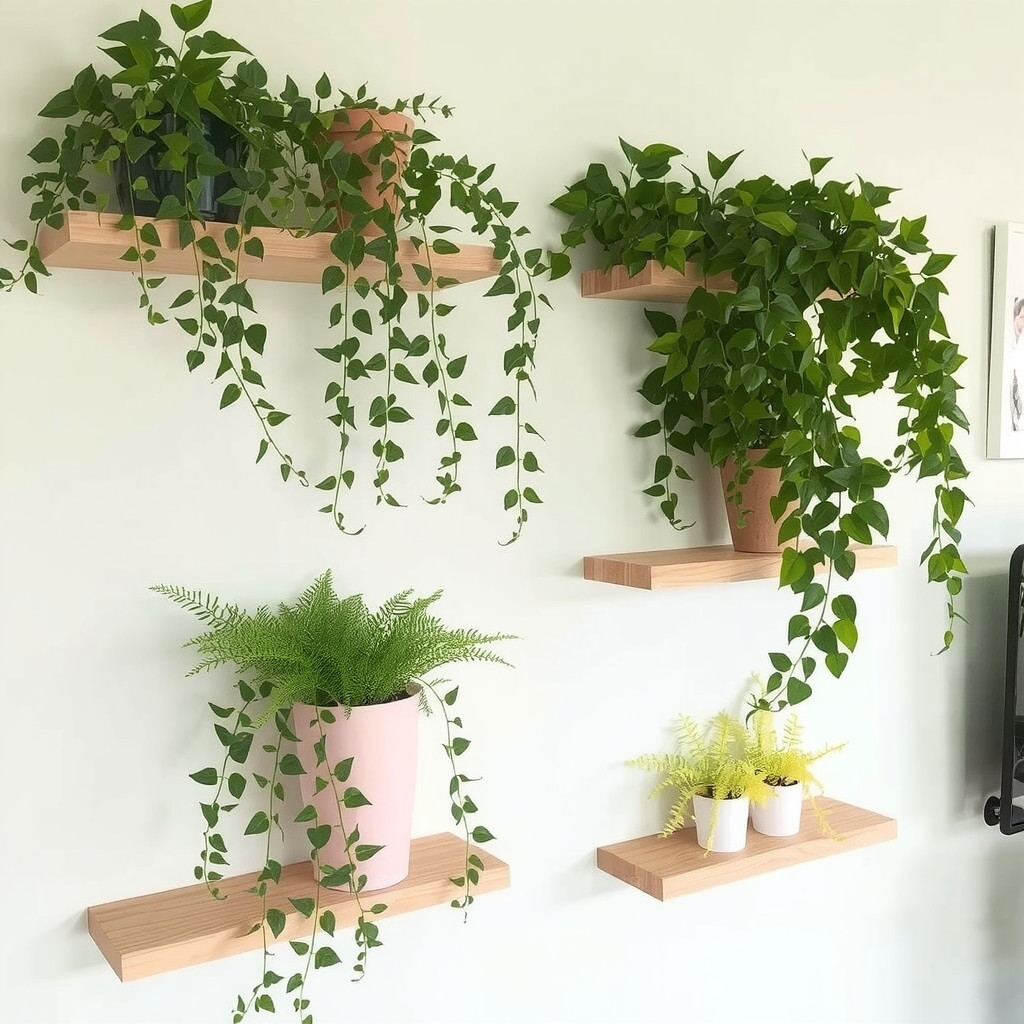
Choose plants that thrive in your room’s specific light conditions. Pothos and philodendrons are excellent choices for their cascading growth habit and resilience. Used as wall decor, plants bridge the gap between the indoors and the outdoors, making the living room feel airy and grounded.
Tips
- Use painter’s tape to mock up frame positions on the wall before drilling holes.
- Maintain consistent spacing between frames in a gallery arrangement, typically 2 to 3 inches.
- Coordinate frame colors or matting styles to create cohesion among disparate artworks.
- Rotate your art collection periodically to keep the room feeling fresh and engaging.
- Consider the visual weight; heavier or darker pieces often look best near the bottom or center of a grouping.
ADVERTISEMENT