ADVERTISEMENT
Embracing Shadows: Designing a Dark and Moody Bedroom Sanctuary
Introduction
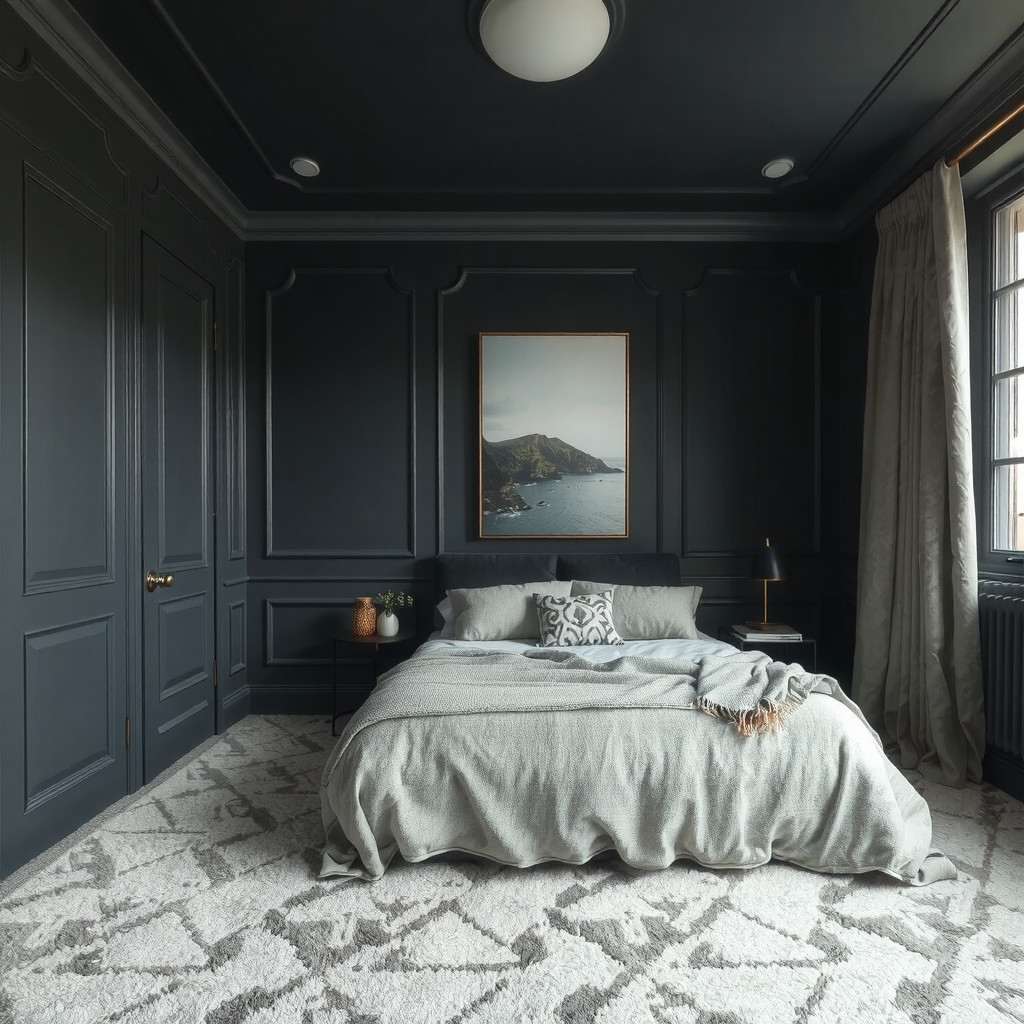
There is a profound misconception that bedrooms must be white, bright, and airy to feel welcoming. While light colors have their place, embracing the darker side of the spectrum can transform your sleeping quarters into a true cocoon of rest. A moody palette is not about creating a gloomy dungeon; it is about crafting a sophisticated, enveloping atmosphere that signals to your brain that it is time to unwind. By lowering the visual noise and absorbing light rather than reflecting it, dark interiors naturally promote deeper, more restorative sleep.
Layout and Positioning
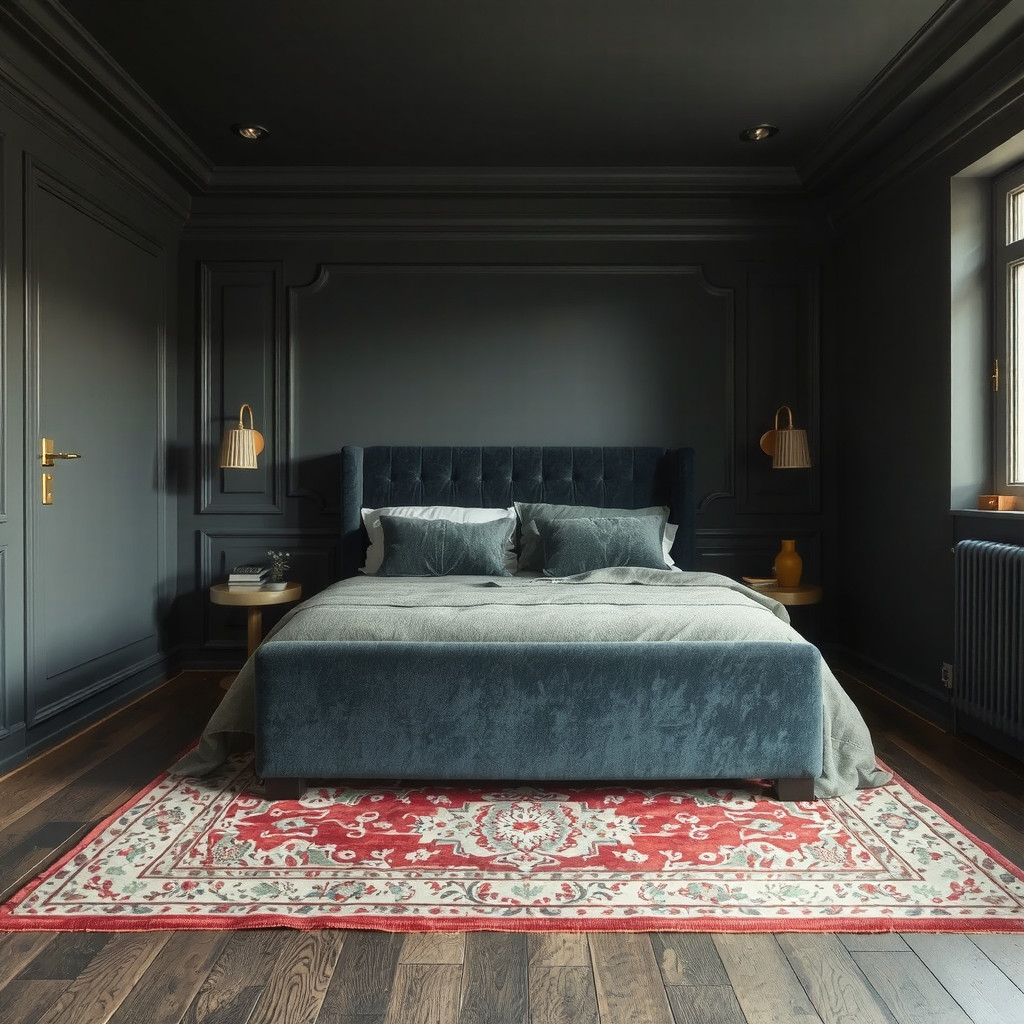
When working with darker tones, the layout of your furniture becomes the skeletal structure that holds the room together. You want to create a sense of intimacy without inducing claustrophobia. Position your bed as the anchor of the room, ideally against the solidest wall, facing the entry but not directly in line with it. This “command position” feels instinctively safer and more grounded, which is essential in a dimly lit space.
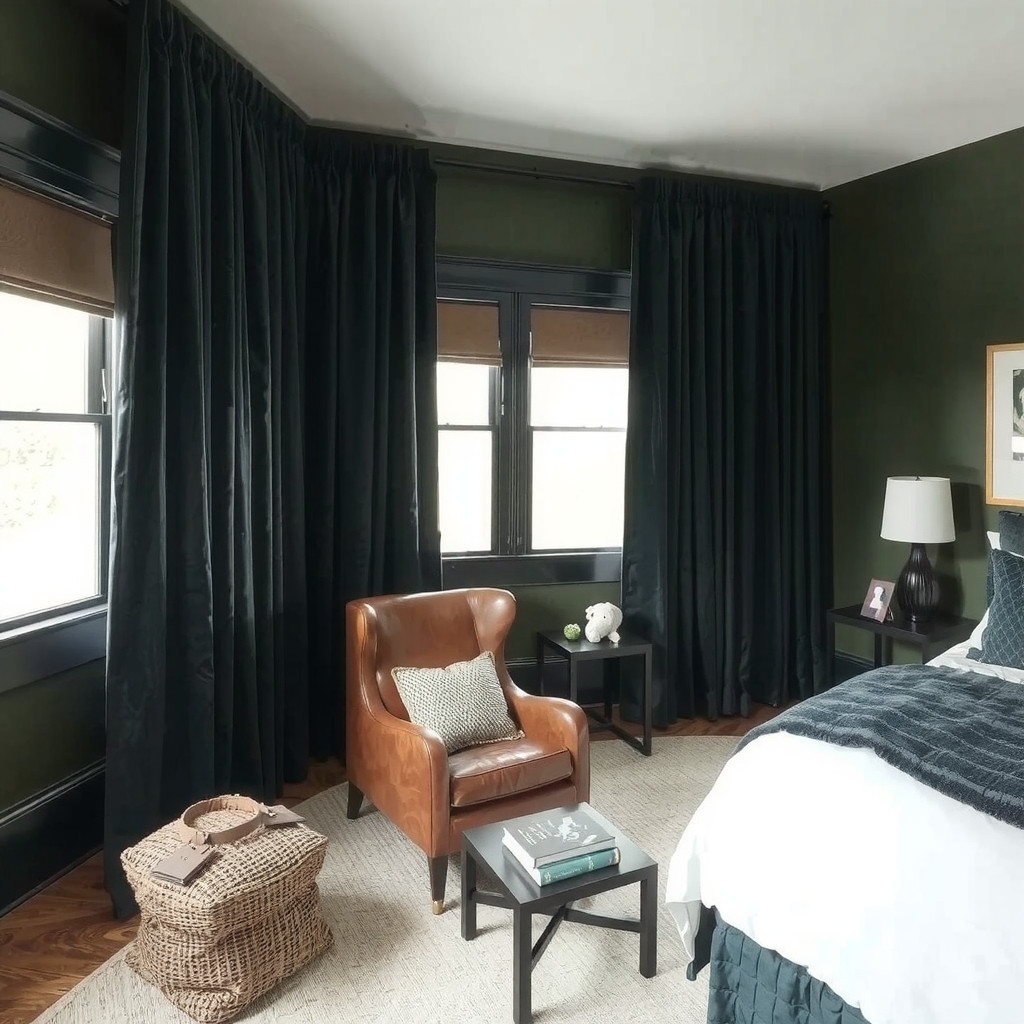
Consider creating zones within the room to break up the visual weight of dark walls. A reading nook in the corner, defined by a distinct armchair and a small side table, adds functionality and depth. Ensure that your walkways remain clear; tripping over clutter in a moody room destroys the zen-like vibe you are aiming for.
Materials and Textiles
Texture is the secret ingredient that prevents a dark room from feeling flat or two-dimensional. Without light bouncing around to reveal depth, you must rely on tactile differences to create interest. Layering is your best friend here. Think of mixing materials that catch the light differently: the soft sheen of velvet against the matte finish of chalk paint, or the roughness of a wool throw against smooth sateen sheets.
Incorporating natural elements like dark woods—walnut or mahogany—adds warmth to cool grey or blue tones. Metallic accents, such as brushed brass or antique bronze, act as jewelry for the room, catching glimmers of light and adding a touch of luxury to the shadows.

Focal Points
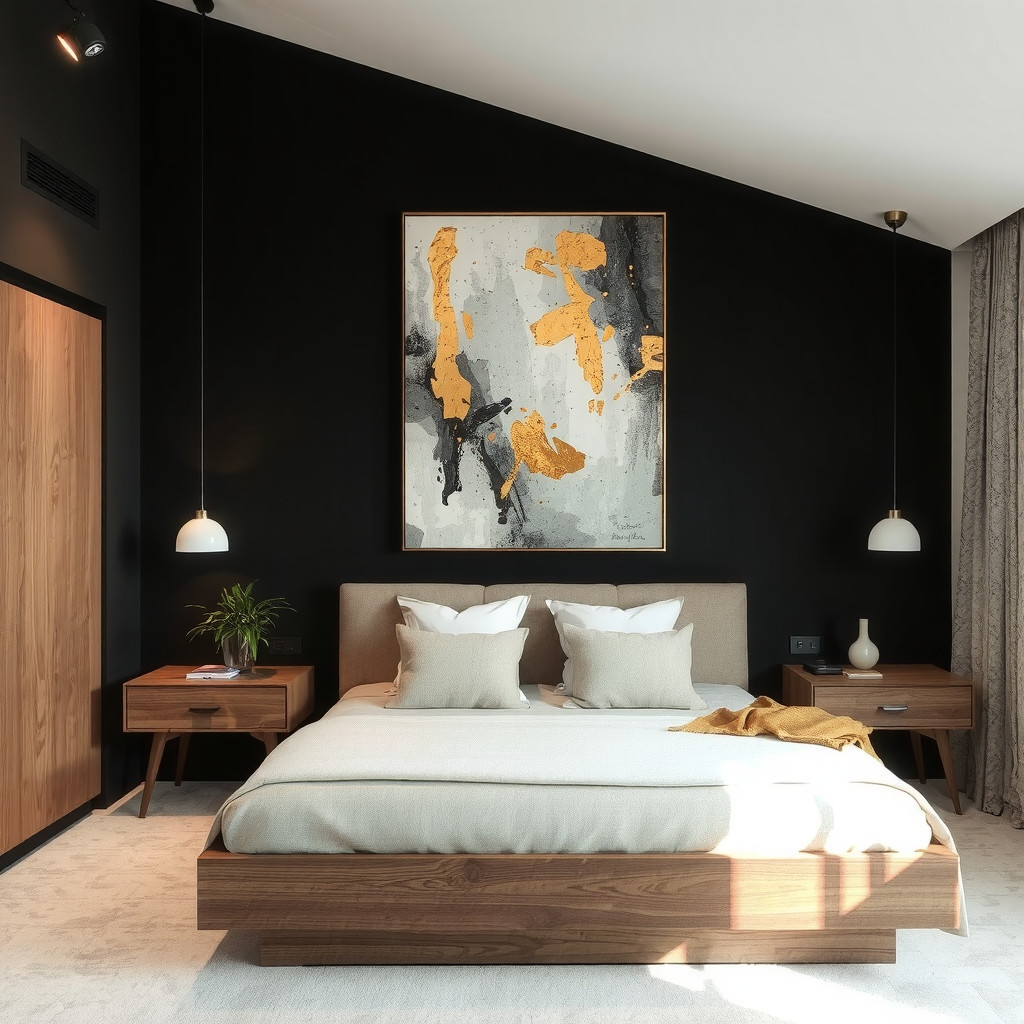
Every room needs a moment of drama, and in a dark bedroom, this is often achieved through a striking focal point that draws the eye. Since the walls are receding visually, you have the perfect canvas for a statement piece. This could be an oversized piece of art with lighter tones or metallic gold accents that pop against the deep background.
Alternatively, let the bed itself take center stage. A tall, upholstered headboard in a contrasting fabric or a rich leather creates a strong visual center. The goal is to give your eyes a place to rest, providing a sense of order amidst the enveloping darkness.
Lighting
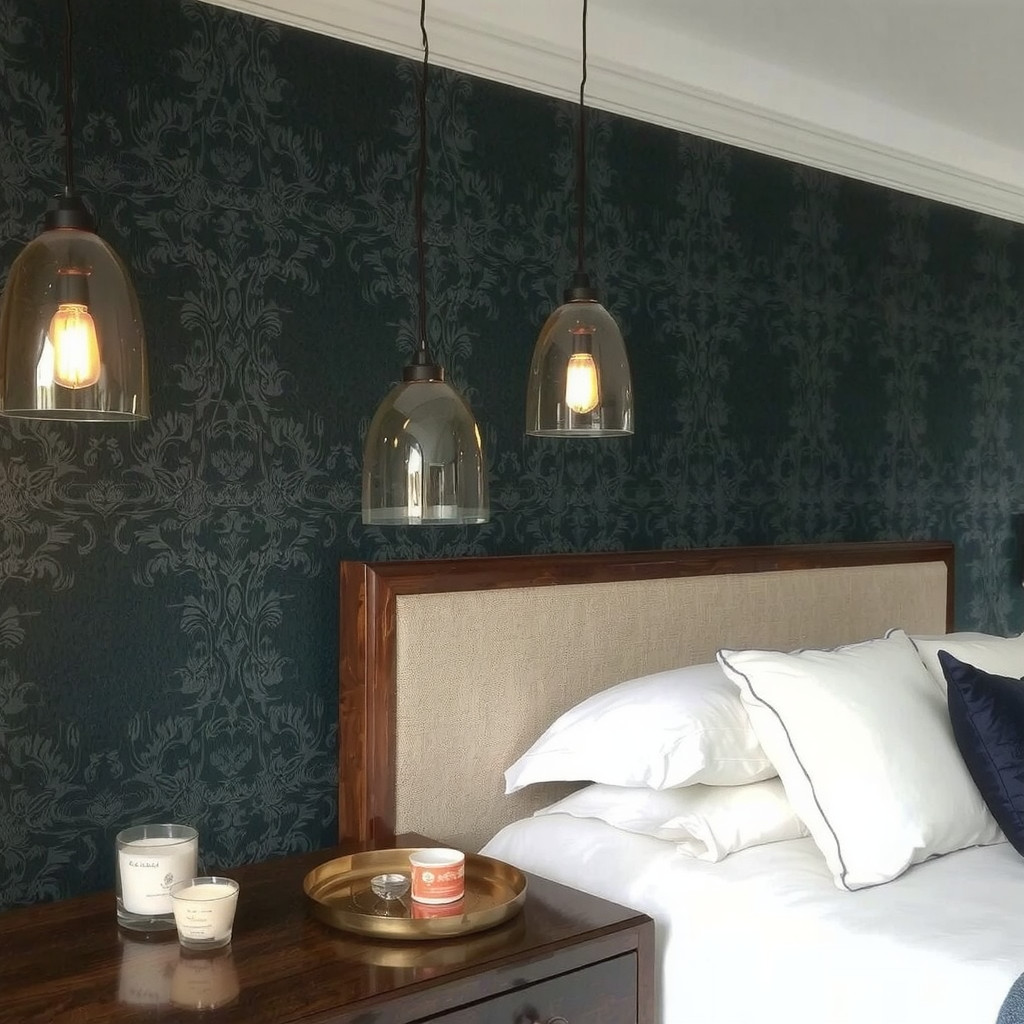
Lighting is the make-or-break element in moody design. You must avoid a single overhead light source, which can flatten the room and create harsh shadows. Instead, rely on layers of warm, ambient light. Use dimmable fixtures to control the intensity, mimicking the setting sun as you prepare for sleep.
Sconces or low-hanging pendants on either side of the bed free up nightstand space and provide a focused, intimate glow perfect for reading. Choose bulbs with a low Kelvin rating (2700K or lower) to emit a warm, amber light that complements the dark walls and enhances the cozy atmosphere.
Greenery
Bringing nature indoors is essential to keep a dark room from feeling sterile. Plants introduce organic shapes and vibrant life that contrast beautifully with structured furniture and dark paint. The deep green chlorophyll of leaves looks incredibly rich against charcoal, navy, or black walls.
Select plants that thrive in lower light conditions if your dark color scheme extends to heavy window treatments. Snake plants, rubber trees, or zz plants are excellent choices. Their structural leaves add architectural interest and purify the air, contributing further to a healthy sleep environment.

Tips
- Paint the Ceiling: Don’t leave a stark white ceiling; paint it the same color as the walls or a shade lighter to create a seamless, infinity effect.
- Use Mirrors: Strategically placed mirrors can reflect what little light exists, adding depth and preventing the room from feeling too small.
- Contrast is Key: Ensure there is enough contrast between your furniture and the floor/walls so items don’t disappear into the void.
- Warm Metallics: Silver can feel cold in a dark room; opt for gold, brass, or copper to add warmth.
- Declutter Ruthlessly: Shadows hide dust but highlight clutter; keep surfaces clean to maintain the serene aesthetic.
ADVERTISEMENT