ADVERTISEMENT
Grounded Serenity: Mastering the Earthy Modern Aesthetic
Creating a home that feels like a warm embrace starts with looking to the natural world for inspiration. An earthy aesthetic is not just about the color brown; it is about cultivating a sense of grounding, stability, and organic beauty within your four walls. You want to build a sanctuary that breathes, using raw materials and muted tones to foster deep relaxation.
Layout and Positioning
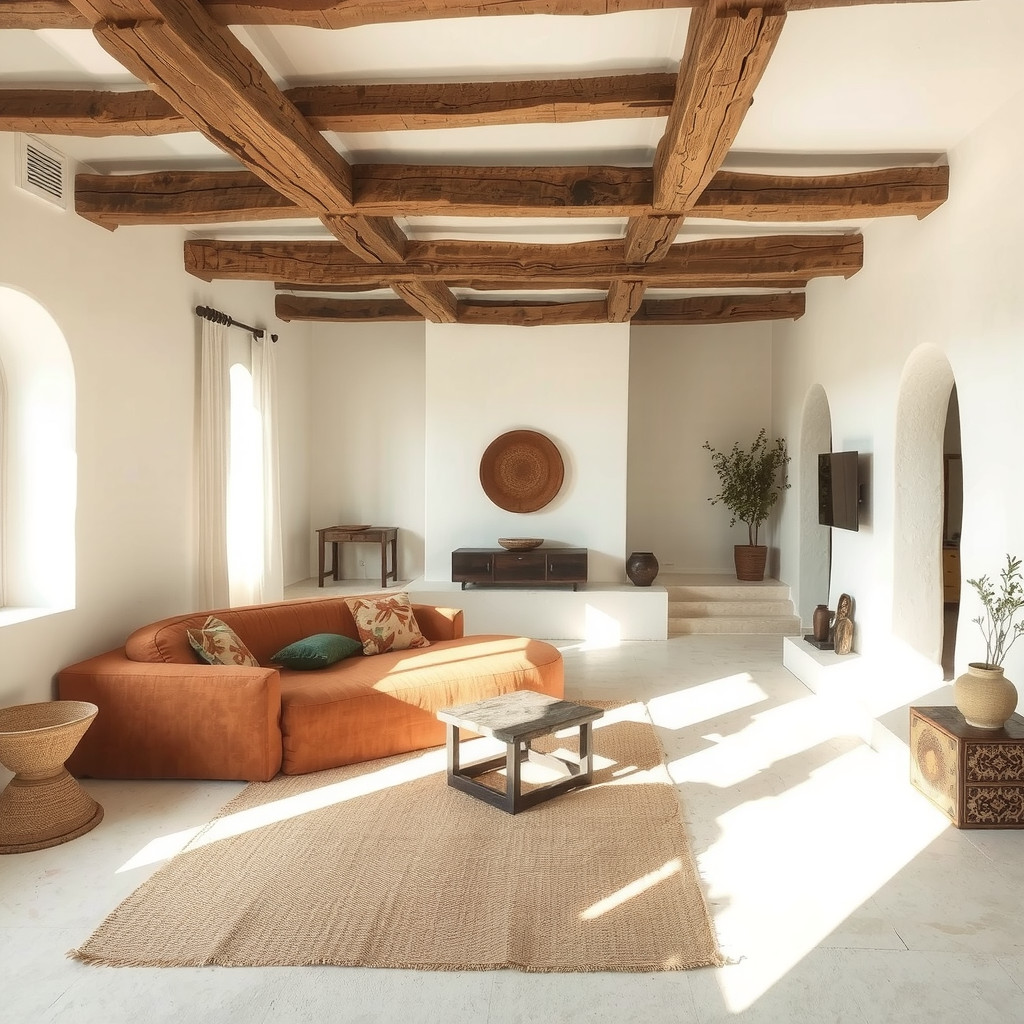
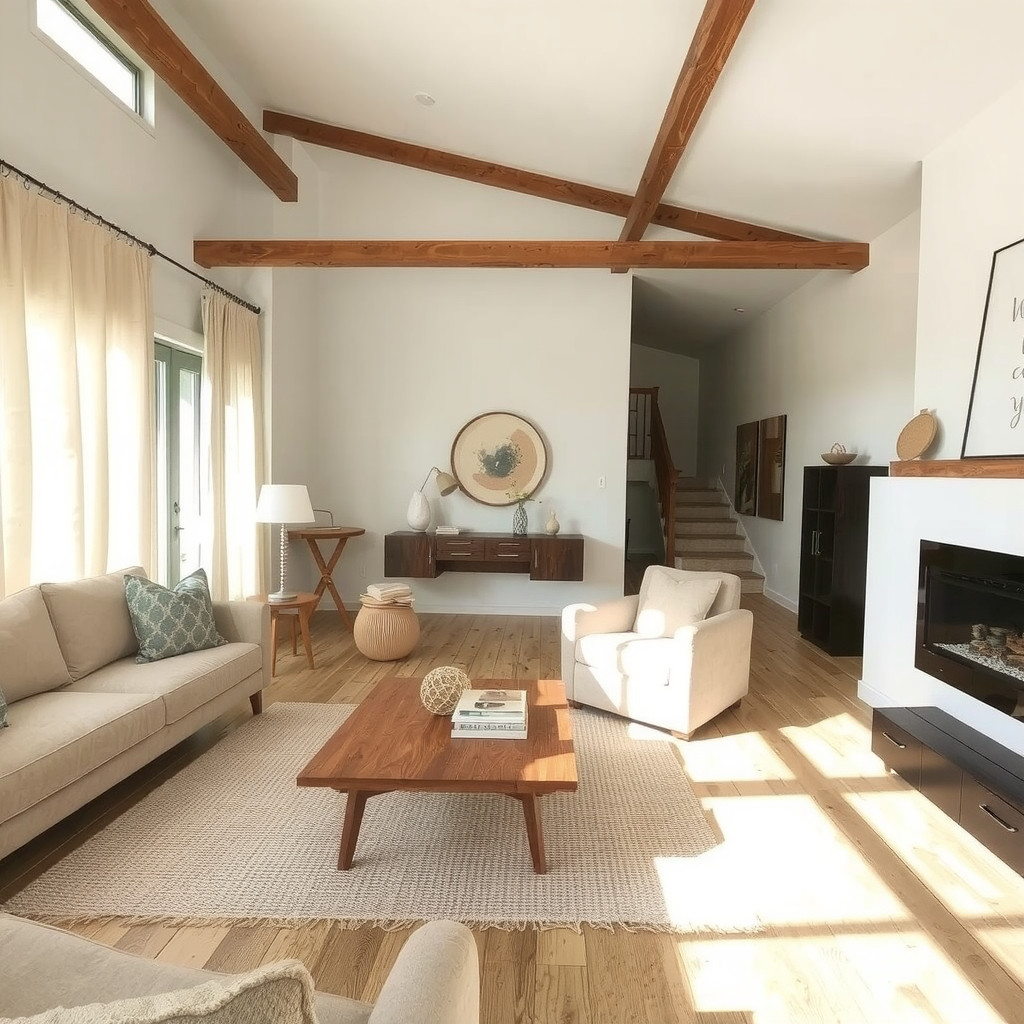
The way you arrange your furniture should mimic the effortless flow of a natural landscape. Avoid rigid, sharp angles that create tension; instead, opt for arrangements that encourage movement and openness. Position your seating areas to face windows or architectural features rather than just a television screen, inviting the outside world to become part of your interior narrative.
Consider low-profile furniture that keeps your sightlines clear and maintains a connection to the floor. By keeping heavy pieces closer to the ground, you create a sense of height and airiness above, similar to a forest canopy.
Materials and Textiles
The soul of an earthy home lies in the tactile experience of its surfaces. You should prioritize materials that feel good against the skin and show their natural origins. Swap out synthetic blends for pure linens, chunky wools, and buttery leathers that will patina beautifully over time.
Incorporate raw wood with visible grain, unpolished stone, and rattan to add layers of visual interest without relying on bright colors. The goal is to create a palette of textures where a rough jute rug contrasts with a smooth velvet cushion or a weathered timber table.

Focal Points
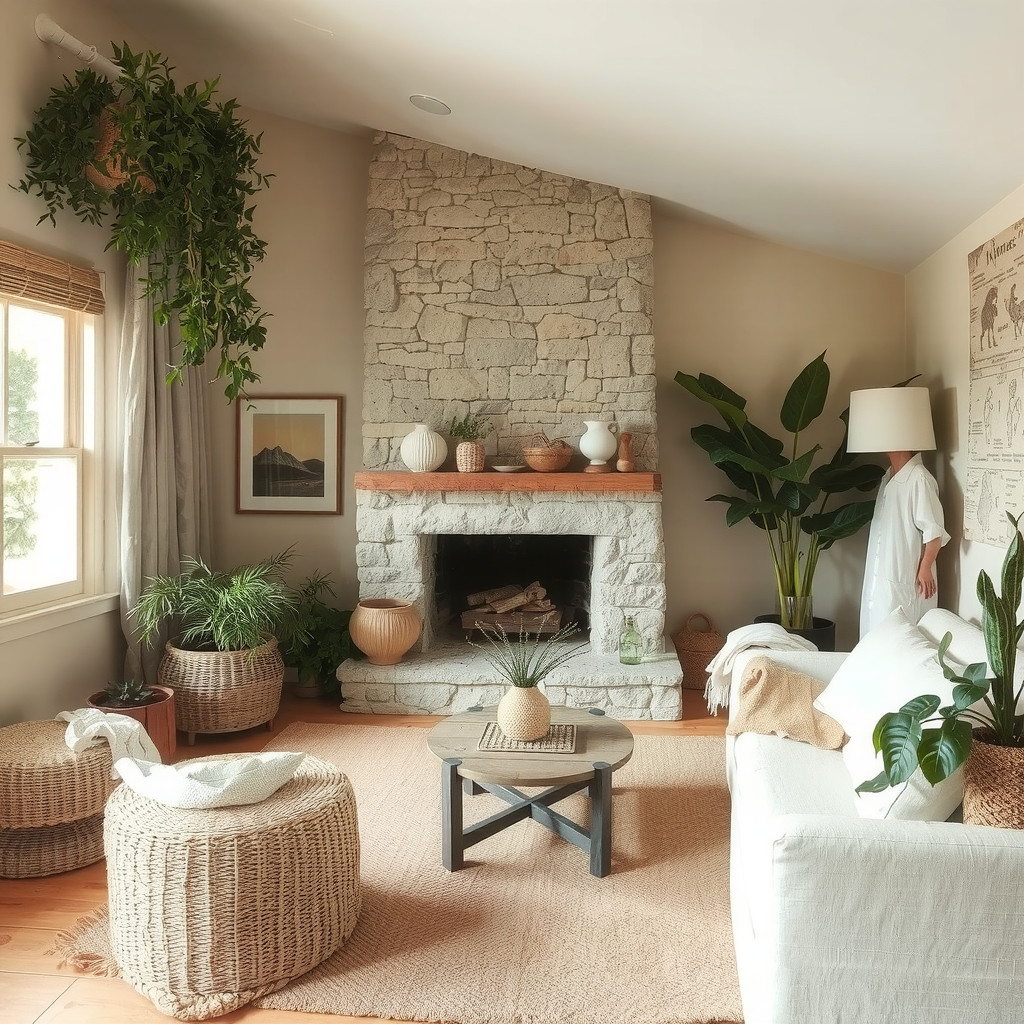
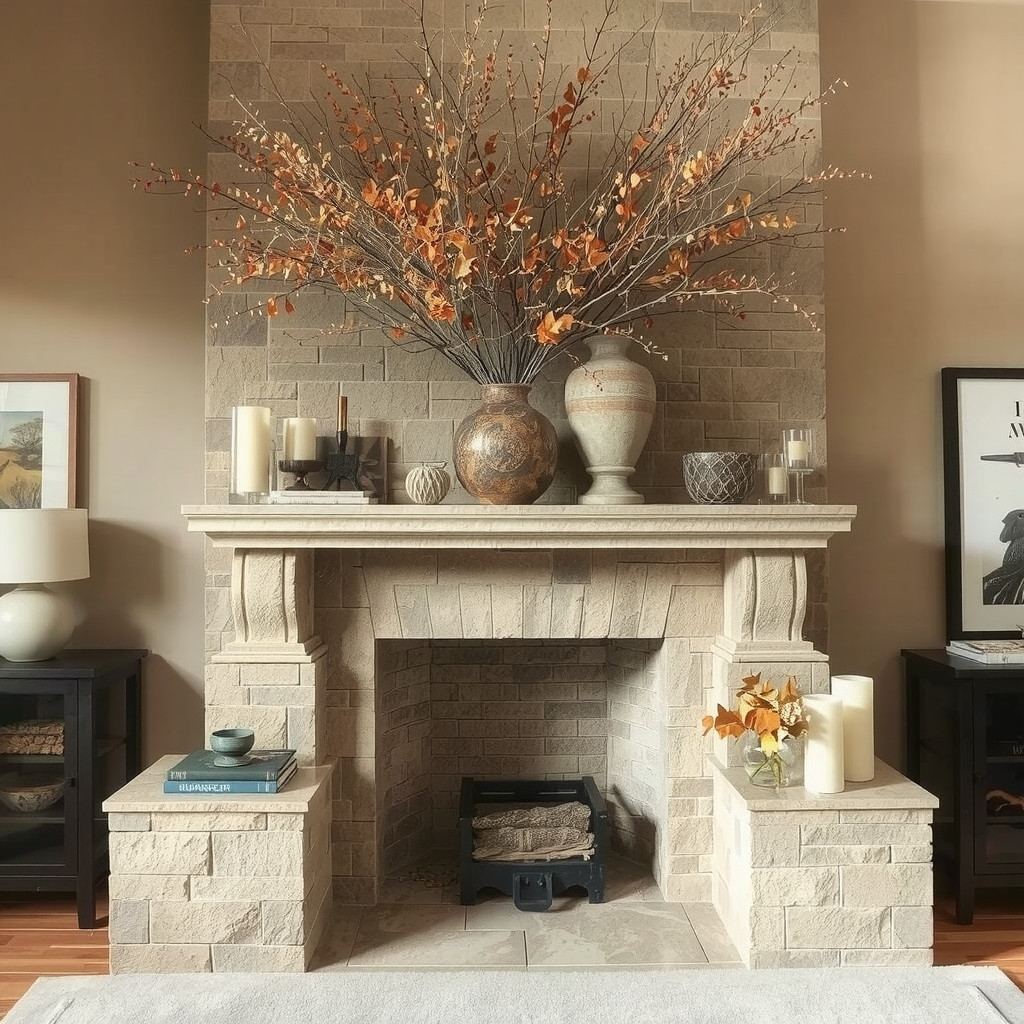
Every room needs an anchor, a distinct element that draws the eye and settles the spirit. In an earthy decor scheme, this focal point should feel substantial and permanent. A fireplace clad in rough-hewn stone or a wall washed in lime plaster can serve as a stunning centerpiece that sets the tone for the entire room.
If structural changes aren’t possible, choose a statement furniture piece like a live-edge dining table or an oversized clay vessel. These items act as heavy, grounding forces that balance out lighter textiles and accessories.
Lighting
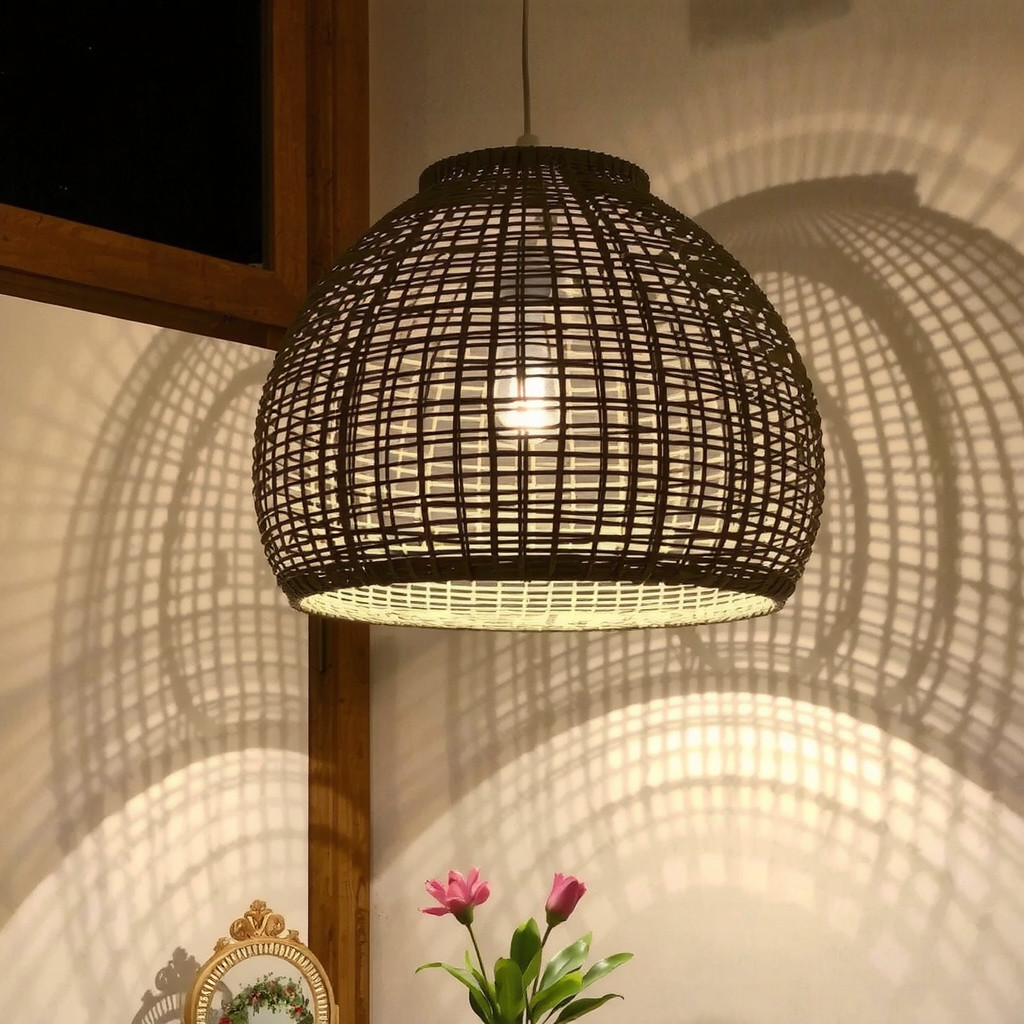
Lighting transforms the mood of your earthy sanctuary from a bright morning meadow to a cozy evening cave. Move away from harsh, cool-toned LEDs and embrace warm, diffused light that mimics the golden hour. Layer your lighting sources to create pools of illumination rather than a uniform brightness.
Choose fixtures made from organic materials like woven seagrass, bamboo, or frosted glass with brass hardware. A large pendant lamp made of natural fibers can act as a floating sculpture during the day and a source of warm, dappled light at night.
Greenery
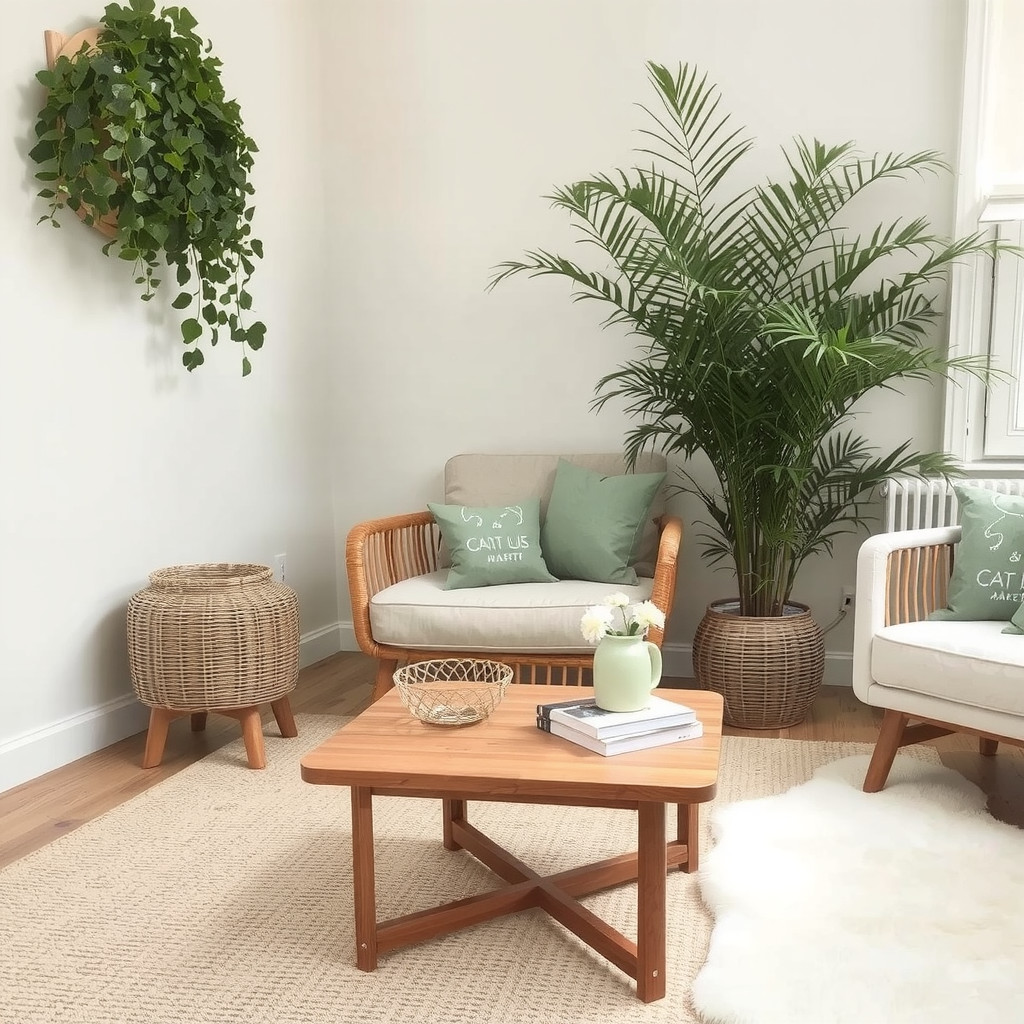
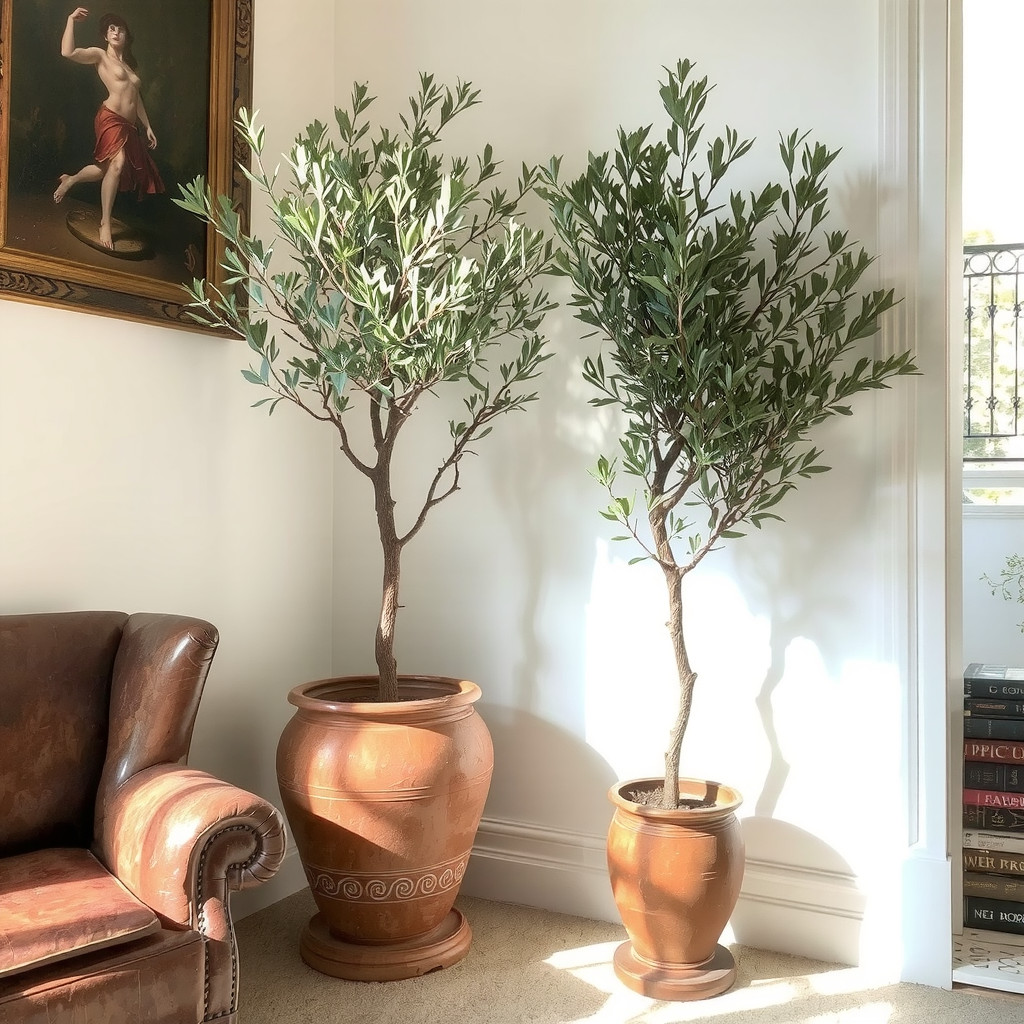
No earthy home is complete without the vibrancy of living plants. Greenery bridges the gap between your interior and the outdoors, adding a necessary burst of life to neutral palettes. Do not limit yourself to small succulents; think vertically with trailing ivy on bookshelves or structurally with a large indoor tree in a corner.
Use planters made from terracotta, concrete, or woven baskets to maintain the organic theme. Even dried botanicals like pampas grass or eucalyptus branches can add height and texture if you prefer low-maintenance options.
Tips
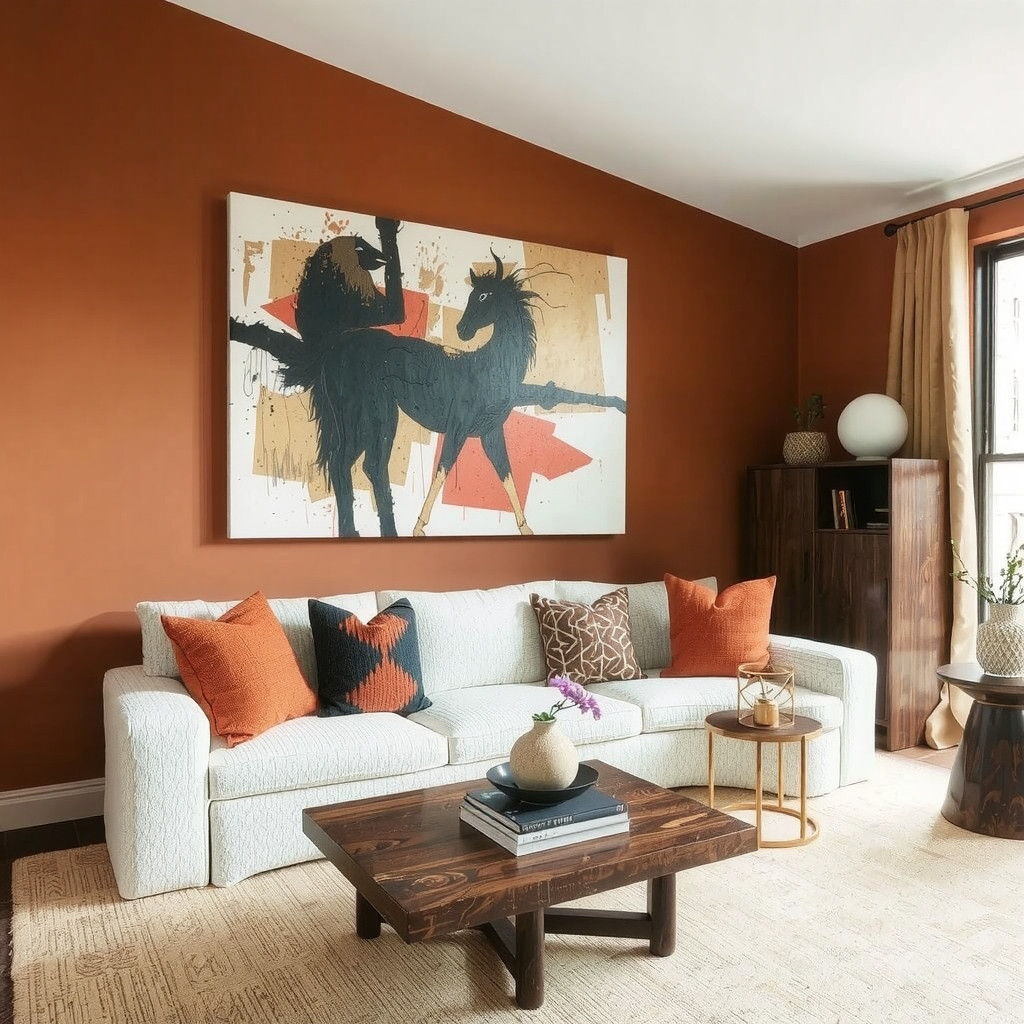
- Layer Neutrals: Mix various shades of beige, cream, rust, and sage to prevent the room from looking flat.
- Embrace Imperfection: Look for wabi-sabi elements like hand-thrown pottery or slightly uneven wooden bowls.
- Scent Matters: Use diffusers with sandalwood, cedar, or patchouli oils to engage the sense of smell.
- Matte Finishes: Choose matte paint and hardware over high-gloss finishes for a softer, more natural look.
- Declutter: Keep surfaces clean to allow the beauty of the materials to stand out without distraction.
ADVERTISEMENT