ADVERTISEMENT
Grounding Your Sanctuary: The Art of Earthy Modern Interiors
Creating a home that feels like a retreat involves more than just selecting furniture; it requires a deep connection to the natural world. An earthy aesthetic grounds you, providing a tactile respite from the digital noise of everyday life. By embracing organic textures, warm palettes, and intentional design, you cultivate a space that breathes and evolves with you.
Layout and Positioning
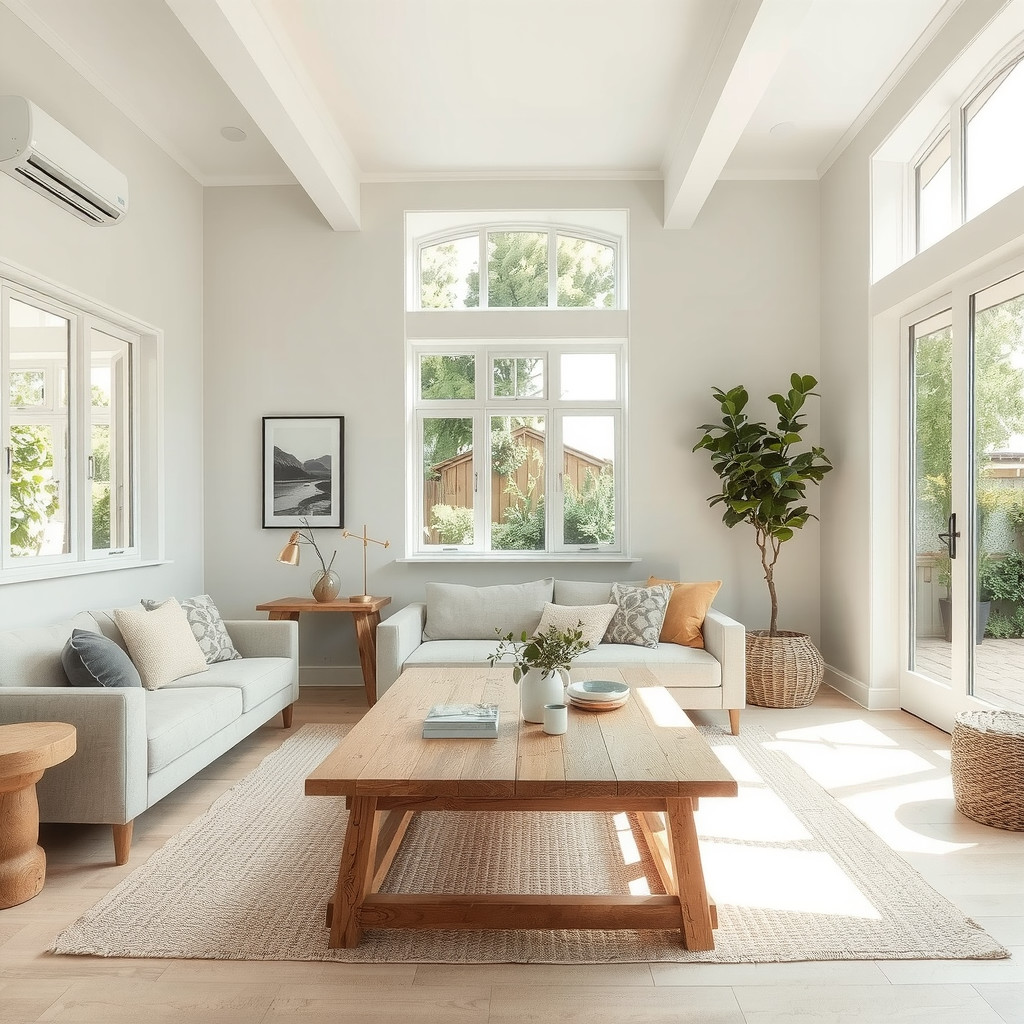
Your journey begins with the flow of the room. Earthy decor thrives on breathability and connection. Arrange your seating to encourage conversation while maintaining clear sightlines to windows or natural light sources. Avoid cluttering pathways; instead, allow negative space to exist as a calming element in itself.
Position heavier furniture pieces, like sofas or sideboards, low to the ground to emphasize a sense of groundedness. Orient your main living area towards the best view of the outdoors, blurring the boundary between inside and outside. This layout strategy invites the calmness of nature directly into your daily routine.
Materials and Textiles
The soul of an earthy home lies in its materials. Move away from synthetic gloss and embrace the imperfections of the natural world. Unfinished woods, honed stone, and unglazed ceramics introduce a necessary roughness that contrasts beautifully with soft furnishings.
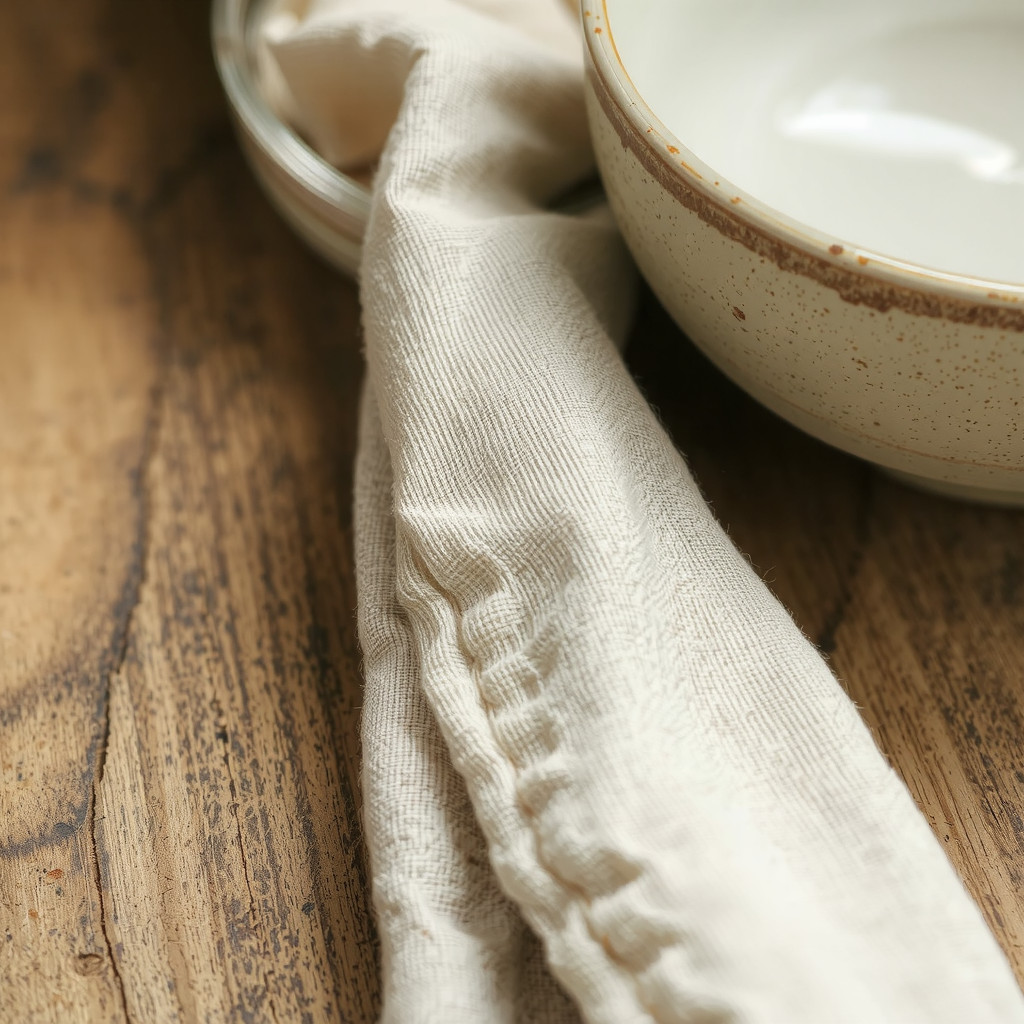
When selecting textiles, prioritize natural fibers that invite touch. Drape a heavy, knubby wool throw over an armchair, or dress your bed in washed linen sheets that soften with every wash. Jute or sisal rugs anchor the floor with organic grit, while velvet cushions in moss or terracotta tones add depth.
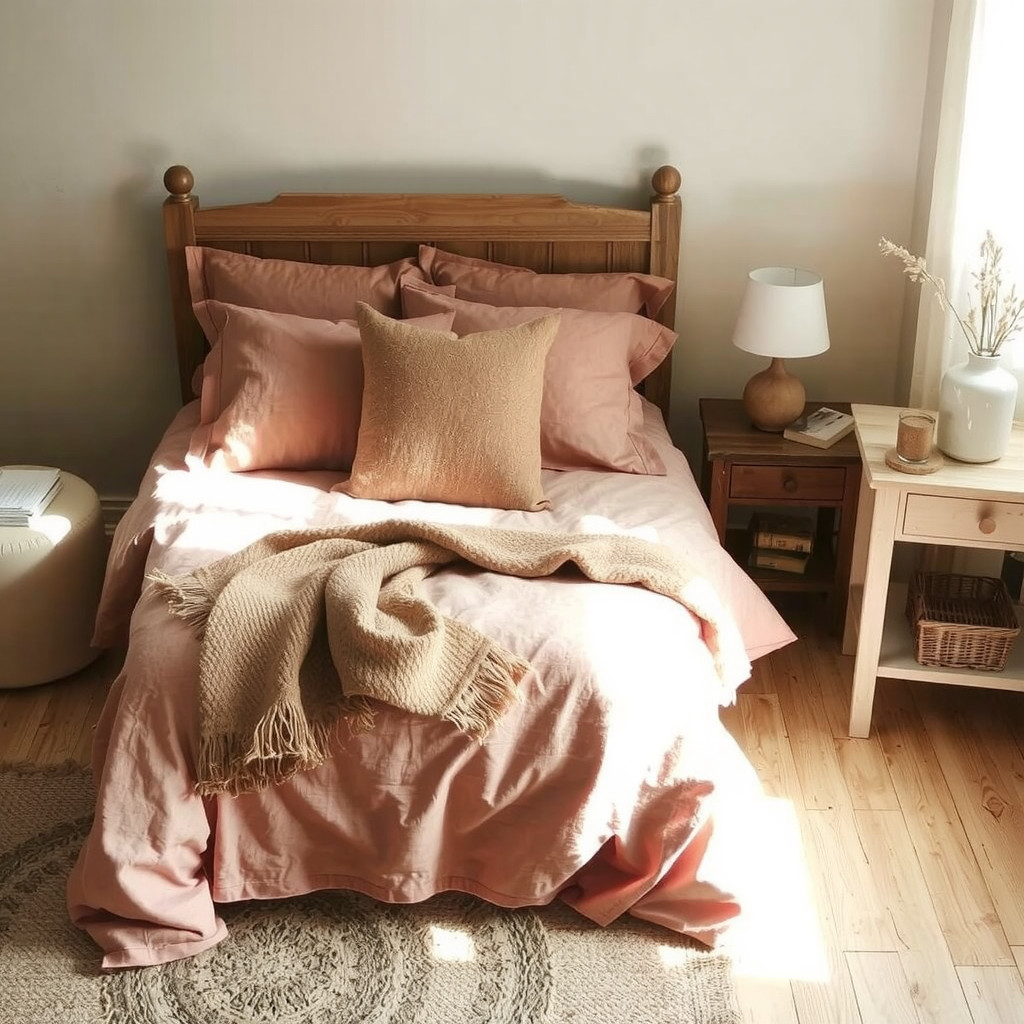
Focal Points
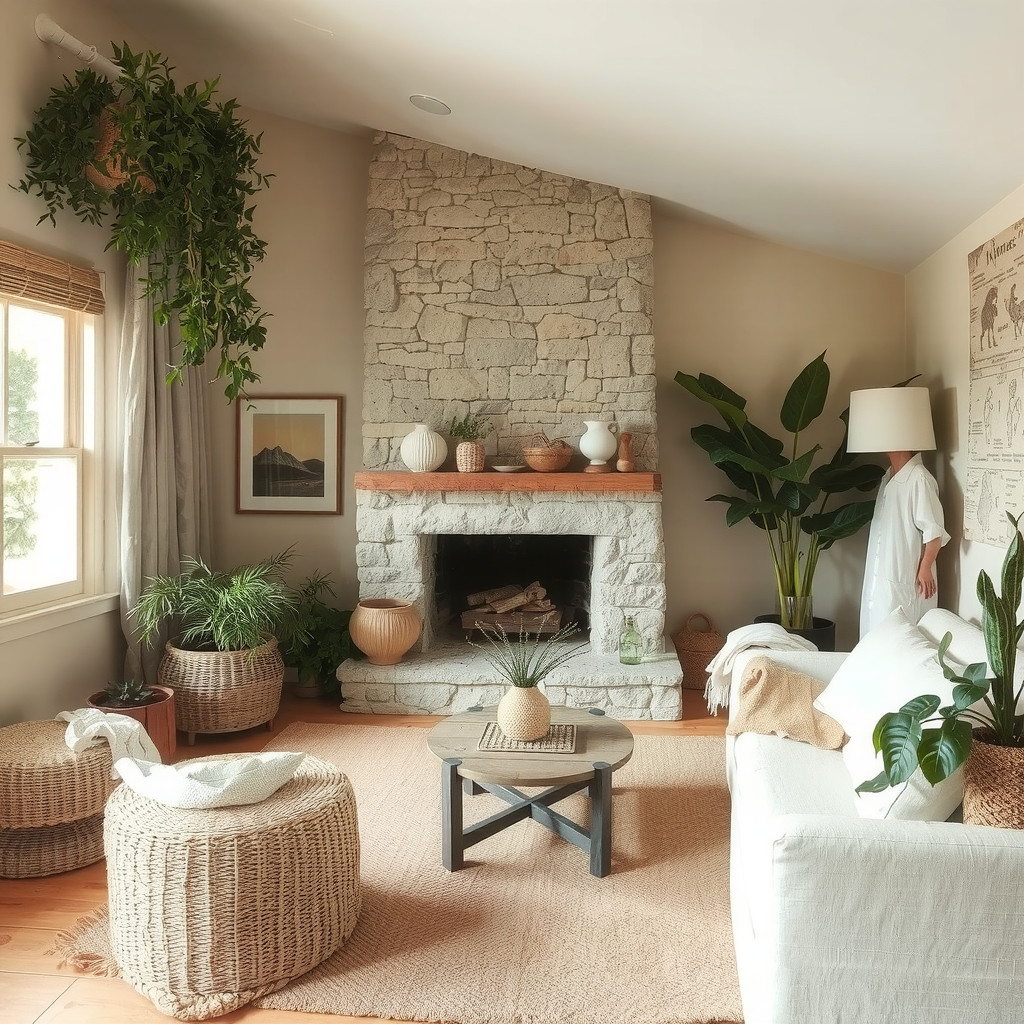
Every room needs an anchor, a place where the eye naturally rests. In an earthy modern home, this focal point should feel substantial and permanent. Consider a lime-washed wall in a warm sand tone or a fireplace clad in rough-cut stone.
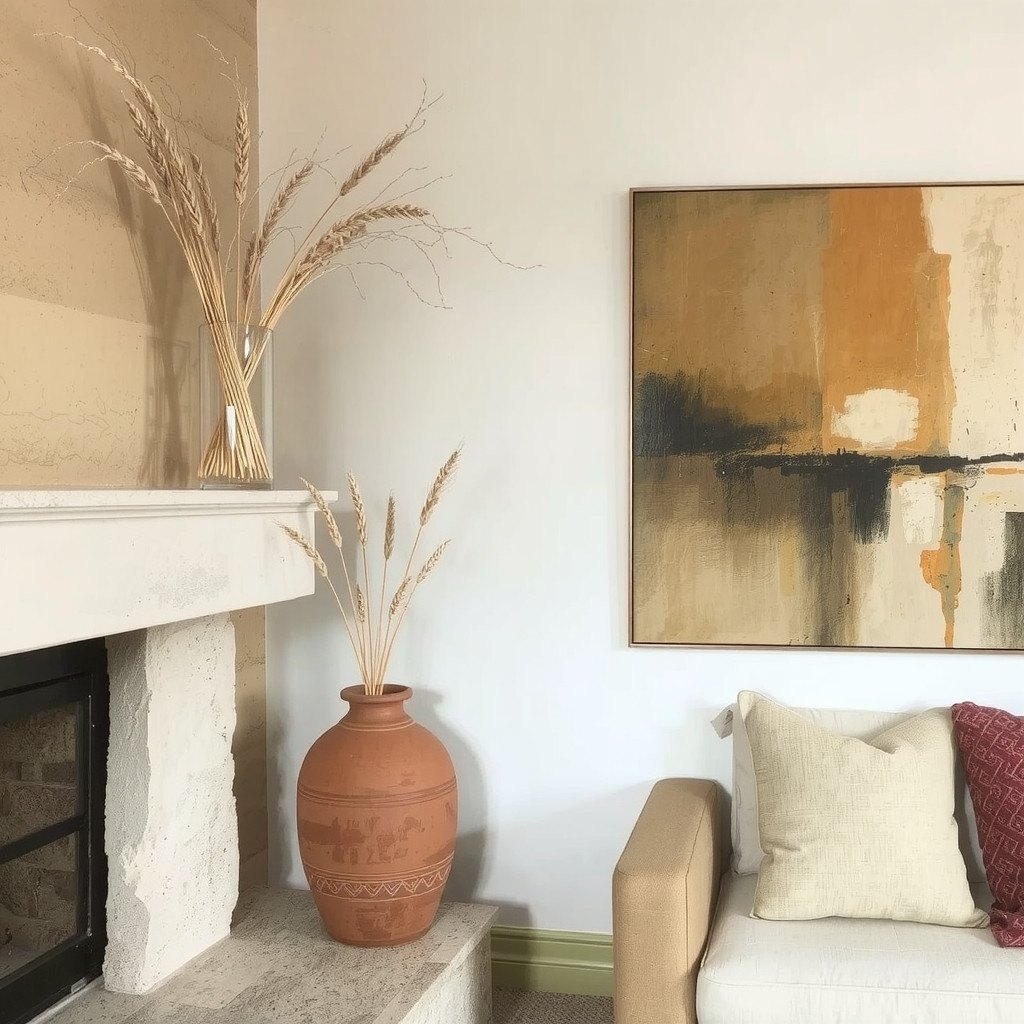
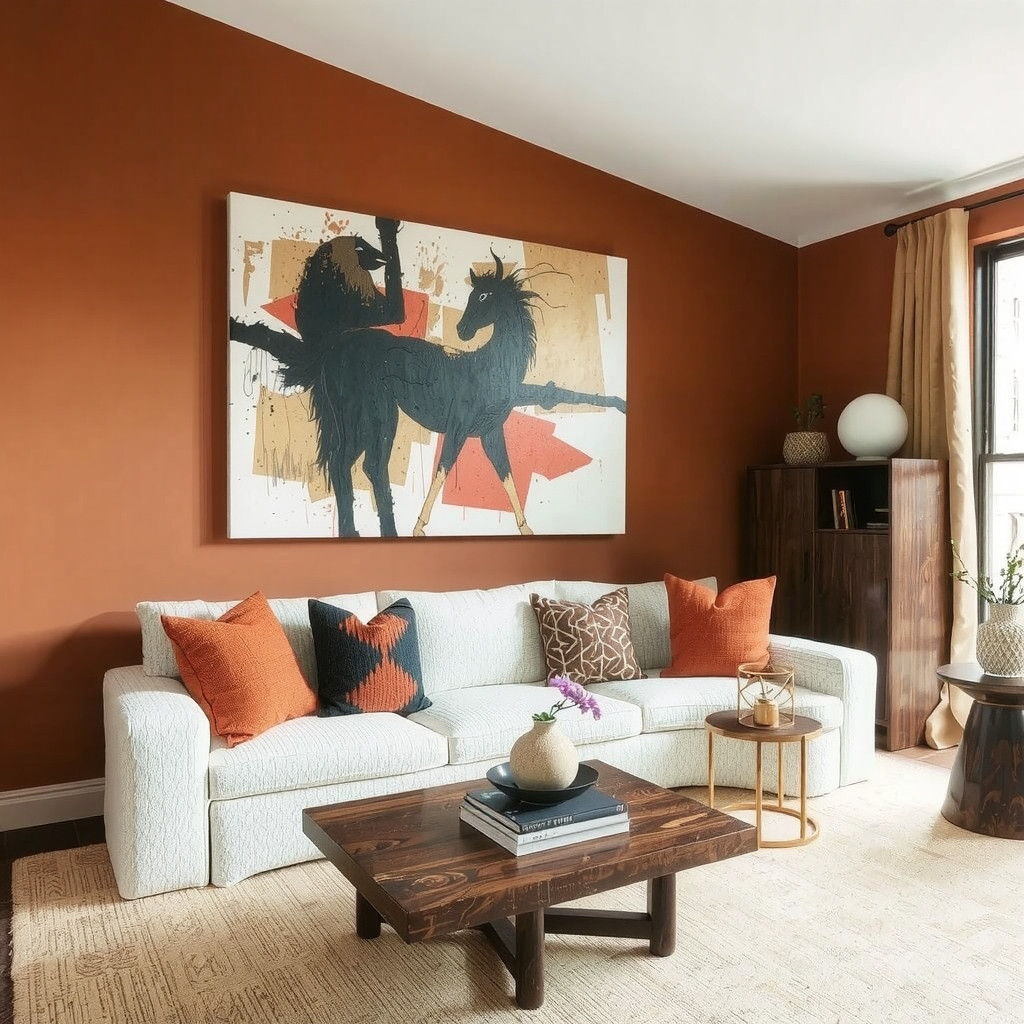
If structural changes aren’t possible, use large-scale art or furniture as your anchor. A solid teak coffee table with a live edge or an oversized abstract painting featuring ochre and charcoal hues can serve the same purpose. These elements provide visual weight and reinforce the theme of stability.
Lighting
Lighting sets the emotional temperature of your space. Harsh, cool lighting has no place here. Instead, aim for a warm, amber glow that mimics the softness of the golden hour. Layer your lighting sources to create pockets of intimacy rather than flooding the room with uniform brightness.
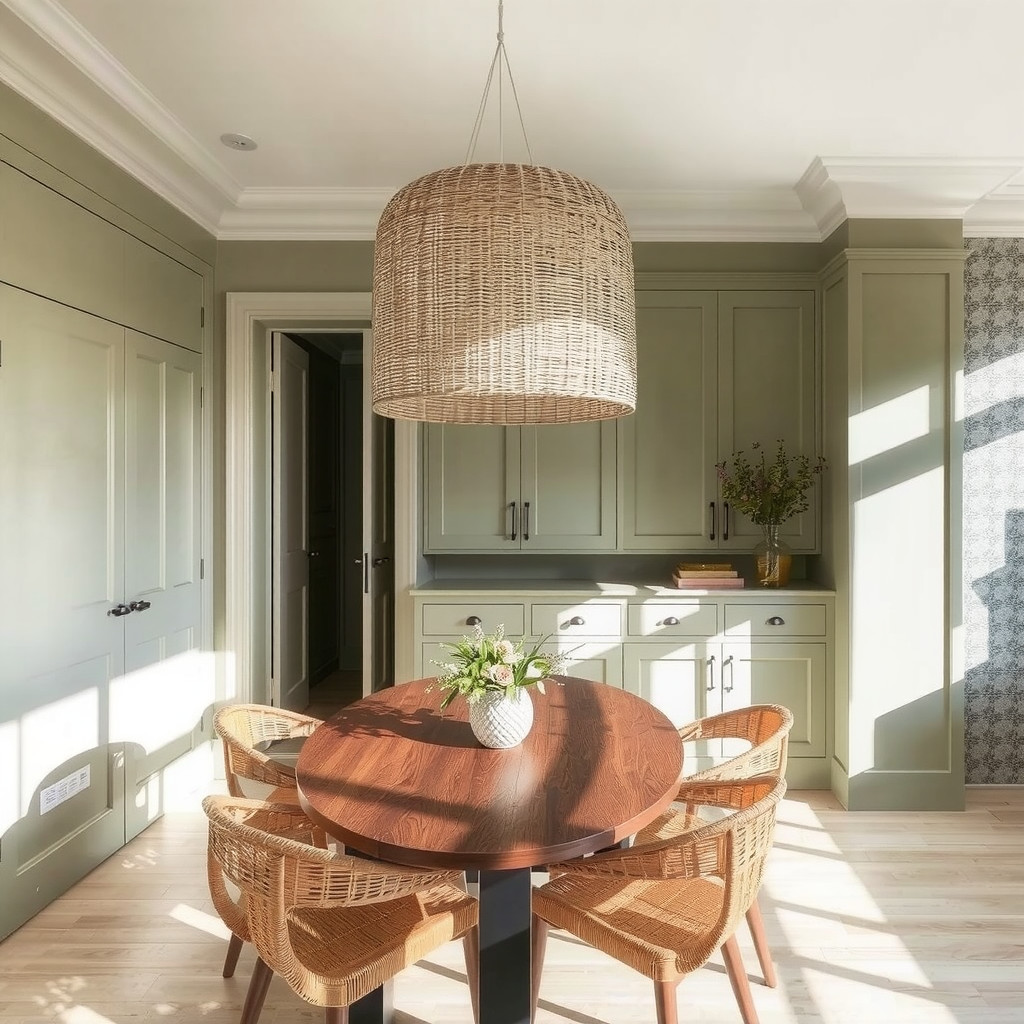
Choose fixtures made from organic materials. Pendant lights woven from rattan, bamboo, or seagrass cast intricate shadows that add movement to your walls. Table lamps with ceramic bases or paper shades diffuse light gently, contributing to a cozy and inviting atmosphere.
Greenery
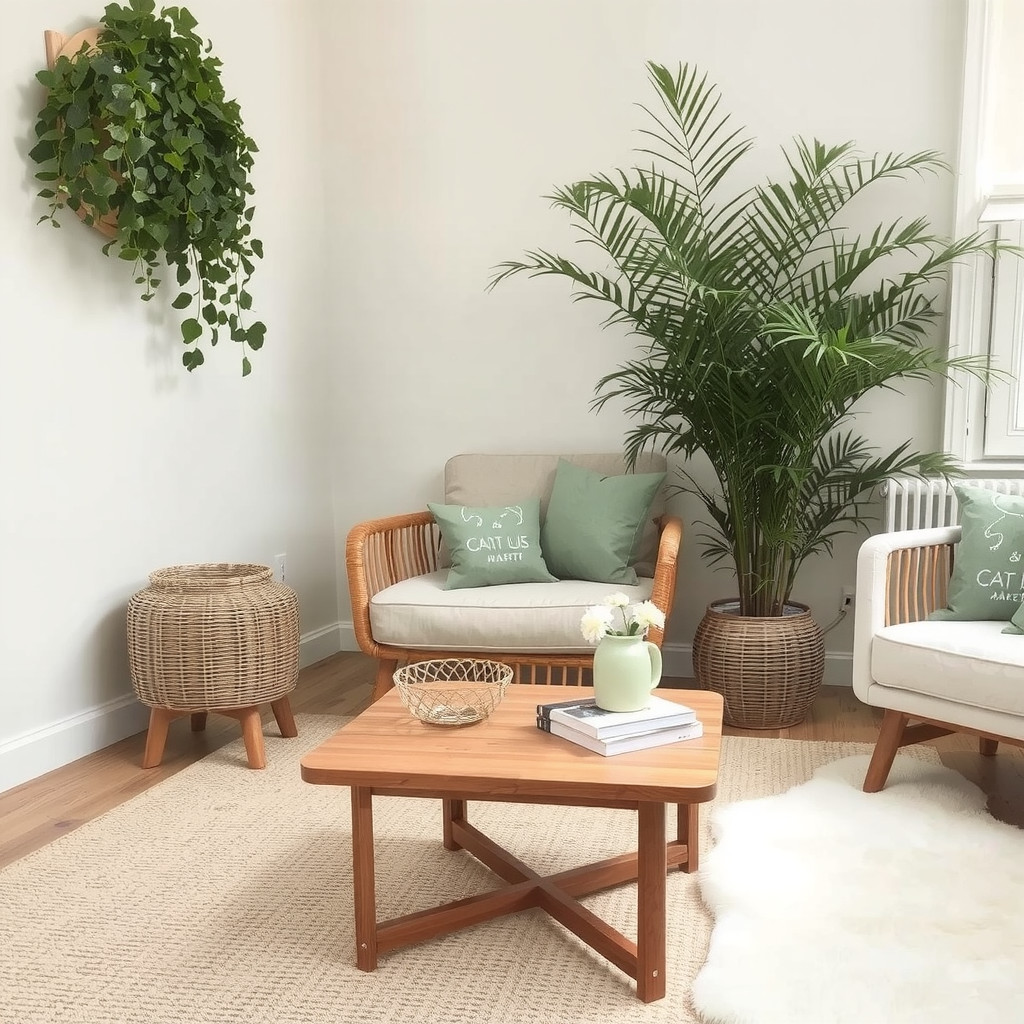
No earthy home is complete without living elements. Plants are not just accessories; they are sculptural components that breathe life into your design. Move beyond small succulents and opt for statement greenery that commands attention.
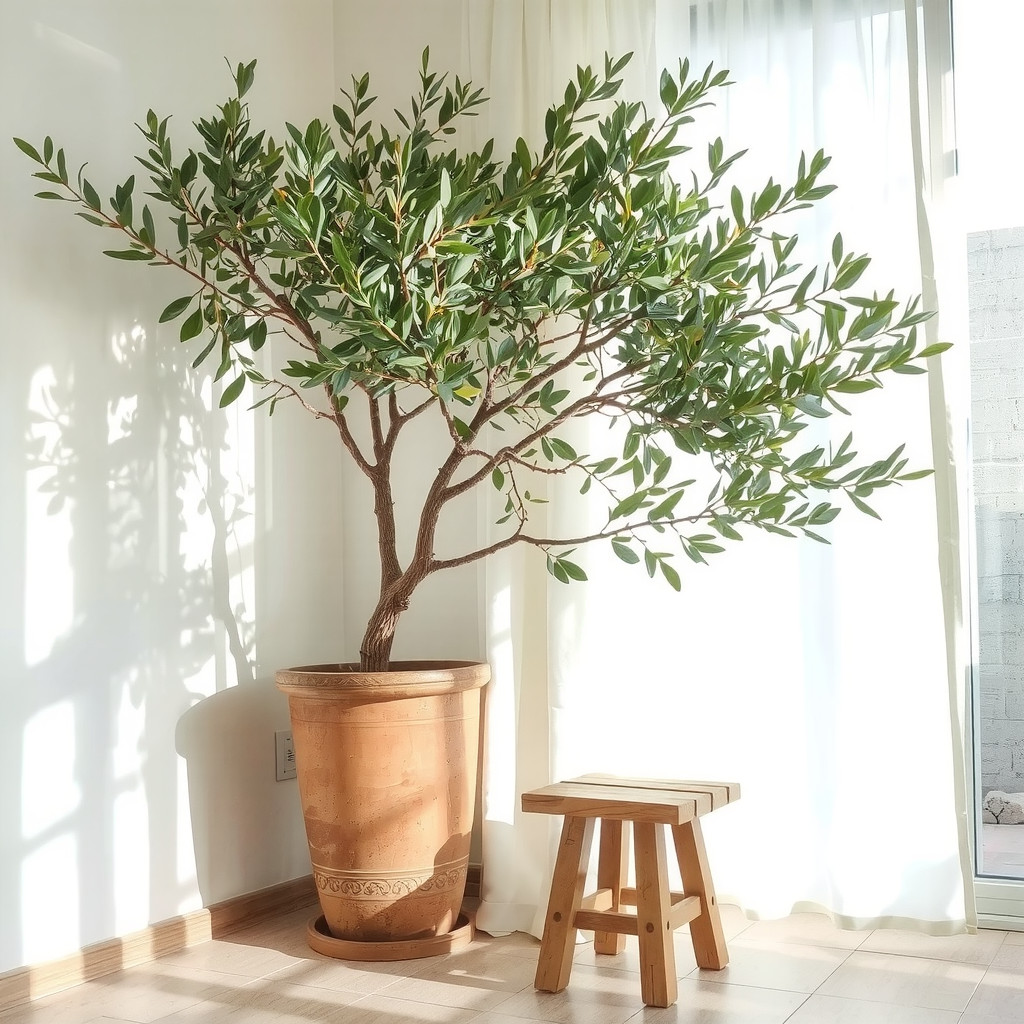
Place a tall olive tree or a fiddle leaf fig in a woven basket to fill an empty corner. Use trailing plants like pothos on high shelves to draw the eye upward. The vibrant green creates a striking contrast against neutral walls and wood tones, completing the organic palette.
Tips
- Stick to a Warm Palette: Focus on shades of clay, beige, moss, warm grey, and terracotta to maintain cohesion.
- Mix Vintage and New: Incorporate aged wood or antique brass to add history and character to modern spaces.
- Engage the Senses: Use scents like sandalwood, cedar, or patchouli to enhance the earthy atmosphere.
- Matte Finishes: Opt for matte or eggshell paint finishes to absorb light softly rather than reflecting it.
ADVERTISEMENT