ADVERTISEMENT
Introduction
Embracing rustic Mexican decor is about more than just aesthetic choices; it is an invitation to welcome history, warmth, and artisanal craftsmanship into your daily life. This style, often referred to as Hacienda or Spanish Colonial, thrives on the beauty of imperfection and the grounding influence of natural elements. When you step into a room designed with this ethos, you should immediately feel the embrace of sun-baked colors and solid, enduring materials.
It is a design language that speaks of dusty courtyards, vibrant fiestas, and quiet afternoons in the shade. You do not need to live in the Southwest to cultivate this atmosphere; you simply need to prioritize texture, warmth, and authenticity over sleek, manufactured perfection. By layering earthy tones with vibrant accents, you create a sanctuary that feels both timeless and lived-in.
Layout and Positioning
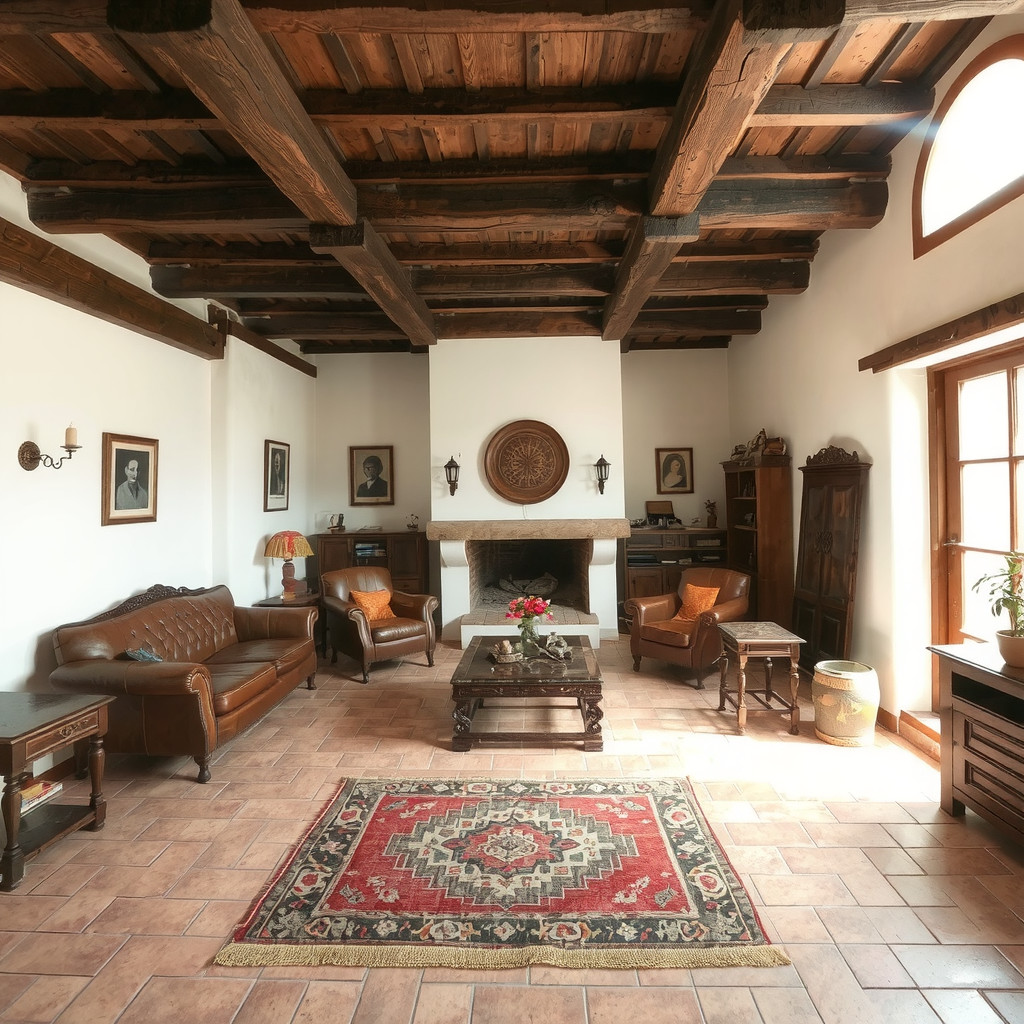
To truly capture the spirit of a Mexican hacienda, your furniture arrangement should encourage connection and easy movement. Traditional homes often center around a courtyard, and you can mimic this by creating inward-facing conversation areas. Pull your furniture away from the walls to create intimate clusters that facilitate storytelling and togetherness.
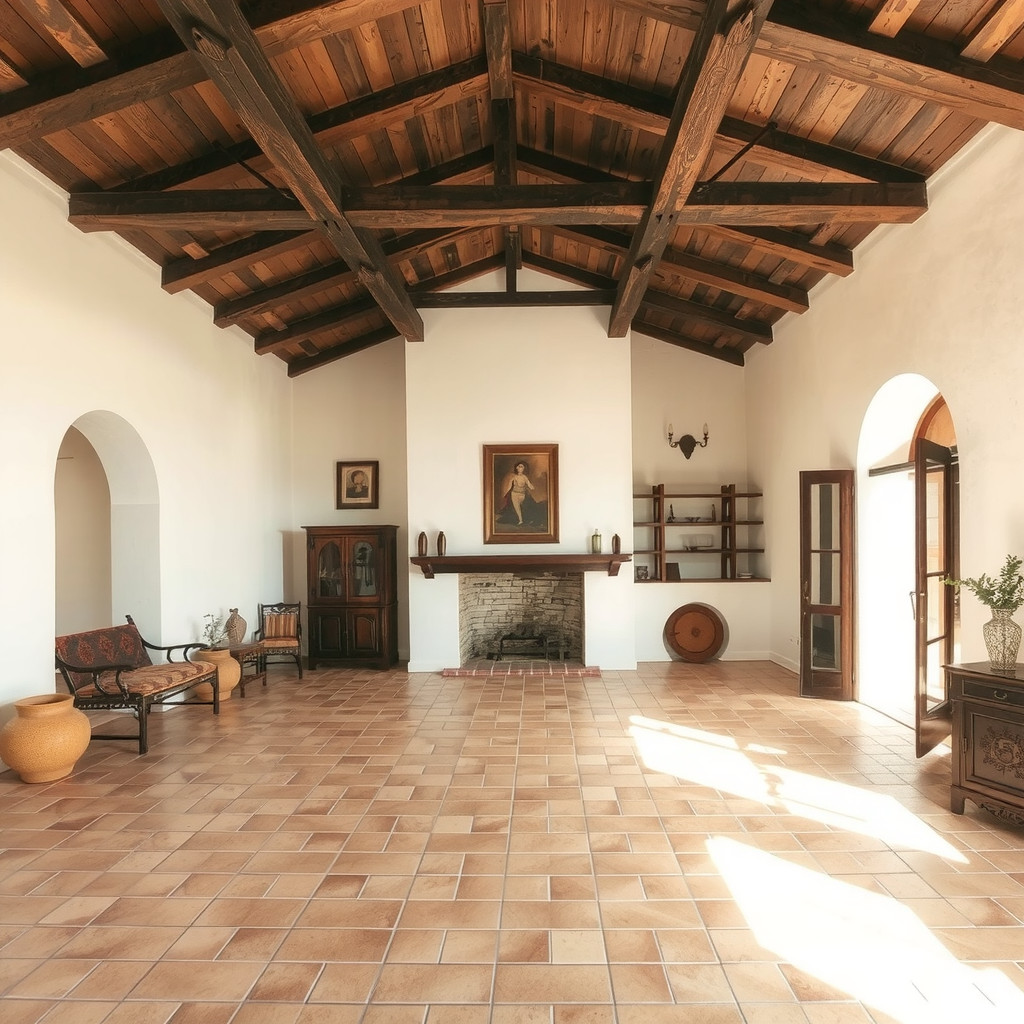
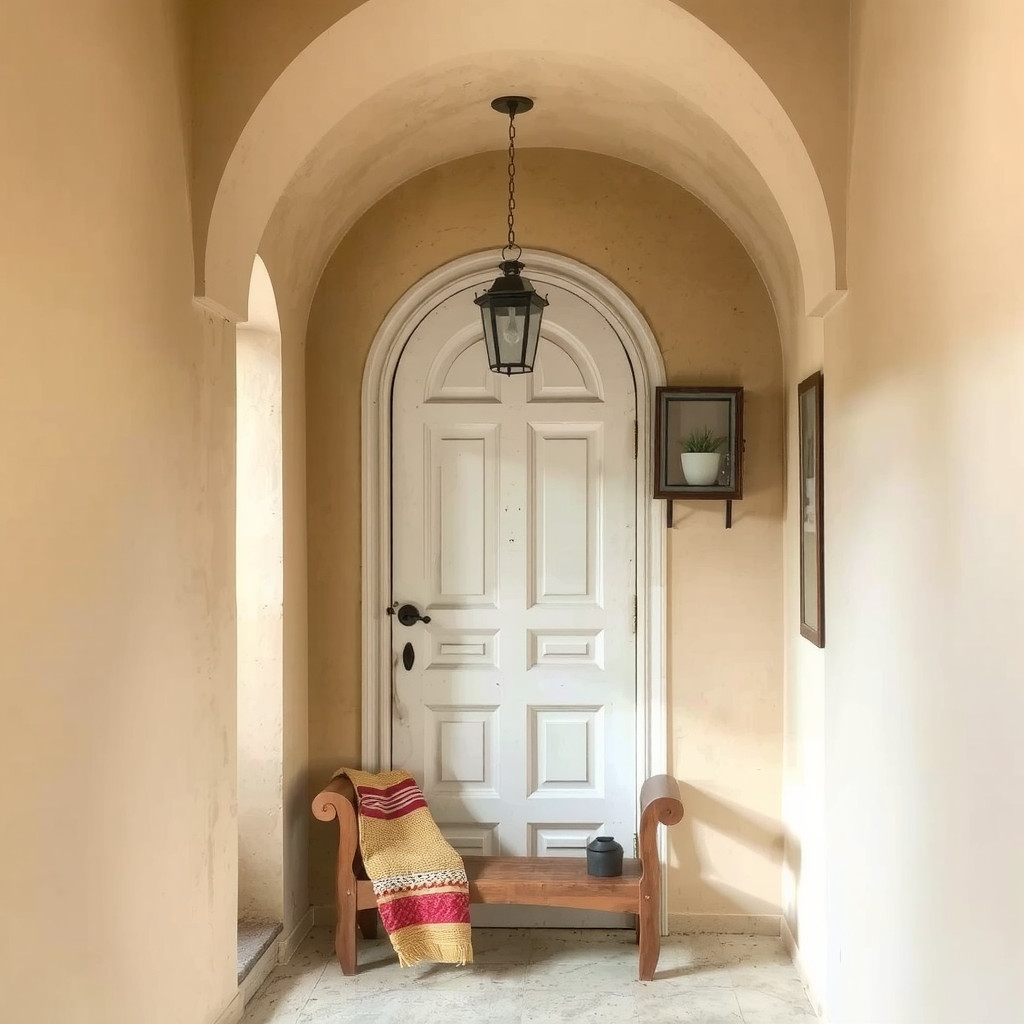
Flow is essential. Use heavy wooden pieces to anchor a room, but allow for open pathways that mimic the breezy corridors of a colonial estate. If your architecture permits, emphasize or create the illusion of arched doorways to soften the transitions between rooms. This structural curvature adds a gentle, organic feel that contrasts beautifully with the heavy materials often used in this style.
Materials and Textiles
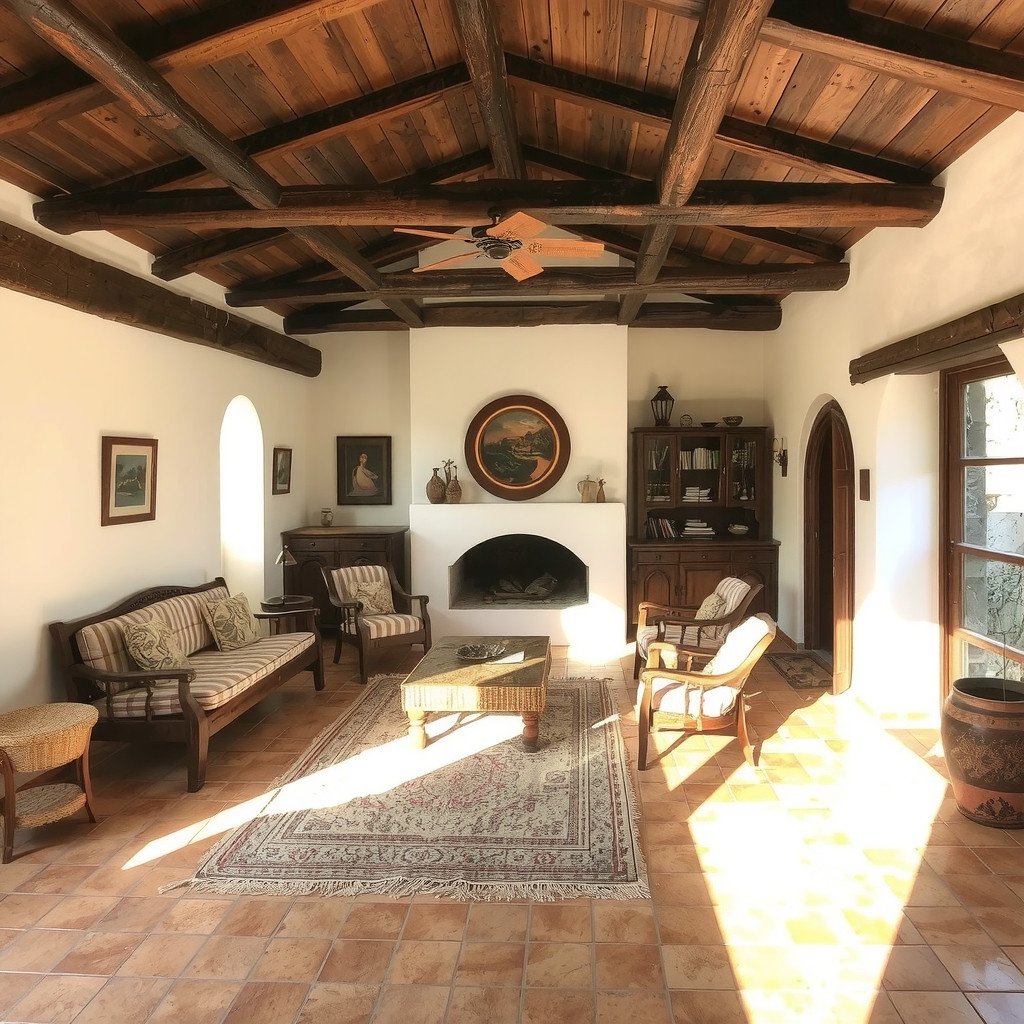
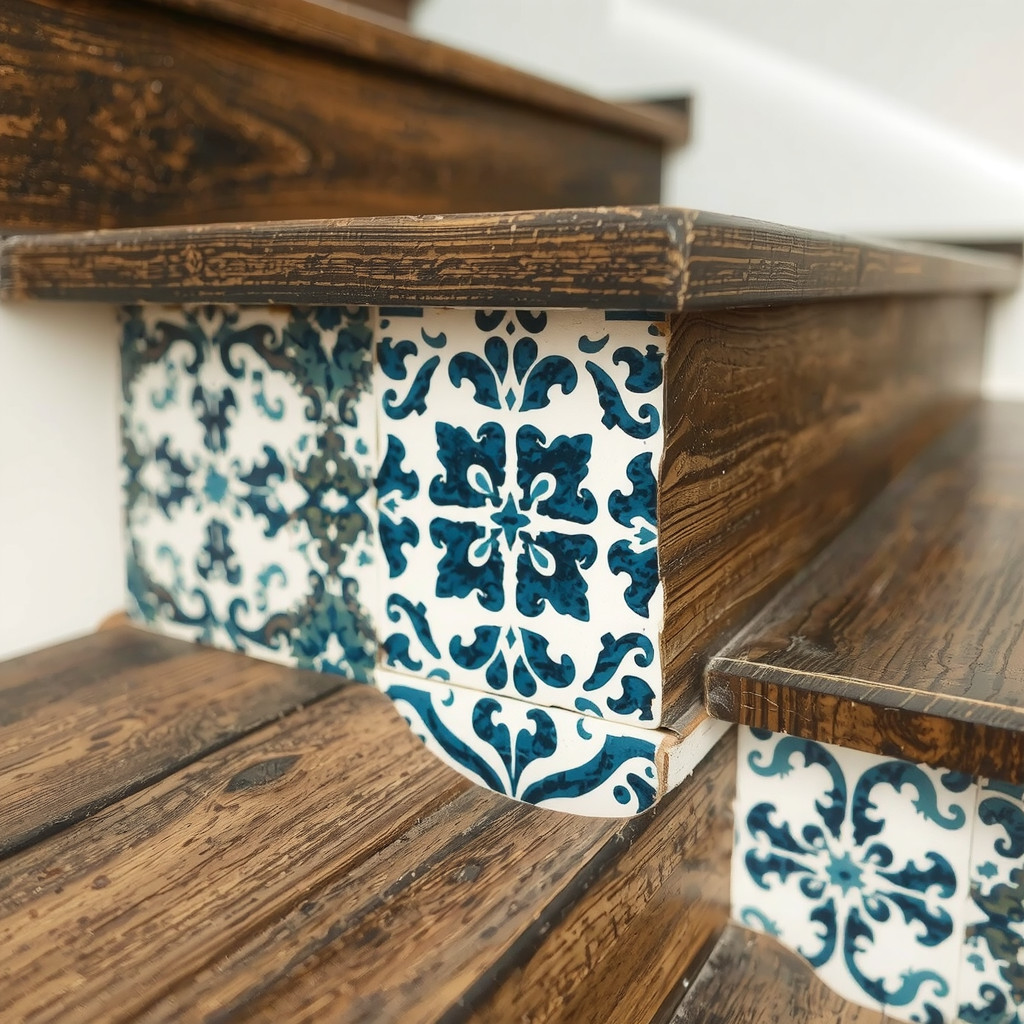
The soul of rustic Mexican decor lies in its raw materials. Start from the ground up with Saltillo tiles or warm-toned hardwoods to ground the space in earthy reds and browns. Your walls serve as a canvas; consider textured plaster finishes or warm stucco in shades of ochre, terracotta, or creamy white to replicate the look of adobe.
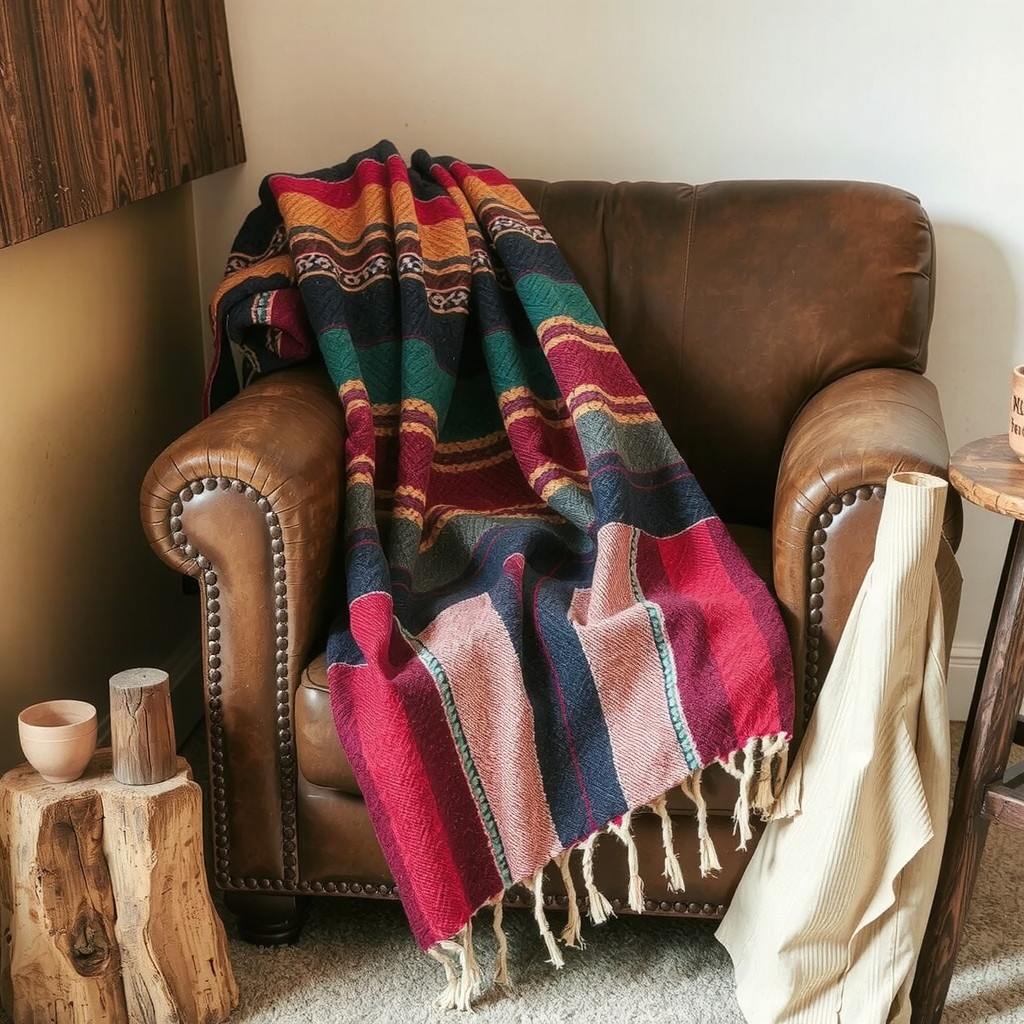
Textiles are where you inject vibrant life into the palette. Incorporate woven serapes, falsa blankets, and embroidered Otomi fabrics as throws or pillow covers. These elements soften the hardness of wood and iron, adding layers of comfort and visual interest.
Don’t shy away from mixing textures. Pair a distressed leather Equipale chair with a rough-hewn pine coffee table. The contrast between the smooth, aged leather and the matte, coarse wood creates a tactile richness that is essential to the look.
Focal Points
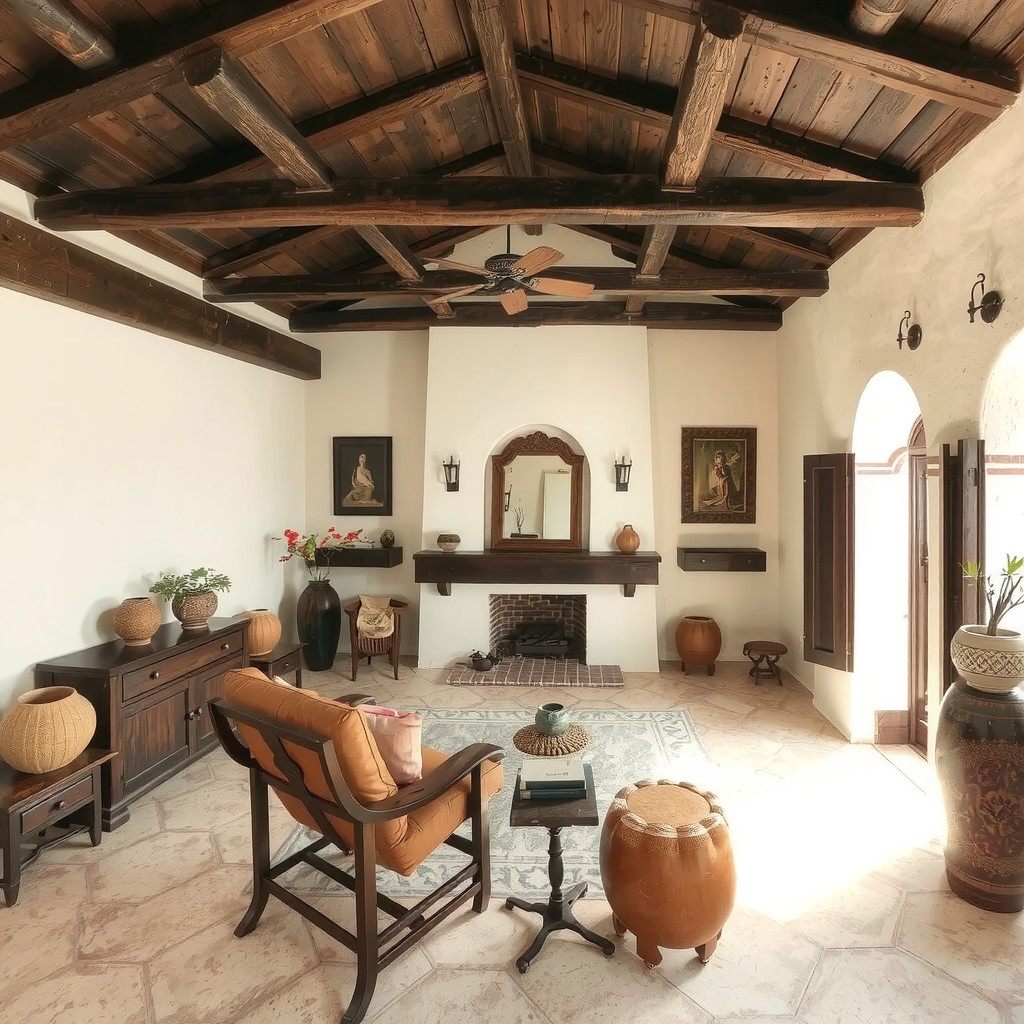
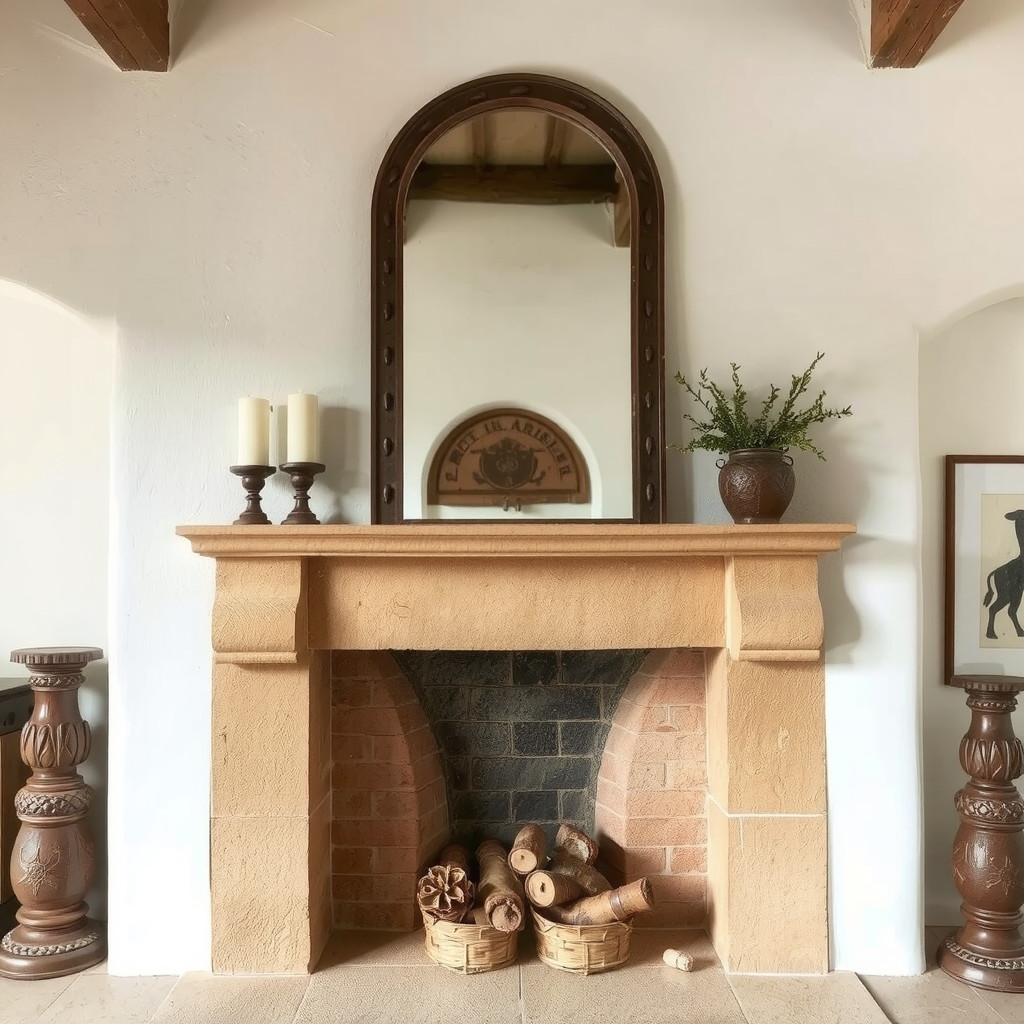
Every room needs a heart, and in this style, it is often a fireplace or a commanding piece of furniture. If you have a fireplace, style the mantel with wrought iron candlesticks and religious folk art to create a respectful yet decorative display. If a fireplace isn’t available, a large, rustic trastero (cupboard) made of mesquite or alder wood can serve as a stunning focal point.
Decorate these focal areas with intent. A collection of hand-painted Talavera pottery or a large, hammered copper mirror can draw the eye and reflect light, breaking up the density of darker wood tones.
Lighting
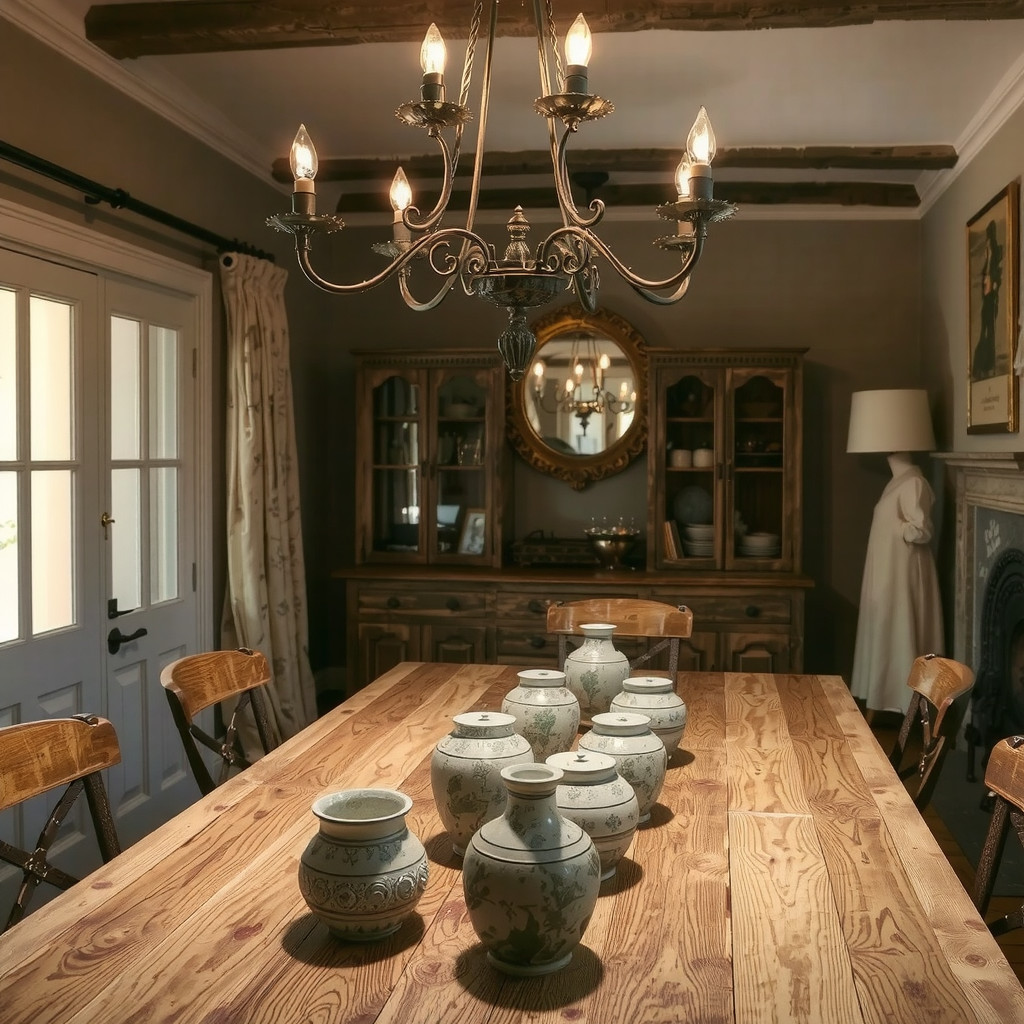
Lighting in a rustic Mexican home should never be harsh or clinical. You want to achieve a warm, amber glow that mimics candlelight or the setting sun. Wrought iron chandeliers with faux candle bulbs are classic choices that add dramatic weight to high ceilings.
For task lighting and ambiance, use tin star lanterns or blown glass fixtures with metal cages. The shadows cast by intricate metalwork add another layer of decoration to your walls in the evening, enhancing the moody and romantic atmosphere.
Greenery
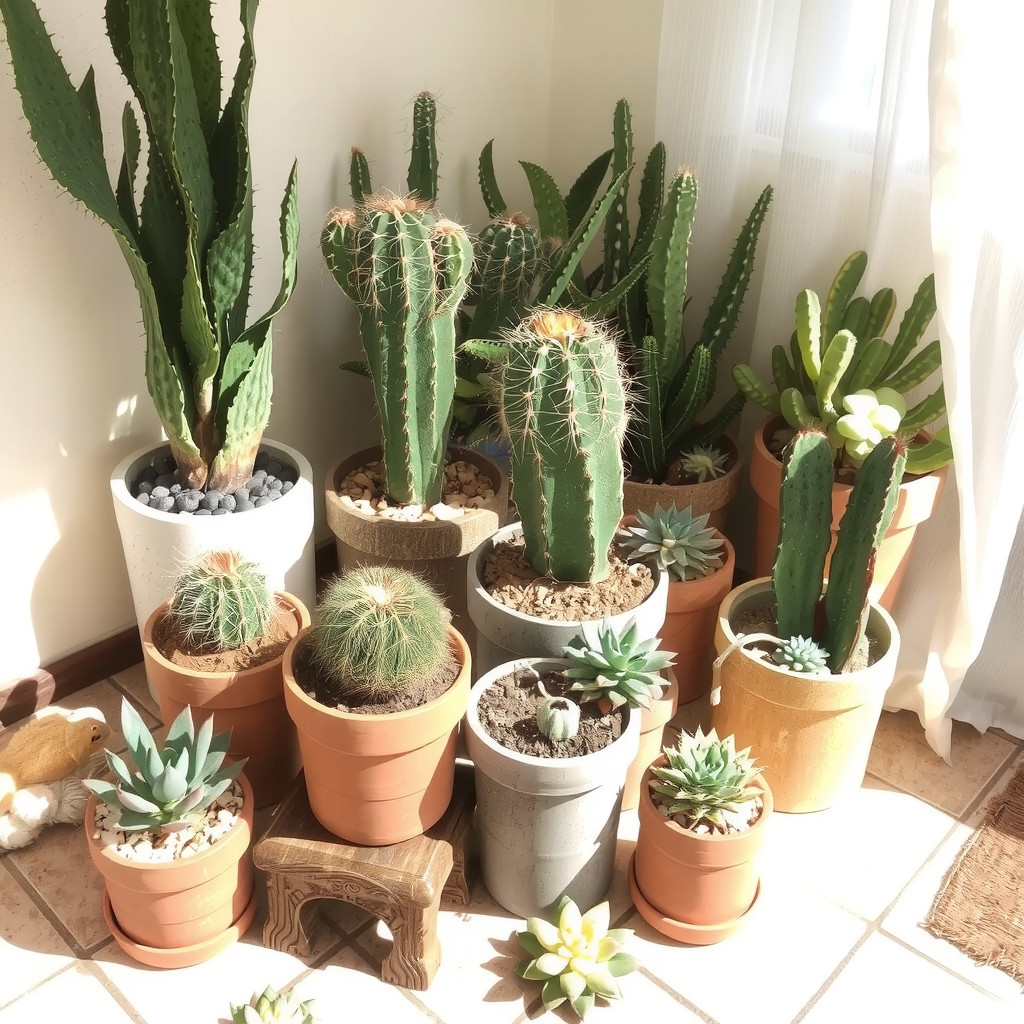
No hacienda is complete without a connection to nature. Because this style originates from warm climates, integrating drought-tolerant plants is a natural fit. Large cacti, aloe vera, and snake plants add sculptural height and deep green contrast against warm walls.
House these plants in clay or terracotta pots of varying sizes. The rough texture of the clay complements the rustic interior perfectly. Grouping plants in corners or placing trailing succulents on high shelves brings life and airiness to the heavier decor elements.
Tips
- Source Authentically: Look for handcrafted items from artisans to ensure your decor has genuine character rather than a mass-produced feel.
- Embrace Imperfection: Scratches on wood, uneven tile colors, and patina on metal are desirable features that tell a story.
- Use Ironwork: Swap out standard hardware for wrought iron drawer pulls, curtain rods, and door handles for an instant upgrade.
- Warm Palette: Stick to a color scheme of terracotta, rust, sage green, and warm yellows, using bright blues only as sharp accents.
- Layer Rugs: Place a colorful Zapotec rug over a neutral jute or sisal base to add pattern without overwhelming the floor.
ADVERTISEMENT