ADVERTISEMENT
Illuminating Interiors: Mastering Living Room Ambience Without Overhead Lights
Introduction
Lighting is often described as the jewelry of a room, yet it serves a far more functional purpose than mere decoration. When you find yourself in a living space devoid of overhead fixtures—whether due to rental restrictions or the architectural quirks of an older home—do not despair. In fact, relying exclusively on ceiling lights often results in flat, clinical illumination. By layering portable light sources, you can sculpt a space that feels intimate, sophisticated, and deeply inviting. The absence of a central switch forces you to be intentional, resulting in a curated atmosphere that adapts to your mood rather than dictating it.
Layout and Positioning
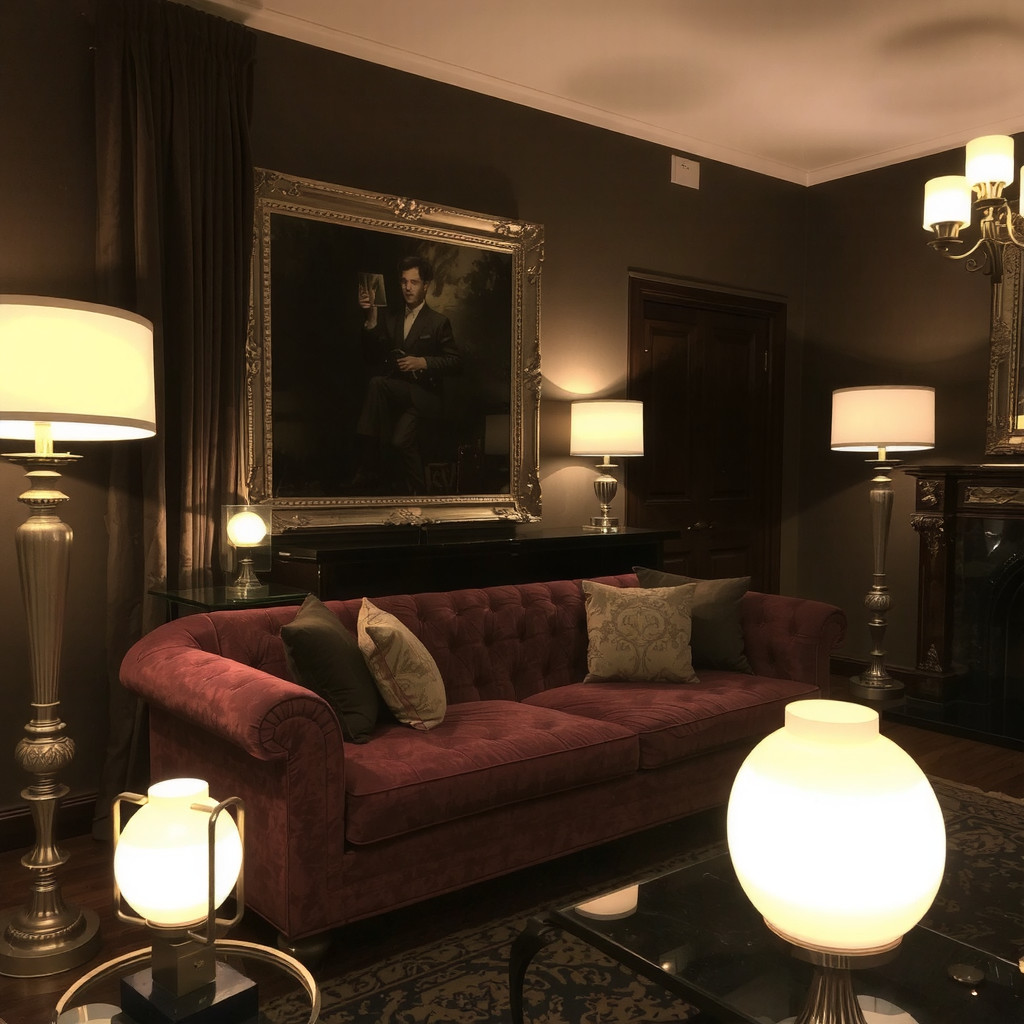
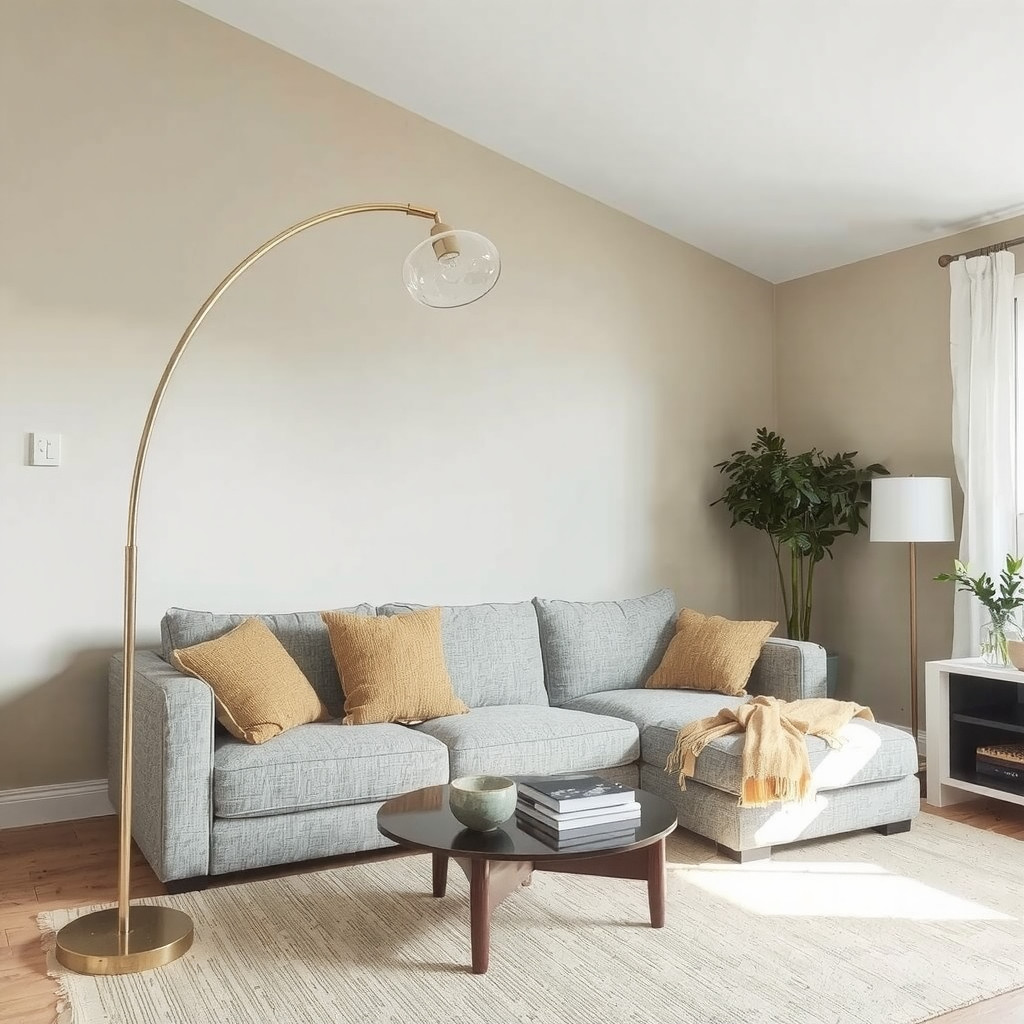
To banish gloom from a room without ceiling lights, you must think in terms of triangulation. Aim to place three distinct light sources at varying heights to balance the illumination and eliminate harsh shadows. Start with the corners, which tend to be the darkest parts of a room. A tall floor lamp can effectively lift the ceiling visually. If you need light over a central coffee table or seating area, consider an arc lamp. These dramatic fixtures extend from the periphery to the center, mimicking the position of a pendant light without the need for hardwiring.
Materials and Textiles
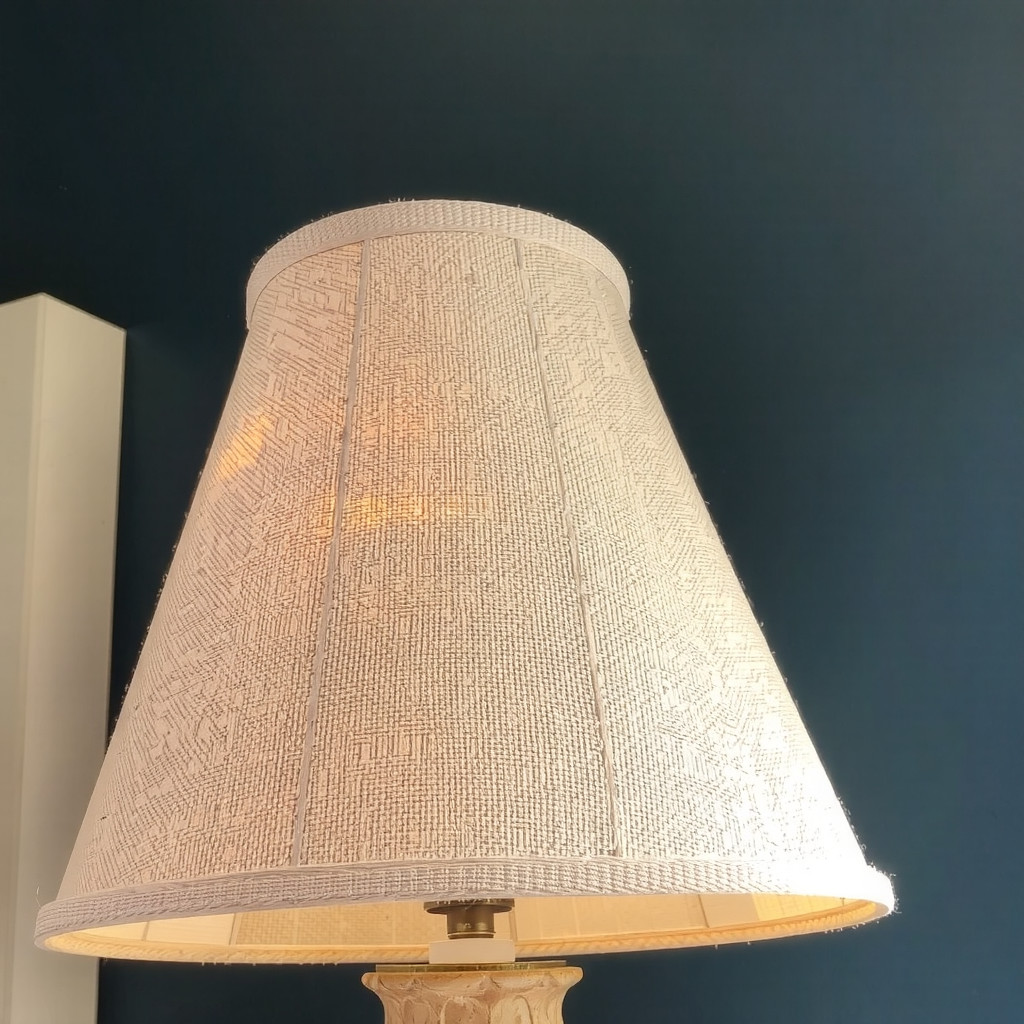
The quality of light is heavily influenced by the materials it passes through. When selecting lampshades, consider how much diffusion you require. A crisp white linen shade will let plenty of ambient light pass through, washing the surrounding area in a soft glow. In contrast, an opaque metal or dark fabric shade forces light up and down, creating dramatic pools of brightness that are excellent for mood setting but offer less general illumination. Incorporate bases made of ceramic, glass, or polished brass to catch these gleams and add textural interest to your vignettes.
Focal Points
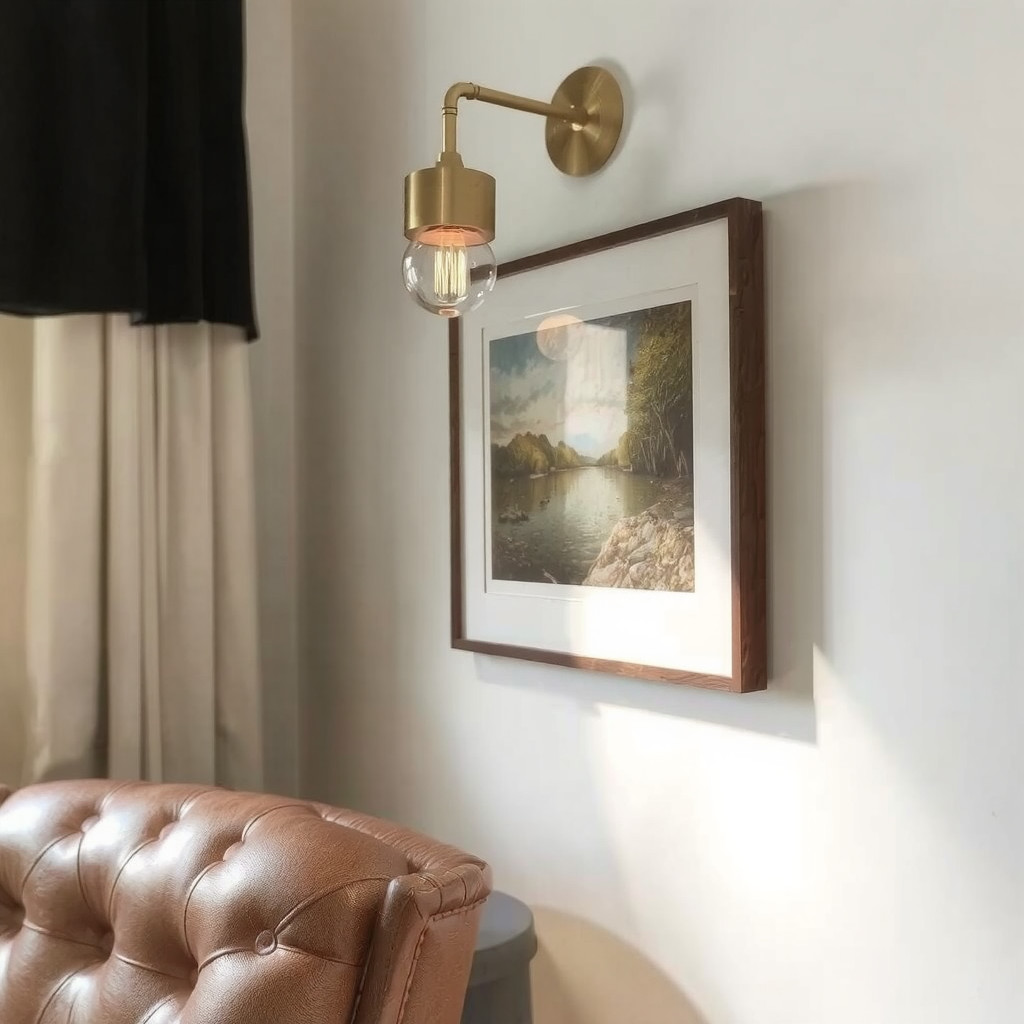
Just because you lack a junction box in the ceiling doesn’t mean your walls must go unadorned. Plug-in wall sconces are a renter-friendly game changer, allowing you to highlight architectural features or frame a piece of furniture like a sofa or sideboard. Use picture lights to wash your favorite artwork in a focused beam, drawing the eye and creating vertical interest. By directing light toward specific objects, you create a hierarchy in the room, guiding the gaze to your most cherished decor elements rather than the empty ceiling.
Lighting
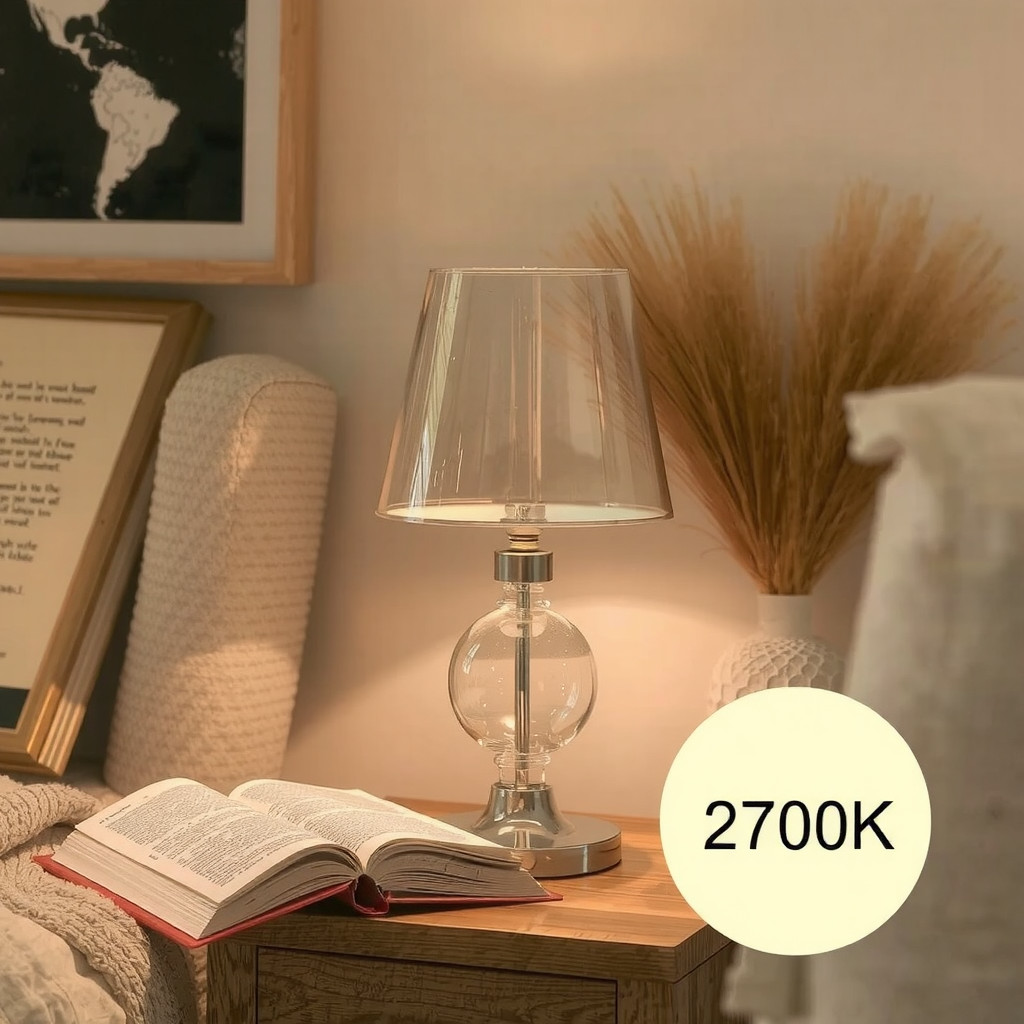
The actual bulbs you choose are just as critical as the fixtures themselves. To replicate the warmth of traditional incandescent flow, stick to a color temperature between 2700K and 3000K. Anything higher will appear blue and sterile, ruining the cozy vibe you are working to build. Smart bulbs are particularly useful in a room with no overheads; they allow you to group your lamps and control them simultaneously from your phone, effectively creating a “main switch” for your layered lighting scheme.
Greenery
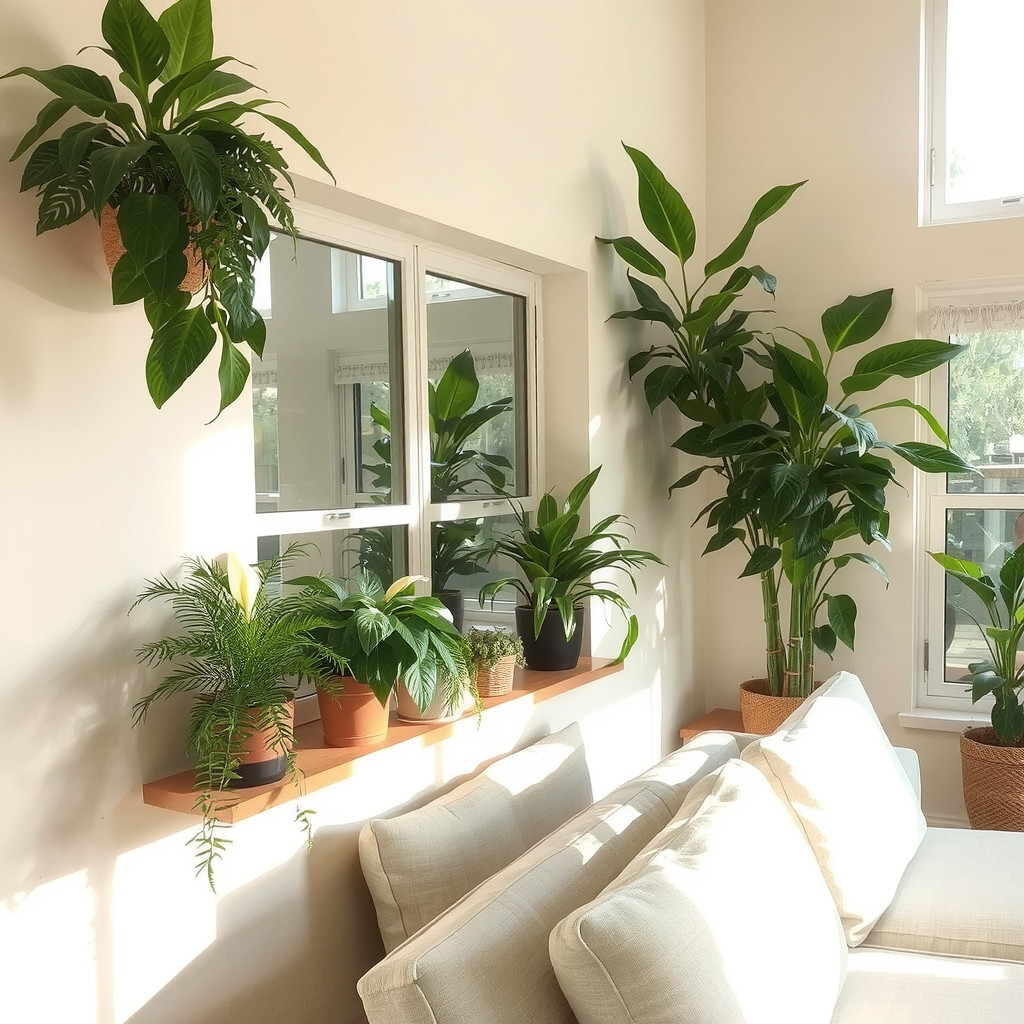
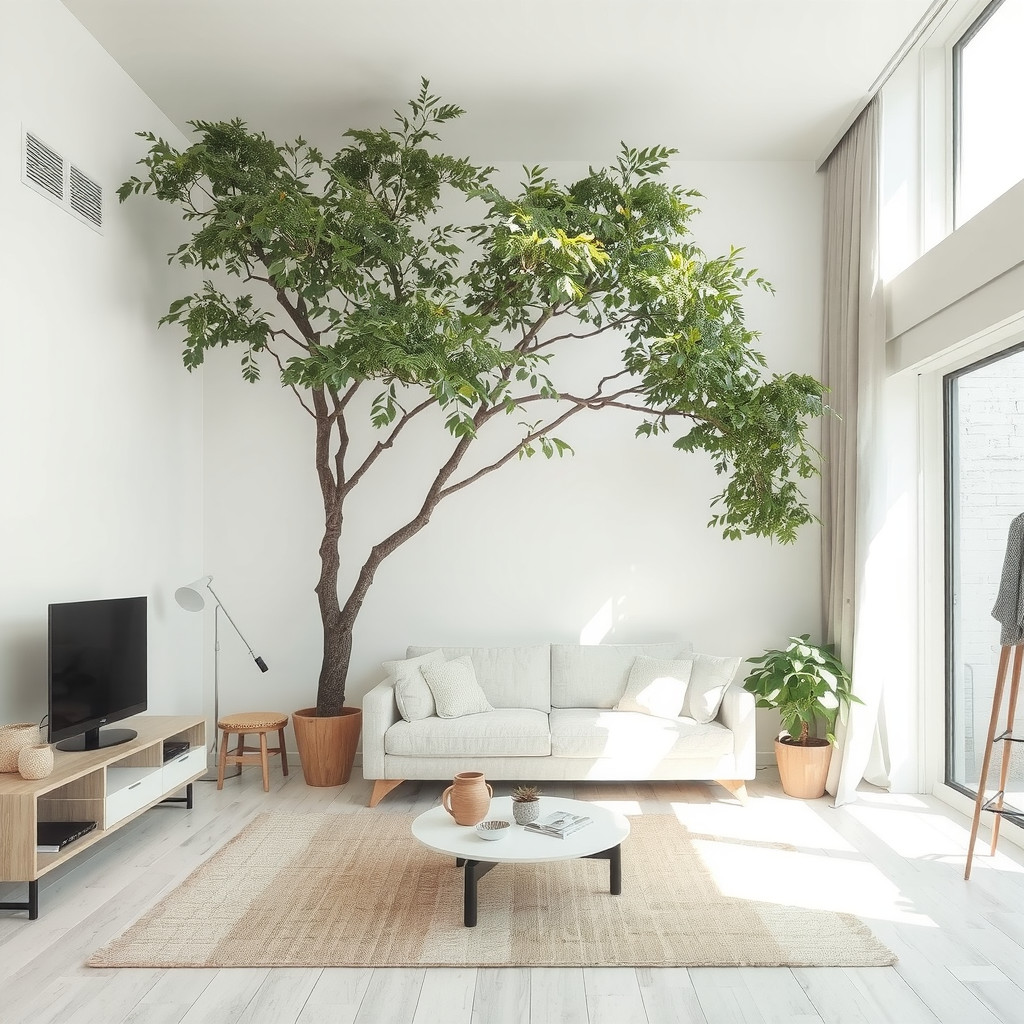
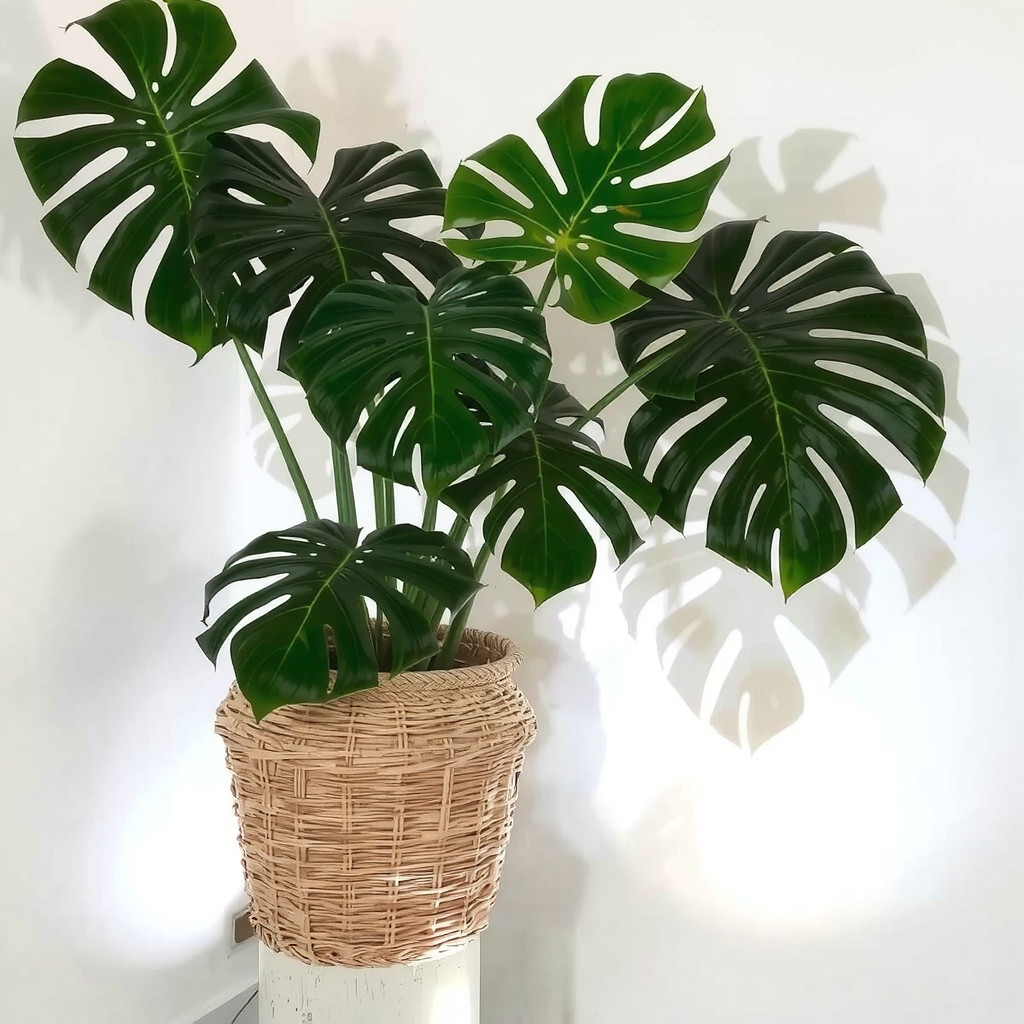
Plants are natural diffusers of light. placing a small uplight on the floor behind a large potted tree, such as a Fiddle Leaf Fig or a Monstera, casts intricate shadows on the wall and ceiling. This technique adds organic movement and depth to the room at night. Alternatively, tuck a small table lamp onto a shelf amidst trailing vines. The light filtering through the leaves creates a dappled, forest-like effect that feels serene and lively.
Tips
- Utilize Mirrors: Position a large mirror opposite a window or a lamp to bounce light deeper into the room.
- Manage Cords: Use adhesive cord clips or run cables under rugs to keep your floor clear of tripping hazards.
- Layer Heights: Ensure you have light at low (table), medium (standing), and high (sconce/shelf) levels.
- Install Dimmers: Use plug-in dimmers for every lamp to transform the room from a workspace to a lounge in seconds.
- Candlelight: Don’t forget the lowest layer; candles add a flicker of life that electric bulbs cannot mimic.
ADVERTISEMENT