ADVERTISEMENT
Illuminating Your Sanctuary: The Art of Layered Lighting
Lighting is the silent conductor of your home’s atmosphere. It possesses the power to transform a stark, cold room into a warm embrace or a dull corner into a dramatic focal point. When you rely solely on a single overhead fixture, you flatten the dimension of your space, stripping it of its potential for depth and mood. True design mastery lies in the art of layering light—blending different sources to create a versatile environment that adapts to your needs.
Layout and Positioning
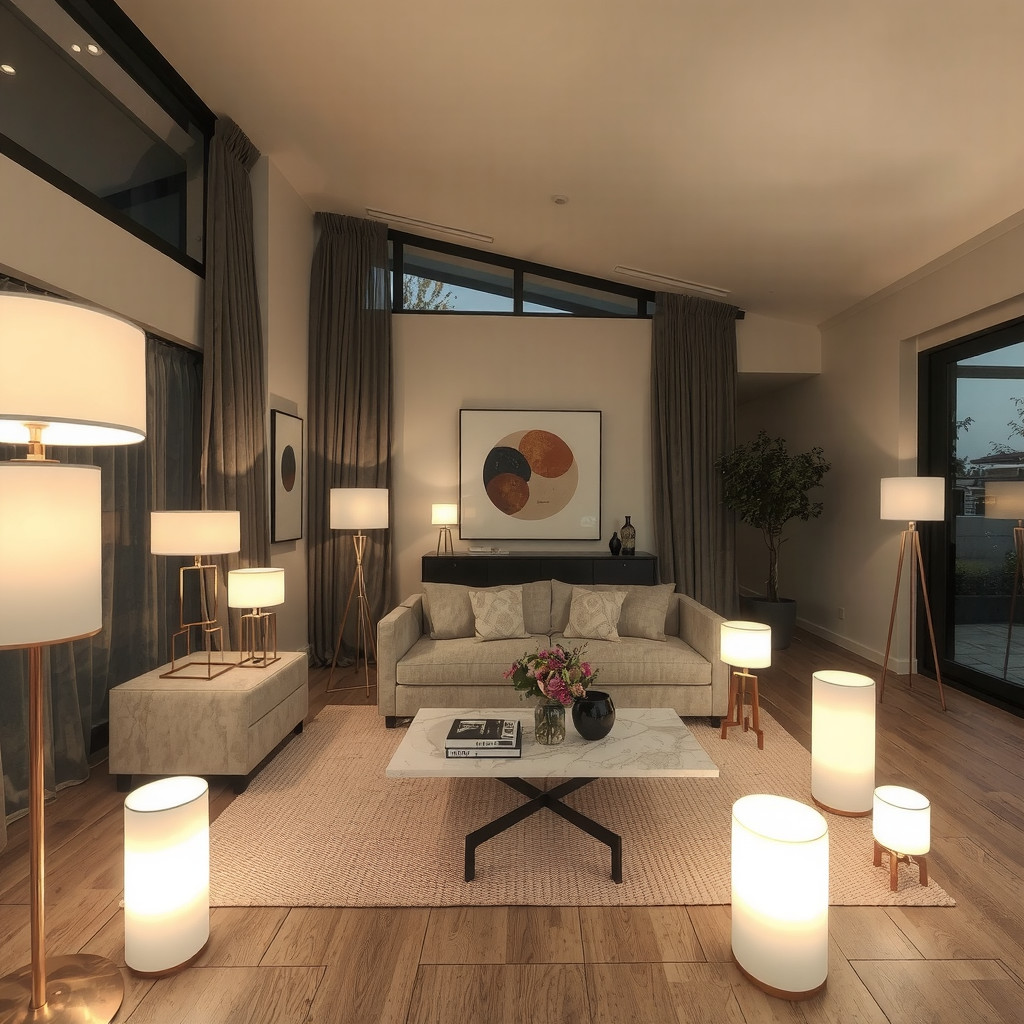
The secret to a professionally lit room often involves ignoring the ceiling switch entirely. To light a living room with no overhead lighting, you must think in terms of zones and altitude. You want to scatter light sources at varying heights to draw the eye around the room.
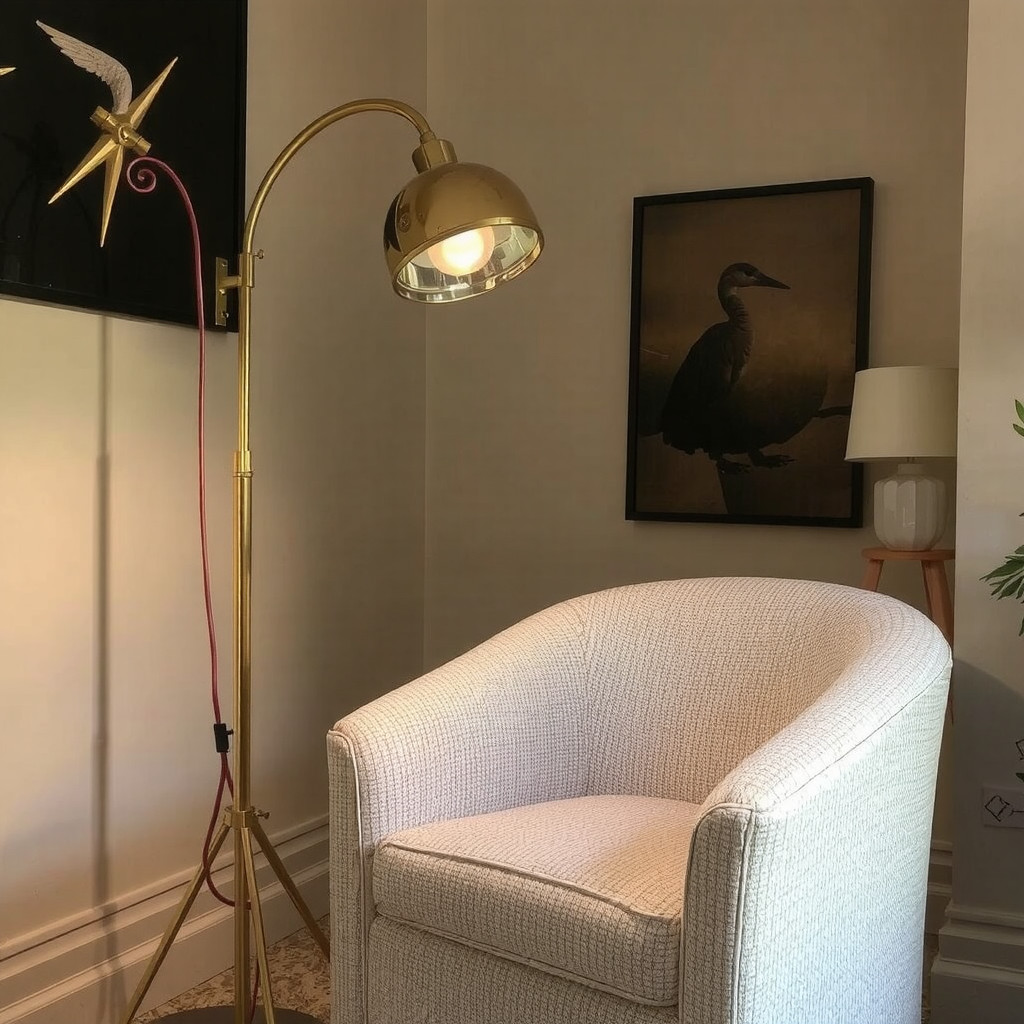
Start by placing floor lamps in darker corners to expand the perceived size of the space. Position table lamps on side tables or consoles to bring illumination down to a human, conversational level. This approach creates a “triangle of light” that feels balanced rather than interrogational. By keeping the light source at eye level or below, you foster intimacy and relaxation.
Materials and Textiles
The quality of light is largely determined by what it passes through. Your choice of lampshade material acts as a filter, dictating the softness and direction of the glow. Opaque metal or dark shades direct light up and down, creating pools of focus that are perfect for tasks or drama.
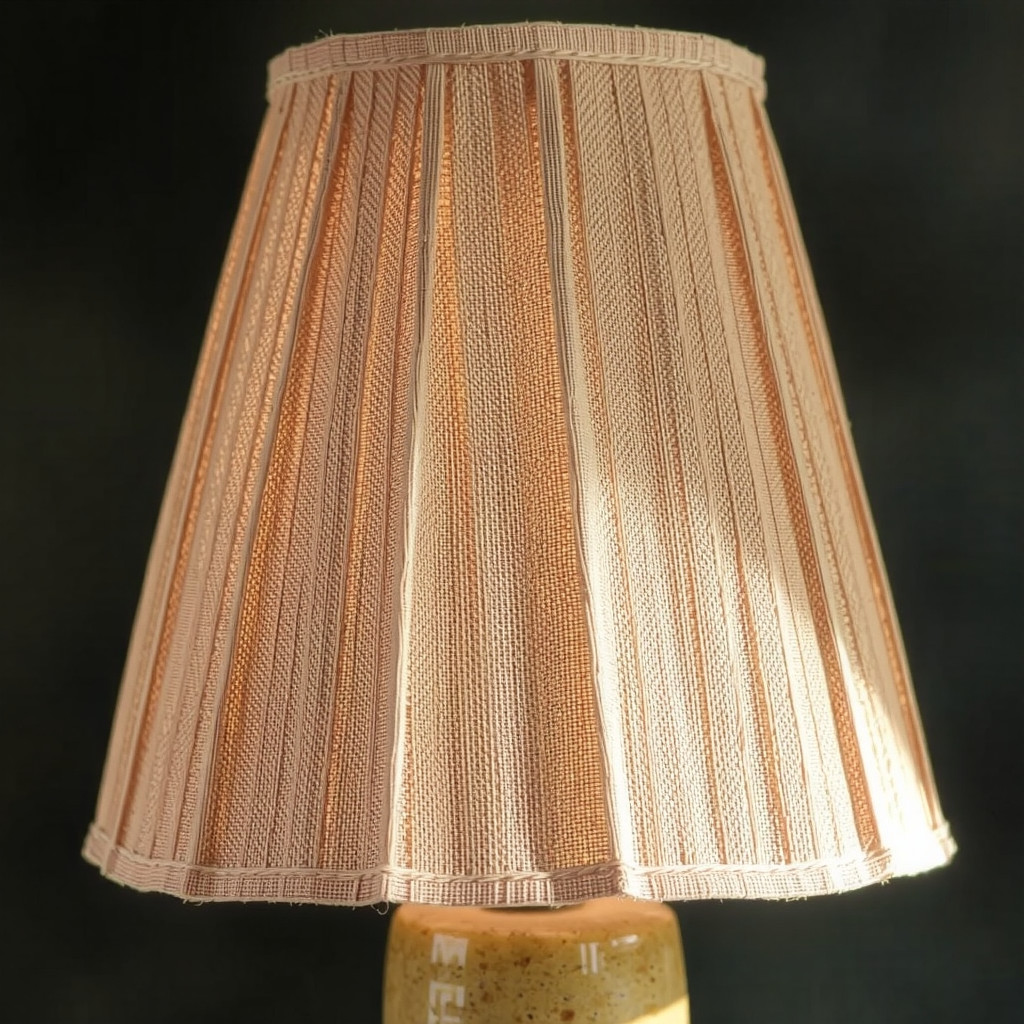
In contrast, translucent materials like linen, silk, or paper diffuse light outward, creating a soft, ambient radiance that fills the room without glare. Incorporating textured shades adds a tactile element to your decor even when the lights are off. A pleated linen shade or a woven rattan pendant can introduce warmth and organic complexity, softening the hard edges of furniture and architecture.
Focal Points
Lighting is your primary tool for directing attention. Without specific focal points, a room can feel cluttered or aimless. Identify the features you love most—a piece of art, a fireplace, or a curated bookshelf—and give them the spotlight they deserve.
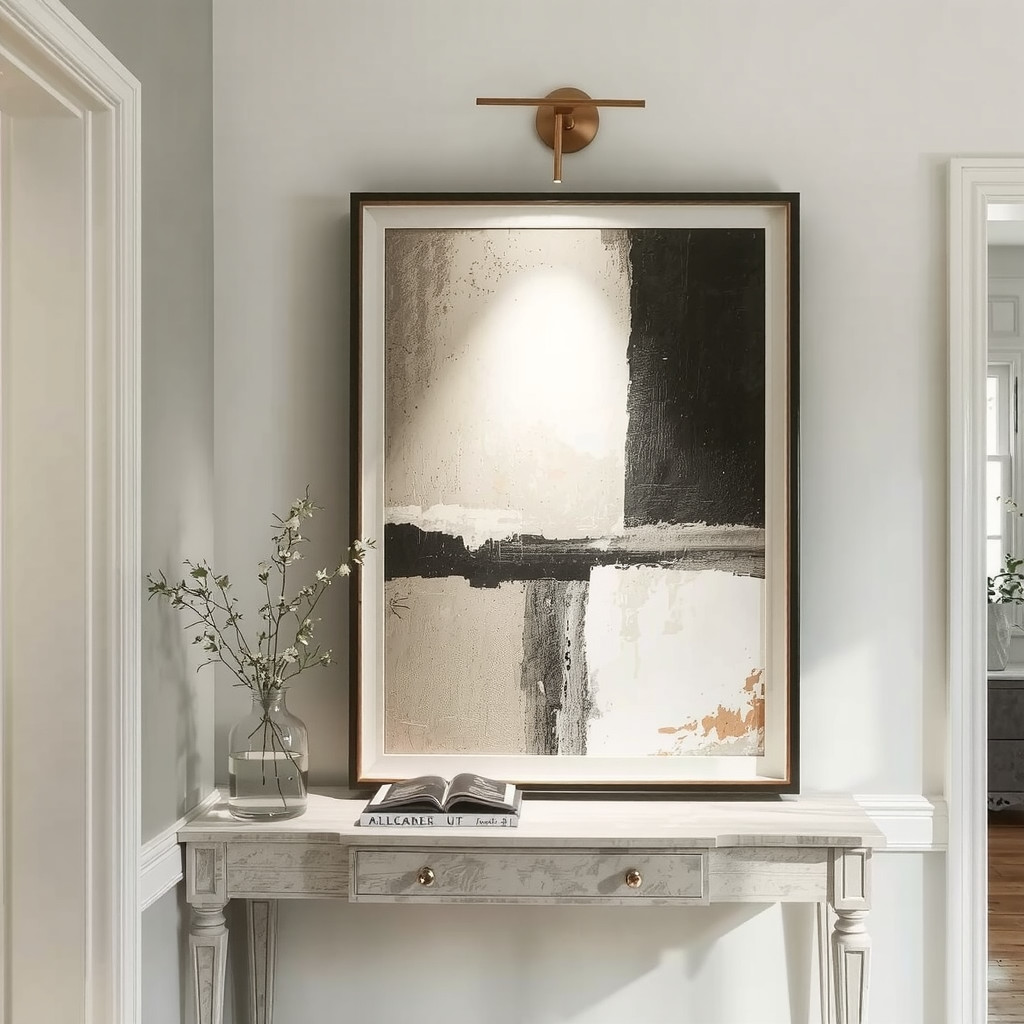
Using a picture light above a painting or a directional sconce near a bookshelf elevates these elements from background noise to gallery-worthy features. This technique creates a hierarchy in the room, guiding the gaze to specific moments of beauty. It adds a layer of sophistication that standard ambient lighting simply cannot achieve.
Lighting
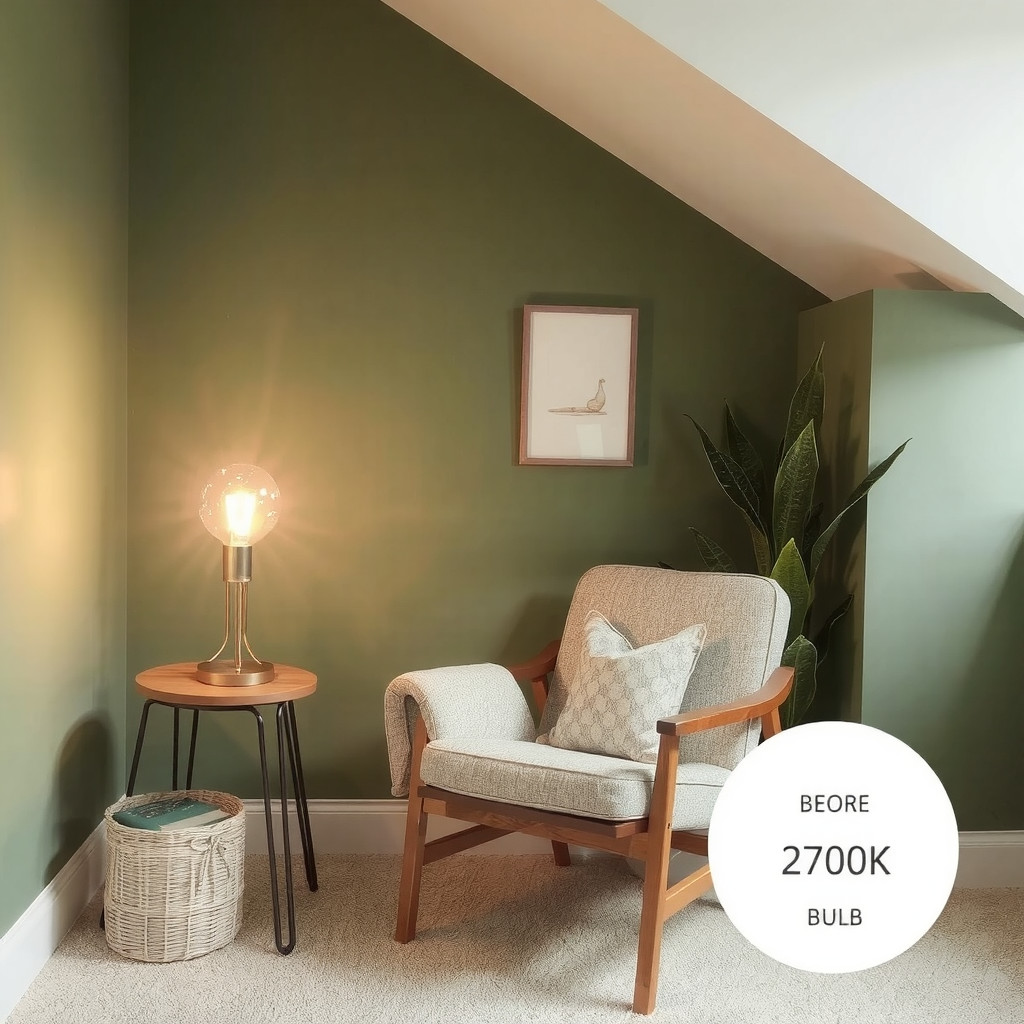
While the fixture is the body, the bulb is the soul. The color temperature of your bulbs, measured in Kelvins (K), defines the emotional tone of the room. For living spaces and bedrooms, you should strictly avoid the sterile blue tones of “daylight” bulbs (5000K+).
Instead, aim for a warm white range between 2700K and 3000K. This mimics the golden hour or candlelight, naturally signalling to your brain that it is time to unwind. Furthermore, installing dimmers on every switch is the single most effective upgrade you can make. The ability to adjust intensity allows your home to transition seamlessly from a bright workspace by day to a moody sanctuary by night.
Greenery
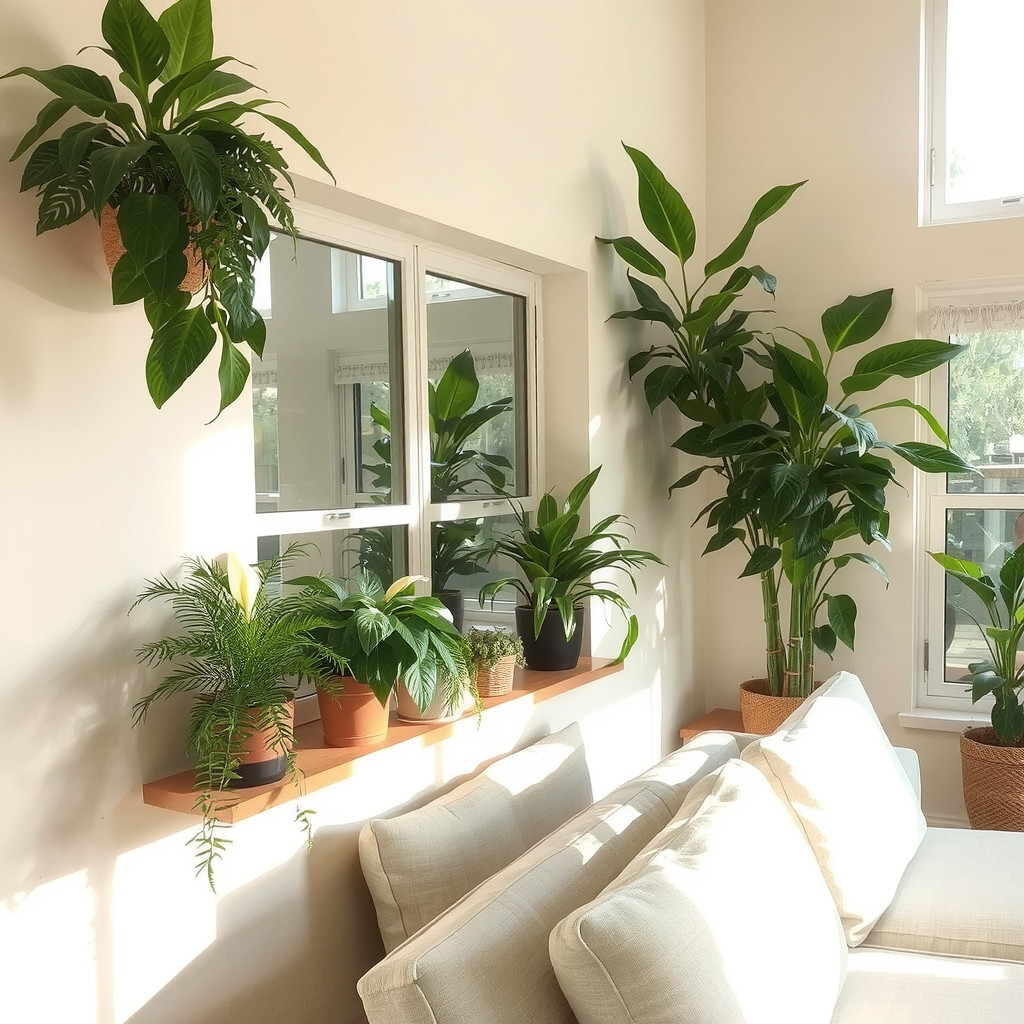
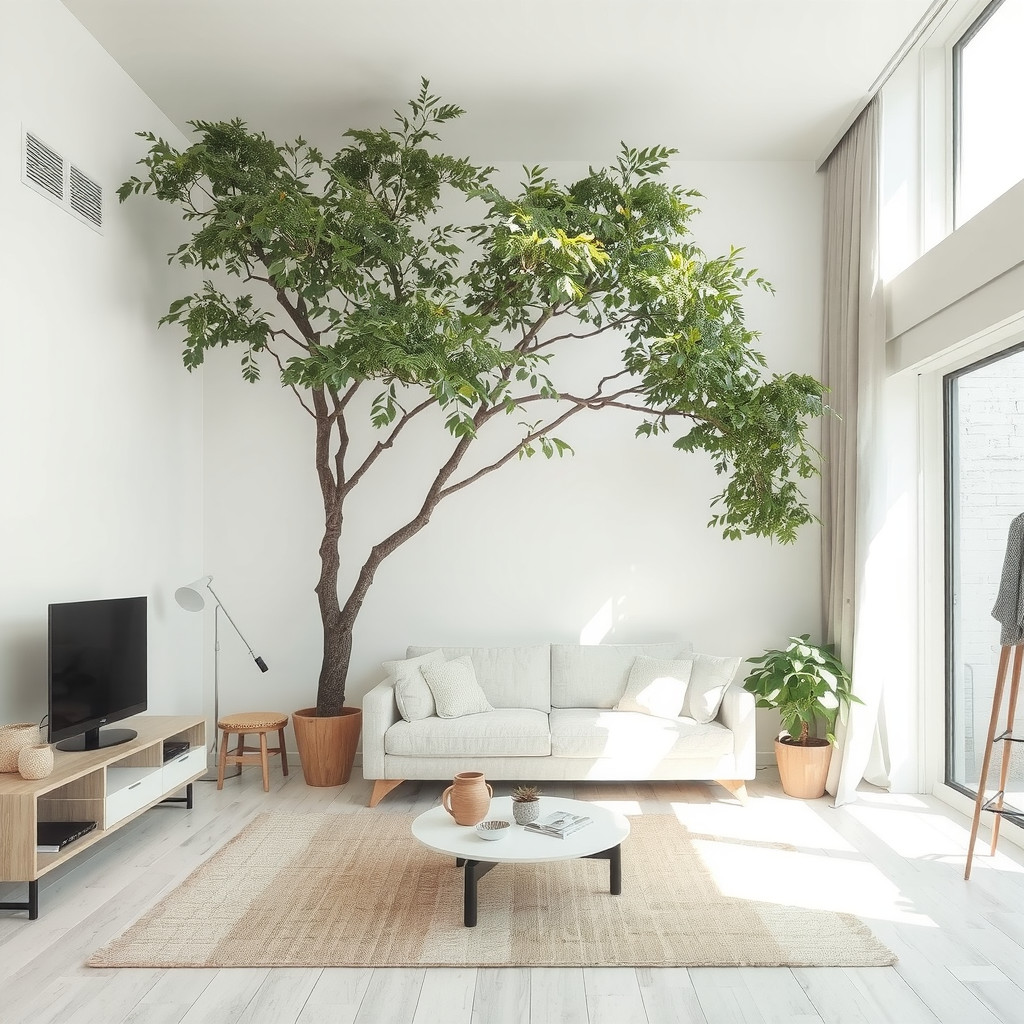
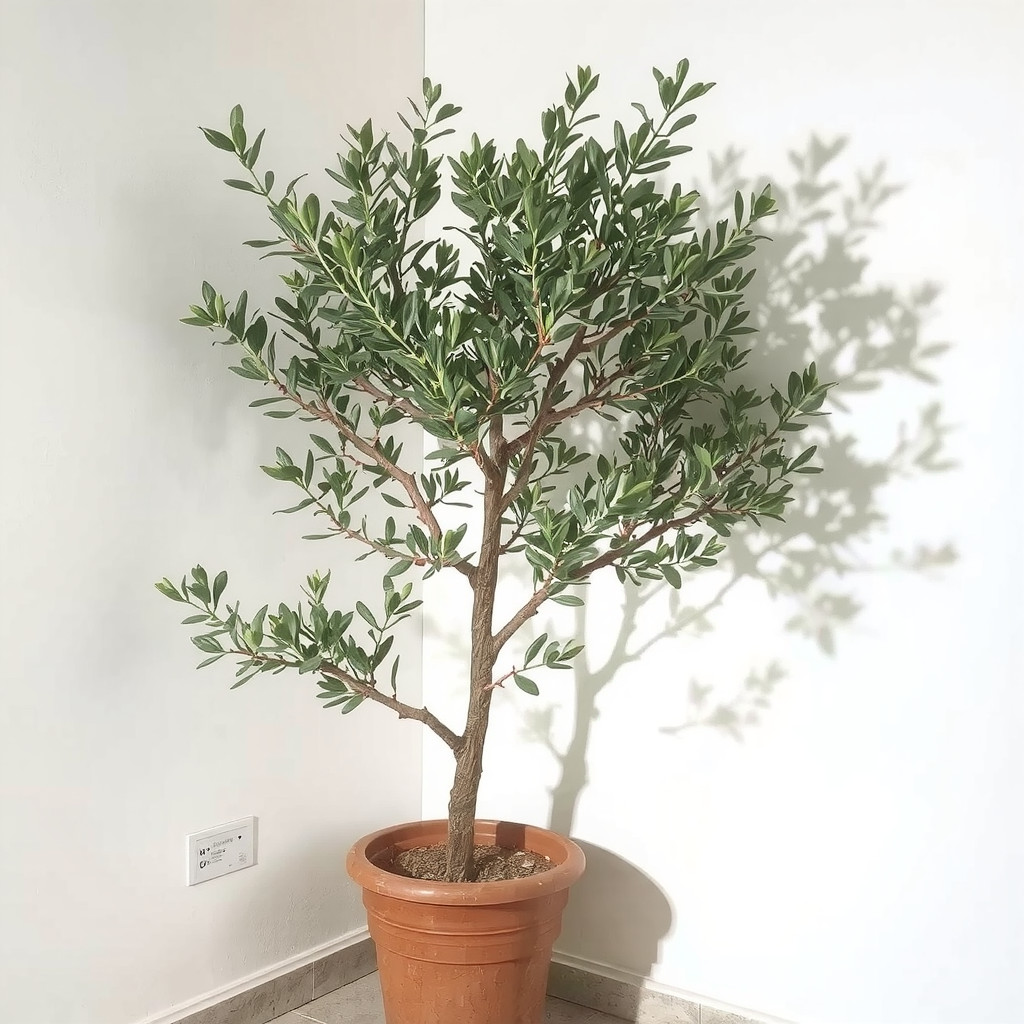
Your indoor garden deserves to be seen after sunset. Lighting plants creates dramatic, sculptural shadows that can make a room feel alive and dynamic. A small uplight placed at the base of a large potted tree creates a magnificent canopy of light and shadow on the ceiling and walls.
Alternatively, a small clip-on grow light hidden within a bookshelf can highlight trailing vines while keeping them healthy. The interaction between light and organic shapes introduces movement and texture, breaking up the static lines of walls and furniture.
Tips
- Layer your sources: Aim for at least three different light sources in every room to eliminate harsh shadows.
- Scale matters: Ensure your table lamps are tall enough so the bottom of the shade is at eye level when you are seated.
- Hide the cords: Use velcro ties or run cords under rugs to maintain a polished, uncluttered look.
- Mirror magic: Place mirrors opposite light sources to bounce light around and double the brightness in smaller rooms.
- Smart control: Consider smart bulbs for lamps in hard-to-reach corners so you can control them with your phone or voice.
ADVERTISEMENT