ADVERTISEMENT
Introduction
You step into your living room, and it feels cozy, but something is missing. The right lighting can elevate the ambiance of any room, making it feel more inviting and comfortable. In this article, we will explore various lighting tips for home decor, focusing on how to light a living room with no overhead lighting, and provide home lighting design ideas for each room.
Layout and Positioning
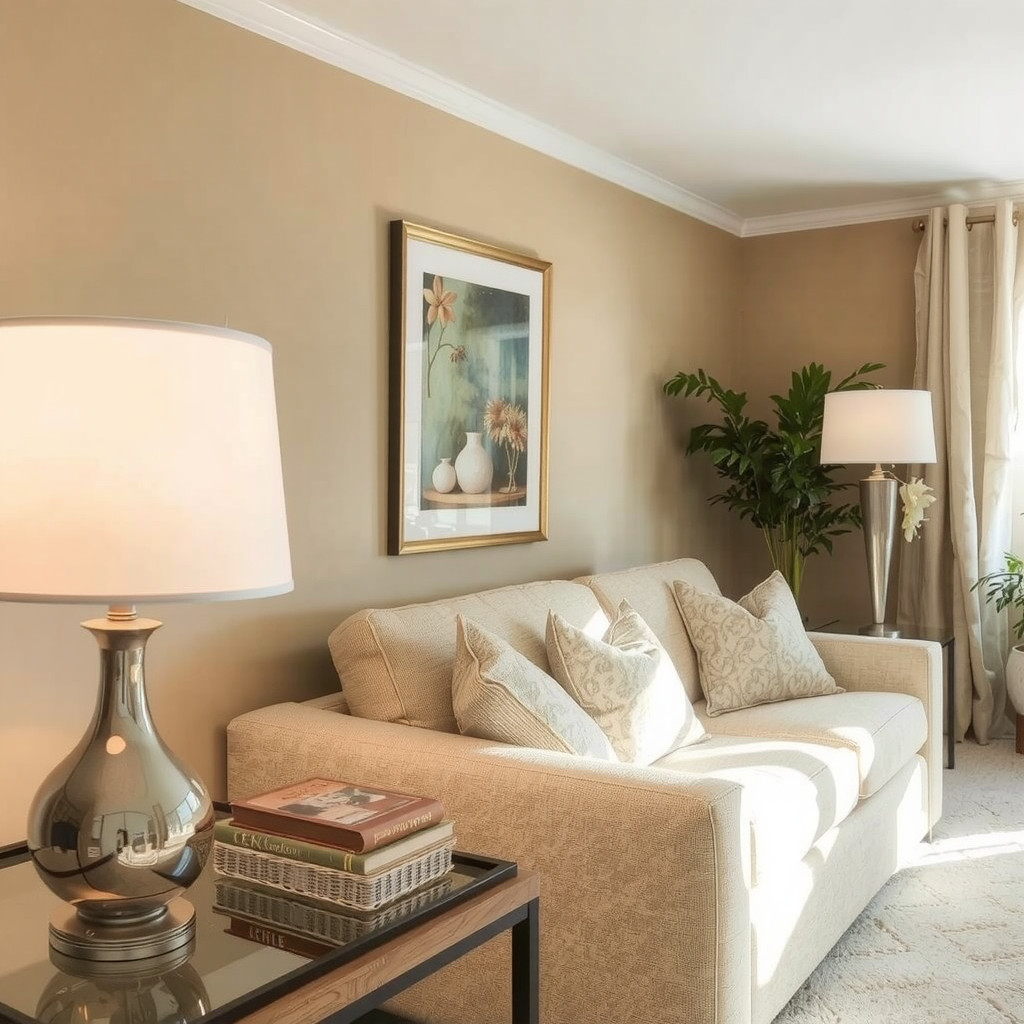
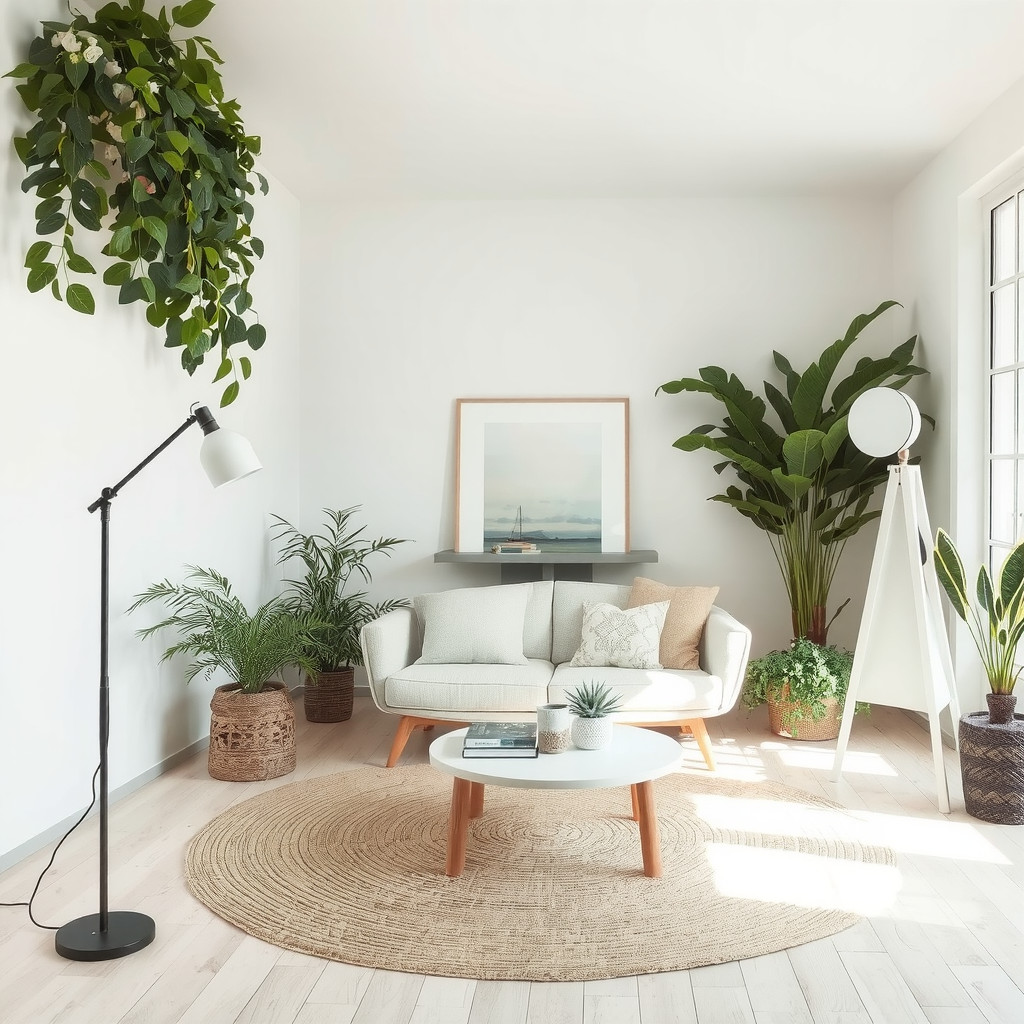
When it comes to lighting a living room with no overhead lighting, it’s essential to consider the layout and positioning of your light sources. Table lamps and floor lamps can be placed strategically to create pools of warm light, making the space feel more intimate. Consider the natural light available during the day and how you can supplement it with artificial light sources in the evening.
Materials and Textures
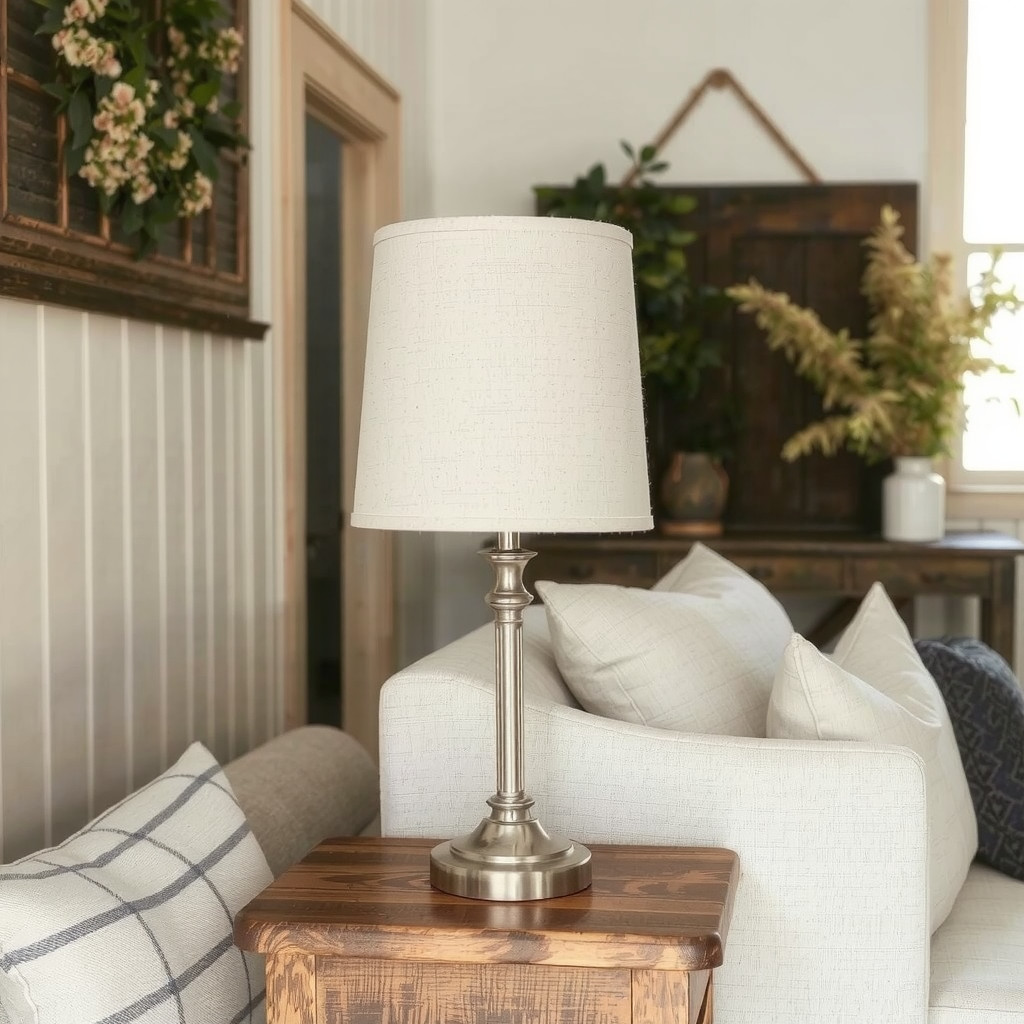
The materials and textures used in your lighting fixtures can greatly impact the overall aesthetic of your room. For example, a metal lamp can add an industrial touch, while a linen shade can bring a softer, more organic feel. Don’t be afraid to mix and match different materials and textures to create a unique look.
Focal Points
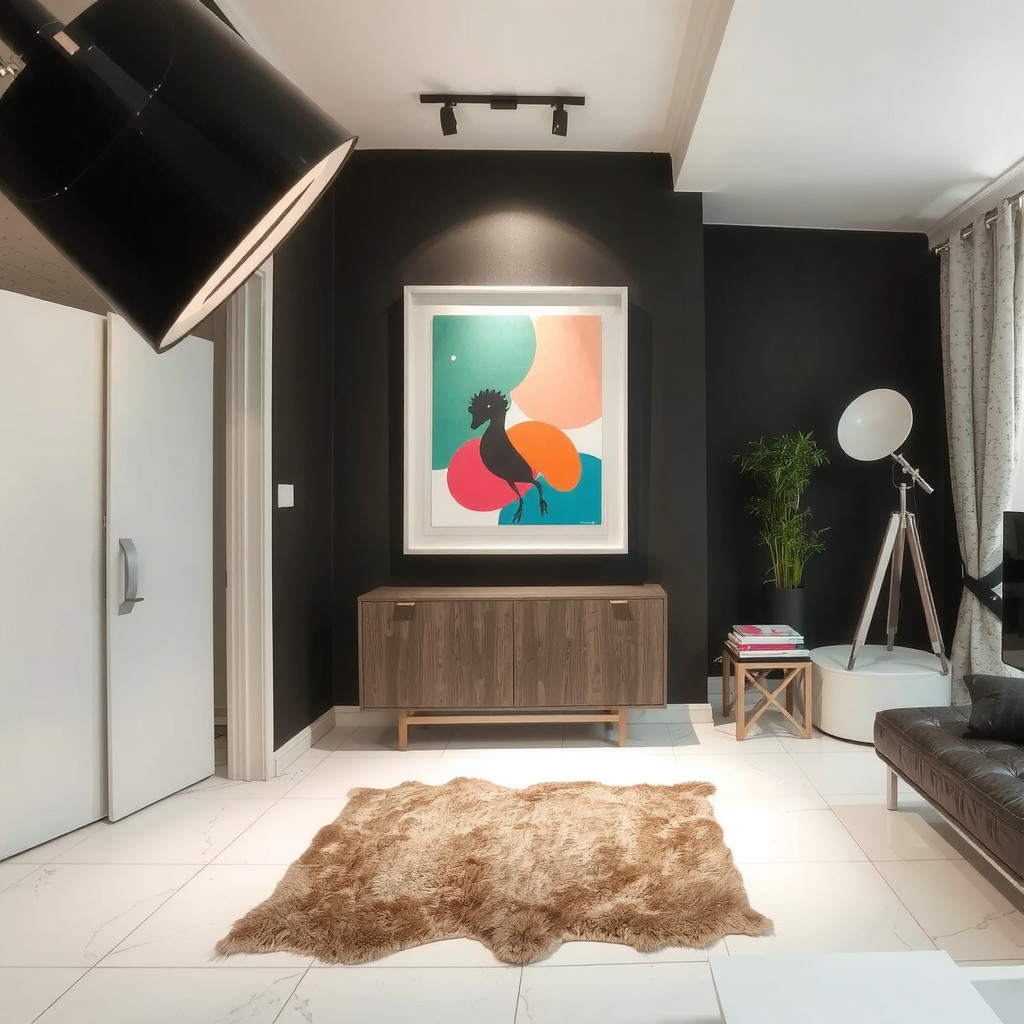
Lighting can be used to draw attention to specific focal points in your room, such as a piece of artwork or a statement piece of furniture. Use spotlights or picture lights to highlight these areas and create visual interest.
Lighting
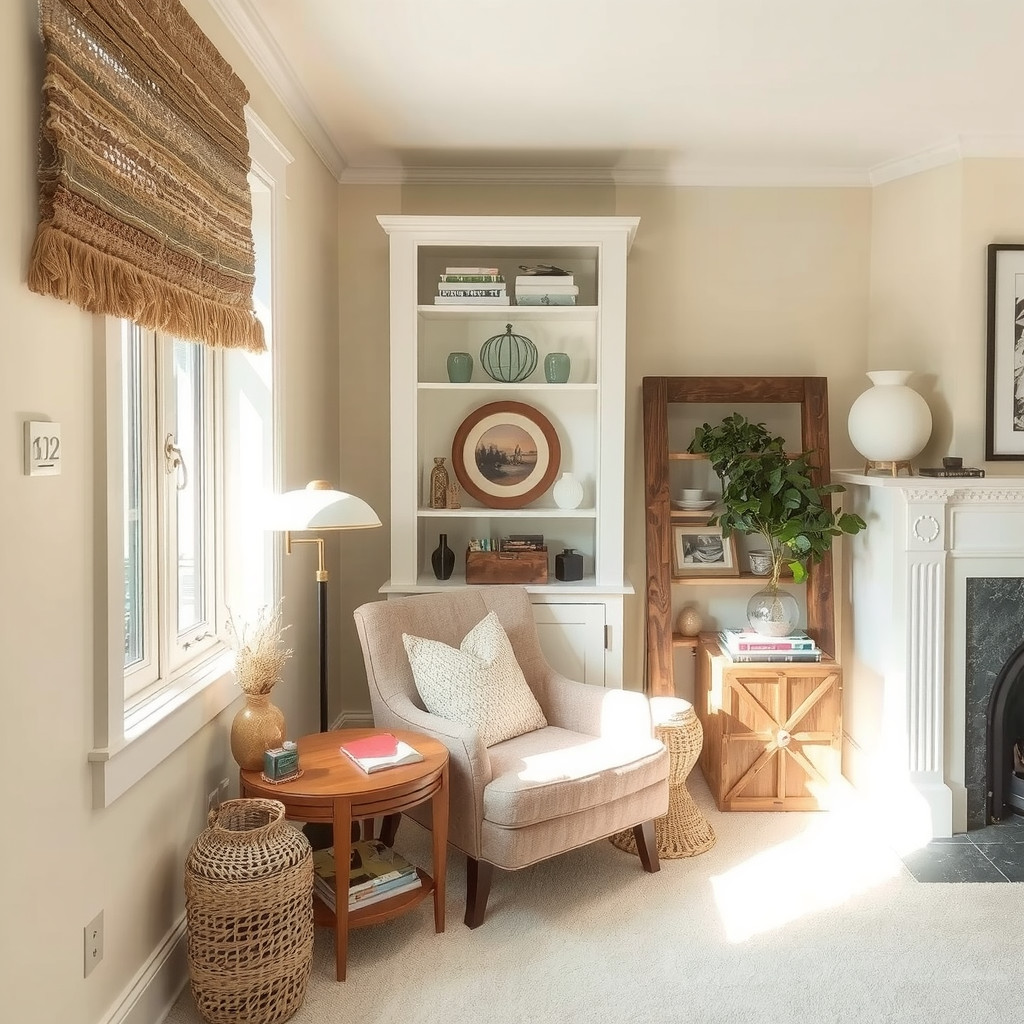
The type of lighting you choose can greatly impact the ambiance of your room. Warm white light can create a cozy and inviting atmosphere, while cool white light can make a space feel more energized and refreshed. Consider using smart light bulbs that can be adjusted to different color temperatures and brightness levels.
Greenery
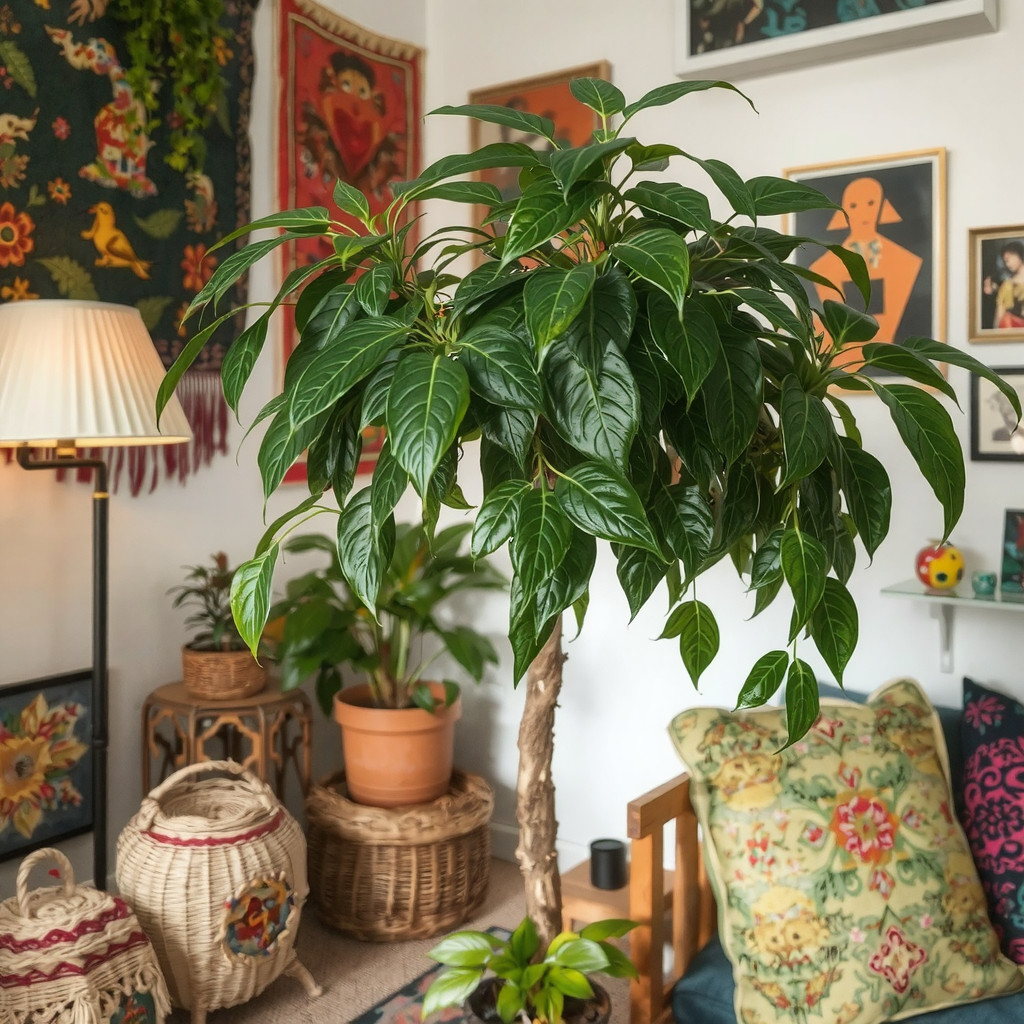
Adding plants to your room can not only purify the air and improve the aesthetic, but also provide a natural source of beauty that can be highlighted with the right lighting. Use floor lamps or table lamps to create a warm glow around your plants, making them a stunning focal point in the room.
Tips
Here are some additional tips for lighting your home:
- Use layering to create a visually interesting lighting scheme
- Consider the color temperature of your light bulbs
- Don’t forget about the power of natural light
- Experiment with different lighting styles to find what works best for you
ADVERTISEMENT