ADVERTISEMENT
Introduction
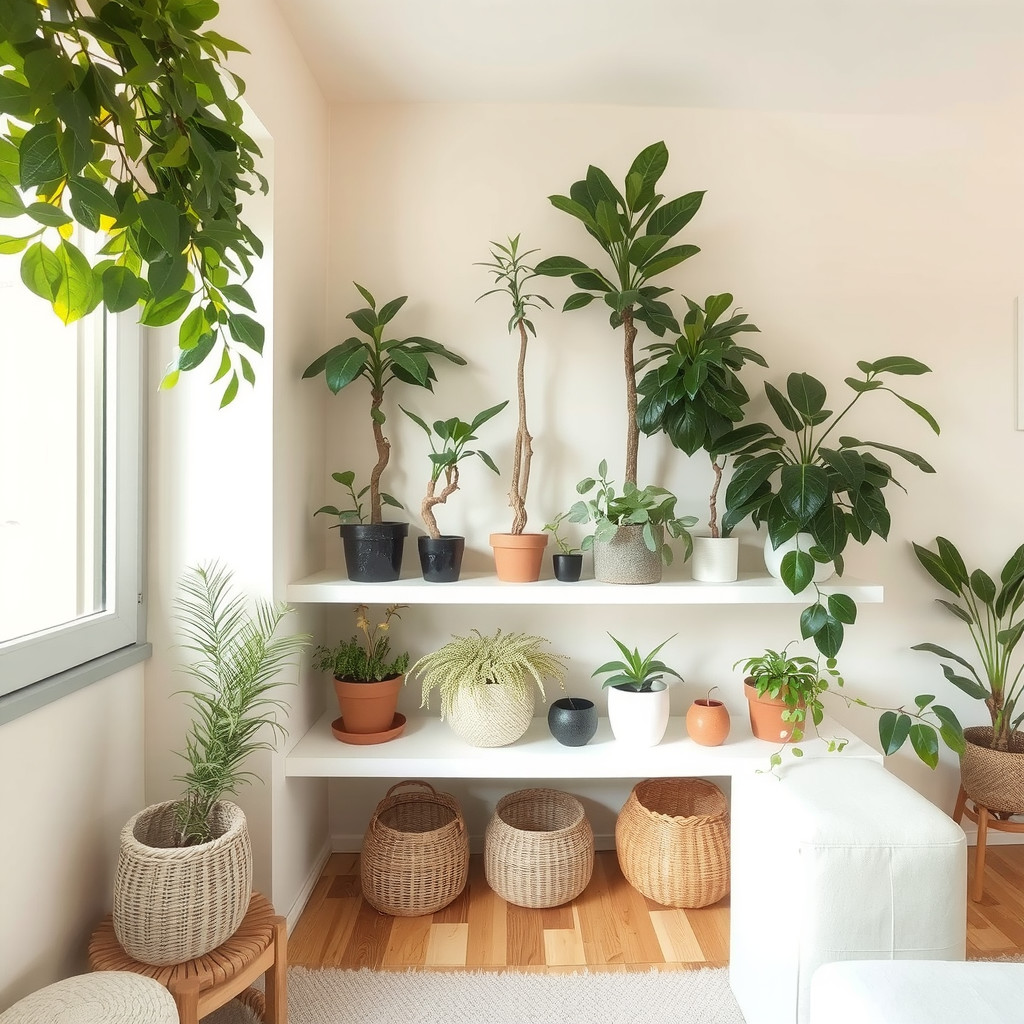
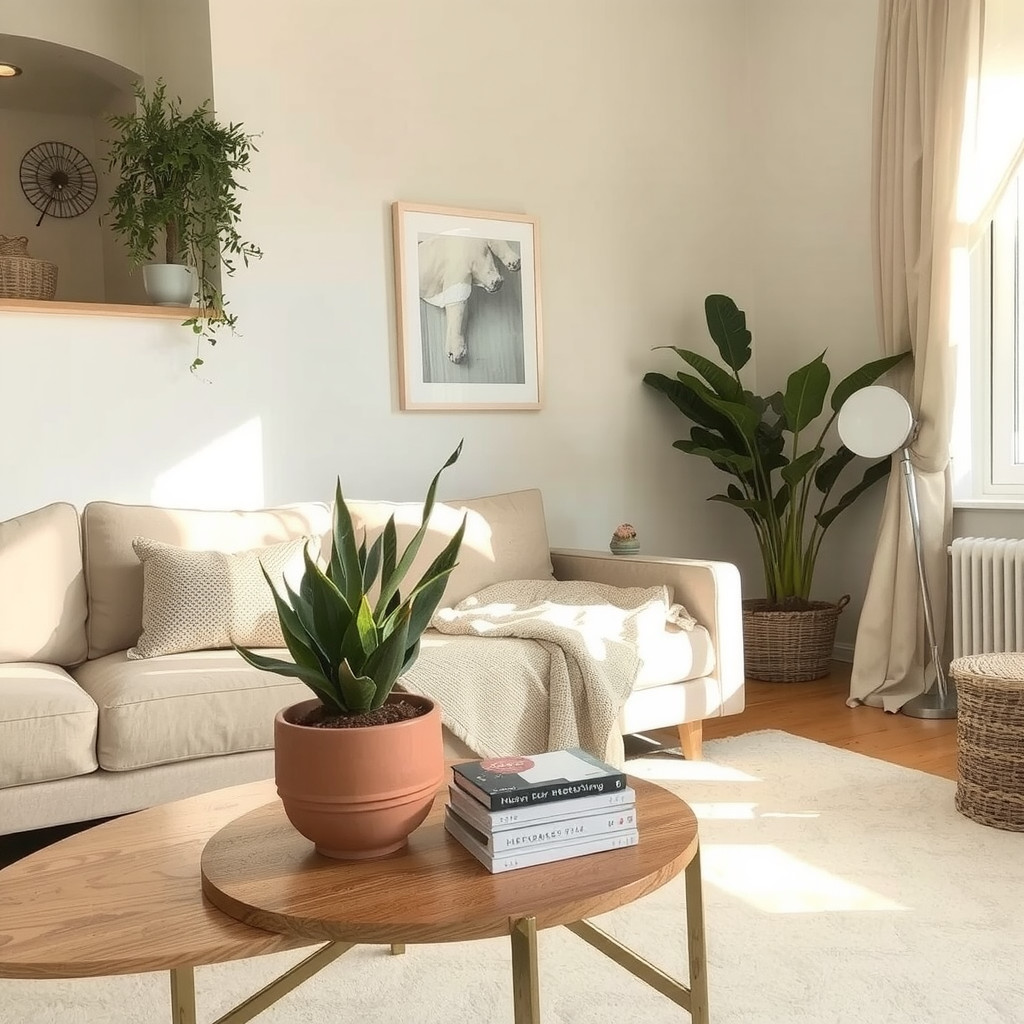
You want to bring some life into your bedroom, but you don’t want to spend a lot of time taking care of plants. Low maintenance indoor plants are perfect for busy people or those new to plant parenthood. In this article, we will explore the best low maintenance indoor plants for your bedroom.
Layout and Positioning
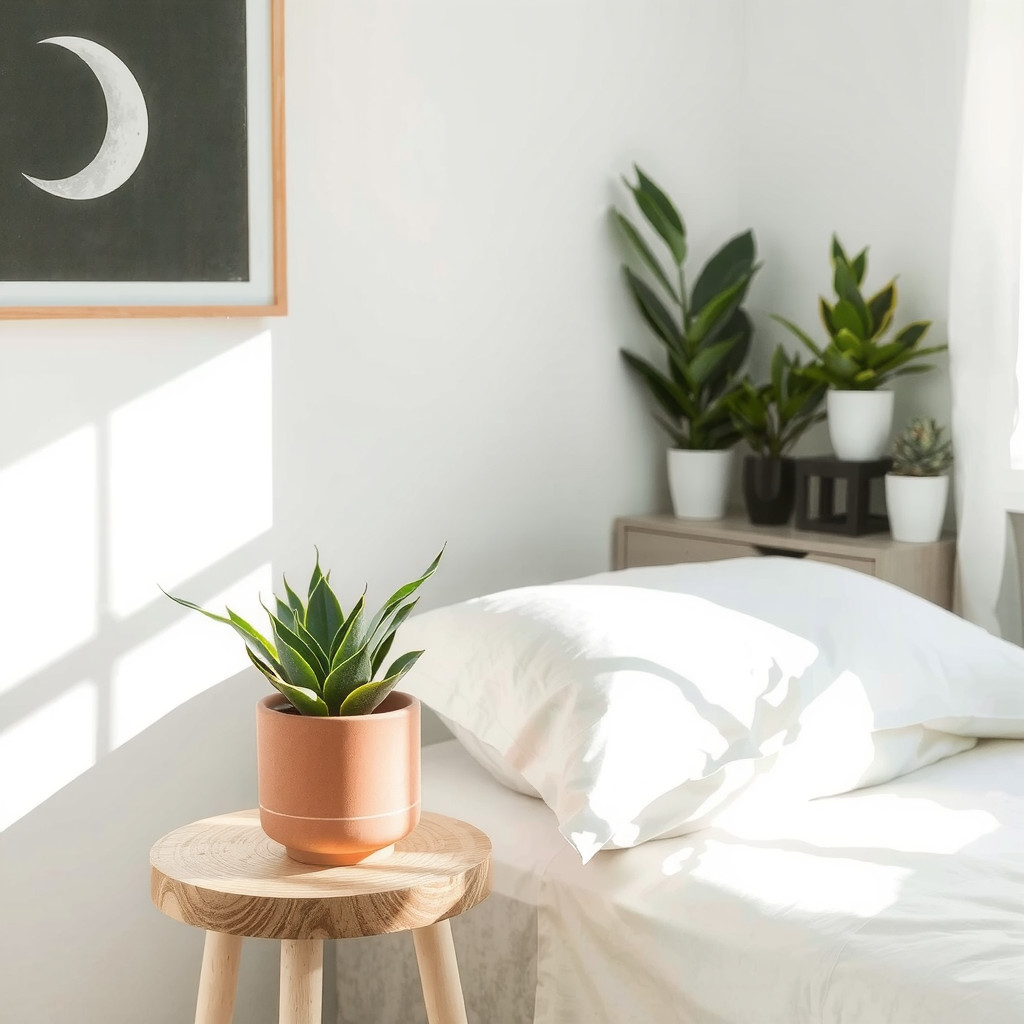
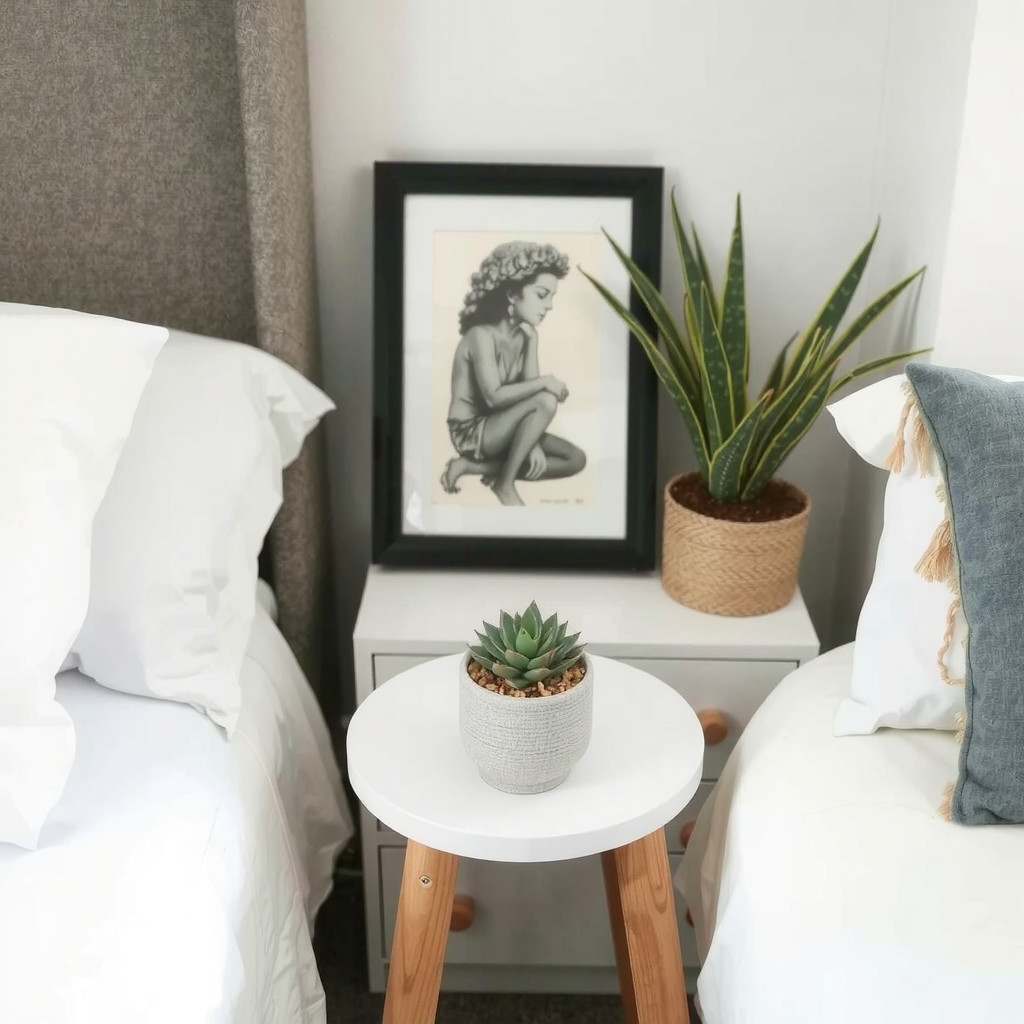
When choosing a low maintenance plant for your bedroom, consider the layout and positioning of your room. If you have a small bedroom, a compact plant like a succulent or cactus might be a good choice. For larger bedrooms, you can opt for a statement piece like a floor-standing dracaena or philodendron.
Materials and Textiles
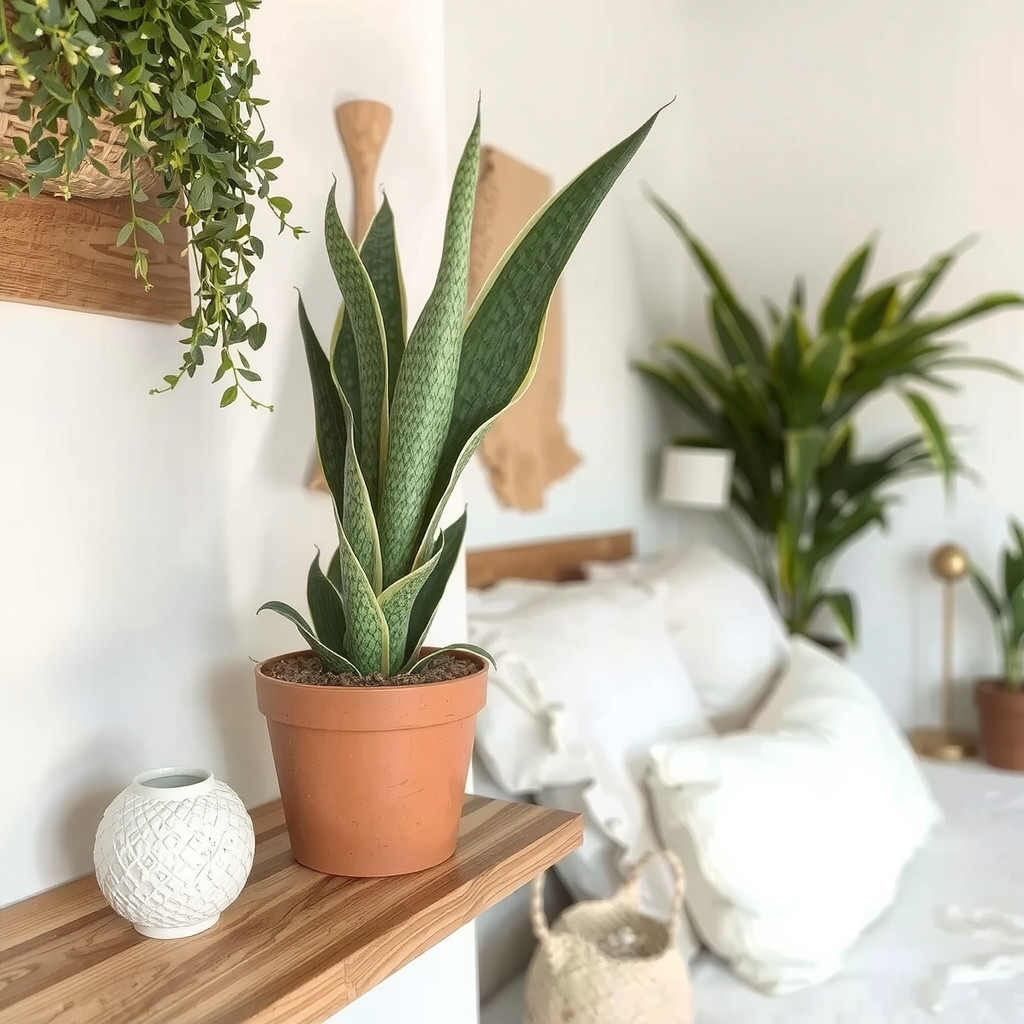
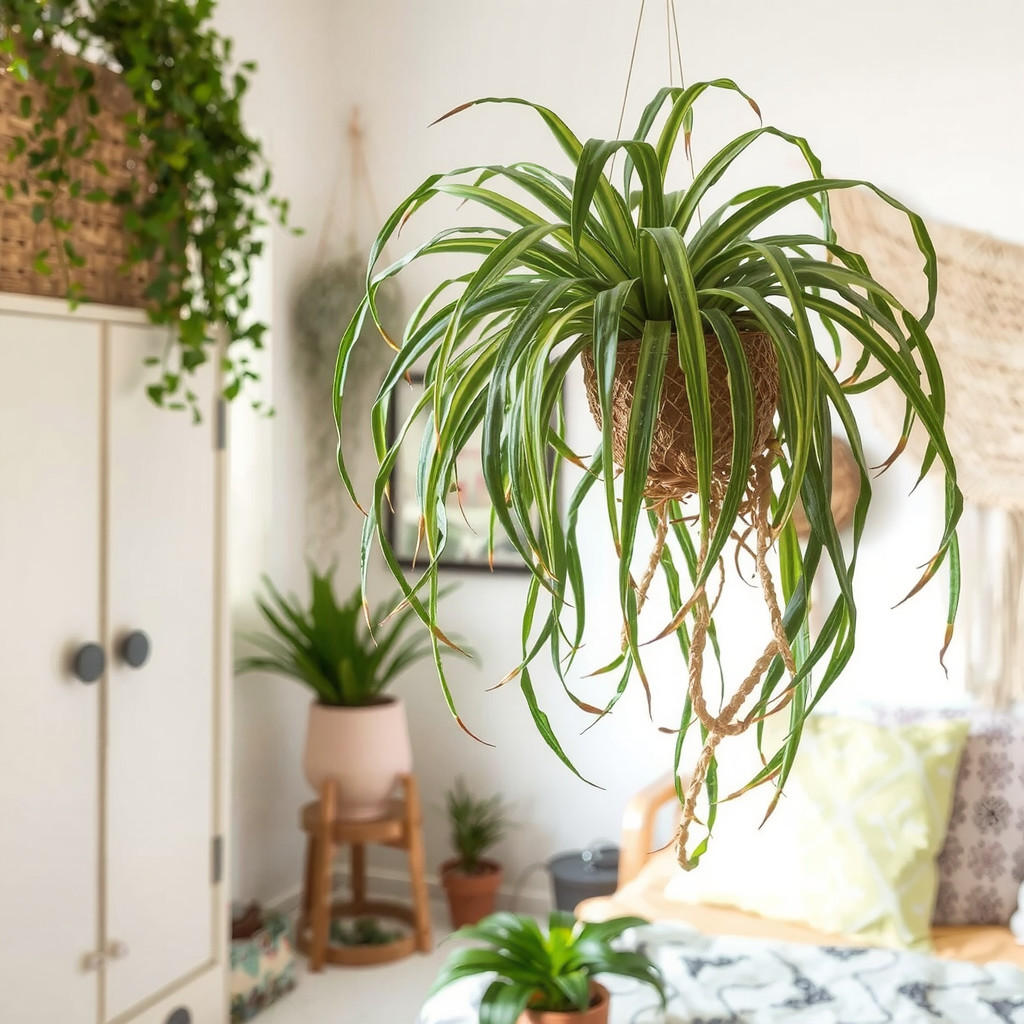
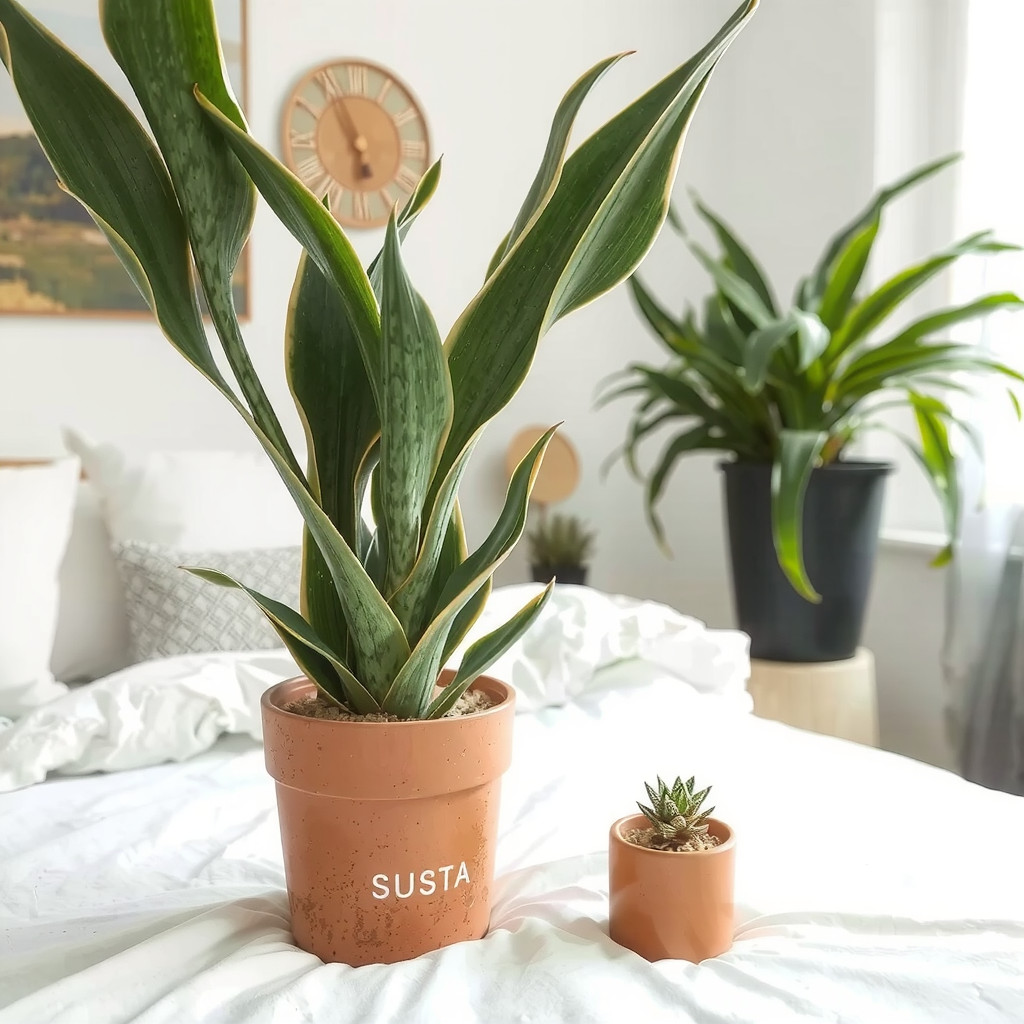
The materials and textiles in your bedroom can also impact your choice of low maintenance plant. For example, if you have a lot of wood furniture, a plant with a natural, earthy look like a snake plant or spider plant might complement your decor.
Focal Points
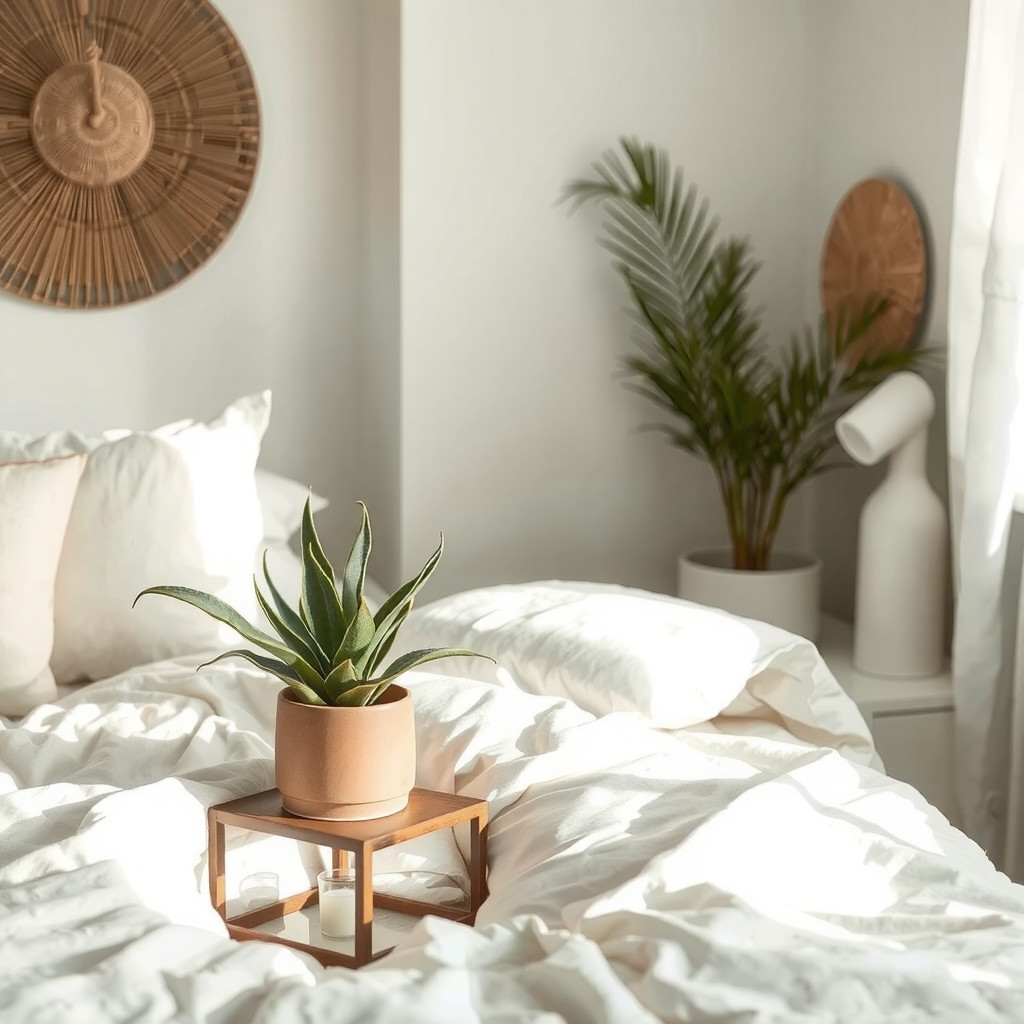
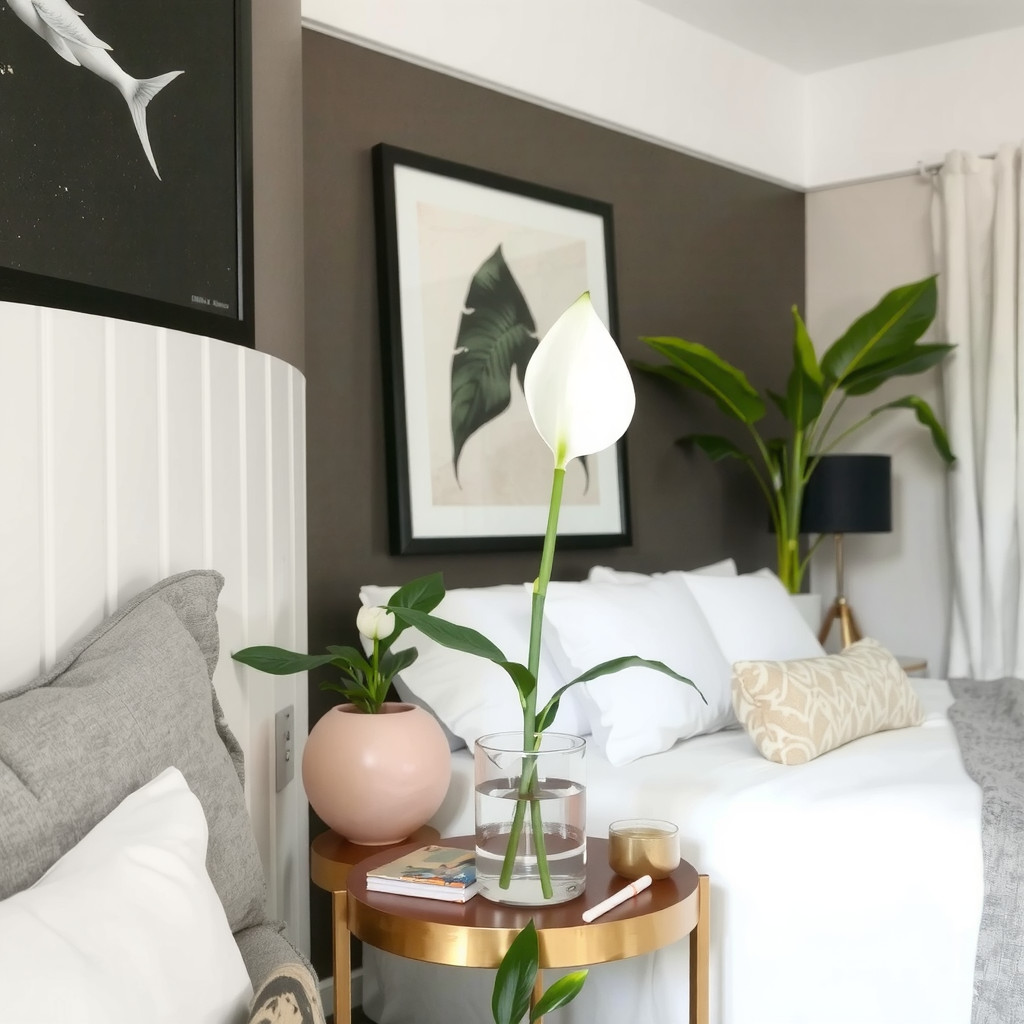
Low maintenance plants can also be used as focal points in your bedroom. Consider placing a statement plant like a peace lily or aloe vera on a bedside table or dresser to add visual interest to your room.
Lighting
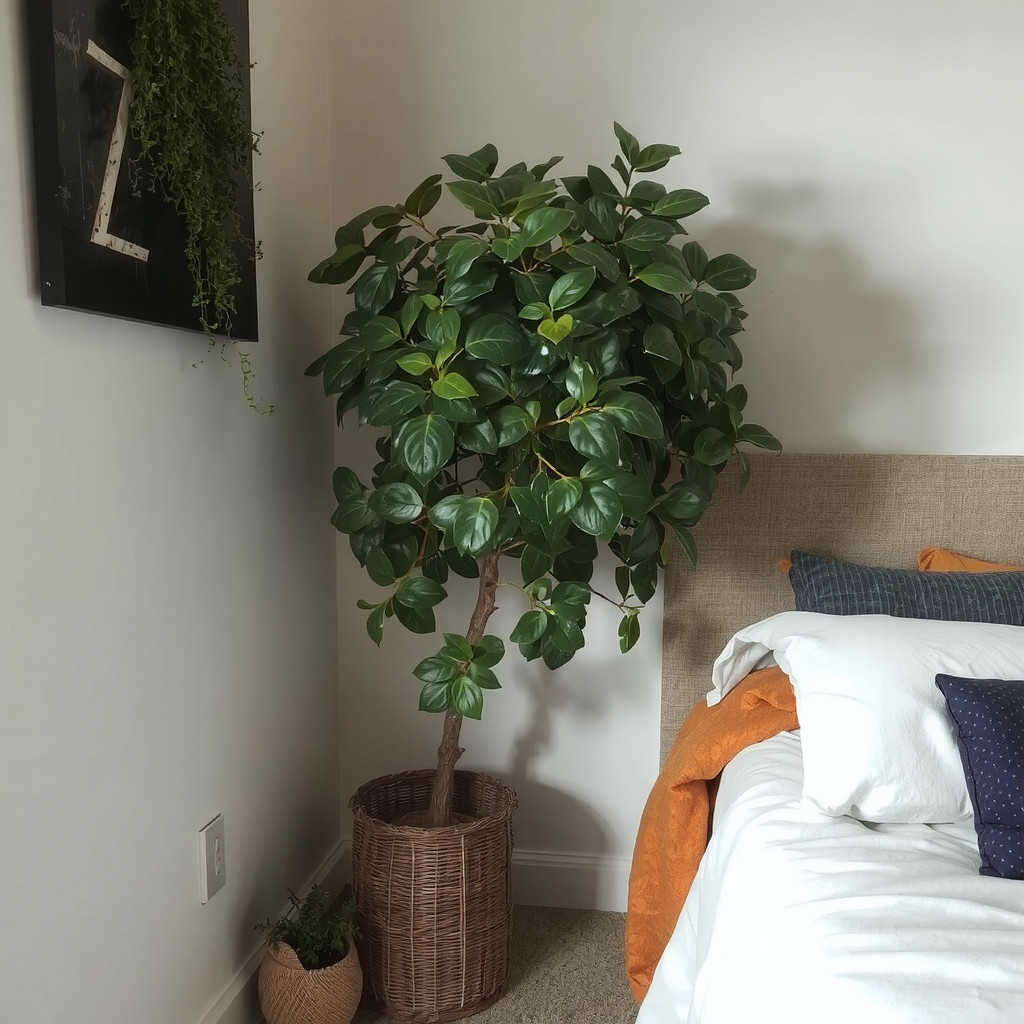
Most low maintenance plants prefer bright, indirect light, but some can tolerate low light conditions. If your bedroom receives limited natural light, consider a low-light plant like a Chinese evergreen or a ZZ plant.
Greenery
In addition to their aesthetic benefits, low maintenance plants can also help purify the air in your bedroom and promote better sleep. Some popular low maintenance plants for air purification include the spider plant, snake plant, and peace lily.
Tips
Here are some tips for keeping your low maintenance plants happy and healthy:
- Water them sparingly, as overwatering is the most common cause of death for indoor plants.
- Provide them with bright, indirect light, but avoid direct sunlight, which can cause burning.
- Fertilize them during the growing season (spring and summer) with a balanced, water-soluble fertilizer.
- Repot them every 1-2 years to provide fresh soil and a larger pot if necessary.
ADVERTISEMENT