ADVERTISEMENT
Mastering Ambient Glow: A Guide to Layered Home Lighting
Lighting is the unsung hero of interior design, possessing the unique ability to alter the dimensions of a room, shift your mood, and define the functionality of your space. It is the invisible paint that brings your decor to life. When you are working with a living room that lacks overhead lighting, you have a unique opportunity to curate a more intimate and sophisticated atmosphere. Instead of a harsh, single light source washing out the room, you can craft a landscape of illumination that feels intentional and cozy.
Layout and Positioning
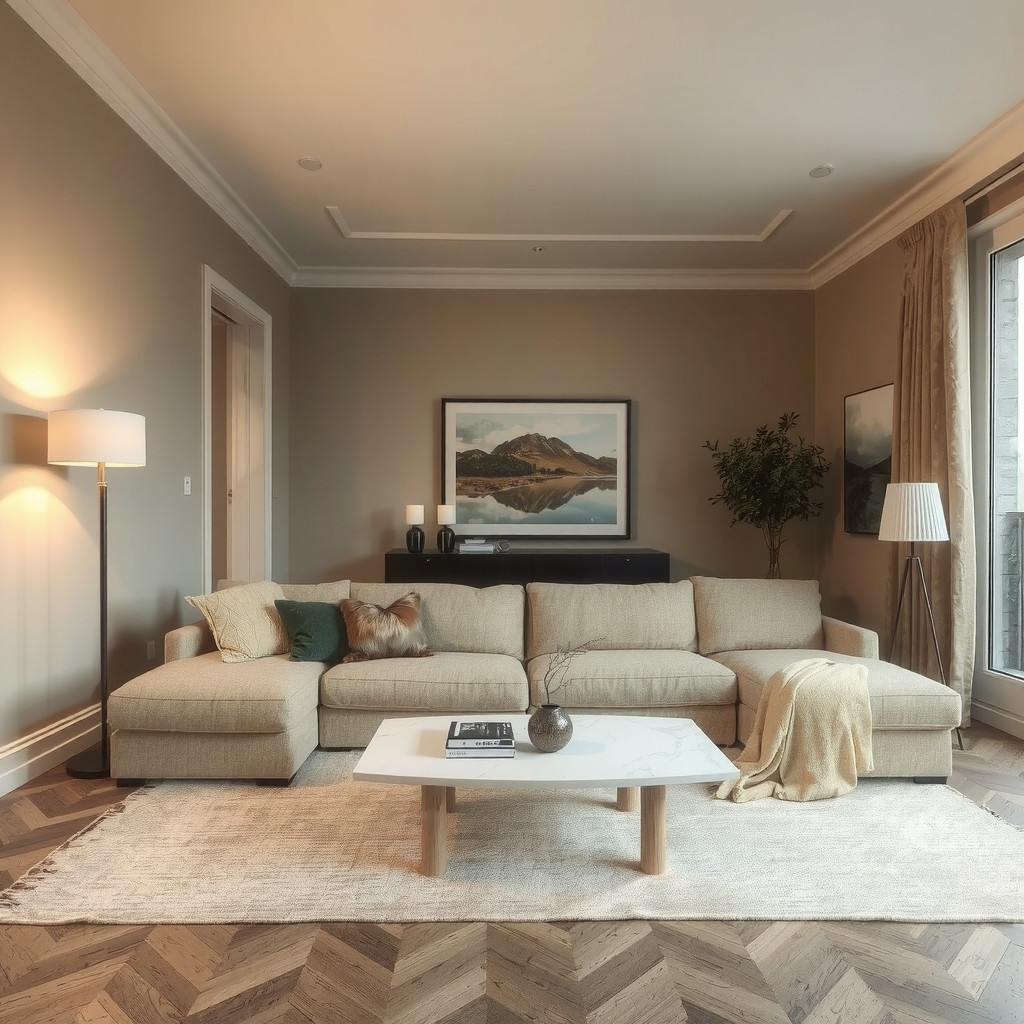
Begin by mapping your space to eliminate shadows and create depth. In the absence of ceiling fixtures, you must build illumination from the ground up using a technique called “triangulation.” Visualize a triangle superimposed on your floor plan and place three distinct light sources at its points. This ensures that light is evenly distributed, guiding the eye across the room rather than letting it settle in dark corners.
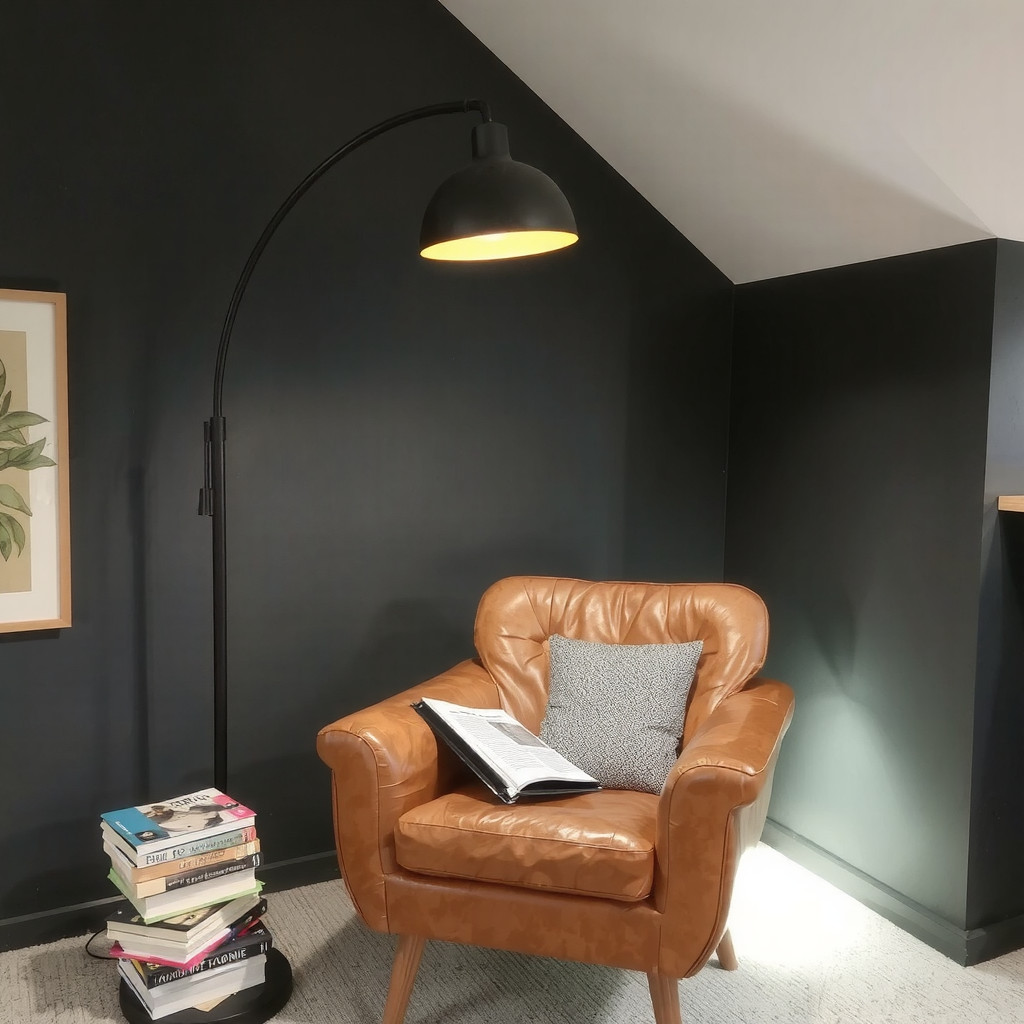
Place a tall arc floor lamp behind your sofa to mimic the height of a pendant light, providing essential task lighting for reading. Balance this with table lamps on side tables or a console to create a middle layer of light. By varying the heights of your fixtures, you add vertical interest and prevent the room from feeling bottom-heavy.
Materials and Textiles
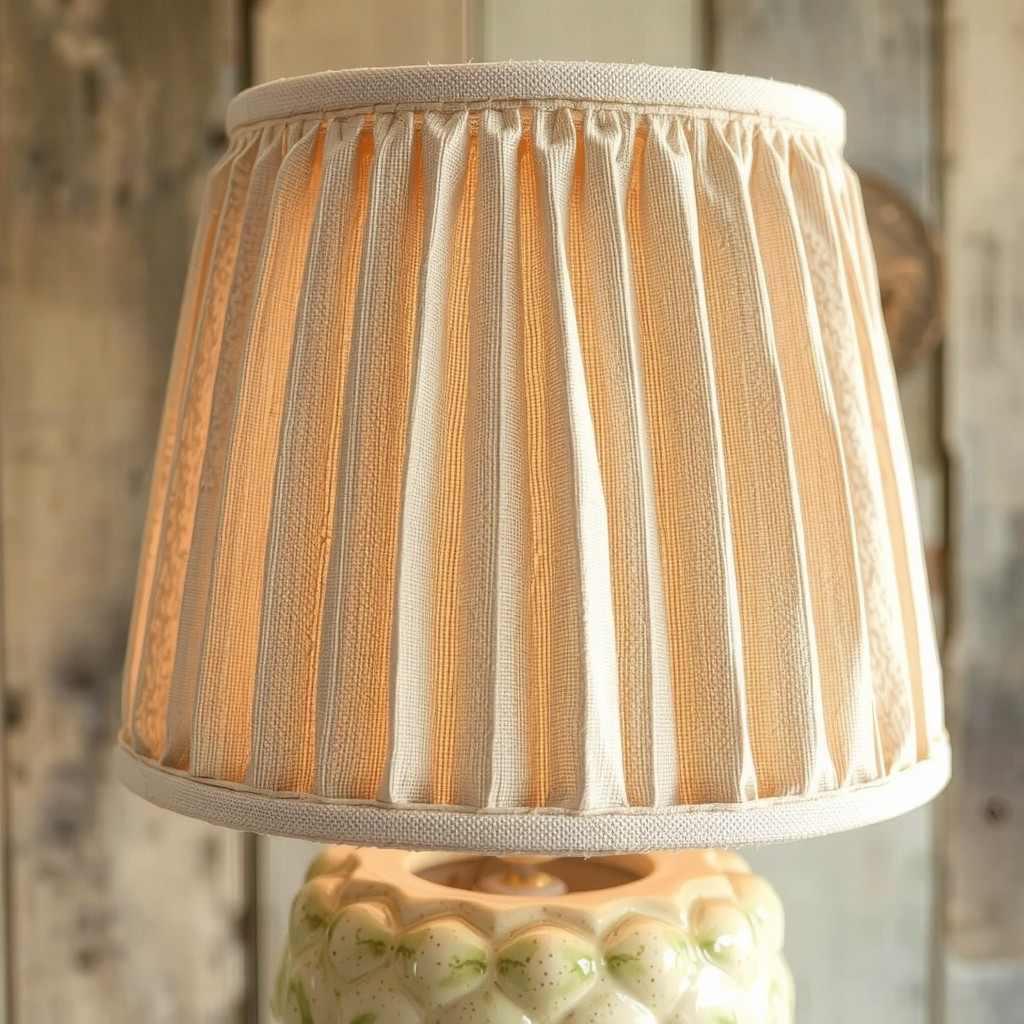
The vessel is as important as the bulb itself; the material of your lampshade dictates how light interacts with your room. If your goal is general illumination, opt for translucent shades made of linen, cotton, or silk. These fabrics diffuse the light, casting a soft, omnidirectional glow that brightens the surrounding area without harshness.
For more dramatic, moody pockets of light, choose opaque materials like metal, dark parchment, or thick velvet. These shades force the light up and down, creating focused pools of illumination that highlight specific surfaces or objects while leaving the rest of the room in shadow. Mixing these textures adds tactile richness to your decor.
Focal Points
Direct the gaze intentionally by using light to celebrate your favorite architectural features or decor pieces. You do not need hardwired picture lights to showcase art. Wireless, battery-operated picture lights have become incredibly sophisticated and can be mounted above a gallery wall to add an instant gallery-like appeal.
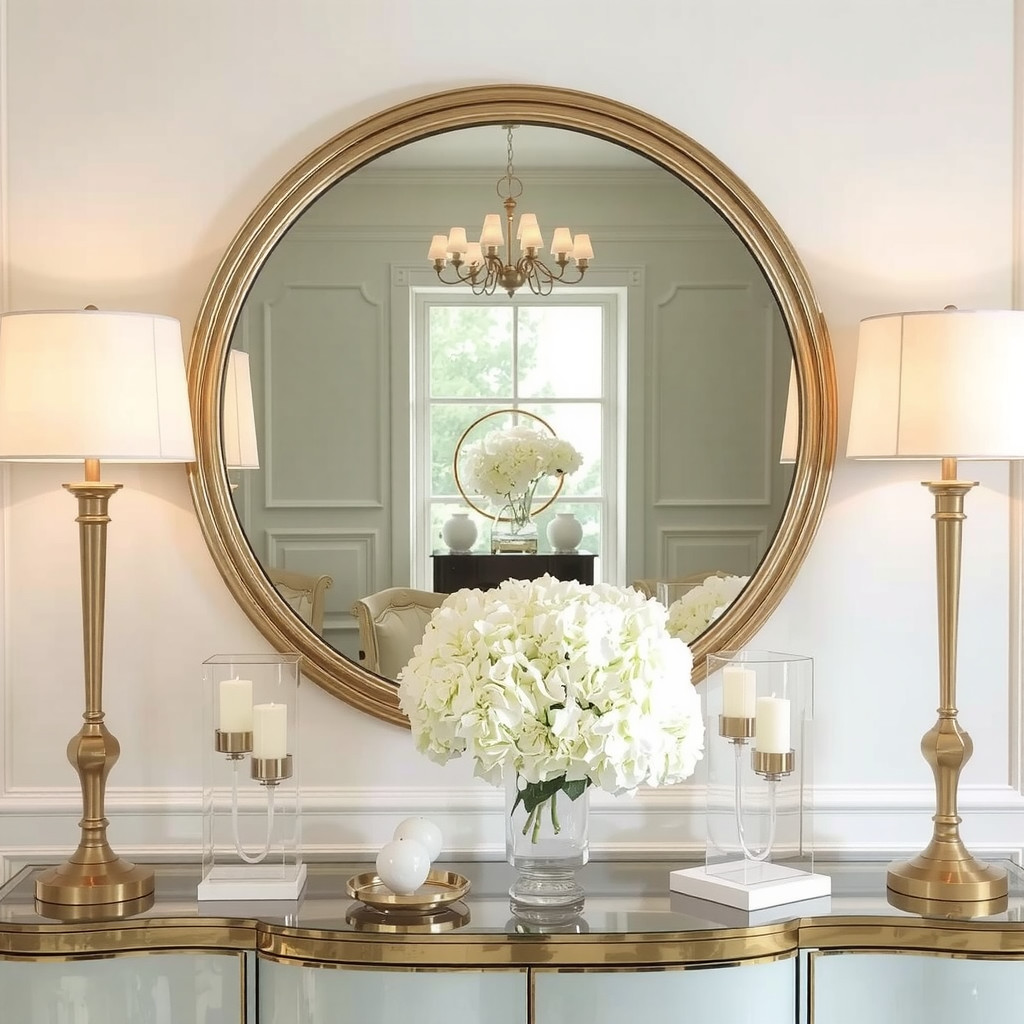
Alternatively, use a pair of matching sconces flanking a mirror or a piece of art to create symmetry and grandeur. If you have a fireplace, place a small uplight on the mantel or hearth to draw attention to the texture of the brick or stone, turning the structure itself into a glowing centerpiece.
Lighting
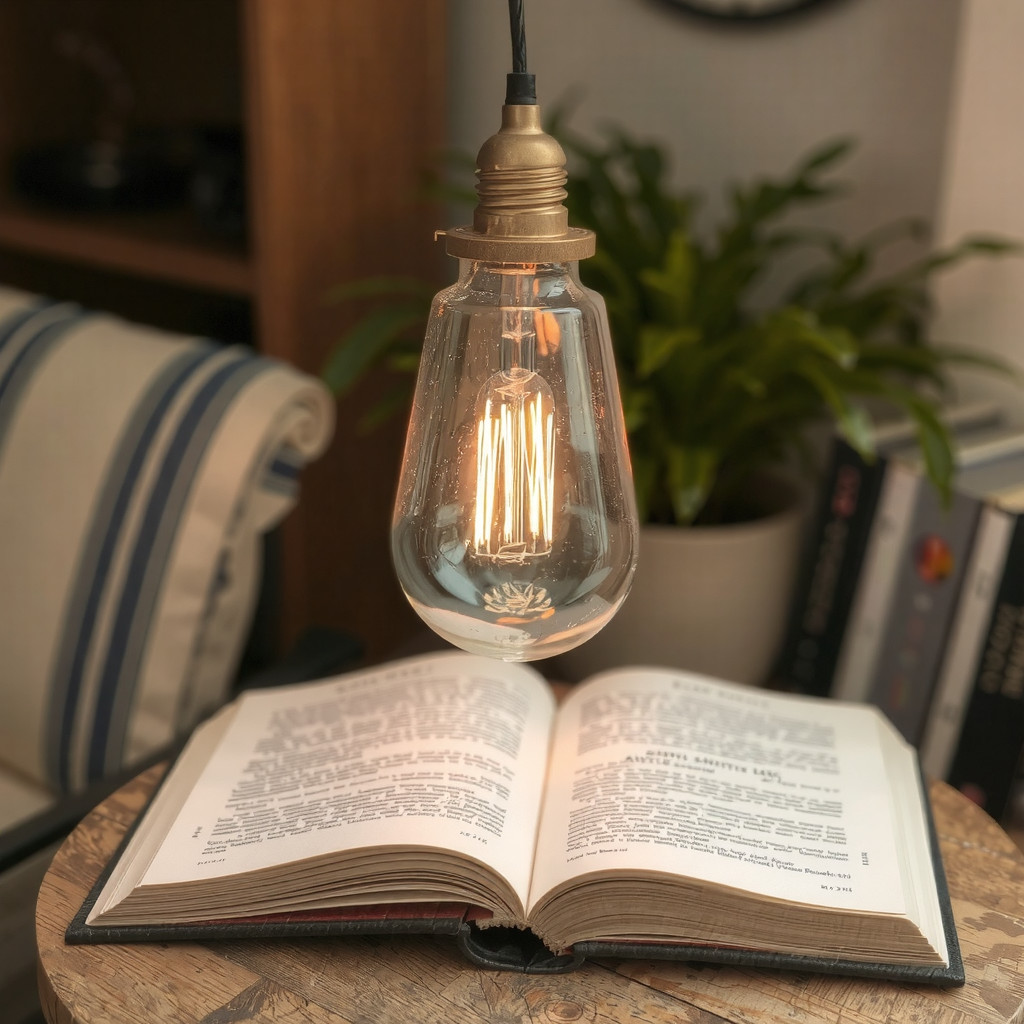
This section refers to the quality of the light itself, which is arguably the most critical technical detail. For living spaces, you should strictly adhere to a color temperature between 2700K (warm white) and 3000K (soft white). Anything higher will introduce cool blue tones that feel clinical and uninviting.
Layering is key here: combine ambient lighting (general glow from translucent shades) with task lighting (directional light for reading) and accent lighting (focused beams on art or decor). Ensure every bulb is dimmable. Installing plug-in dimmers on your floor and table lamps gives you total control over the intensity, allowing you to transition from a bright workspace by day to a moody lounge by night.
Greenery
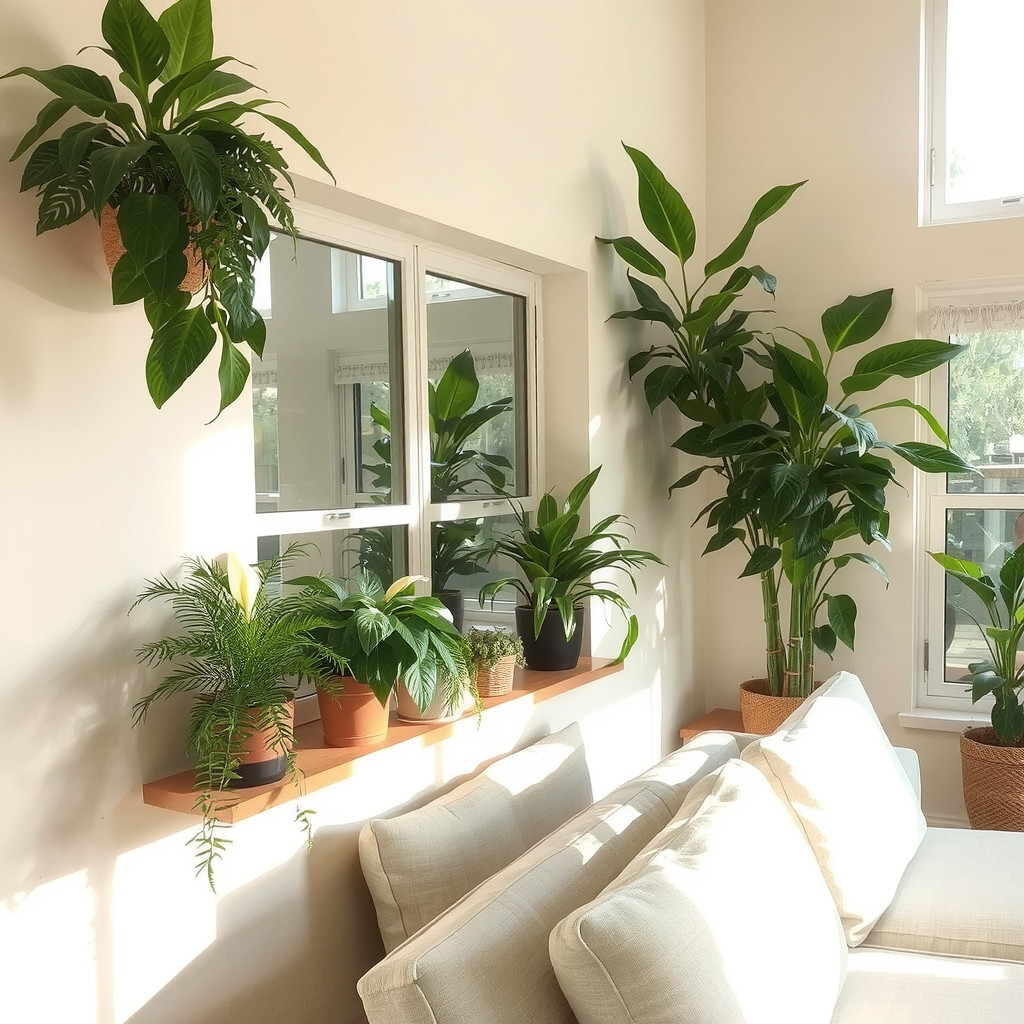
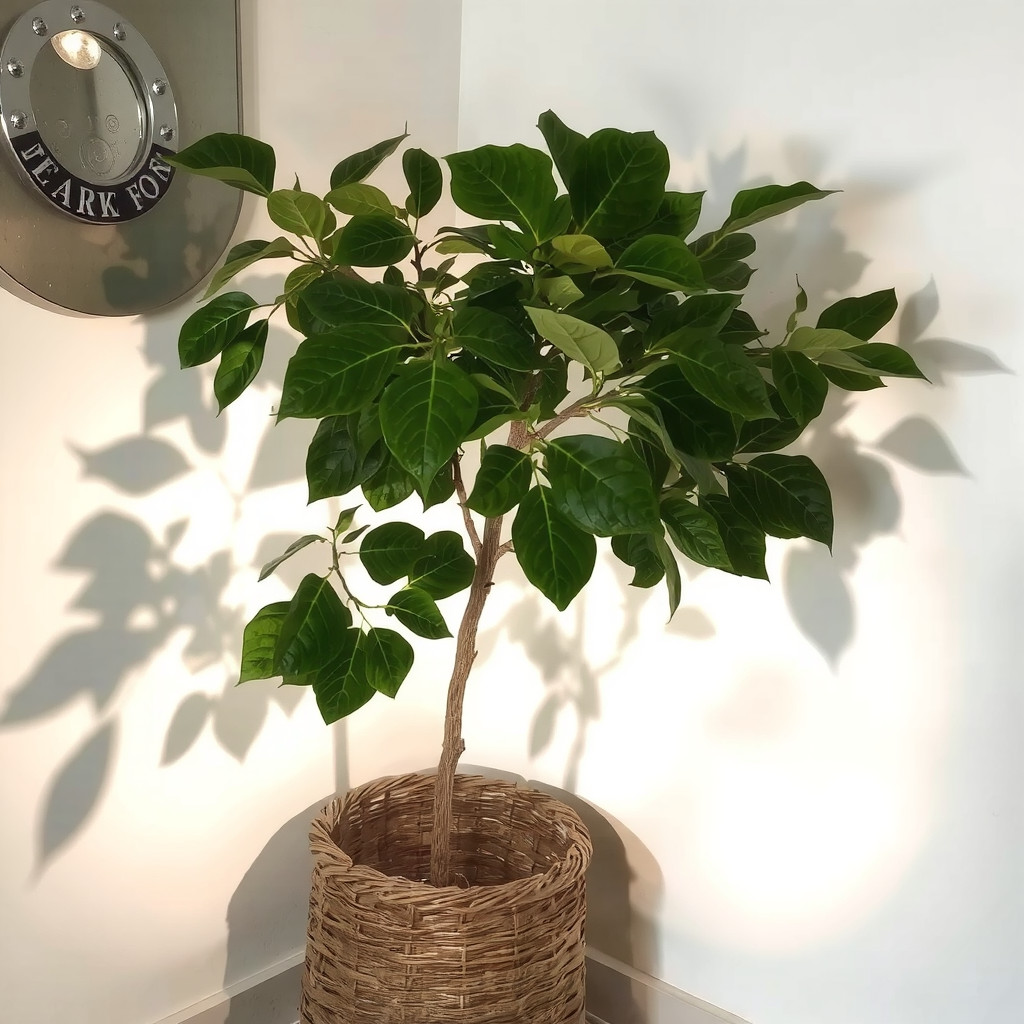
Plants breathe life into a room, but proper lighting transforms them into living sculptures. During the evening, a large houseplant can disappear into the darkness of a corner. Use a small canister uplight placed at the base of the planter, angled upward into the foliage.
This technique not only highlights the vibrant greens of the leaves but also casts intricate, dramatic shadows on the wall and ceiling behind the plant. It adds organic movement and texture to the room, making your greenery a vital part of the evening aesthetic.
Tips
- Utilize Mirrors: Position mirrors opposite your light sources to bounce light back into the room, effectively doubling your luminosity.
- Plug-in Sconces: Achieve the look of hardwired custom lighting without calling an electrician by using wall sconces that plug into standard outlets.
- Smart Bulbs: Invest in smart bulbs that allow you to adjust color temperature and brightness from your phone, eliminating the need for bulky external dimmers.
- Cord Management: Keep the look polished by using cord covers or tucking wires behind furniture legs; messy cords can ruin the elegance of your lighting scheme.
ADVERTISEMENT