ADVERTISEMENT
Mastering Minimalism: Design Strategies for Compact Living
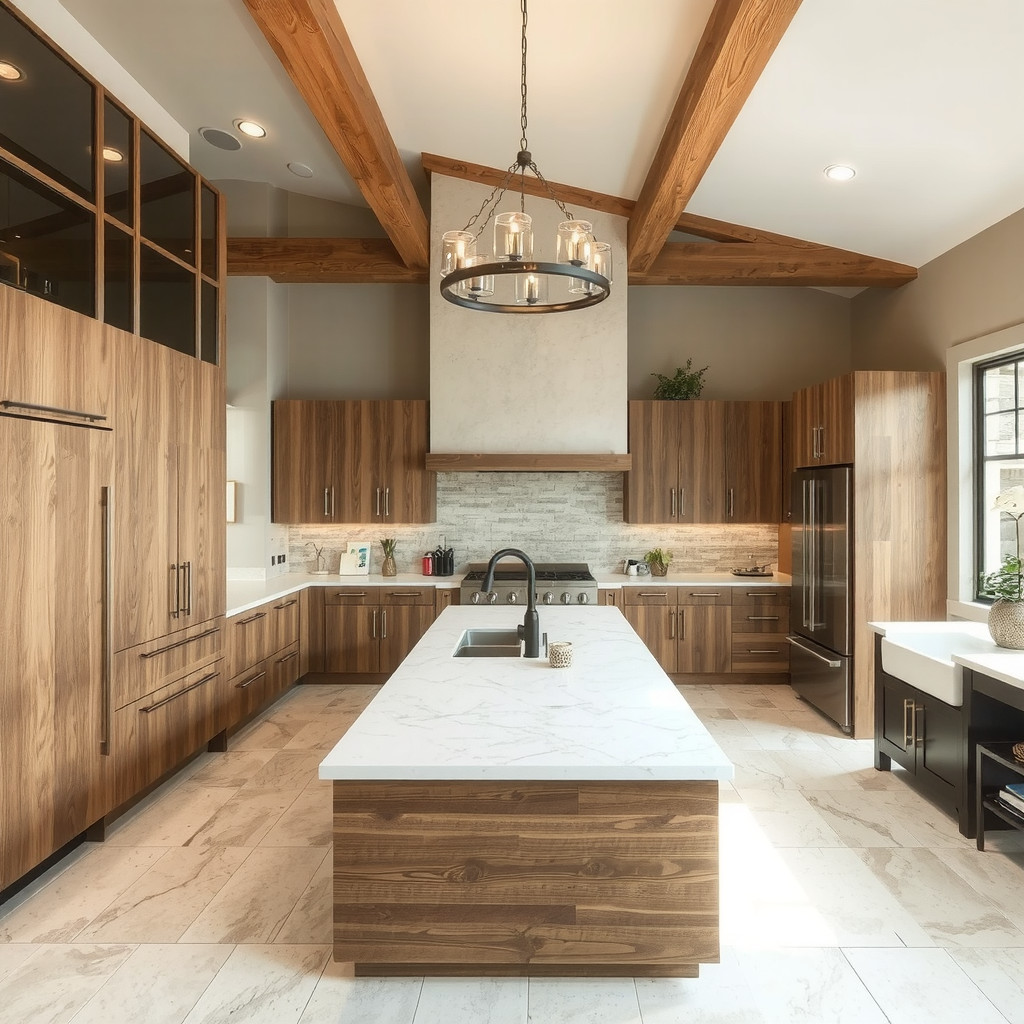
Creating a serene and spacious environment within a small footprint is not about deprivation; it is an exercise in intentionality. When you embrace minimalist design in a compact home, you are choosing to prioritize quality over quantity and breathability over clutter. The goal is to strip away the non-essential to reveal a space that feels curated, calm, and surprisingly expansive. By focusing on clean lines and negative space, you transform physical limitations into aesthetic opportunities, turning a cramped house into a sophisticated sanctuary.
Layout and Positioning
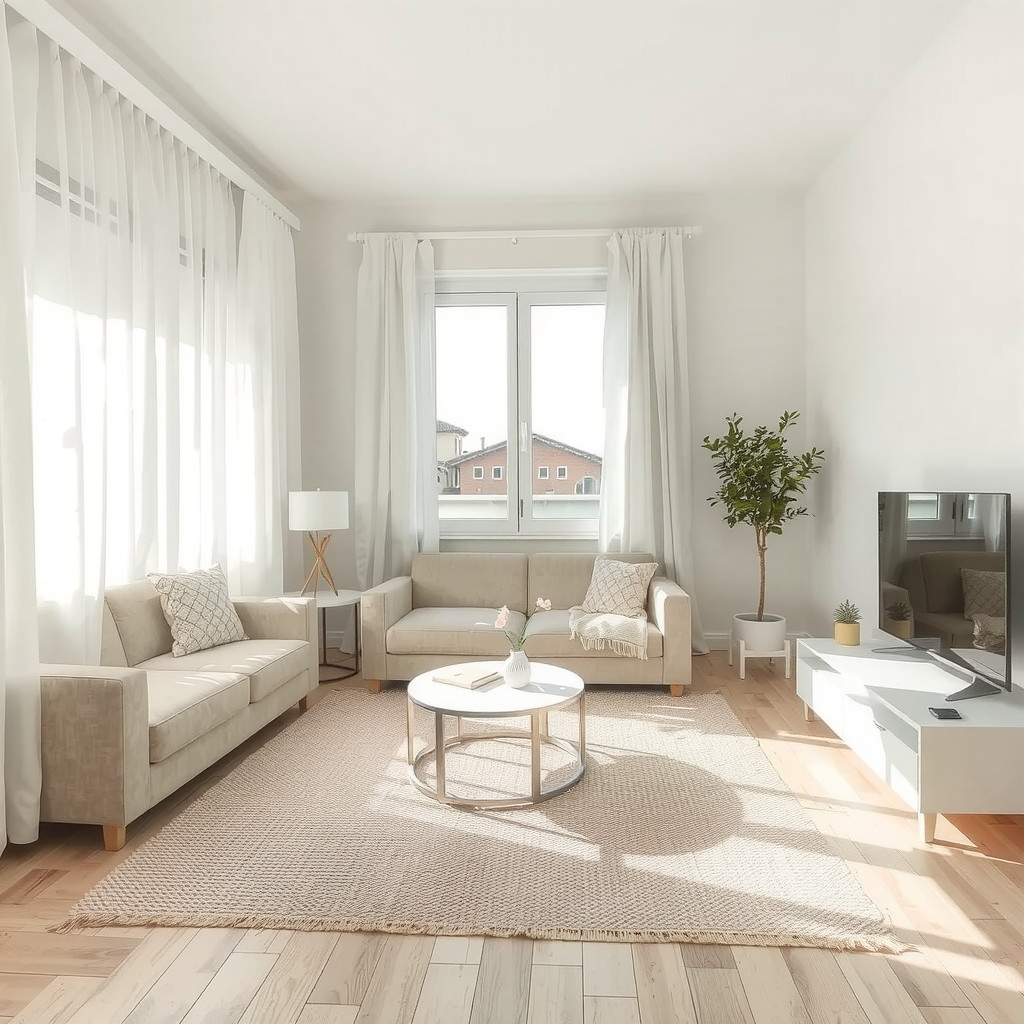
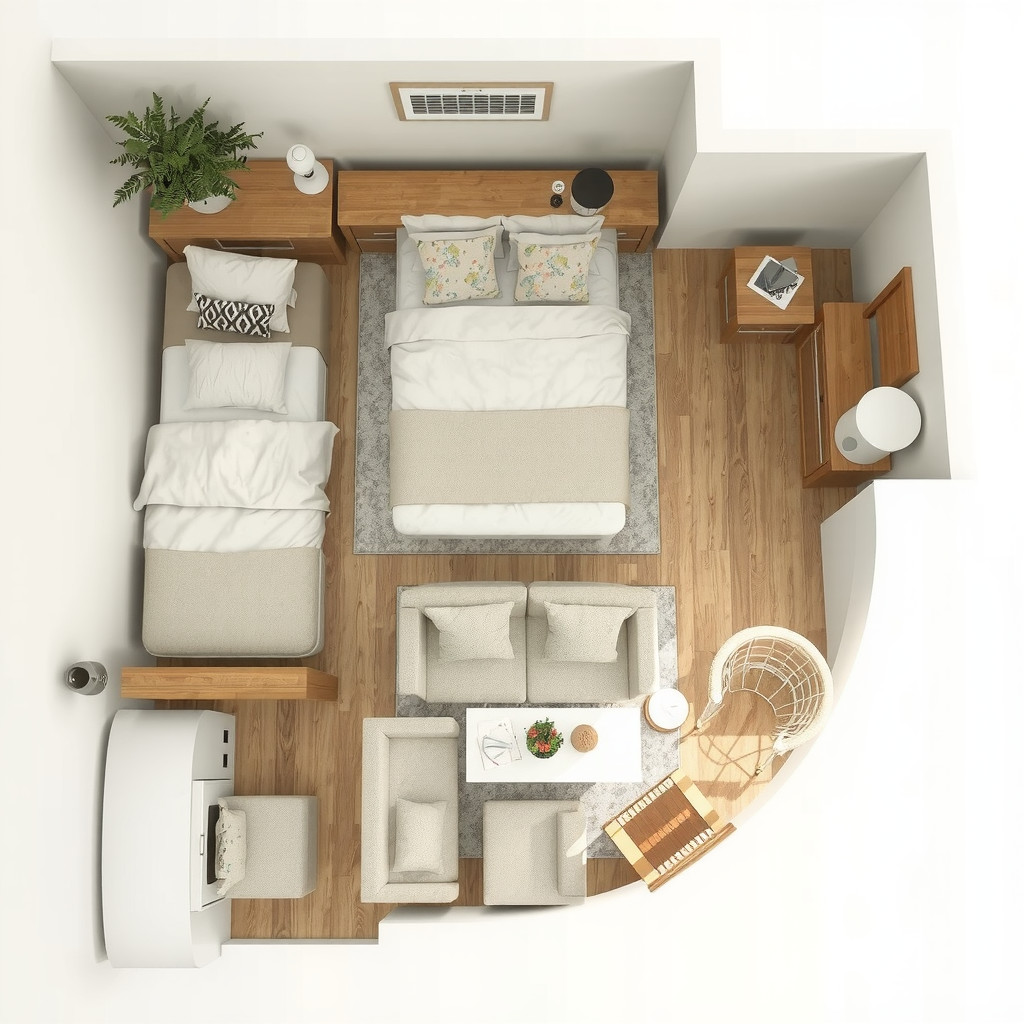
In a small home, the way you arrange your furniture defines the energy of the room. Instead of pushing every piece against the wall—which can actually highlight the small dimensions—try “floating” your main furniture pieces. This creates a sense of flow and allows light to circulate around objects.
Zone your areas without relying on heavy partitions. Use area rugs to anchor a living space or a dining nook, creating invisible boundaries that organize the room visually. Ensure that traffic paths remain clear; a straight, unobstructed line of sight from one end of the room to the other tricks the eye into perceiving greater depth.
Materials and Textiles
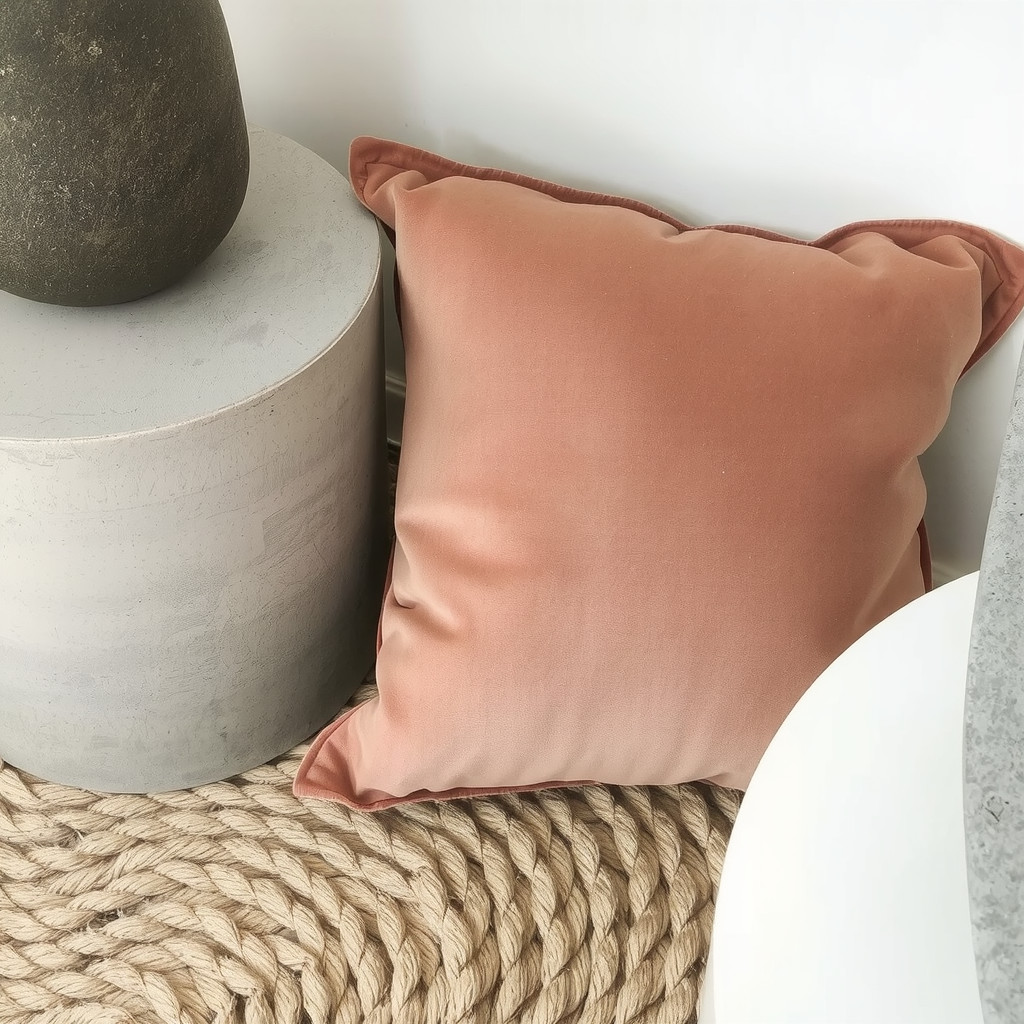
When decor is minimal, texture becomes your primary language of design. Without the distraction of bold patterns or clutter, the tactile quality of surfaces takes center stage. You want to layer materials that invite touch and add warmth, preventing your minimalist space from feeling clinical or cold.
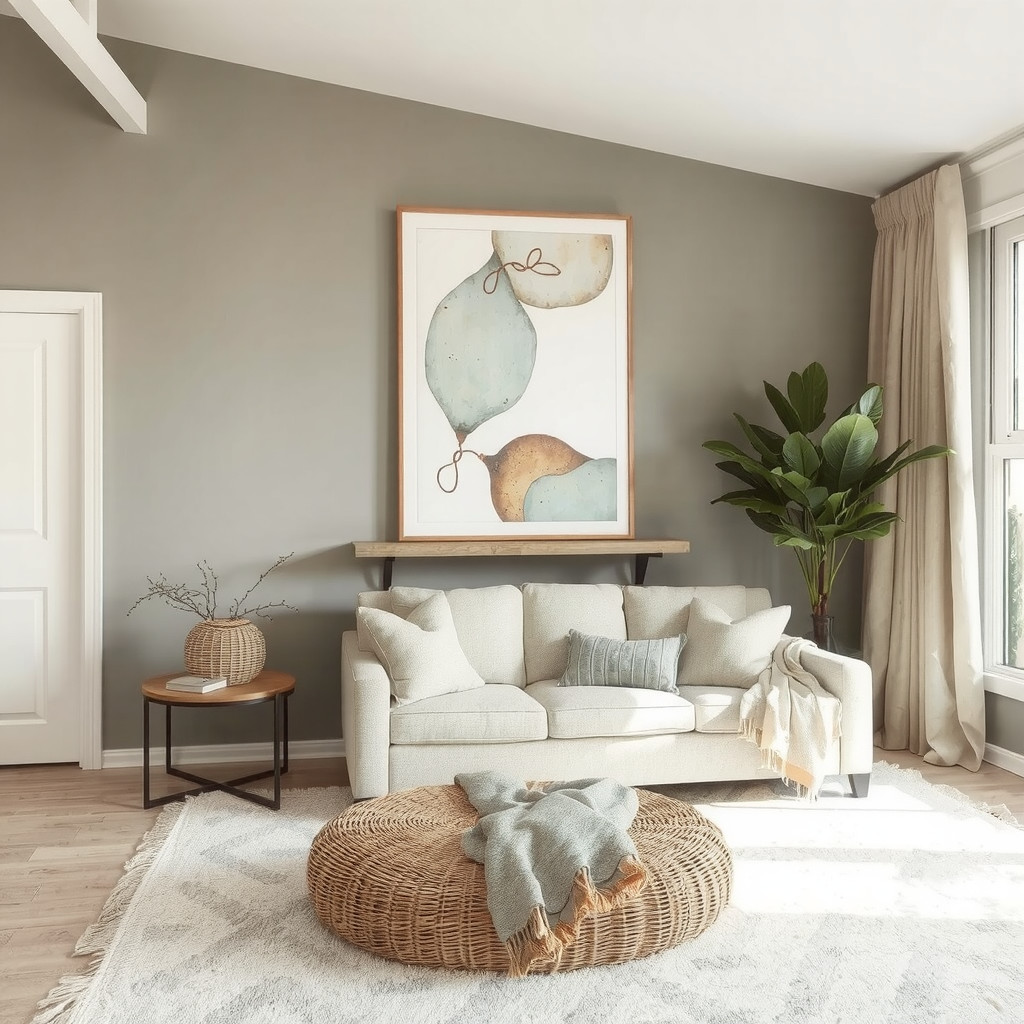
Opt for natural materials like light oak, honed marble, or raw concrete to add structural interest. Soften these hard edges with textiles such as heavy linen curtains, wool throws, or a bouclé armchair. The interplay of a rough jute rug against a smooth leather ottoman creates a rich sensory experience that compensates for the lack of ornamental excess.
Focal Points
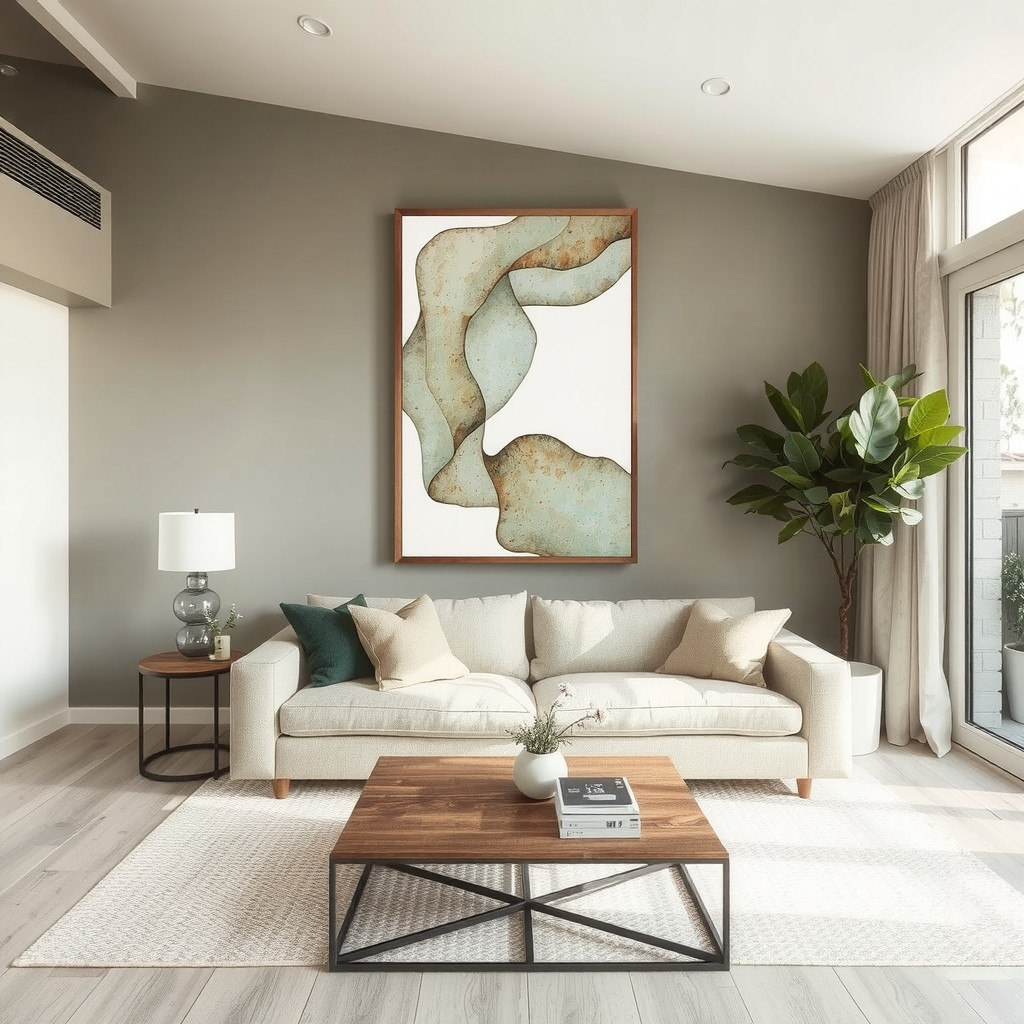
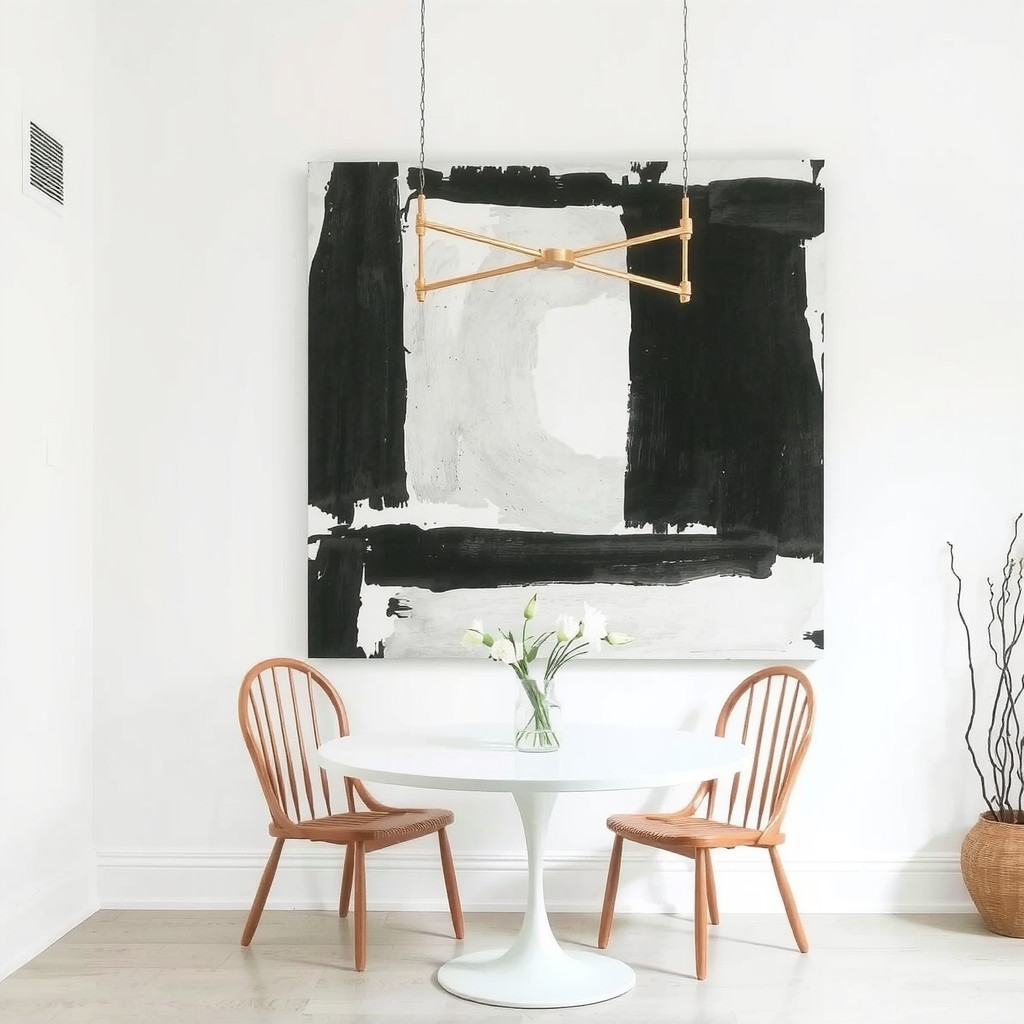
A common mistake in small spaces is the tendency to use many small decorations, which creates visual noise. Instead, be bold. Select one large, significant piece to serve as the anchor for the room. This could be an oversized piece of abstract art, a sculptural coffee table, or a floor-to-ceiling mirror.
A large mirror is particularly effective in compact homes; it doubles the visual space and reflects light, brightening dark corners. By committing to a single, strong focal point, you give the eye a place to rest, making the rest of the room feel orderly and intentional.
Lighting
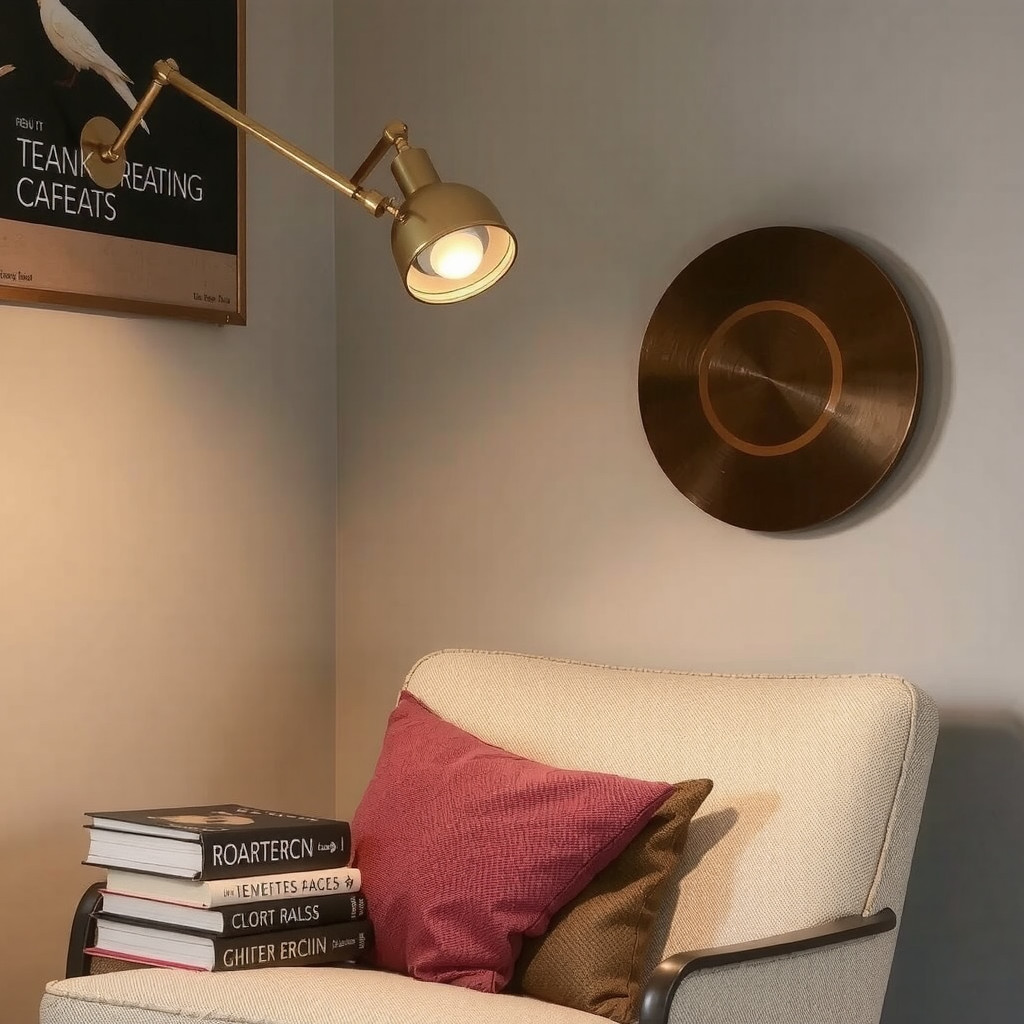
Lighting is the silent architect of your interior. In a small minimalist home, you must avoid relying solely on a single overhead source, which can flatten the room and shrink the space. Instead, layer your lighting to create depth and dimension.
Utilize wall sconces and pendant lights to save precious floor space. An articulating sconce beside a sofa or bed provides task lighting while adding a functional industrial or modern aesthetic. Aim for warm color temperatures (2700K–3000K) to maintain a cozy atmosphere. Illuminating vertical surfaces, such as washing a wall with light, can also make the ceiling feel higher and the room wider.
Greenery
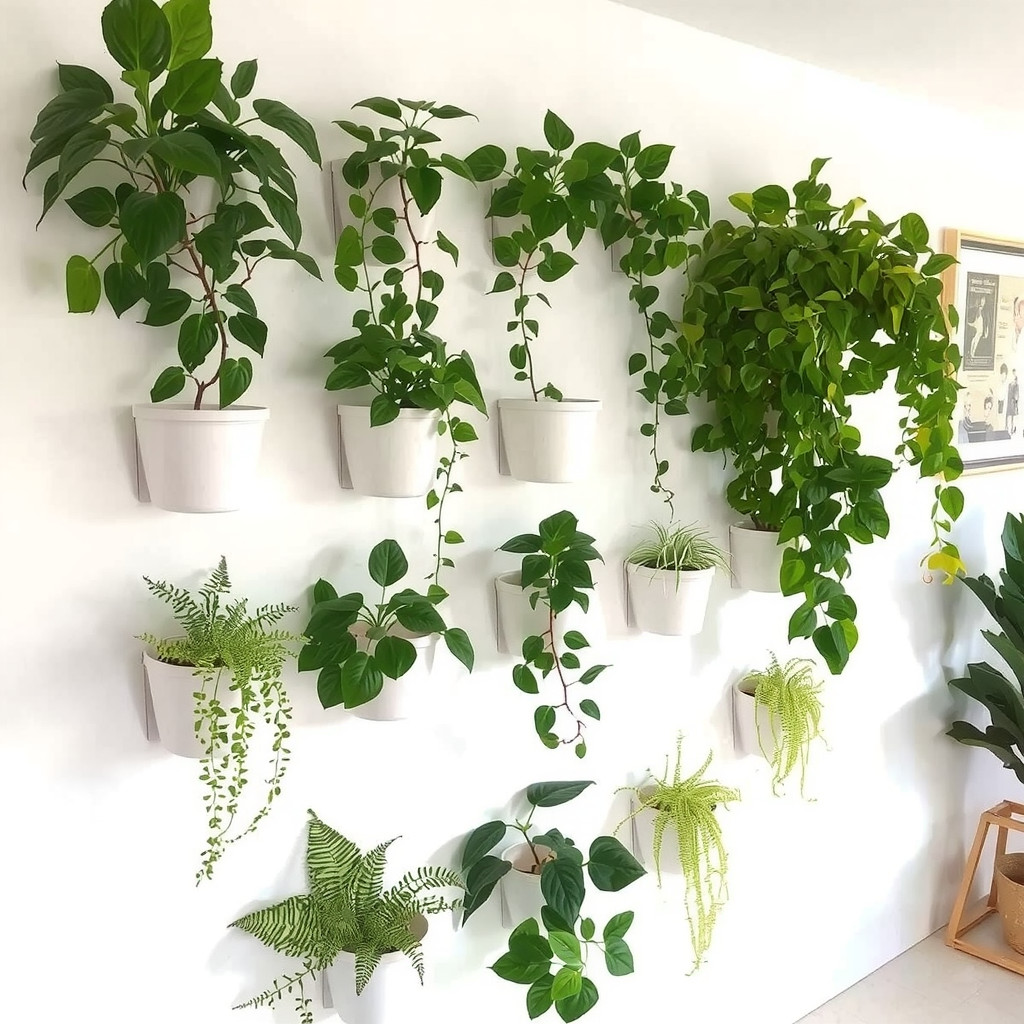
Plants are the perfect antidote to the rigidity of minimalist lines, breathing life into your design. However, a cluttered collection of small pots can work against you. Think vertically.
Install a hanging planter in a corner or mount a sleek shelf specifically for trailing vines like pothos or ivy. Alternatively, choose one substantial, tall plant—like a Ficus Audrey or a Snake Plant—placed in a simple, textured pot. This draws the eye upward, emphasizing vertical height rather than floor area. The organic shapes of leaves provide a necessary contrast to the geometric precision of your furniture.
Tips
- Edit Ruthlessly: If an item does not serve a function or bring you joy, it does not belong in your small home.
- Hidden Storage: Invest in furniture with built-in storage, such as ottomans or beds with drawers, to keep surfaces clear.
- Consistent Palette: Stick to a monochromatic or limited color palette to reduce visual fragmentation and create a cohesive look.
- Glass and Acrylic: Use transparent furniture, like a glass coffee table, to minimize visual bulk.
- Vertical Storage: Utilize full-height shelving units to draw the eye up and maximize storage volume without using floor depth.
ADVERTISEMENT