ADVERTISEMENT
Mastering Moody Interiors: Dark Bedroom Design for Deep Sleep
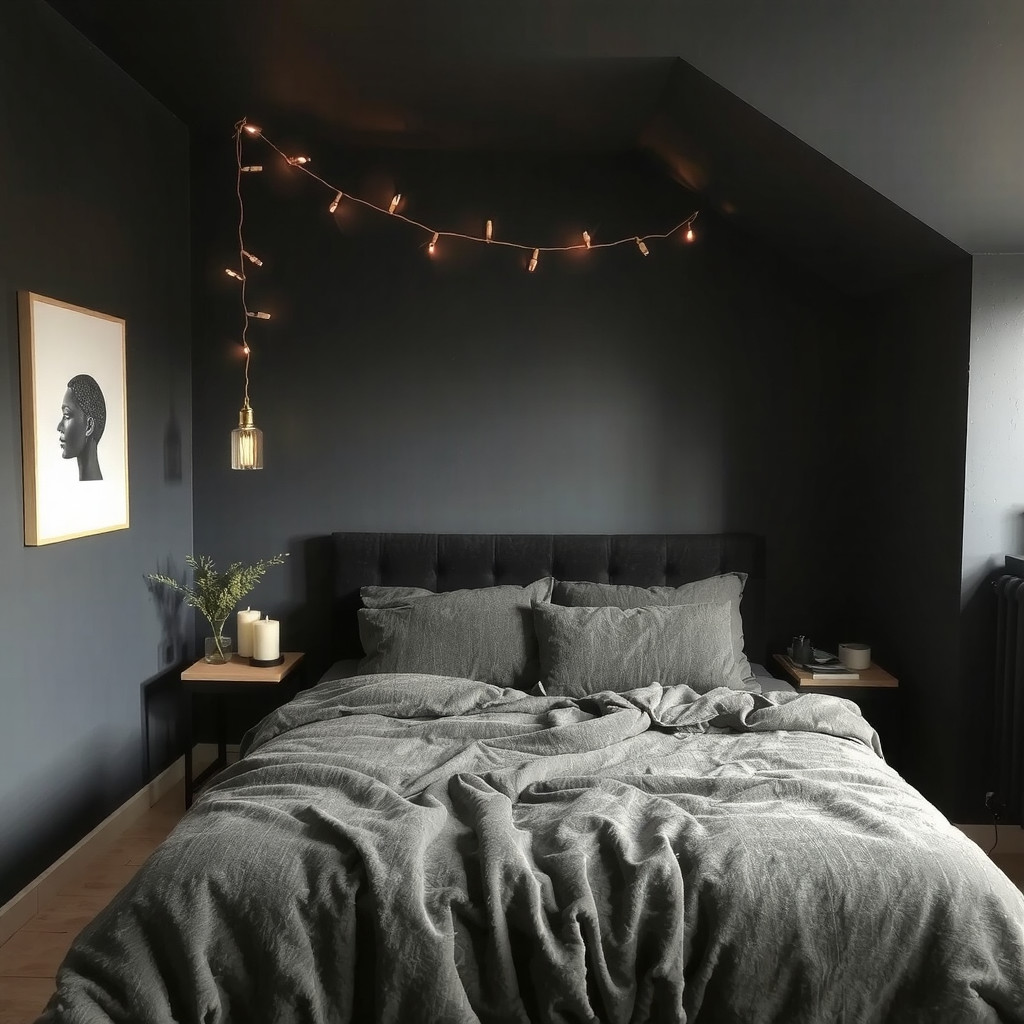
Creating a sanctuary for rest goes beyond a comfortable mattress; it requires an environment that physically signals your body to wind down. While bright and airy interiors have their place, a dark, moody aesthetic in the bedroom offers a profound sense of grounding and intimacy. By embracing deep hues, you transform your sleeping quarters into a cocoon that envelopes you, promoting faster onset of sleep and a deeper restorative cycle.
Layout and Positioning
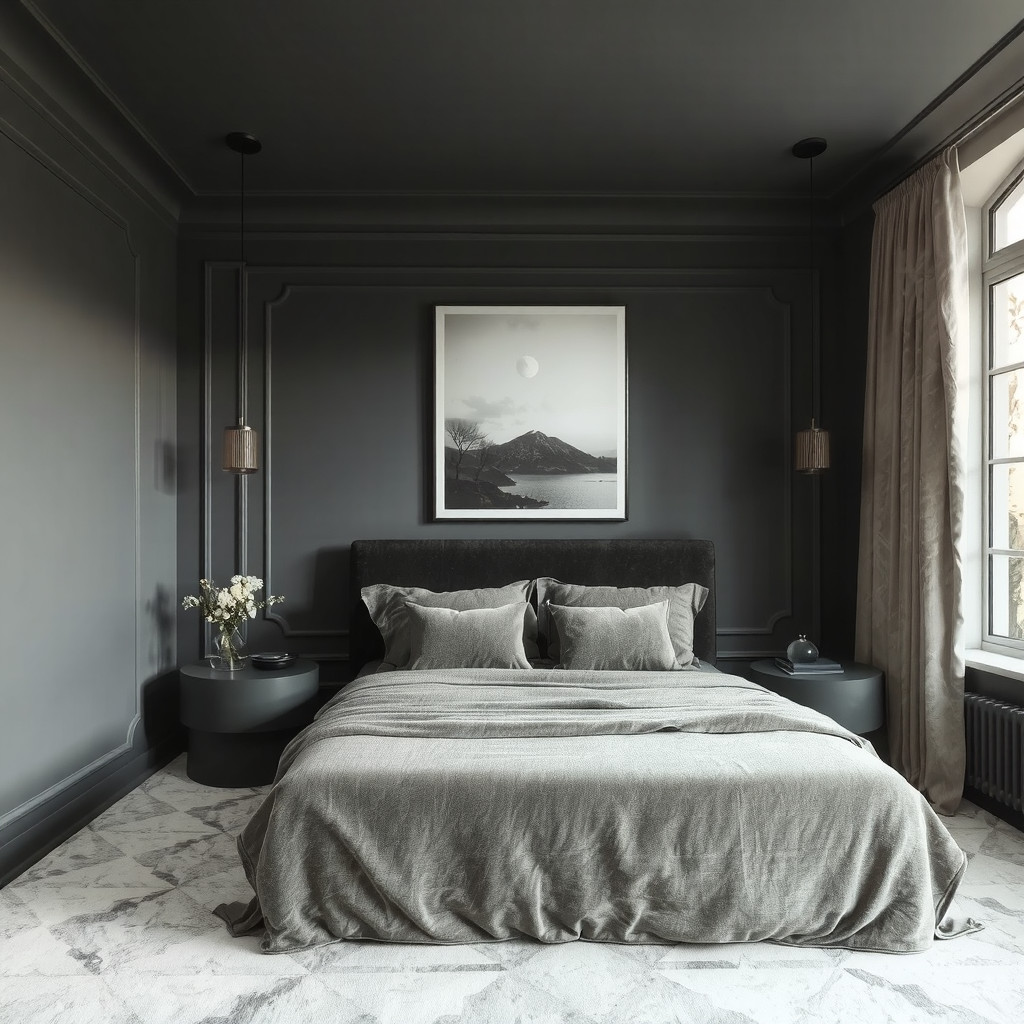
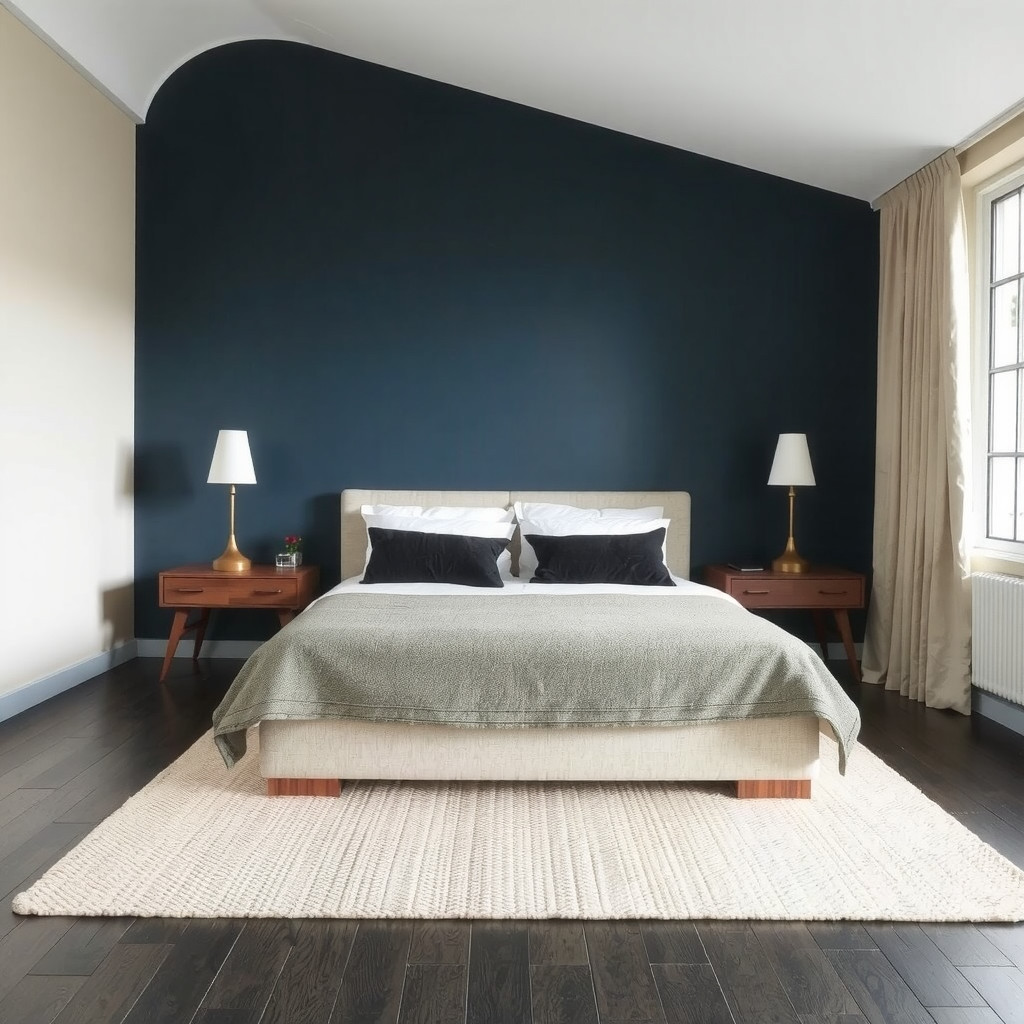
In a room dominated by dark tones, the layout determines whether the space feels cozy or claustrophobic. Your bed should act as the undisputed anchor of the room. Position it centrally against the longest uninterrupted wall to establish a command position that feels secure and balanced. Because dark colors absorb light and can make boundaries feel less defined, allow for ample negative space around furniture. This breathing room prevents the visual weight of the color from becoming overwhelming.
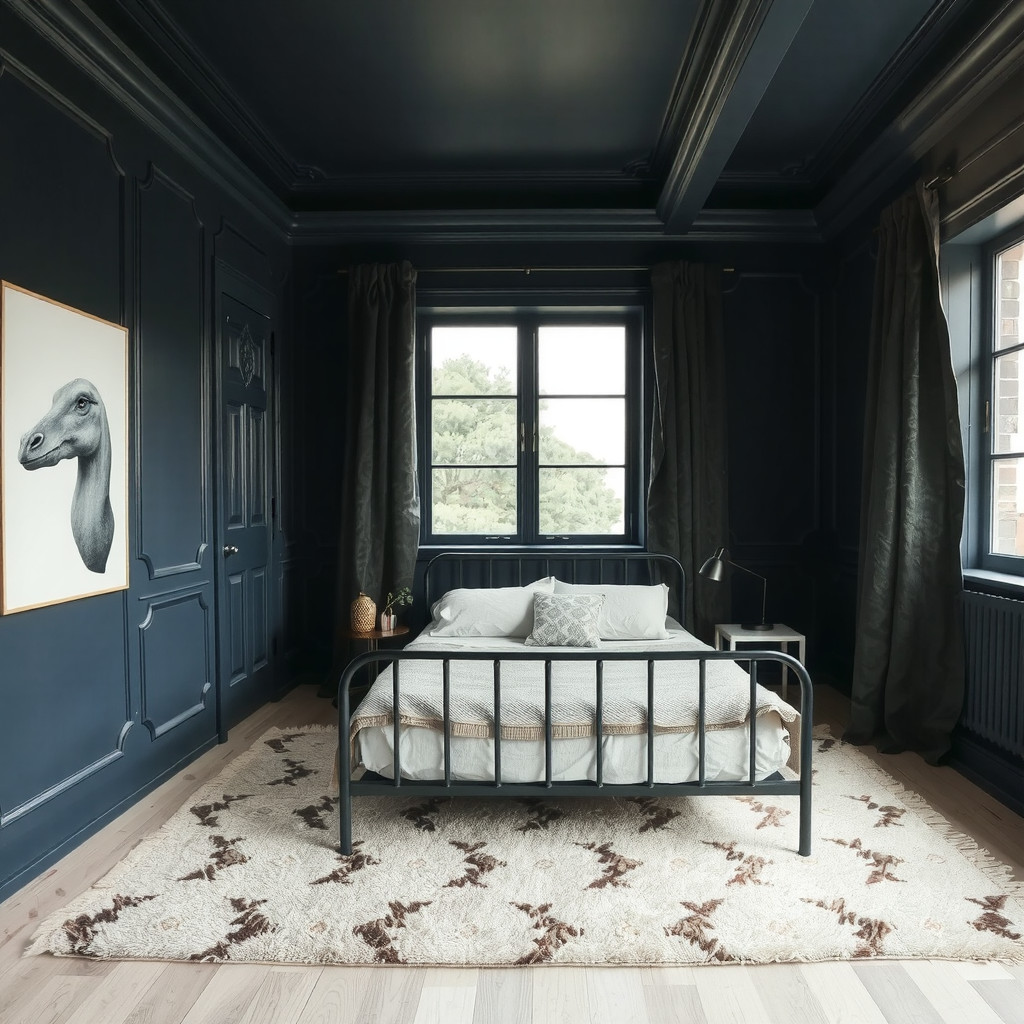
Consider the ceiling as a fifth wall. Painting the ceiling the same deep shade as the walls creates a seamless, jewelry-box effect that blurs the edges of the room, making it feel infinite yet womb-like.
Materials and Textiles
When you remove the variety of bright colors, texture becomes the most critical element of your design. Without tactile contrast, a dark room can appear flat and lifeless. Layer materials that catch the light differently to add depth. Think of a matte paint finish on the walls paired with a lustrous velvet headboard or silk throw pillows.
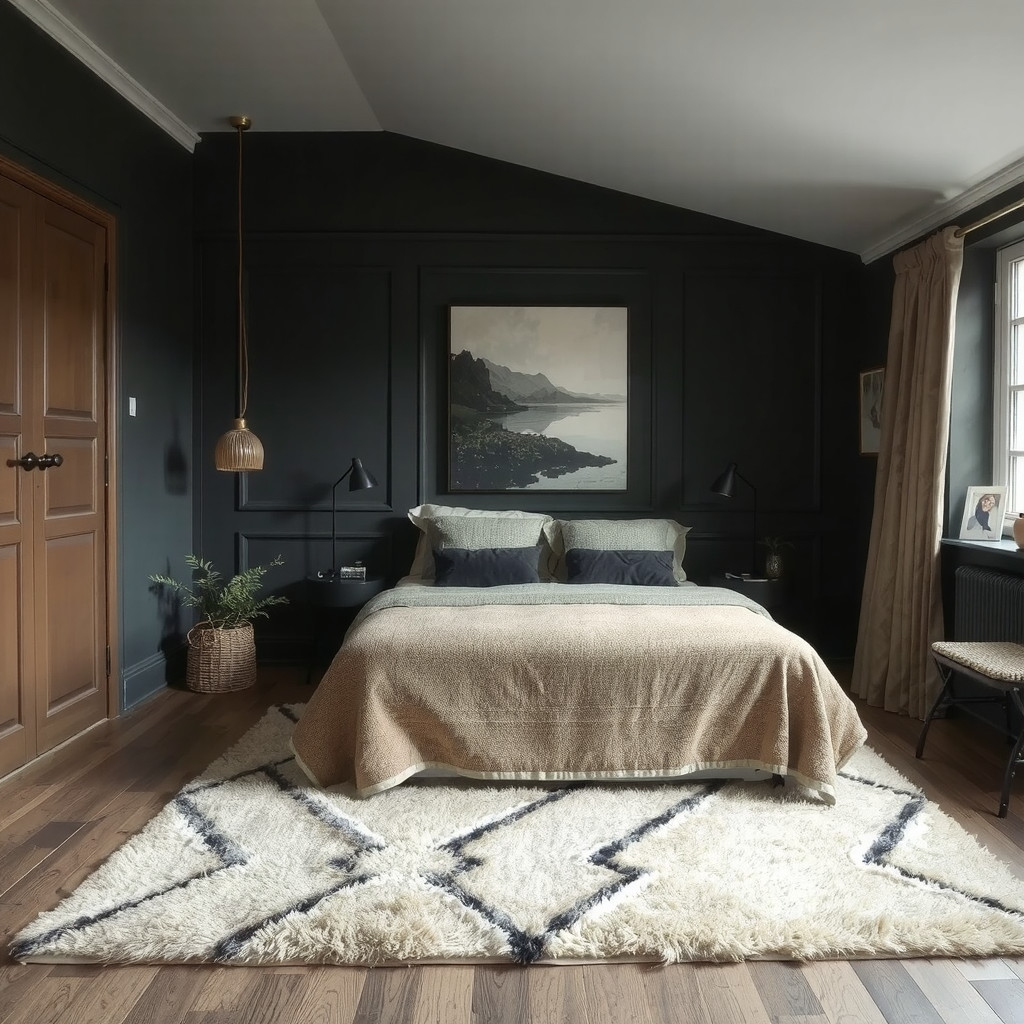
Incorporate natural elements to warm up the palette. Dark woods like walnut or mahogany blend beautifully with midnight blues and forest greens, while lighter woods like white oak provide a striking modern contrast. For bedding, opt for washed linen in slate, graphite, or aubergine. The crinkled texture of linen adds a relaxed, lived-in complexity that stiff cottons often lack in moody settings.

Focal Points
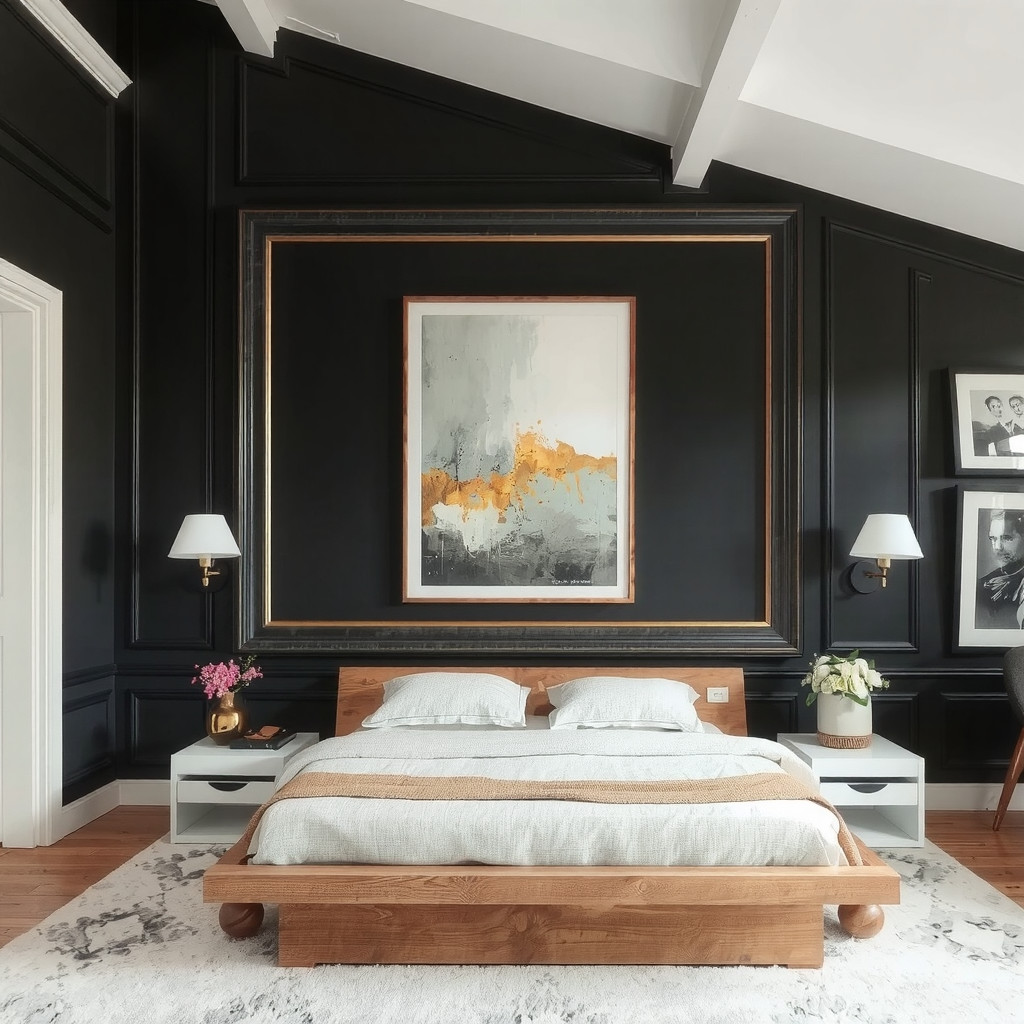
Every room needs a moment of drama. in a dark bedroom, your focal point should command attention without breaking the serene atmosphere. An oversized headboard upholstered in a rich, jewel-toned fabric serves as a perfect centerpiece. Alternatively, consider a gallery wall with black frames and monochrome art that whispers rather than shouts.
Architectural details like wainscoting or paneling add shadow lines that change throughout the day. If your architecture is plain, a large-scale abstract painting with subtle metallic flecks can catch the ambient light and draw the eye, grounding the space.
Lighting
Lighting is the make-or-break factor in dark interior design. You must avoid a single harsh overhead light source, which will flatten the room and create dreary shadows. Instead, rely on layers of warm, ambient lighting. Aim for a color temperature of 2700K (warm white) to enhance the coziness of the deep wall colors.
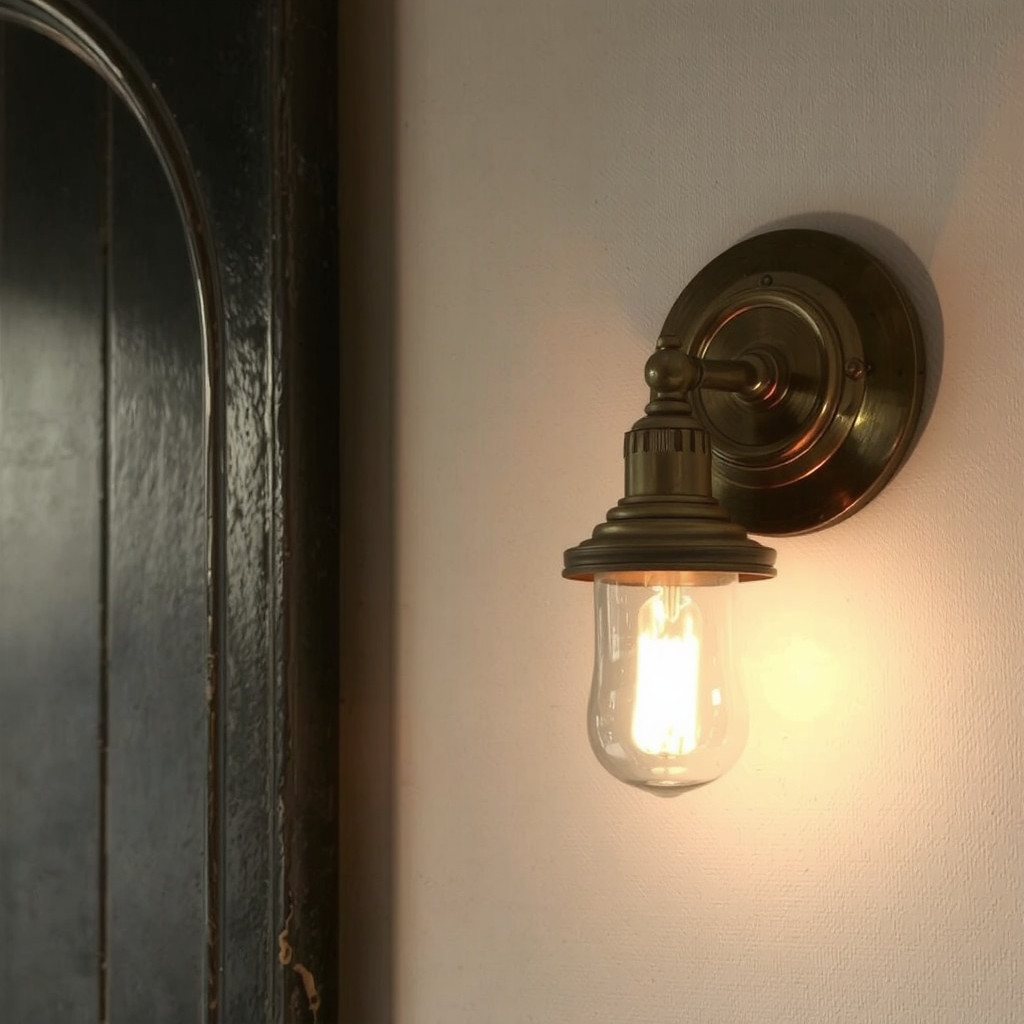
Use wall sconces with brass or copper finishes; the metallic sheen pops elegantly against dark backgrounds. Install dimmers on every switch to control the mood intensity. Table lamps with opaque shades direct light downward, creating intimate pools of illumination that highlight your textures rather than flooding the room.
Greenery
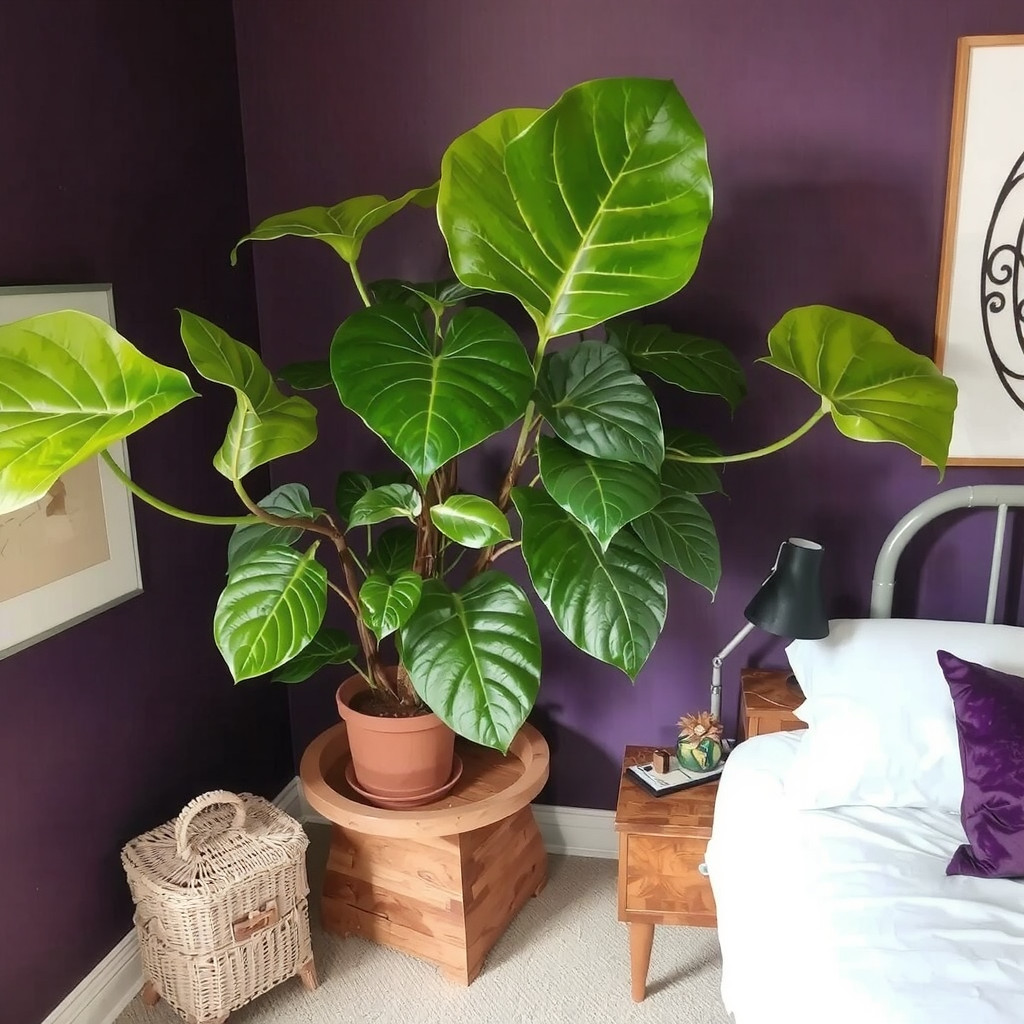
Plants are the ultimate refresher in a moody space. The vibrant chlorophyll green pops vividly against charcoal, navy, or black backdrops, breathing life into the stillness. Choose plants with structural foliage, such as a Snake Plant or a Rubber Tree, which hold their own against the visual weight of dark walls.
Place a large leafy plant in a corner to soften the shadows, or use a trailing Pothos on a high shelf to break up a solid wall of color. The organic shapes of leaves provide a necessary counterpoint to the structured lines of furniture.
Tips
- Test Your Paint: Dark colors change drastically with light. Paint large swatches and observe them at night with artificial light before committing.
- Use Mirrors: Strategically placed mirrors bounce light around and add a “portal” effect to dark walls.
- Keep Floors Grounded: If you have light floors, use a dark, plush rug to bridge the gap between the floor and the walls.
- Metallic Accents: Gold, brass, and bronze fixtures act as “jewelry” for the room, preventing the look from becoming too heavy.
ADVERTISEMENT