ADVERTISEMENT
Mastering the Art of Layered Lighting
Lighting is the silent conductor of your home’s atmosphere. It possesses the unique ability to transform a sterile space into a sanctuary or a dull room into a dramatic stage. While furniture and paint colors set the scene, it is the quality and placement of light that breathes life into them. Instead of relying on a single, harsh overhead fixture, true ambiance comes from weaving together different layers of illumination to create depth and warmth.
Layout and Positioning
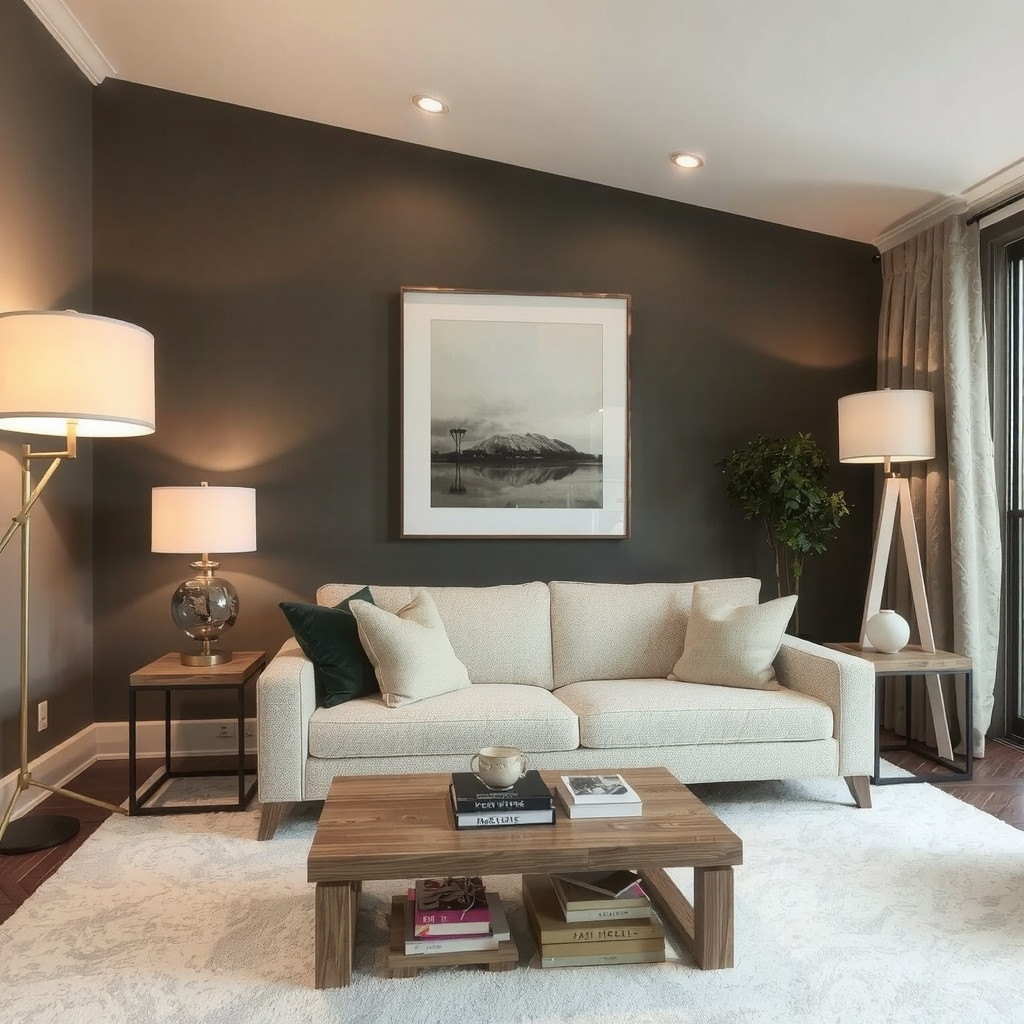
The foundation of a well-lit room begins with mapping your light sources to the way you live. Begin by ignoring the switch for your main ceiling light. Instead, visualize the room in zones. You want to create a “triangle of light” by placing lamps in at least three corners of the room. This technique draws the eye outward, making the space feel larger and more inviting.
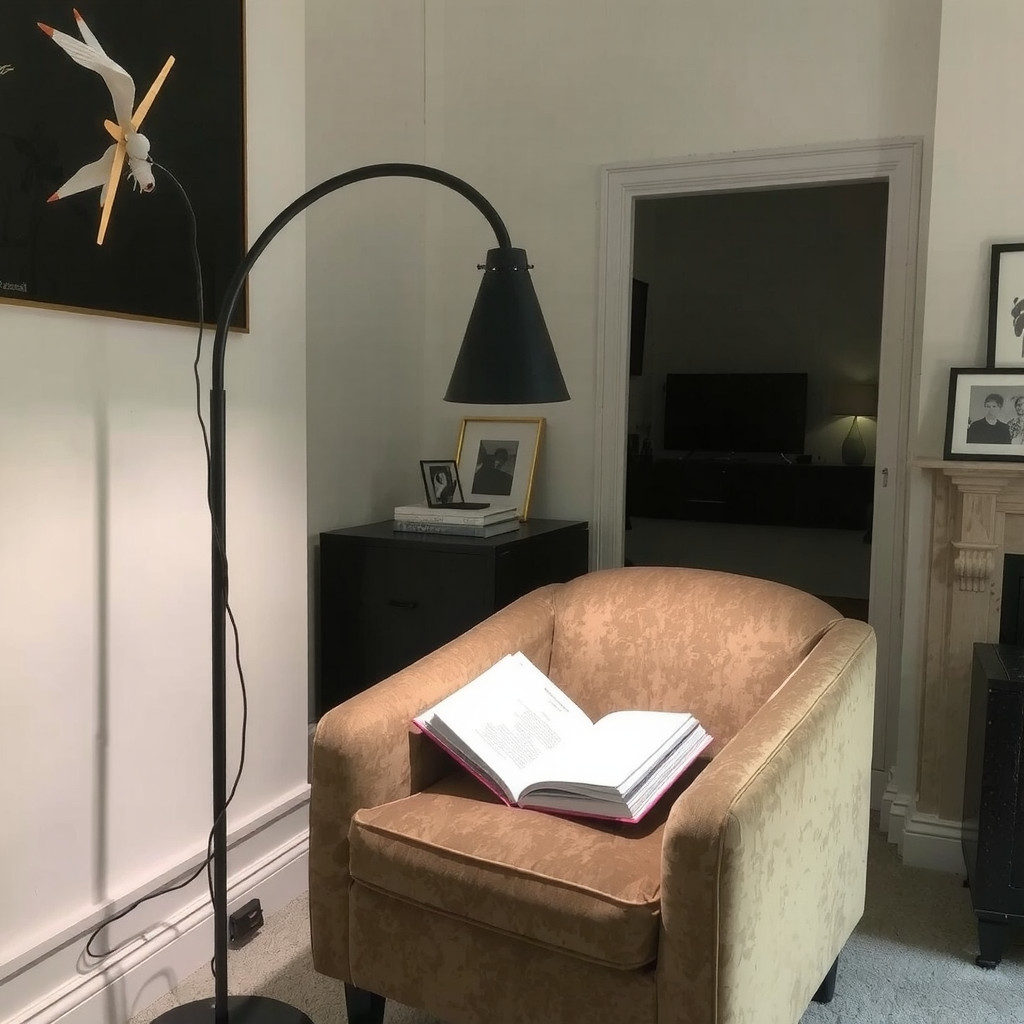
Consider the height of your fixtures as well. A floor lamp towering over an armchair provides vertical interest, while low table lamps ground the space. If you are lighting a living room with no overhead fixtures, positioning is even more critical. Place floor lamps behind sofas or in dark corners to banish shadows and ensure the light is evenly distributed, preventing eye strain and creating a cohesive glow.
Materials and Textiles
The material of your light fixture is just as important as the bulb inside it. The opacity and texture of a lampshade dictate how light travels. For a soft, diffused glow that spreads gently across a room, opt for shades made of linen, cotton, or silk. These materials filter the brightness and add a tactile element to your decor.
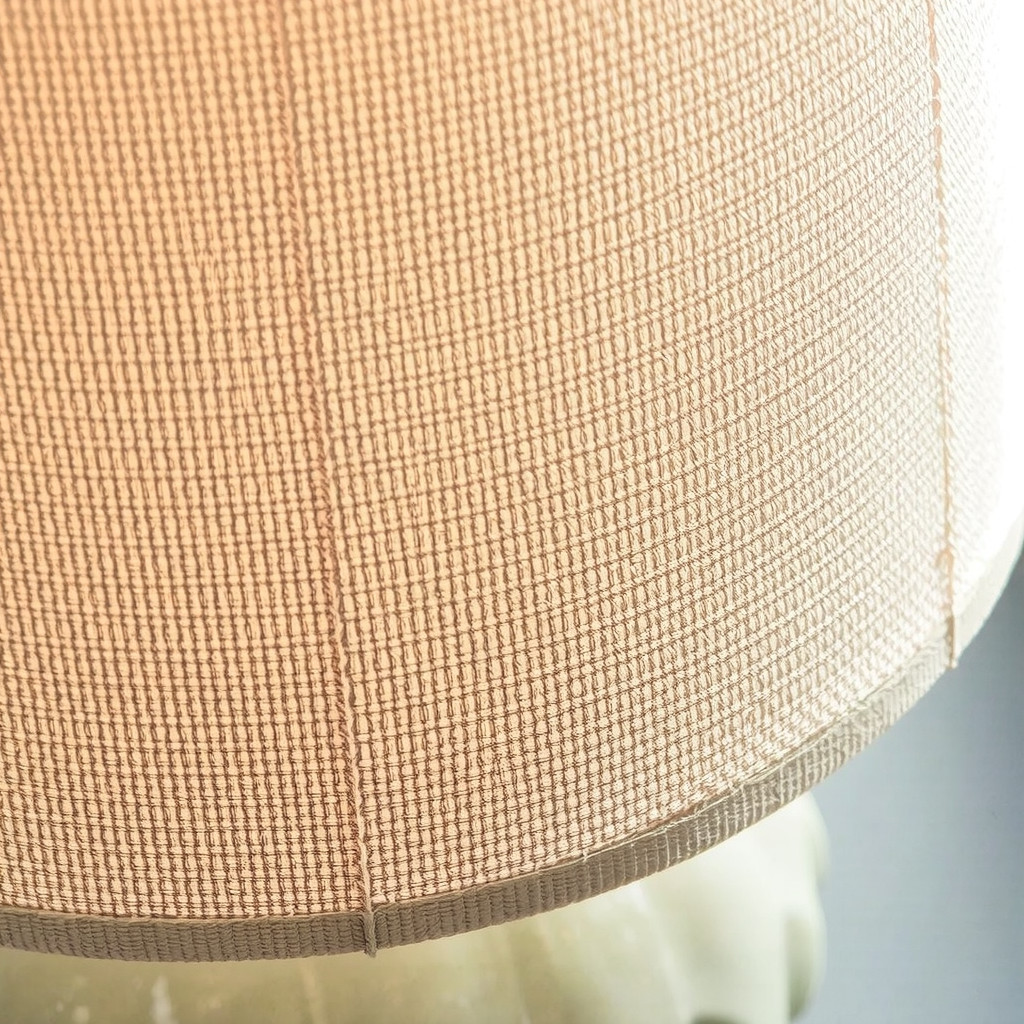
If your goal is directional task lighting, metal or opaque ceramic shades are your best friends. They force the beam downward or upward, creating pools of light rather than a general radiance. Mixing these materials adds visual complexity. Imagine the contrast of a sleek brass reading light next to a table lamp with a coarse woven shade; the interplay of textures enriches the sensory experience of the room.
Focal Points
Lighting allows you to direct the narrative of your room. Use it to guide the eye to the features you love most. If you have a favorite piece of art, a wall-mounted picture light or a directional recessed spotlight can elevate it to gallery status.
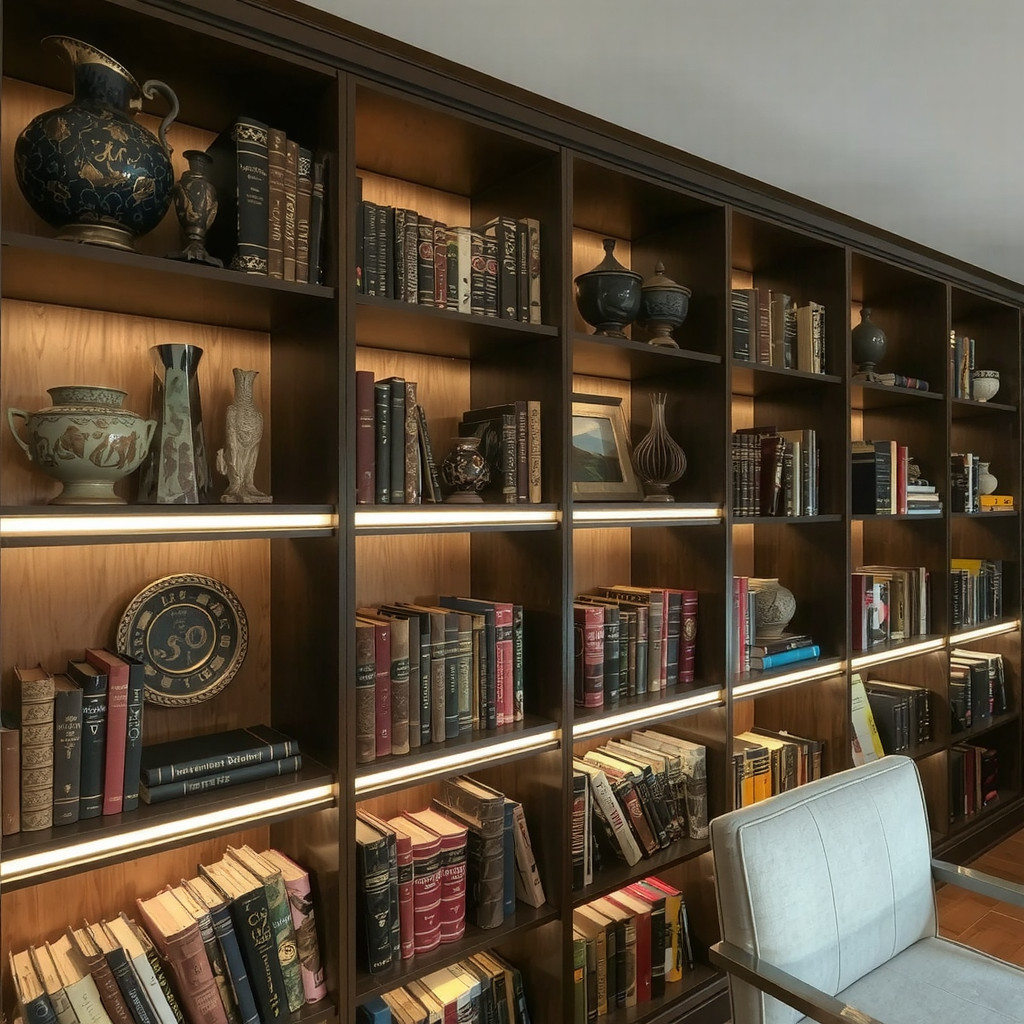
Don’t neglect your shelving. integrated LED strip lights tucked behind books or ceramics create depth and turn storage into a sculptural feature. By highlighting these focal points, you create pockets of interest that draw attention away from less desirable areas, such as a television screen or a cluttered desk.
Lighting
When we speak specifically about the quality of the light itself, color temperature is paramount. For living spaces and bedrooms, you should strictly inhabit the warm spectrum—between 2700K and 3000K. This creates that golden, candle-lit feeling that signals relaxation to the brain. Avoid cool white bulbs (4000K+), which can make a home feel like a clinic or an office.
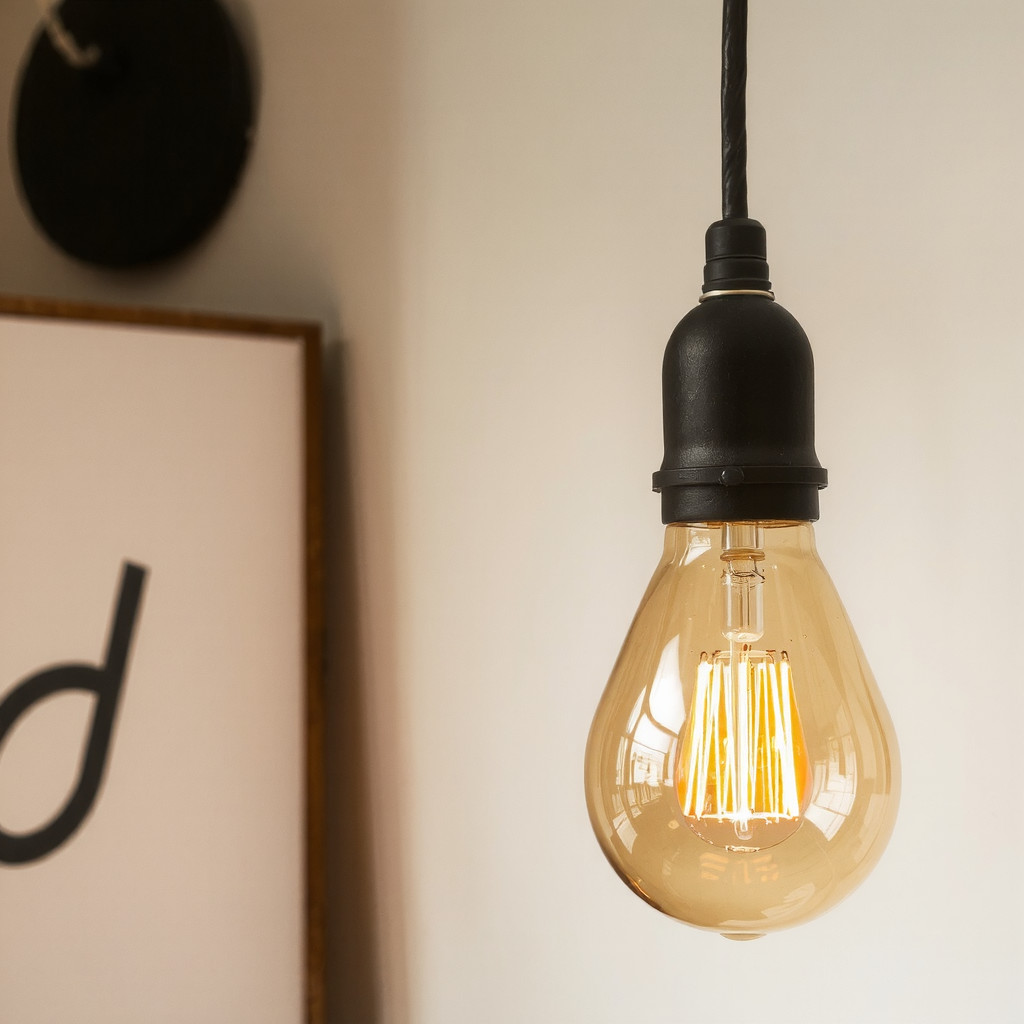
Dimmability is the other non-negotiable aspect. The ability to lower the intensity of your lights allows your home to transition from a bright, functional morning space to a moody, intimate evening retreat. Every main light source in your living areas should ideally be on a dimmer switch.
Greenery
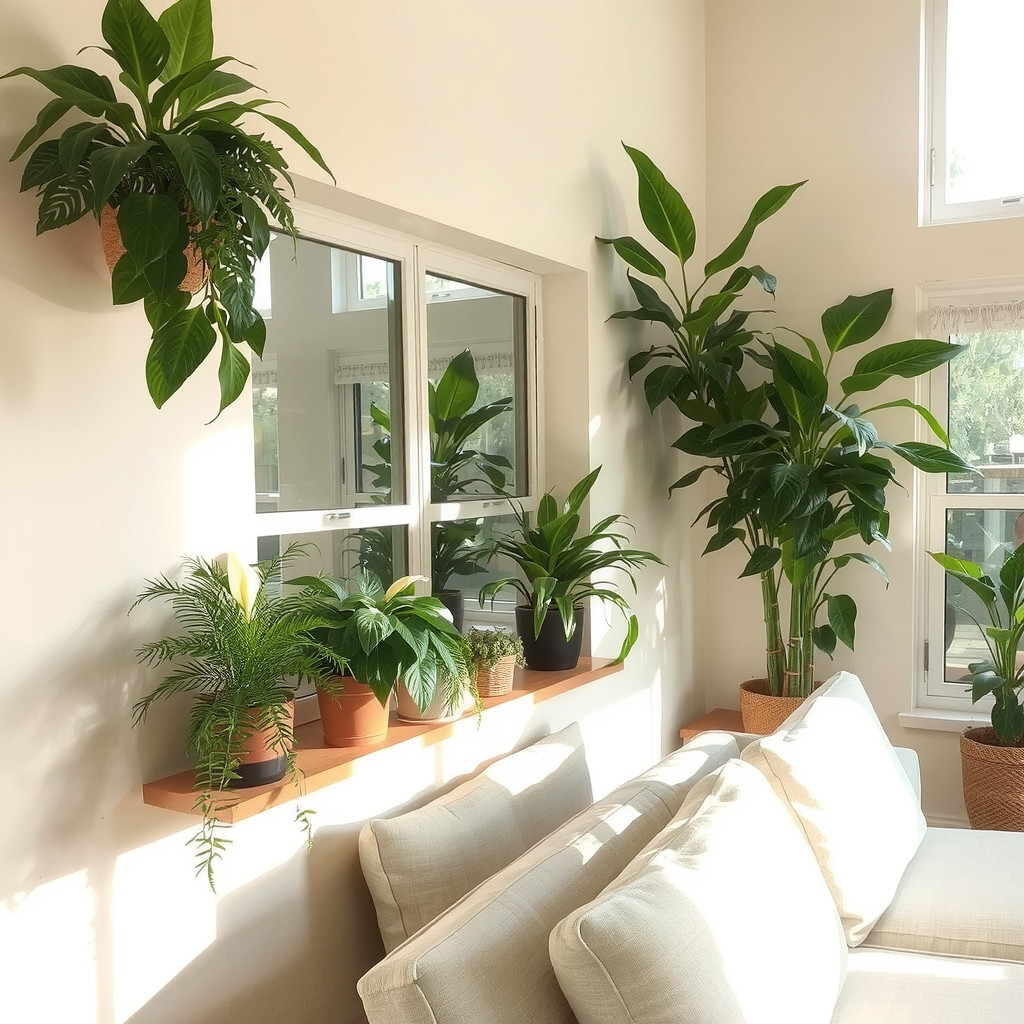
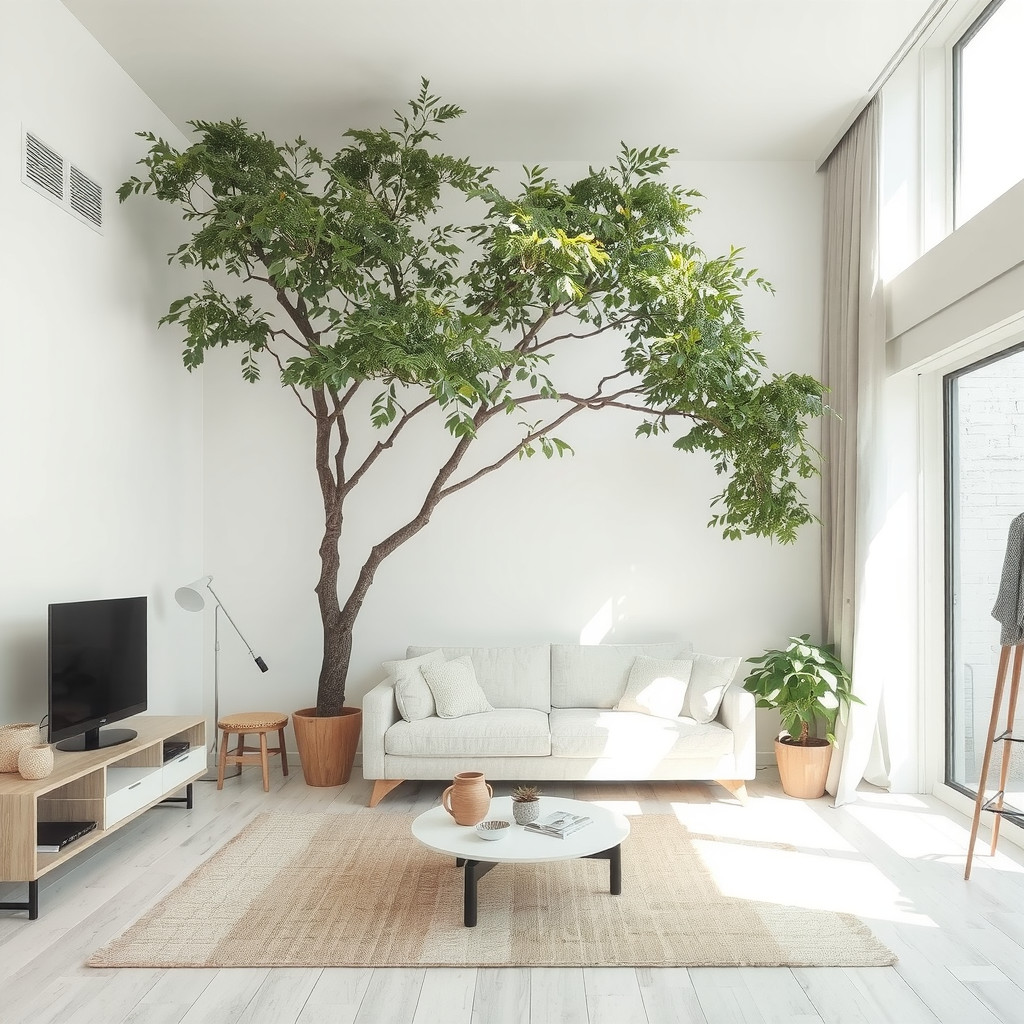
Plants bring life to a room, and lighting brings life to plants—even at night. Uplighting is a dramatic technique where a small canister light is placed on the floor behind or inside a large planter. This casts light upward through the leaves, projecting dynamic, organic shadows onto the walls and ceiling.

This not only highlights the greenery but also adds a layer of texture to flat walls. It creates a connection to nature that feels magical after dark, turning a simple houseplant into a living sculpture.
Tips
- Layer at three levels: Ensure you have lighting at high (pendants), medium (standing lamps), and low (table lamps) levels.
- Mirror magic: Place lamps in front of mirrors to double the light and reflect it back into the room.
- Hide the source: The most elegant lighting often conceals the bulb itself; try to position lamps so the naked bulb isn’t directly visible to the eye.
- Cord management: unsightly cords can ruin the aesthetic; use velcro ties or run cords under rugs to keep the look clean.
- Smart bulbs: Consider smart lighting systems that allow you to adjust warmth and brightness from your phone for instant mood changes.
ADVERTISEMENT