ADVERTISEMENT
Introduction
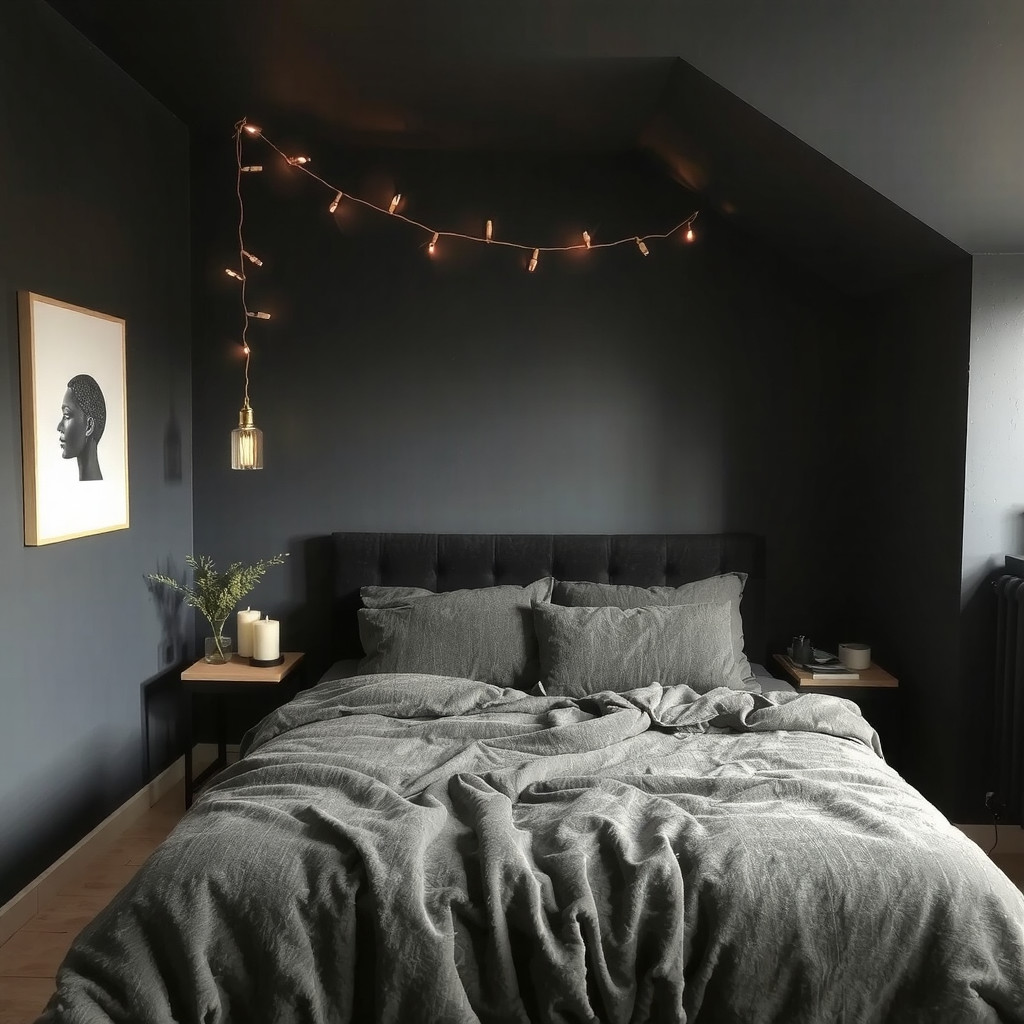
Stepping into a bedroom wrapped in deep, moody hues offers an immediate sense of decompression. Unlike bright white spaces that energize the senses, dark interiors act as a visual lullaby, signaling to your brain that it is time to wind down. By embracing a palette of charcoal, midnight blue, forest green, or even matte black, you create a cocoon-like environment that naturally promotes deep, restorative sleep. This aesthetic is not about making a room feel small or gloomy; it is about crafting a sophisticated sanctuary where shadows play a deliberate role in comfort.
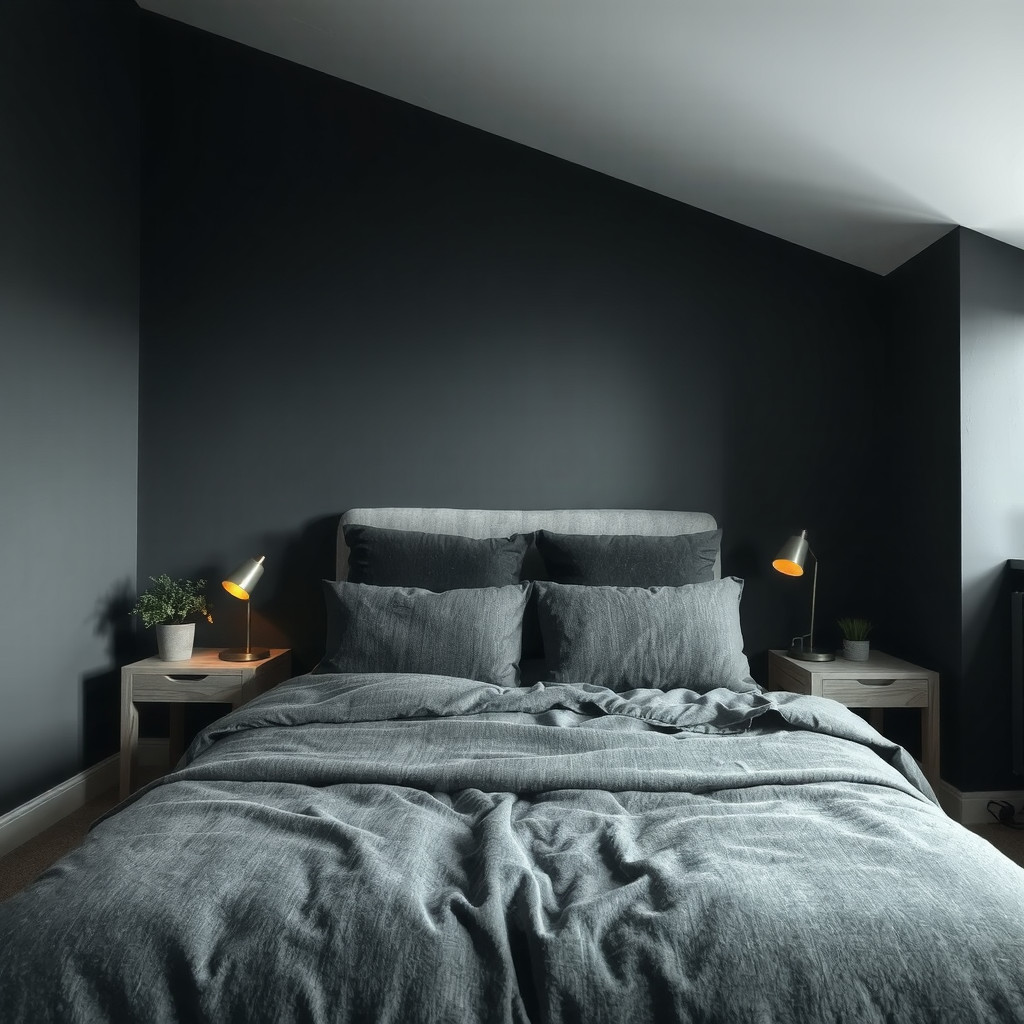
Designing a dark bedroom requires more than just a can of paint. It involves a thoughtful balance of texture, light, and form to ensure the space feels cozy rather than cavernous. When executed correctly, these spaces feel boundless and intimate simultaneously, wrapping you in a blanket of calm the moment you cross the threshold.
Layout and Positioning
In a room dominated by dark tones, spatial awareness becomes critical. Shadows can obscure corners, so your layout should prioritize clarity and flow to prevent the space from feeling cluttered or oppressive. Position your bed as the undisputed anchor of the room, ideally centered on the longest uninterrupted wall. This symmetry provides a grounding effect that is essential in a moody environment.
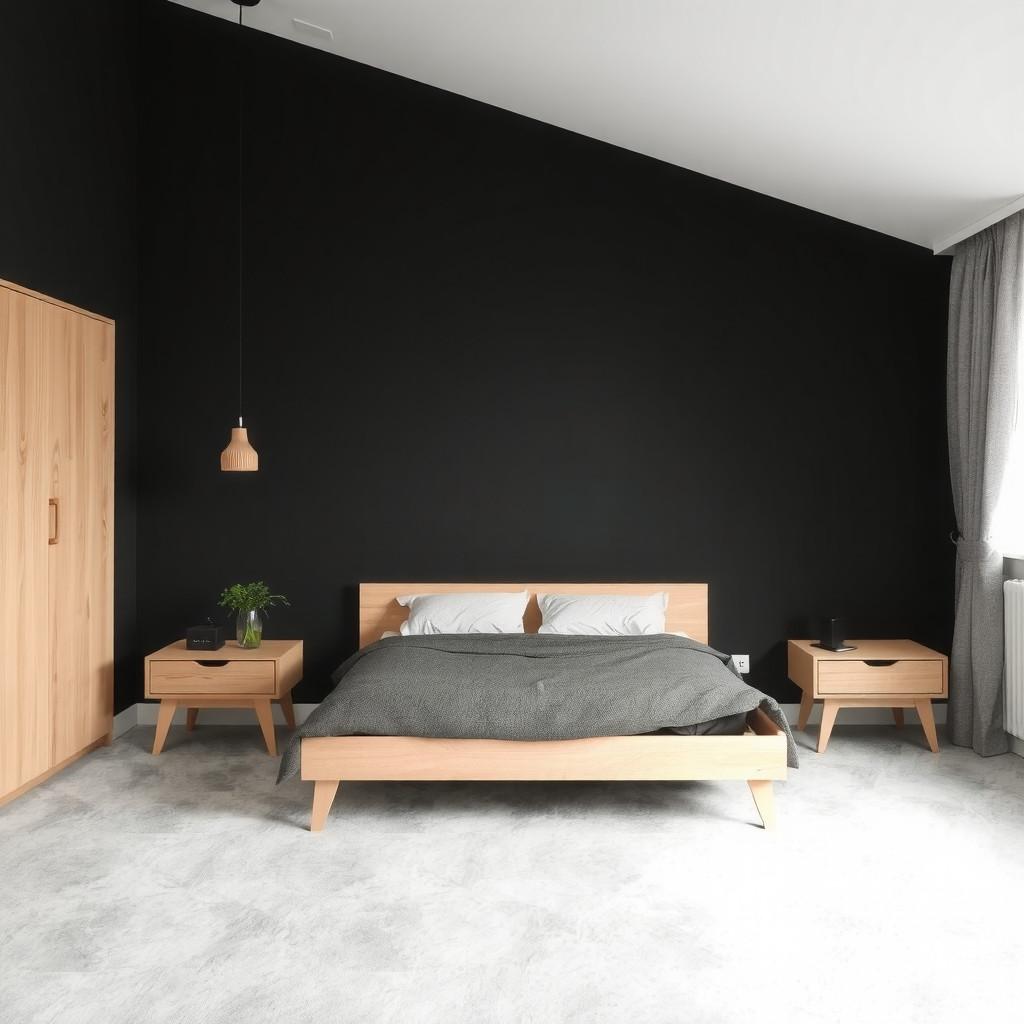
Leave ample walking space around furniture to maintain an airy feel despite the heavy color palette. Avoid pushing heavy wardrobes or dressers into dimly lit corners where they might disappear visually or create awkward voids. Instead, allow your furniture to breathe. Low-profile furniture often works best here, as it preserves vertical space and prevents the darker walls from feeling like they are closing in, ensuring the room remains a place of expansive rest.
Materials and Textiles
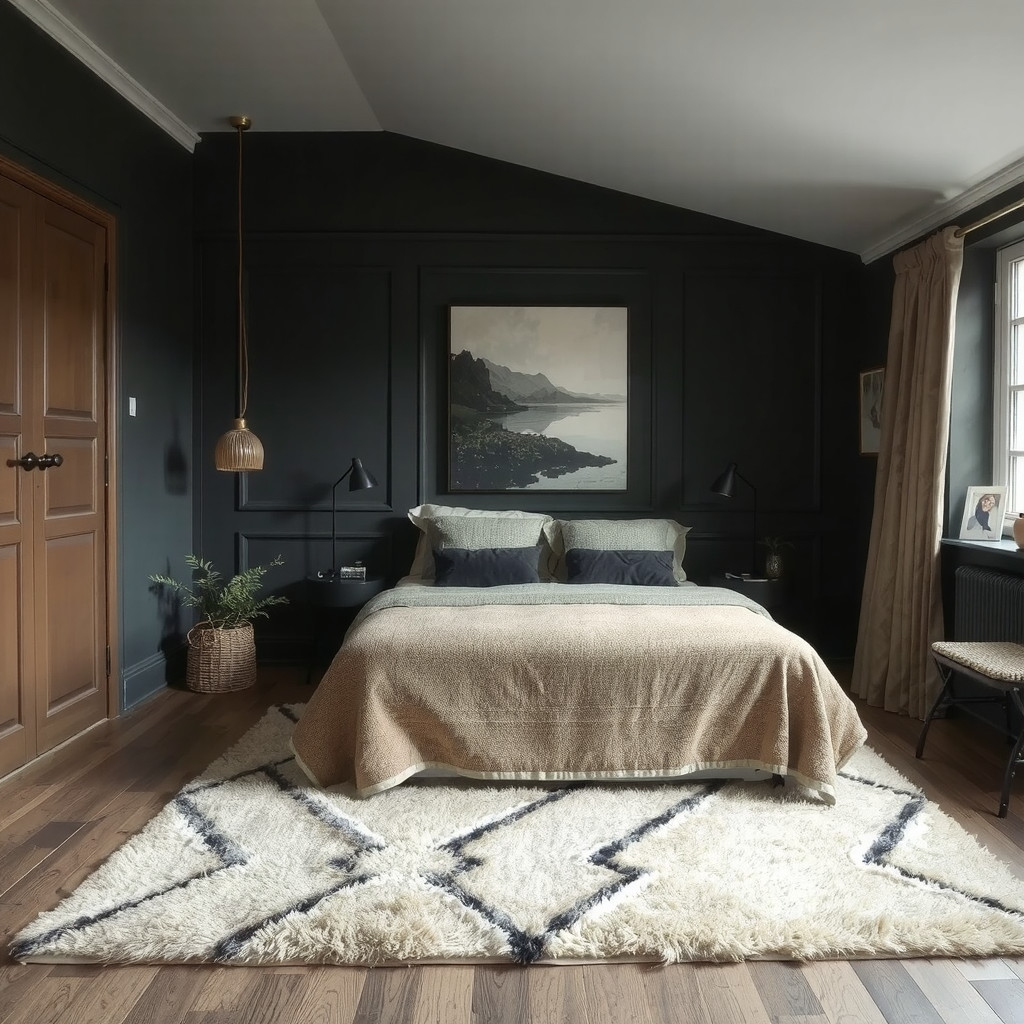
Texture is the secret ingredient that prevents a monochromatic dark room from looking flat. Without light bouncing off white walls, you need physical surfaces to create visual interest and depth. Layering rich, tactile materials adds warmth and sophistication. Think of heavy velvet drapes that pool on the floor, absorbing sound and light, or a chunky wool rug that feels substantial underfoot.

Bedding should be inviting and lush. Washed linen in slate grey or deep terracotta offers a relaxed, lived-in luxury, while silk or satin accents can catch the limited light to add a touch of glamour. Mix matte and sheen finishes—such as a leather armchair paired with a soft knit throw—to create a dynamic interplay of surfaces that invites touch and enhances the feeling of security.
Focal Points
A dark room needs a strong focal point to guide the eye and anchor the design. In the absence of bright colors, structure and contrast take center stage. An oversized headboard upholstered in a fabric slightly lighter or darker than the wall color creates a subtle, elegant hierarchy. Alternatively, a piece of large-scale artwork with hints of metallic gold or copper can shimmer beautifully against a shadowy backdrop.
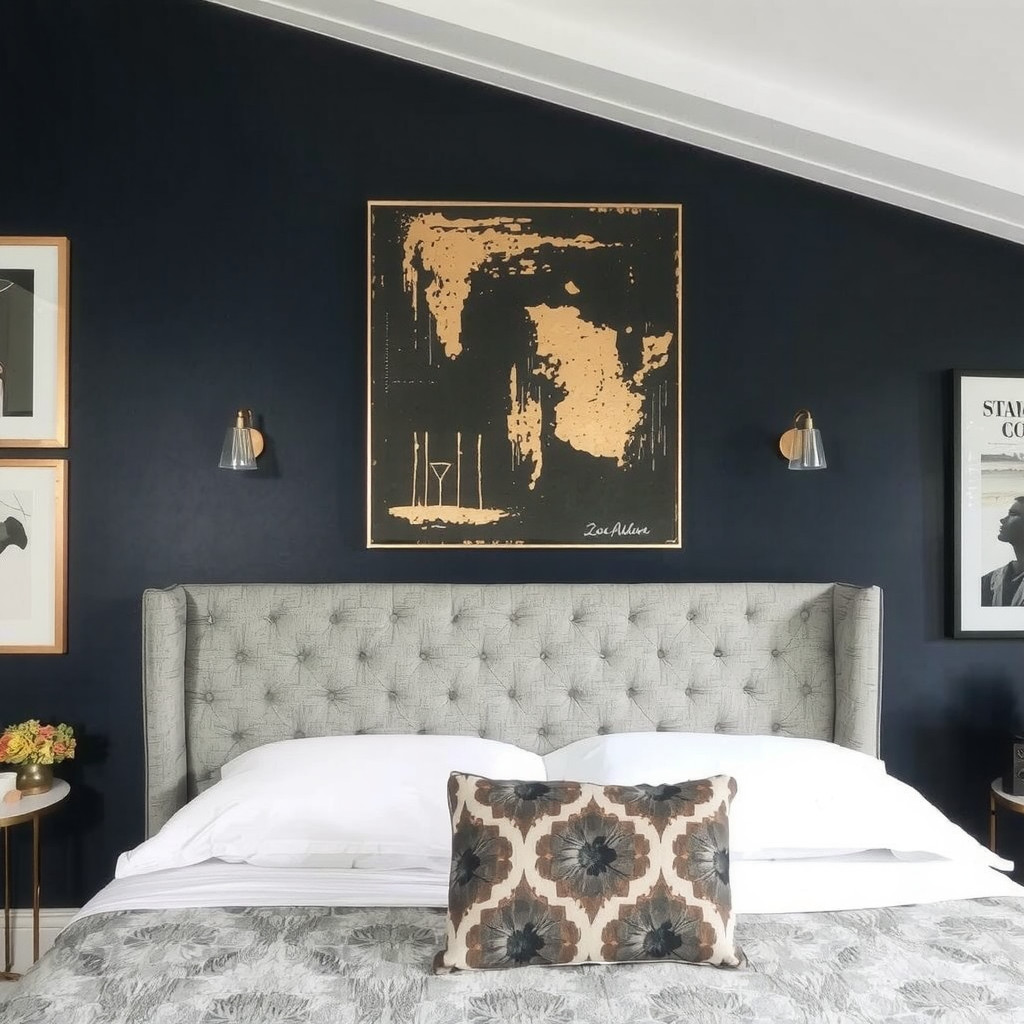
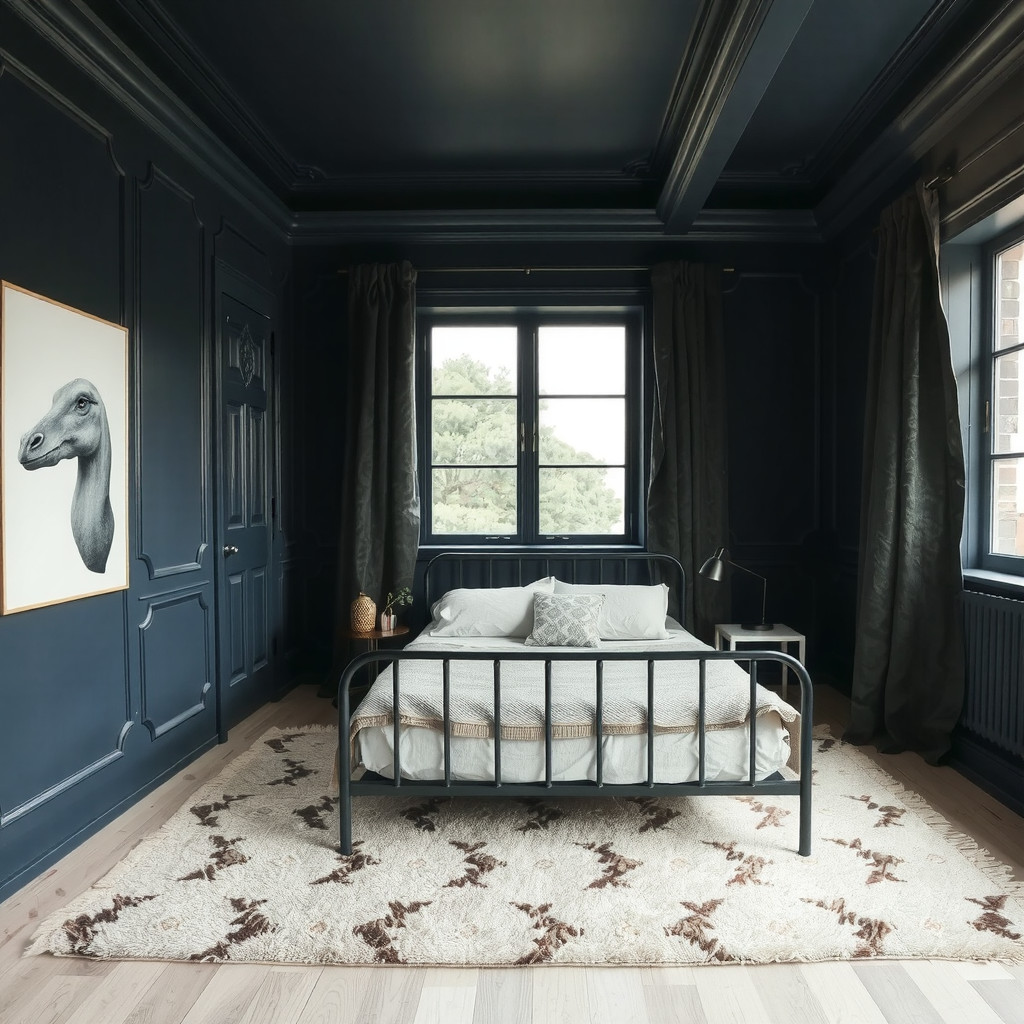
Consider architectural details like paneling or molding. When painted the same dark hue as the walls, these elements add shadow lines and architectural interest without breaking the color block. This technique, known as color drenching, unifies the space and allows your chosen focal point—whether it is the bed, art, or a fireplace—to truly shine.
Lighting
Lighting is the most crucial element in a dark bedroom. You are not trying to flood the room with brightness; you are sculpting it with illumination. Rely on warm, ambient lighting to create pools of glow that highlight textures and create atmosphere. Avoid a single, harsh overhead fixture. Instead, layer your lighting with bedside lamps, wall sconces, and floor lamps.
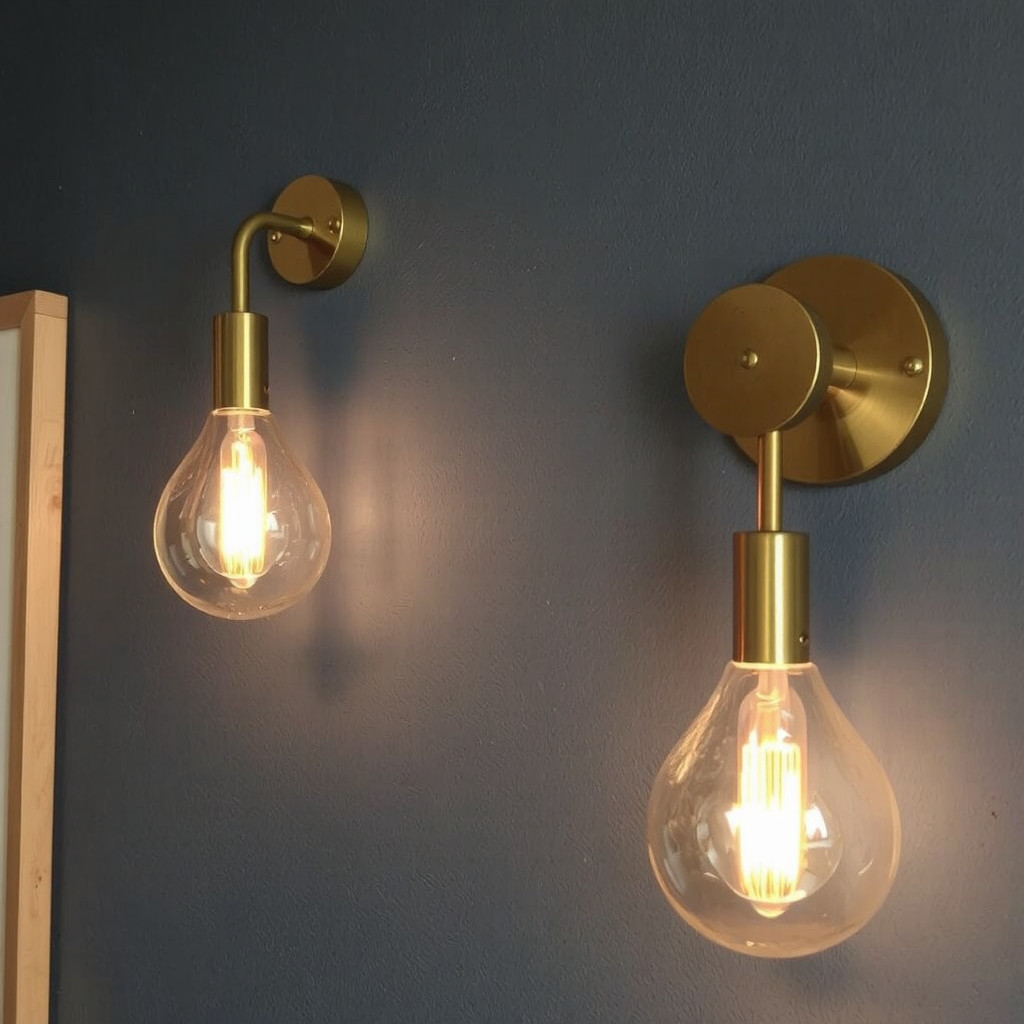
Dimmer switches are non-negotiable in this style. They allow you to transition from a functional brightness for getting dressed to a soft, candle-like glow for reading and relaxing. Metallic accents on light fixtures—brass, brushed gold, or copper—act as jewelry for the room, catching the light and breaking up the darkness with sparks of warmth.
Greenery
Bringing nature into a dark bedroom adds a necessary burst of life and freshness. The organic shapes of plants contrast beautifully with the structured, moody architectural elements. However, not all plants thrive in or suit a dark aesthetic. Opt for species with deep, waxy leaves that complement the rich color scheme, such as a Rubber Tree or a Snake Plant.
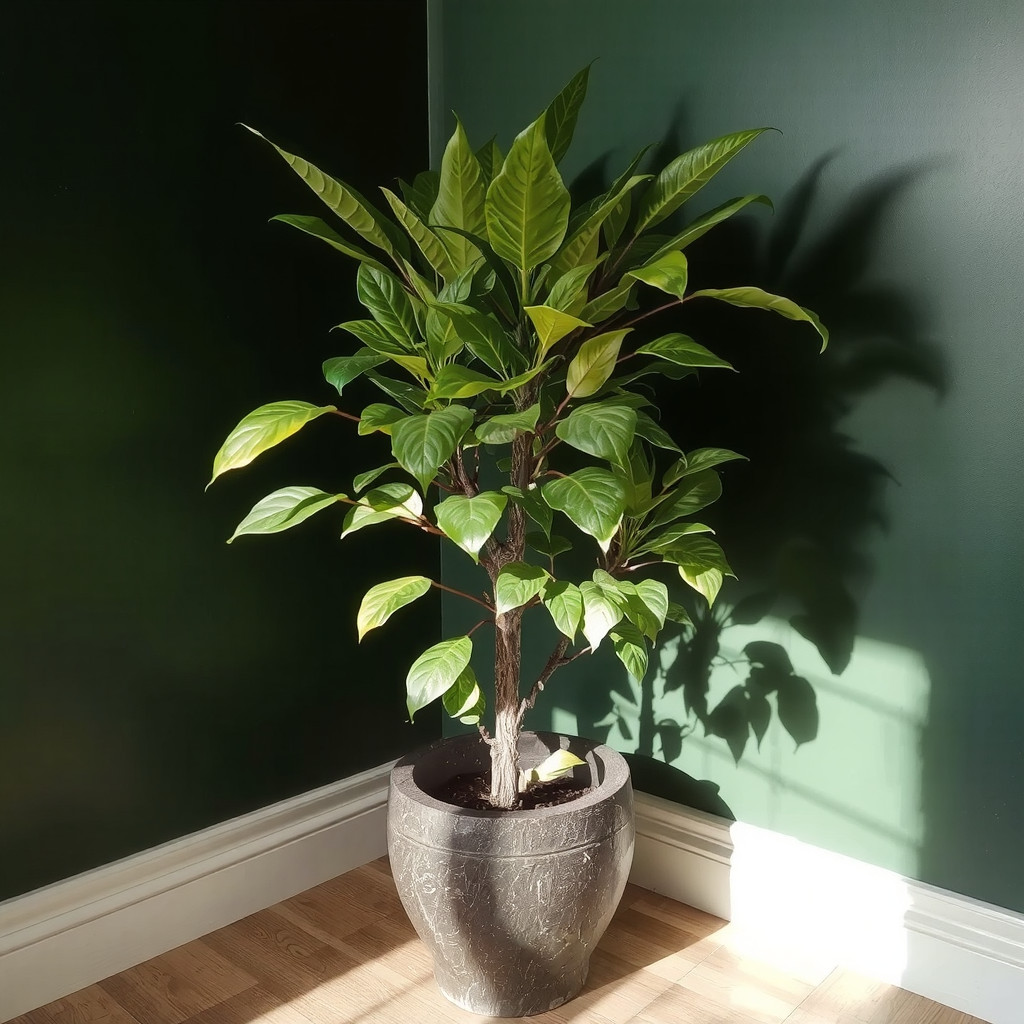
Place greenery near light sources or against the darkest corners to add depth. The vibrant green creates a stunning, natural contrast against navy, black, or aubergine walls. Use planters in terracotta, dark concrete, or woven seagrass to introduce yet another layer of texture, grounding the natural element within your sophisticated design.
Tips
- Embrace the Ceiling: Don’t leave the ceiling white; paint it the same dark color as the walls to blur the boundaries of the room and create a true cocoon effect.
- Reflective Accents: incorporate mirrors or metallic decor to bounce light around and prevent the space from feeling too heavy.
- Warm Undertones: When choosing dark grey or black paint, ensure it has warm undertones to keep the room feeling inviting rather than sterile.
- Blackout Curtains: enhance the function of the room by using heavy, dark drapes that block out streetlights, ensuring total darkness for sleep.
- Limit Clutter: Dark rooms amplify the visual weight of objects, so keep surfaces clean and curated to maintain a sense of calm.
ADVERTISEMENT