ADVERTISEMENT
Maximizing Comfort In Compact Living Spaces
Transforming a petite living area into a sanctuary requires a shift in perspective. Instead of viewing square footage as a limitation, consider it an invitation to curate a space that feels intimate and intentional. A small room does not need to feel cramped; with the right strategic choices, it can become the most inviting corner of your home. By focusing on scale, light, and visual flow, you can create an environment that breathes.
Layout and Positioning
The arrangement of your furniture dictates the energy of the room. Resist the urge to push every piece against the walls, which often highlights the limited dimensions of the floor plan. Instead, try floating your sofa a few inches toward the center to create a sense of airiness behind it. This subtle shift introduces a feeling of depth that strictly perimeter-based layouts lack.
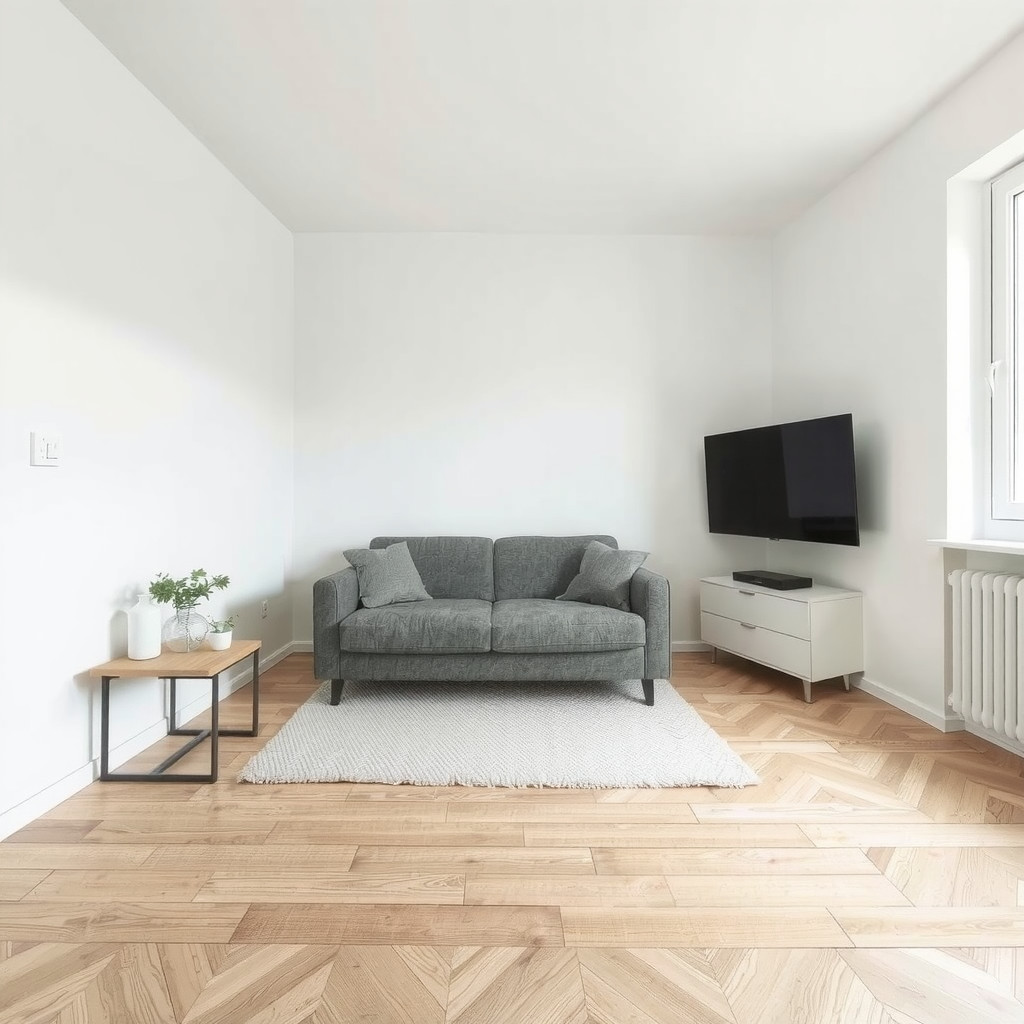
Prioritize multi-functional furniture that respects the room’s scale. A sleek loveseat or a pair of armchairs often serves a small space better than a bulky sectional. Ensure traffic paths remain clear, allowing you to move through the space without maneuvering around obstacles. The goal is to establish a circulation flow that feels effortless and unencumbered.
Materials and Textiles
Texture plays a crucial role in adding warmth without physical clutter. In a compact room, rely on materials that reflect light or allow the eye to travel through them. Glass or acrylic coffee tables are excellent choices because they offer functionality while remaining visually lightweight, almost disappearing into the decor.
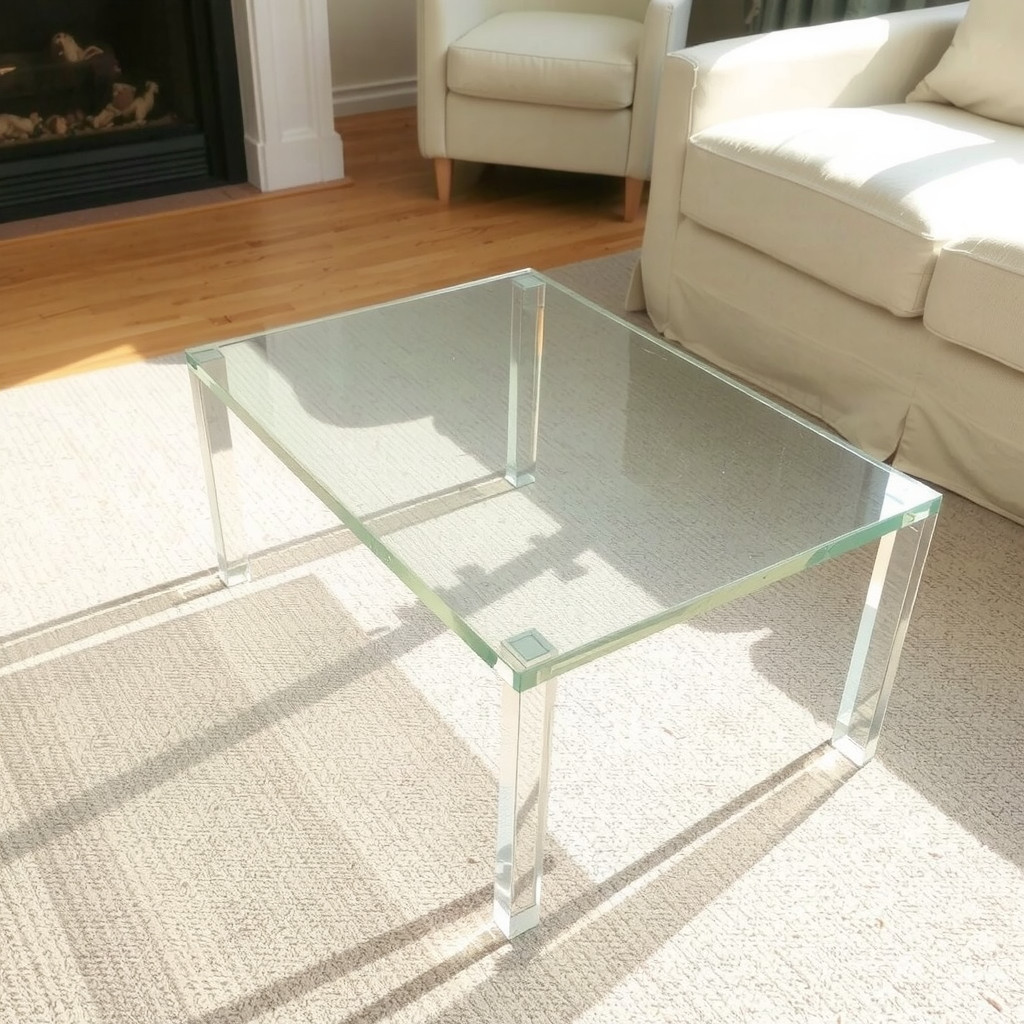
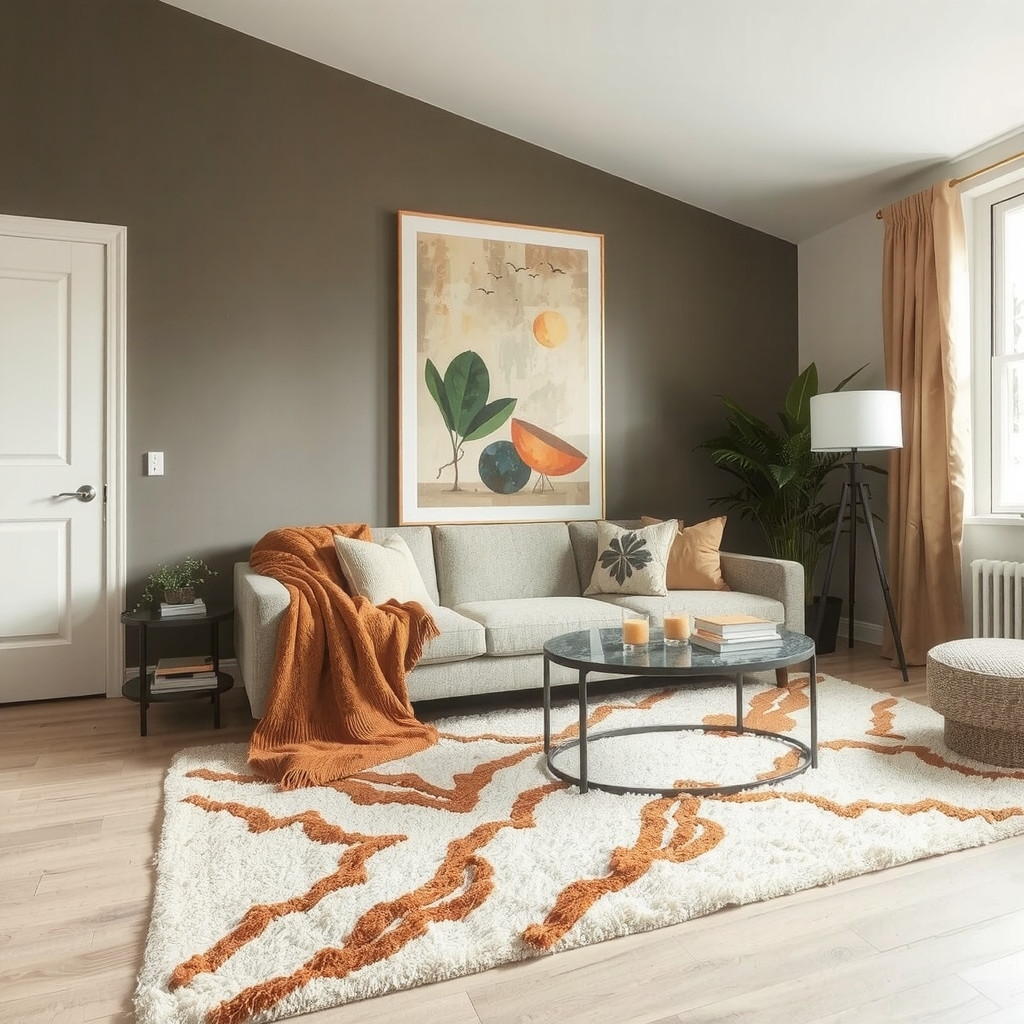
Balance these sleek surfaces with soft, inviting textiles. Layer a nubby wool throw over a linen sofa or place a plush rug underfoot to define the seating area. These tactile elements add richness and comfort, making the room feel established and cozy rather than temporary or sparse. Stick to a cohesive color palette—monochromatic or analogous schemes help blur the boundaries of the room, making it appear larger.
Focal Points
In a small living room, less is truly more. A common mistake is cluttering the walls with many small frames, which can make the space feel chaotic. Instead, select one large piece of art or a statement mirror to serve as a singular focal point. A large mirror is particularly effective as it bounces light around the room and doubles the visual depth.
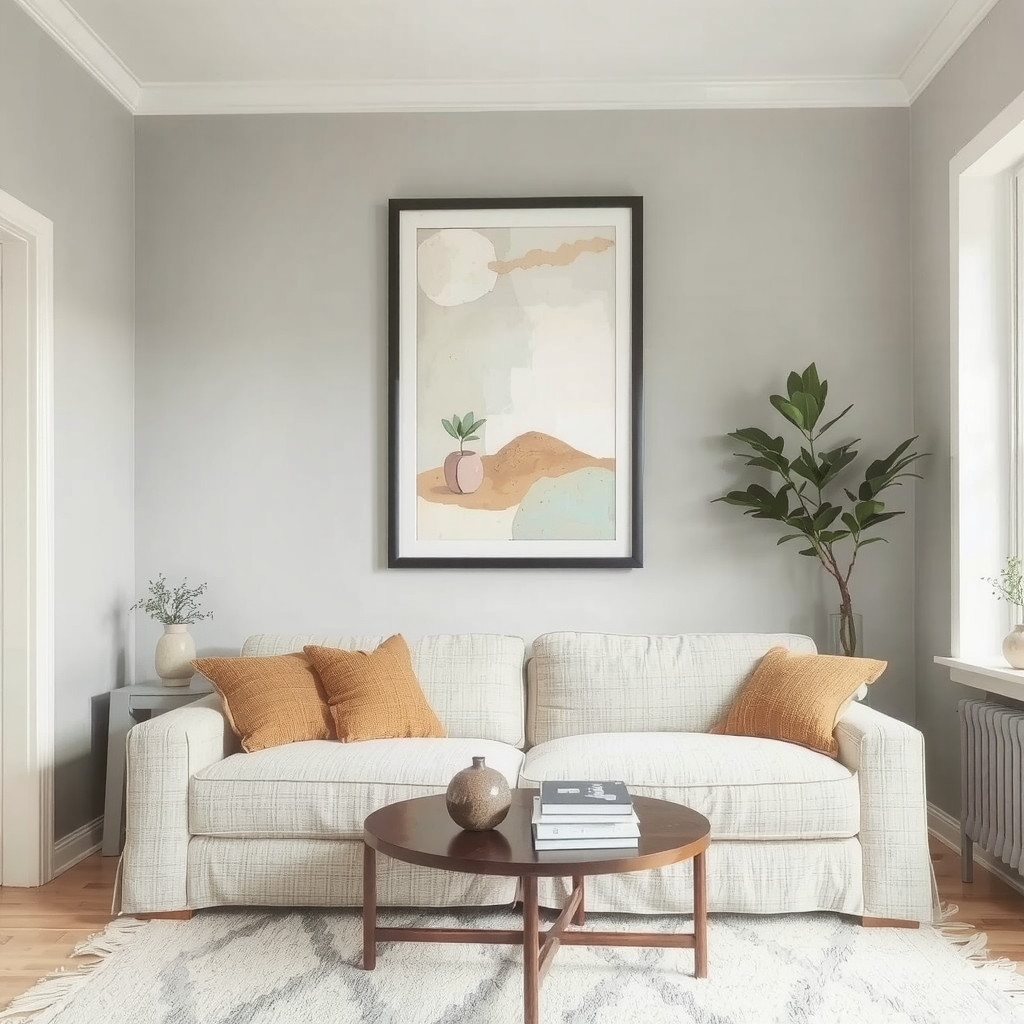
Anchor this focal point with low-profile furniture. Lower furniture creates more vertical space between the items and the ceiling, tricking the eye into perceiving the room as taller and more expansive.
Lighting
Lighting should be layered and versatile, moving beyond a single overhead fixture. Floor space is premium real estate, so utilize walls and ceilings for illumination. Wall sconces with adjustable arms are perfect for small spaces, providing targeted reading light without taking up table or floor space.
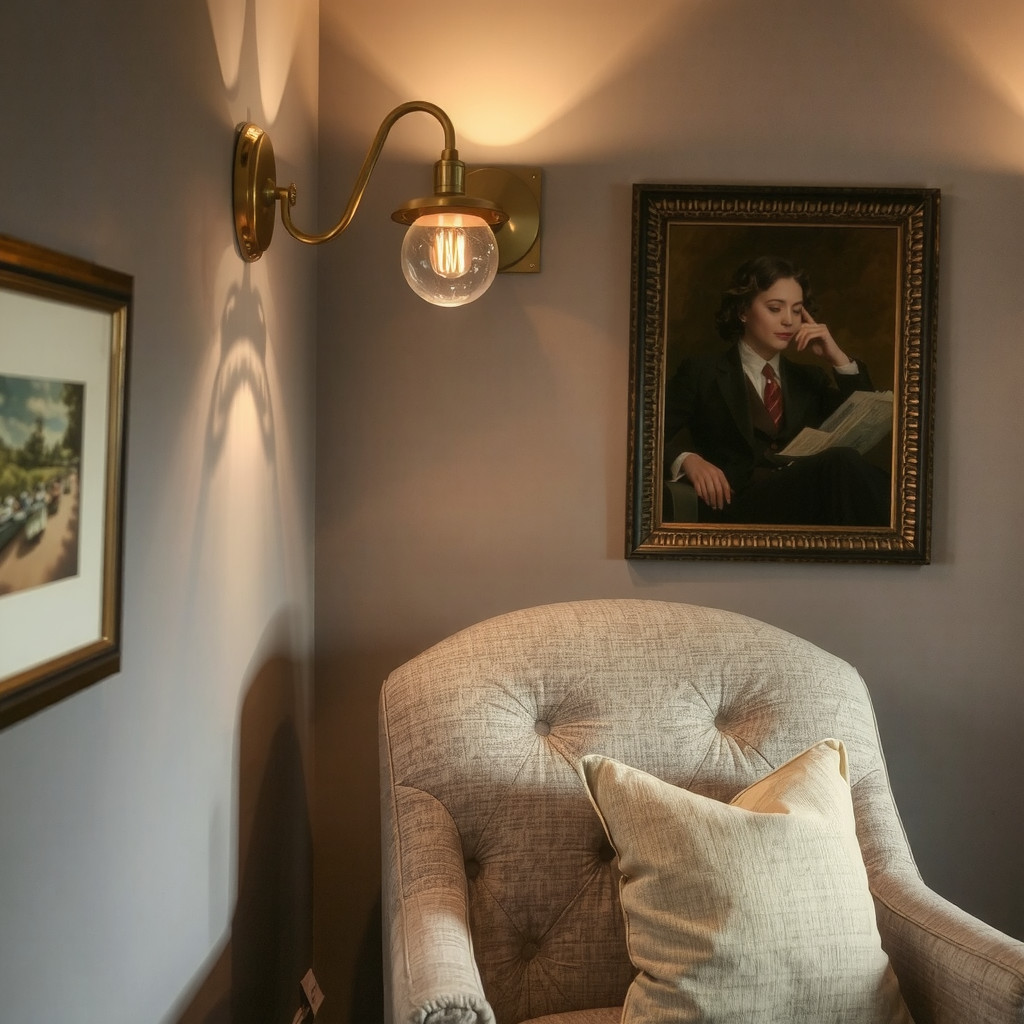
Aim for warm, diffused light that eliminates harsh shadows in corners. Shadows can shrink a room visually, so placing a small table lamp or an LED strip in a dark corner can effectively “push” the walls back out.
Greenery
Plants bring life and movement to static spaces, but large pots can dominate a small floor plan. Look upward for your botanical fix. Hanging planters or wall-mounted vessels allow you to introduce vibrant greens without sacrificing square footage.
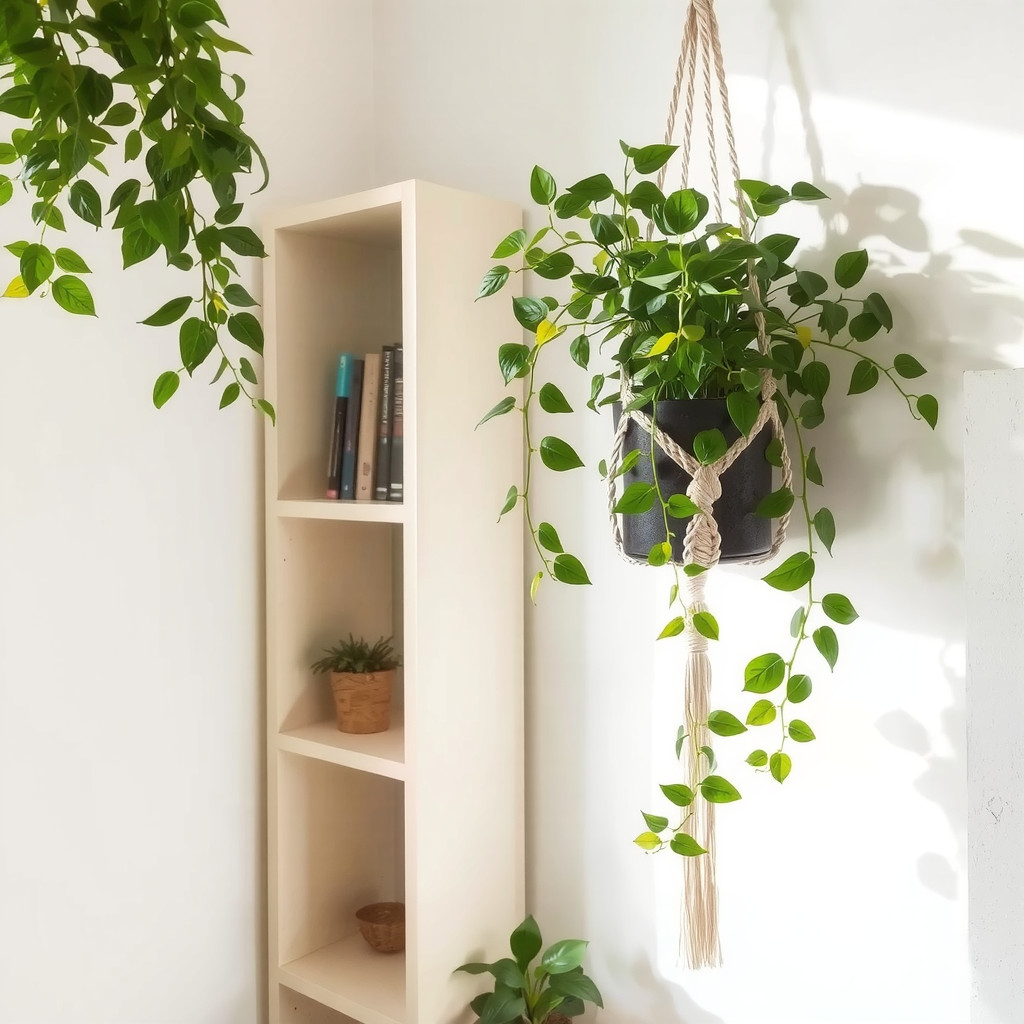
Trailing plants like pothos or ivy draw the eye upward, emphasizing verticality. If you prefer a standing plant, choose a tall, slender species like a snake plant or a fiddle leaf fig in a narrow basket to add height and organic texture.
Tips
- Utilize Vertical Storage: Install shelves high up near the ceiling to draw the eye up and store items you don’t use daily.
- Expose the Legs: Choose sofas and chairs with raised legs; seeing the floor underneath furniture makes the room feel wider.
- Edit Ruthlessly: keep surfaces clear of unnecessary knick-knacks; negative space is essential in small rooms.
- Use Rugs Wisely: A rug that is too small chops up the floor; choose a size that fits all front legs of your furniture to unify the zone.
ADVERTISEMENT