ADVERTISEMENT
Maximizing Style in Minimal Square Footage
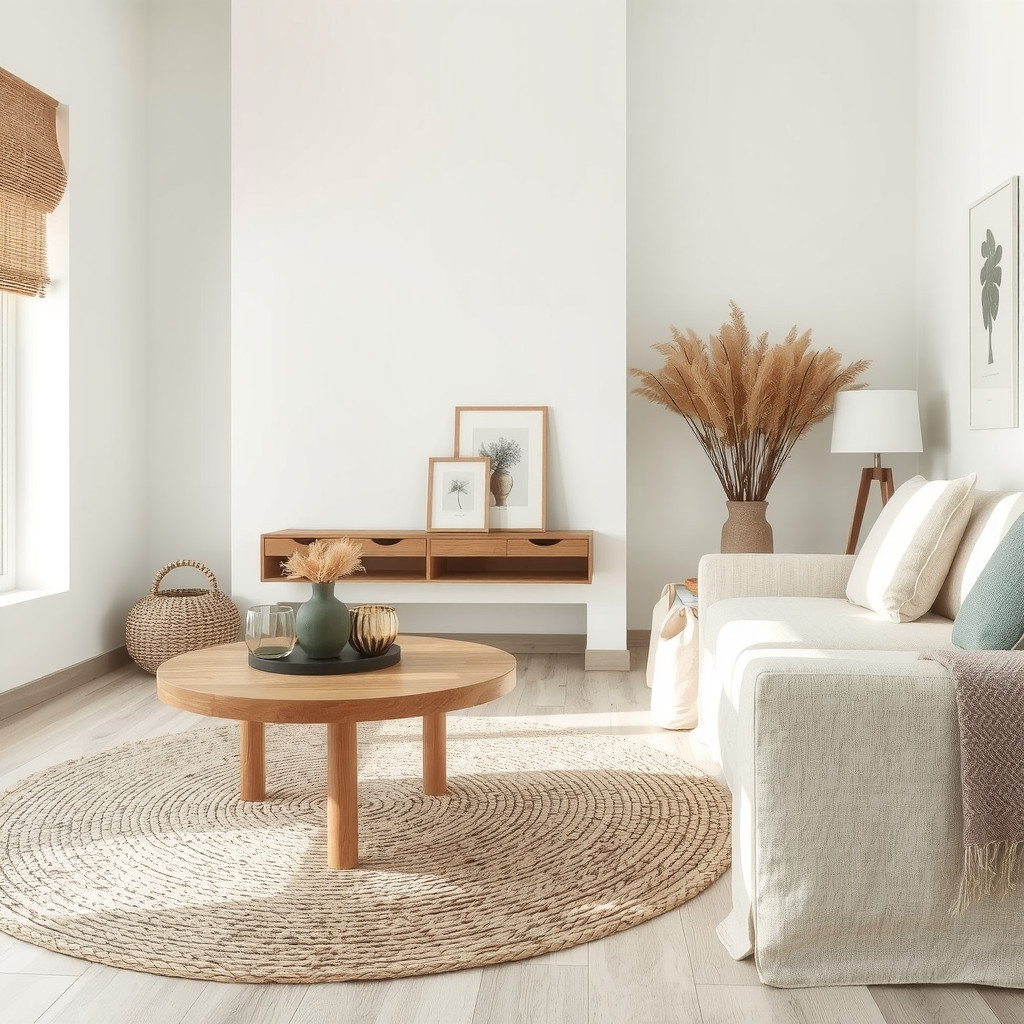
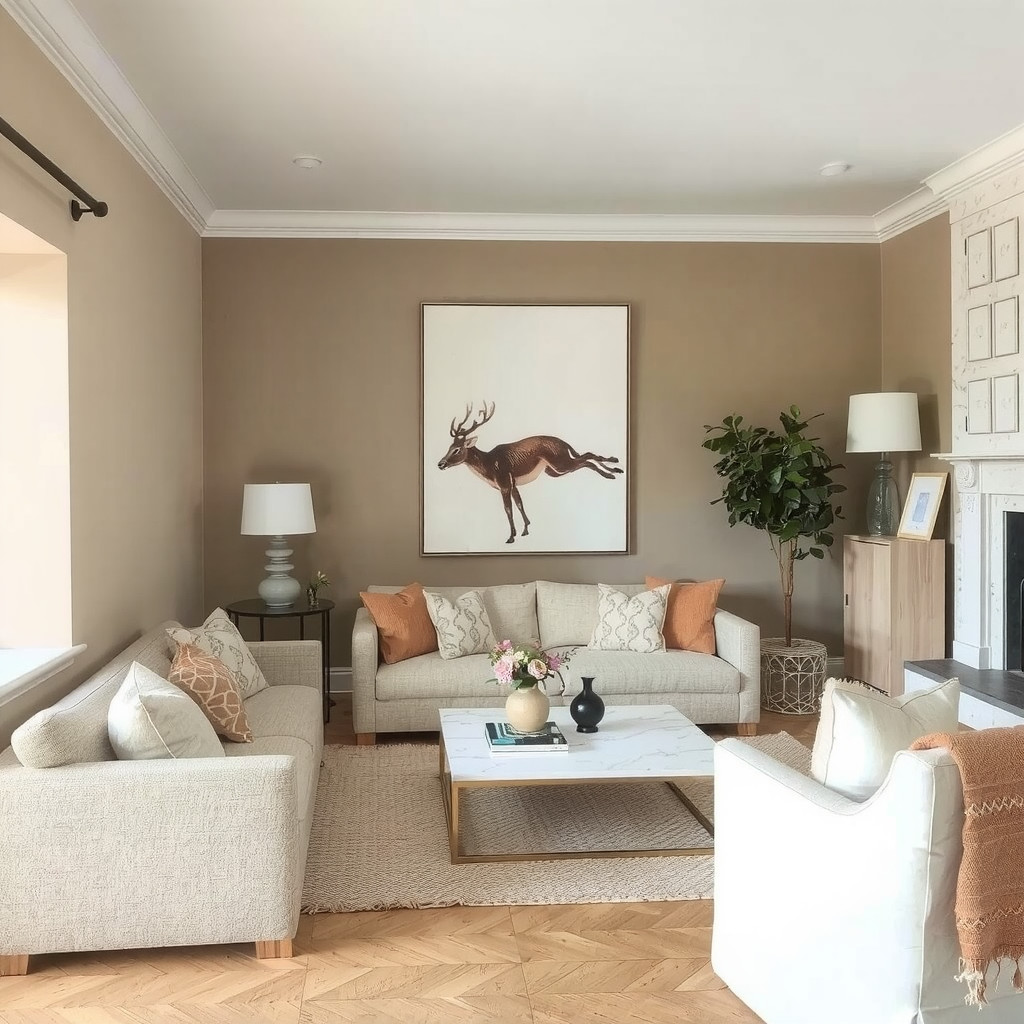
Living in a smaller footprint often feels like a balancing act between necessity and clutter. However, limited square footage is not a barrier to luxury; it is an invitation to curate your environment with intentionality. When you strip away the excess, every object has the chance to sing. The secret lies in manipulating perception, using visual tricks to expand the boundaries of your walls while ensuring every inch serves a purpose. Your home should feel like a sanctuary, not a storage unit, and achieving this requires a shift in perspective from filling space to sculpting it.
Layout and Positioning
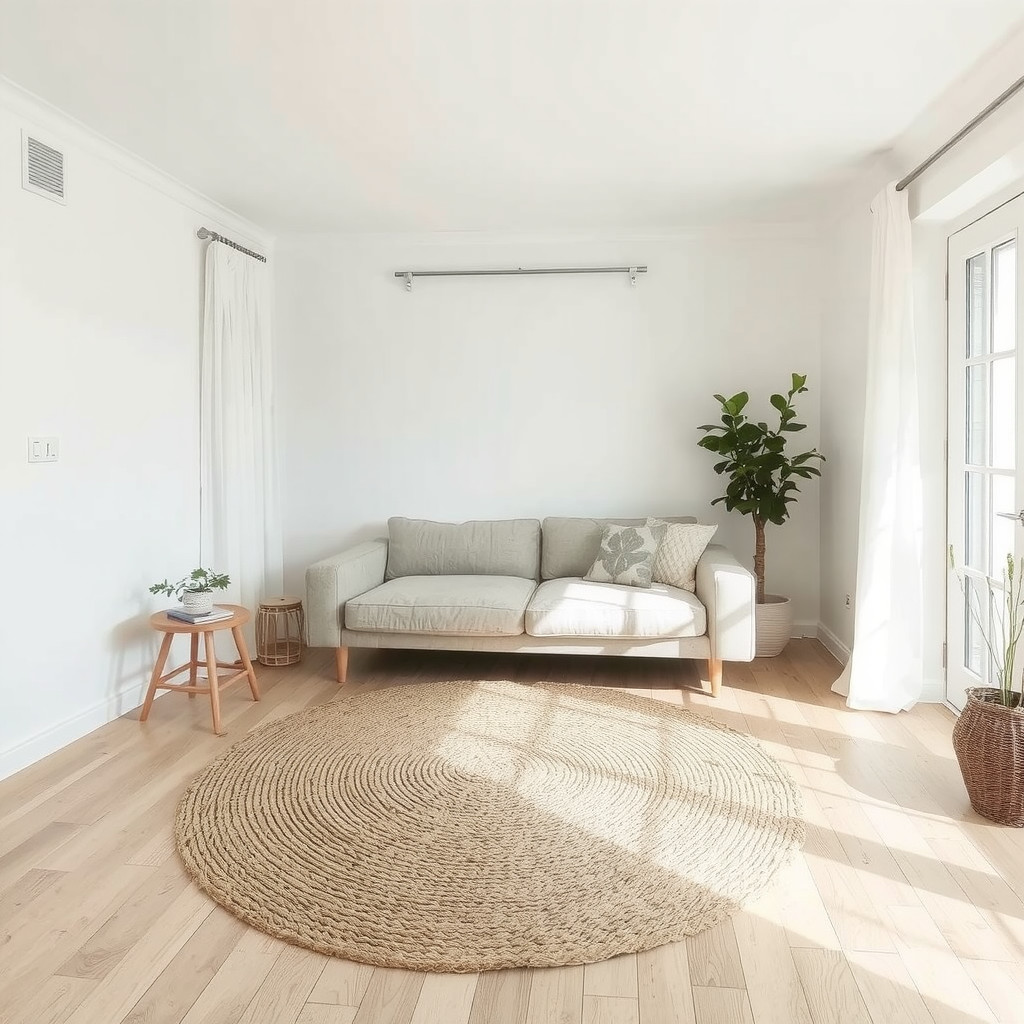
The foundation of a spacious feel begins with how you navigate the room. Resist the urge to push all your furniture against the walls, which often creates a “bowling alley” effect and highlights the lack of width. Instead, float your sofa or armchairs slightly inward. This creates breathing room around the perimeter and implies that the space is large enough to accommodate pathways.
Zoning is equally critical in a multi-purpose environment. Use area rugs to anchor specific activities—dining, lounging, or working—creating distinct islands of function within a single room. This separation prevents the visual chaos of functions bleeding into one another. Keep traffic lanes clear and prioritize furniture with exposed legs. Being able to see the floor continuously underneath a sofa or chair tricks the eye into perceiving a larger ground plane.
Materials and Textiles
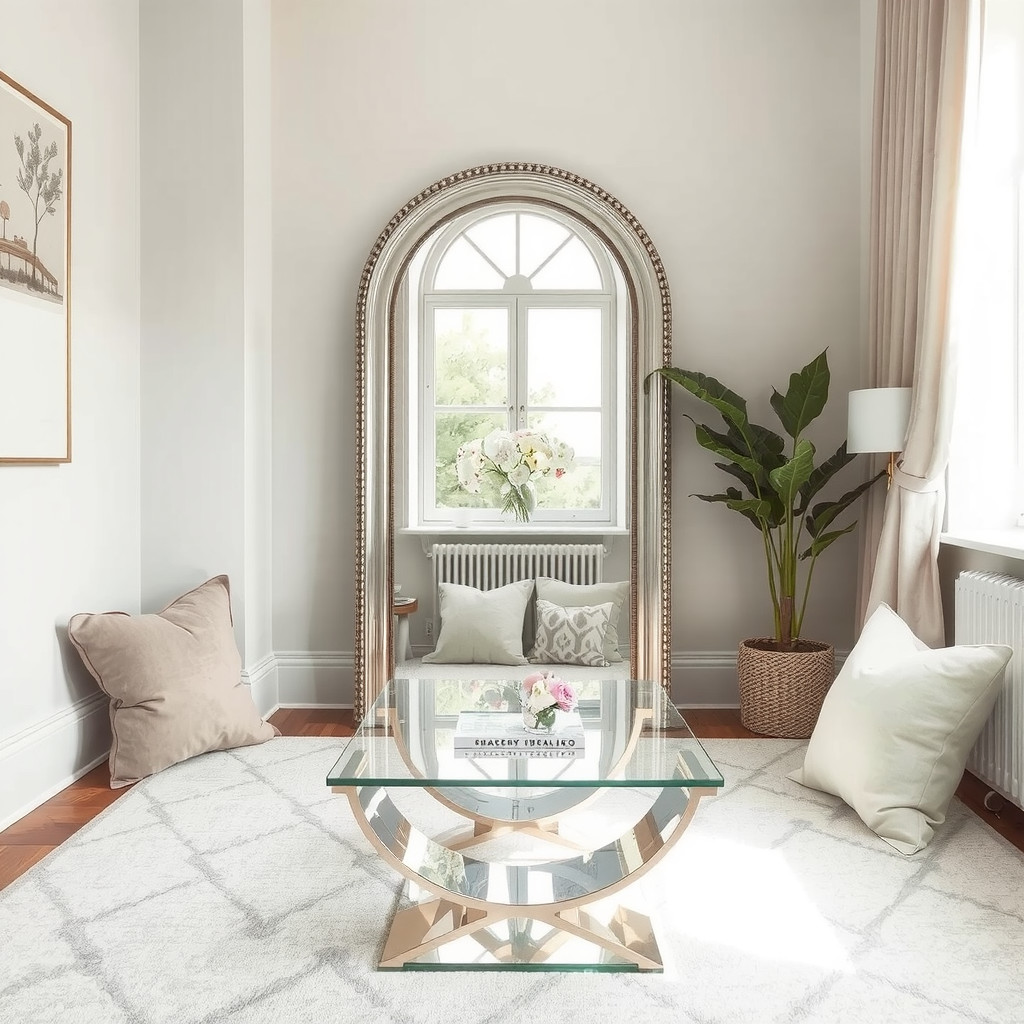
In compact homes, visual weight is just as important as physical size. Heavy, opaque materials can make a room feel boxy and closed in. Turn your attention toward materials that allow light to pass through or bounce around. Glass, acrylic, and Lucite are your best friends here; a transparent coffee table vanishes into the room, providing function without occupying visual volume.
Incorporate reflective surfaces strategically. A large, well-placed mirror acts like an additional window, doubling the light and depth of the room. When it comes to textiles, opt for light, breezy fabrics like linen or cotton blends for curtains. Mount your drapery rod as high as possible—ideally just below the ceiling cornice—to draw the eye upward and emphasize verticality.
Focal Points
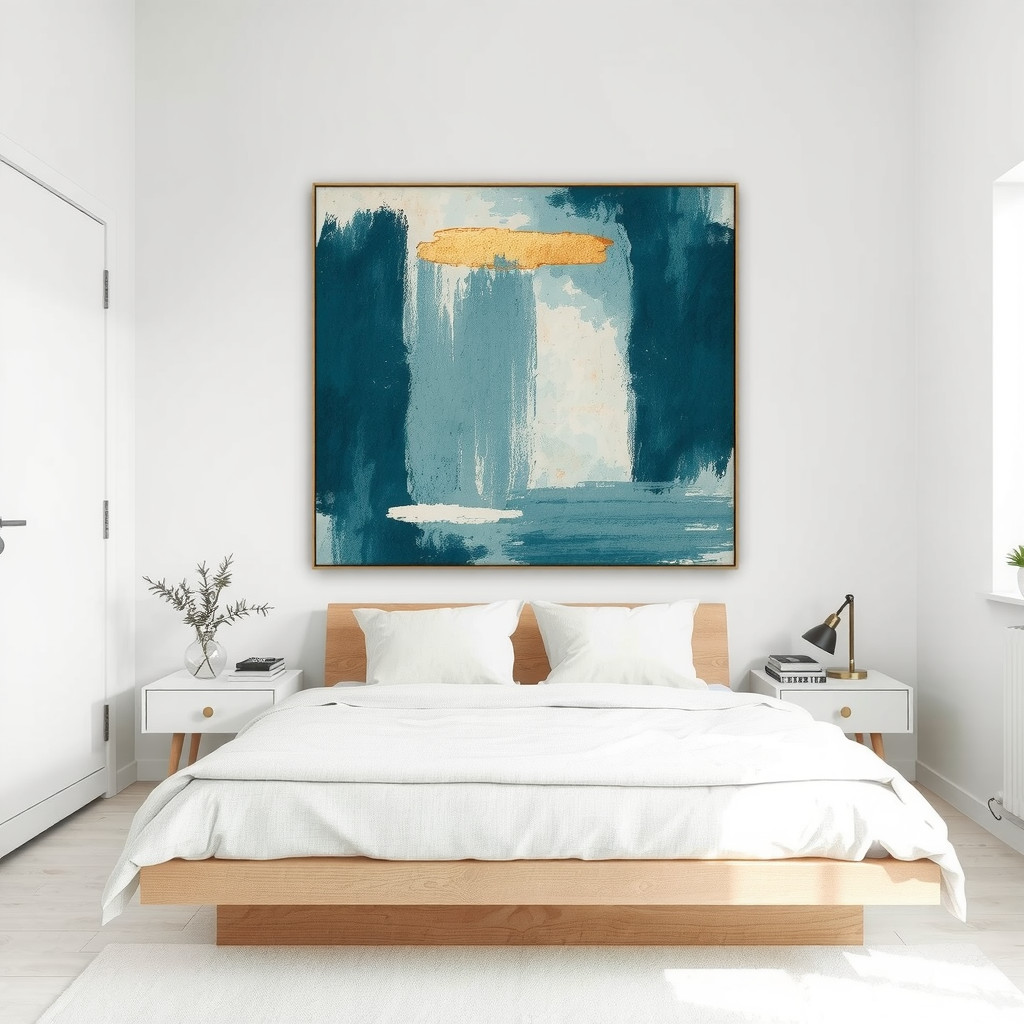
A common misconception is that small spaces require small decor. On the contrary, too many petite items result in a cluttered, “dollhouse” look. Be bold with your choices. Select one large, dramatic piece of art or a substantial statement furniture item to anchor the room.
By establishing a clear focal point, you give the eye a place to rest, reducing the cognitive load of processing a busy room. Whether it is an oversized painting above the bed or a sculptural pendant light, let one star shine and keep the supporting cast subtle. This hierarchy creates a sense of intentional design rather than accidental accumulation.
Lighting
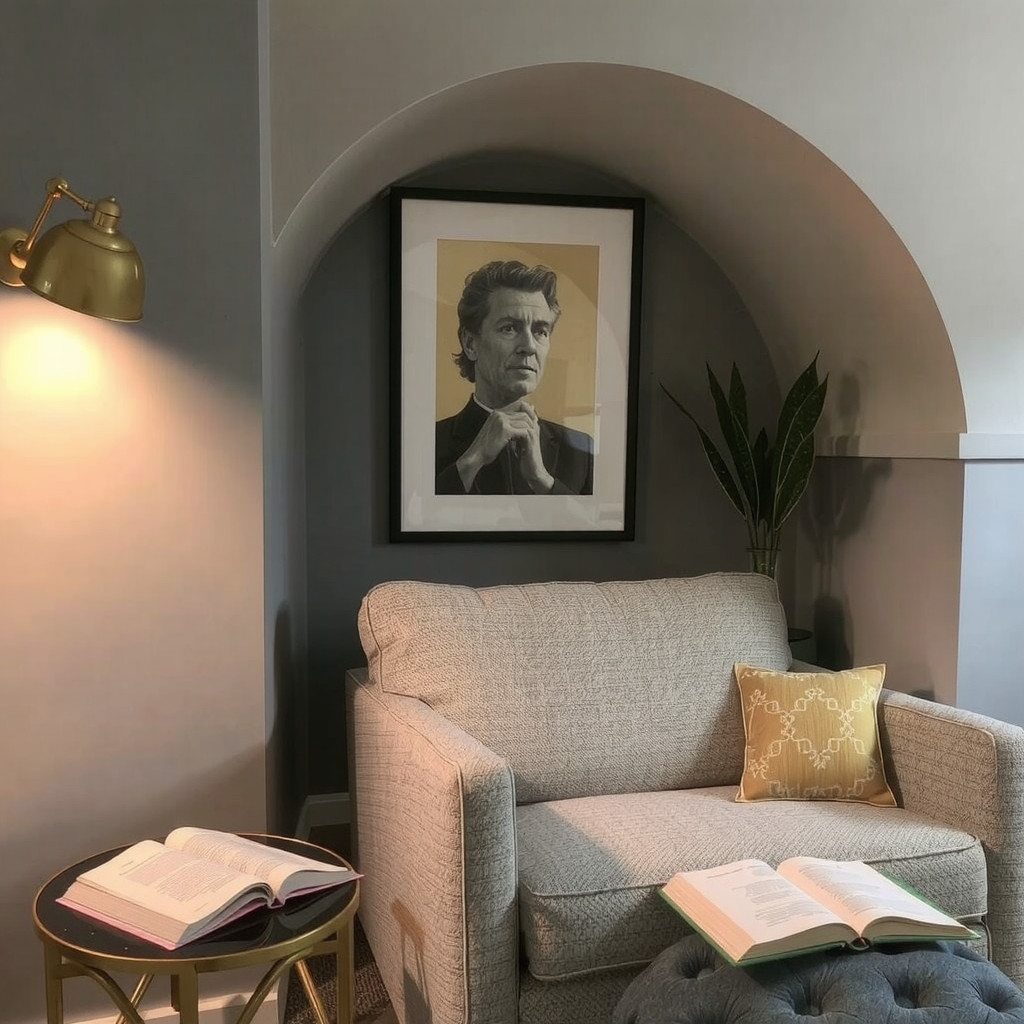
Floor space is your most valuable currency, so spend it wisely. Floor lamps, while beautiful, can clutter corners and impede flow. Shift your lighting strategy to the walls and ceiling. Wall sconces are excellent for small spaces, freeing up surface area on nightstands and side tables.
Layer your lighting to add depth. Relying on a single overhead fixture flattens the room and shrinks its perceived size. diverse light sources—ambient, task, and accent—push back the shadows in the corners, making the room feel expansive and inviting. Warm-toned bulbs are essential to maintain a cozy atmosphere that feels intimate rather than confining.
Greenery
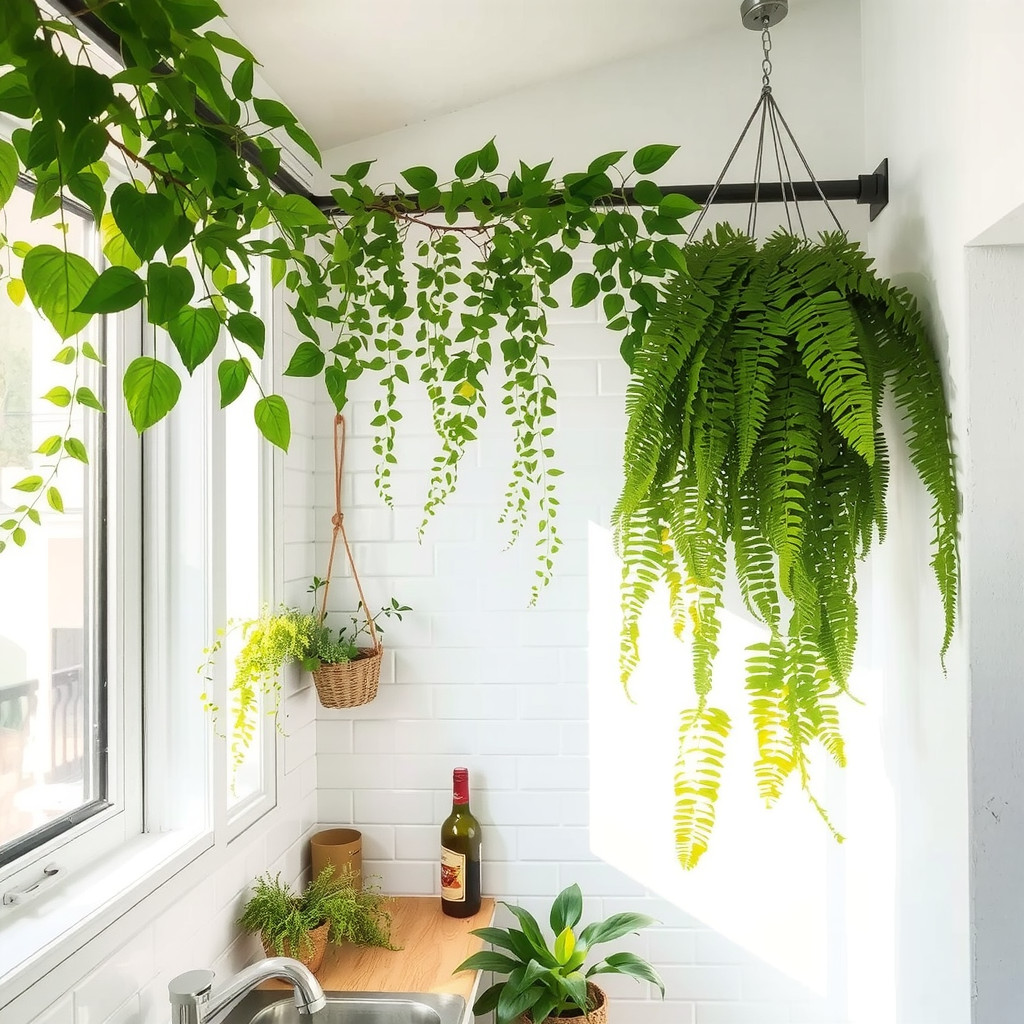
Plants bring life and texture, but big pots take up precious floor real estate. Look upward for your botanical fix. Hanging planters, wall-mounted vessels, or high shelves allow you to introduce lush greenery without sacrificing square footage.
Trailing plants like pothos or string of pearls draw the eye vertically, reinforcing the height of the room. Placing a plant near a window also blurs the line between indoors and outdoors, extending the visual boundary of your home beyond the glass.
Tips
- Vertical Storage: Utilizing floor-to-ceiling shelving draws the eye up and maximizes storage volume.
- Neutral Base: Stick to a cohesive, light color palette for walls and major furniture to seamlessly blend elements.
- Hidden Function: Invest in ottomans with storage or beds with drawers to keep clutter completely out of sight.
- Declutter Regularly: In small spaces, even a few misplaced items can feel chaotic; regular editing is key.
- Door Organizers: Use the back of doors for hooks or slim racks to keep daily essentials accessible yet hidden.
ADVERTISEMENT