ADVERTISEMENT
Introduction
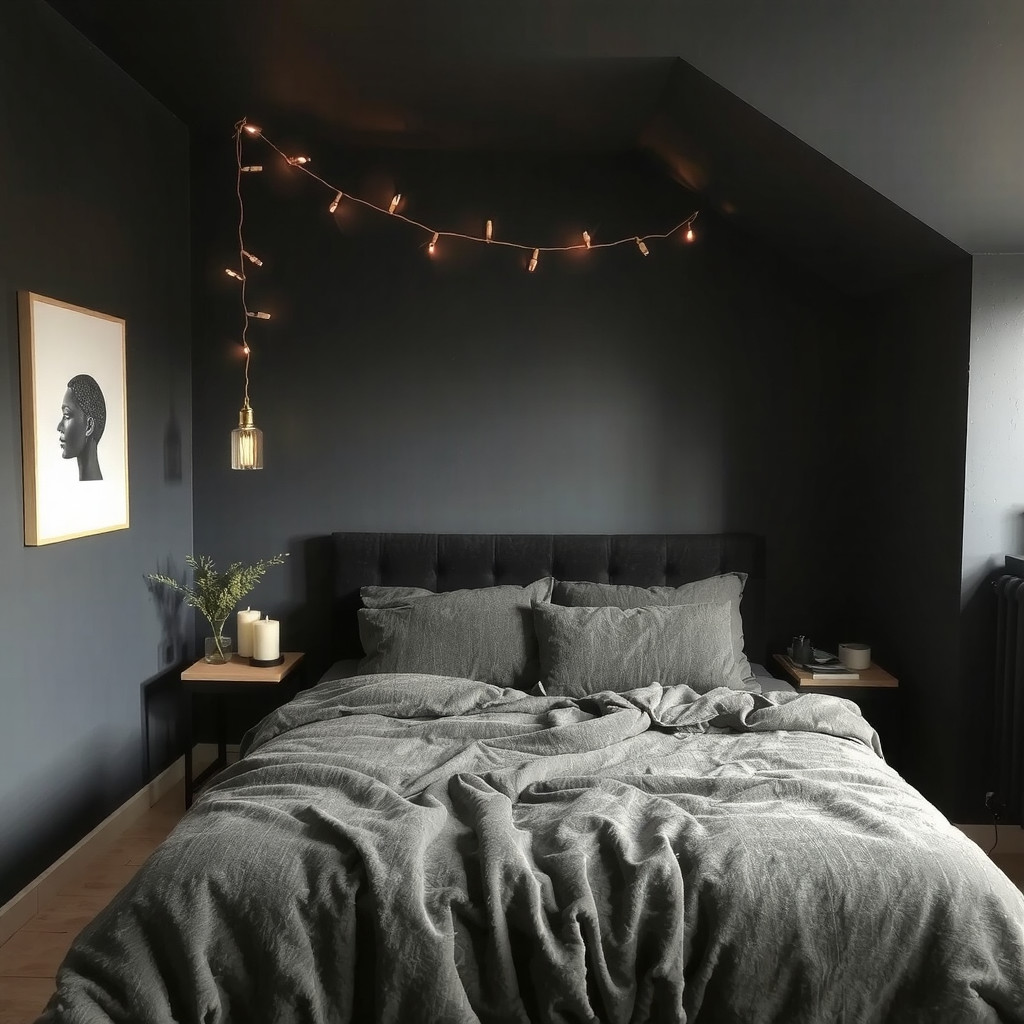
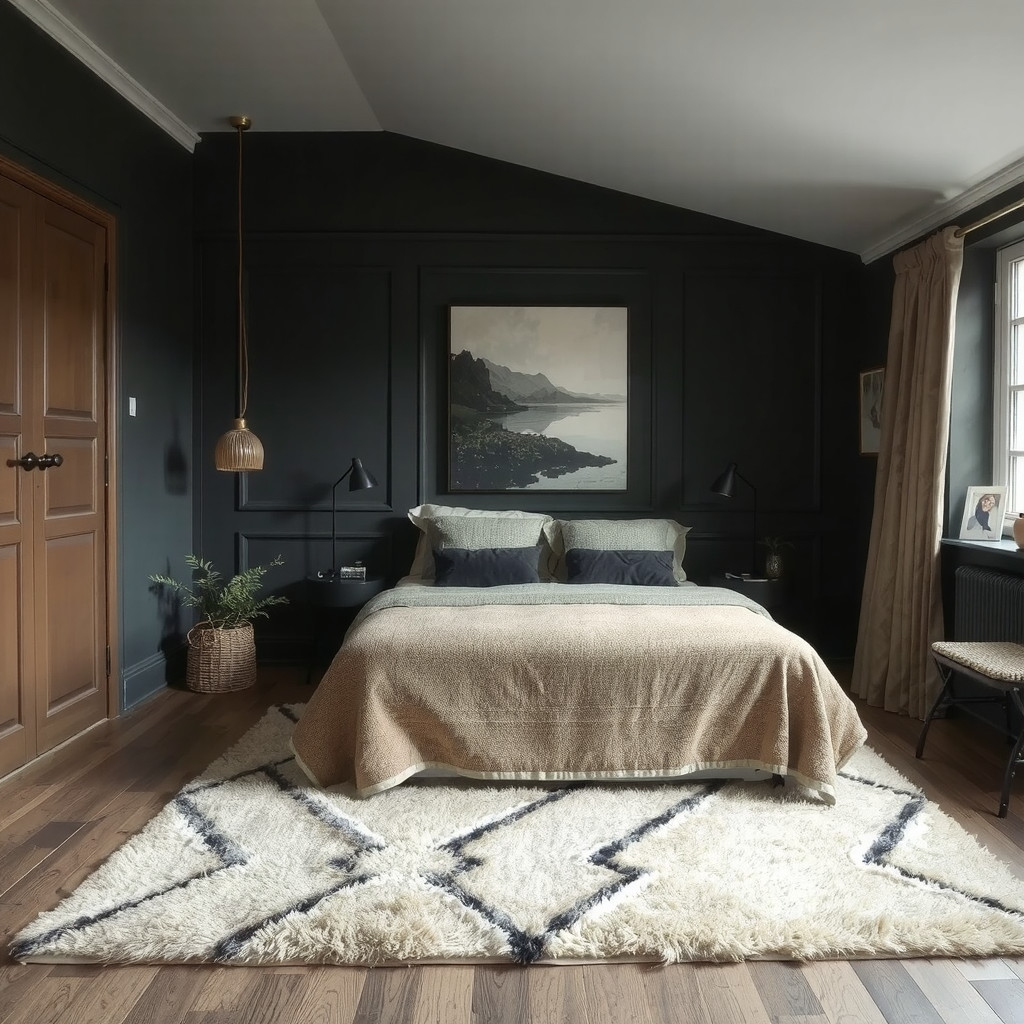
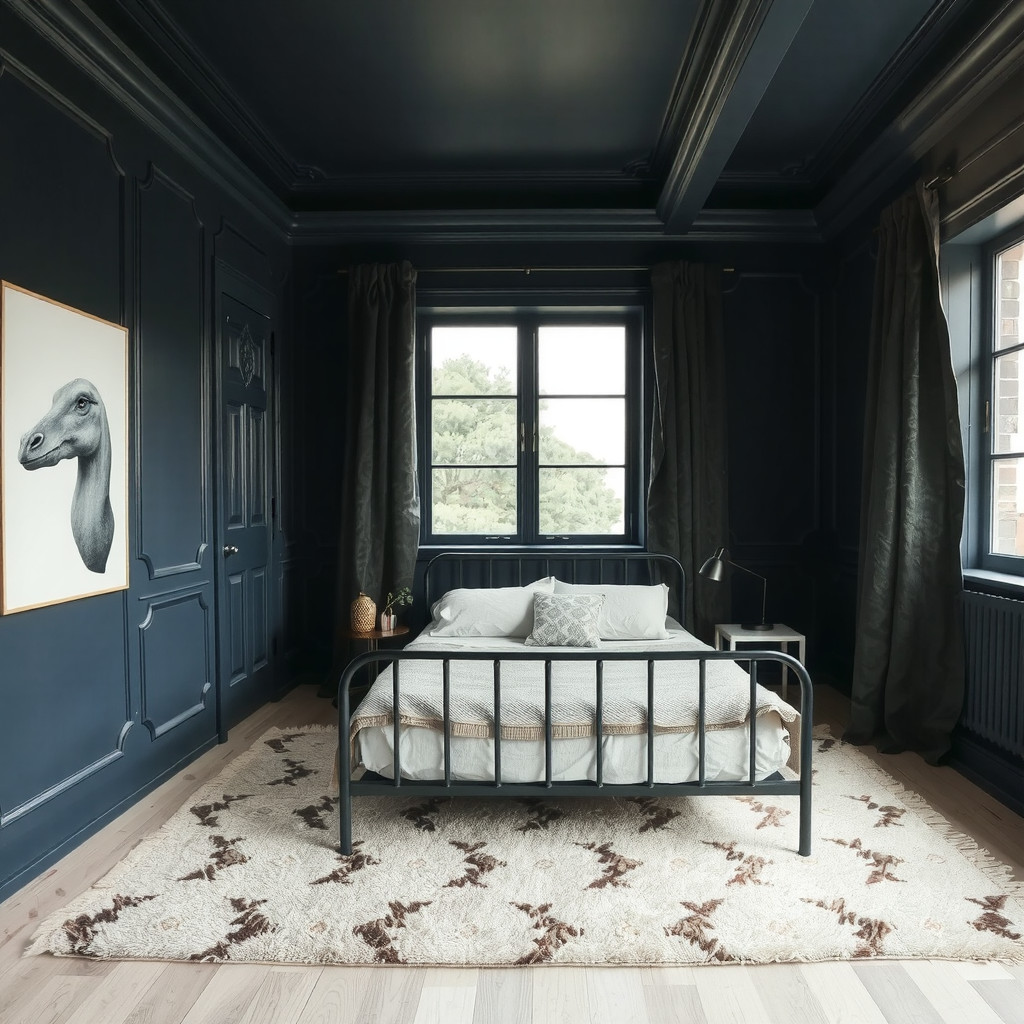
Stepping into a bedroom wrapped in deep, moody tones feels less like entering a room and more like a warm embrace. While bright white spaces have dominated design feeds for years, the dark aesthetic offers a sophisticated alternative that prioritizes rest and intimacy. It is not about creating a cave, but rather curating a sanctuary where shadows play a deliberate role in the design. By committing to darker hues, you create a canvas that allows textures and light to truly shine.
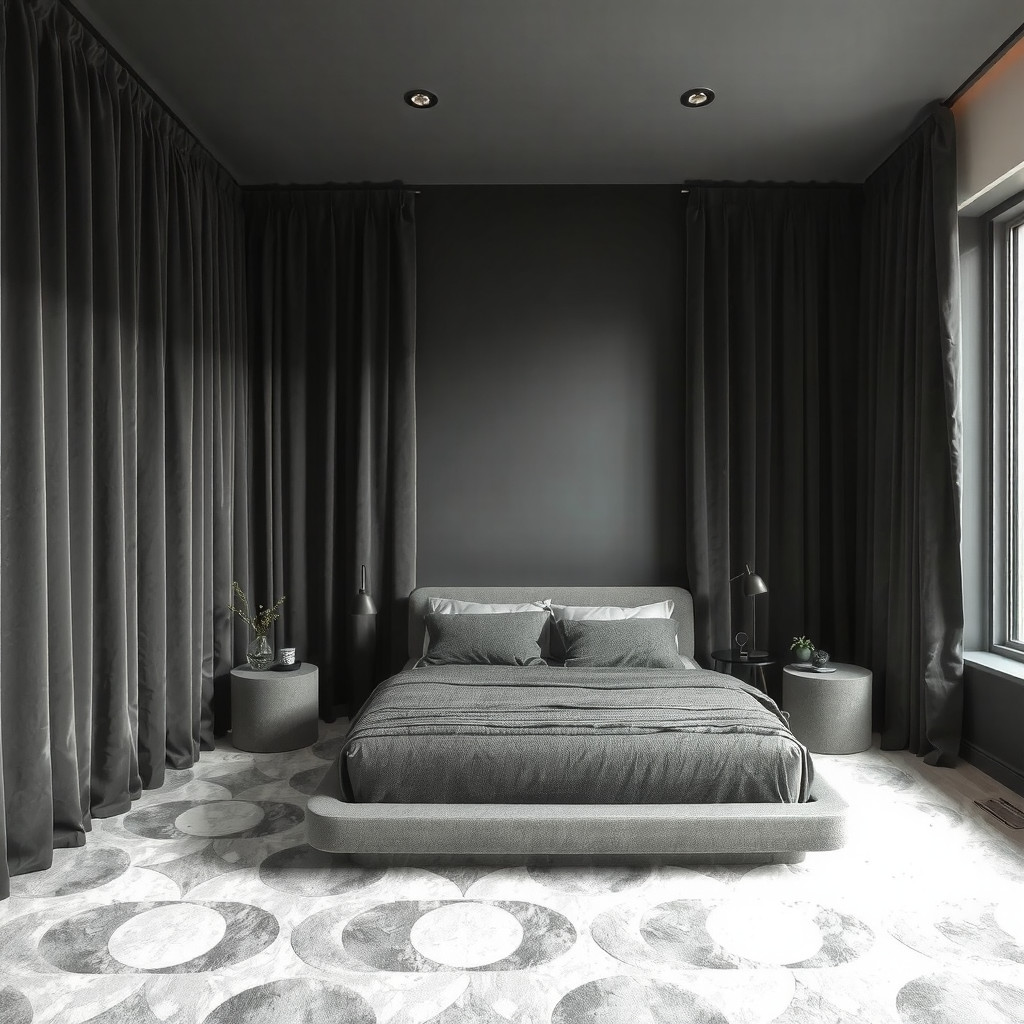
Whether you prefer the stark drama of absolute black or the subtle richness of forest green and navy, the principles of balancing light and dark remain the same. This guide will walk you through the essential elements of crafting a dark aesthetic bedroom that feels cozy, luxurious, and uniquely yours.
Layout and Positioning
When working with dark colors, the spatial arrangement becomes critical to ensure the room does not feel oppressive. Symmetry is your strongest ally here. Centering your bed on the main wall anchors the space and provides a clear visual hierarchy, which is essential when the walls are absorbing light rather than reflecting it.
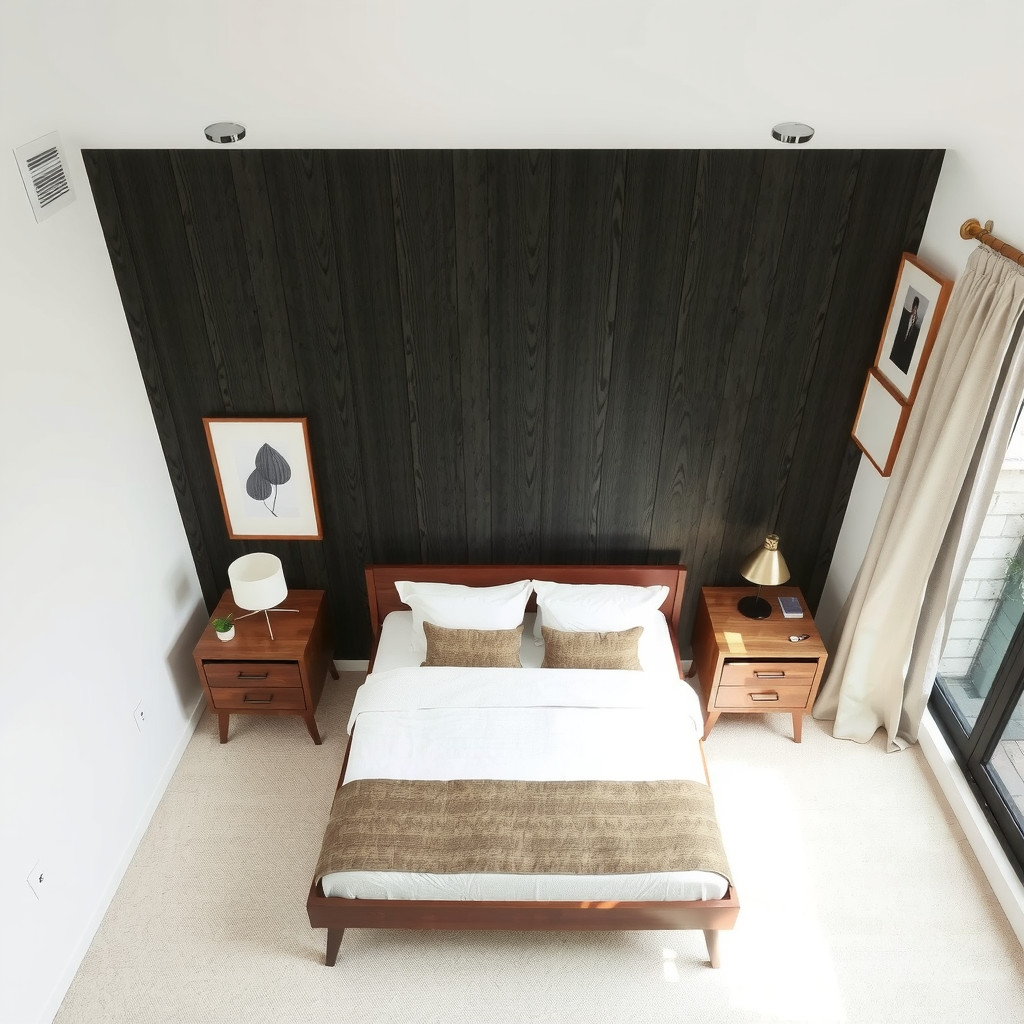
Ensure there is ample walking space around furniture pieces. In a dark room, clutter feels twice as heavy. Keep the pathways clear and position mirrors opposite windows or light sources. This strategic placement bounces natural light across the room, breaking up the density of the dark walls and adding a sense of depth that prevents the space from feeling flat.
Materials and Textiles
Texture is the secret ingredient that prevents a dark bedroom from looking one-dimensional. Without light bouncing off white walls, your eyes rely on tactile differences to distinguish elements. Layering rich, light-absorbing materials like velvet and wool against smoother surfaces like leather or silk creates necessary contrast.
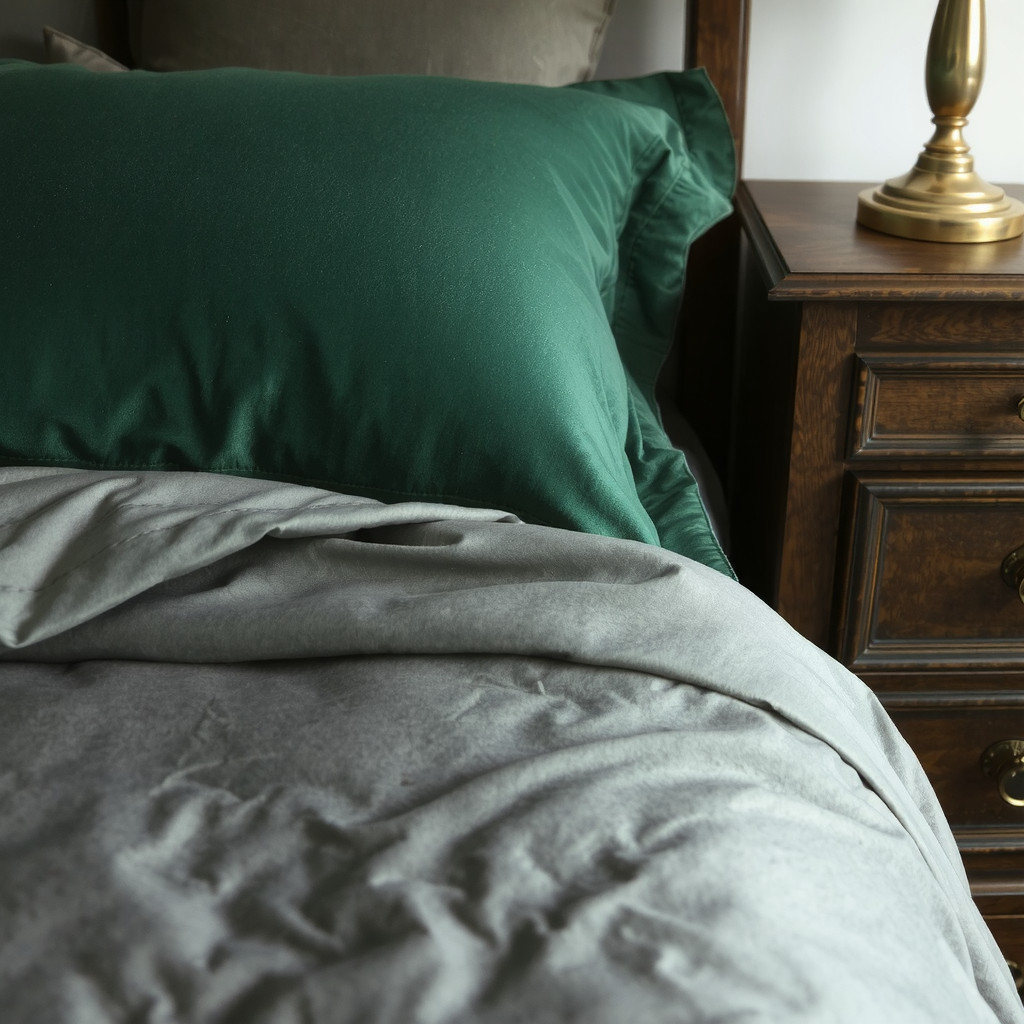
Consider a matte finish for your walls to soften the light, then introduce sheen through your bedding and accessories. A plush charcoal duvet paired with satin pillows catches the light differently, adding visual intrigue. Don’t forget the floor; a high-pile rug in a deep tone grounds the room while adding warmth underfoot, softening the acoustics and enhancing the cocoon-like atmosphere.
Focal Points
Every room needs a star, and in a dark bedroom, the bed is usually the natural choice. A statement headboard becomes even more dramatic against a moody backdrop. Choose a headboard that contrasts with the wall behind it—perhaps a burnt orange velvet against navy walls, or a natural wood finish against matte black.
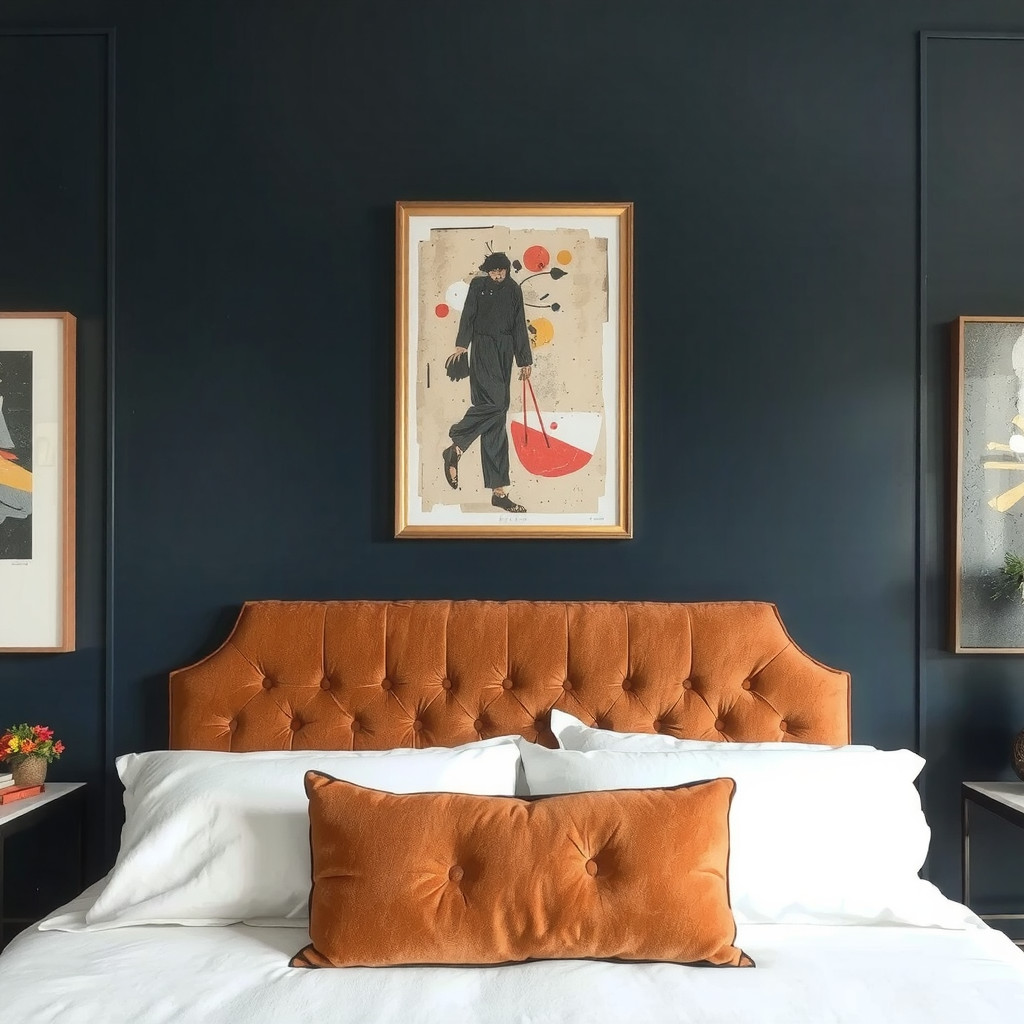
Alternatively, use oversized artwork to break up the color block. A large canvas with lighter tones or metallic accents can act as a window in a windowless space, drawing the eye and adding a splash of brightness without disrupting the overall moody vibe.
Lighting
Lighting is the make-or-break element in dark interior design. You cannot rely on a single overhead fixture, which will only cast harsh shadows and make the corners feel abyss-like. Instead, layer your lighting to create pockets of warmth.
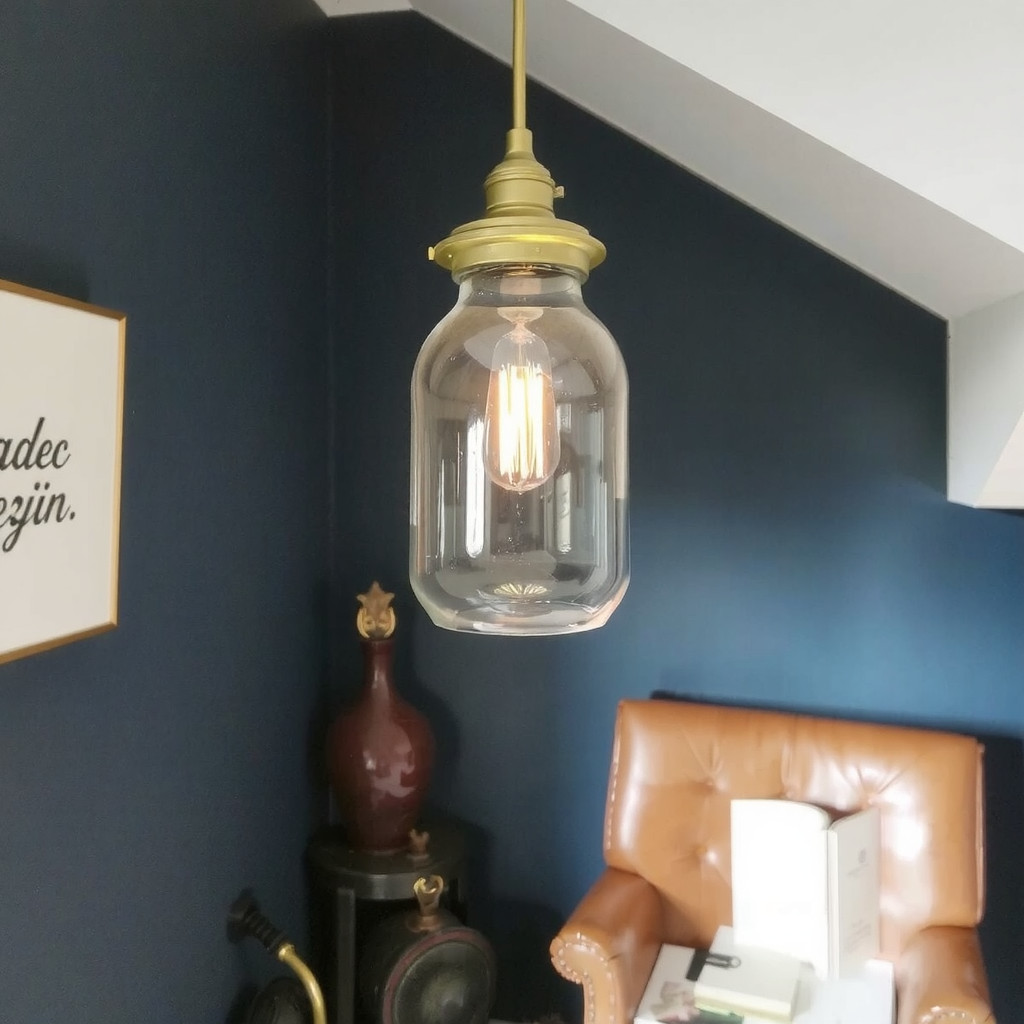
Use warm-toned bulbs (2700K-3000K) to complement the richness of the walls. Sconces or pendant lights with metallic finishes—brass, copper, or gold—add a touch of glamour and reflect light beautifully. Install dimmer switches to control the intensity, allowing you to shift from functional brightness to a soft, romantic glow instantly.
Greenery
Bringing nature into a dark room adds a vital spark of life. The vibrant green of plant leaves pops incredibly well against dark backgrounds like slate grey or emerald. Large, leafy plants such as a Monstera or a Fiddle Leaf Fig work best, as their structural shapes hold their own against the visual weight of dark walls.
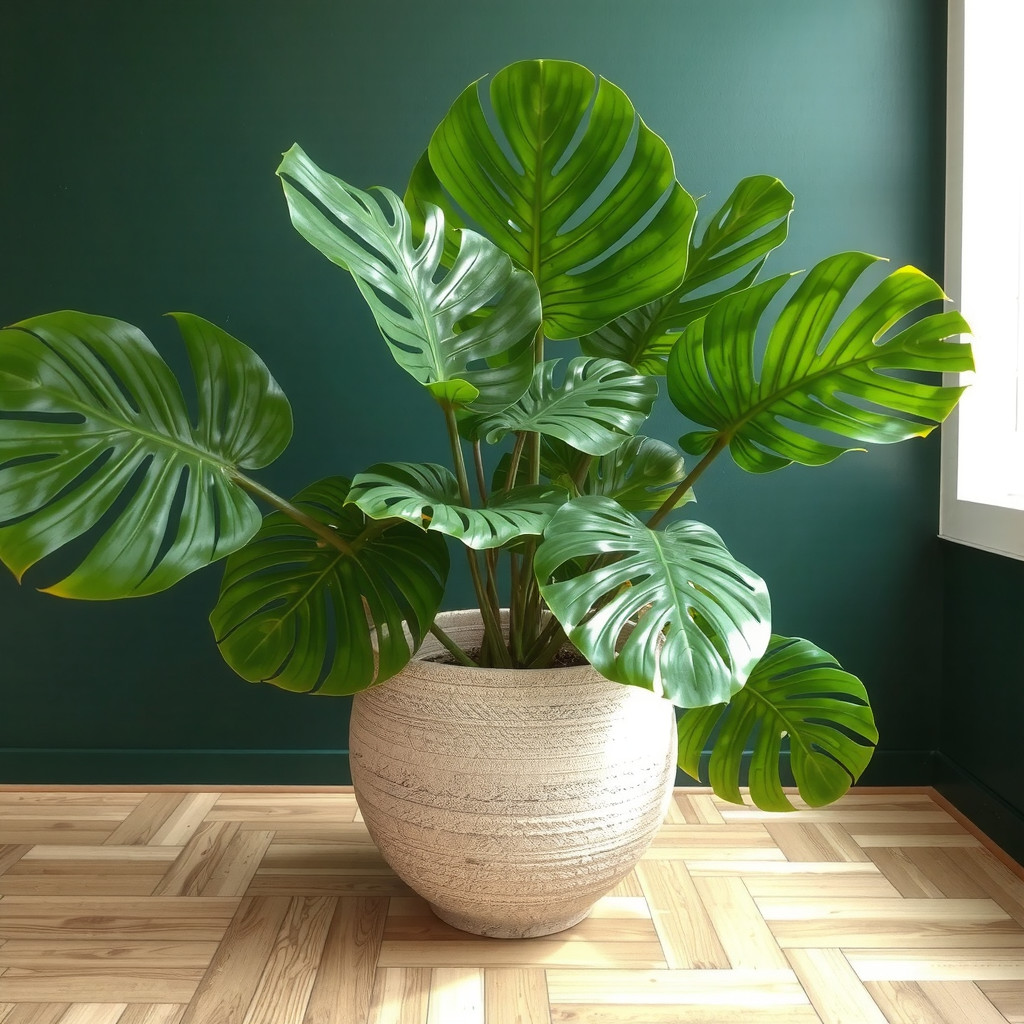
Place plants near light sources or in empty corners to soften the edges of the room. The organic forms contrast with the architectural lines of your furniture, ensuring the space feels lived-in and breathable rather than sterile.
Tips
- ** embrace metallic accents:** Gold, brass, and copper hardware catch the light and add luxury to dark palettes.
- Paint the ceiling: Don’t be afraid to carry the dark color up to the ceiling to blur the boundaries of the room.
- Use mirrors wisely: Large mirrors reflect light and double the visual space, preventing the “box” effect.
- Layer your rugs: Combining rugs adds texture and breaks up dark flooring.
- Test your paint: Dark colors change drastically with light; always test patches before committing to a full wall.
ADVERTISEMENT