ADVERTISEMENT
Introduction
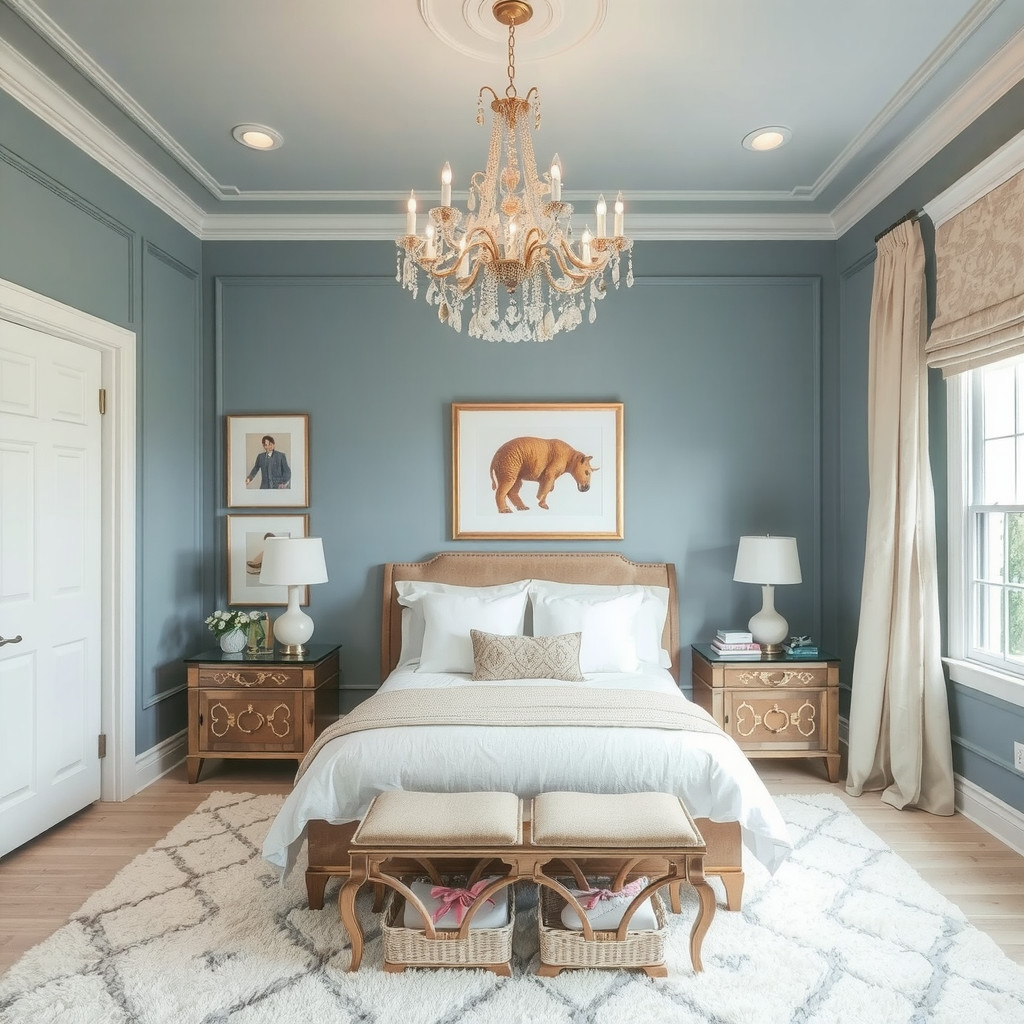
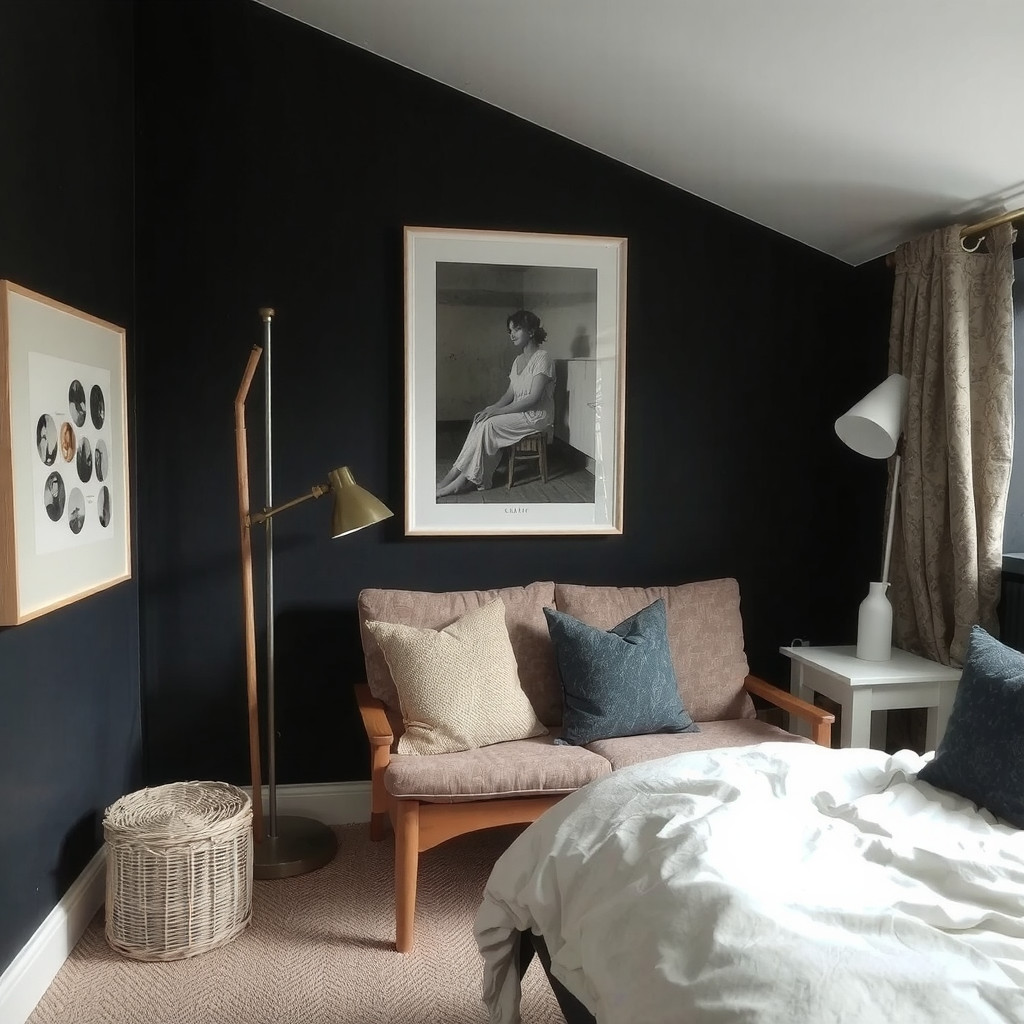
Embrace the shadows. While white walls have long been the standard for airy openness, there is a profound, enveloping comfort found in the dark. Designing a bedroom with a moody palette is not about creating a somber space; it is about crafting a cocoon that signals to your body that it is time to rest. When you step into a room dipped in charcoal, midnight blue, or forest green, the visual noise of the day fades, allowing your mind to settle.
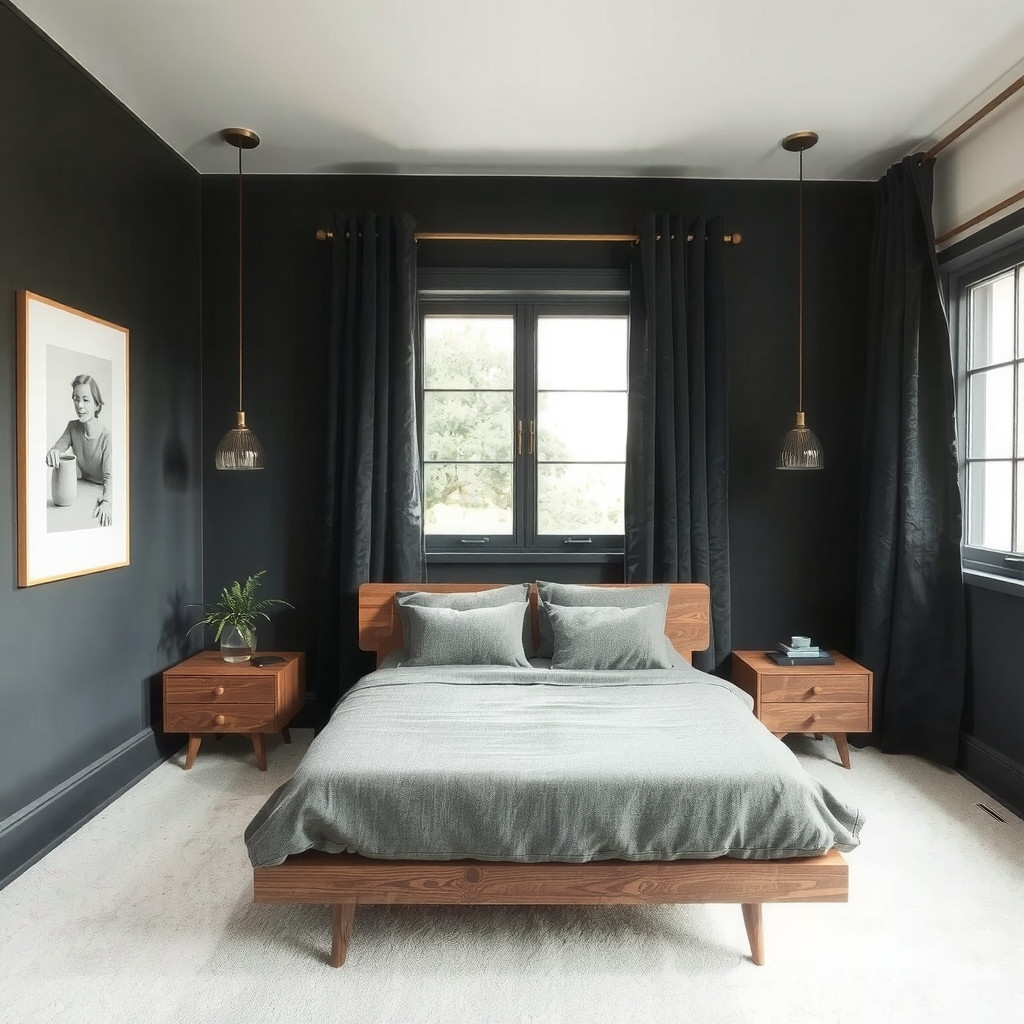
By committing to darkness, you prioritize sleep health. Deep colors absorb light rather than reflecting it, naturally aiding in melatonin production and creating a sense of infinite depth. This guide will walk you through transforming your sleeping quarters into a sanctuary of elegance and tranquility.
Layout and Positioning
In a room defined by dark tones, the layout must be intentional to prevent the space from feeling claustrophobic. Your bed is the anchor; position it centrally to command the room, allowing space to breathe on either side. In moody interiors, shadows can hide clutter, but they can also make a messy room feel heavier. Adhere to a minimalist philosophy where every object has a purpose and a place.
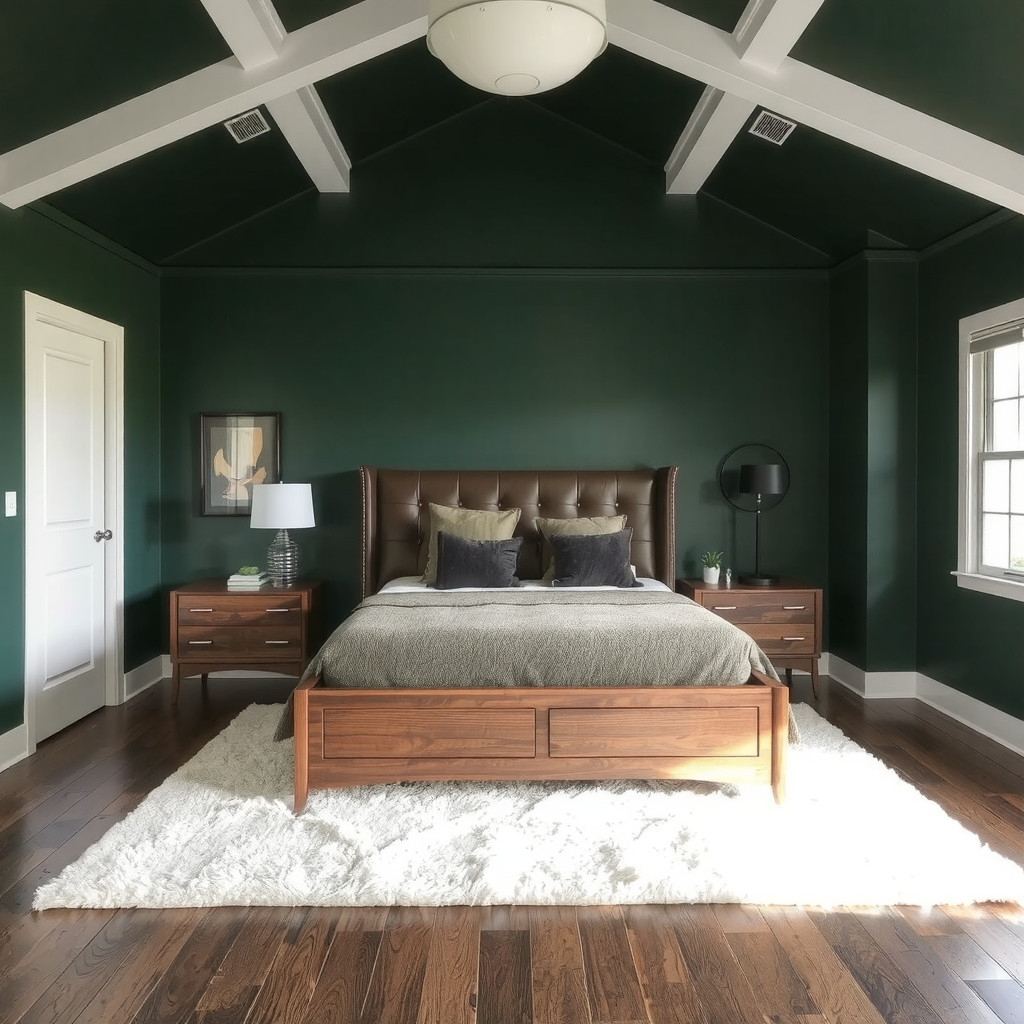
Consider the sightlines from the doorway. You want the depth of the color to draw you in, not block you out. Keep tall furniture away from the windows to maximize whatever natural light enters during the day, ensuring the room feels deliberate rather than accidental.
Materials and Textiles
When you remove the brightness of white walls, texture becomes the most critical element of your design. A dark room without texture can feel flat and lifeless. You need to introduce materials that catch the light and invite touch. Think of the interplay between a matte wall paint and the sheen of a velvet headboard.

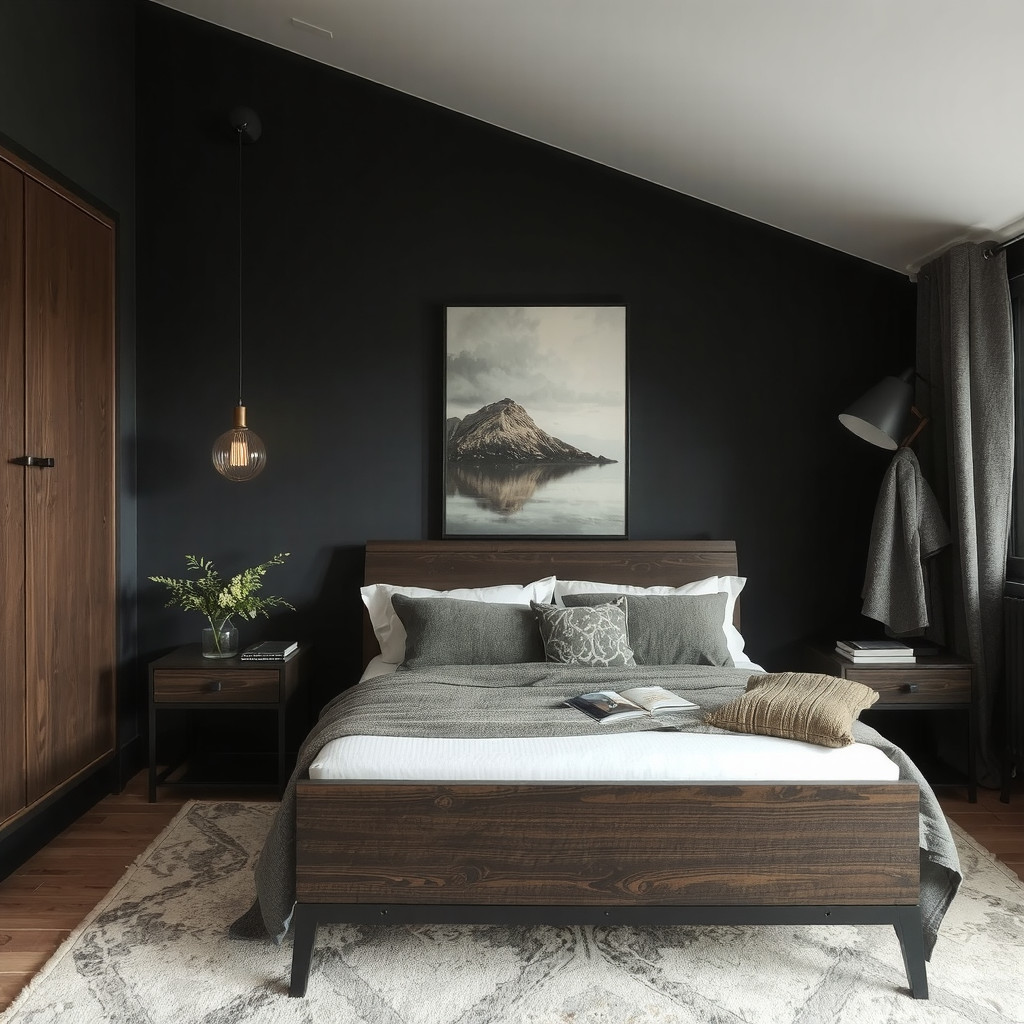
Layering is your secret weapon. Combine cool, crisp linen sheets with a heavy, chunky wool throw. Introduce elements of natural wood—walnut or mahogany work beautifully—to add warmth to the cool undertones of paint colors like navy or slate. Leather, brass, and silk also play a vital role, adding purposeful highlights that break up the visual weight of the dark walls.
Focal Points
Every moody bedroom needs a centerpiece that defies the darkness. This is usually the bed itself, but it can be enhanced with a statement headboard that contrasts with the wall behind it. If your walls are a deep plum, a mustard yellow velvet headboard creates a striking, sophisticated vignette.
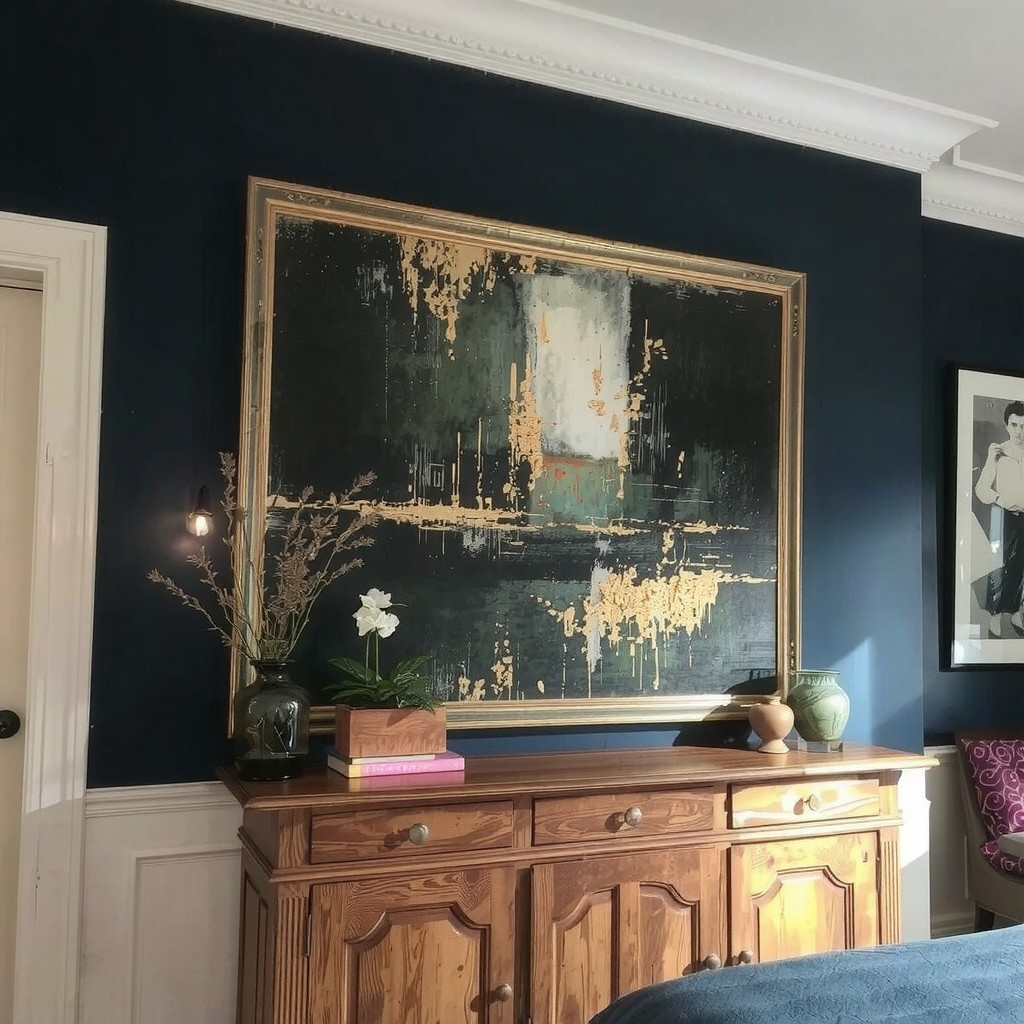
Alternatively, use art to create a focal point. A large canvas with lighter tones or metallic frames will pop dramatically against a dark background, drawing the eye and adding a sense of curated luxury. Mirrors are also functional focal points; a large floor mirror reflects the room’s softer lighting, adding dimension and preventing the “box” effect.
Lighting
Lighting in a dark bedroom is about mood, not utility. You are not trying to flood the room with brightness; you are sculpting it with pools of warm illumination. Avoid a single overhead fixture, which can flatten the room and create harsh shadows. Instead, rely on layers.
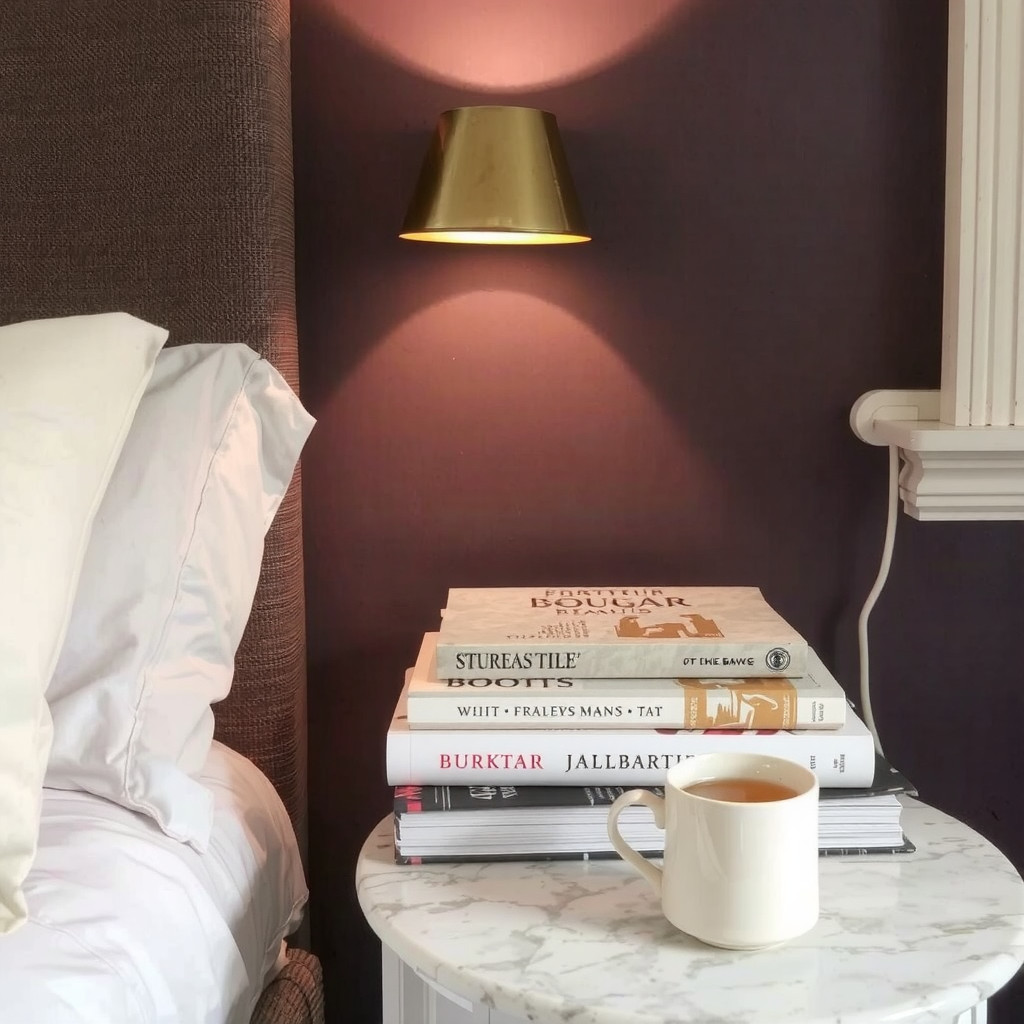
Use wall sconces or bedside lamps with warm-toned bulbs (2700K is ideal) to cast a golden glow that complements the dark walls. Dimmer switches are non-negotiable here. They allow you to transition the room from a cozy reading nook in the evening to a pitch-black cave for sleeping. Accent lighting, such as a small lamp on a dresser or LED strips behind a headboard, adds depth and intrigue.
Greenery
Nature provides the perfect counterpoint to a moody aesthetic. Plants bring life, oxygen, and a vibrant splash of color that looks incredibly lush against a dark backdrop. The green of the leaves vibrates against colors like eggplant, slate, or black, creating a rich, organic feel.
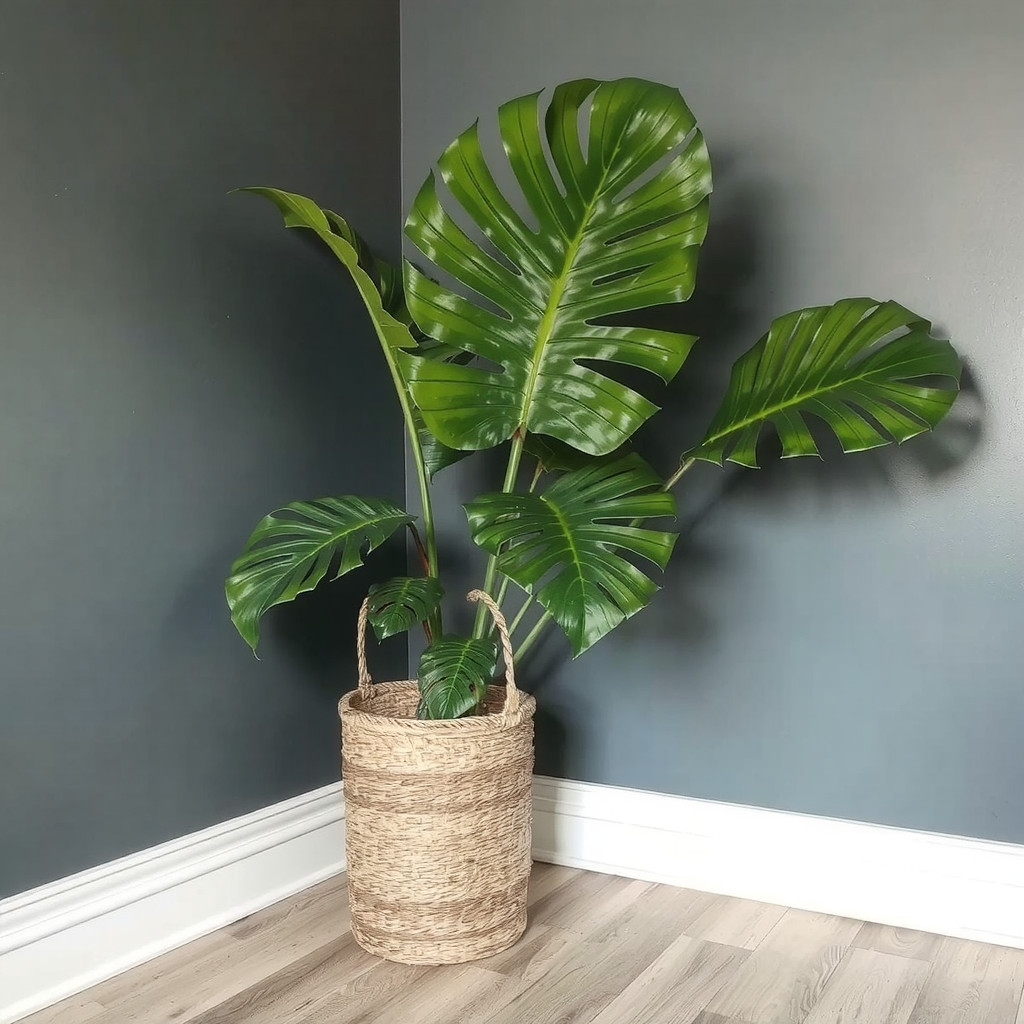
Choose plants with structural interest. A tall Snake Plant (Sansevieria) or a sprawling Monstera adds shape and movement. The organic forms break up the rigid lines of furniture and the solidity of the dark walls, ensuring the room feels fresh and breathable rather than stagnant.
Tips
- Test Your Paint: Dark colors change drastically with light. Paint large swatches and observe them at night with artificial light before committing.
- Don’t Fear the Ceiling: Painting the ceiling the same dark color as the walls blurs the boundaries of the room, making it feel infinite and cozy.
- Metallic Accents: Use brass, gold, or copper hardware to add warmth and reflection to the space.
- Reflective Surfaces: Incorporate glass or mirrored furniture to bounce light around and add a touch of glamour.
- Keep it Matte: High-gloss dark paint can look like plastic. Stick to matte or eggshell finishes for a velvety, expensive look.
ADVERTISEMENT