ADVERTISEMENT
Midnight Velvet: Curating a Sophisticated Dark Bedroom
Introduction
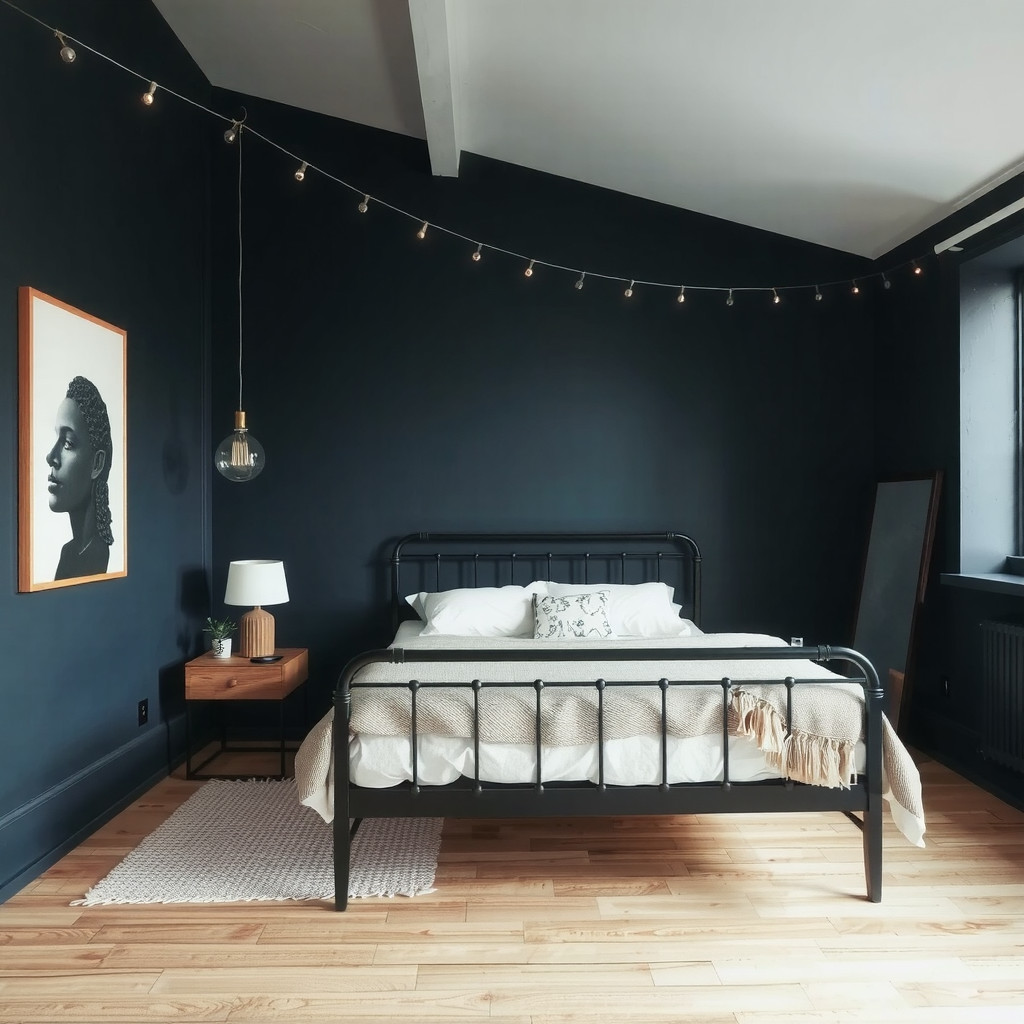
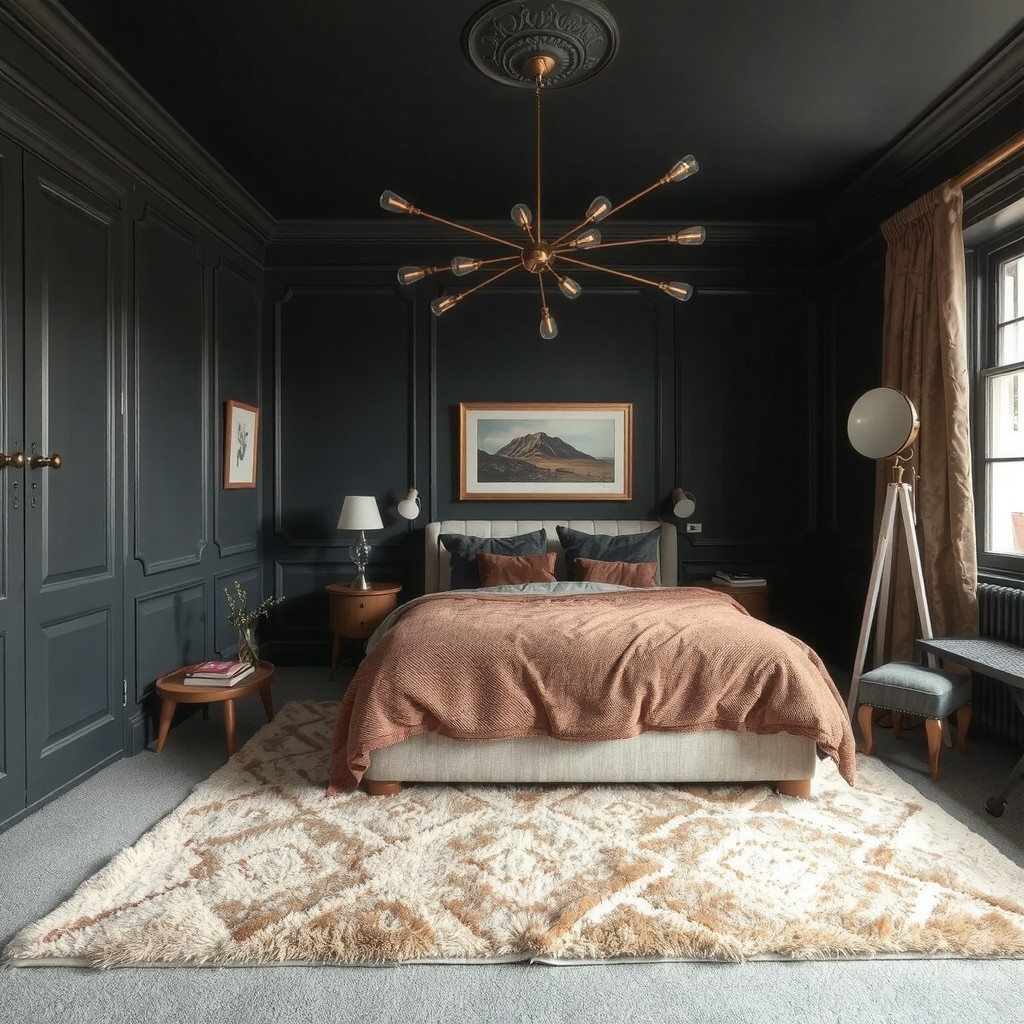
Embracing a dark aesthetic in your bedroom is not about creating a gloomy cave; it is about crafting a deeply restful, enveloping sanctuary. Dark colors absorb light, softening the edges of the room and blurring the boundaries of space, which can actually make a small room feel expansive. By committing to deep hues—think charcoal, midnight blue, forest green, or even matte black—you create a backdrop that allows every other element to shine with cinematic drama. This approach transforms your sleeping area into a cozy cocoon, perfect for unwinding after a chaotic day.
Layout and Positioning
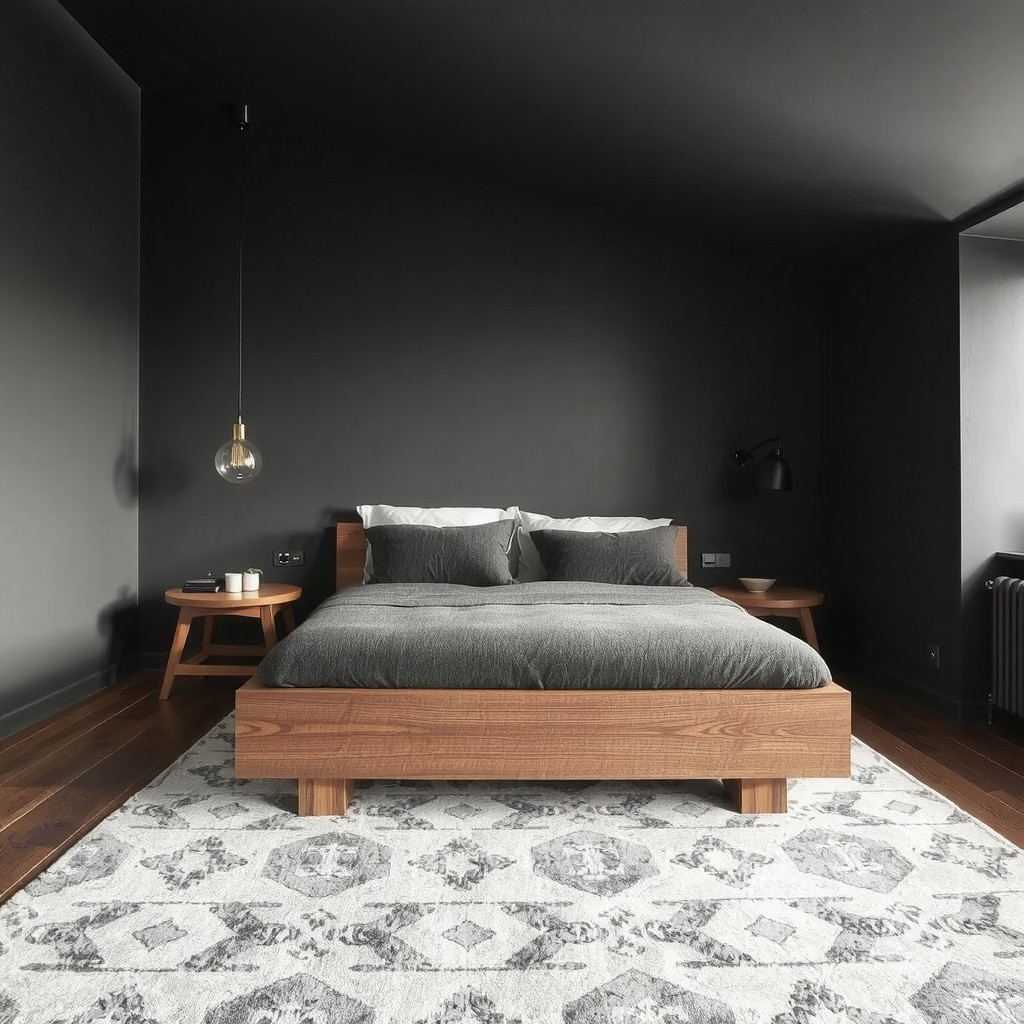
When working with dark interiors, layout becomes a tool for managing shadows and depth. Position your bed as the undisputed anchor of the room, ideally centered against the largest uninterrupted wall. This symmetry provides a sense of order that balances the visual weight of dark walls. Ensure there is ample negative space around furniture pieces; crowding a dark room can make it feel claustrophobic rather than cozy.
Consider the sightlines from the doorway. You want the darkness to invite you in, not repel you. Place a low-profile bench or a textured rug at the foot of the bed to create a visual stepping stone into the depth of the room.

Materials and Textiles
The secret to a successful dark aesthetic lies in texture. Without varied surfaces, a dark room can look flat and lifeless. You need materials that catch the light differently to create nuance. Velvet is an exceptional choice here; its pile catches ambient light and adds a lustrous, rich quality that pairs perfectly with matte wall paint.
Layer your bedding with natural fibers like washed linen in slate grey or truffle brown. Contrast these soft fabrics with harder elements like dark walnut wood or honed marble surfaces. A sheepskin throw or a heavy wool blanket adds tactile dimension that demands to be touched.

Focal Points
In a room where the walls recede, your focal points must be deliberate and striking. A dramatic headboard—perhaps in tufted leather or channeled velvet—serves as the crown jewel of the space. Alternatively, oversized artwork with a generous amount of negative space or metallic frames can pop beautifully against a dark background.
Don’t underestimate the power of reflective surfaces. An antique mirror with a foxed glass finish or a metallic sculpture reflects light and breaks up the visual density of the dark color palette, adding a touch of glamour without disrupting the moody vibe.
Lighting
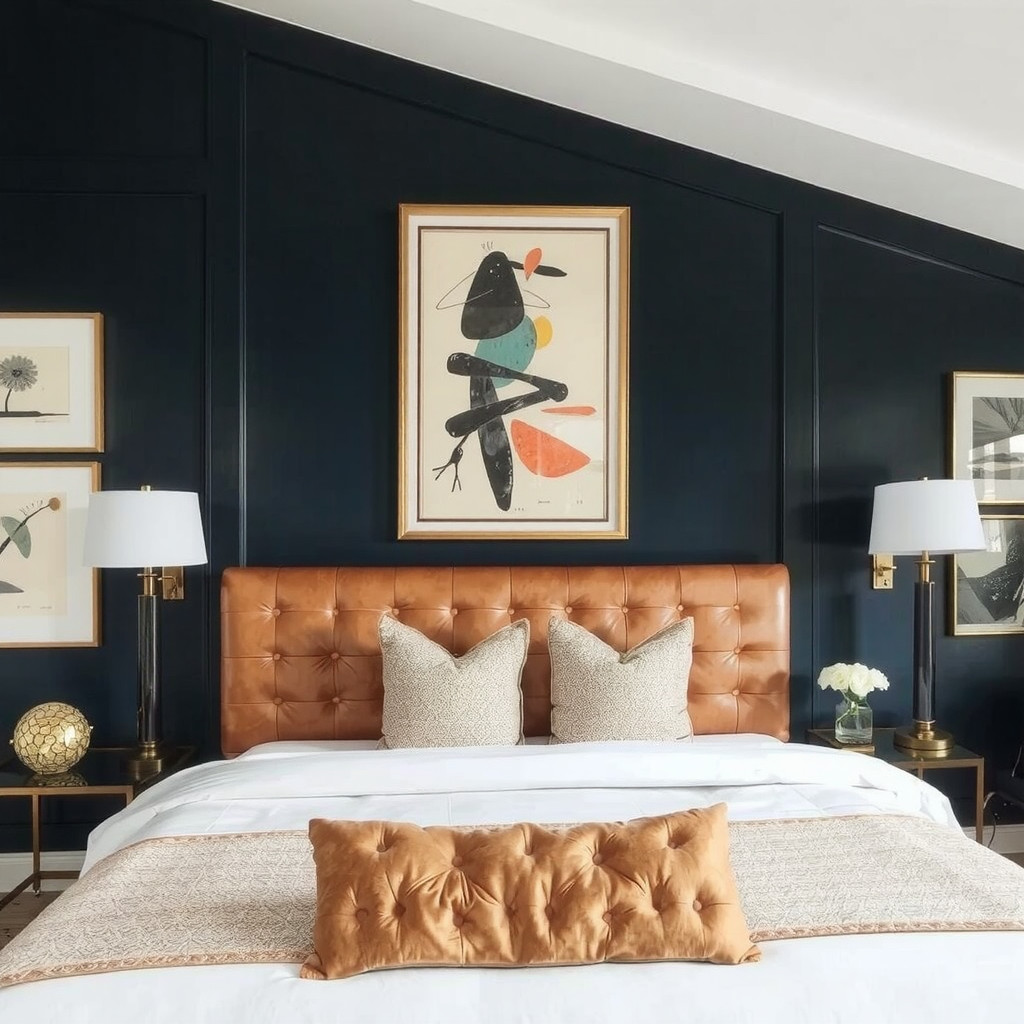
Lighting is the make-or-break element in a dark bedroom. You are not trying to flood the room with brightness; you are sculpting with shadow. Avoid a single overhead light source, which can flatten the room. Instead, rely on layers of warm, diffused light.
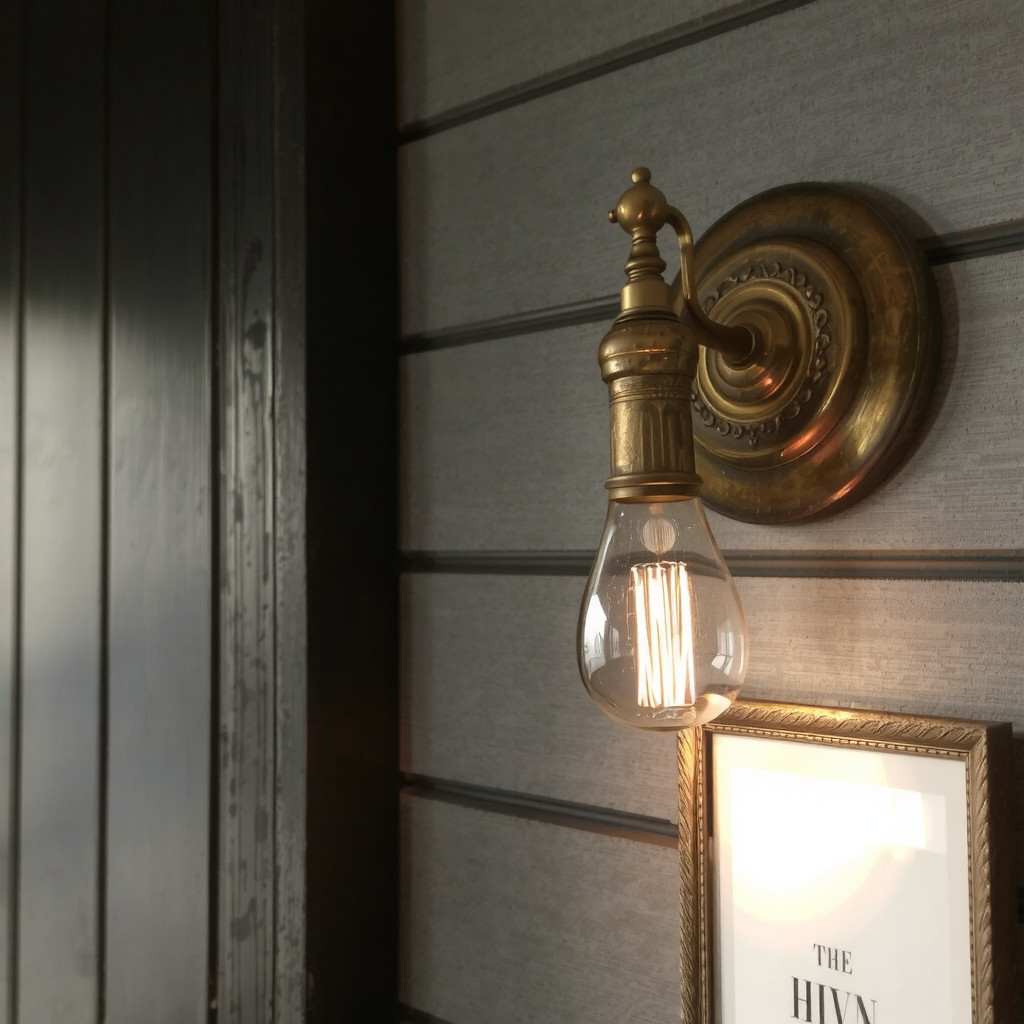
Wall sconces with brass or copper finishes introduce warmth and act as jewelry for your walls. Use table lamps with opaque shades to cast pools of downward light, highlighting the textures of your nightstand and bedding while keeping the upper walls mysterious and shadowed.
Greenery
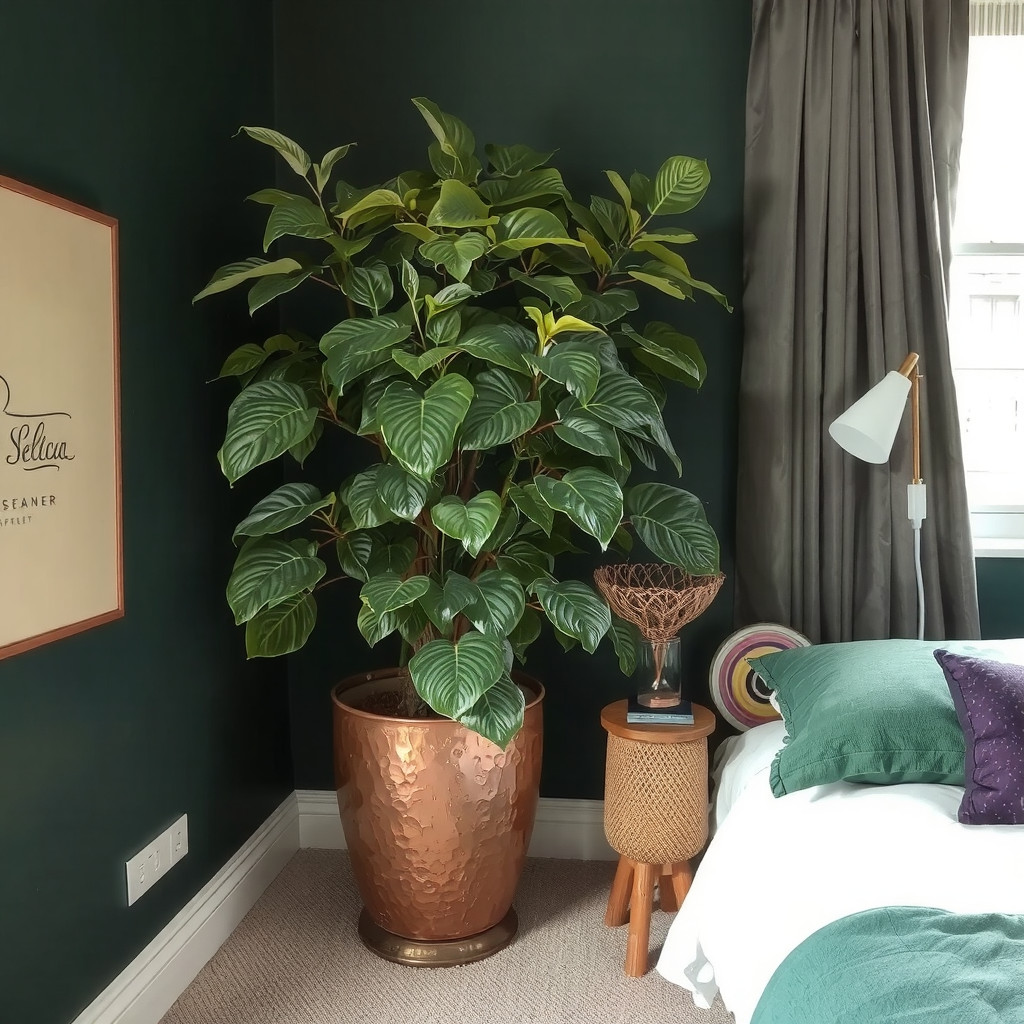
Plants are vital in a dark aesthetic to prevent the space from feeling sterile. The vibrant green of chlorophyll provides a stunning natural contrast to dark grey or blue walls. Choose plants with variegated leaves or deep, waxy foliage like a Rubber Plant (Ficus elastica) or a Snake Plant.
Place a large potted tree in a corner to soften the architecture, or let a trailing Pothos cascade from a high shelf. The organic shapes of the leaves break up the rigid lines of furniture and inject life into the moody atmosphere.
Tips
- Test Your Paint: Dark colors change drastically with light. Test large swatches and observe them at night with artificial lighting.
- Mind the finish: Stick to matte or eggshell for walls to absorb light; use satin or semi-gloss for trim to create subtle definition.
- Metallic Accents: Gold, brass, and copper pop incredibly well against dark backgrounds, adding necessary warmth.
- Rug Selection: A lighter or patterned rug can help ground the room and separate the dark floor from the dark walls.
- Ceiling Color: Don’t be afraid to paint the ceiling the same color as the walls for a seamless, infinity-effect box.
ADVERTISEMENT