ADVERTISEMENT
Introduction
Your home should be more than just a place to sleep; it should be a canvas for your imagination, a sanctuary that tells a story the moment you step through the door. Whimsical home decor isn’t about clutter or childish themes; it is about embracing the unexpected, the playful, and the enchanting. It’s the art of blending sophistication with a sense of wonder, creating spaces that feel curated yet delightfully spontaneous.
By infusing your environment with creative touches, you transform the mundane into the magical. Whether you lean towards a dark, moody fairytale aesthetic or a light, airy celestial vibe, the goal is to spark joy and curiosity.
Layout and Positioning
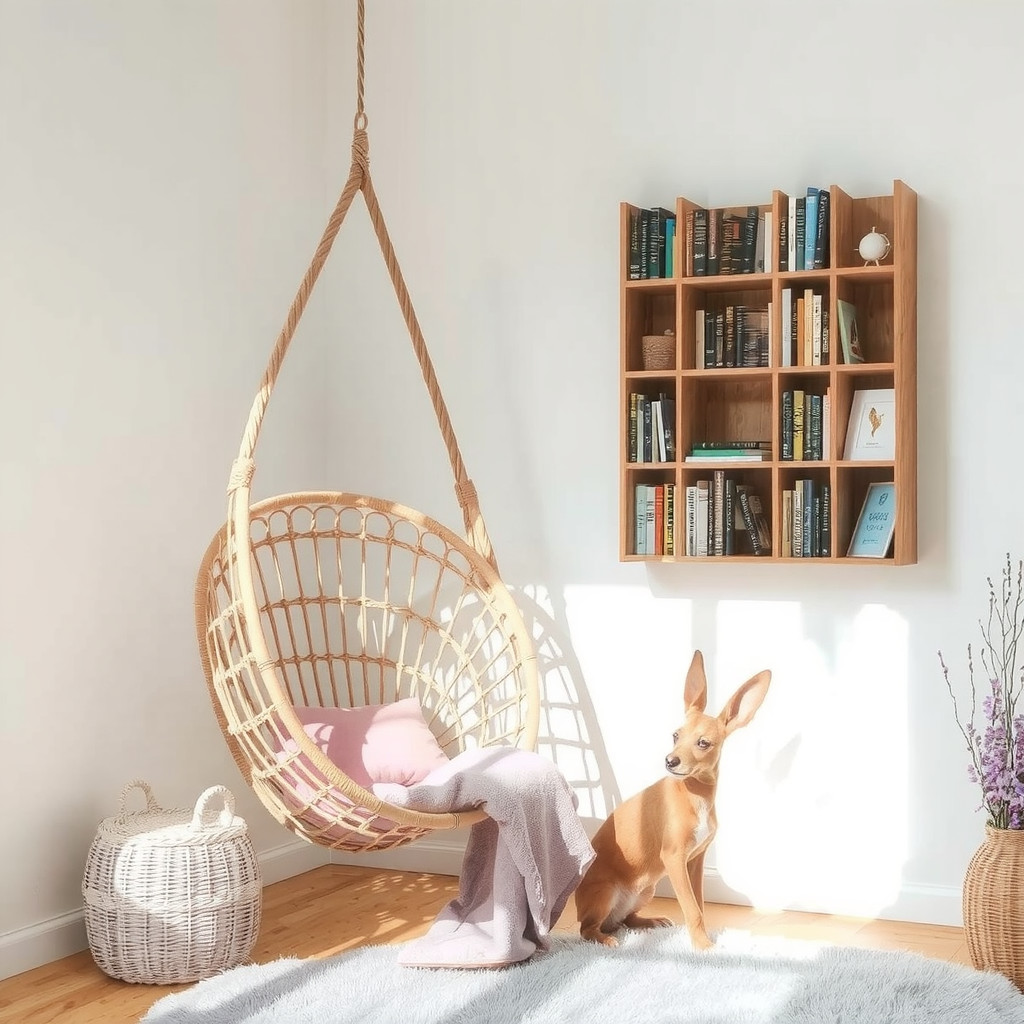
Forget the rigid rules of symmetry that dominate traditional interior design. To achieve a truly whimsical feel, you must embrace asymmetry and organic flow. Arrange your furniture to encourage exploration rather than standard viewing angles. Think of your floor plan as a winding path through a garden rather than a grid.
Consider angling your sofa slightly off-center or creating a cozy conversation pit with mismatched armchairs. Use area rugs to define “islands” of activity—a reading nook here, a creative workspace there. Positioning key pieces in unexpected places, like a loveseat in a wide hallway or a bookshelf acting as a room divider, breaks the visual monotony and invites you to engage with your space in new ways.
Materials and Textiles
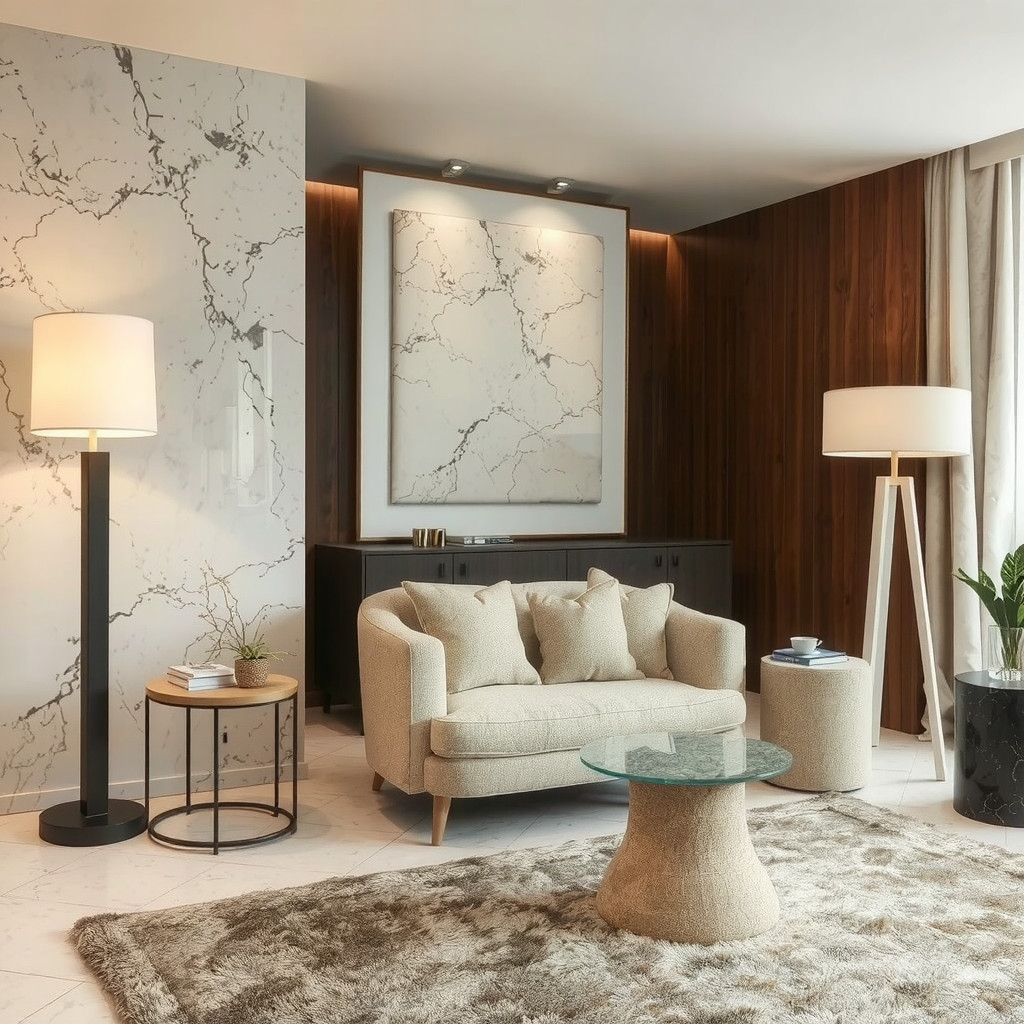
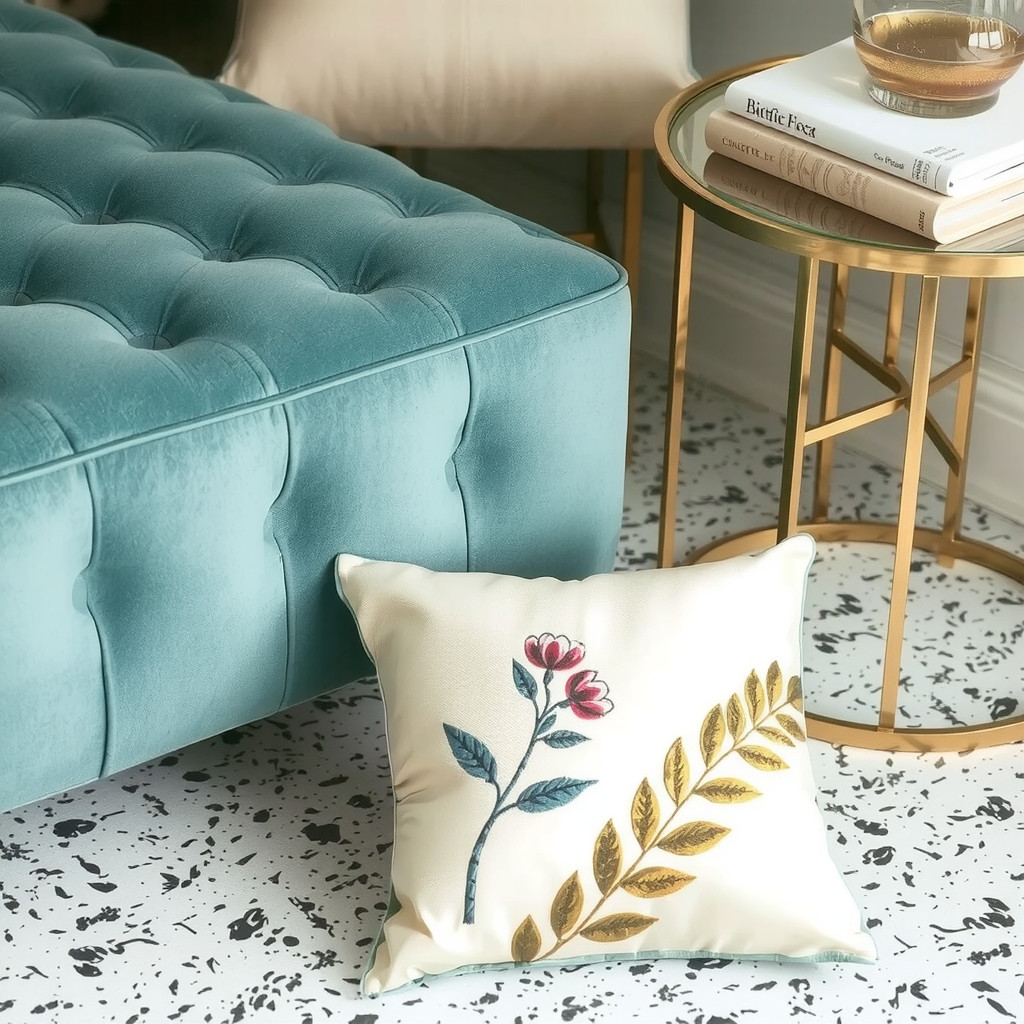
Texture plays a crucial role in grounding the whimsical aesthetic, preventing it from feeling too chaotic. You want to engage the sense of touch just as much as sight. Mix high-end luxury with rustic charm. Pair the smooth, cool touch of marble or brass with the deep, inviting warmth of crushed velvet or boucle.
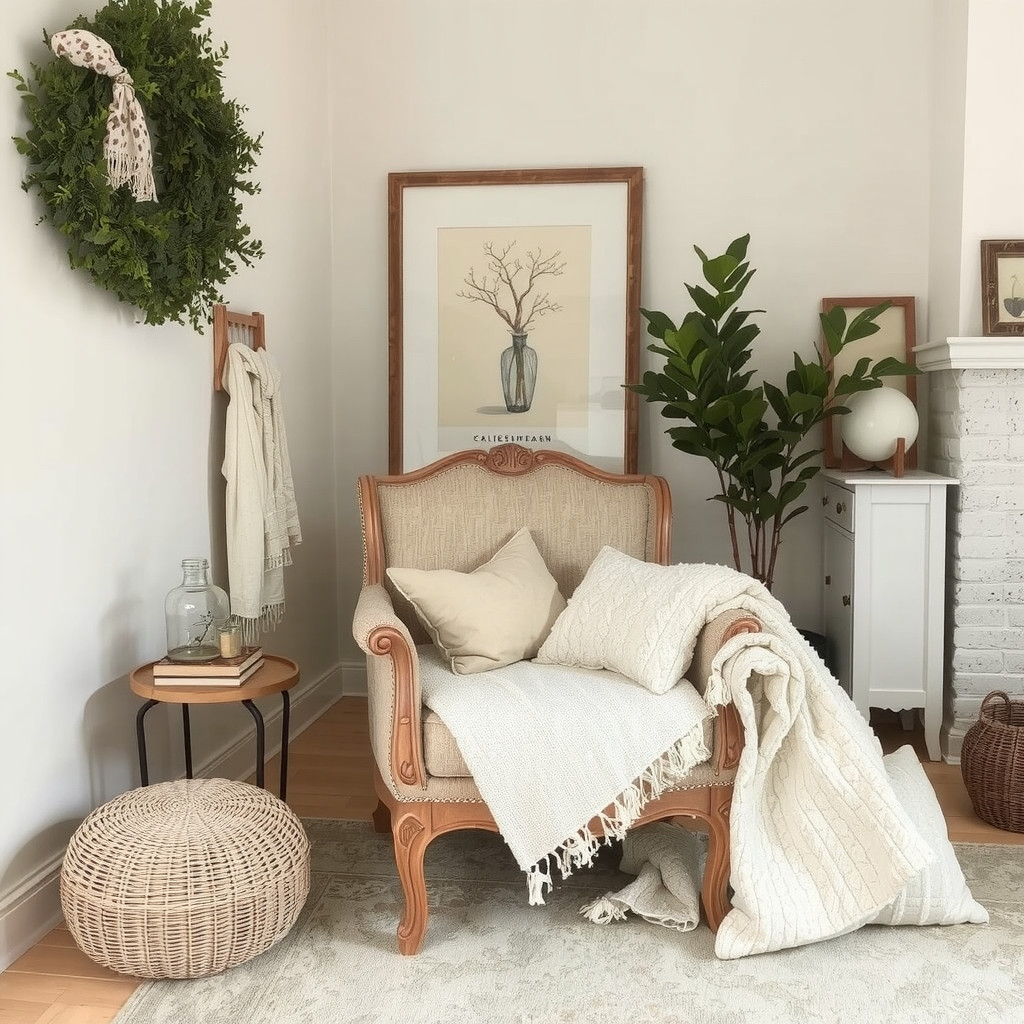
Layering is your best friend here. Drape a chunky knit throw over a sleek, mid-century modern chair. Use curtains that pool slightly on the floor to add a sense of drama and romance. Look for fabrics with subtle, enchanting patterns—perhaps a toile print featuring mythical creatures or a damask that reveals hidden geometries upon closer inspection. These tactile details make the room feel lived-in and dreamlike.
Focal Points
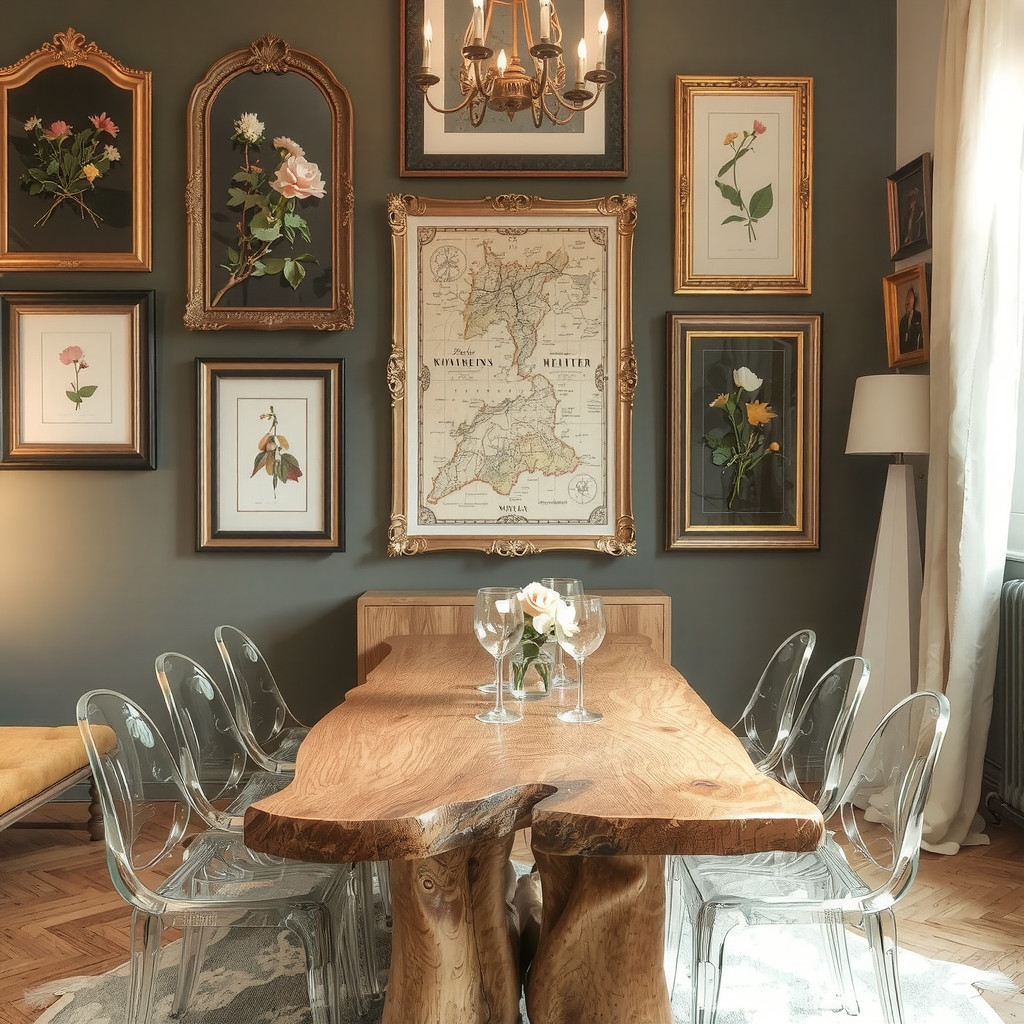
Every room needs a protagonist—a piece that arrests attention and serves as the anchor for your whimsical narrative. This could be a piece of furniture with exaggerated proportions, like a high-back chair that feels like a throne, or an oversized mirror with an ornate, gilded frame.
Wall art is another powerful tool. Instead of a standard gallery grid, try a scattered arrangement of eclectic frames mixing vintage oil paintings with modern abstract prints. Consider a curiosity cabinet filled with unique artifacts, colored glass, and oddities. The focal point should be a conversation starter, a physical manifestation of your unique personality that sets the tone for the rest of the room.
Lighting
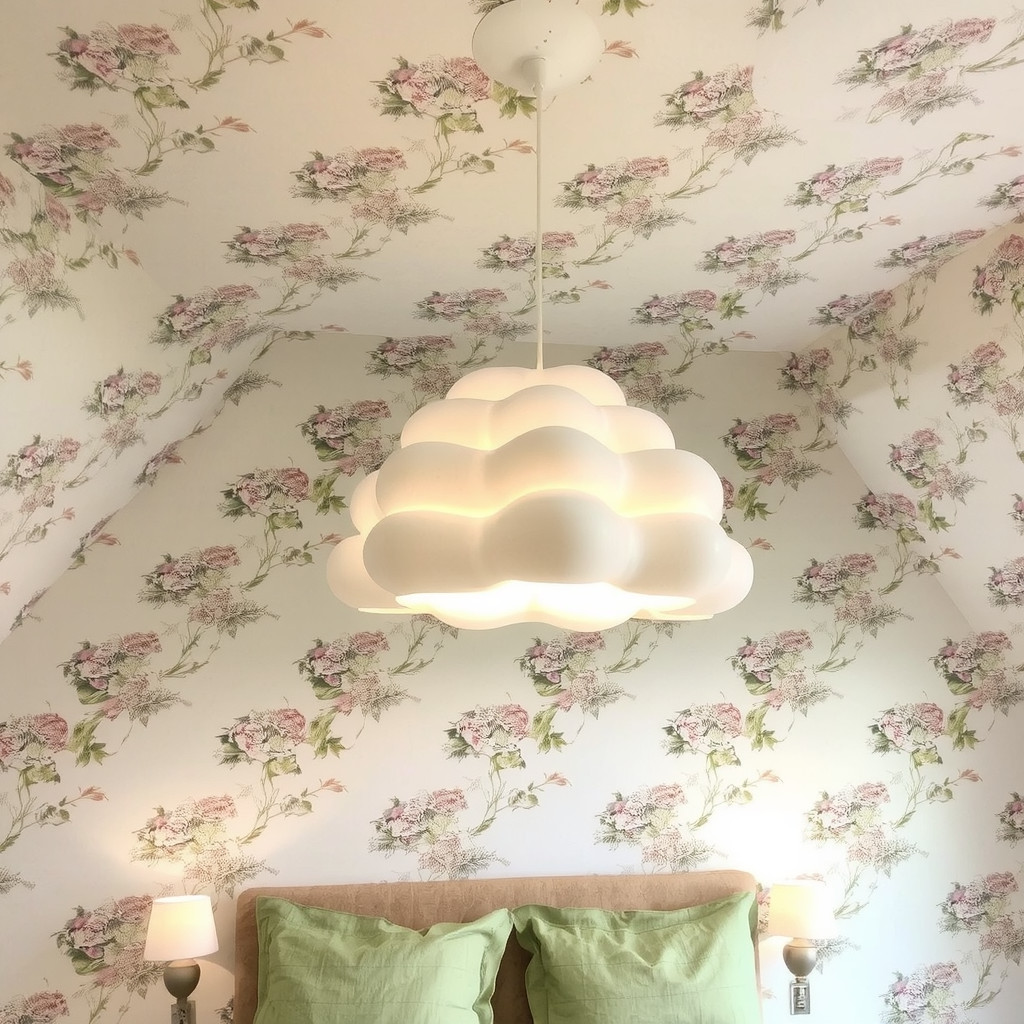
Lighting is the wand you wave to change the mood of your home. Harsh overhead lighting is the enemy of whimsy. Instead, focus on layered, ambient illumination that creates soft shadows and warm pools of light.
Think beyond the standard lamp. Look for fixtures that double as art—pendants shaped like clouds, sconces that resemble branches or flowers, or chandeliers dripping with colorful crystals. String lights aren’t just for dorm rooms; when draped tastefully behind sheer curtains or along a bookshelf, they add a fairy-tale twinkle. Use dimmer switches to control the intensity, allowing you to shift from a bright, energizing morning to a mysterious, cozy evening instantly.
Greenery
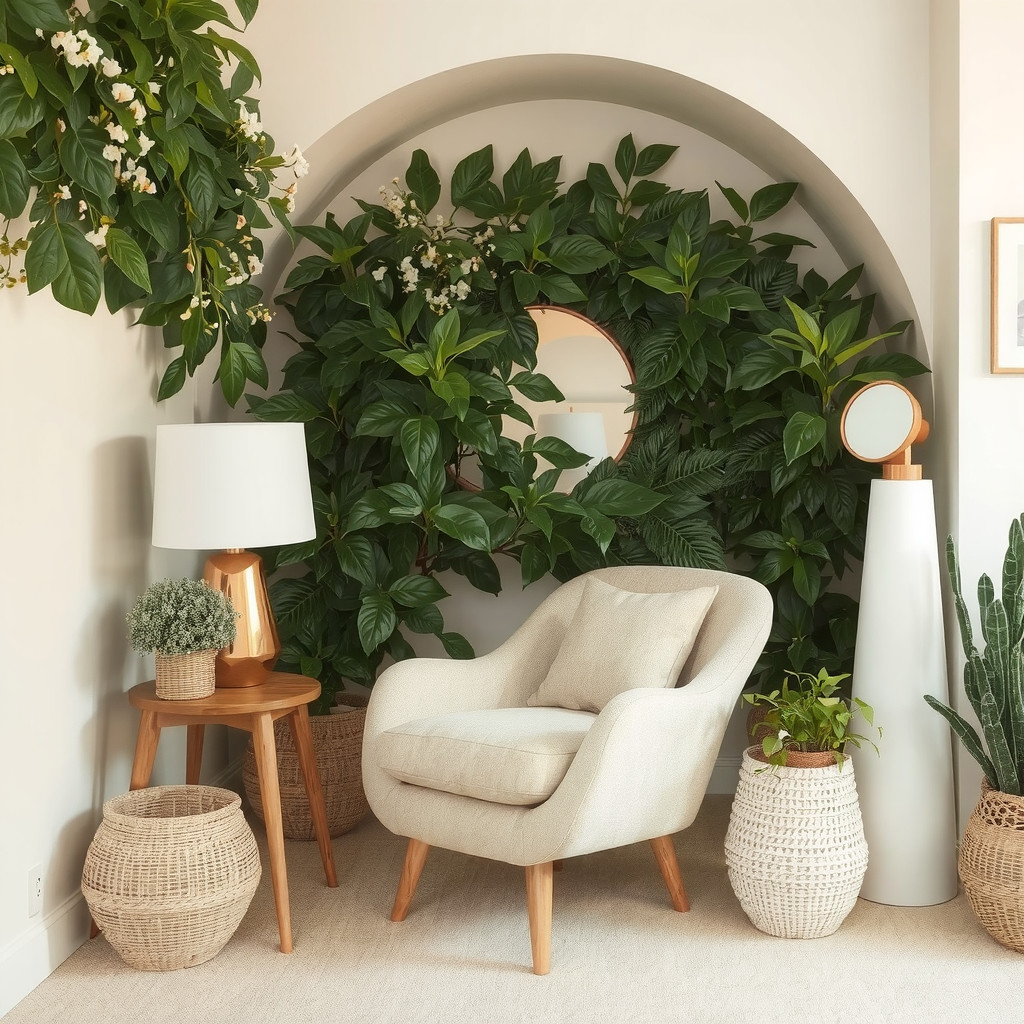
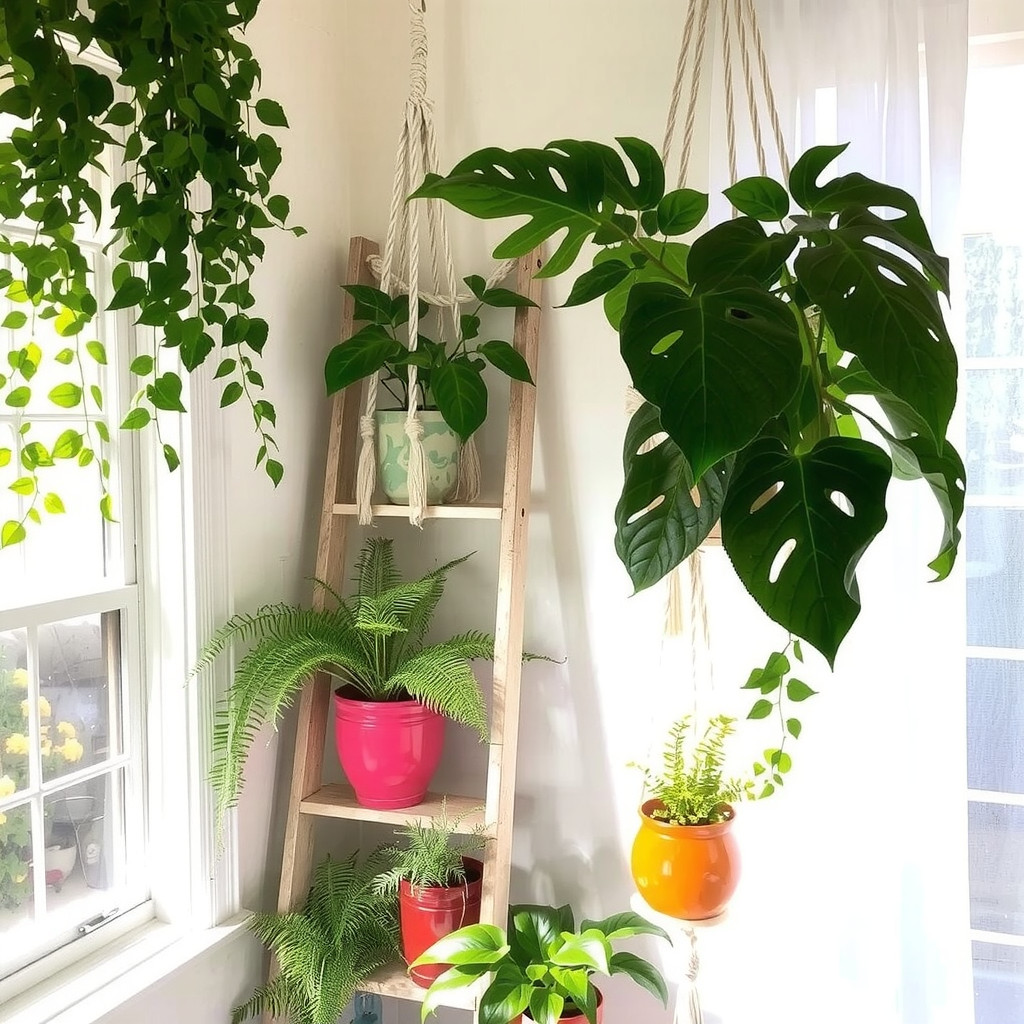
No whimsical home is complete without the vibrancy of nature. Plants bridge the gap between the indoors and the enchanted forest outside. However, don’t just place a pot in the corner; integrate greenery into the very architecture of the room.
Let ivy trail from high shelves or hang planters from the ceiling to draw the eye upward. Use terrariums to create miniature worlds on your coffee table. Large, leafy plants like Monsteras can act as natural sculptures, casting dynamic shadows. The presence of living things adds fresh air and a dynamic, ever-changing element that keeps the decor feeling fresh and alive.
Tips
- Mix Eras: Don’t be afraid to pair a Victorian antique with a neon sign; the contrast creates energy.
- Play with Scale: Combine oversized lamps with miniature art pieces to distort perspective playfully.
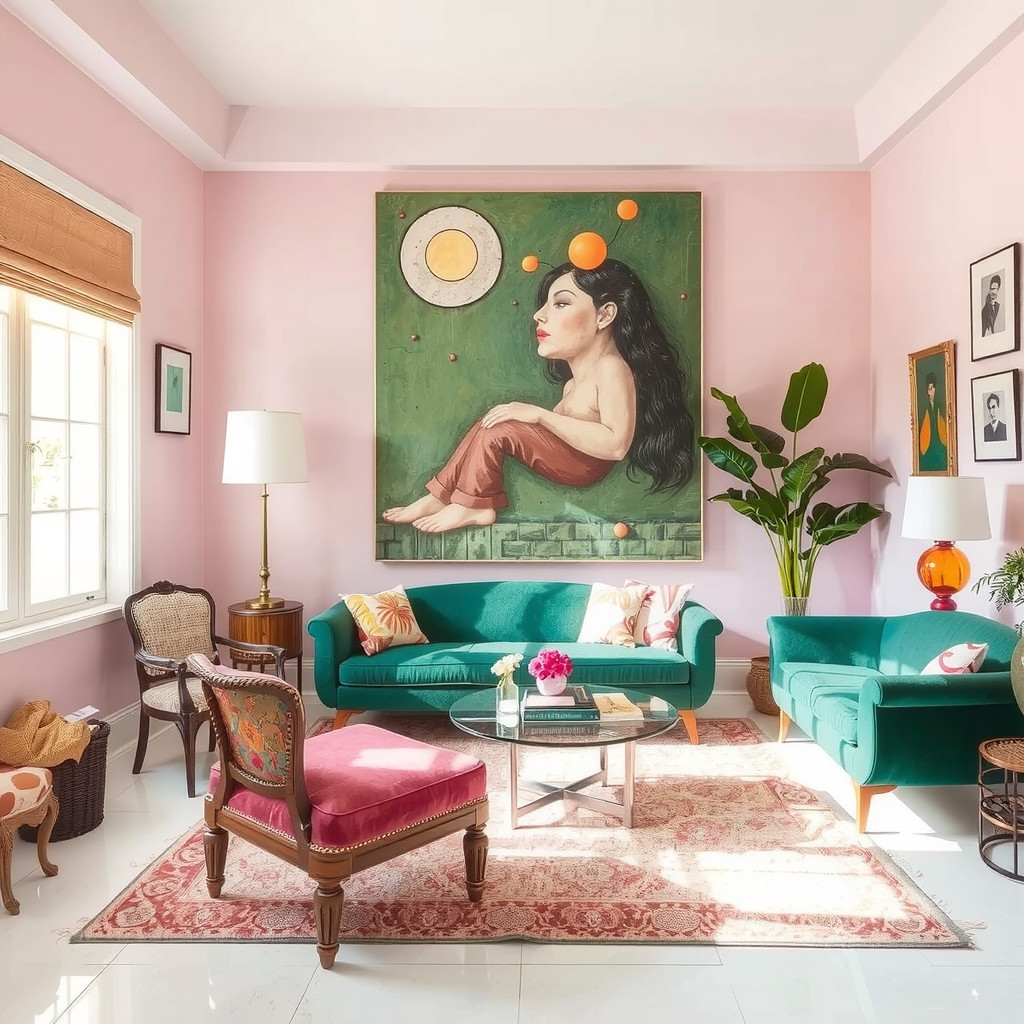
- Color Confidence: Use a neutral base but splash bold, unexpected colors like chartreuse or peacock blue in accents.
- Hidden Details: Paint the inside of a closet or the back of a bookshelf a bright color for a secret surprise.
- Personal Artifacts: Display items that have sentimental value or a funny backstory rather than just store-bought filler.
ADVERTISEMENT