ADVERTISEMENT
Nostalgic Comfort: Mastering the Grandmacore Aesthetic
In a world that often prioritizes sleek minimalism and digital interfaces, there is a quiet revolution taking place in our homes. You might feel a pull toward spaces that feel undeniably lived-in, rooms that wrap you in a warm embrace the moment you step across the threshold. This is the essence of grandmacore—a celebration of nostalgia, comfort, and the tactile joy of traditional homemaking. It is not about replicating a museum of the past, but rather curating a space that values history, craftsmanship, and cozy indulgence.
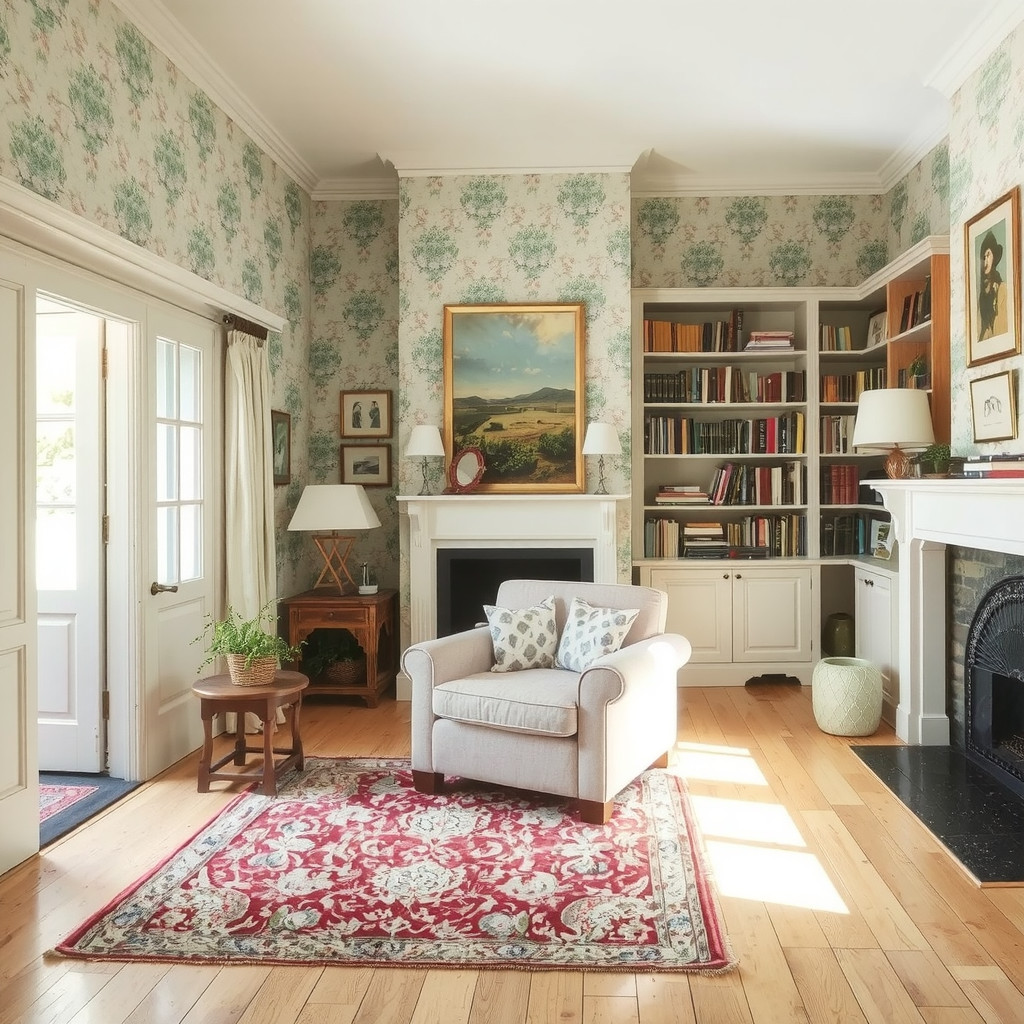
The style invites you to slow down. It encourages you to display the sentimental knick-knacks that spark joy and to favor furniture that invites lounging over posturing. By blending vintage treasures with soft, romantic accents, you create a sanctuary that feels safe, personal, and timeless.
Layout and Positioning
When arranging your grandmacore sanctuary, forget the rigid rules of modern symmetry. Your goal is to create intimacy and facilitate connection, whether that’s with guests or with a good book. Pull furniture away from the walls to create cozy conversation circles. A layout that feels slightly cluttered—in a curated, charming way—is preferable to vast, empty spaces.
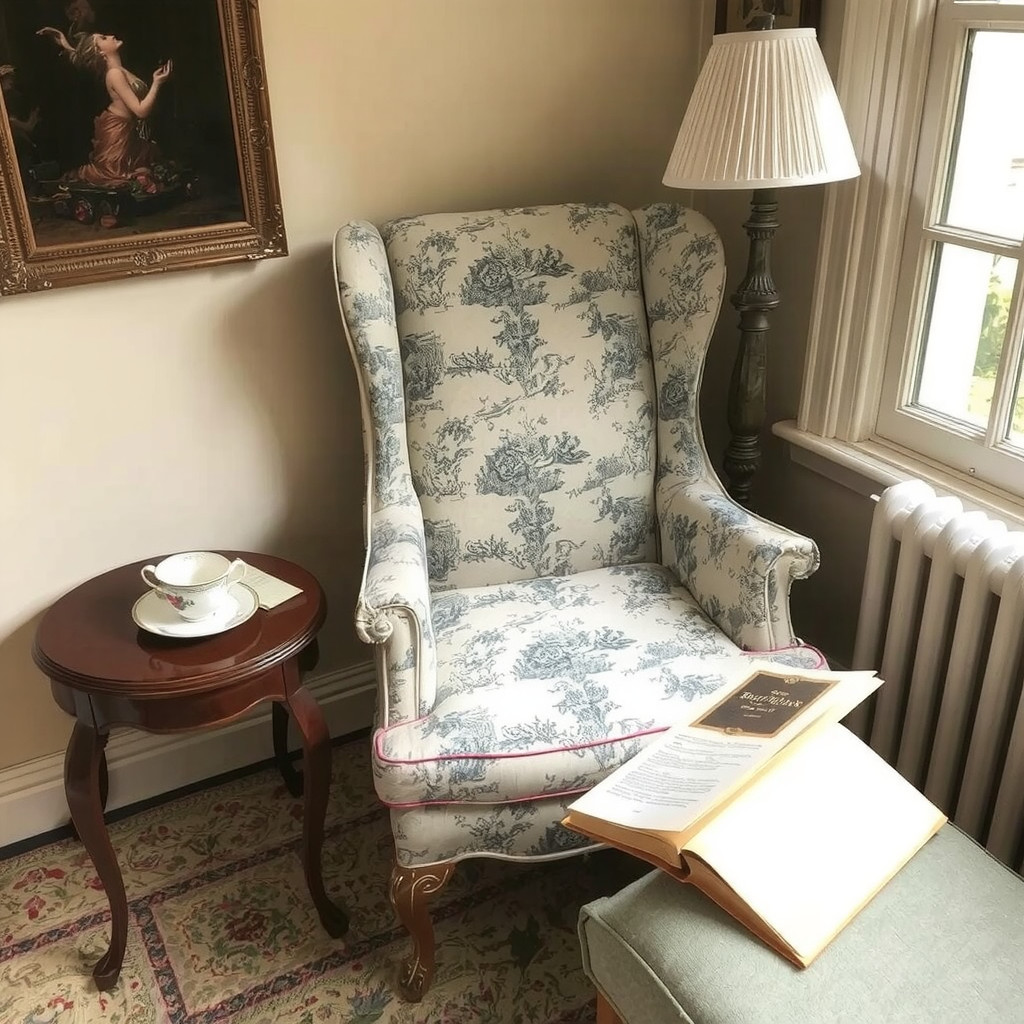
Dedicate specific corners to solitary pleasures. A reading nook is essential. Position a comfortable chair near a window or beside a fireplace, accompanied by a side table large enough for a teapot and a stack of novels. These little vignettes within a larger room add depth and reinforce the narrative of a home designed for leisure and comfort.
Materials and Textiles
Texture is the heartbeat of this aesthetic. You want to layer materials that beg to be touched. Move away from cold metals and plastics; instead, embrace the warmth of natural wood, the weight of velvet, and the intricate detail of lace. Mixing patterns is not just allowed; it is encouraged. Pair a floral chintz sofa with a plaid wool blanket, or layer a hand-hooked rug over a larger sisal carpet.
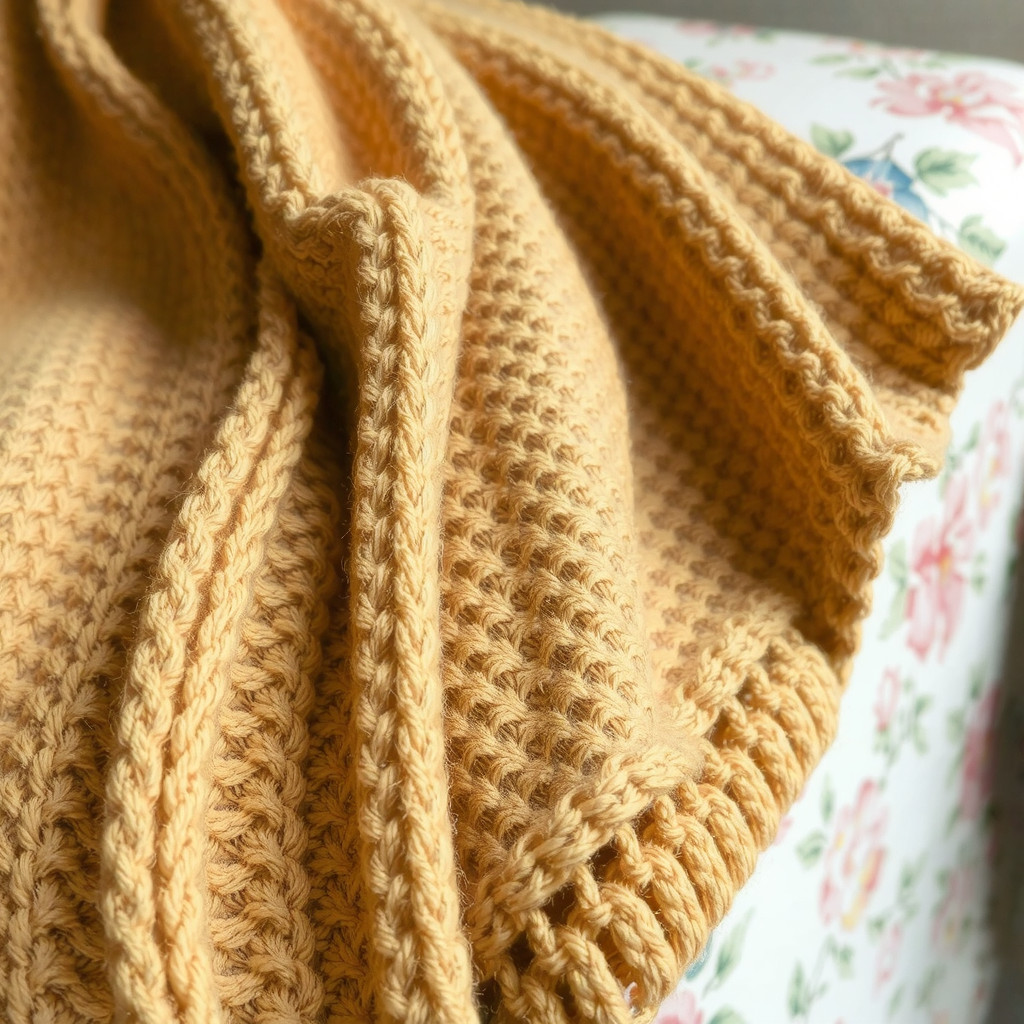
Needlework creates an immediate connection to the handmade quality of the past. draped crochet throws, embroidered pillowcases, and macramé wall hangings soften the hard edges of furniture. These textiles absorb sound and soften the light, contributing to the overall hushed, serene atmosphere of the room.
Focal Points
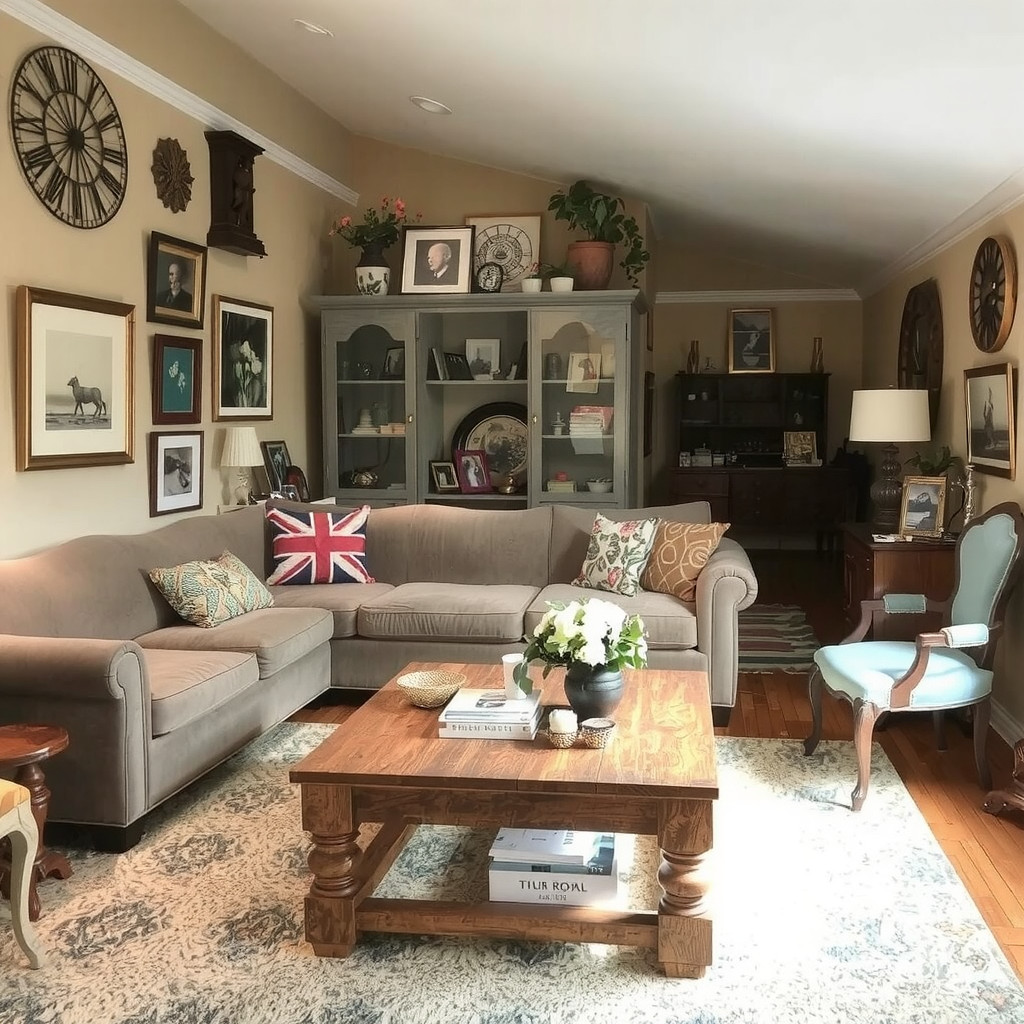
Every grandmacore room needs a soul, often found in a piece of furniture dedicated to display. An antique china cabinet or a sturdy wooden hutch serves as a perfect stage for your collections. This is where you showcase mismatched tea sets, porcelain figurines, or a library of well-worn hardbacks.
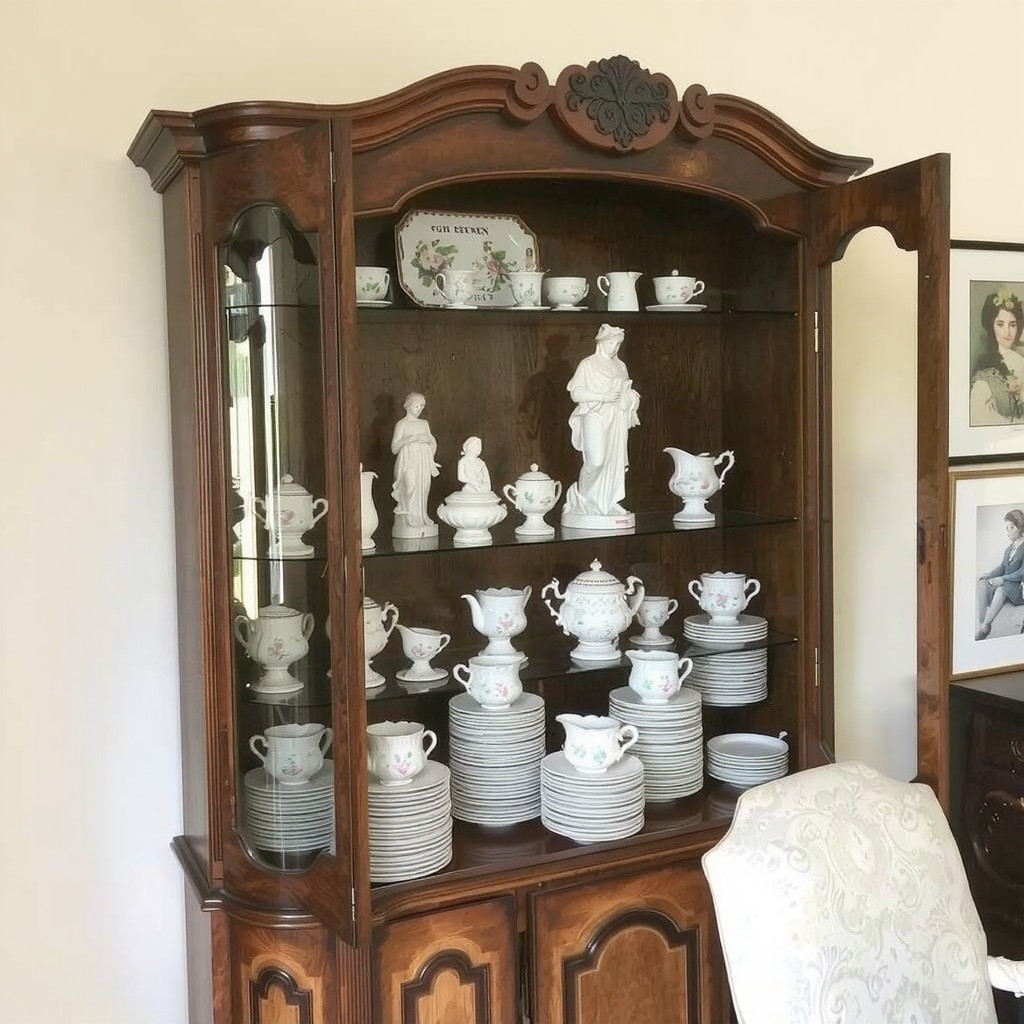
Do not hide your hobbies or your history. If you have a collection of vintage clocks or framed botanical prints, group them together to create a gallery wall. These focal points act as conversation starters and ground the room in a sense of personal history and curated whimsy.
Lighting
Harsh, cool-toned overhead lighting is the enemy of the cozy aesthetic. You want to cultivate a golden, amber glow that mimics candlelight or the late afternoon sun. Rely heavily on table lamps and floor lamps to create pools of illumination rather than washing the whole room in brightness.
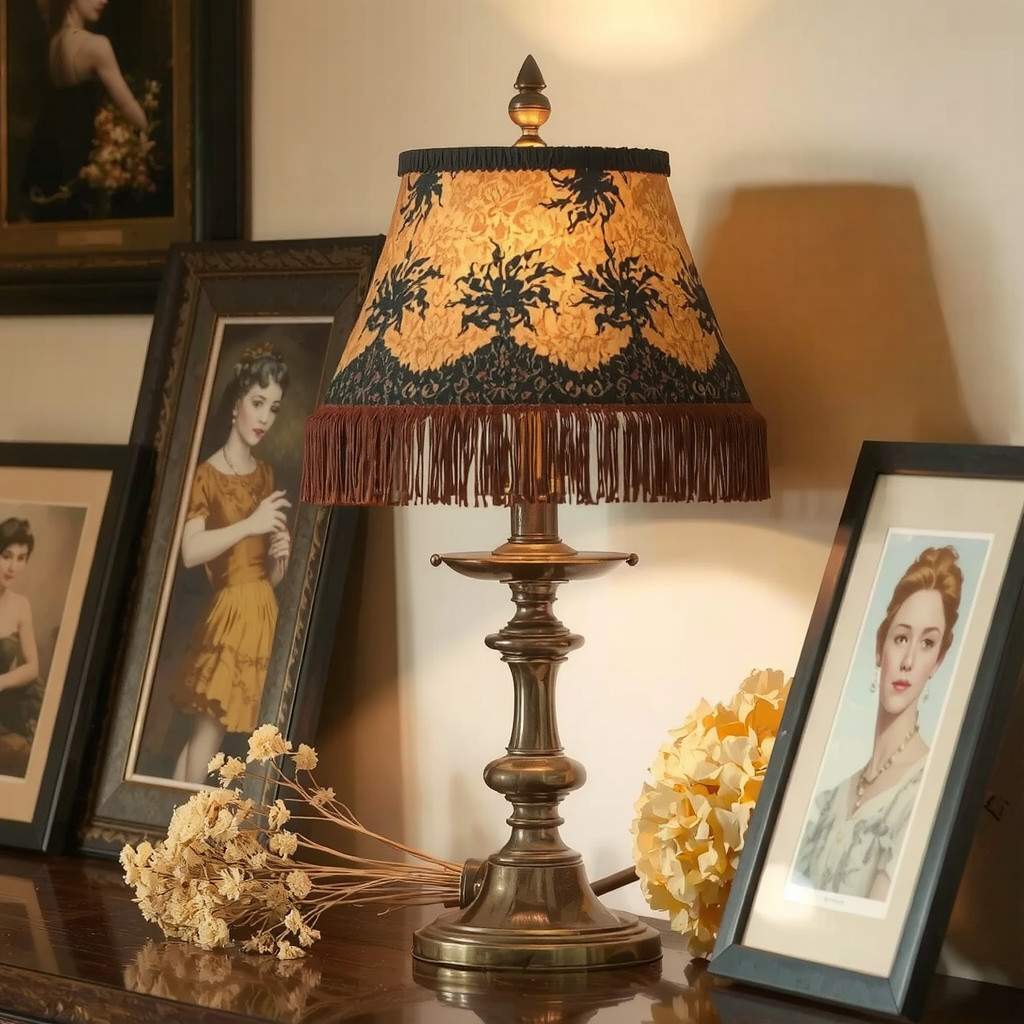
Look for lamp bases made of brass, ceramic, or colored glass. Shades should be fabric—pleated silk, floral prints, or fringed edges add that necessary touch of vintage drama. The quality of light should be soft and diffusion is key to achieving that dreamy, nostalgic filter over your decor.
Greenery
Plants in a grandmacore home are less about architectural statement pieces and more about lush, wild abundance. Avoid the sharp lines of snake plants or the trendy minimalism of a single cactus. Instead, opt for leafy, trailing varieties that suggest an English cottage garden brought indoors.
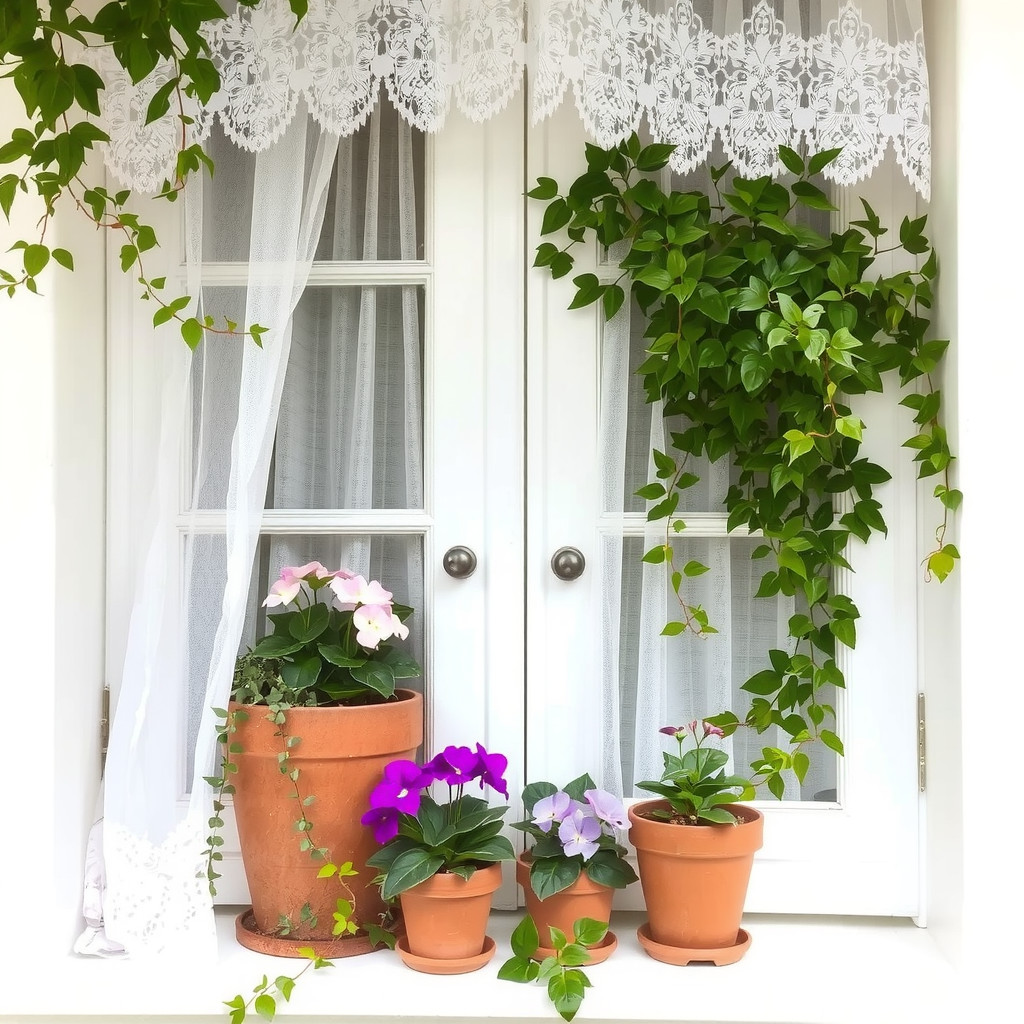
Ferns, ivy, and African violets are classic choices. Display them in terracotta pots, woven baskets, or repurposed teacups. Cluster them on windowsills or let them spill from hanging macramé planters to blur the lines between the indoors and the natural world outside.
Tips
- Embrace Imperfection: Chips in china or scratches on wood tell a story; do not rush to fix them.
- Thrift Everything: The most authentic pieces are found in flea markets, estate sales, and charity shops, not big-box stores.
- Scent Matters: Enhance the visual vibe with olfactory nostalgia—think vanilla, lavender, rose, or baking spices.
- Handmade Touches: If you knit, sew, or paint, display your own creations alongside your vintage finds.
- Pattern Play: Start with a cohesive color palette (like dusty rose, sage, and cream) to keep mixed patterns from feeling chaotic.
ADVERTISEMENT