ADVERTISEMENT
Rediscovering Comfort: The Art of Grandmacore Living
There is a distinct shift happening in modern interiors, a movement away from the sterile lines of minimalism toward something far more soulful. You might find yourself craving a space that feels like a warm hug, a home that prioritizes nostalgia and tactile comfort over perfection. This is the essence of Grandmacore—an aesthetic that celebrates the cozy, lived-in charm of a bygone era while keeping it functional for today.
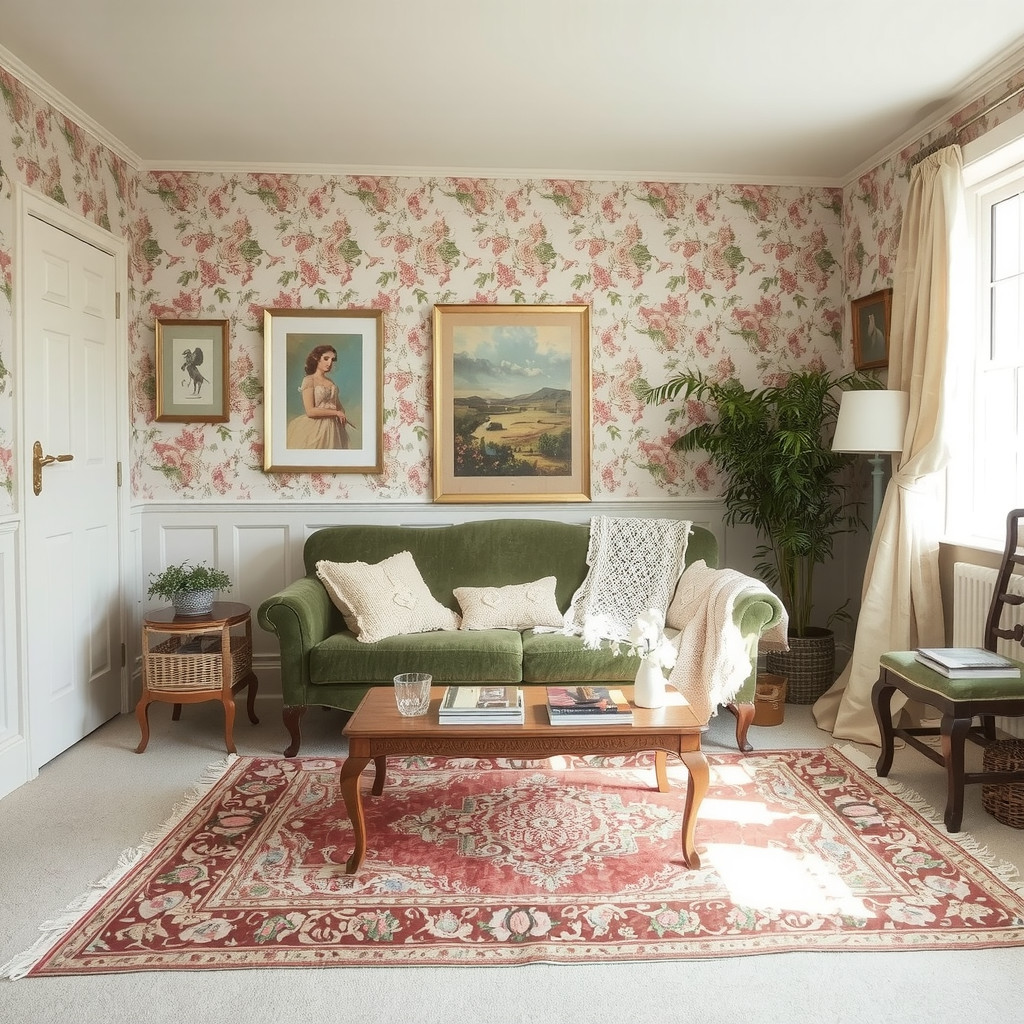
It isn’t about clutter or being old-fashioned; it is about curation and sentimentality. When you walk into a room designed with this ethos, you should feel an immediate sense of ease, surrounded by objects that tell a story and textures that invite you to sit and stay a while.
Layout and Positioning
To achieve this look, you need to rethink how you arrange your furniture. Forget the rigid symmetry of modern showrooms. Instead, you should focus on creating intimate “conversation pockets” where engagement feels natural. Pull your seating away from the walls and group armchairs closer together to encourage connection.
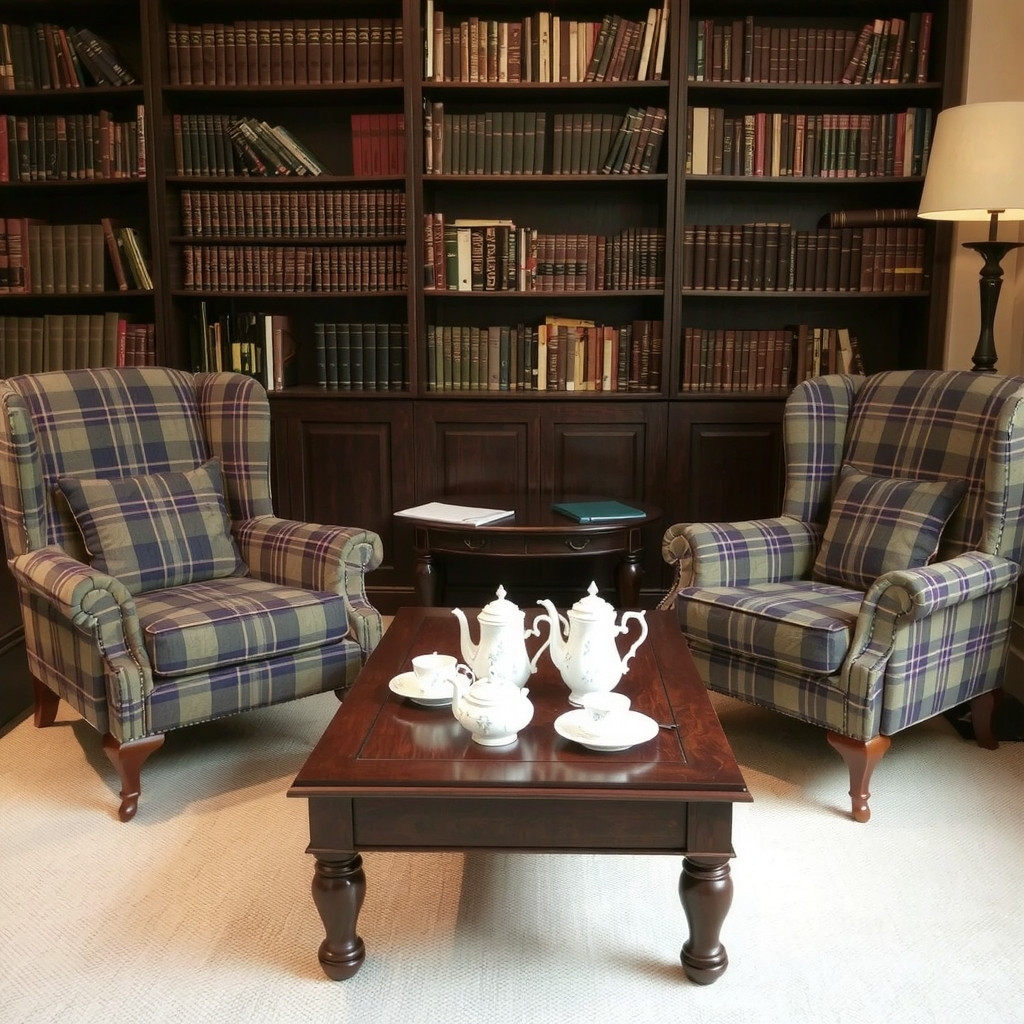
Consider the flow of the room as a journey through comfort. Place a sturdy ottoman in front of a sofa to act as both a footrest and a coffee table, or position a writing desk near a window to create a dedicated nook for reflection. The goal is to make every square foot feel purposeful and inhabited, avoiding vast empty spaces that feel cold or uninviting.
Materials and Textiles
Texture is the heartbeat of this style. You want to layer materials that feel good against the skin and look rich to the eye. Start with the basics: think heavy velvets, durable wools, and soft cottons. Pattern plays a massive role here, so do not be afraid to mix floral chintz with classic tartans or gingham.
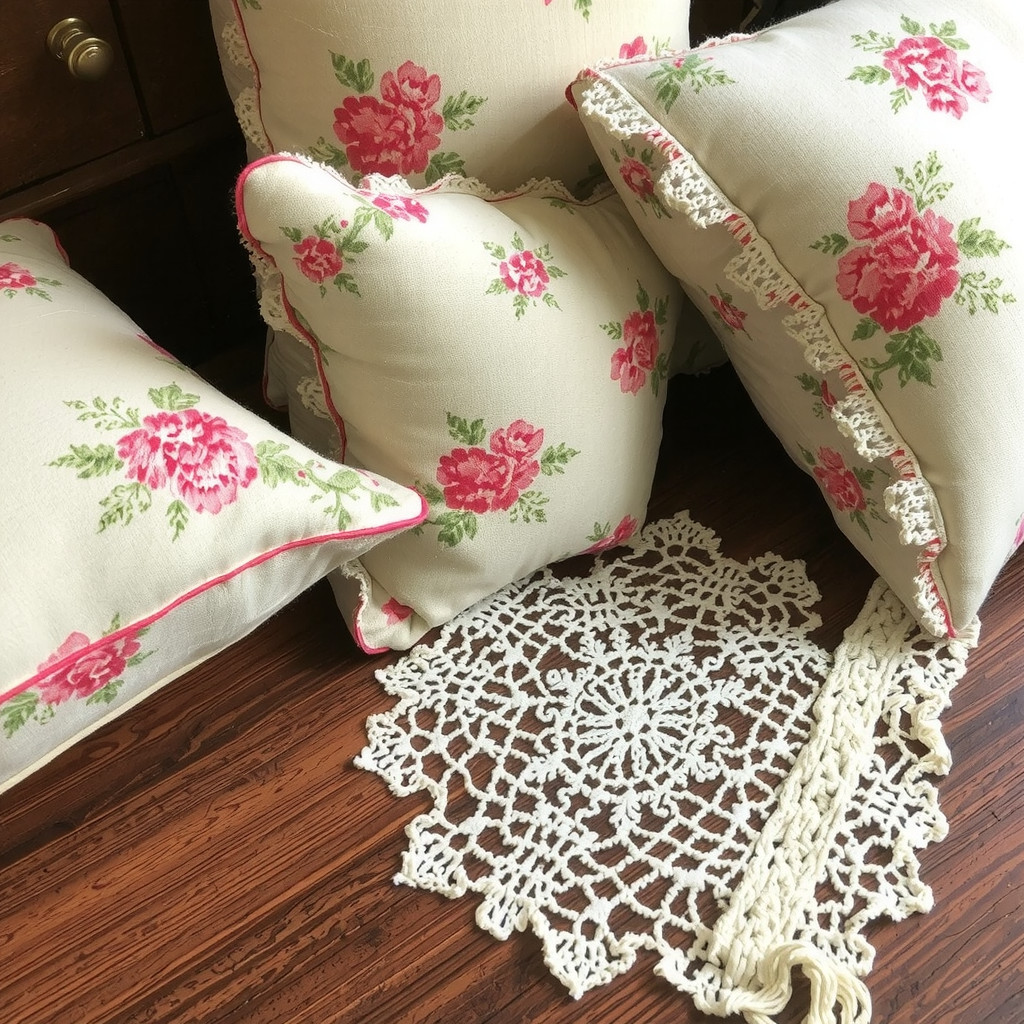
Drape a hand-knitted crochet throw over the back of a sofa or stack embroidered cushions on a window seat. The contrast between a smooth, polished wood surface and a rough, tactile wool blanket creates a sensory experience that defines the aesthetic. Lace doilies, once considered dated, can be used sparingly under lamps or vases to add a delicate layer of history to your surfaces.
Focal Points
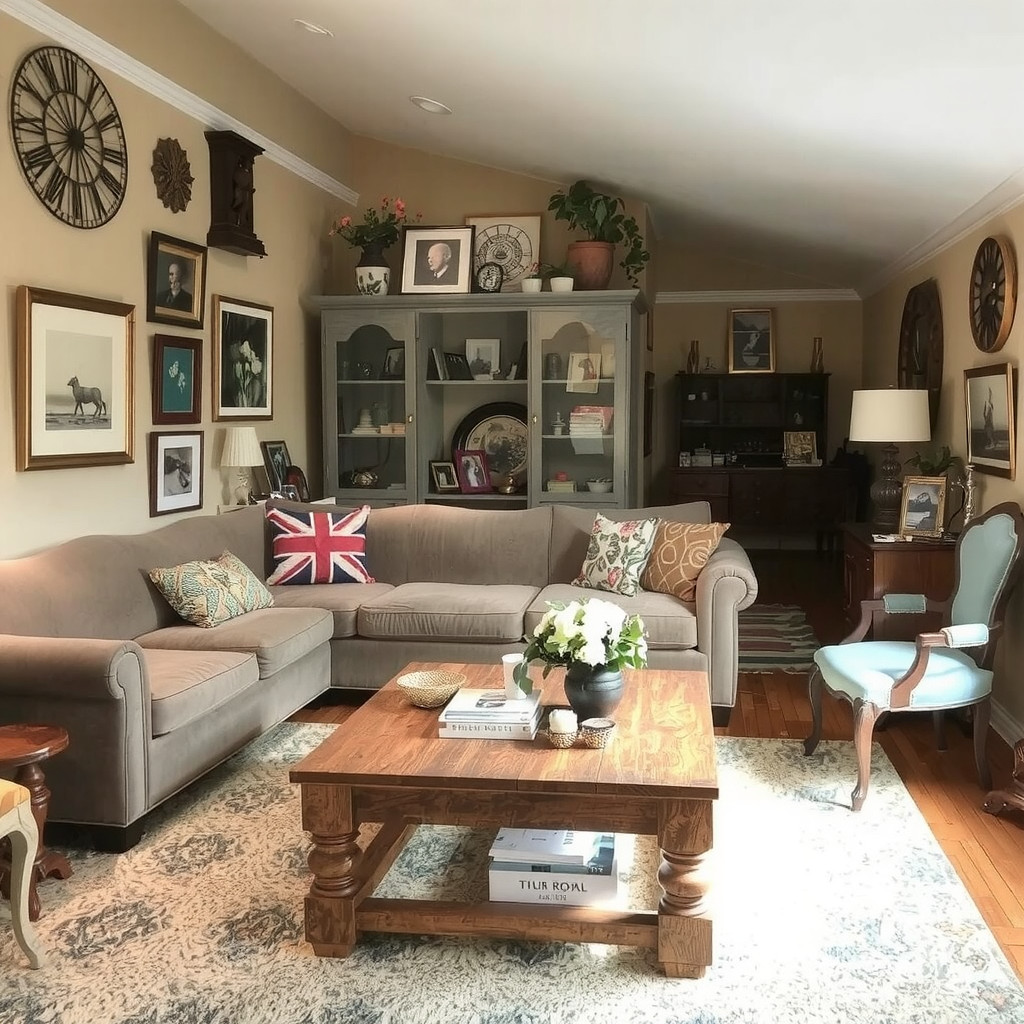
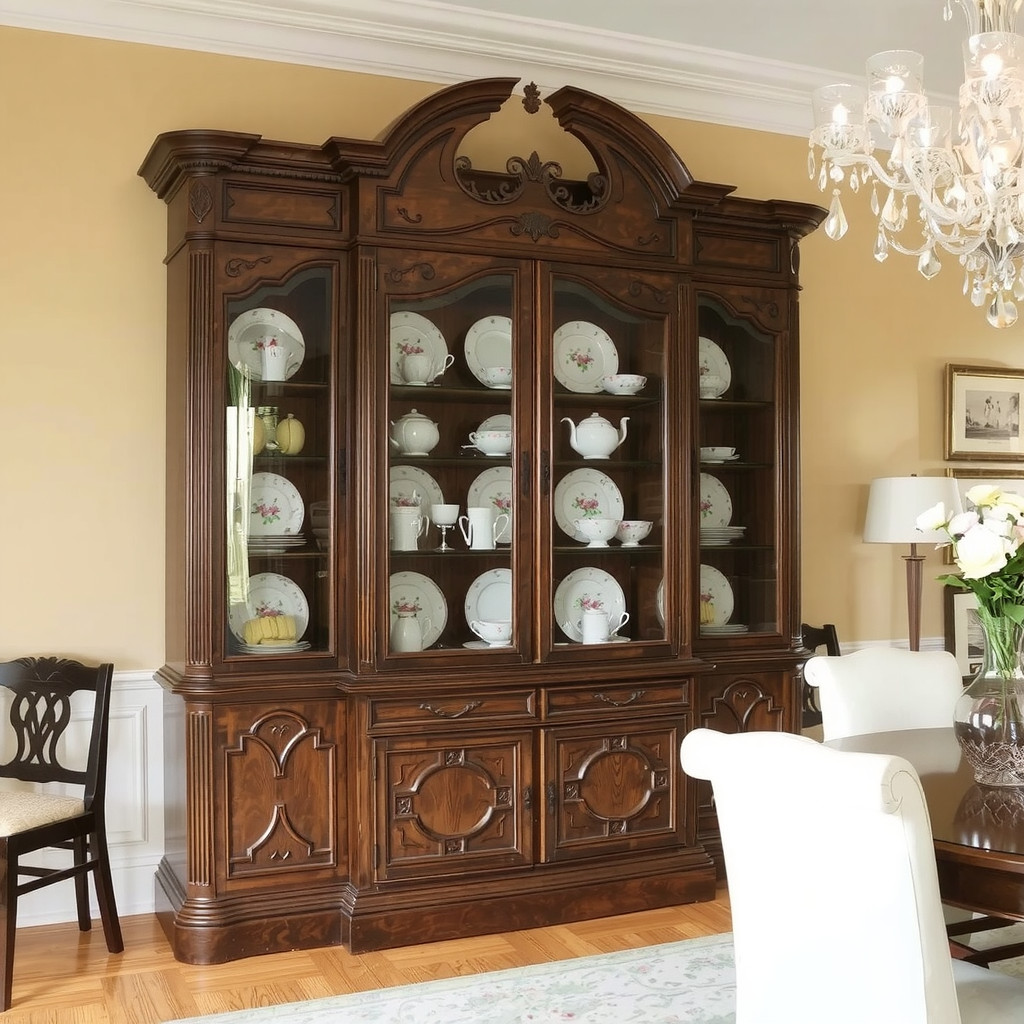
Every room needs an anchor, a piece that draws the eye and sets the tone. In a Grandmacore home, this is often a piece of furniture with heritage. A china cabinet or a hutch is perfect for this, allowing you to display collections of porcelain, glassware, or interesting curios without them taking over surface space.
If you don’t have a large cabinet, a gallery wall of mismatched vintage frames can serve as a stunning focal point. Mix botanical prints, oil paintings, and sepia photographs to create a collage of memories. The key is to arrange them densely; this style embraces a “more is more” philosophy when it comes to wall art, creating a tapestry of visual interest.
Lighting
The “big light” has no place here. To truly capture the mood, you must rely on ambient lighting sources that cast a warm, golden glow. Avoid harsh white LEDs and opt for soft white or warm bulbs. Table lamps are your best friends in this design scheme.
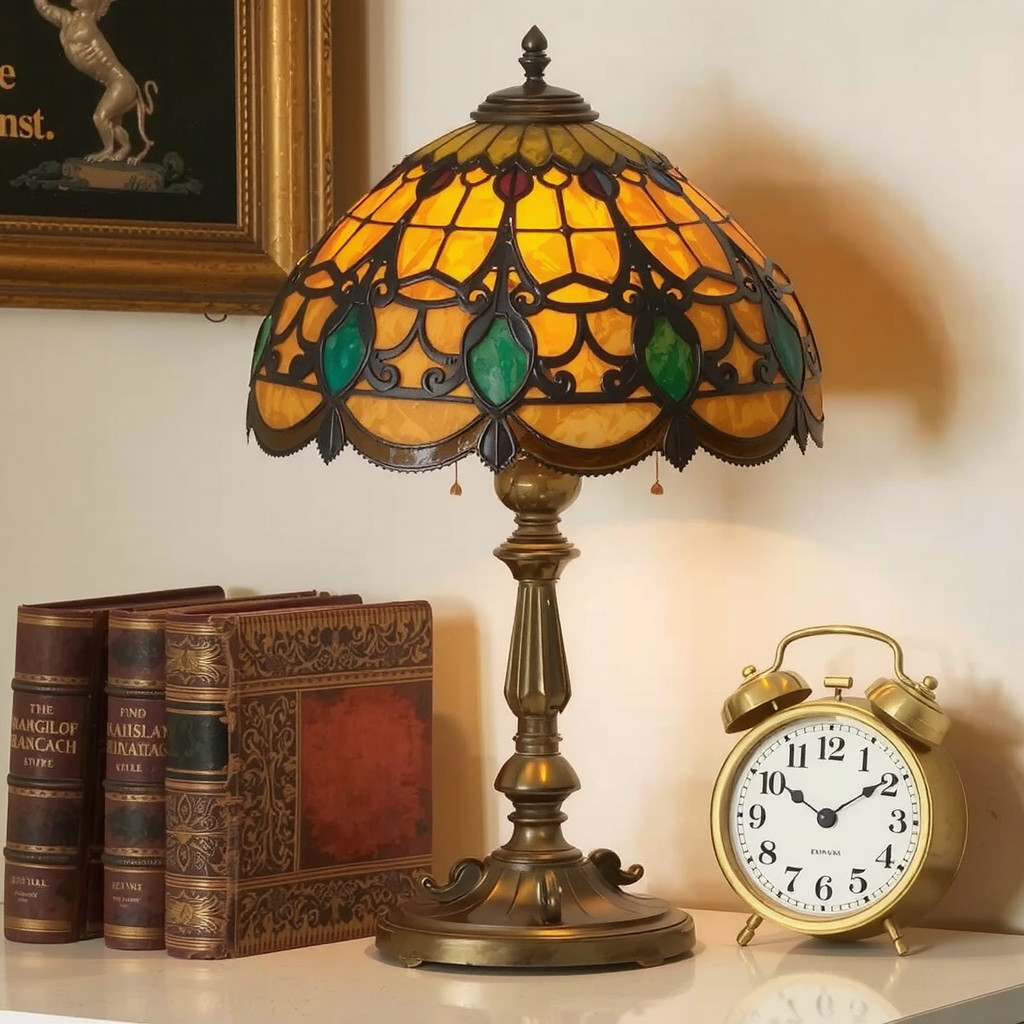
Look for lampshades with character—fringed edges, pleated fabric, or stained glass Tiffany styles. Place them on side tables, mantles, and bookshelves to create pools of light that highlight specific areas rather than washing out the whole room. This layered lighting approach enhances the cozy atmosphere and makes the rich colors of your textiles pop.
Greenery
No nostalgic home is complete without a touch of nature. However, instead of the trendy oversized fiddle leaf figs, you should look toward classic, humble houseplants that have stood the test of time. Potted ferns, African violets, and spider plants fit perfectly into this aesthetic.
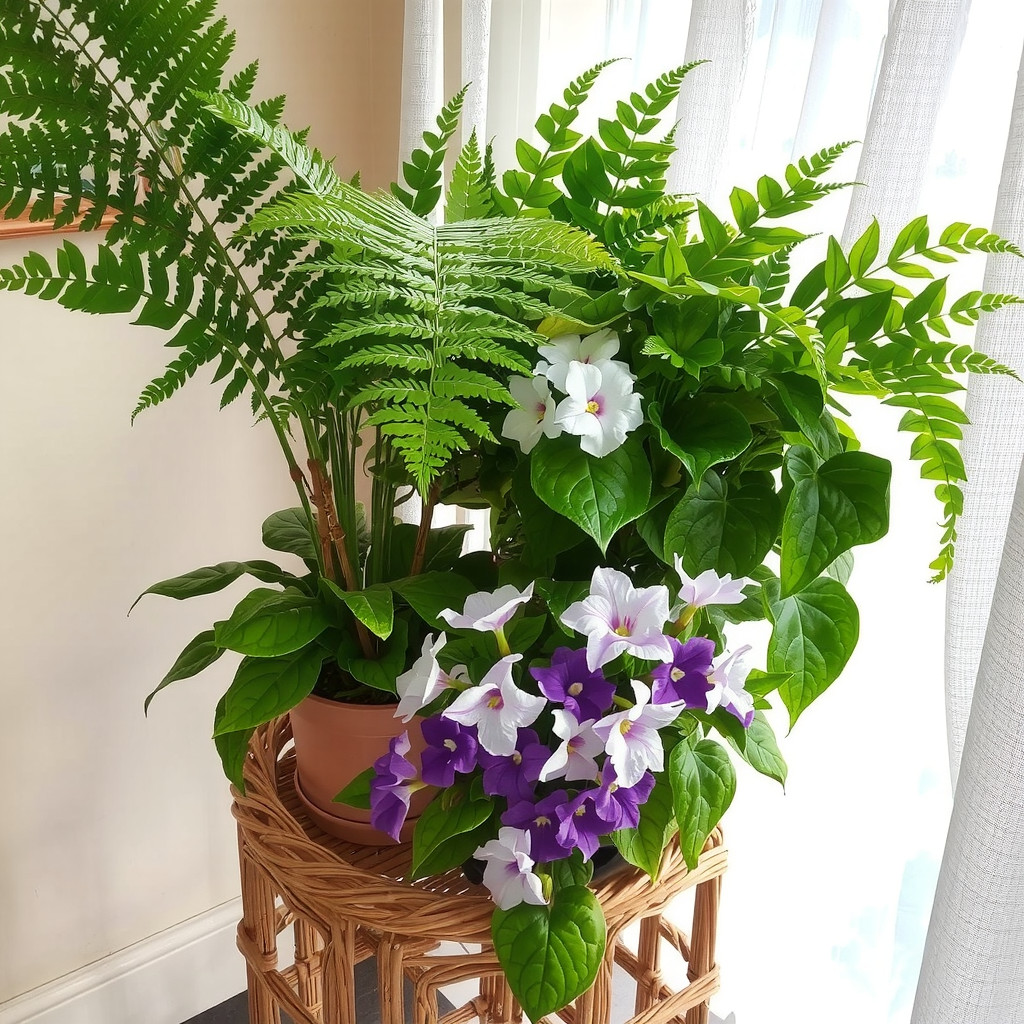
Display your greenery on wicker plant stands or hang them in macramé planters near windows. The juxtaposition of vibrant green leaves against floral wallpapers or dark wood furniture breathes life into the space, ensuring that your vintage-inspired home feels fresh and vibrant rather than dusty or stagnant.
Tips
- Layer Patterns: Don’t be afraid to mix a floral rug with a striped armchair; as long as the color palettes share a common tone, they will harmonize.
- Thrift with Purpose: Visit antique shops and flea markets to find unique accessories like brass candlesticks or ceramic figurines that add authentic character.
- Use Trays: Corral smaller knick-knacks on silver or wooden trays to keep surfaces looking curated rather than cluttered.
- Embrace Imperfection: Scratches on wood or faded fabric add to the charm and narrative of the home, so don’t rush to fix every flaw.
- Scent Matters: Enhance the visual vibe with scents of vanilla, lavender, or baking spices to complete the sensory experience.
ADVERTISEMENT