ADVERTISEMENT
Introduction
Your bedroom should be more than just a place to sleep; it needs to be a restorative sanctuary that actively promotes relaxation. Integrating nature into your personal space is a proven method to lower stress levels and improve air quality, both of which are essential for deep, restorative slumber. By selecting the right botanical companions, you can transform a stagnant room into a breathing ecosystem that works while you rest.
Layout and Positioning
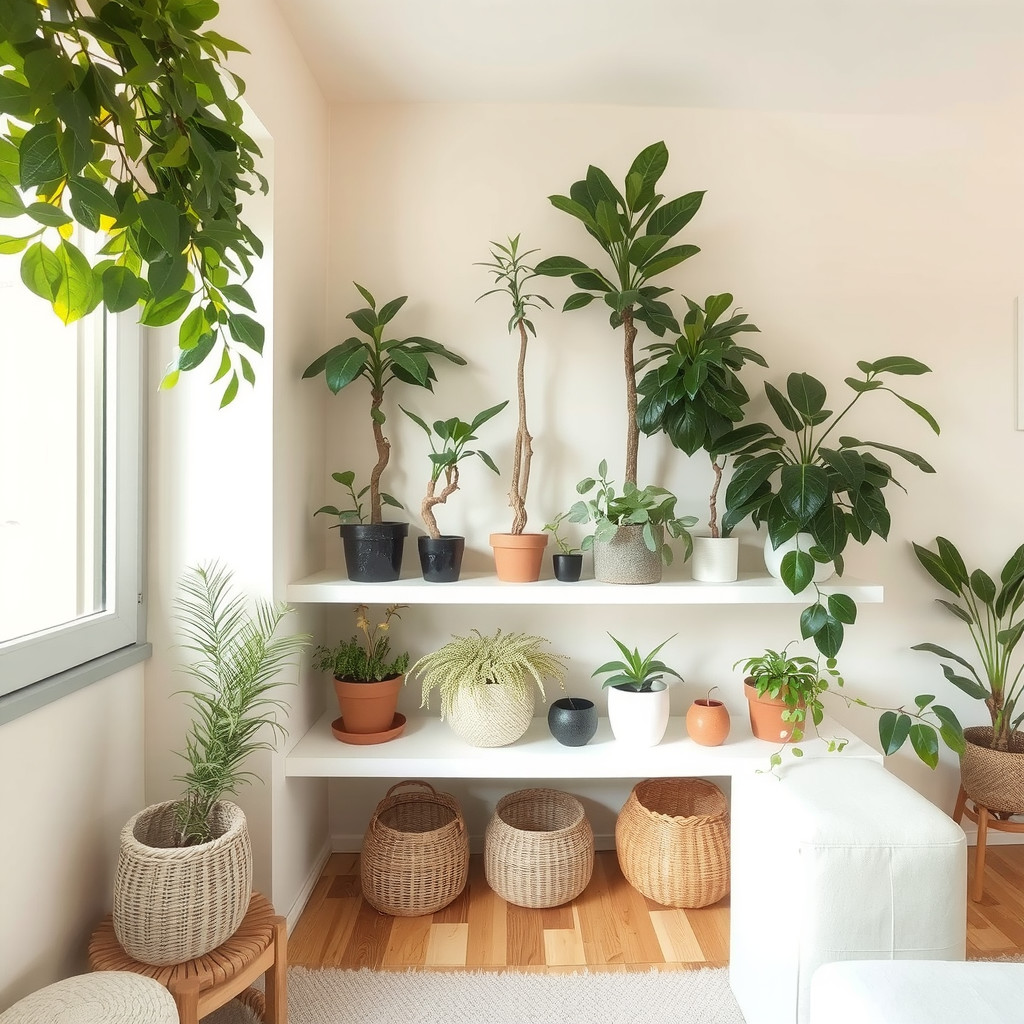
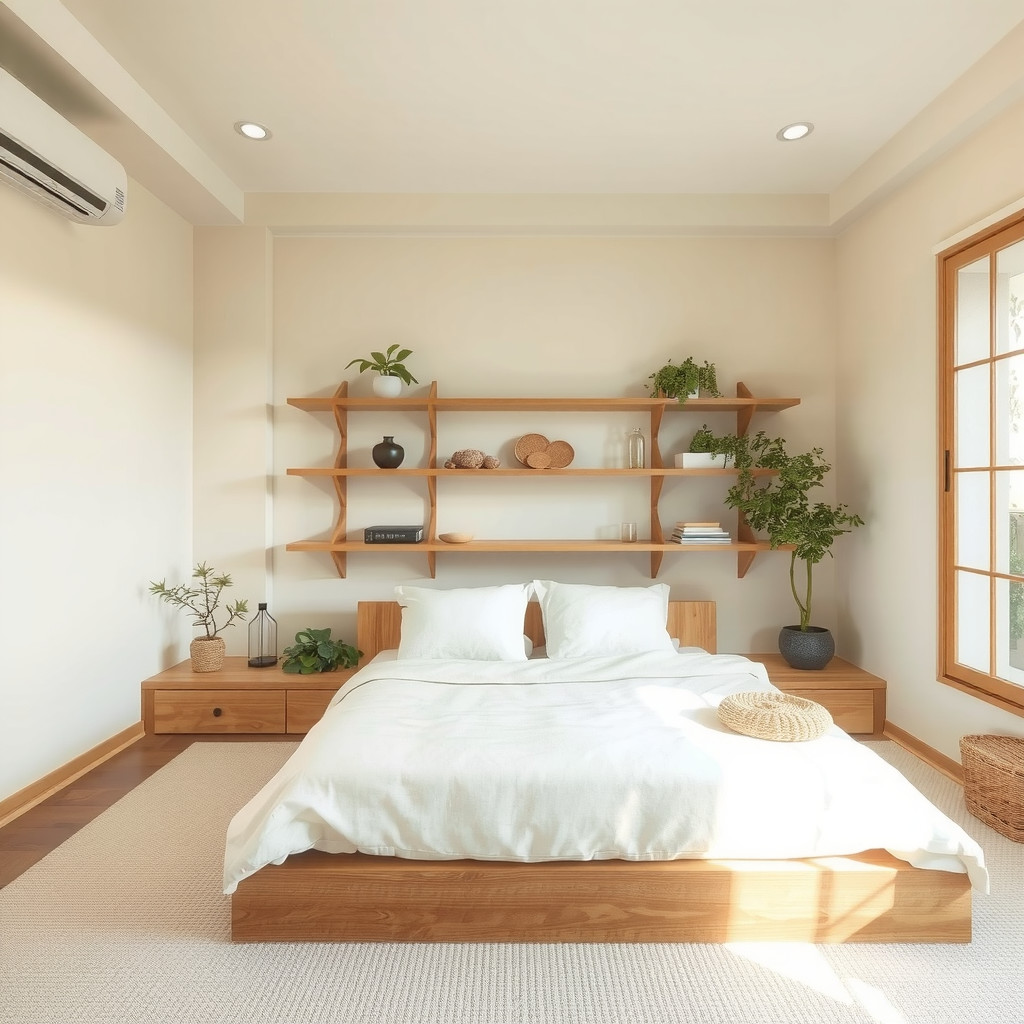
The arrangement of your greenery dictates the flow and energy of the room. Avoid overcrowding your bedside tables, as clutter can subconsciously trigger anxiety before sleep. Instead, utilize vertical space by installing floating shelves for trailing varieties or placing tall floor plants in underutilized corners to soften sharp architectural lines.
Ensure that your plants are positioned where they can thrive without obstructing your daily movements. A well-placed plant stand near a window draws the eye outward, expanding the sense of space, while a small pot on a dresser adds a touch of life without overwhelming the surface.
Materials and Textiles
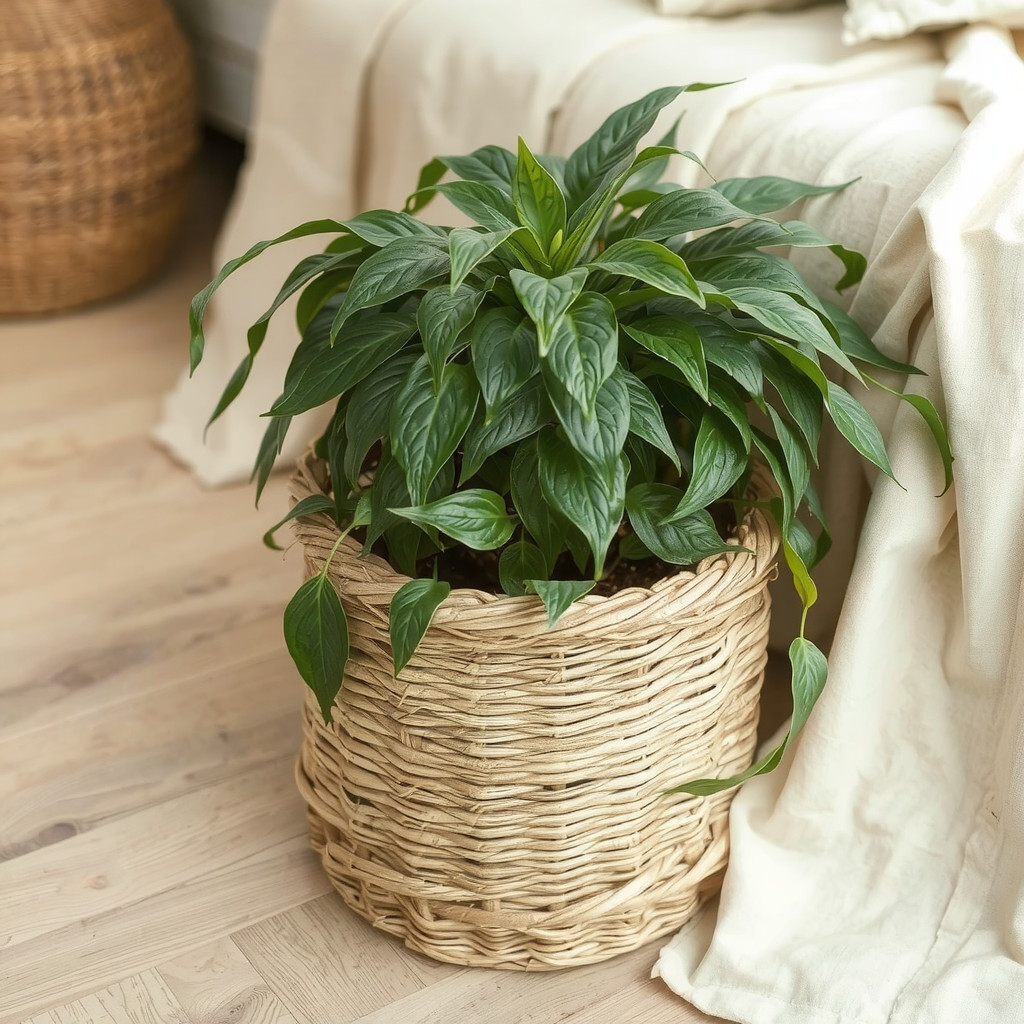
To maintain a cohesive and calming aesthetic, pay close attention to the vessels holding your plants. Earthy materials like unglazed terracotta, woven seagrass, or matte ceramic blend seamlessly with bedroom textiles. These organic textures complement the softness of linen sheets, wool throws, and cotton rugs, grounding the room in nature.
Contrast is key here; a glossy green leaf looks stunning against a rough stone planter or a soft velvet armchair. By mixing these elements, you create a tactile environment that feels curated and cozy, rather than sterile.

Focal Points
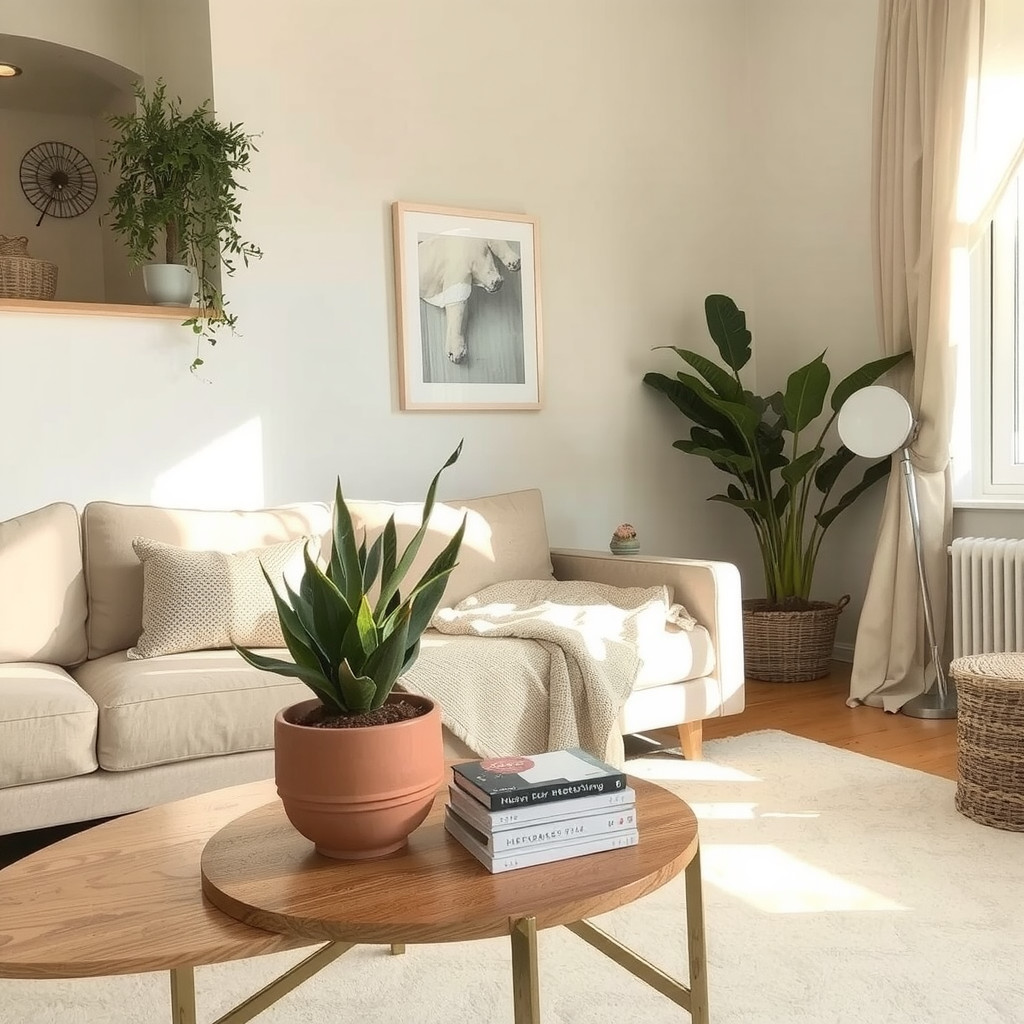
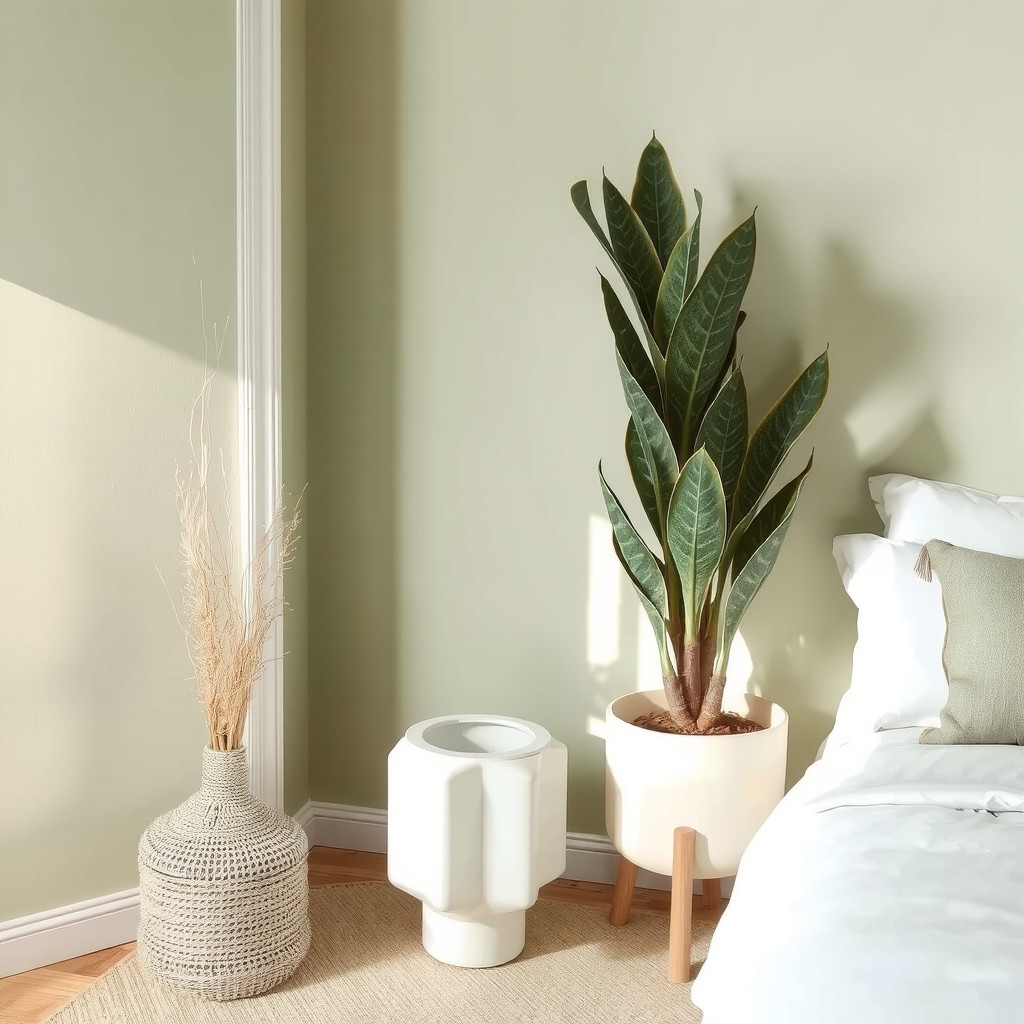
Every room needs a visual anchor, and a statement plant serves this purpose beautifully without the visual noise of bold artwork or bright colors. A substantial plant, such as a Rubber Tree or a tall Snake Plant, creates an immediate focal point that draws the eye and settles the mind.
Position this main feature where it can be admired from the bed but doesn’t loom over you. The goal is to create a sense of companionship and protection, using the plant’s height and volume to bridge the gap between floor and ceiling.
Lighting
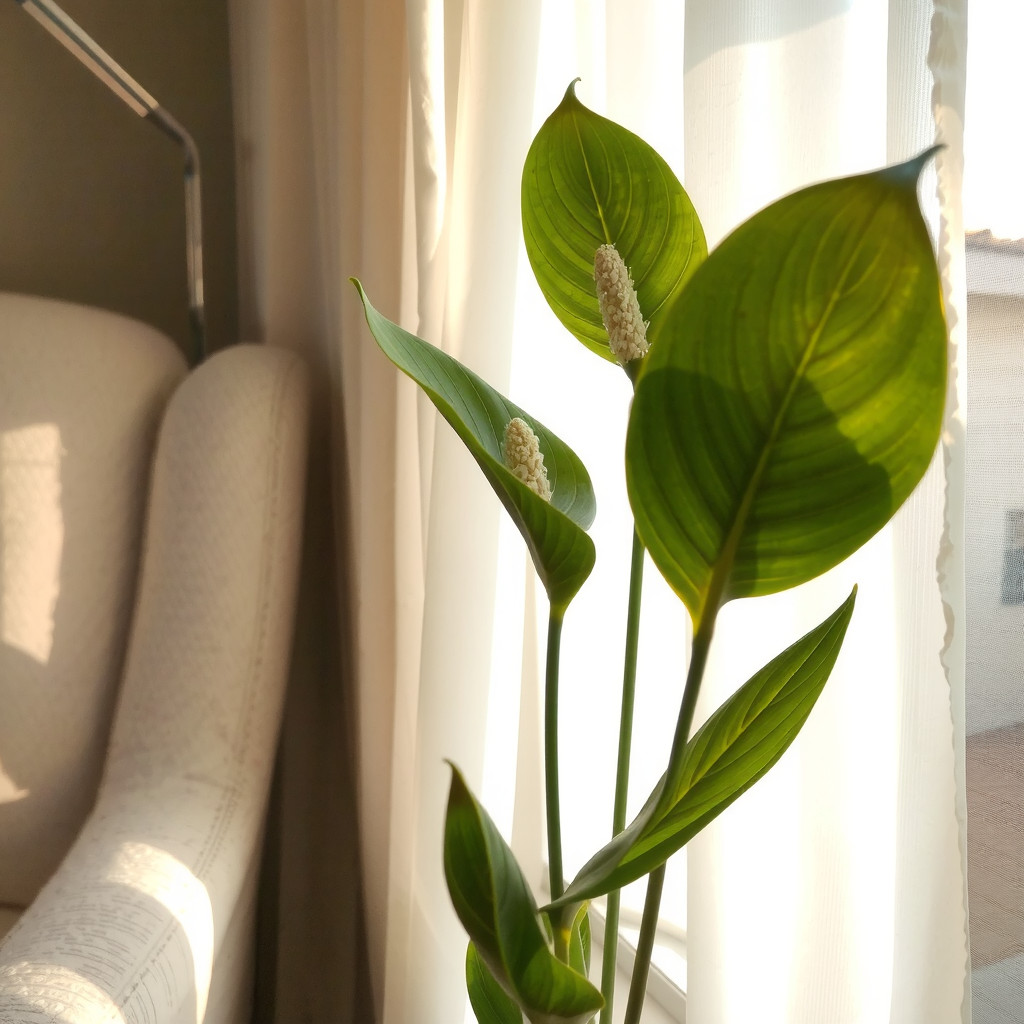
Light is the lifeblood of your plants, but in a bedroom, it must be balanced with your need for darkness and privacy. Assess the natural light available in your room throughout the day. East-facing windows provide gentle morning sun perfect for most foliage, while south-facing windows offer intense light that some tropicals crave.
If your bedroom is naturally dark or lacks windows, consider low-light tolerant species or gentle grow lights hidden within decorative fixtures. The interplay of shadow and light through leaves can create calming patterns on your walls, adding a subtle, dynamic layer of decor to your evening routine.
Greenery
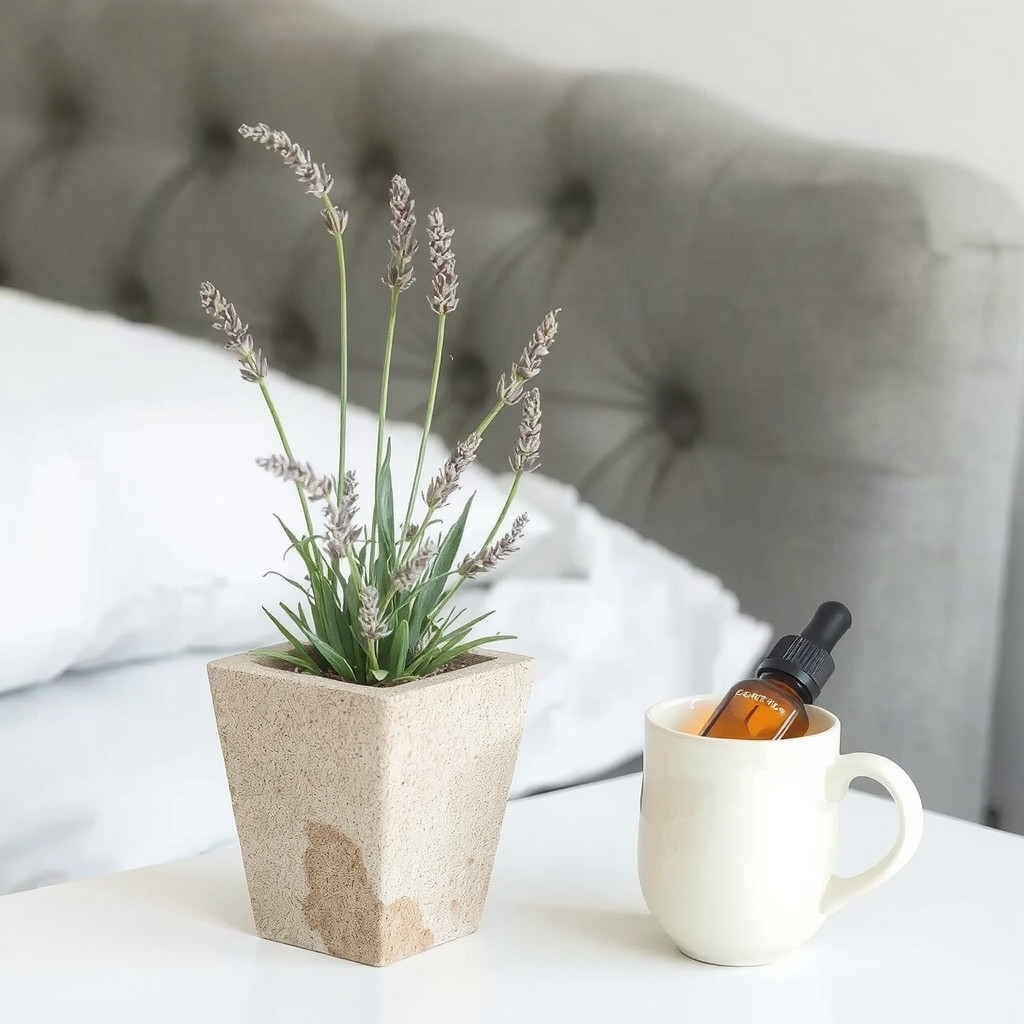
Selecting the right species is crucial for a sleep-friendly environment. Focus on plants known for their air-purifying qualities and ability to release oxygen at night. The Snake Plant (Sansevieria) is a top choice; it is nearly indestructible, thrives in low light, and converts CO2 to oxygen while you sleep. Aloe Vera behaves similarly and offers soothing gel for minor cuts or burns.
For a touch of trailing elegance, the Golden Pothos is incredibly forgiving and effectively filters indoor pollutants. If you have adequate light, Lavender adds a gentle, natural fragrance known to reduce heart rate and blood pressure, physically preparing your body for rest. Finally, the Peace Lily not only looks elegant but also increases humidity, which can be beneficial for breathing during dry winter months.
Tips
- Dust Regularly: Leaves accumulate dust which blocks light and reduces air-purifying efficiency; wipe them gently with a damp cloth bi-weekly.
- Check Soil Moisture: Bedrooms often have different humidity levels than the rest of the house; feel the top inch of soil before watering to prevent root rot.
- Rotate Your Pots: To ensure even growth and prevent leaning, give your plants a quarter turn every time you water them.
- Monitor Humidity: If you use an AC or heater heavily, mist your tropical plants occasionally to keep them happy in the drier air.
ADVERTISEMENT