ADVERTISEMENT
Serenity in Scale: Mastering Minimalism for Compact Living
Embracing a minimalist aesthetic in a small home is not about depriving yourself of comfort; it is about curating a space that breathes. When square footage is limited, every object must justify its presence, creating a sanctuary that feels open rather than restrictive. By stripping away the unnecessary, you allow the architecture and the essential elements of your life to take center stage. This approach transforms a cramped house into a serene retreat, where clarity of design leads to clarity of mind.
Layout and Positioning
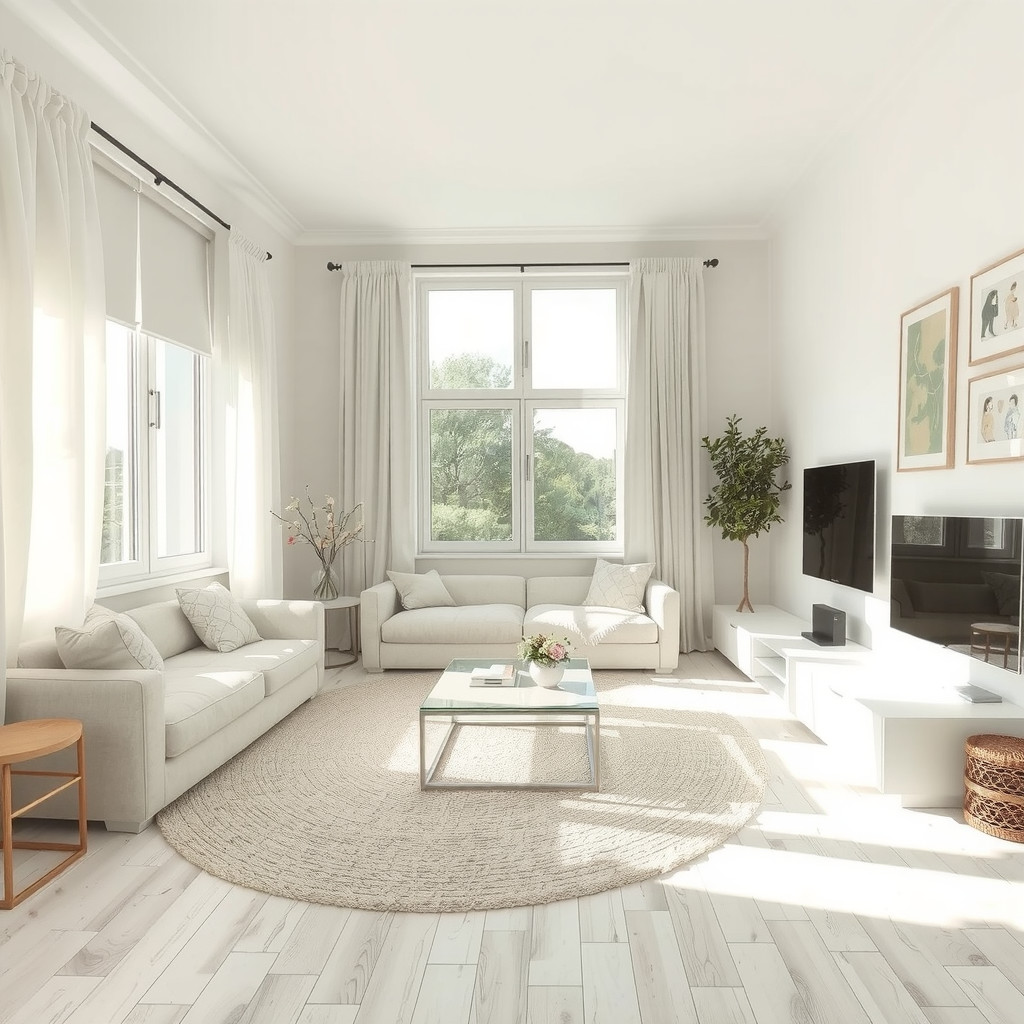
Your primary goal in a compact layout is to preserve the “flow” of the room. Resist the urge to push all furniture against the walls, which can paradoxically make a room feel smaller and more rigid. Instead, float key pieces like your sofa or armchair to create breathing room around the perimeter. Prioritize furniture with exposed legs; seeing the floor extend beneath a sofa or table tricks the eye into perceiving more ground space, making the room feel airier.
Think of your floor plan as a collection of zones rather than distinct rooms. Use area rugs to subtly define these spaces without erecting physical barriers. Ensure that walkways are unobstructed, allowing you to move through your home without navigating a maze of obstacles. A clear path translates to a clear mind.
Materials and Textiles
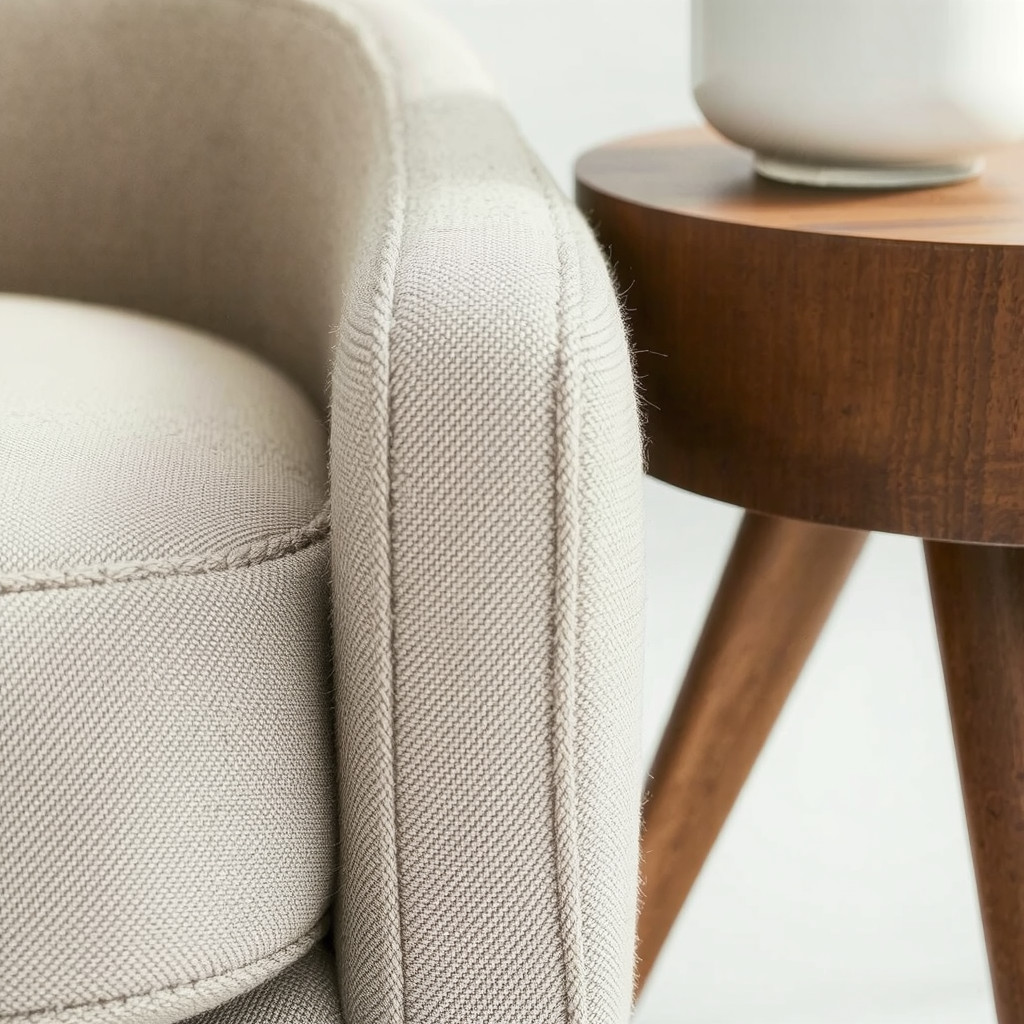
In a minimalist environment, texture becomes your decoration. Since you are working with fewer items, the quality and tactile nature of each material become paramount. Steer clear of busy patterns that visually clutter small spaces. Instead, layer tonal textures to add depth and warmth without the noise.
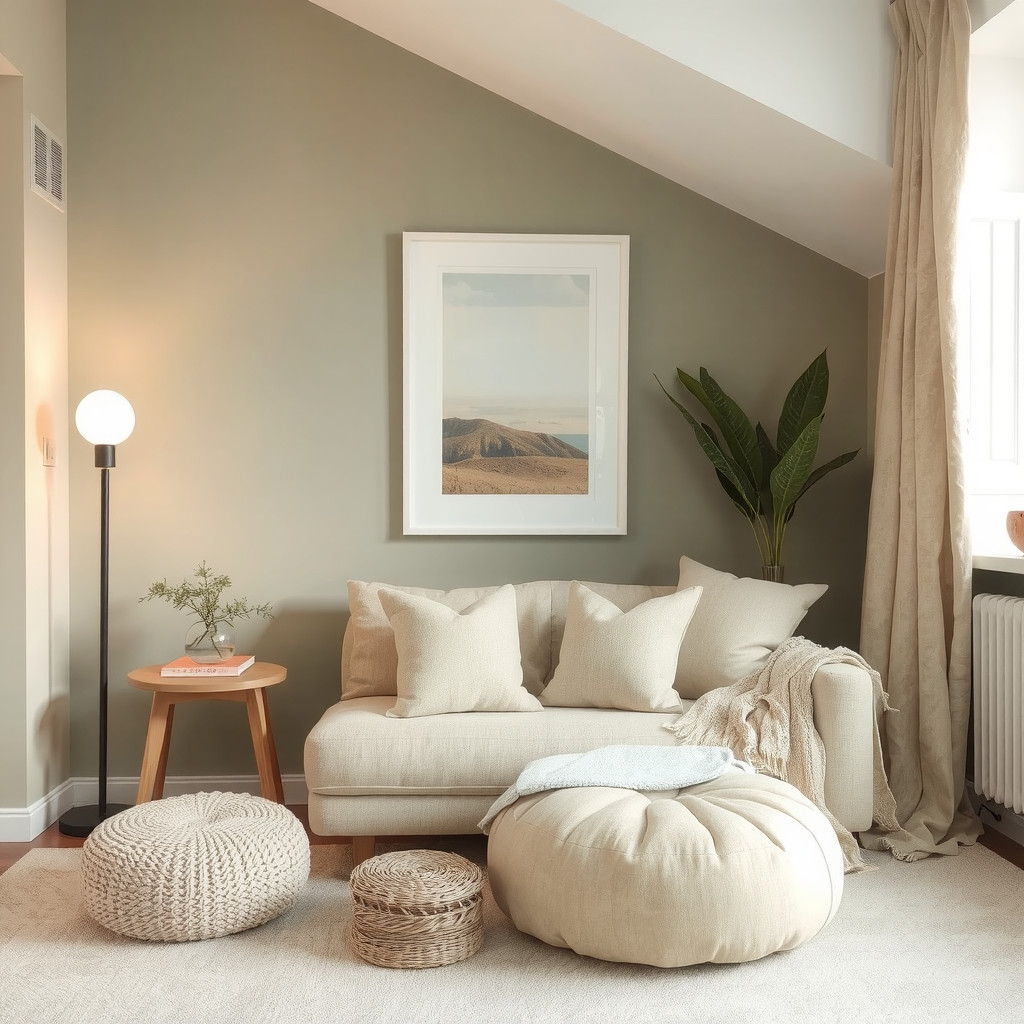
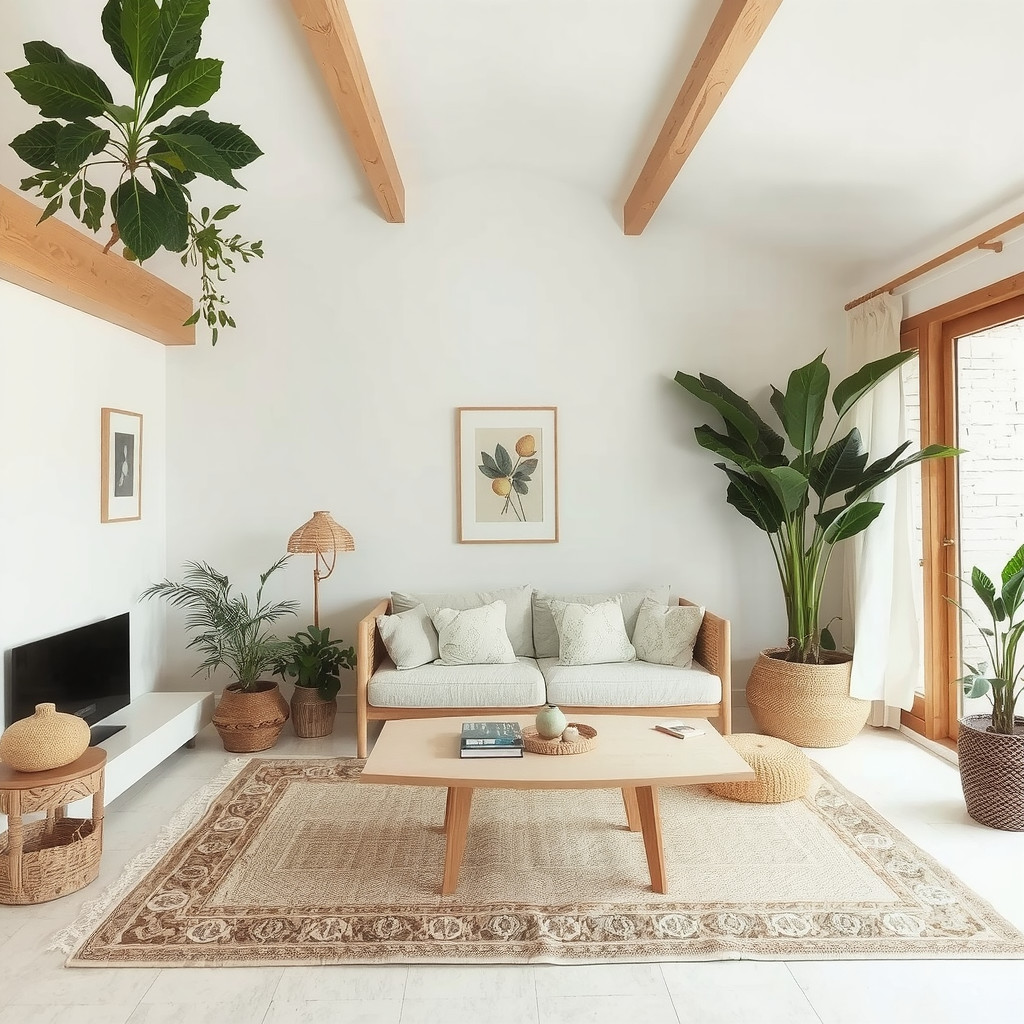
Combine raw, natural elements like pale timber, stone, or rattan with soft, inviting textiles such as linen, wool, or cotton velvet. A monochrome palette—shades of cream, stone, oatmeal, and soft grey—expands the visual boundaries of the room. The interplay of rough and smooth surfaces keeps the eye interested without overwhelming the senses.
Focal Points
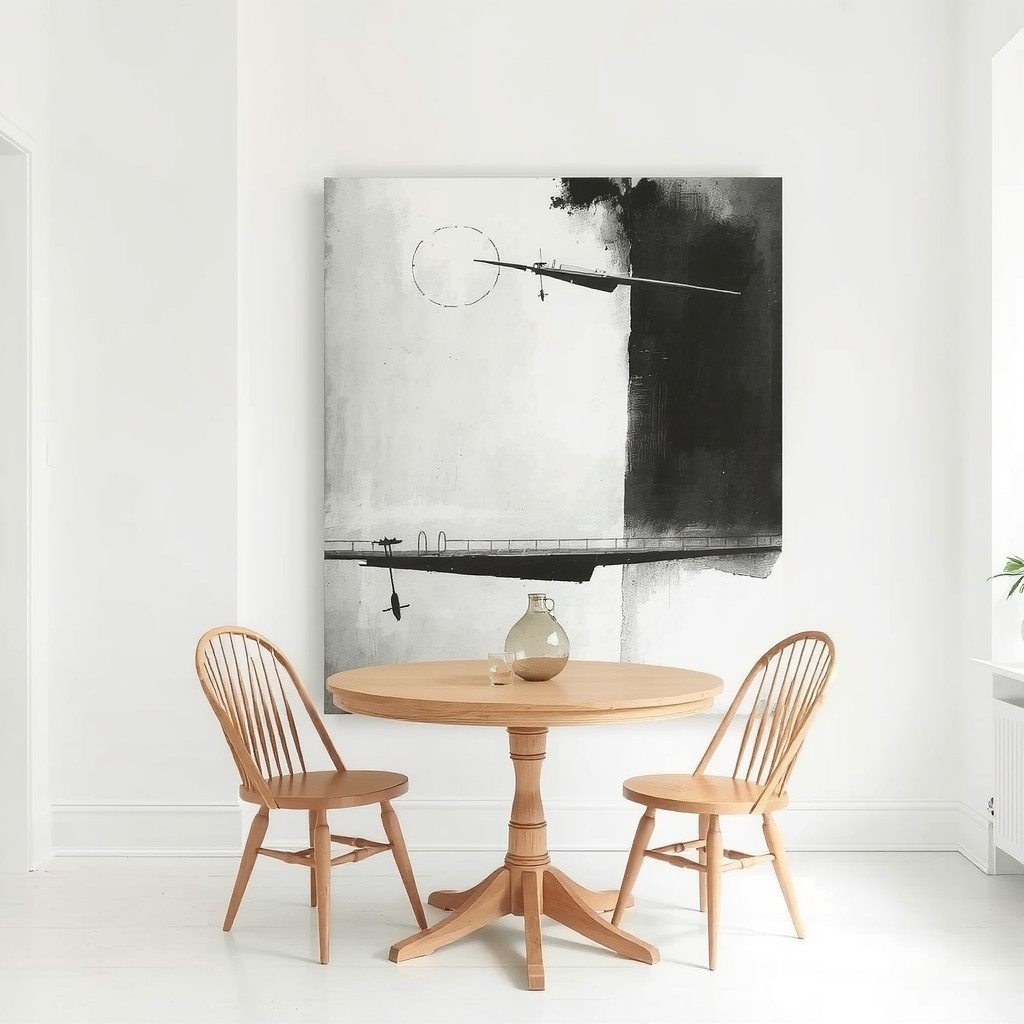
A common mistake in small spaces is using many small decor items, which creates a “dollhouse” effect. To achieve a sophisticated minimalist look, be bold with scale. Select one significant statement piece for each room to anchor the design.
This could be an oversized piece of abstract art, a sculptural pendant light, or a singular architectural chair. By directing attention to one deliberate focal point, you reduce visual scanning and allow the rest of the room to recede into a calm background. This hierarchy of attention makes the space feel grander and more intentional.
Lighting
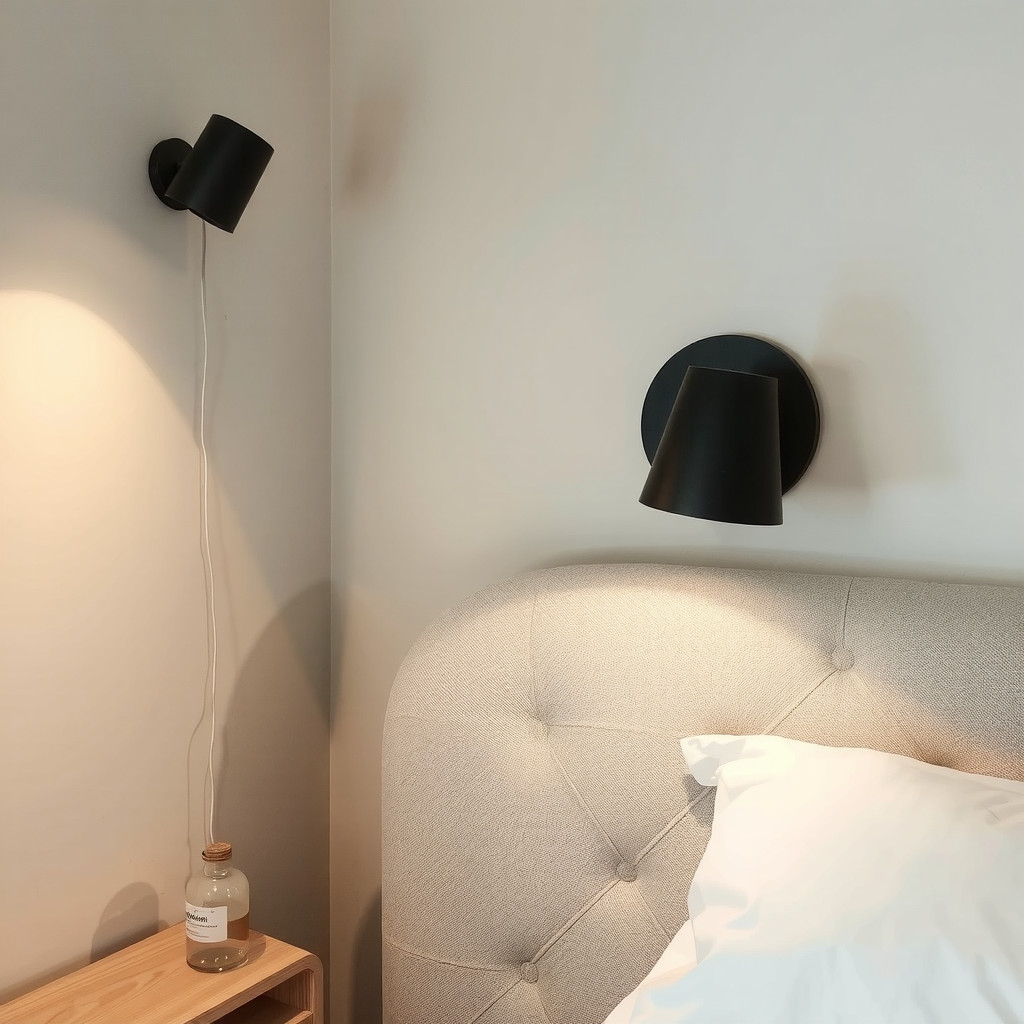
Lighting is the silent architect of your home. In a small house, relying on a single overhead fixture creates harsh shadows and shrinks the room. Instead, layer your lighting to push back the corners and create atmosphere.
Utilize wall sconces to free up precious surface space on nightstands and side tables. aim for a warm color temperature (around 2700K) to make the space feel inviting rather than clinical. Mirrors positioned opposite windows or light sources effectively double the luminosity, bouncing light deep into the room and blurring the boundaries of the walls.
Greenery
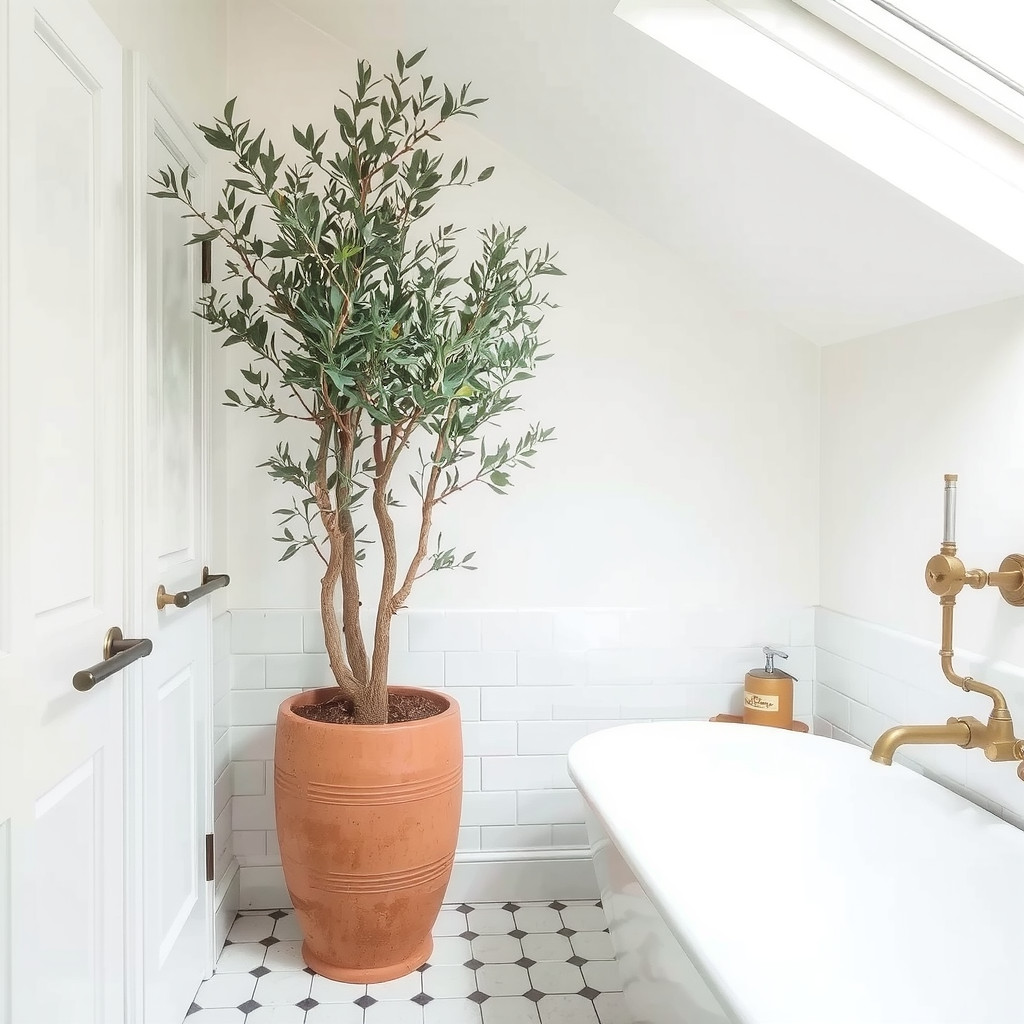
Plants are the perfect antidote to the sometimes stark nature of minimalism. They introduce organic chaos and vibrancy that softens clean lines. However, in a small footprint, avoid a clutter of tiny pots on every sill.
Opt for a singular, vertical statement plant, such as a Fiddle Leaf Fig or a tall Snake Plant, placed in a simple, high-quality planter. Vertical gardening or hanging planters can also draw the eye upward, emphasizing the height of the room rather than its width. The green foliage provides a refreshing pop of color that complements natural wood tones and neutral fabrics perfectly.
Tips
- Edit Ruthlessly: Adopt a “one in, one out” policy to maintain equilibrium in your possessions.
- Vertical Storage: Utilize height with floor-to-ceiling shelving to draw the eye up and maximize storage.
- Multi-functional Furniture: Choose ottomans with storage or dining tables that double as workspaces.
- Hidden Wires: Keep technology cords strictly out of sight; visual tangles create subconscious stress.
- Negative Space: Leave some walls completely bare to give your eyes a place to rest.
ADVERTISEMENT