ADVERTISEMENT
Breathing Room: A Guide to Effortless Bedroom Botanicals
Introduction
Your bedroom should be the ultimate sanctuary, a place where the chaos of the day dissolves into stillness. Integrating nature into this private space does more than just enhance aesthetics; it actively promotes relaxation and cleaner air. However, the last thing you need in your place of rest is a demanding list of horticultural chores. By choosing resilient, low-maintenance varieties, you can cultivate a lush, verdant atmosphere that thrives on neglect rather than constant attention.
Layout and Positioning
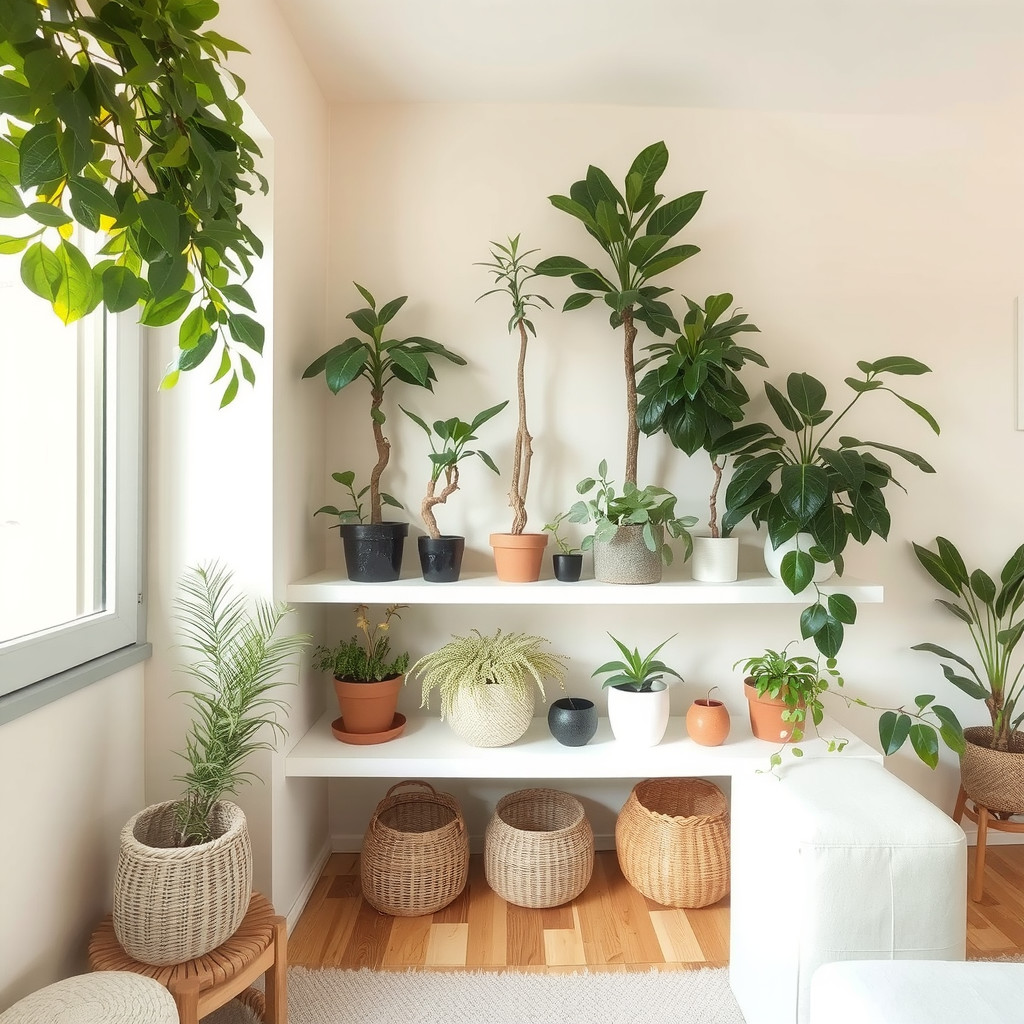
When introducing greenery to your sleeping quarters, consider the flow of the room. You want to avoid cluttering your pathways or nightstands. Vertical styling is an excellent strategy here. Installing floating shelves above the headboard or on adjacent walls allows trailing plants to cascade naturally, drawing the eye upward and creating a canopy-like effect without sacrificing floor space.
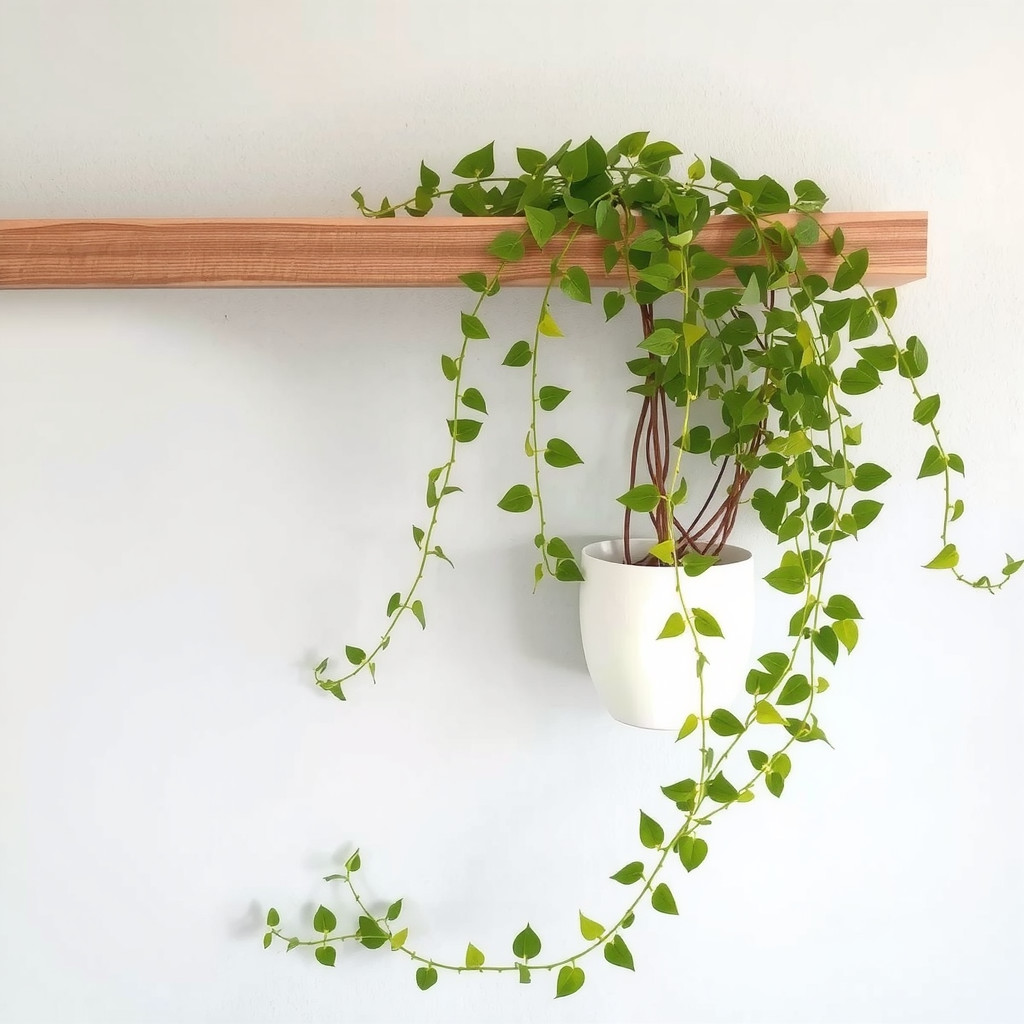
For smaller rooms, utilize the corners. A plant stand can elevate a modest pot, adding height and dimension. Alternatively, window sills offer a classic perch, provided they don’t block essential light control mechanisms like blinds or curtains. The goal is to integrate organic elements seamlessly, so they feel like part of the architecture rather than an afterthought.
Materials and Textiles
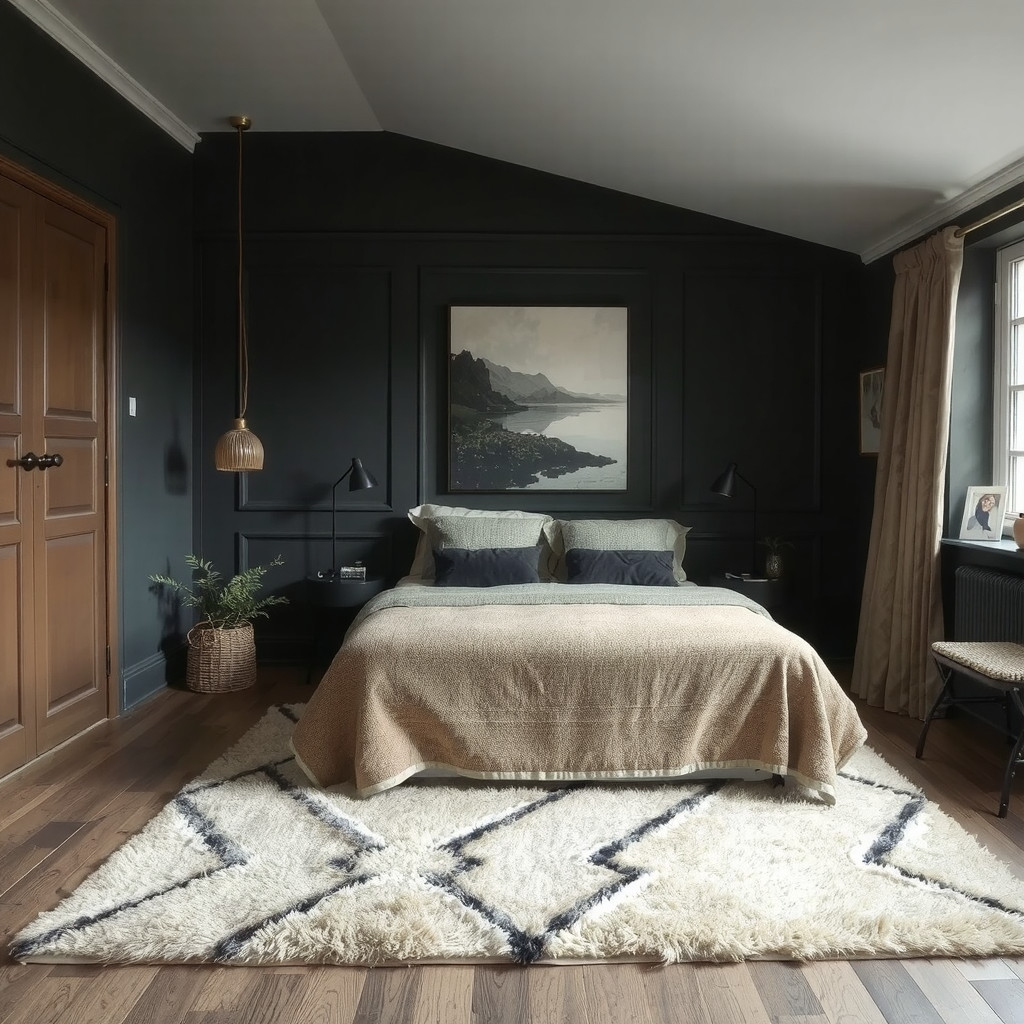
The magic of bedroom decor lies in the interplay of textures. Plants offer a glossy, living contrast to the soft, matte fabrics typically found in bedding and upholstery. To ground this look, choose planters that complement your existing textiles. If you favor breathable linens and chunky wool throws, opt for pots made of unglazed terracotta, concrete, or woven seagrass.
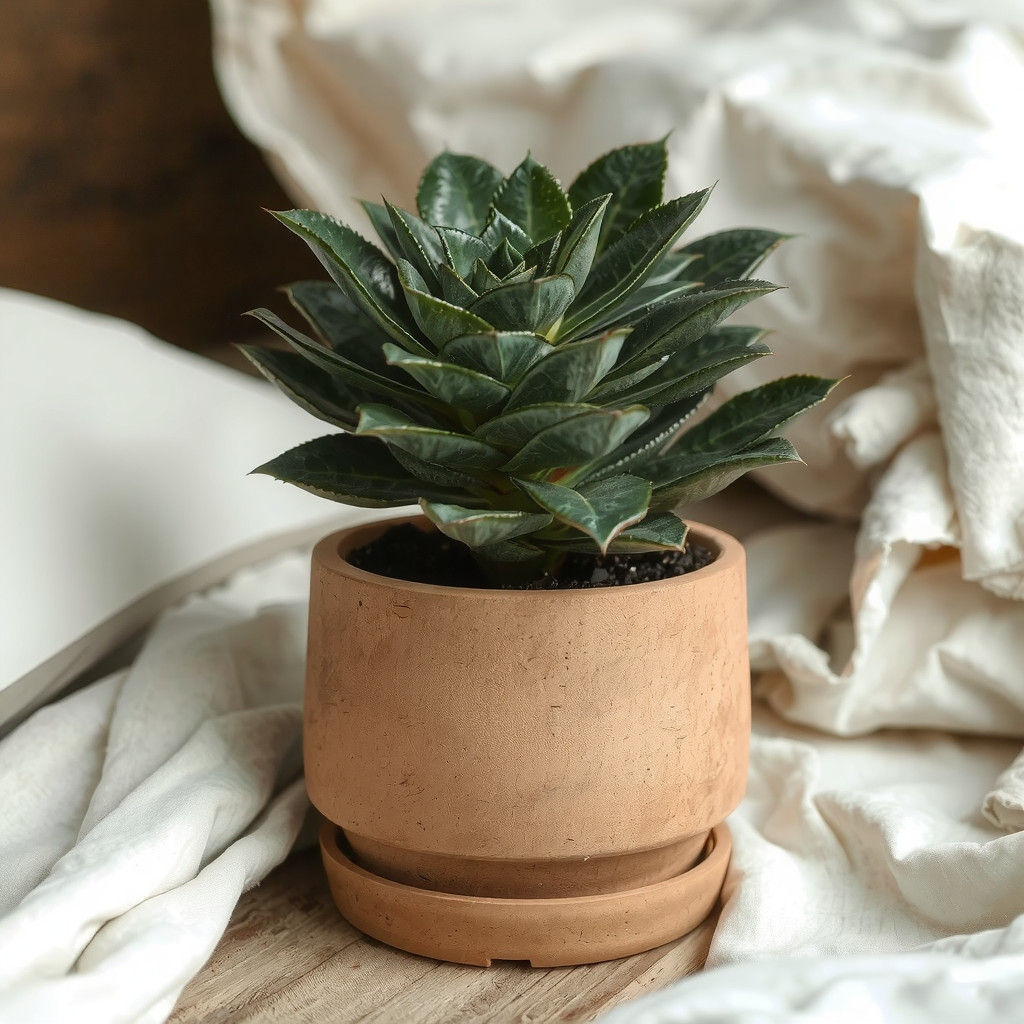
These natural materials echo the organic shapes of the leaves and warm up the cool tones of modern bedroom palettes. Avoid overly shiny or plastic containers, which can feel sterile. Instead, look for ceramics with imperfect glazes or baskets with tactile weaves that invite touch and reinforce the cozy, lived-in vibe of the room.
Focal Points
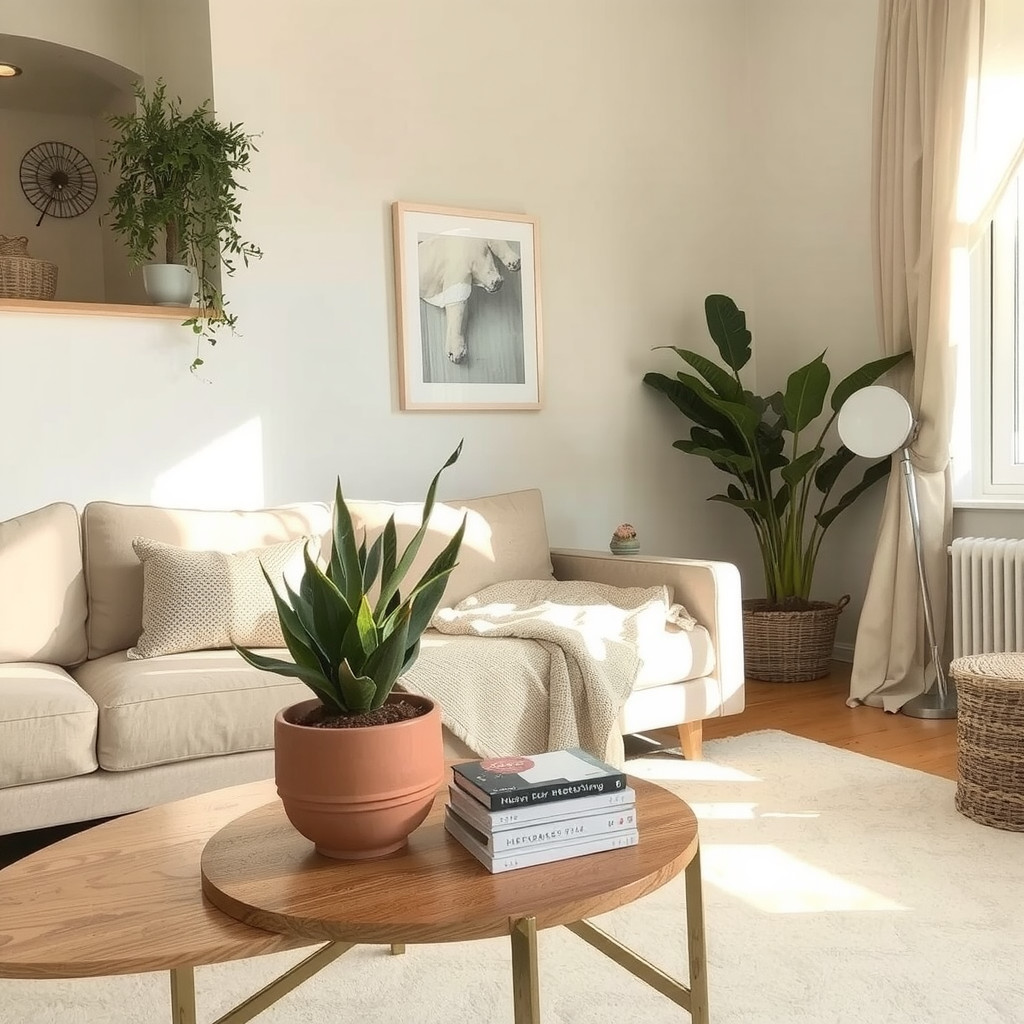
Sometimes, less is more. Instead of scattering small pots on every surface, consider anchoring the room with a single, magnificent statement plant. A substantial floor plant can soften the hard angles of wardrobes and dressers, acting as a living sculpture.
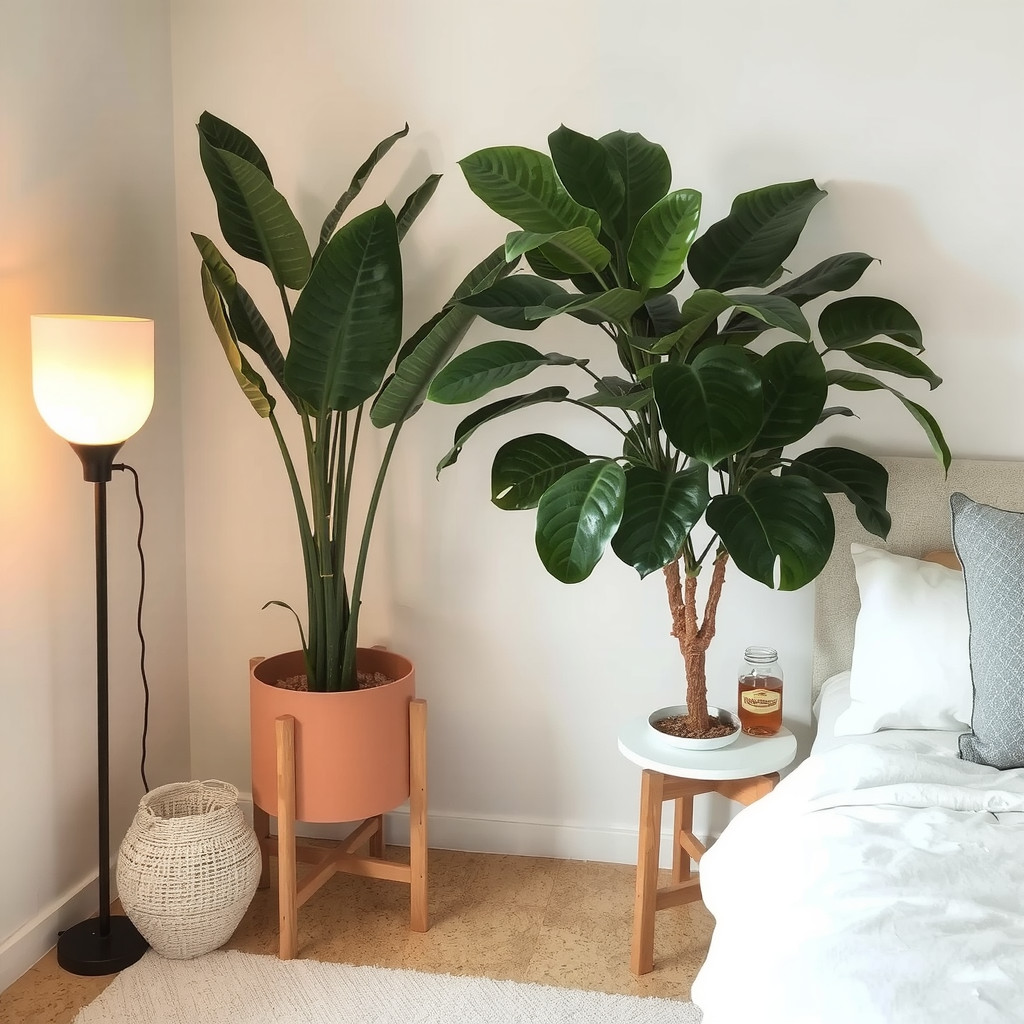
Place a tall, architectural specimen near a reading chair or in an empty corner to create instant depth. Plants with broad leaves or significant height command attention and can make the room feel established and grounded. This singular focus point reduces visual noise, contributing to the overall sense of calm essential for a restful night’s sleep.
Lighting
Bedrooms often have variable lighting conditions, from bright mornings to dimly lit evenings. Fortunately, the best bedroom plants are those that adapted to the forest floor, meaning they flourish in indirect or low light. Observe how the light moves across your room.
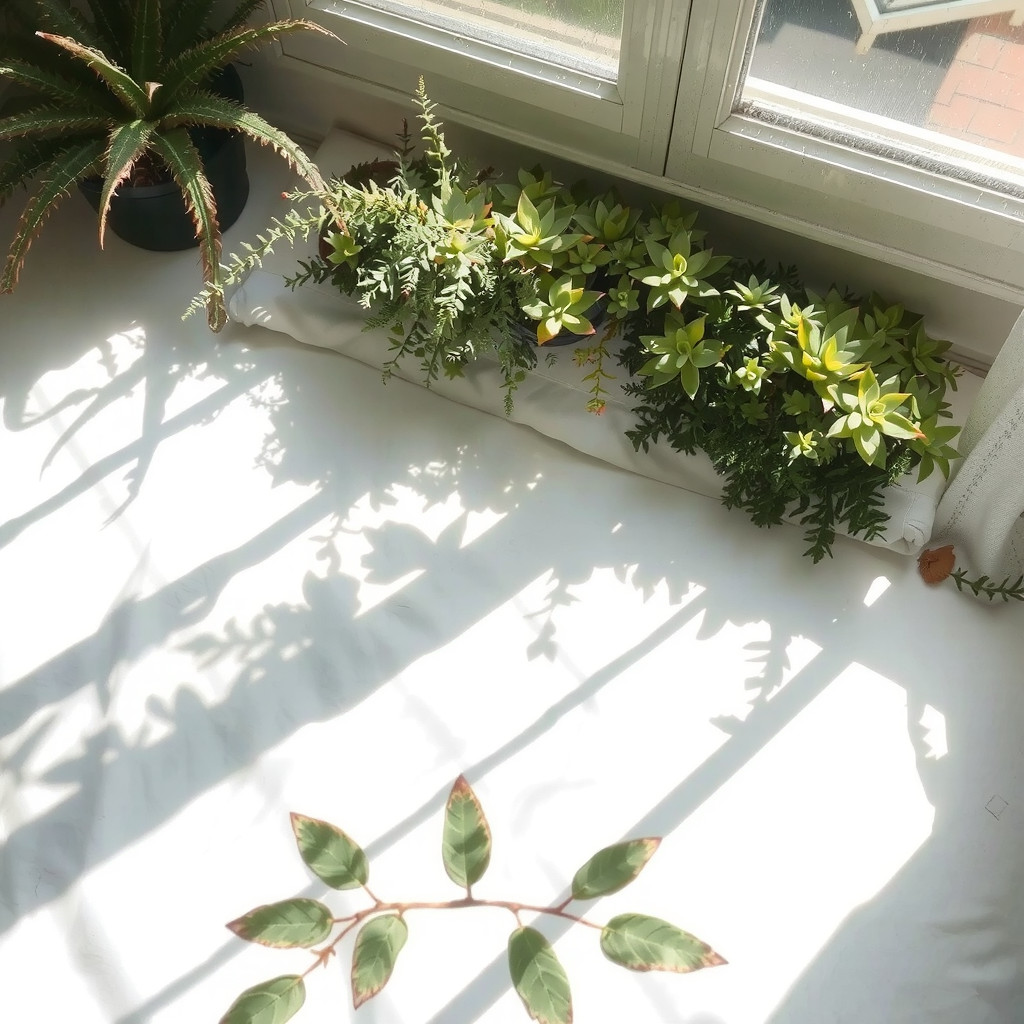
East-facing windows provide gentle morning sun that won’t scorch tender leaves, while north-facing rooms offer consistent, albeit lower, light levels. Positioning your plants to catch the soft glow of golden hour without being subjected to harsh midday rays ensures they remain healthy. The interplay of shadows cast by leaves against your walls can also add a dreamy, ethereal quality to the space as the sun sets.
Greenery
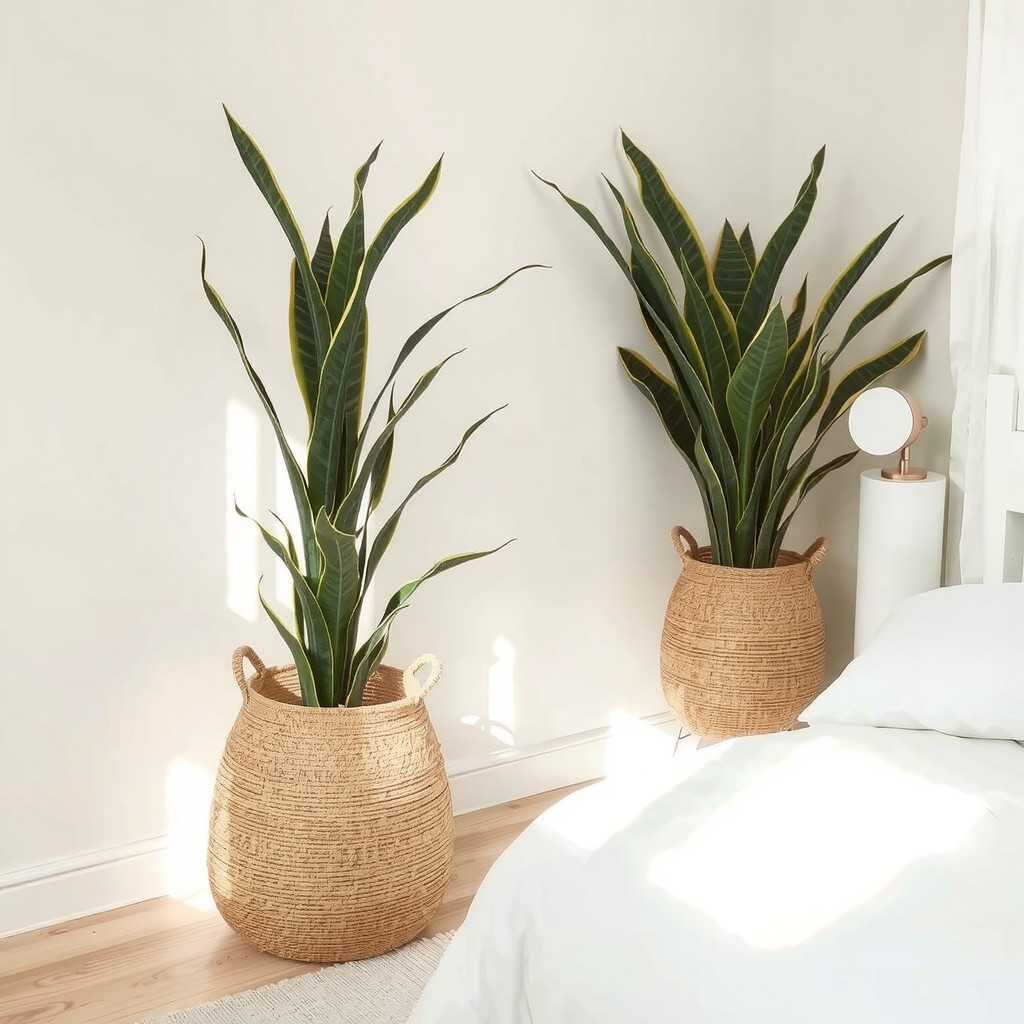
Selecting the right species is crucial for a low-maintenance experience. You want plants that forgive you if you forget to water them for a week or two. The Snake Plant (Sansevieria) is a champion of the bedroom, known for its ability to convert CO2 into oxygen at night. Its upright, sword-like leaves are architectural and practically indestructible.
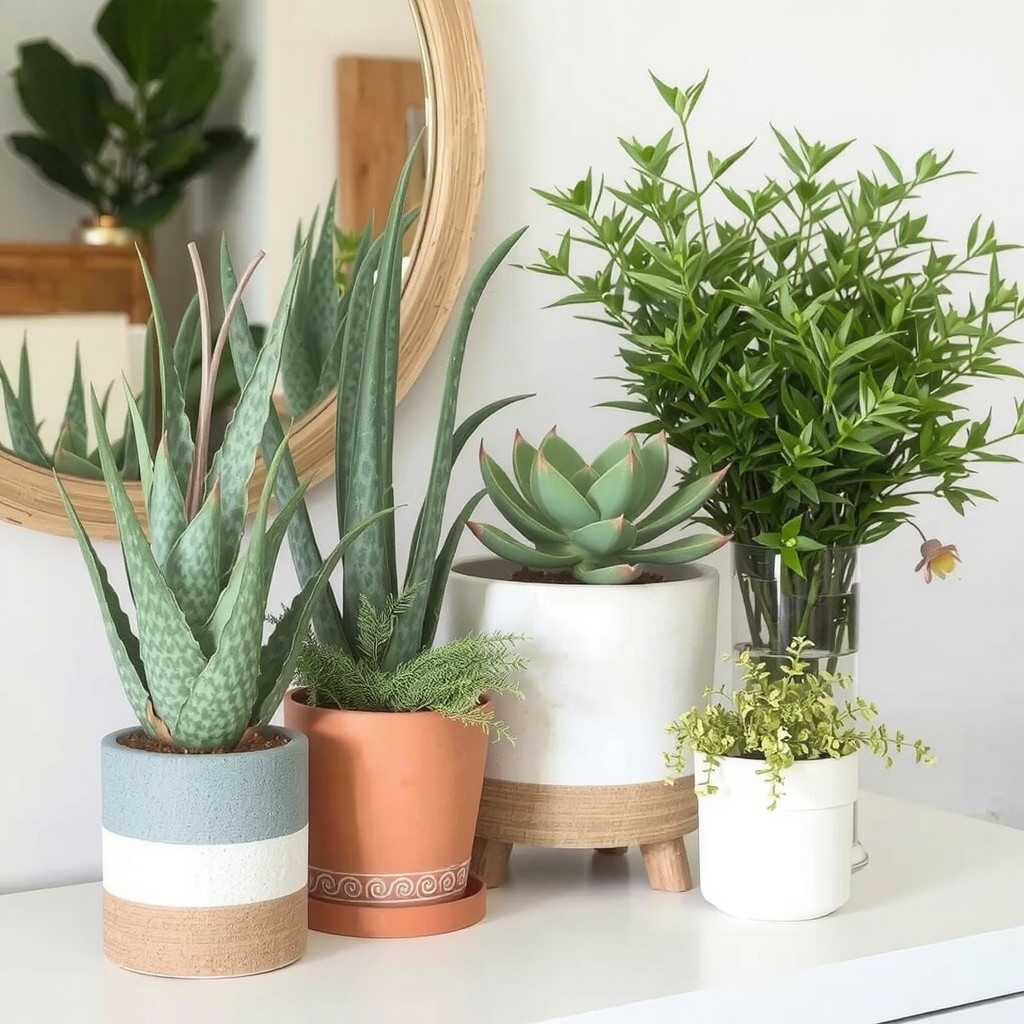
Another excellent choice is the ZZ Plant, with its waxy, deep green leaflets that reflect light and require very little water. For hanging spots, the Golden Pothos or Heartleaf Philodendron are incredibly hardy, tolerating low light and erratic watering while growing rapidly. These plants not only survive but thrive in the stable temperatures of a bedroom environment.
Tips
- Dust Regularly: Bedroom plants can collect dust just like your furniture. Wipe leaves gently with a damp cloth to keep their pores open for air purification.
- Water Sparingly: Most low-light plants prefer to dry out completely between waterings. Check the soil moisture with your finger before adding water.
- Rotate Often: To ensure even growth, rotate your pots every few weeks so all sides get exposure to the light source.
- Check Drainage: Ensure every pot has drainage holes or a nursery pot inside a decorative planter to prevent root rot.
ADVERTISEMENT