ADVERTISEMENT
The Art of Curating Living Room Walls
Your living room walls are more than just structural boundaries; they are the expansive canvases of your home’s personality. While it is tempting to fill every inch with decor, the true secret to elevating your space lies in thoughtful curation and balance. Transforming a blank vertical space into a cohesive visual story requires a blend of artistic intuition and spatial awareness.
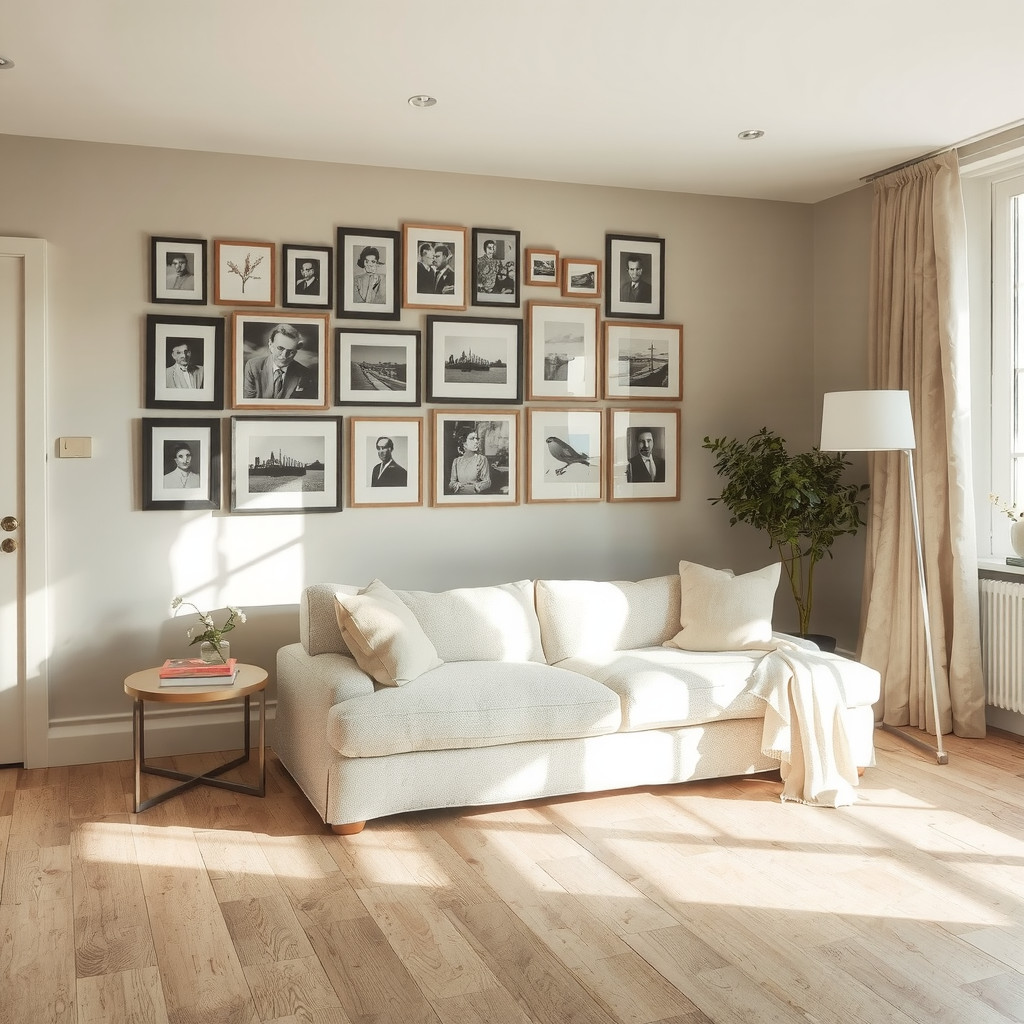
Whether you crave the minimalism of a single statement piece or the eclectic energy of a gallery wall, the way you dress your walls dictates the atmosphere of the entire room. It is about creating a dialogue between your furniture and the architecture, ensuring that every frame, texture, and shelf serves a distinct purpose in the broader composition.
Layout and Positioning
Before hammering a single nail, you must consider the geometry of your room. The layout of your wall decor should mimic the lines of your furniture to create harmony. For a collected, organic feel, an asymmetric gallery wall offers freedom and movement. Start with a large anchor piece slightly off-center and radiate smaller pieces outward.
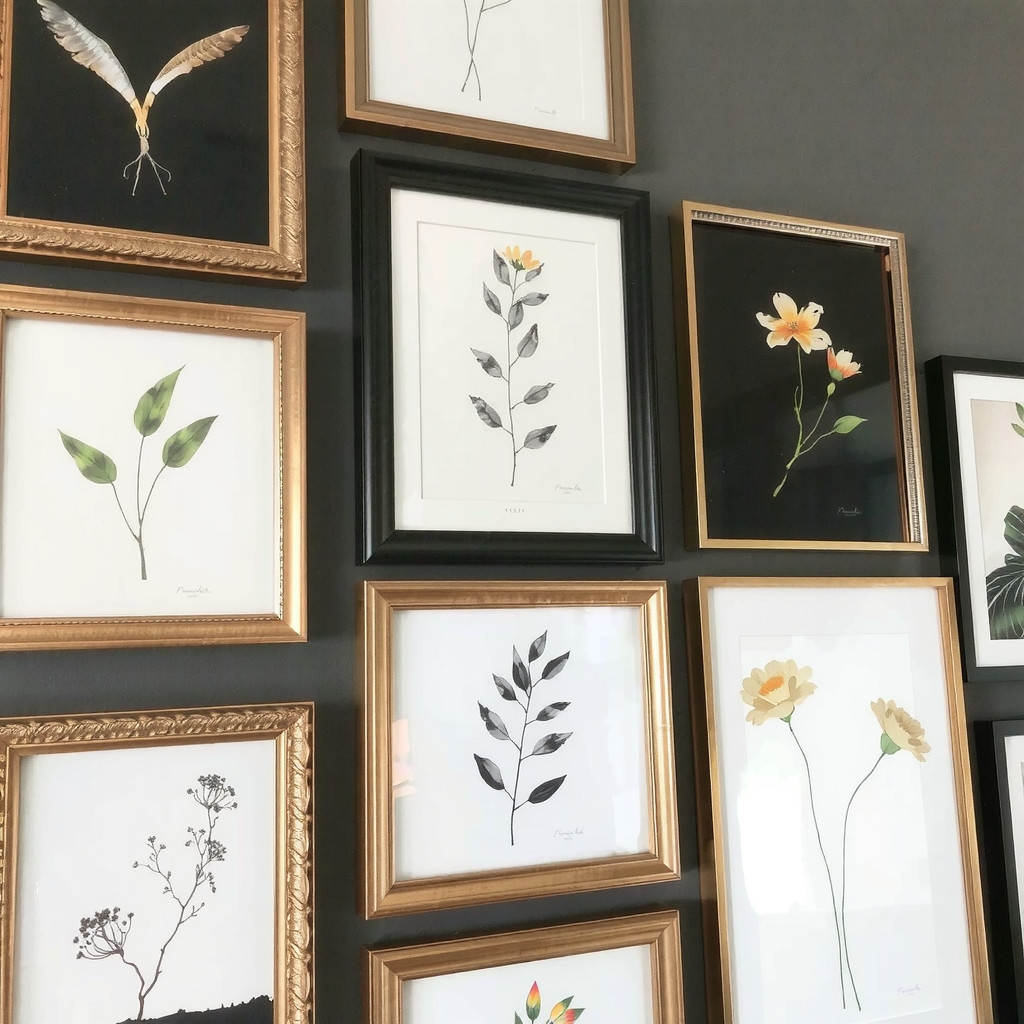
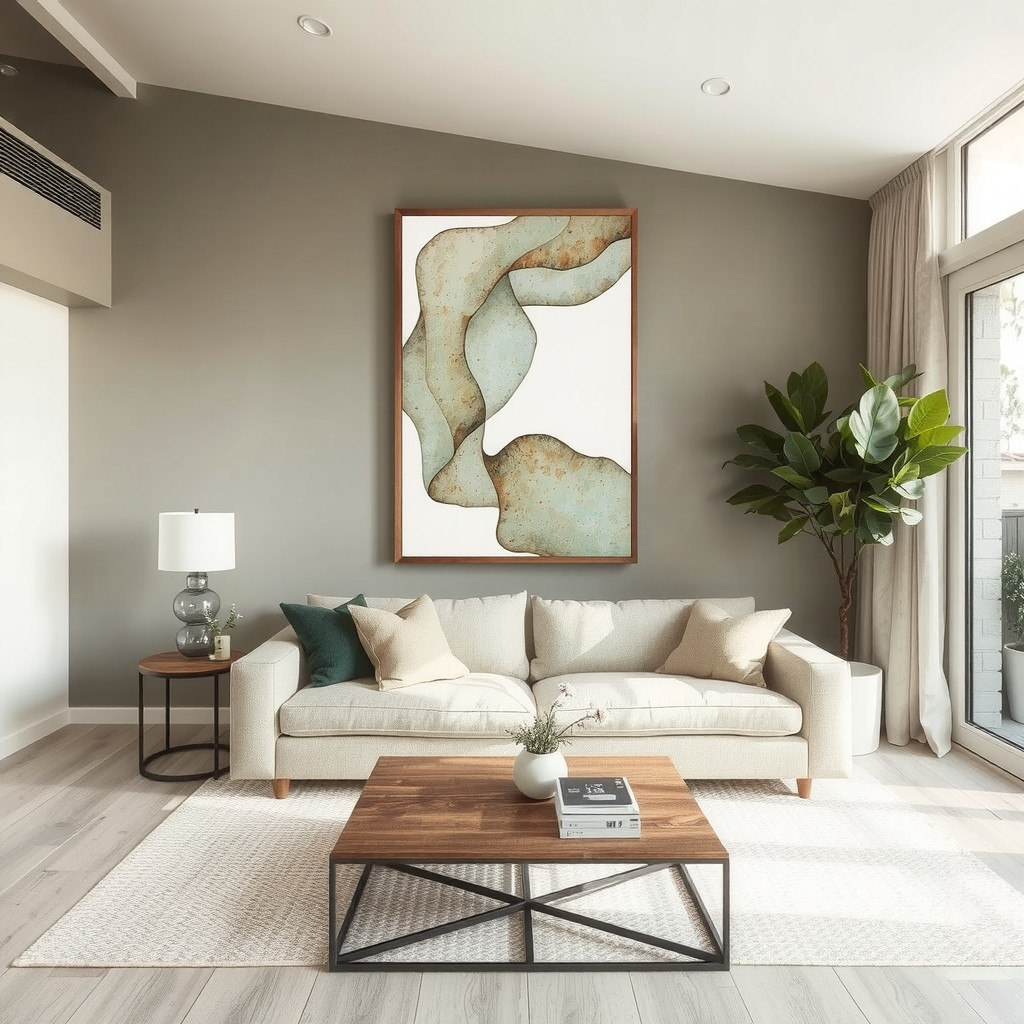
Alternatively, a grid layout provides a sense of order and calm, perfect for modern or traditional aesthetics. When positioning art above a sofa or console, ensure the artwork spans roughly two-thirds of the furniture’s width. This proportion grounds the arrangement, preventing the art from feeling like it is floating aimlessly in a sea of drywall.
Materials and Textiles
Paintings and prints are classic, but adding dimension through diverse materials creates a truly immersive experience. Introduce texture to break up the flatness of painted walls. Woven tapestries, macramé, or framed textile fragments add softness and acoustic warmth, making the room feel intimate.
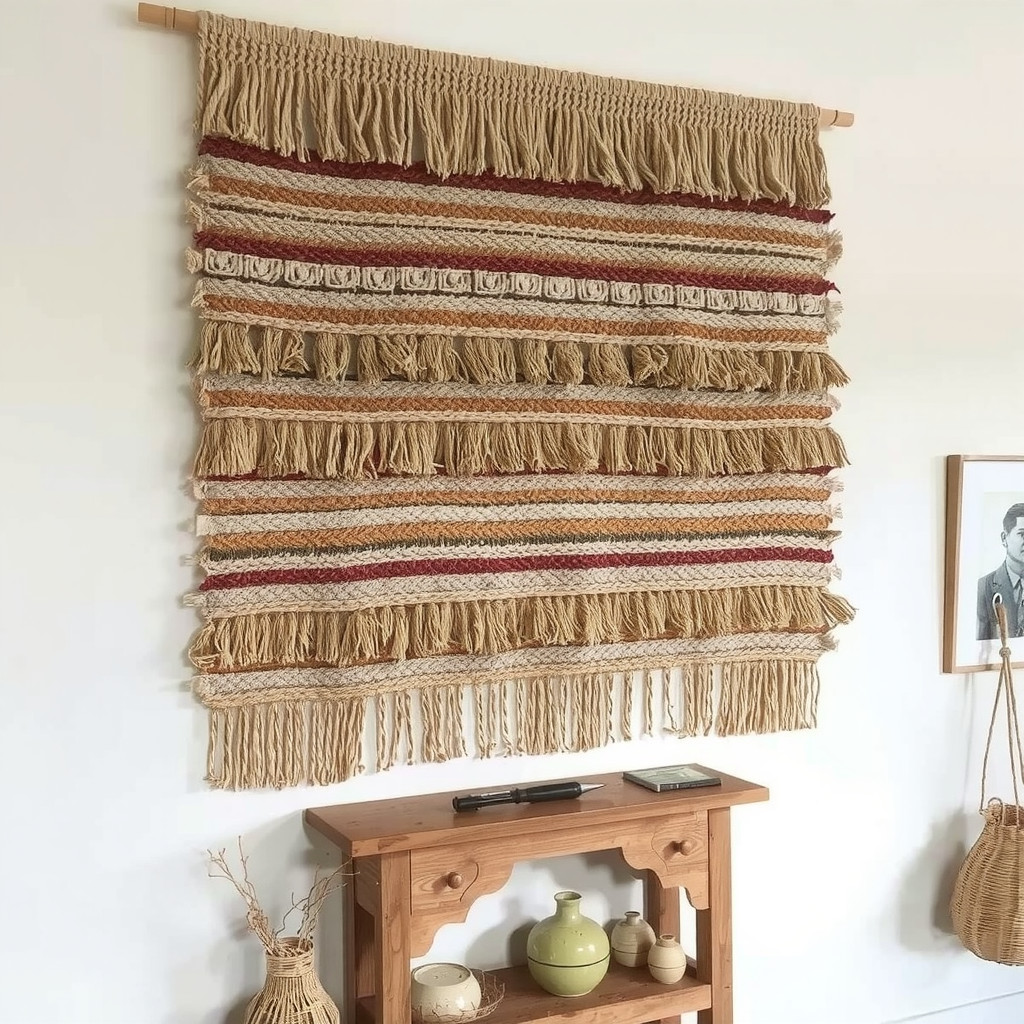
Consider mixed media elements like sculpted wood panels or hammered metal accents. These materials catch the light differently than glass-fronted frames, adding dynamic shifts in shadow and highlight throughout the day. A juxtaposition of sleek metal against raw linen or rough wood creates a tactile richness that invites the eye to linger.
Focal Points
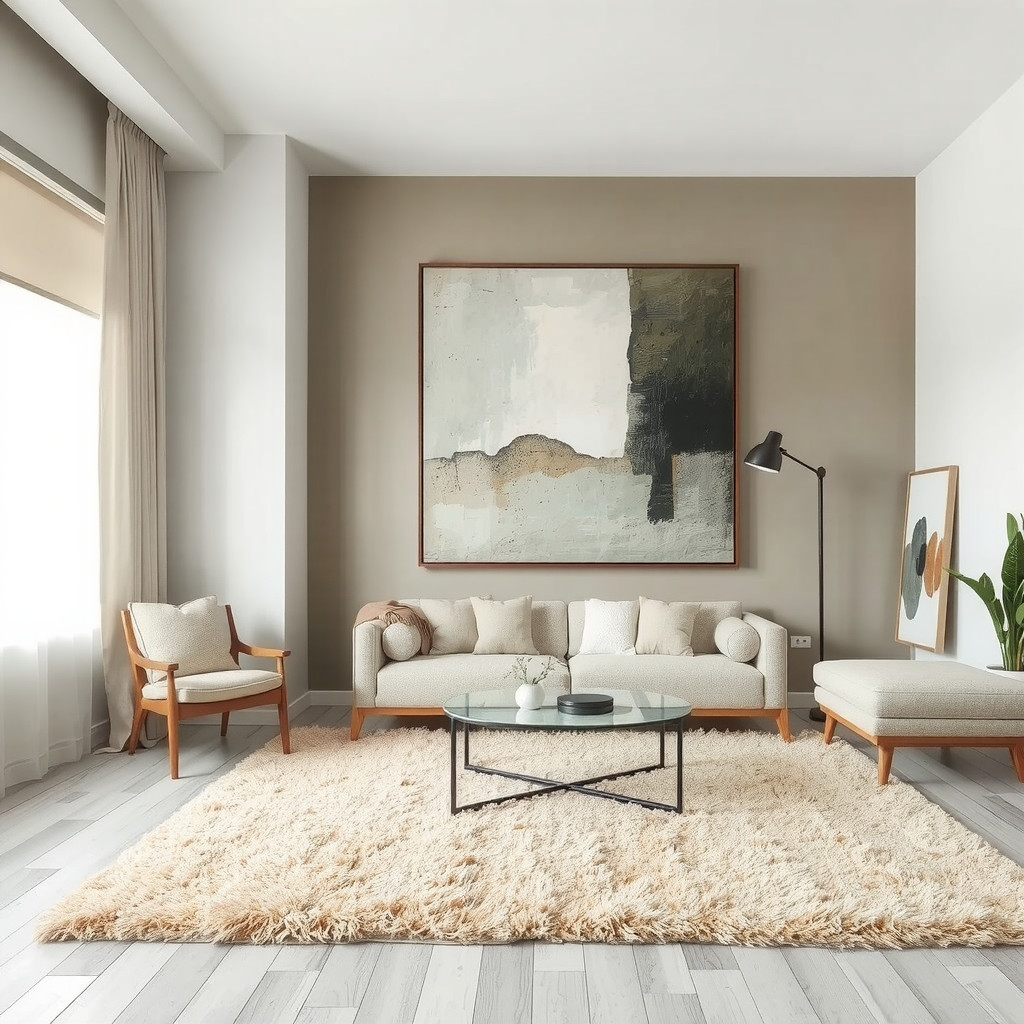
Every living room needs a visual anchor—a destination for the eye immediately upon entering. This is typically the wall behind your main sofa or the space above a fireplace. Here, scale is your best friend. One oversized piece of art can make a room feel larger and less cluttered than a collection of tiny items.
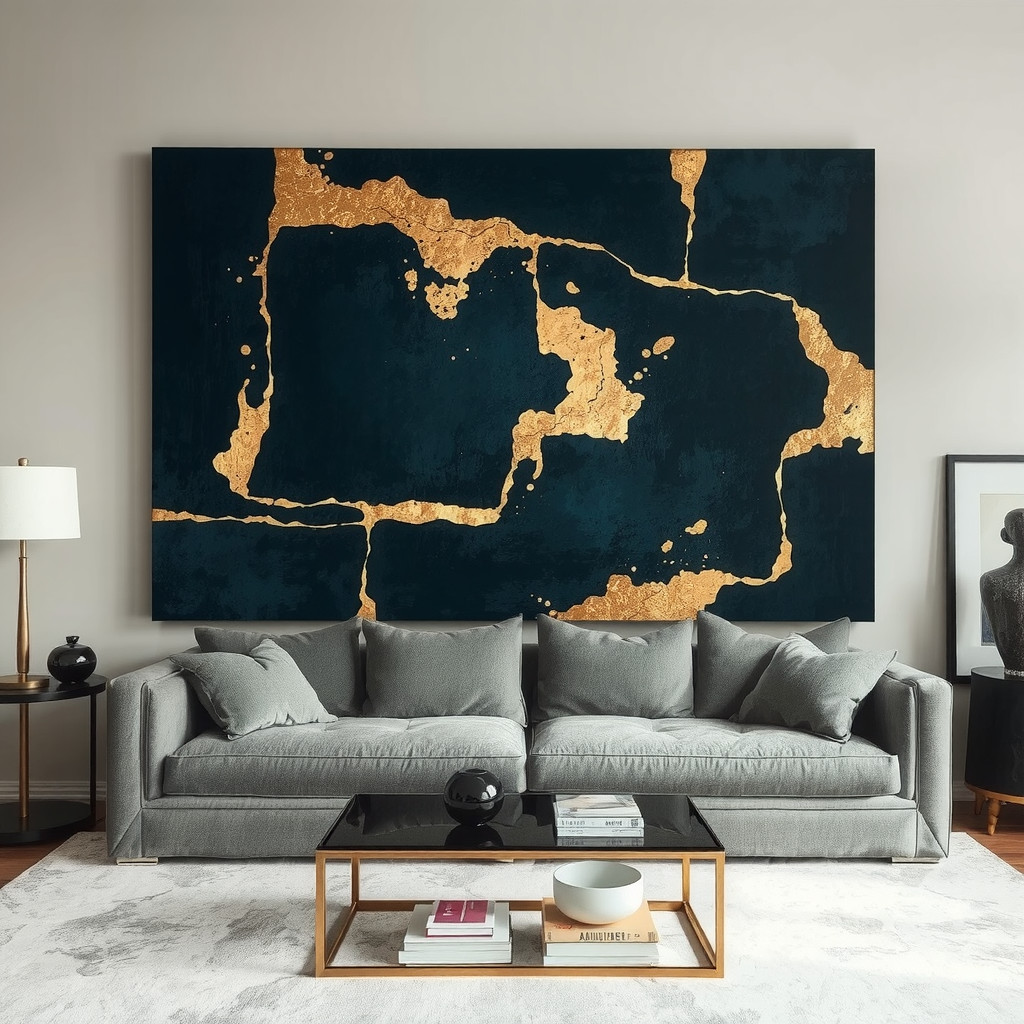
Choose a piece that commands attention through bold color or dramatic contrast. Let this focal point dictate the color palette for your throw pillows and rug, creating a seamless thread of design DNA that runs through the entire space.
Lighting
Decor allows you to style the wall, but lighting allows you to dramatize it. Without proper illumination, your carefully curated art can disappear into the shadows. Picture lights are an elegant solution, adding a layer of sophistication often seen in galleries.
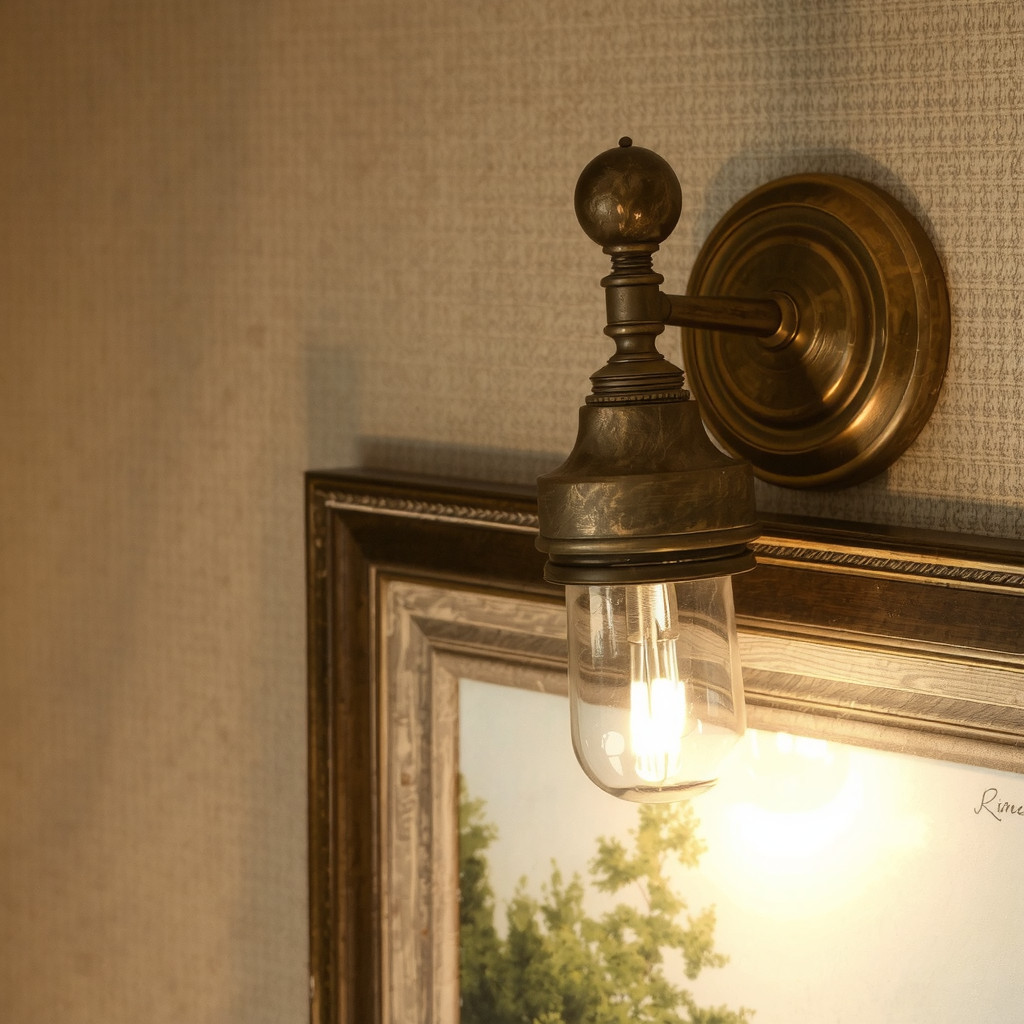
Wall sconces also serve as decor in their own right. Flanking a large mirror or artwork with sconces adds symmetry and provides a warm, ambient glow that softens the room’s edges in the evening. The interplay of light on textured wallpapers or relief art brings the surface to life.
Greenery
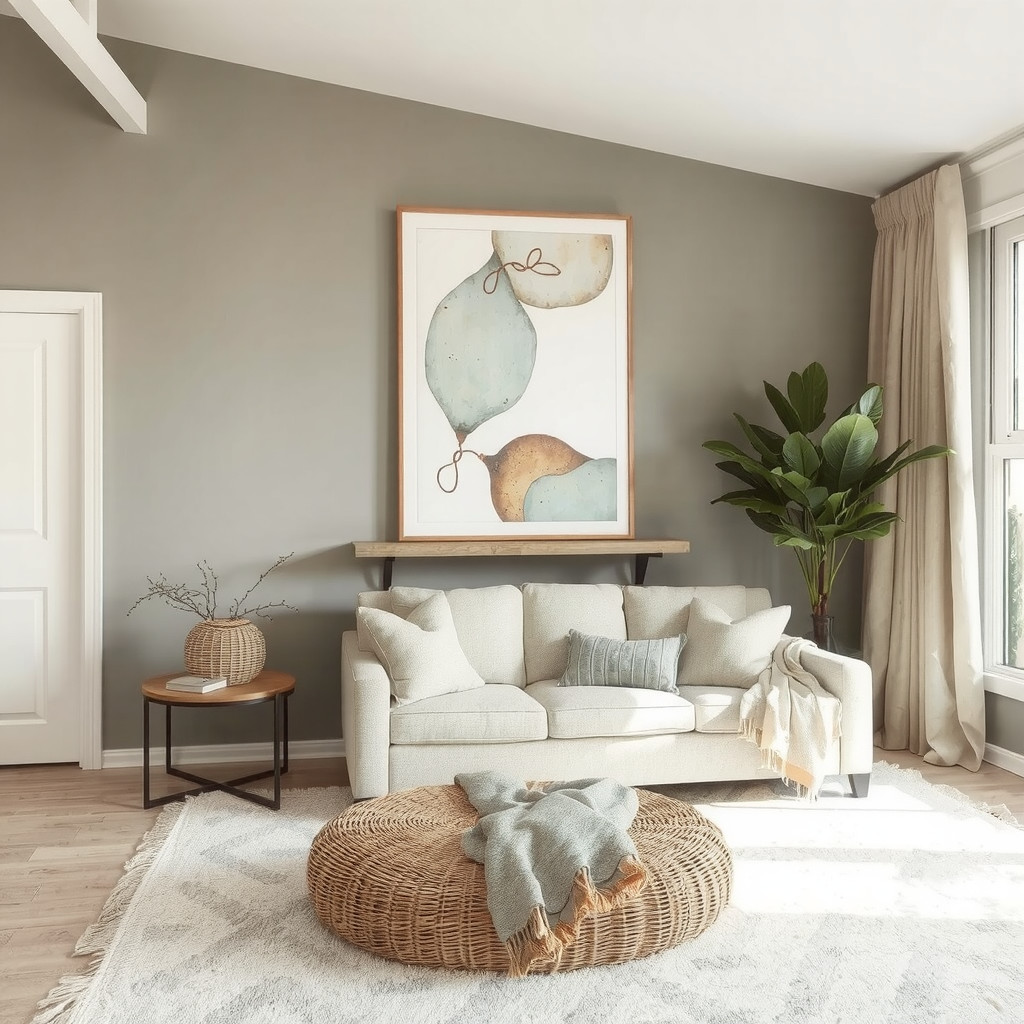
Biophilic design brings a breath of fresh air to your vertical spaces. Instead of relegating plants to the floor, let them climb your walls. Floating shelves styled with trailing vines like pothos or ivy draw the eye upward, emphasizing the height of the room.
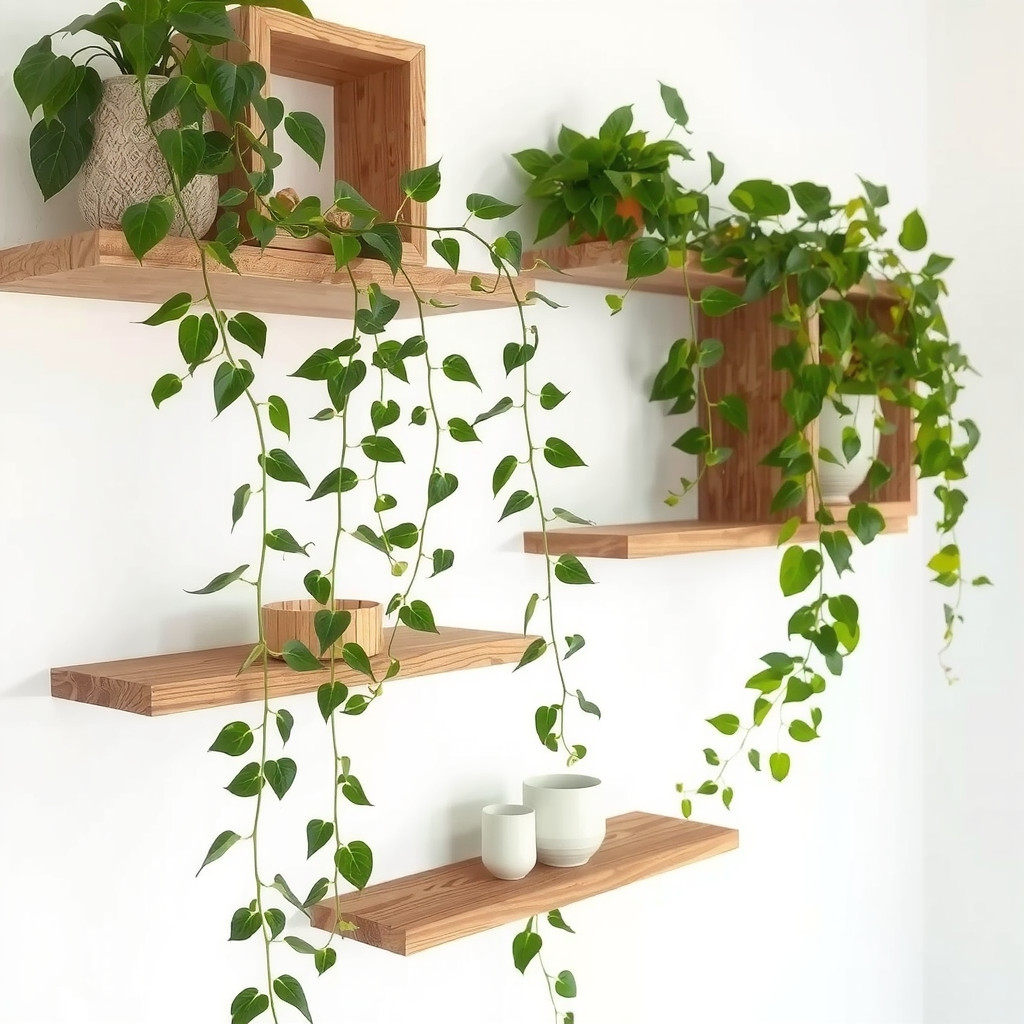
Wall-mounted planters or living wall systems turn greenery into living art. The organic shapes of leaves provide a perfect counterpoint to the rigid squares and rectangles of frames and furniture, softening the overall architectural look.
Tips
- Eye Level is Key: Generally, the center of your artwork should hang 57 to 60 inches from the floor.
- Mock It Up: Use kraft paper cutouts and painter’s tape to visualize your layout on the wall before drilling holes.
- Mix Frames: Don’t be afraid to mix vintage gold, sleek black, and raw wood frames for a collected, non-catalogue aesthetic.
- Negative Space: Leave breathing room between pieces; overcrowding creates visual chaos rather than coziness.
- Anchor Your Art: Ensure wall decor relates to the furniture below it; hanging art too high disconnects it from the room.
ADVERTISEMENT