ADVERTISEMENT
The Art of Modern Organic: Cultivating Calm in Your Living Room
In a world that often feels chaotic and overstimulated, your living room should serve as the ultimate exhale—a sanctuary where the noise fades and serenity takes over. The modern organic aesthetic answers this need perfectly, blending the clean lines of minimalism with the warmth and imperfection of nature. It is not just about decorating; it is about curating an environment that feels as good as it looks.
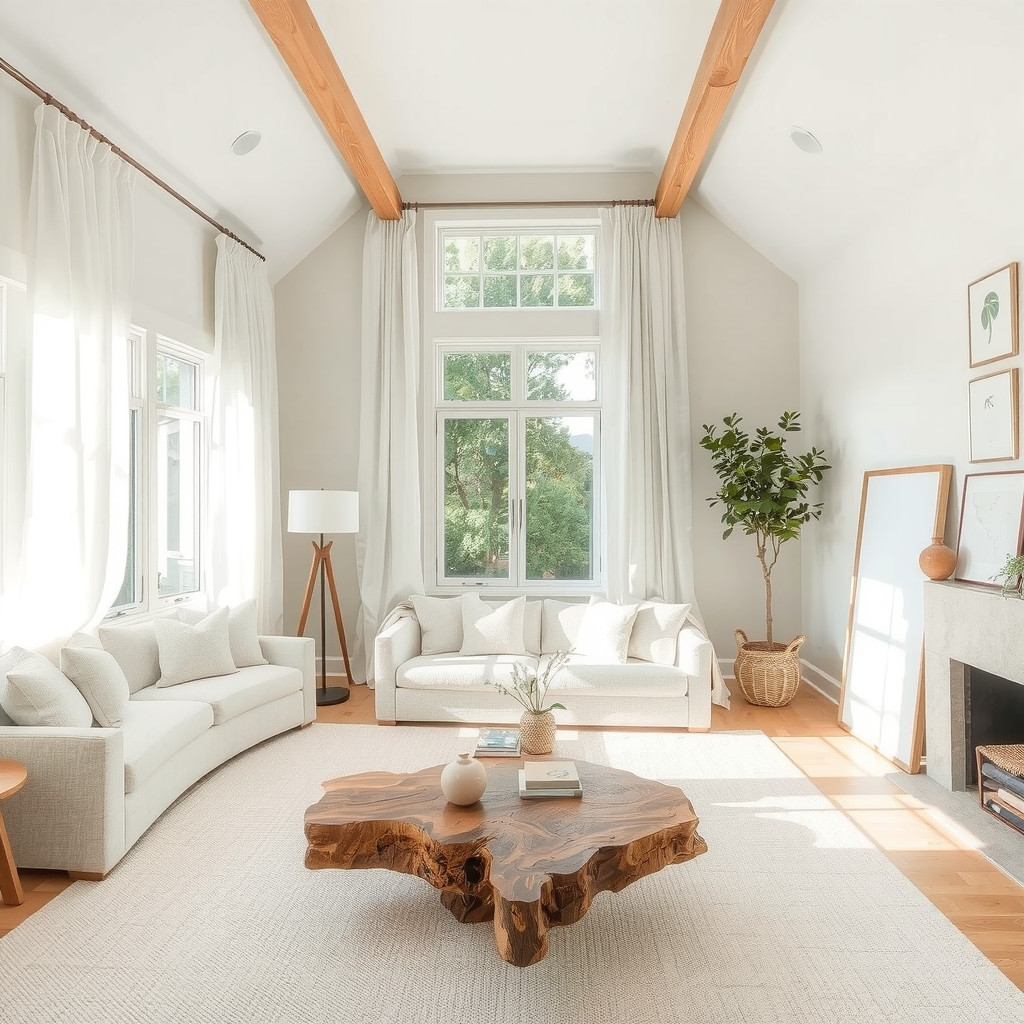
By focusing on raw textures, earthy palettes, and fluid shapes, you can transform your space into a retreat that grounds you the moment you walk through the door.
Layout and Positioning
The foundation of a restful living room lies in how you arrange the pieces within it. Avoid the temptation to push all your furniture against the walls, which can leave the center of the room feeling empty and disconnected. Instead, pull your seating inward to create an intimate floating zone that encourages conversation and connection.
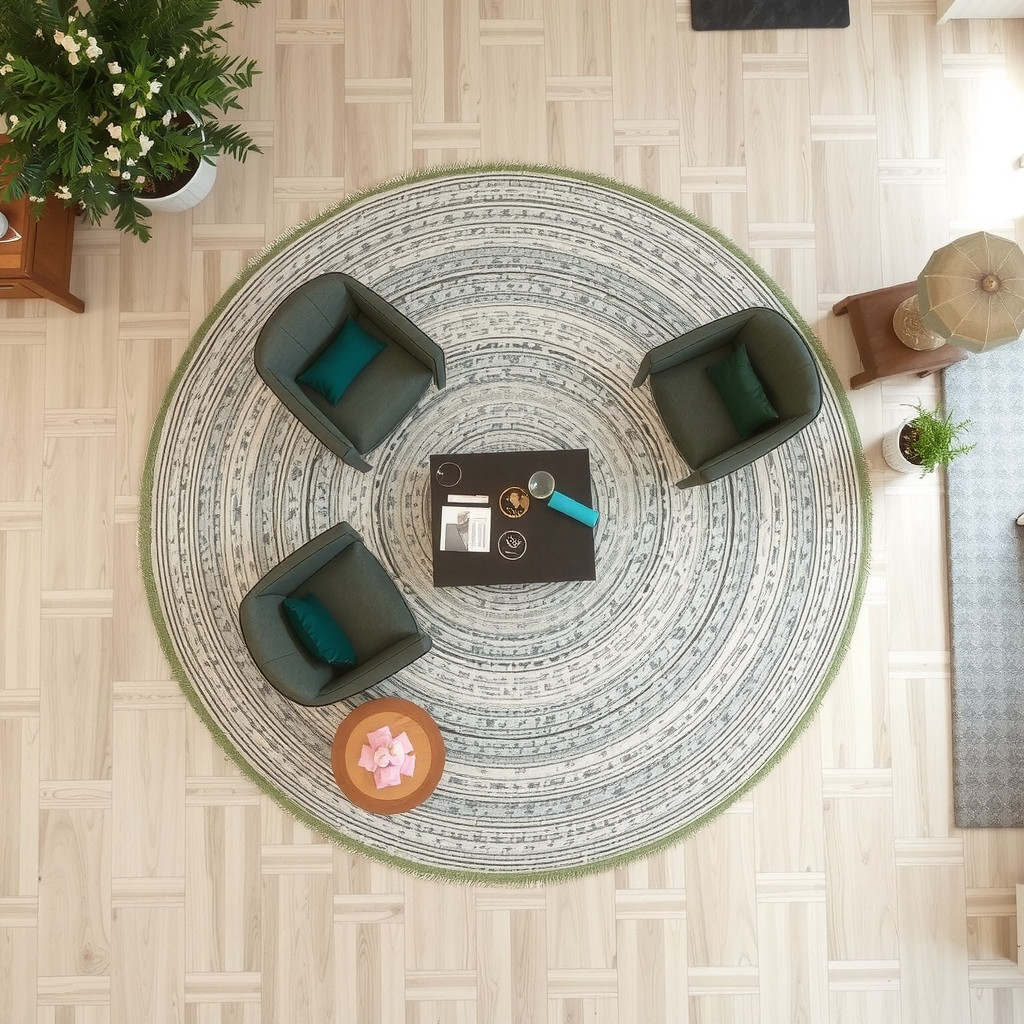
Think about the flow of traffic. You want to move through the space like water—unobstructed and fluid. Curved sofas or rounded armchairs can help soften the rigid angles of a rectangular room, guiding the eye gently from one area to the next without sharp interruptions. Ensure there is ample breathing room between pieces; negative space is a luxury that allows the design to speak.
Materials and Textiles
The magic of the modern organic style lives in the tactile experience. Since the color palette is often subdued—relying on warm whites, soft beiges, and muted greys—texture becomes your primary tool for adding depth and interest. You want to create a landscape of surfaces that begs to be touched.
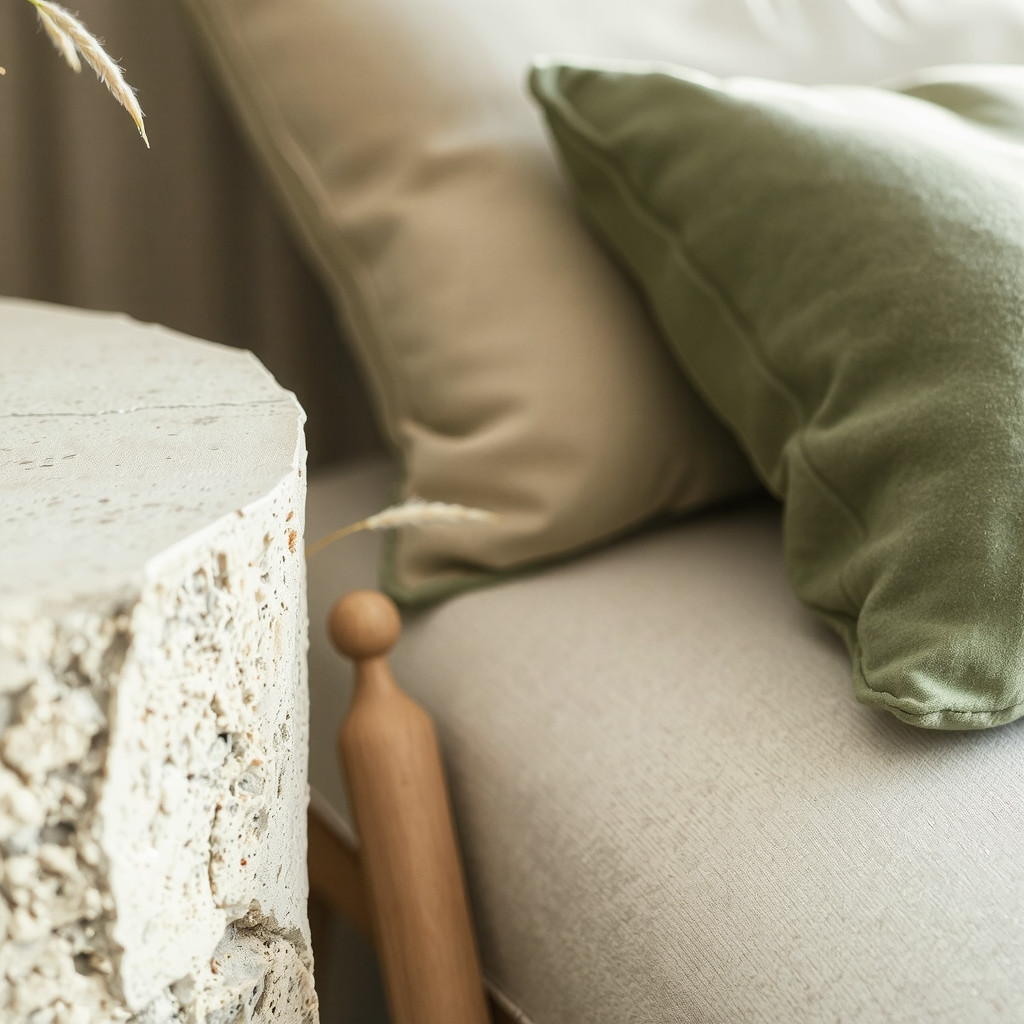
Layering is essential here. Pair a nubby bouclé sofa with smooth velvet throw pillows. Place a rough-hewn travertine coffee table atop a soft, hand-knotted wool rug. Introduce elements of raw wood, unpolished stone, and matte ceramics. These natural imperfections, often celebrated in the concept of wabi-sabi, bring a sense of history and soul to the room that manufactured perfection simply cannot replicate.
Focal Points
Every room needs an anchor, a spot where the eye naturally rests. In a modern organic living room, this focal point should feel grounded and architectural. If you have a fireplace, treat it as a sculptural element. Limewash treatments or natural stone facings can turn a standard builder-grade feature into a stunning centerpiece.
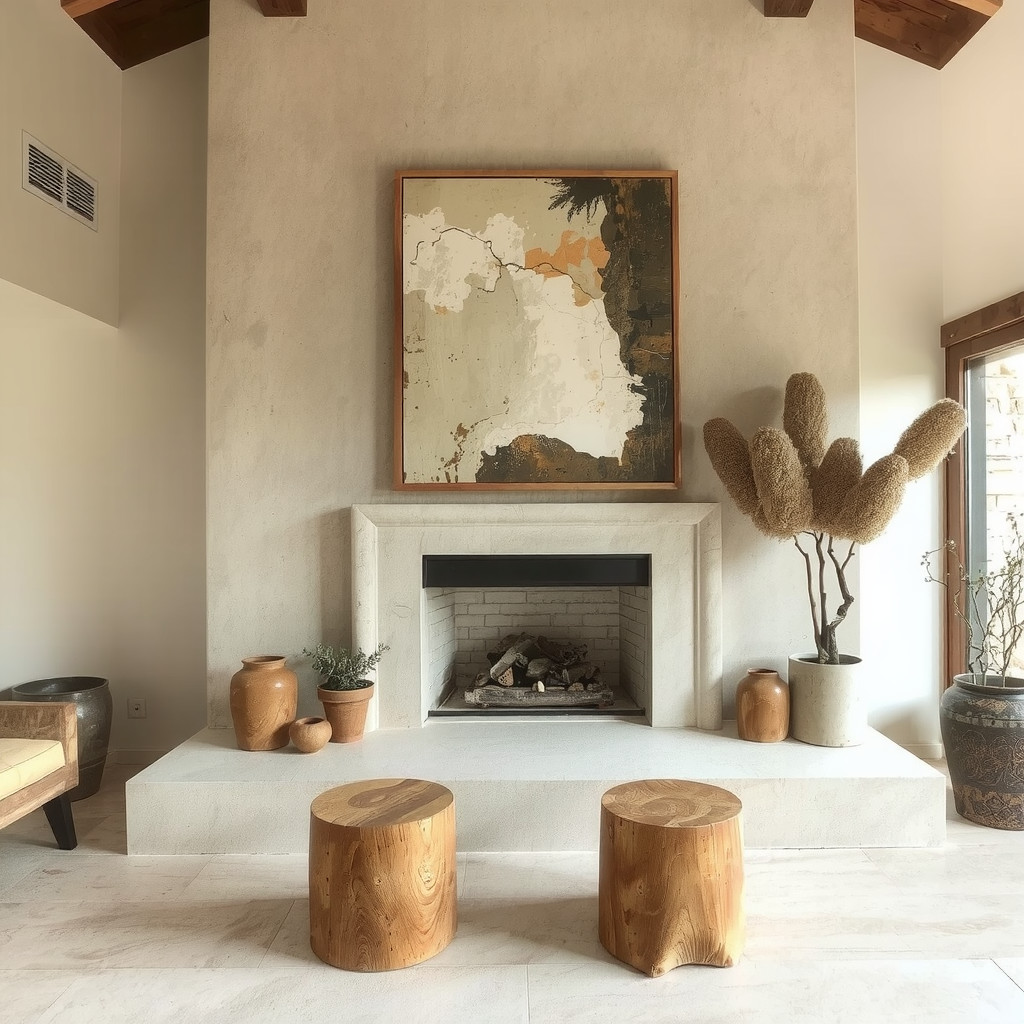
If a fireplace isn’t an option, use large-scale art or a statement furniture piece to ground the space. A massive, textured canvas in earth tones or a sideboard made from reclaimed wood can serve the same purpose, providing weight and direction to the layout.
Lighting
Lighting sets the emotional tone of the room. Harsh, overhead lighting is the enemy of relaxation. Instead, aim for a layered approach that washes the room in a warm, ambient glow. Think of lighting not just as utility, but as illuminated sculpture.
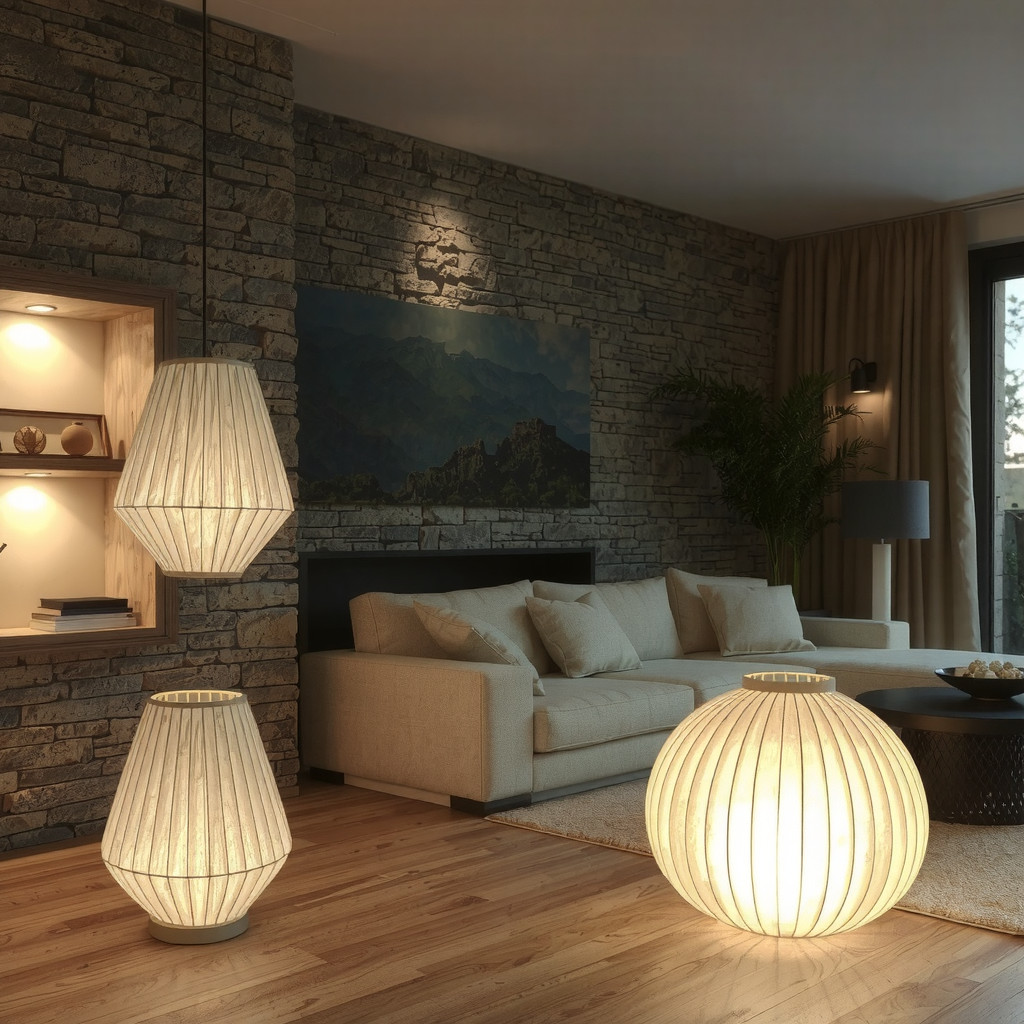
Paper lanterns, ceramic table lamps with linen shades, and alabaster sconces diffuse light beautifully, softening shadows and smoothing out the edges of the room. Install dimmer switches on all fixtures to allow you to transition the mood from a bright, energizing morning to a cozy, intimate evening.
Greenery
No organic design is complete without life. Plants are the bridge between your interior and the natural world outside. However, avoid the clutter of too many small pots. One or two large, sculptural trees make a far more sophisticated statement.
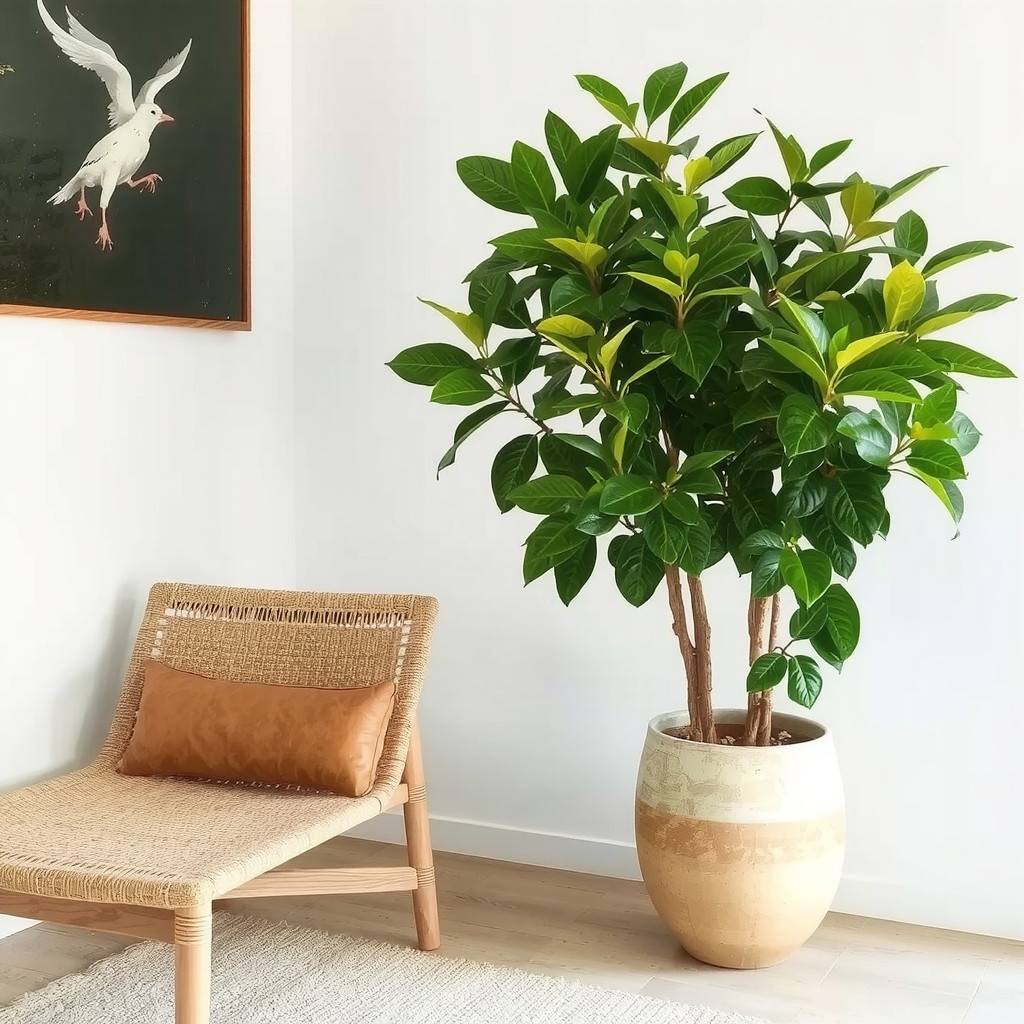
Choose plants with interesting forms, like a Ficus Audrey or a black olive tree, and house them in substantial planters made of terracotta, cement, or woven seagrass. The greenery adds a necessary pop of color and vitality that prevents a neutral room from feeling sterile.
Tips for a Cohesive Look
- Stick to a tonal palette: Use varying shades of the same color (like oatmeal, cream, and taupe) to create harmony without monotony.
- Hide the tech: conceal televisions and cords whenever possible to maintain the organic, low-tech vibe.
- Engage the nose: Use diffusers with natural scents like cedar, bergamot, or sandalwood to enhance the sensory experience.
- Edit ruthlessly: Keep surfaces relatively clear. Display only objects that bring you joy or have a functional purpose.
ADVERTISEMENT