ADVERTISEMENT
The Art of Moving Water: Sculpting Serenity in Your Garden
Introduction
Water has a transformative power that few other elements can rival. Introducing a water feature into your outdoor space does more than just add a visual centerpiece; it completely alters the atmosphere of your home. The gentle sound of trickling water acts as nature’s white noise, masking the hum of traffic and creating a sanctuary of calm right in your backyard. Whether you envision a dramatic cascade or a subtle bubbler, the presence of water invites you to pause, breathe, and reconnect with the natural world.
Layout and Positioning
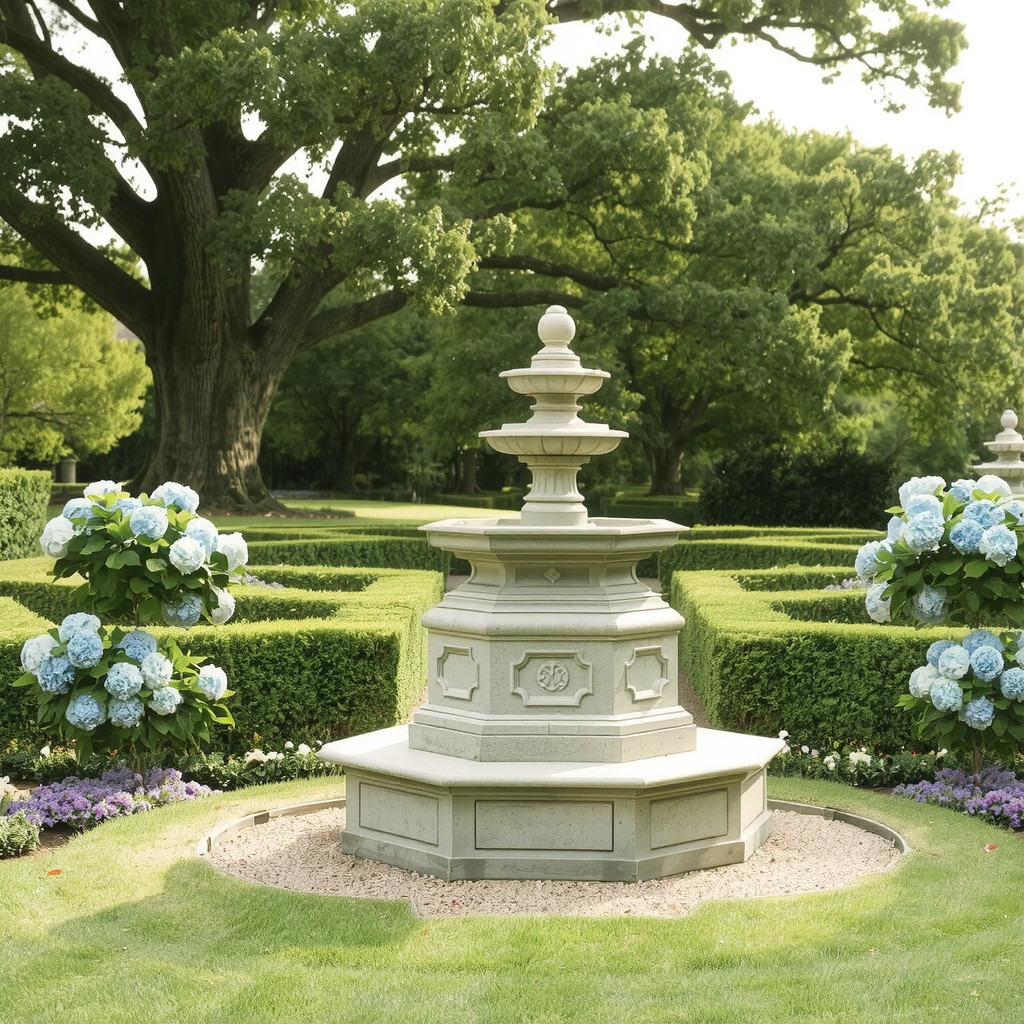
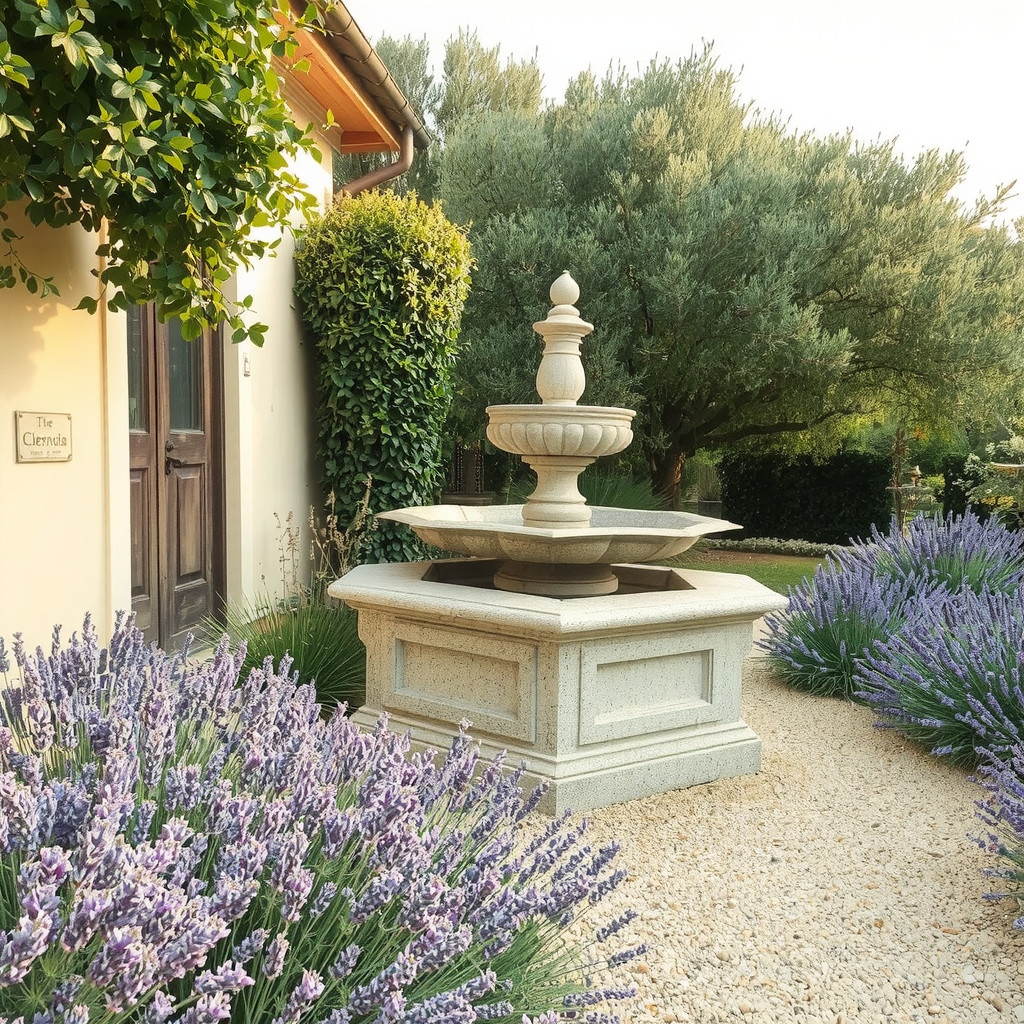
The success of your water feature depends heavily on where you place it. You need to consider both the visual impact and the acoustic experience. For smaller courtyards or patios, a wall-mounted fountain is an excellent space-saver that draws the eye upward without cluttering the floor plan. If you have a sprawling lawn, a central tiered fountain or a winding stream can serve as an anchor, organizing the rest of the landscape around it.

Always ensure the feature is visible from your favorite indoor vantage points, such as the kitchen window or the living room glass doors. This allows you to enjoy the dynamic movement of water even when you are inside. Furthermore, consider the proximity to seating areas; you want the sound to be soothing, not overwhelming, so maintain a comfortable distance for conversation while keeping the melody audible.
Materials and Textiles
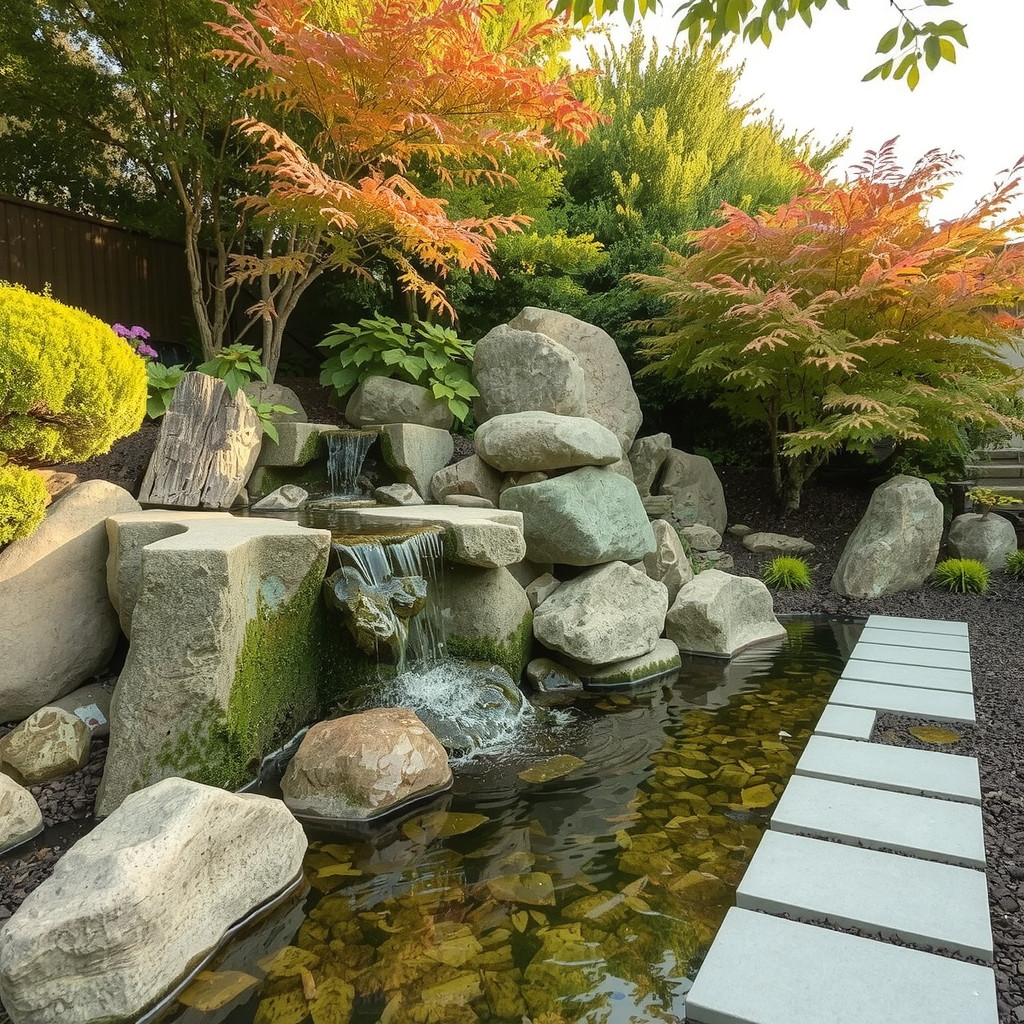
Selecting the right materials is crucial for harmonizing the water feature with your existing architecture. Natural stone, such as slate, granite, or river rock, offers a timeless, organic look that ages beautifully, gathering moss and patina over time. For a more contemporary edge, concrete and corten steel provide clean lines and industrial textures that contrast sharply with the softness of the water.
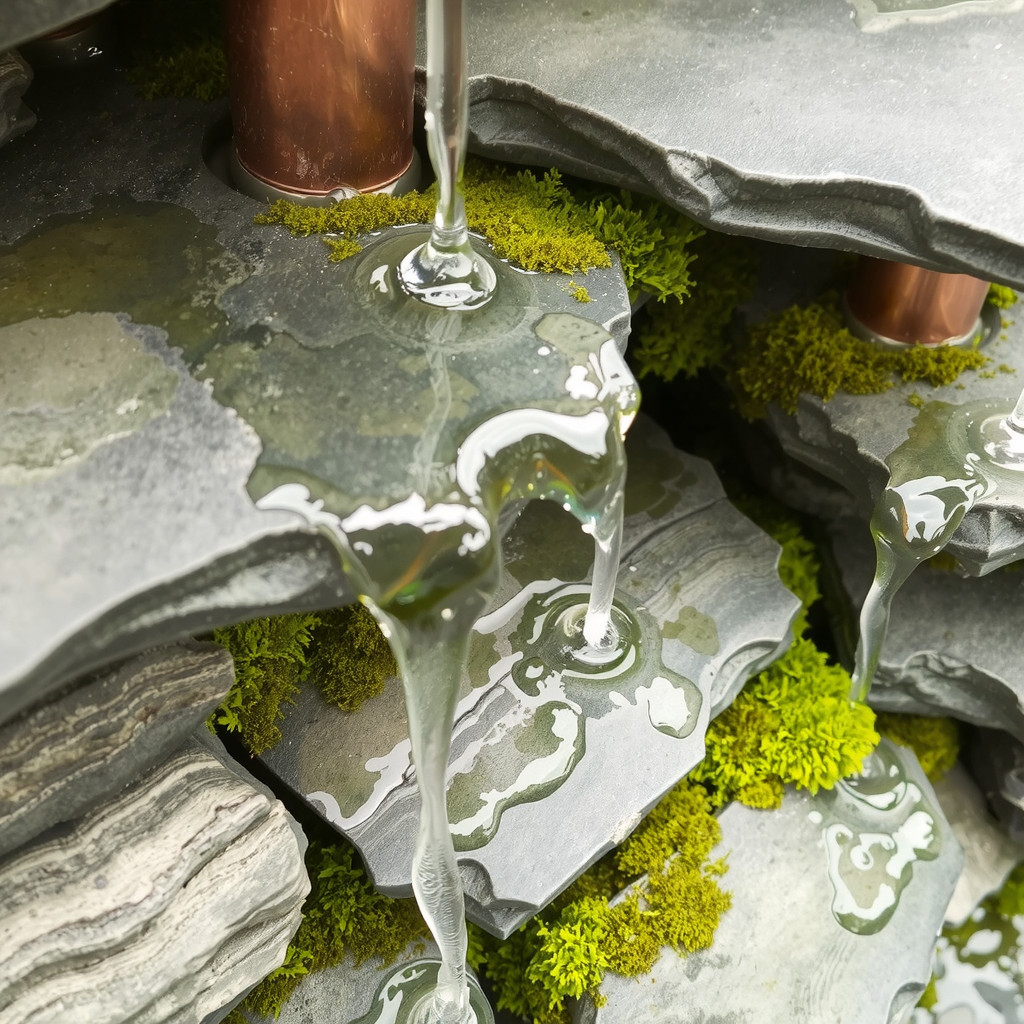
Don’t forget to soften these hard surfaces with appropriate textiles nearby. Weather-resistant cushions in earthy tones—sage green, terracotta, or sand—placed on adjacent benches invite you to linger. The interplay between the fluid water, the solid stone, and the soft fabrics creates a tactile richness that elevates the sensory experience of the garden.
Focal Points
A well-designed fountain or waterfall naturally demands attention, so lean into its role as a focal point. In formal gardens, symmetry is your friend; align your water feature with a main pathway or the center of a patio to create a sense of order and grandeur. In more rustic or naturalistic settings, an off-center placement nestled among boulders can feel like a hidden discovery.

Use the water feature to direct the gaze. A waterfall cascading into a pond can lead the eye down toward aquatic plants, while a tall bubbling urn directs the eye upward, adding vertical interest to flat landscapes. By framing these elements intentionally, you turn a simple garden accessory into a living sculpture.
Lighting
The magic of moving water shouldn’t end when the sun goes down. Lighting is essential for extending the enjoyment of your garden into the evening hours. Submersible LED lights are particularly effective, as they illuminate the water from within, causing the ripples to dance and glow against the dark surroundings.
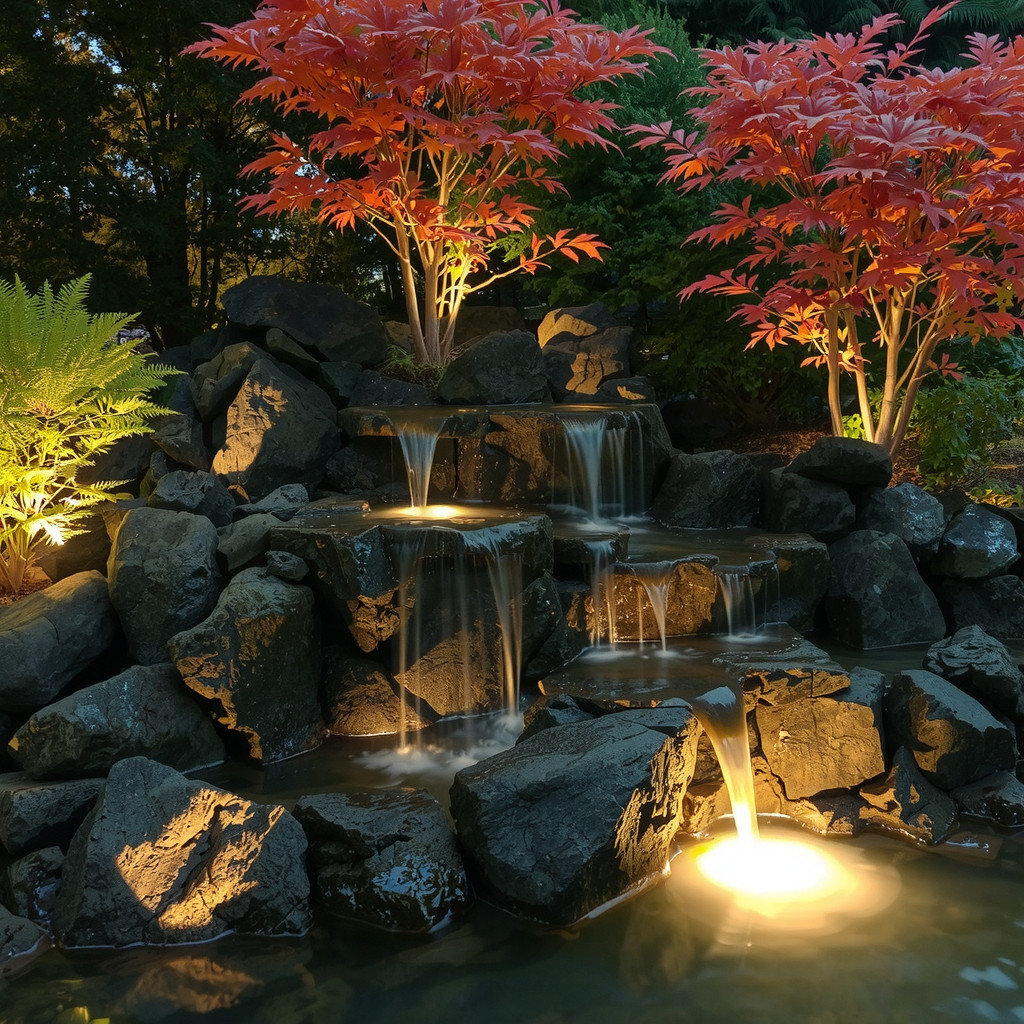
Aim for warm white tones rather than harsh blues to maintain a cozy, inviting ambiance. Uplighting placed at the base of a waterfall can highlight the texture of the stone and the sparkle of the spray. This dramatic interplay of light and shadow creates a theatrical backdrop perfect for late-night entertaining or quiet reflection.
Greenery
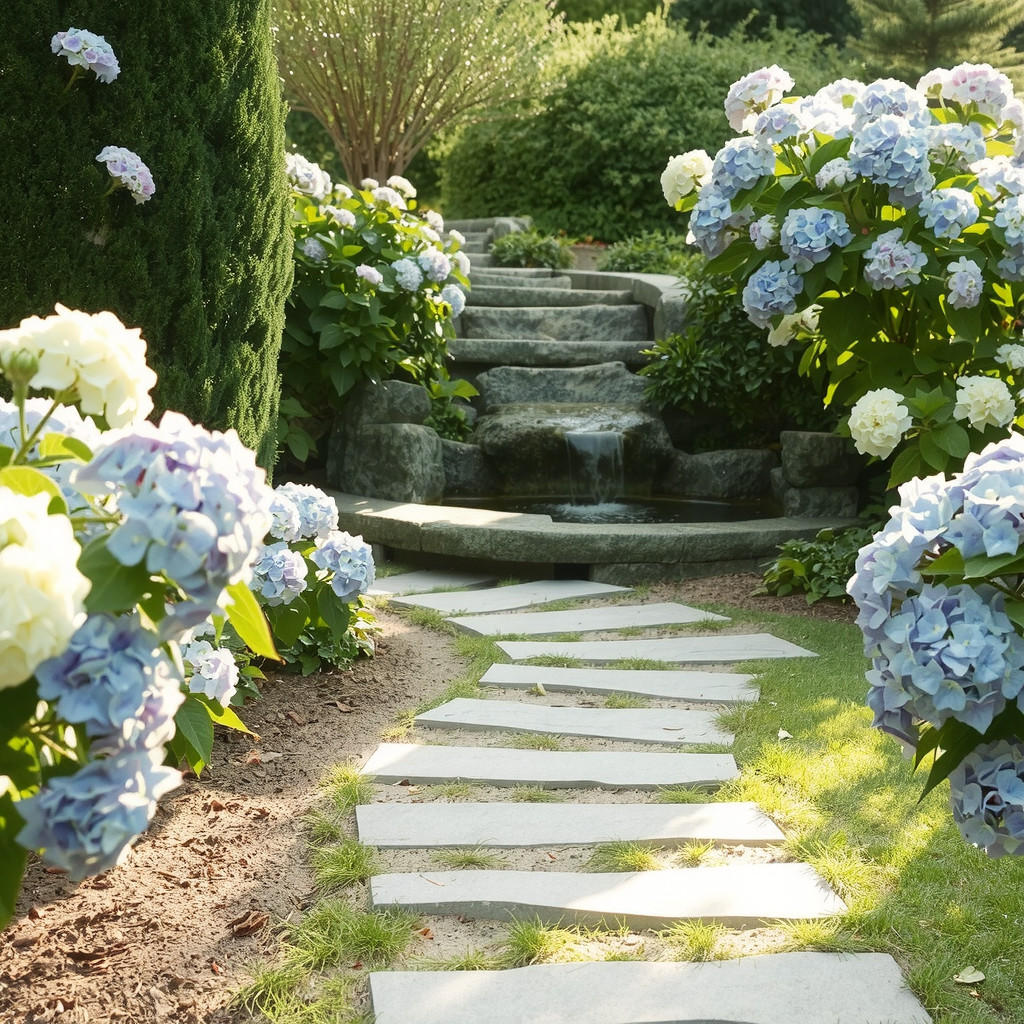
Plants are the final layer that integrates your water feature into the wider landscape. Moisture-loving varieties are the obvious choice for planting near the splash zones. Ferns, hostas, and astilbes thrive in the humid microclimate created by the fountain, their lush foliage softening the hard edges of the stone or metal basin.
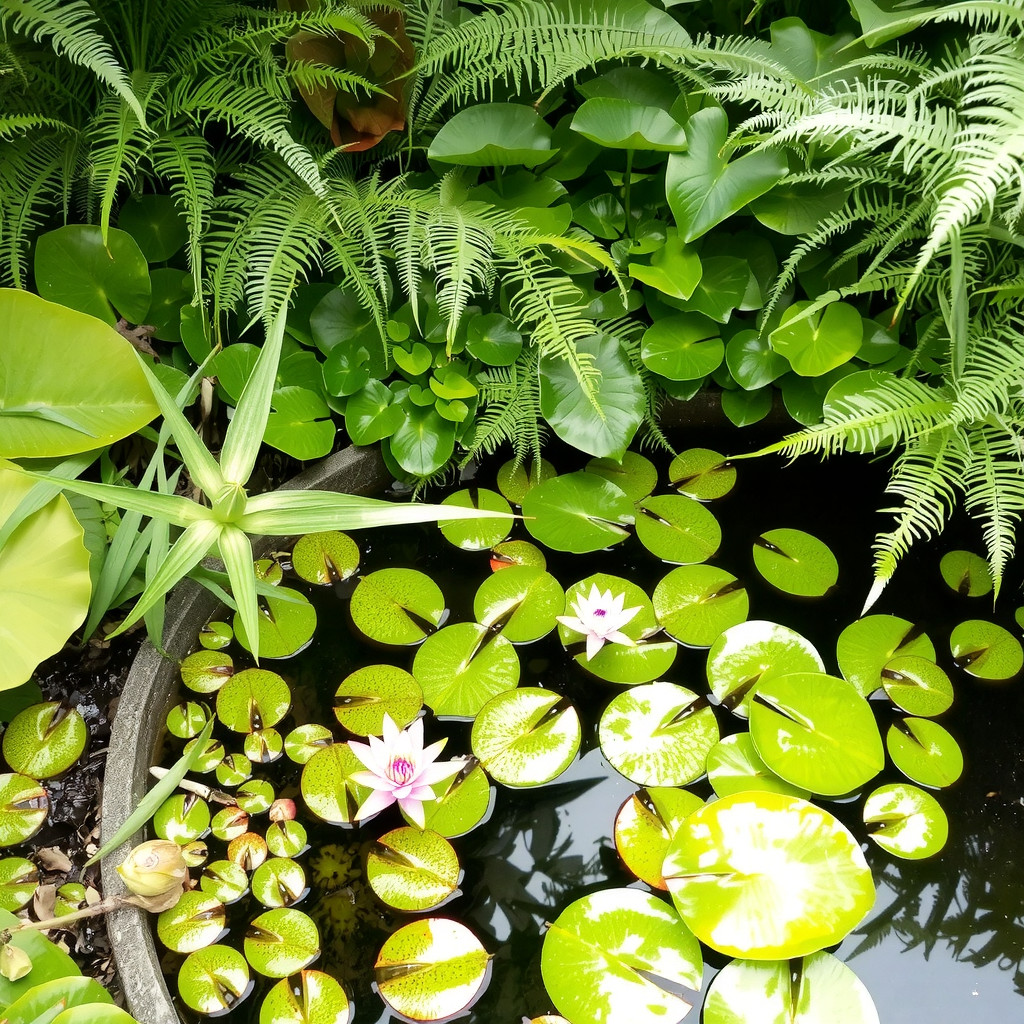
Consider the reflection on the water’s surface as well. Overhanging branches of a Japanese maple or the tall, slender blades of ornamental grasses create beautiful, shifting reflections that add depth to the water. This biological framework grounds the feature, making it look as though it has always been a part of the earth.
Tips
- Pump Maintenance: Regularly check your pump intake for debris like leaves and algae to ensure consistent water flow and prevent burnout.
- Water Levels: Evaporation happens quickly in summer; top off your fountain frequently to protect the pump and maintain the desired sound.
- Winter Care: In freezing climates, drain small fountains and cover them or move them indoors to prevent cracking during winter months.
- Algae Control: Use pet-safe algae inhibitors or natural barley straw to keep the water clear without harming local wildlife.
ADVERTISEMENT