ADVERTISEMENT
The Art of Play: Curated Whimsical Interiors
Your home should be a reflection of your imagination, a sanctuary where reality bends slightly to make room for wonder. Whimsical decor is not about clutter or chaos; it is the deliberate art of infusing joy, color, and storytelling into your everyday environment. It invites you to embrace the unexpected and curate a space that feels less like a showroom and more like a living storybook.
Layout and Positioning
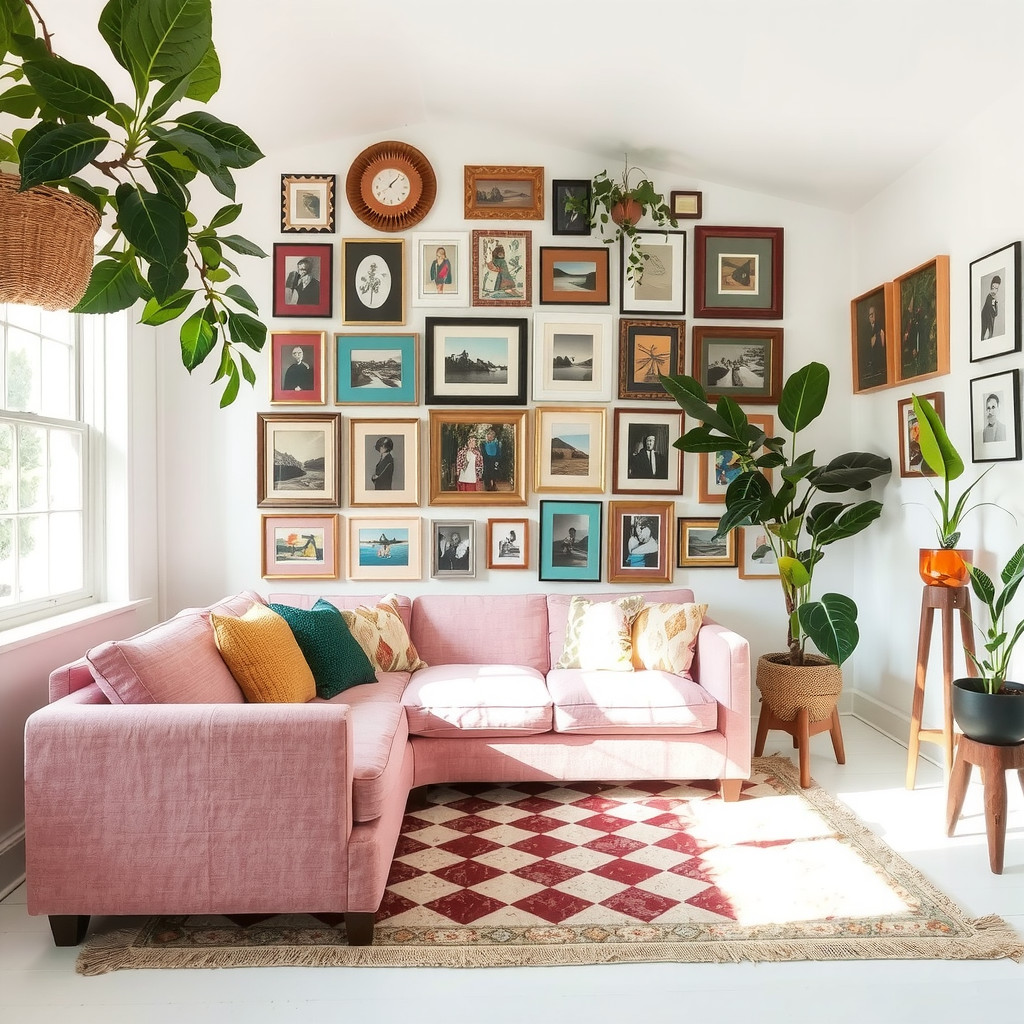
Forget the rigid rules of symmetry that often dominate traditional interior design. To create a sense of whimsy, you must view your floor plan as a fluid landscape rather than a grid. Angle your furniture to create cozy conversation pockets that feel intimate and secretive, rather than pushing everything against the walls. A floating armchair placed near a bookshelf invites spontaneous reading sessions, while an irregularly shaped coffee table breaks up linear monotony.
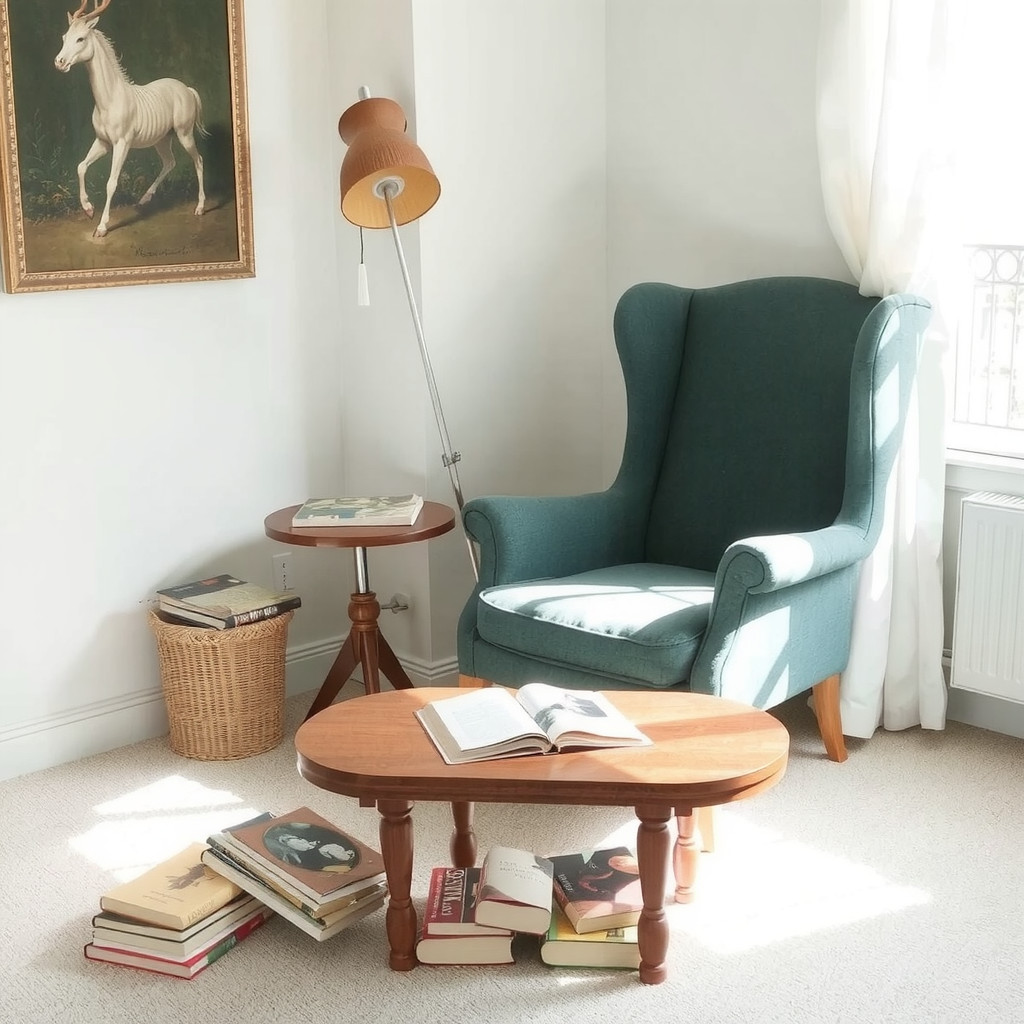
Consider creating “destinations” within a room. A window seat isn’t just a place to sit; it is a lookout point. A vanity corner is a backstage dressing room. By positioning furniture to frame these moments, you guide the eye through a journey of discovery. Allow paths to meander slightly, forcing a slower pace that encourages you to notice the small, delightful details you have placed along the way.
Materials and Textiles
Texture plays a crucial role in grounding the fantastical elements of whimsical decor. You want surfaces that beg to be touched, mixing the luxurious with the rustic. Think of deep, crushed velvets paired with rough-hewn wood, or delicate silk throw pillows resting against a chunky knit wool blanket. This contrast creates a sensory experience that feels rich and lived-in.
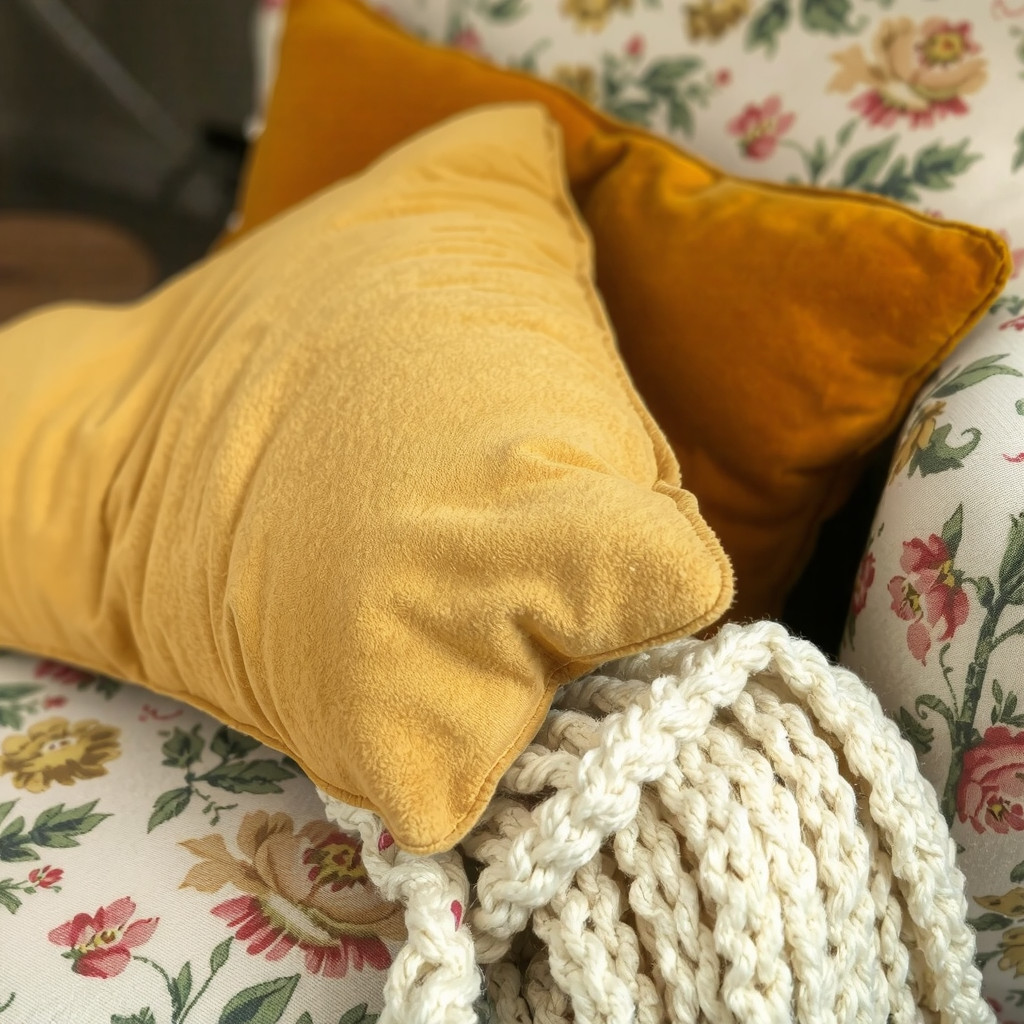
Don’t shy away from mixing patterns. A floral wallpaper can happily coexist with a geometric rug if they share a common color thread. The goal is to create a visual tapestry that feels collected over time. Look for fabrics that have a sheen or shimmer to catch the light, adding a subtle magical quality to the room as the day transitions into evening.
Focal Points
Every whimsical room needs a centerpiece that defies explanation or simply sparks joy. This is where you can be truly bold. An oversized, ornate mirror with a frame that looks like twisting vines can transform a plain wall into a portal. Large-scale art prints featuring surreal landscapes or vintage botanical illustrations serve as windows to other worlds.
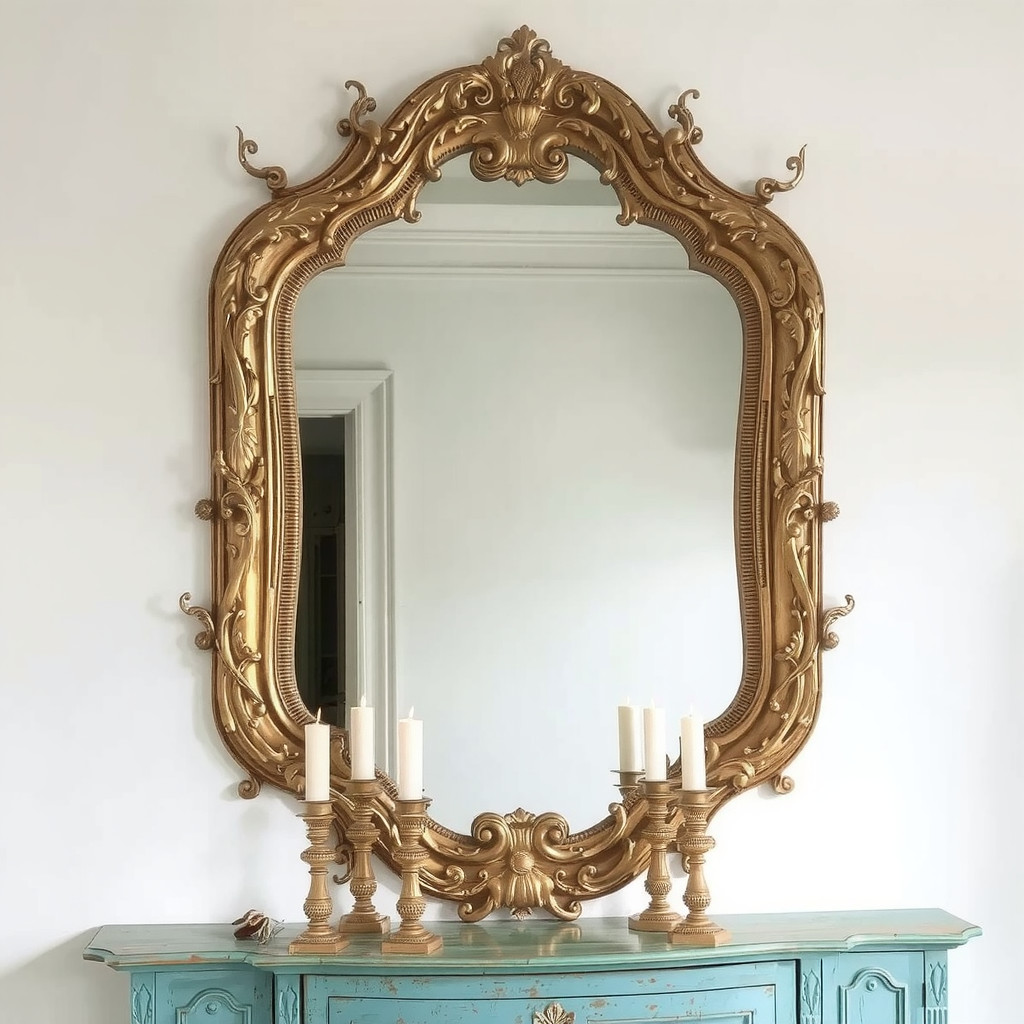
Furniture itself can be the focal point. A chest of drawers painted in a gradient of sunrise colors or a chair with legs shaped like animal paws adds a narrative element. These pieces act as anchors, drawing the eye and stating clearly that this space is designed for imagination.
Lighting
Lighting is the wand you wave to activate the magic of your room. Harsh overhead lighting destroys mystery, so prioritize layered illumination. Use table lamps with sculptural bases—perhaps shaped like mushrooms, birds, or abstract geometric forms—to cast warm, localized pools of light.
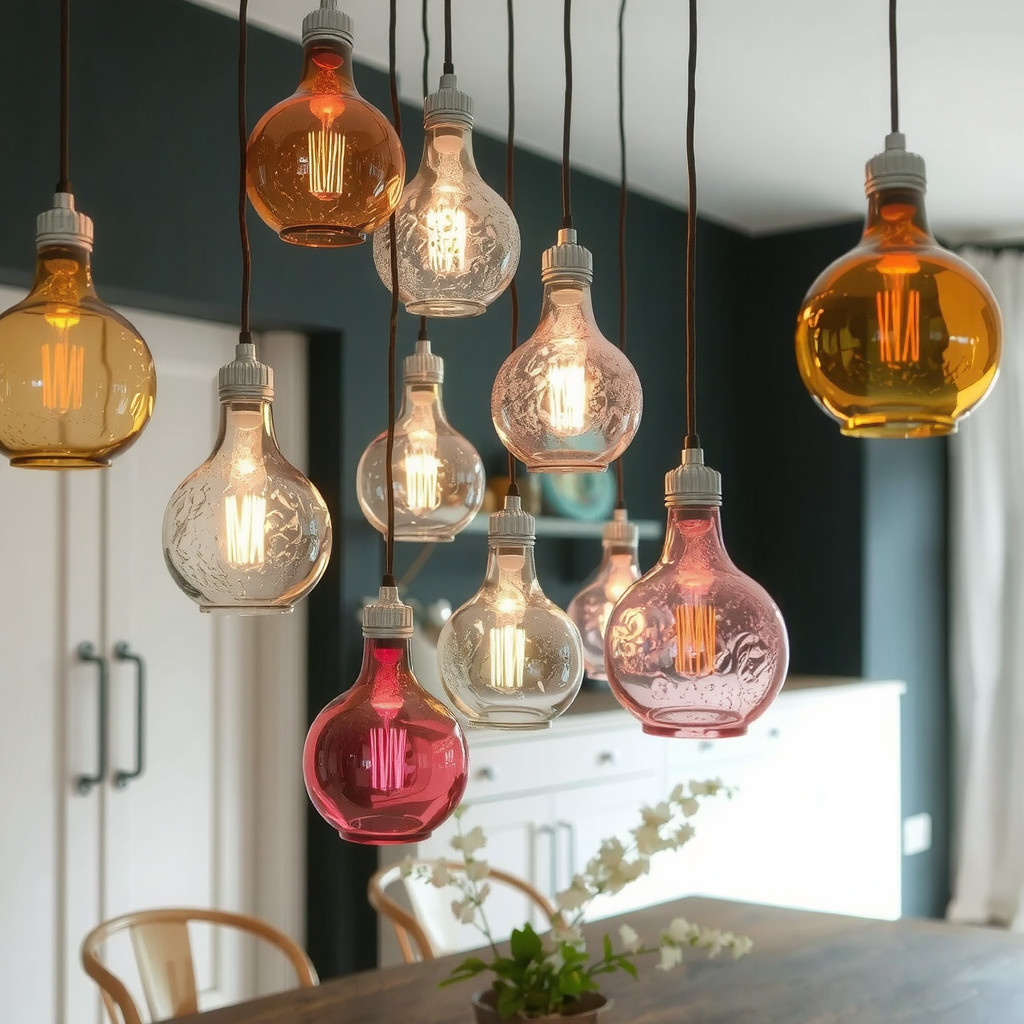
Colored glass shades can tint the room in soft hues of amber, rose, or teal, altering the mood instantly. Fairy lights aren’t just for holidays; draped subtly over a headboard or stuffed inside a glass cloche, they capture the essence of fireflies. Shadows are just as important as light here, creating depth and drama that makes the room feel larger and more enchanting.
Greenery
Nature is the original architect of whimsy. Integrating plants into your decor bridges the gap between the indoors and the wild outdoors. Instead of standard pots, place your greenery in unexpected vessels—a vintage teapot, a hollowed-out bust, or hanging baskets that allow vines to trail down like curtains.
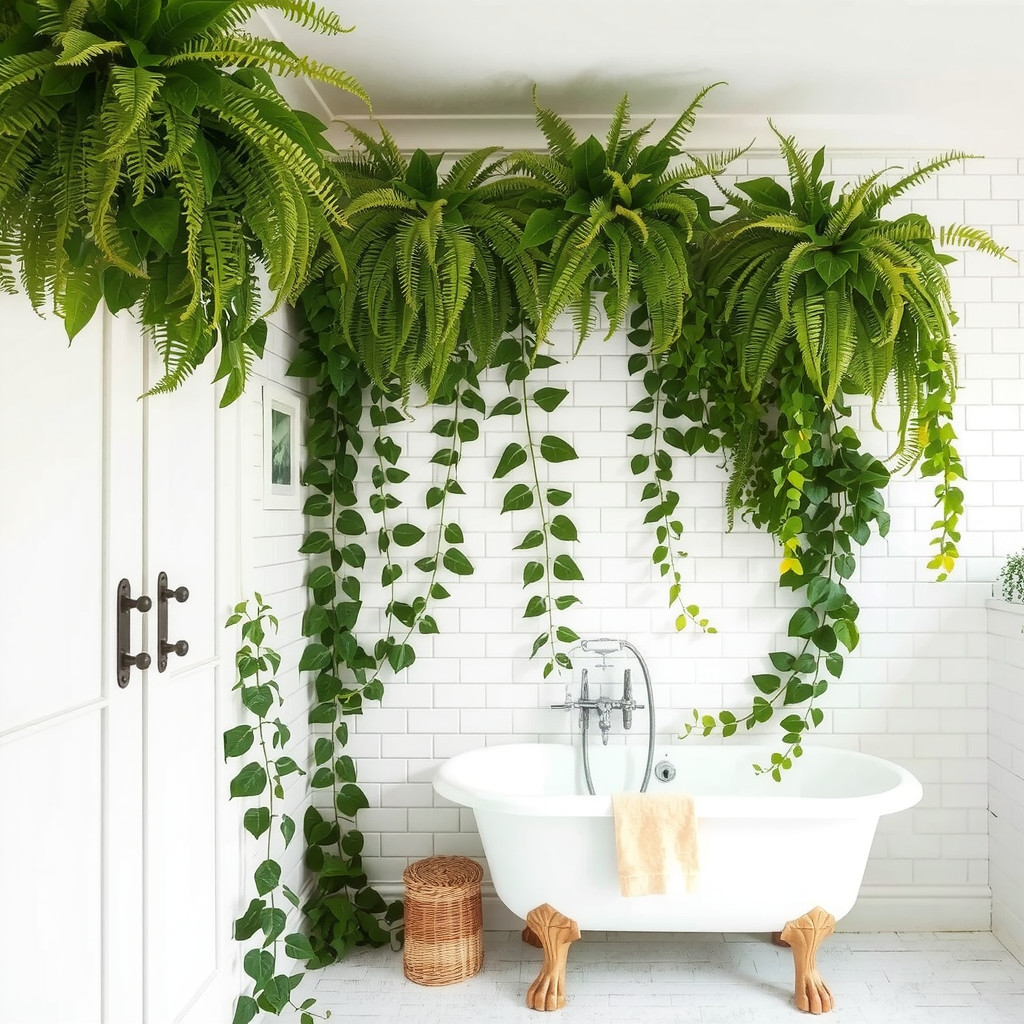
Focus on plants with interesting leaf shapes or habits. Monstera with its natural fenestrations, or a string of pearls plant cascading from a high shelf, adds organic sculpture to your design. The goal is to create a lush, overgrown feeling that suggests nature is gently reclaiming the space, adding to the “secret garden” atmosphere.
Tips
- Mix Eras: Combine mid-century modern pieces with Victorian antiques to blur the timeline of your space.
- Color Blocking: Paint the inside of a bookshelf or a door frame a vibrant, unexpected color like teal or coral.
- Curiosities: Display small collections of oddities, such as vintage keys, sea glass, or ceramic figurines, in shadow boxes.
- Ceiling Interest: Don’t forget the “fifth wall”—consider wallpapering the ceiling or painting it a soft sky blue.
- Hardware Swaps: Replace standard drawer pulls with unique knobs made of crystal, brass animals, or colorful ceramic.
ADVERTISEMENT