ADVERTISEMENT
The Art of Spacious Minimalism in Compact Homes
Living within a smaller footprint often feels like a compromise between functionality and aesthetics. However, the true essence of minimalism allows you to transform limited square footage into a serene sanctuary that feels expansive and deliberate. By stripping away visual noise and focusing on essential forms, you create a home that breathes rather than suffocates.
Layout and Positioning
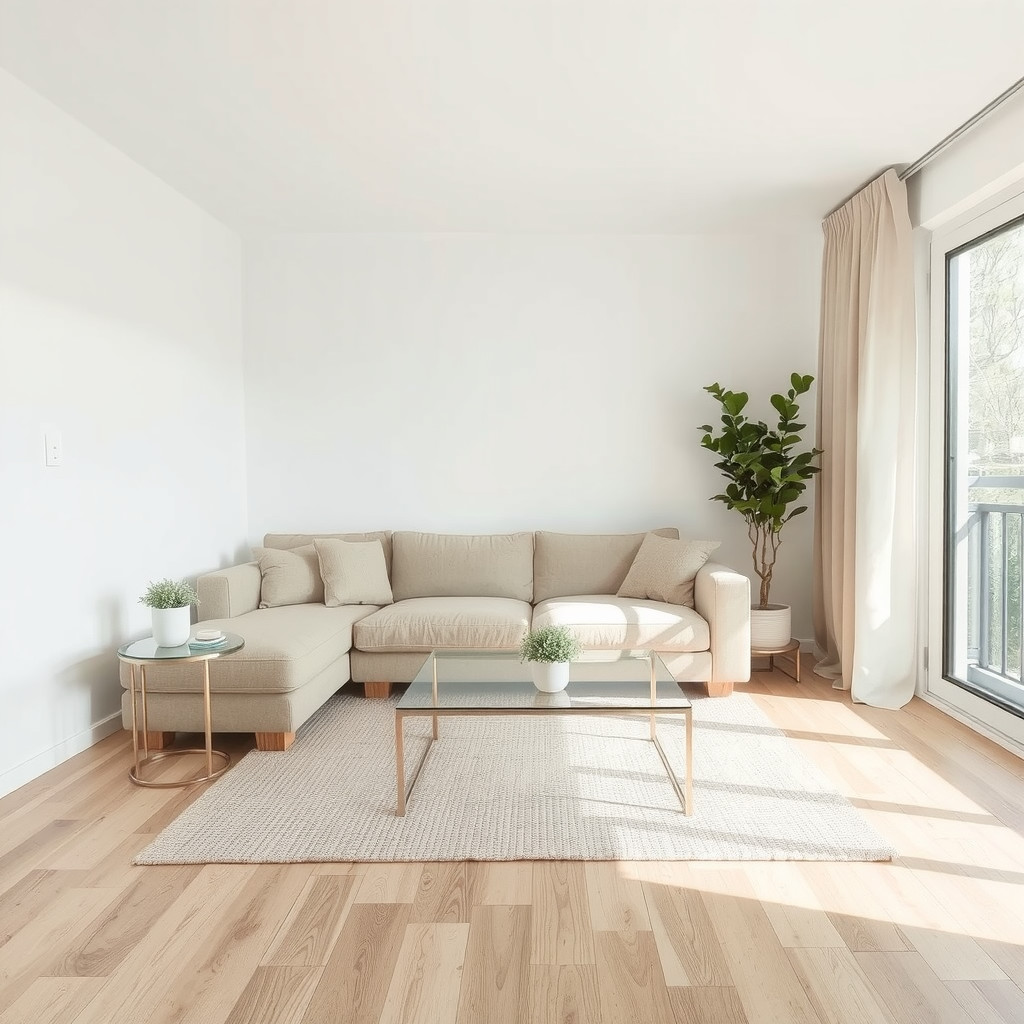
The foundation of a successful minimalist interior lies in how you arrange your furniture to maximize flow. In a compact house, every inch of floor space counts, but that does not mean you should push every piece against the wall. Instead, float your furniture to create distinct zones. This technique introduces “negative space” around objects, tricking the eye into perceiving the room as larger than it actually is.
Choose low-profile furniture with clean lines to maintain unobstructed sightlines across the room. A sofa with exposed legs, for instance, allows light to pass underneath, enhancing the sense of openness. Prioritize multi-functional pieces, such as an ottoman with hidden storage or a dining table that doubles as a workspace, to reduce the overall item count.

Materials and Textiles
When color is restrained, texture becomes the language of your design. A monochromatic palette can feel sterile without the warmth of varied tactile elements. You should layer natural materials like unpolished wood, stone, linen, and wool to add depth and interest without creating visual clutter.
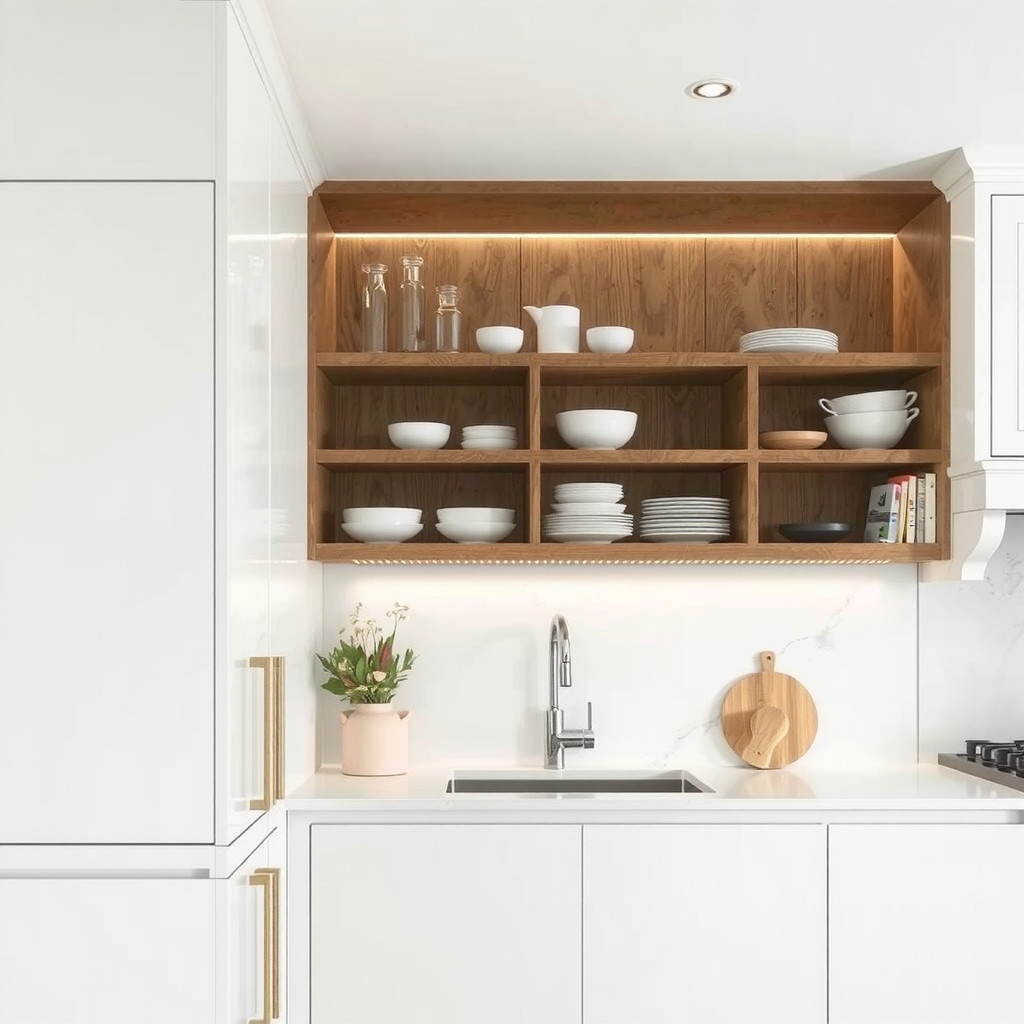
Consider the interplay between hard and soft surfaces. A sleek glass coffee table—which takes up zero visual weight—pairs beautifully with a nubby wool rug or a bouclé armchair. These subtle contrasts keep the eye engaged and make the space feel cozy rather than cold. In the kitchen or bathroom, matte finishes on cabinetry often recede more effectively than high-gloss ones, contributing to a seamless look.
Focal Points
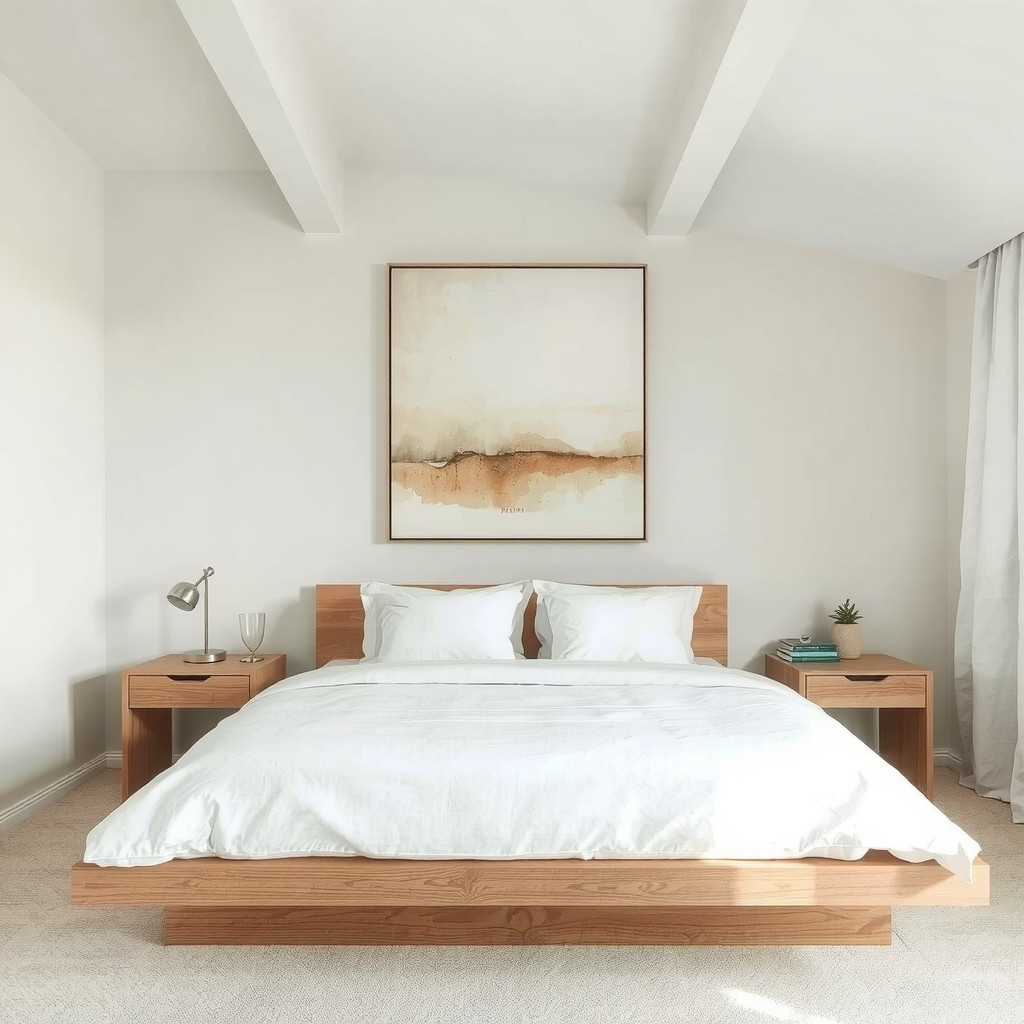
In a small minimalist home, clutter is the enemy, but emptiness is not the goal. You need a singular, strong focal point in each room to anchor the design. This could be a large-scale piece of abstract art, a sculptural chair, or a striking architectural feature like a fireplace.
By directing attention to one intentional element, you divert the eye from the room’s modest dimensions. Avoid the temptation to fill empty corners with small trinkets; instead, let the focal point stand proudly with breathing room around it. This discipline creates a gallery-like atmosphere where each object is appreciated for its form and function.
Lighting
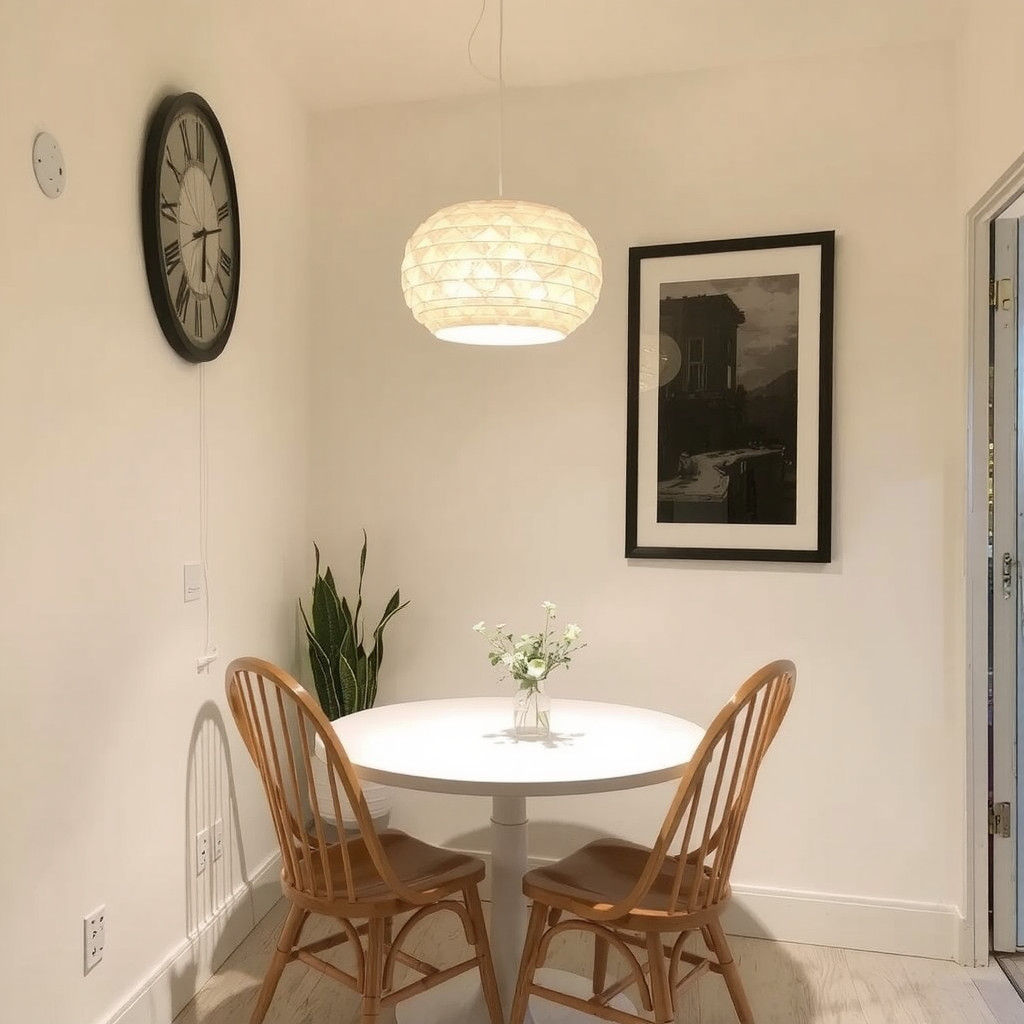
Lighting is arguably the most critical tool for expanding a small space visually. Relying on a single overhead fixture creates harsh shadows that shrink the room. Instead, you should layer your lighting at different heights to add dimension and warmth.
Use wall sconces to free up precious surface area on bedside tables or sideboards. Floor lamps with slim profiles can illuminate dark corners, pushing the boundaries of the room outward. During the day, keep window treatments sheer or completely open to invite as much natural light as possible, blurring the line between indoors and outdoors.
Greenery
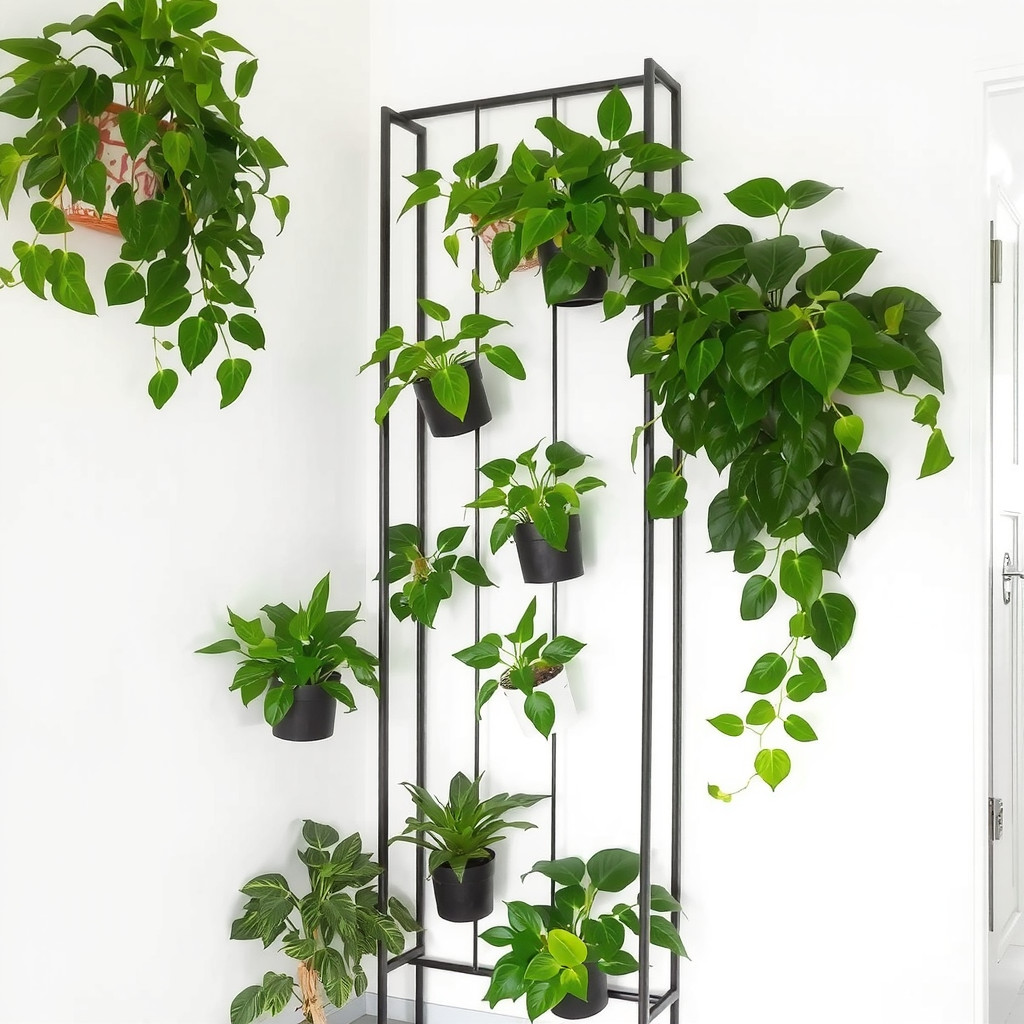
Plants are the perfect antidote to the rigidity of minimalist lines. They introduce organic shapes and vibrant life into a neutral space without disrupting the calming color palette. In a small house, floor space is valuable, so think vertically.
A tall, slender tree like a Ficus Audrey draws the eye upward, emphasizing ceiling height. Alternatively, hanging planters or wall-mounted shelving for trailing vines can add greenery without occupying any footprint. Select simple, solid-colored pots to ensure the focus remains on the foliage and the overall harmony of the room.
Tips
- Edit ruthlessly: If an item does not serve a purpose or bring joy, remove it to maintain clarity.
- Utilize mirrors: Place a large mirror opposite a window to bounce light and double the visual depth.
- Uniform flooring: Run the same flooring material through all rooms to eliminate visual breaks and unify the home.
- Hidden storage: Opt for closed cabinetry over open shelving to hide daily necessities and reduce visual noise.
ADVERTISEMENT